

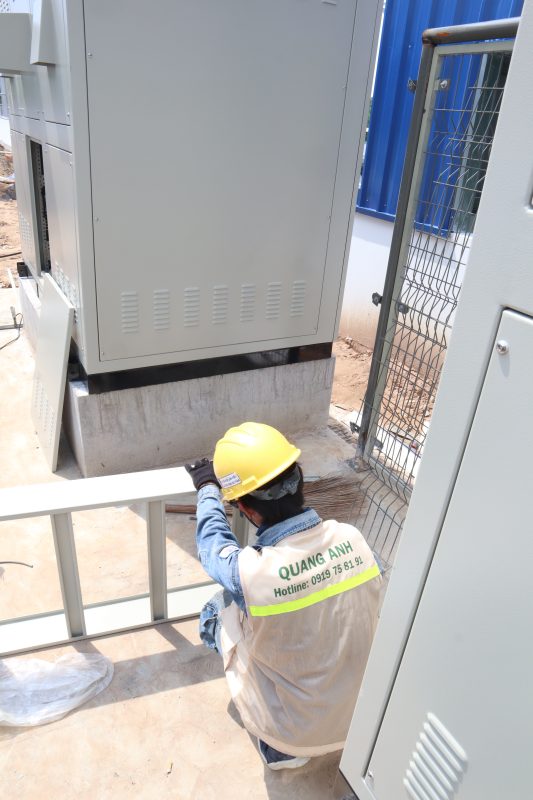
Several variables such as timeline, materials, project complexity, and location impact the electrical installation costs for a plant.
Factors Affecting Electrical Installation Costs for Plants
These costs depend on various aspects, including project schedule, material types, complexity, equipment volume, and installation site. Each factor significantly influences the overall expenses. High-quality materials, for instance, raise costs but ensure long-term system efficiency. Equipment volume affects both material and labor costs in industrial electrical setups.
Undertaking electrical installations in plants is crucial during construction and operational phases. Costs aren’t just about initial capital but are impacted by several other factors, discussed here:
- System Scale and Power Capacity
- Large facilities require substantial electrical materials such as panels, inverters, and extensive cabling, increasing both supply and labor costs.
- Higher power requirements boost industrial equipment needs, increasing installation volume and expenses.
- Distribution Range and Span in Plants
- The distance between power sources and equipment significantly affects costs. Larger spans require more cabling and sometimes additional control panels.
- This not only elevates material costs but complicates project management, requiring more time and labor.
- Current System Condition
- Older plants may need system upgrades or replacements, a significant cost factor demanding new technology and engineering solutions.
- Plant Structure and Architecture
- Structural elements like ceiling height and layout influence installation complexity, potentially increasing costs.
- Materials and Equipment Type and Quality
- The choice of materials and brands can greatly impact overall costs, with premium brands like ABB and Schneider offering durable but pricier options.
- The method of acquiring materials, whether in packages or individually managed, also affects project costs and management.
- Project Schedule and Technical Demands
- Accelerated schedules increase costs by requiring additional resources, especially for overtime or night shifts. Specific techniques or high safety standards further raise expenses.
- Labor and Onsite Management Costs
- Labor and management costs vary by region, timing, and project complexity. Skilled labor ensures quality but comes at a higher cost.
- Industry-Specific Electrical Load Requirements
- Different industries have specific electrical load needs, affecting system design and equipment volume, directly impacting project expenses.
Understanding the factors affecting installation costs is vital for optimizing project spending and quality. Investors should have a detailed overview to make smart decisions during planning and operation.
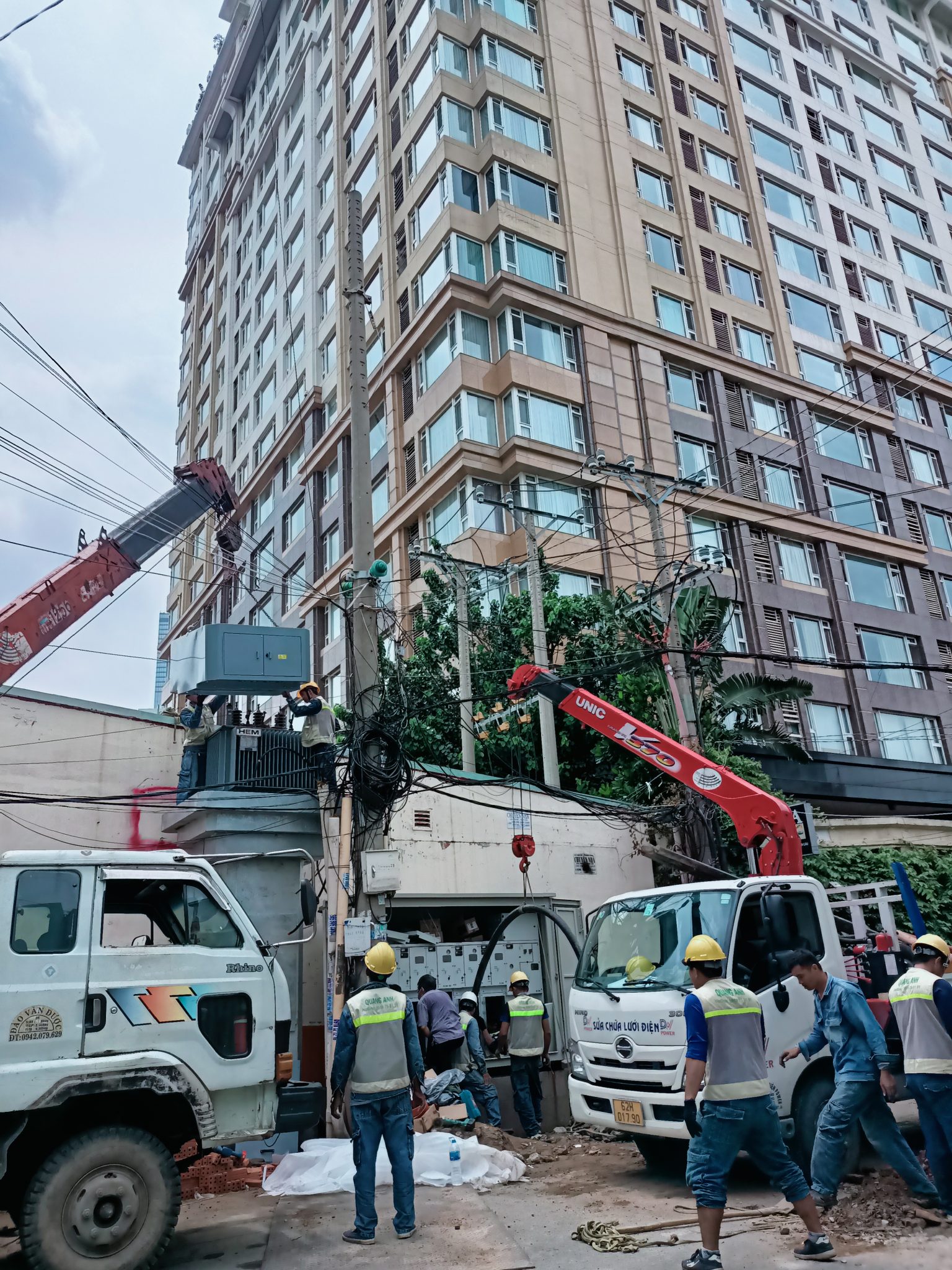
Common Electrical Installation Elements
Common installation elements include overhead conduit installation, cable installation, and combined electrical and water system setups. Pricing varies based on complexity and necessary materials. For instance, combining electrical and water systems can be costlier due to the dual-system requirements.
-
Main Power Cable Installation
Installing main power cables involves setting up crucial connections from substations to the plant. This system can be underground via PVC or HDPE pipes, or positioned above ground. Method selection should ensure safe and efficient power delivery.
-
Cable Tray Installation
Cable trays support and protect electrical cables, ensuring safety and convenient maintenance access. Design must allow for secure cable management and ease of inspection.
-
Industrial Electrical Panel (Main Switchboard) Setup
Industrial panels, especially main switchboards, control plant power distribution. They connect main cables to sections of the plant, incorporating cutting and protective devices like those from Mitsubishi and Schneider.
-
Light Electrical Systems Installation
Light systems include lighting, domestic power, fire alarms, and CCTV, vital for safety and operations. Brands like Cadivi and Schneider ensure comprehensive coverage for effective plant functioning.
Besides power cables and panels, comprehensive light system installations complete the plant’s electrical framework for reliable operation.
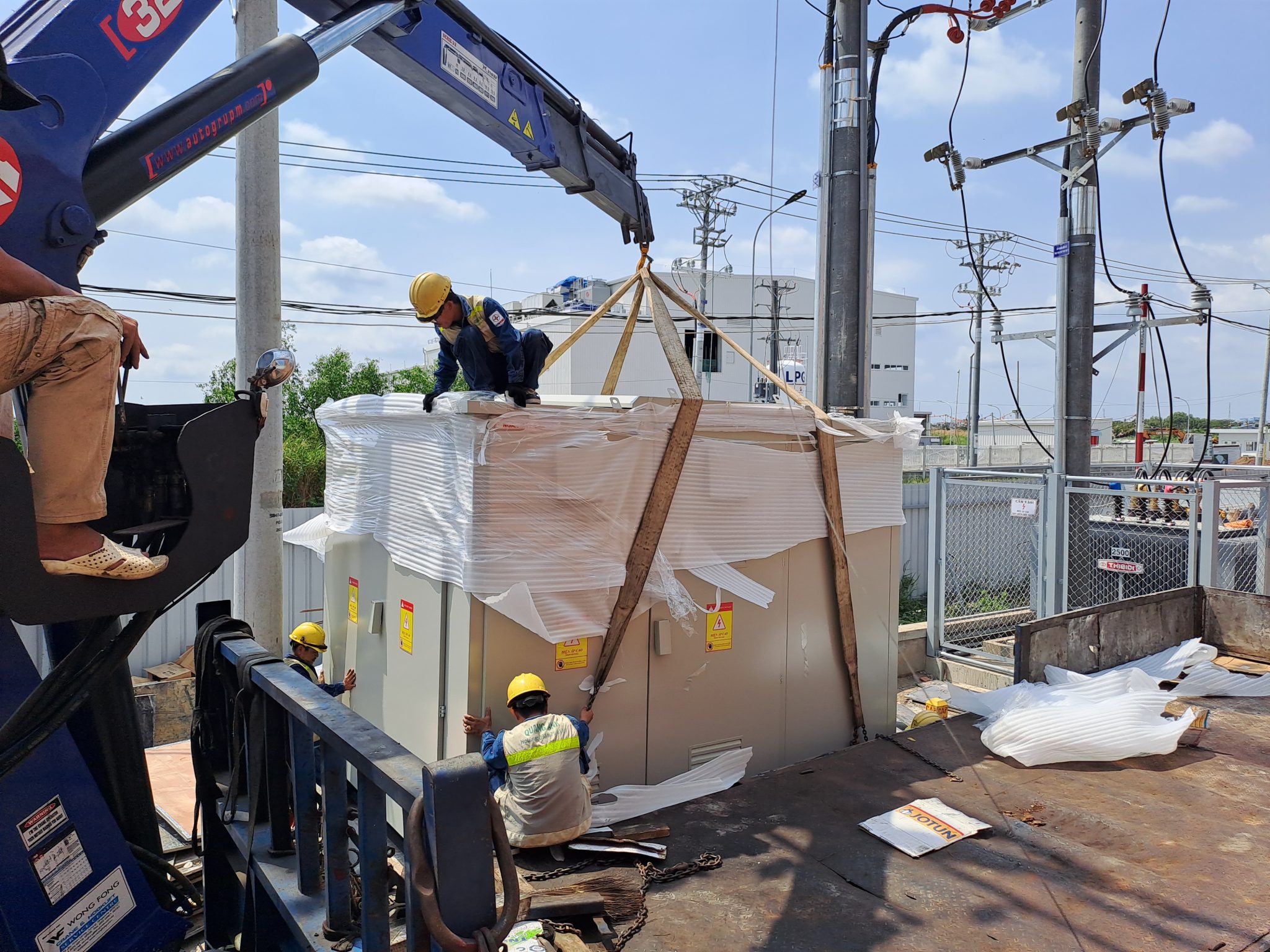
Costs of a 3-Phase Electrical System
The 3-phase system is integral to industrial electrical setups, with costs encompassing equipment provided by power companies and additional installations. Understanding these helps optimize 3-phase system expenses while ensuring effective operation.
Investment in a 3-phase electrical system entails detailed awareness of cost responsibilities borne by both power companies and businesses.
- Power Company Costs:
- These cover equipment like meters, protective devices post-meter, and transformers.
- Installation costs for branch lines and worker wages for connecting to the grid.
- Compliance with state taxes and fees is necessary for proper management.
- This enables power providers like EVN to manage costs and ensure safe power supply.
- Business Costs:
- Businesses cover internal wiring from meters to ensure safe and effective power use.
- Investments in all internal protective equipment not provided by power companies.
- External contractor fees should be managed to optimize operational costs.
- Exemplary Costs:
- Total installation for a 3-phase system starts at 10 million VND, varying with plant scope and specific requirements.
- Factors such as wire length, power demands, equipment, and safety compliance can heavily influence costs.
- Operational Cost Factors:
- Electricity prices range from 1,094 VND/kWh to 5,000 VND/kWh based on usage.
- Power demand charges and transmission costs also impact expenses.
- Fuel pricing fluctuations and peak hour usage influence total costs.
- Optimizing usage during off-peak times can reduce expenditure while maintaining system efficiency.
Understanding these costs aids resource optimization and enhances long-term operational efficiency.
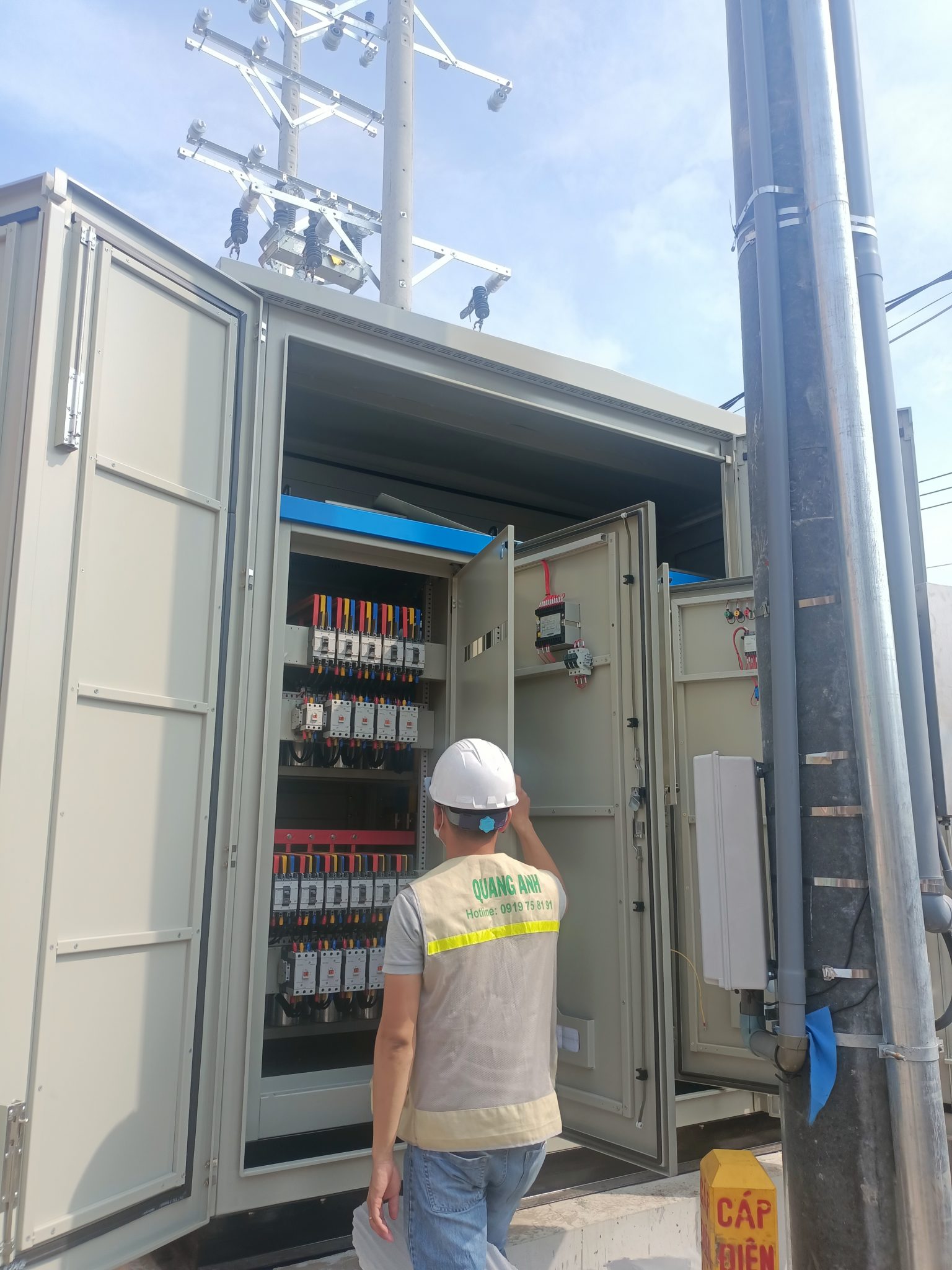
Grasping the cost factors lets investors plan financially soundly, optimizing material choices and 3-phase system designs for cost-effectiveness and sustainable operation.
For optimizing your plant’s electrical installation costs, contact QuangAnhcons through hotline: +84 9 1975 8191 for detailed consultation.
QuangAnhcons specializes in industrial electrical installations for plants, ensuring quality and safety. Our experienced engineers are dedicated to providing optimal solutions for every project.
[contact-form-7 id="7239967" title="Contact form 1"]
Related Posts
Substation Interconnection Documentation: A Practical Preparation Guide for Investors
A hands‑on guide for investors and M&E engineers on the information groups needed in substation [...]
May
Transformer Substation Construction Quote: Cost Components & Key Cost Drivers
Guidance for breaking down a transformer substation construction quote: main cost groups and the common [...]
May
Substation Solutions for Factories: Investing and Implementation Strategies
Overview of factory substations: when to invest, key components, execution processes, documentation, and selecting the [...]
Apr
Transformer Repair in Ho Chi Minh City: When Immediate Action Is Required
Discover signs of transformer damage, diagnostic methods, on-site handling processes, and criteria for selecting repair [...]
Apr
Transformer Repair: Process, Diagnosis, and Decision-Making
Hướng dẫn sửa chữa máy biến áp cho nhà máy: nhận biết dấu hiệu hỏng, [...]
Apr
24-Hour Transformer Repair: Efficient Solutions and Reliable Power Restoration
Khung xử lý sửa chữa máy biến áp 24h cho nhà máy: nhận biết sự [...]
Apr
Common Mistakes in Transformer Station Construction Leading to Extra Costs
Các sai lầm khi làm trạm biến áp thường không nằm ở một hạng mục [...]
Apr
Comprehensive Guide to Acquiring Used Transformers
Góc nhìn kỹ thuật về thu mua TBA cũ: cách đánh giá hiện trạng, hồ [...]
Apr
Comprehensive Transformers Maintenance for Industrial Plants
Tổng quan dịch vụ bảo trì trạm biến áp nhà máy: lịch bảo dưỡng, thí [...]
Apr
Transformers: Assessing and Safely Handling Used Transformers
Khung đánh giá máy biến áp cũ theo tình trạng kỹ thuật, dầu cách điện, [...]
Apr
How Proactive Transformer Maintenance Minimizes Business Risks
Nhìn từ góc độ vận hành nhà máy, bảo trì chủ động trạm biến áp [...]
Apr
Comparing Oil and Dry Transformers in Industrial Projects
Distinguish between oil and dry transformers based on installation site, safety, maintenance, energy losses, initial [...]
Mar
Electrical Overload Warning Signs in Factories
Recognize early indicators of factory electrical overload such as voltage drops, overheating equipment, circuit breaker [...]
Mar
Risks of Overloading Industrial Transformers Without Upgrades
Keeping the same low-voltage transformer while increasing factory loads can result in overheating, insulation degradation, [...]
Mar
Evaluating and Implementing Transformer Contractors in Tay Ninh
Criteria for selecting transformer substation contractors in Tay Ninh, EPC scope, and factors affecting project [...]
Mar
Comparing Oil and Dry Transformers for Industrial Applications
Examine oil and dry transformers based on installation location, fire safety, maintenance, energy loss, investment [...]
Mar
Comprehensive 1500kVA Transformer Station Budget for Manufacturing Facilities
Guidance for creating a detailed budget list for a 1500kVA transformer station, including medium voltage [...]
Mar
Comprehensive Transformer Station Pricing: Elements and Considerations
Examine key components in comprehensive transformer station pricing including design, equipment, construction, testing, and connection [...]
Mar
Pricing Guide for 4000kVA Transformer Stations: Configuration, Cost, and Investment Process
An overview of configuration, cost estimates, connection approaches, and investment checklists for 4000kVA transformer stations [...]
Mar
Pricing and Setup of 3200kVA Transformer Stations: Configuration, Costs, and Investment Procedure
Explore the pricing structure for a 3200kVA transformer station, primary equipment configuration, cost variables, EVN [...]
Mar