

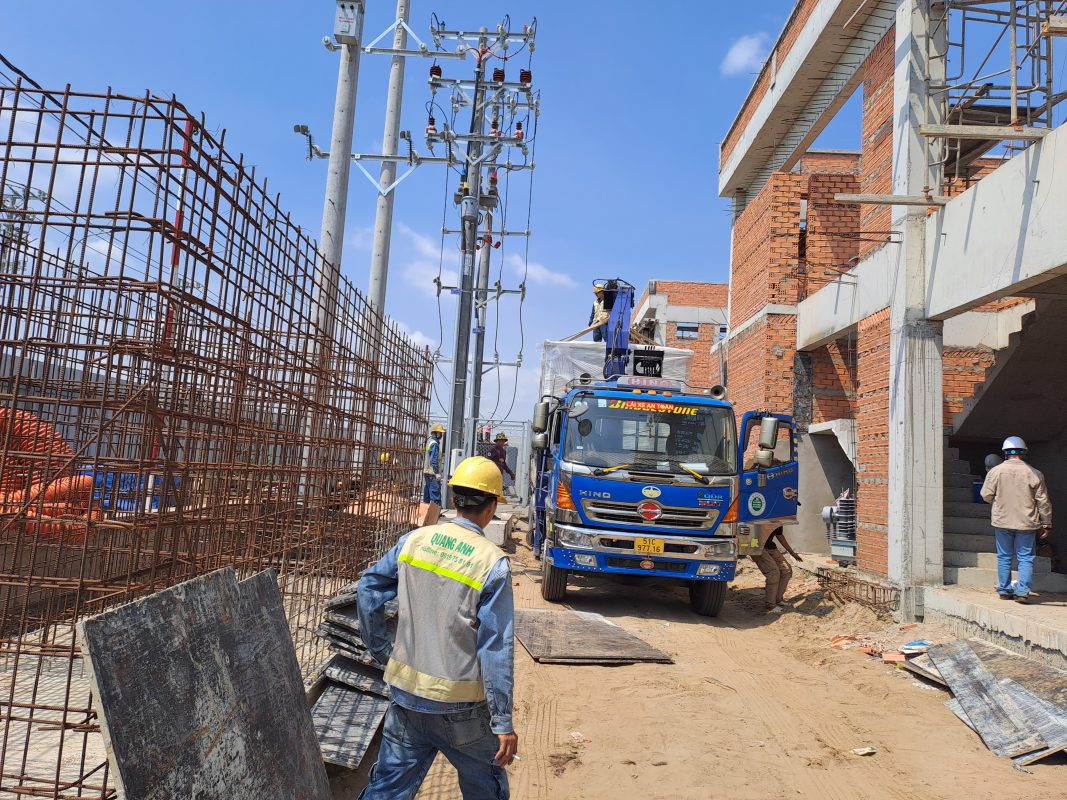
Designing electrical systems for factories is crucial, involving planning, designing, and installing electrical systems to ensure both safety and efficiency.
Determining Electrical Load Requirements
Determining electrical load requirements is vital for factory design, helping engineers understand the needed power capacity for various areas. This decides the type of equipment and the number of conductors suitable. Calculations are based on current and future needs to ensure efficient factory operations.
Understanding Load Requirements
Understanding load requirements is essential in factory electrical design to ensure systems operate safely and efficiently, helping choose the right equipment from conductors to transformers from brands like ABB and Schneider.
Importance of Load Calculation
Accurate load calculation is crucial for preventing overloads or undercapacity, vital for avoiding malfunction and extending equipment life.
Methods for Load Calculation
Calculating electrical load can be done using methods like:
- Load Curve Analysis: Visualize power usage over time to find peak demands.
- Usage Basis: Based on device power usage and area function.
- Application of Factors: Use technical factors to determine calculations that align with safety standards.
Example: Calculating Load for Residential Buildings
For example, calculating load for an apartment uses the formula:
[ P{NO} = P{CH} + 0.9P_{DL} ]Where:
- ( P_{CH} ) represents calculated apartment load.
- ( P_{DL} ) is power for utilities like elevators and air conditioning.
Significance of Load Calculation
Accurate load calculation is foundational for stable factory operations. Incorrect calculations increase overload risks, impacting efficiency and safety. Load calculation plays a crucial role in both design and operation phases of an electrical system. Choosing suitable electrical equipment from trusted suppliers such as LS or Eaton heavily depends on this calculation step.
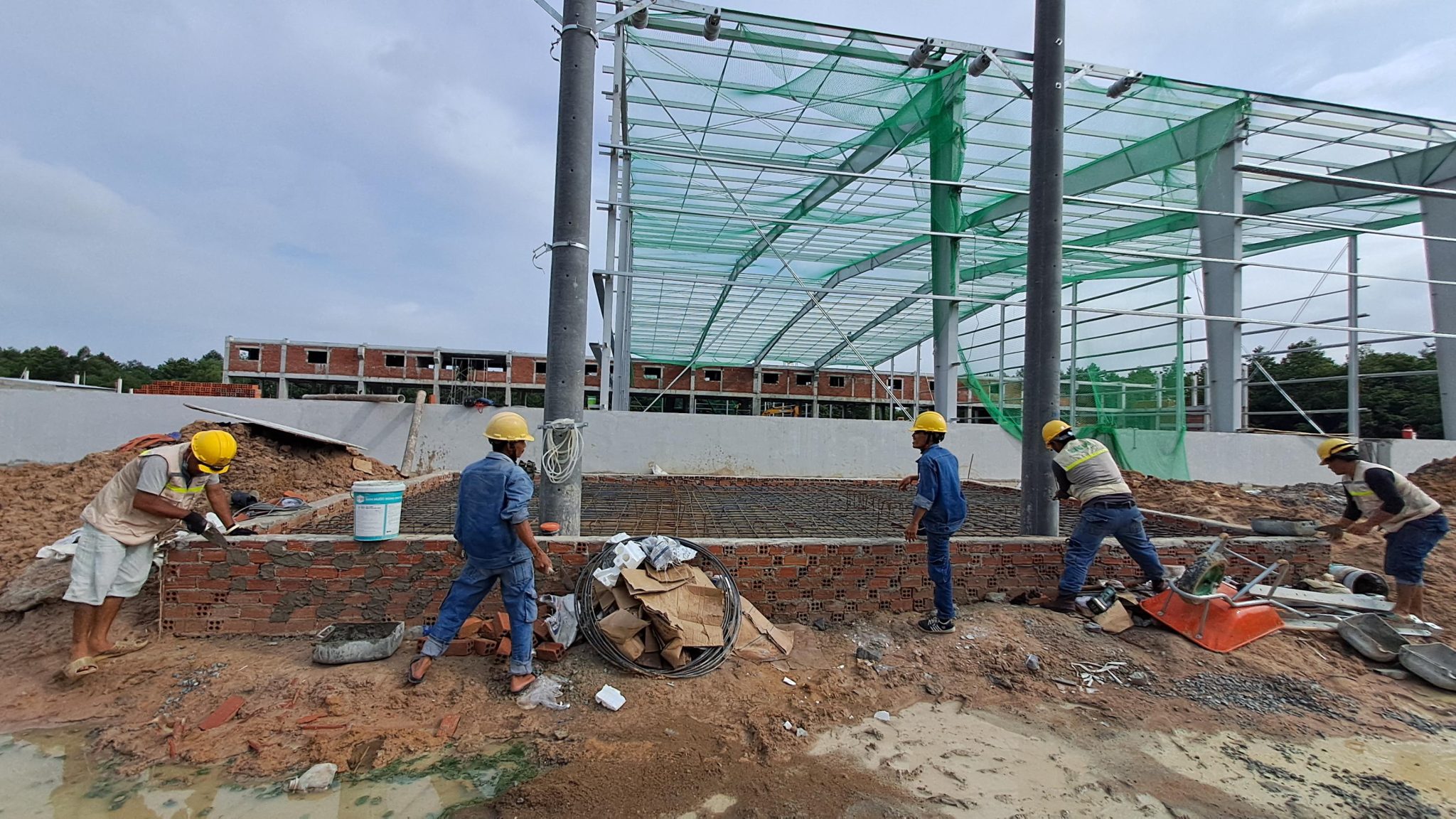
Designing High and Low Voltage Networks
High and low voltage networks are essential in factory electrical systems, with high voltage networks ranging from 35kV to 220kV suited for large factories. Low voltage network design ensures efficient operation through proper control cabinet and conductor layout adhering to standards like TCVN 7447-5-51:2010.
Designing electrical networks, especially high and low voltage networks, ensures safe and stable power supply to various areas, from urban to rural settings. Detailed analysis and application of national and international standards are necessary for optimizing electrical system performance.
High Voltage Network Design
High voltage networks carry high power loads at 35kV–220kV, essential for large industrial needs.
- Objective:: Ensure efficient power transfer from plants to substations.
- Design Process::
- Analyzing Load: Initial calculation and distribution are pivotal.
- Selecting Transmission Method: Depending on terrain, use overhead or underground cables.
- Structural Design: Determining suitable structures to withstand wind and seismic loads.
- Calculating Resistance and Loss: Minimizing transmission losses is crucial.
Low Voltage Network Design
Low voltage networks focus on residential, commercial, and service areas with voltage at 220V/380V.
- Objective: Ensure safe and stable power supply to end-users.
- Design Process::
- Analyzing Power Needs: Assess current usage and predict growth.
- Network Layout: Choosing cables based on environmental and geographical factors.
- Equipment Selection: Optimize transformers, control cabinets, and protection devices from brands like Mitsubishi and Schneider.
- Conductor Section Calculation: Ensure conductors can safely handle loads.
Standards and Regulations
Designs must comply with TCVN standards for safety and efficiency. International IEC standards are also referenced for global compatibility.
Support Tools
- Simulation Software: Specialized software for modeling and calculating network functionality before implementation.
- Technical Consultation: Expert support ensures designs meet all standards.
Thus, designing high and low voltage networks requires careful technical analysis and safety standards to ensure long-lasting and efficient electrical system operations.
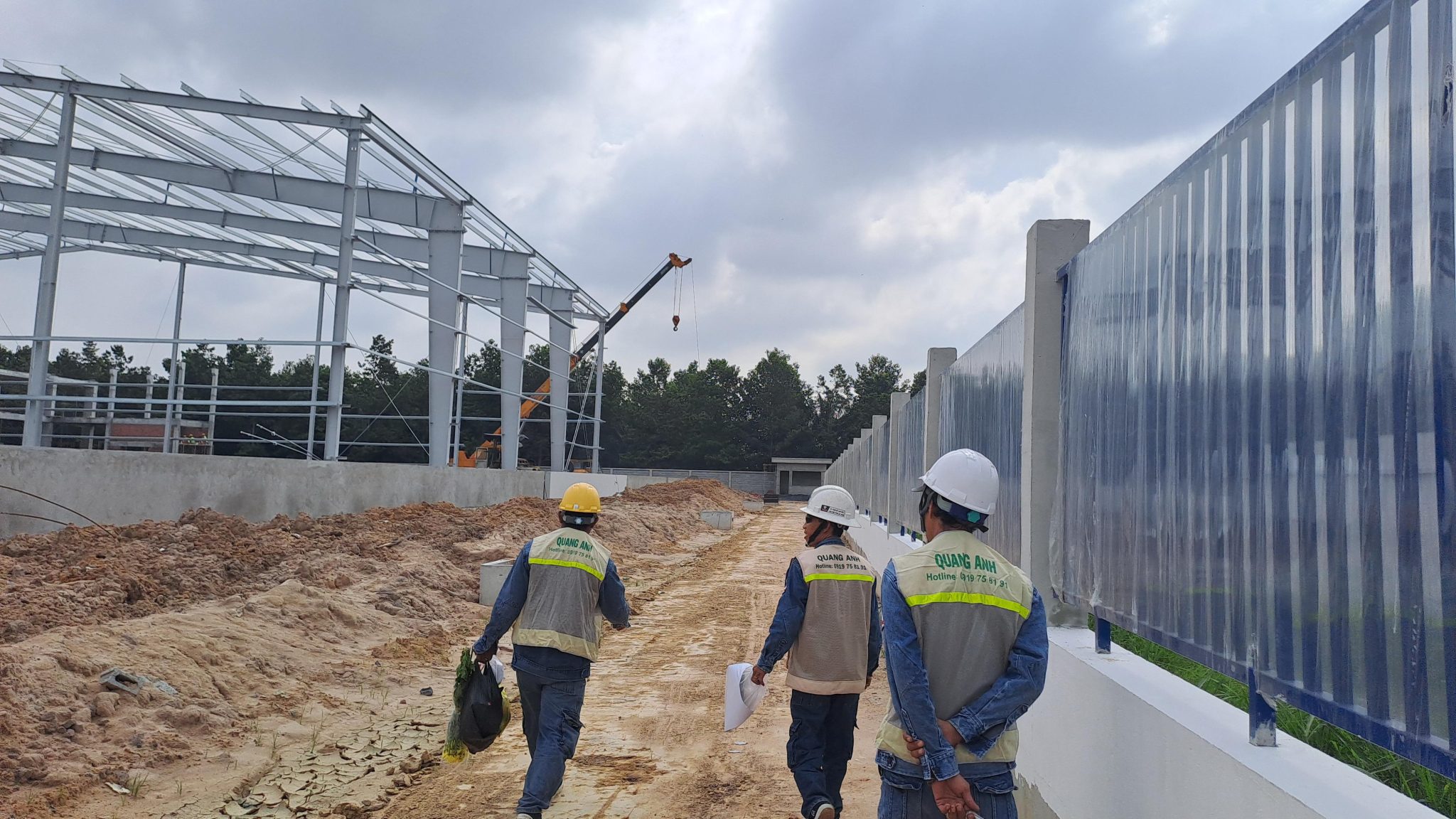
Industrial Lighting and Power Compensation Systems
Industrial lighting systems are designed not just to provide sufficient illumination but also to optimize energy use. Additionally, reactive power compensation is necessary to minimize energy losses by distributing reactive power properly, using capacitors to improve efficiency.
Industrial Lighting Systems
Industrial lighting systems play a critical role in ensuring efficient and safe illumination in production spaces and industrial areas, specifically designed for factories, factories, and warehouses, enhancing workflow and product quality.
- High Durability: Designed to withstand harsh environmental conditions like high temperatures, dust, moisture, and vibration.
- High Brightness and Coverage: Utilize industrial LED lights or large-capacity specialized lights for uniform wide-area illumination.
- Energy Efficiency: These devices optimize energy usage while maintaining high output.
- Flexible Installation Heights: Lights can be installed at various heights to suit different factory types.
Industrial lighting designs must adhere to technical standards, preventing glare or dangerous shadows, and employ smart lighting control systems to enhance efficiency.
Power Compensation in Industrial Lighting Systems
Reactive power compensation is key to improving power factor and electrical efficiency in industrial lighting systems. This is especially important for inductive loads like fluorescent and high-pressure lamps.
Benefits of reactive power compensation include:
- Reduced electrical losses by lowering reactive current in the lines.
- Avoidance of penalties due to low power factor from suppliers.
- Extended equipment life and improved electricity utility quality.
- Ensured stable system operation, avoiding unnecessary overloads.
Power compensation solutions typically involve using electrical capacitors, with decisions between fixed or automatic capacitors depending on system needs, installed at crucial points in factory or industrial electrical systems.
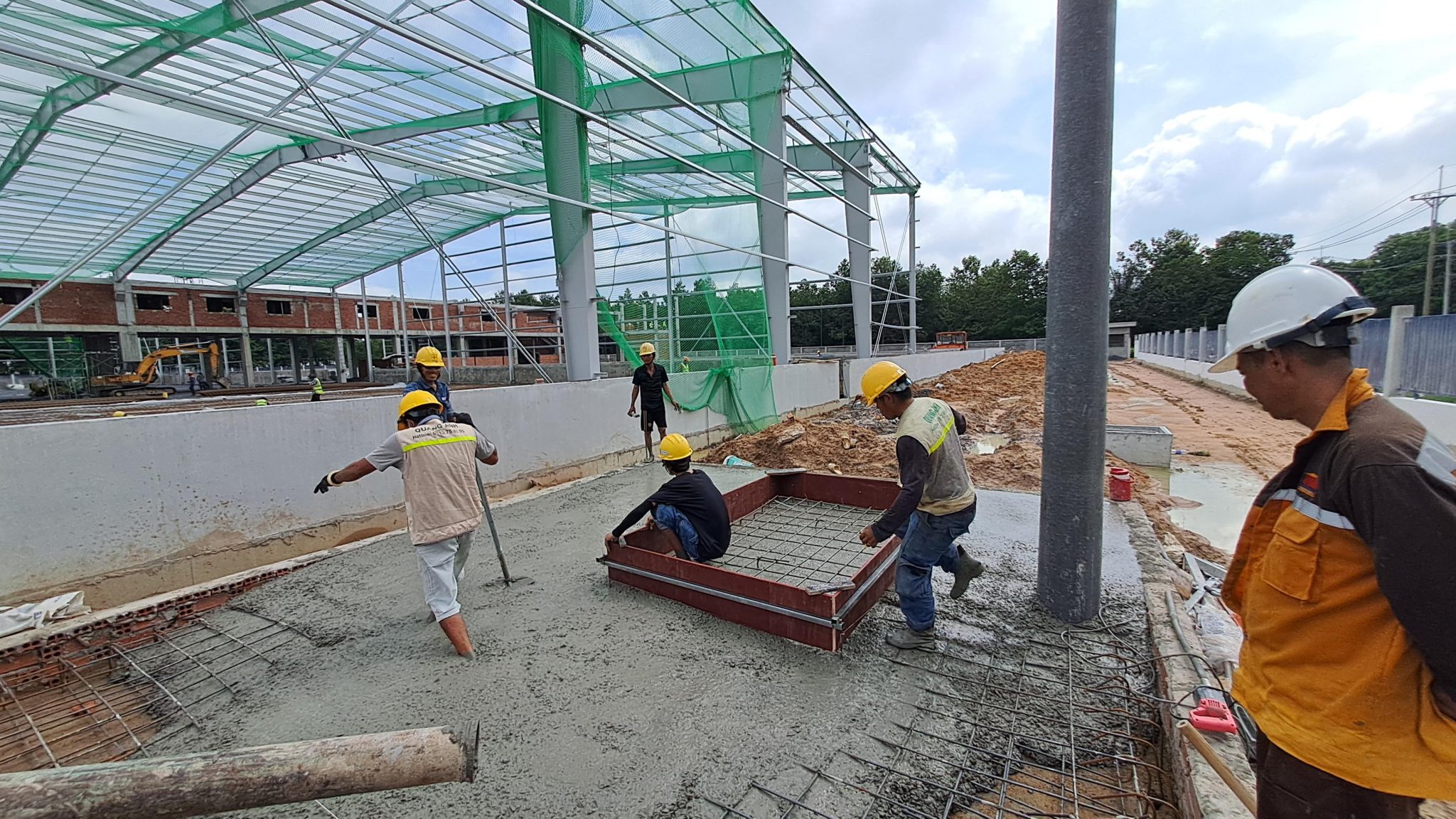
Factory electrical design goes beyond safety to optimize operational efficiency and cost-effectiveness. Complying with technical standards helps efficiently manage load, electrical networks, and power compensation, driving production efficiency and protecting investments.
Contact QuangAnhcons at Hotline: +84 9 1975 8191 for in-depth consultation on factory electrical design, ensuring the highest safety and efficiency.
QuangAnhcons specializes in providing factory electrical system design and installation services, ensuring compliance with all technical standards to deliver optimal solutions for clients.
[contact-form-7 id="7239967" title="Contact form 1"]
Related Posts
Substation Interconnection Documentation: A Practical Preparation Guide for Investors
A hands‑on guide for investors and M&E engineers on the information groups needed in substation [...]
May
Transformer Substation Construction Quote: Cost Components & Key Cost Drivers
Guidance for breaking down a transformer substation construction quote: main cost groups and the common [...]
May
Substation Solutions for Factories: Investing and Implementation Strategies
Overview of factory substations: when to invest, key components, execution processes, documentation, and selecting the [...]
Apr
Transformer Repair in Ho Chi Minh City: When Immediate Action Is Required
Discover signs of transformer damage, diagnostic methods, on-site handling processes, and criteria for selecting repair [...]
Apr
Transformer Repair: Process, Diagnosis, and Decision-Making
Hướng dẫn sửa chữa máy biến áp cho nhà máy: nhận biết dấu hiệu hỏng, [...]
Apr
24-Hour Transformer Repair: Efficient Solutions and Reliable Power Restoration
Khung xử lý sửa chữa máy biến áp 24h cho nhà máy: nhận biết sự [...]
Apr
Common Mistakes in Transformer Station Construction Leading to Extra Costs
Các sai lầm khi làm trạm biến áp thường không nằm ở một hạng mục [...]
Apr
Comprehensive Guide to Acquiring Used Transformers
Góc nhìn kỹ thuật về thu mua TBA cũ: cách đánh giá hiện trạng, hồ [...]
Apr
Comprehensive Transformers Maintenance for Industrial Plants
Tổng quan dịch vụ bảo trì trạm biến áp nhà máy: lịch bảo dưỡng, thí [...]
Apr
Transformers: Assessing and Safely Handling Used Transformers
Khung đánh giá máy biến áp cũ theo tình trạng kỹ thuật, dầu cách điện, [...]
Apr
How Proactive Transformer Maintenance Minimizes Business Risks
Nhìn từ góc độ vận hành nhà máy, bảo trì chủ động trạm biến áp [...]
Apr
Comparing Oil and Dry Transformers in Industrial Projects
Distinguish between oil and dry transformers based on installation site, safety, maintenance, energy losses, initial [...]
Mar
Electrical Overload Warning Signs in Factories
Recognize early indicators of factory electrical overload such as voltage drops, overheating equipment, circuit breaker [...]
Mar
Risks of Overloading Industrial Transformers Without Upgrades
Keeping the same low-voltage transformer while increasing factory loads can result in overheating, insulation degradation, [...]
Mar
Evaluating and Implementing Transformer Contractors in Tay Ninh
Criteria for selecting transformer substation contractors in Tay Ninh, EPC scope, and factors affecting project [...]
Mar
Comparing Oil and Dry Transformers for Industrial Applications
Examine oil and dry transformers based on installation location, fire safety, maintenance, energy loss, investment [...]
Mar
Comprehensive 1500kVA Transformer Station Budget for Manufacturing Facilities
Guidance for creating a detailed budget list for a 1500kVA transformer station, including medium voltage [...]
Mar
Comprehensive Transformer Station Pricing: Elements and Considerations
Examine key components in comprehensive transformer station pricing including design, equipment, construction, testing, and connection [...]
Mar
Pricing Guide for 4000kVA Transformer Stations: Configuration, Cost, and Investment Process
An overview of configuration, cost estimates, connection approaches, and investment checklists for 4000kVA transformer stations [...]
Mar
Pricing and Setup of 3200kVA Transformer Stations: Configuration, Costs, and Investment Procedure
Explore the pricing structure for a 3200kVA transformer station, primary equipment configuration, cost variables, EVN [...]
Mar