

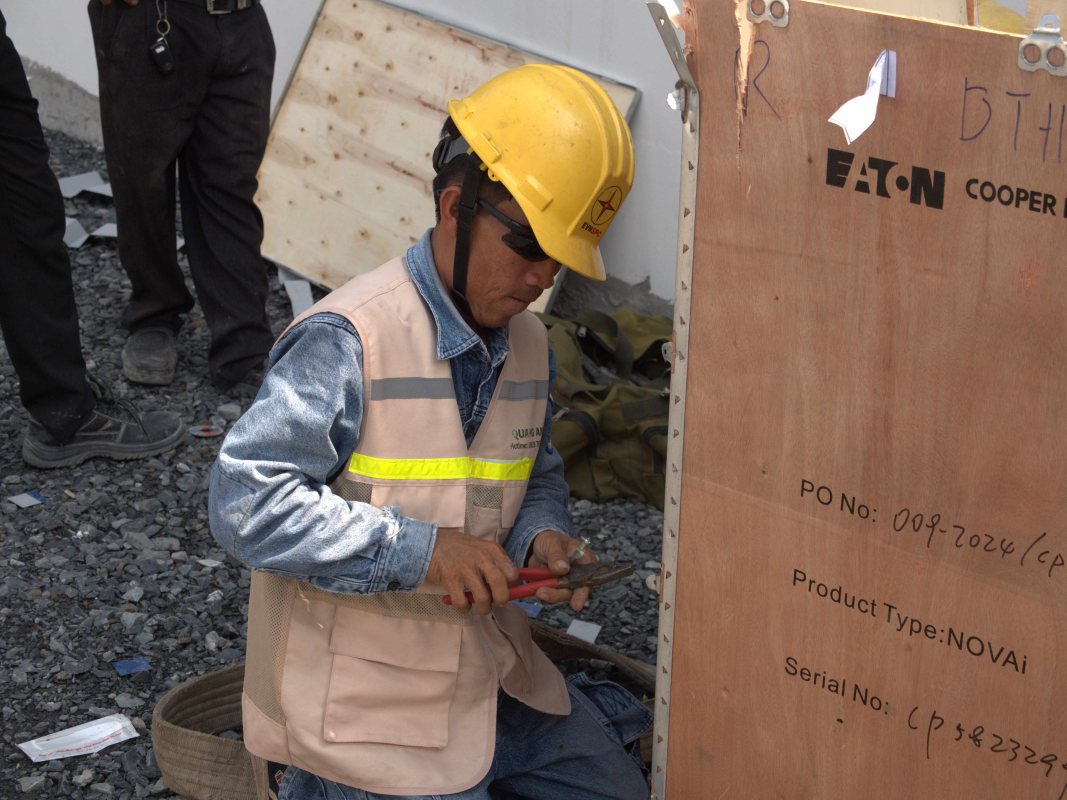
The cost of installing a 1MWp solar power system in Vietnam by 2025 is projected based on smaller systems, ranging from about 13 to 15 billion VND, depending on the technology and other factors.
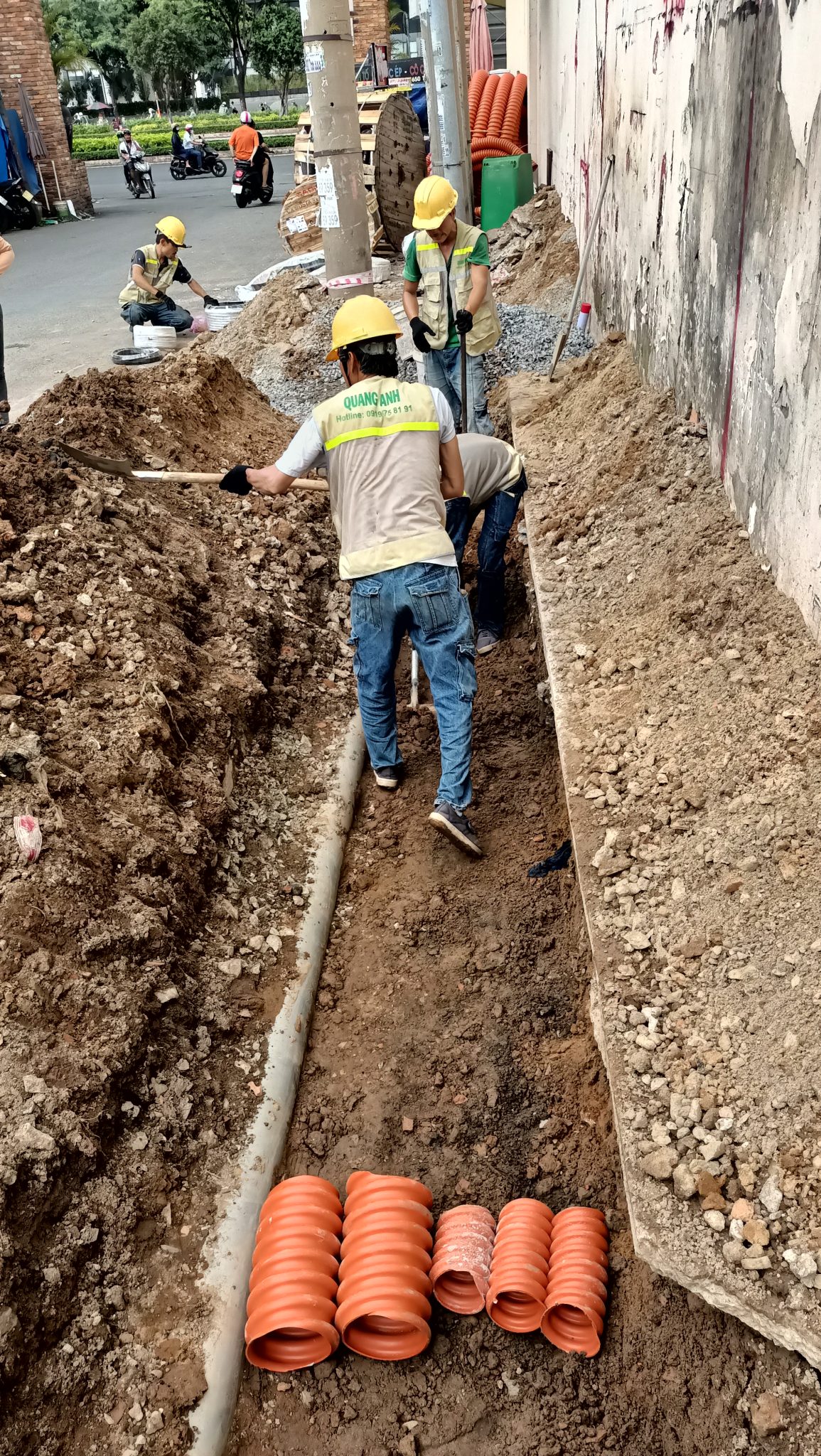
Estimated Area and Energy Output for 1MWp System
To install a 1MWp solar power system, an area of approximately 6,000 to 8,000 square meters is required for the solar panels. Each kWp can generate about 4-5 kWh/day, depending on the geographical location, which implies a 1MWp system could produce between 4,000 and 5,000 MWh monthly.
Determining the installation area and forecasting the potential energy output is crucial for implementing a 1MWp solar system. At 1MWp, which equals 1000 kWp, the installation area might range from 7,000 to 10,000 square meters, depending on the solar panel type and efficiency. With panel efficiency around 15-20%, the necessary area usually spans 7-10 m² per kWp.
The average solar radiation hours at the installation site significantly impact the solar system’s energy output. Sunlight hours typically vary from 4 to 6 hours each day depending on the region. The formula for calculating daily energy output is:
[ ext{Energy Output} = ext{System Capacity (kWp)} imes ext{Performance Ratio} imes ext{Sunlight Hours} ]The performance ratio, accounting for conversion and environmental losses, generally falls between 0.75 and 0.85. Assuming 1MWp with an 80% overall efficiency and an average of 5 sunlight hours per day, the projected output is 4,000 kWh per day, equating to 1,460,000 kWh per year, or 1.46 GWh annually.
The output can vary based on location and actual conditions, with some sources indicating approximately 1,360,000 kWh (1.36 GWh) yearly generation. These figures help clarify the necessary area and electricity generation potential for 1MWp systems in Vietnam.
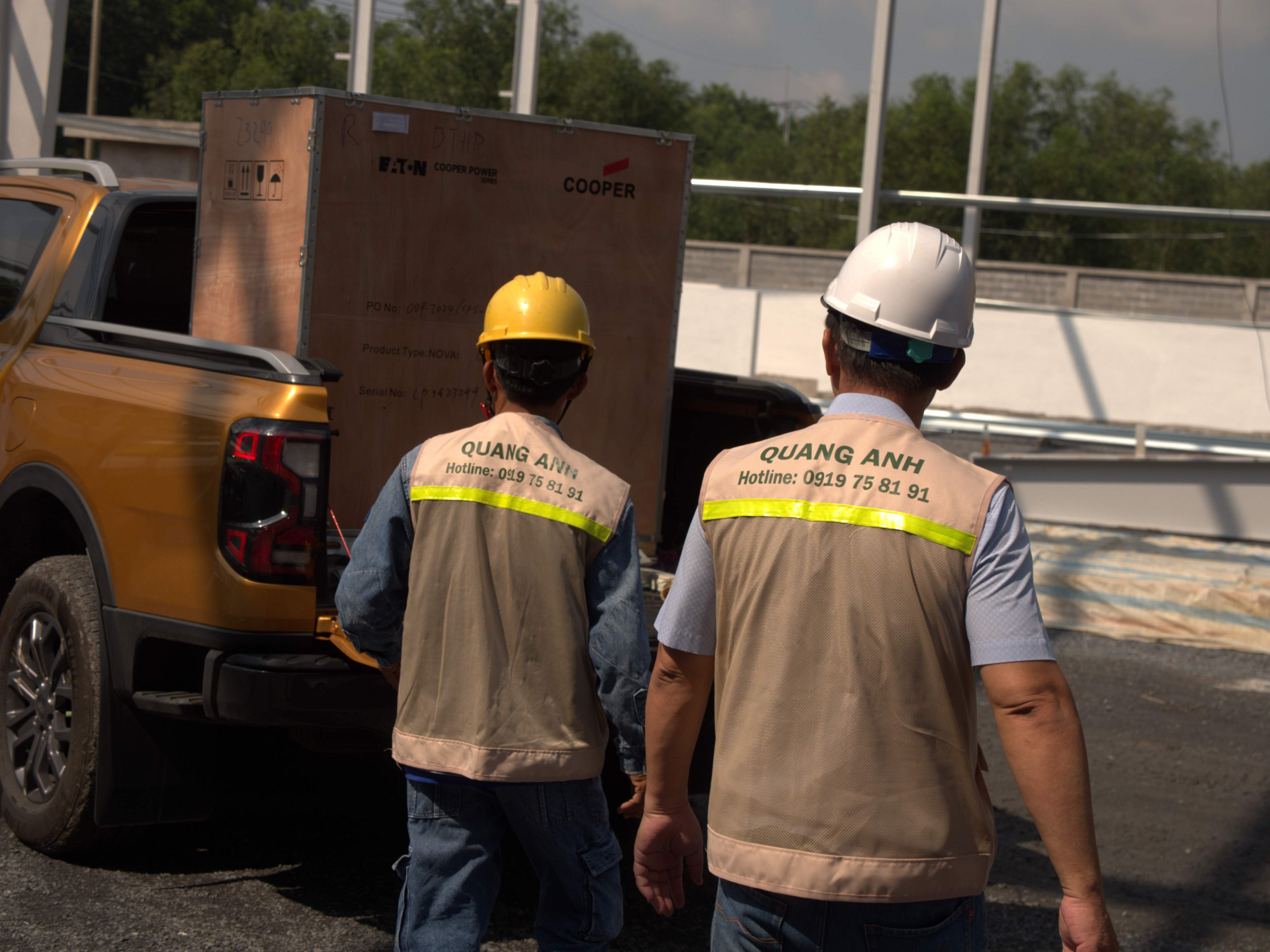
Technology and Equipment Involved in Energy System Installation
The choice of technology and equipment including solar panels, inverters, and grid-connected systems directly affect the cost of a 1MWp solar installation. Solar panel technology ranges from mono and poly to thin-film, each with distinct efficiencies and costs. Solar inverters convert the DC electricity from panels into AC for use.
Installing a solar energy system requires extensive knowledge of technology and equipment. The selection of solar panels and inverters directly affects the system’s efficiency and cost. Key equipment and technologies in solar energy installations include:
Key Equipment
- Solar Panels: The core component, converting sunlight to electricity. Selection based on efficiency and durability is vital for optimal system performance, ranging from mono and poly to thin-film types.
- Inverter: Solar inverters convert DC electricity into AC, suitable for residential and industrial use.
- Monitoring and Control Unit: Provides performance data and facilitates rapid fault detection.
- Control Panels: Safeguard the system from external impacts ensuring electrical safety.
- Bi-directional Meter: Connects the system with the grid, measuring electricity production and consumption.
Supplementary Technologies
- Battery Energy Storage System (BESS): Utilizing Lithium batteries, providing higher self-consumption rates, stability albeit at higher costs.
- Smart Monitoring Systems: Advanced monitoring mechanism, optimizing system efficiency, and accelerating fault detection.
- Power Optimizers: Optimize performance of each panel group, ideal for larger systems.
Installation Process
This involves steps from site evaluation to equipment selection, execution, and final approval. Expert consultation is crucial to ensure efficient operation.
Important Considerations
- Installation Location: Choose areas with abundant and stable sunlight.
- Equipment Quality: Employ equipment from reputable manufacturers to ensure durability.
- Compliance with Local Regulations: Ensure safety codes and permit requirements are properly adhered to.
Benefits
- Electric Bill Savings: Significantly reduce monthly electricity costs.
- Enhanced Sustainability: Using renewable energy contributes to environmental protection.
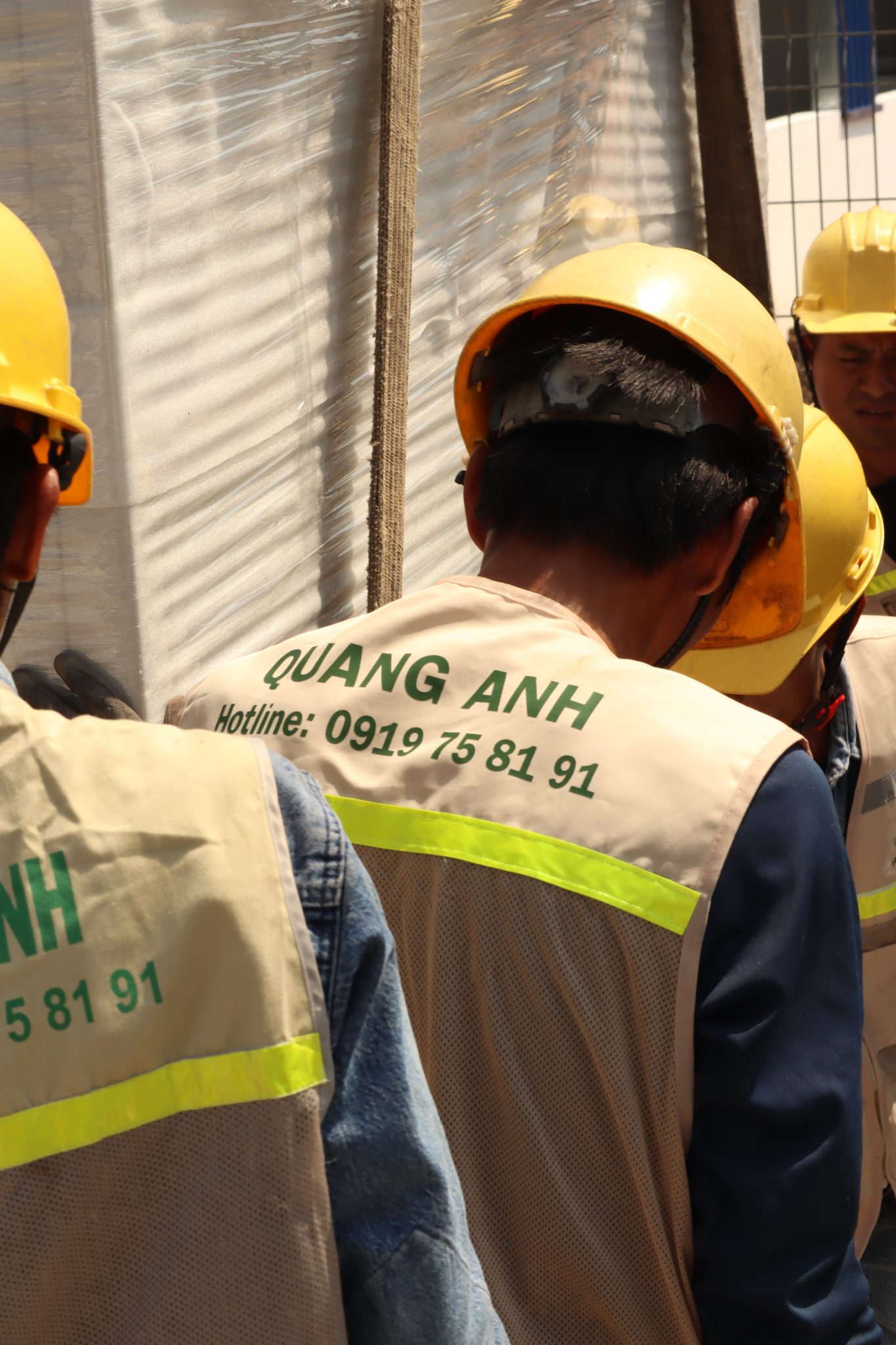
Maintenance and Operation Costs for Solar Systems
The maintenance cost for a 1MWp solar system is relatively low, generally proportional to system size. For smaller systems, maintenance may cost about 1 million VND annually. In larger systems, while costs rise, they remain reasonable to maintain long-term system efficiency.
Overview of Solar System O&M
Operation and maintenance (O&M) costs are key factors in renewable energy projects. O&M expenses typically account for about 1-2% of the initial investment cost. Regular maintenance ensures optimal system performance and prevents prolonged equipment failure.
Main O&M Activities
- Solar Panel Cleaning: Essential to maximize system efficiency. Dust and contaminants can reduce output if not cleaned regularly, typically every 3 months.
- Inspection and Servicing of Related Equipment: Regular checks on roof structure, mounting frames, inverters, and electrical cabinets to identify risks early and prevent significant failures.
- Inspection of DC and AC Electrical Systems: Performance assessment, inverter software updates are necessary to ensure consistent and efficient system operation.
- Replacement of Worn Components: Solar panels might require replacement after 20-30 years; other components might also need replacement to maintain effectiveness.
Specific Costs
Research indicates cleaning costs for a 1MW system are approximately 8 million VND per session. For full-service maintenance packages, costs range around 29 million VND per session. Regular upkeep detects and minimizes potential issues, maintaining system stability and performance.
Benefits of Proper Maintenance and Operation
Following maintenance and operation protocols provide numerous benefits. First, it keeps the system running at peak efficiency, maximizing energy extraction. Second, it allows early detection of risks, reducing major fault incidence. Third, it extends the system’s lifespan, securing sustainable investment protection. Lastly, operational safety is enhanced, lowering electrical and fire hazard risks.
Impact of Support Policies on Installation Costs
Support policies play a crucial role in reducing the costs of installing a 1MWp solar power system. Tax incentives, capital assistance, and measures to promote renewable energy development provide conducive conditions for investors to embark on projects.
Vietnam is witnessing substantial growth in solar energy, particularly rooftop solar systems. To support this trend, the Government is implementing strong policies to reduce installation costs, creating favorable conditions for both individuals and businesses to participate.
-
Reducing Initial Investment Costs: The Ministry of Industry and Trade spearheads financial support programs, including tax incentives and interest subsidies, to cut costs for rooftop solar and storage device installations. These efforts make projects more economically viable, promoting broader clean energy use.
-
Simplifying Administrative Procedures: Administration simplification by both the Ministry of Industry and Trade and the Ministry of Construction cuts down on unnecessary time and costs for the public and businesses. It encourages community participation while ensuring safe and effective installations.
-
Technical Safety and Energy Security: Rigorous regulations prioritize technical safety, ensuring stable solar operations that do not disrupt the national grid. Consequently, energy security is reinforced, facilitating the integration of additional renewable power.
-
Increasing Economic Benefits for Residents: Policy support allows residents to save on electric energy costs and sell surplus electricity back to the grid, especially at favorable rates during peak periods. This enhances investment efficiency, motivating further renewable energy market development.
-
Impact on Renewable Energy Market: Support policies alleviate state investment pressures, encouraging private investment in electric storage systems and increasing system robustness and flexibility. This forms a vital part of the national energy strategy aimed at sustainable growth.
Installing a 1MWp solar system yields significant economic and long-term strategic benefits for businesses. While installation costs are substantial, they are optimized through supportive policies and a decline in costs as technology advances.
Contact QuangAnhcons at +84 9 1975 8191 for advice and effective 1MWp solar system installations.
QuangAnhcons offers consultancy and installation services for solar systems with optimal costs, tailored design, and advanced technology, ensuring superior performance and long-term economic benefits.
[contact-form-7 id="7239967" title="Contact form 1"]
Related Posts
Substation Interconnection Documentation: A Practical Preparation Guide for Investors
A hands‑on guide for investors and M&E engineers on the information groups needed in substation [...]
May
Transformer Substation Construction Quote: Cost Components & Key Cost Drivers
Guidance for breaking down a transformer substation construction quote: main cost groups and the common [...]
May
Substation Solutions for Factories: Investing and Implementation Strategies
Overview of factory substations: when to invest, key components, execution processes, documentation, and selecting the [...]
Apr
Transformer Repair in Ho Chi Minh City: When Immediate Action Is Required
Discover signs of transformer damage, diagnostic methods, on-site handling processes, and criteria for selecting repair [...]
Apr
Transformer Repair: Process, Diagnosis, and Decision-Making
Hướng dẫn sửa chữa máy biến áp cho nhà máy: nhận biết dấu hiệu hỏng, [...]
Apr
24-Hour Transformer Repair: Efficient Solutions and Reliable Power Restoration
Khung xử lý sửa chữa máy biến áp 24h cho nhà máy: nhận biết sự [...]
Apr
Common Mistakes in Transformer Station Construction Leading to Extra Costs
Các sai lầm khi làm trạm biến áp thường không nằm ở một hạng mục [...]
Apr
Comprehensive Guide to Acquiring Used Transformers
Góc nhìn kỹ thuật về thu mua TBA cũ: cách đánh giá hiện trạng, hồ [...]
Apr
Comprehensive Transformers Maintenance for Industrial Plants
Tổng quan dịch vụ bảo trì trạm biến áp nhà máy: lịch bảo dưỡng, thí [...]
Apr
Transformers: Assessing and Safely Handling Used Transformers
Khung đánh giá máy biến áp cũ theo tình trạng kỹ thuật, dầu cách điện, [...]
Apr
How Proactive Transformer Maintenance Minimizes Business Risks
Nhìn từ góc độ vận hành nhà máy, bảo trì chủ động trạm biến áp [...]
Apr
Comparing Oil and Dry Transformers in Industrial Projects
Distinguish between oil and dry transformers based on installation site, safety, maintenance, energy losses, initial [...]
Mar
Electrical Overload Warning Signs in Factories
Recognize early indicators of factory electrical overload such as voltage drops, overheating equipment, circuit breaker [...]
Mar
Risks of Overloading Industrial Transformers Without Upgrades
Keeping the same low-voltage transformer while increasing factory loads can result in overheating, insulation degradation, [...]
Mar
Evaluating and Implementing Transformer Contractors in Tay Ninh
Criteria for selecting transformer substation contractors in Tay Ninh, EPC scope, and factors affecting project [...]
Mar
Comparing Oil and Dry Transformers for Industrial Applications
Examine oil and dry transformers based on installation location, fire safety, maintenance, energy loss, investment [...]
Mar
Comprehensive 1500kVA Transformer Station Budget for Manufacturing Facilities
Guidance for creating a detailed budget list for a 1500kVA transformer station, including medium voltage [...]
Mar
Comprehensive Transformer Station Pricing: Elements and Considerations
Examine key components in comprehensive transformer station pricing including design, equipment, construction, testing, and connection [...]
Mar
Pricing Guide for 4000kVA Transformer Stations: Configuration, Cost, and Investment Process
An overview of configuration, cost estimates, connection approaches, and investment checklists for 4000kVA transformer stations [...]
Mar
Pricing and Setup of 3200kVA Transformer Stations: Configuration, Costs, and Investment Procedure
Explore the pricing structure for a 3200kVA transformer station, primary equipment configuration, cost variables, EVN [...]
Mar