

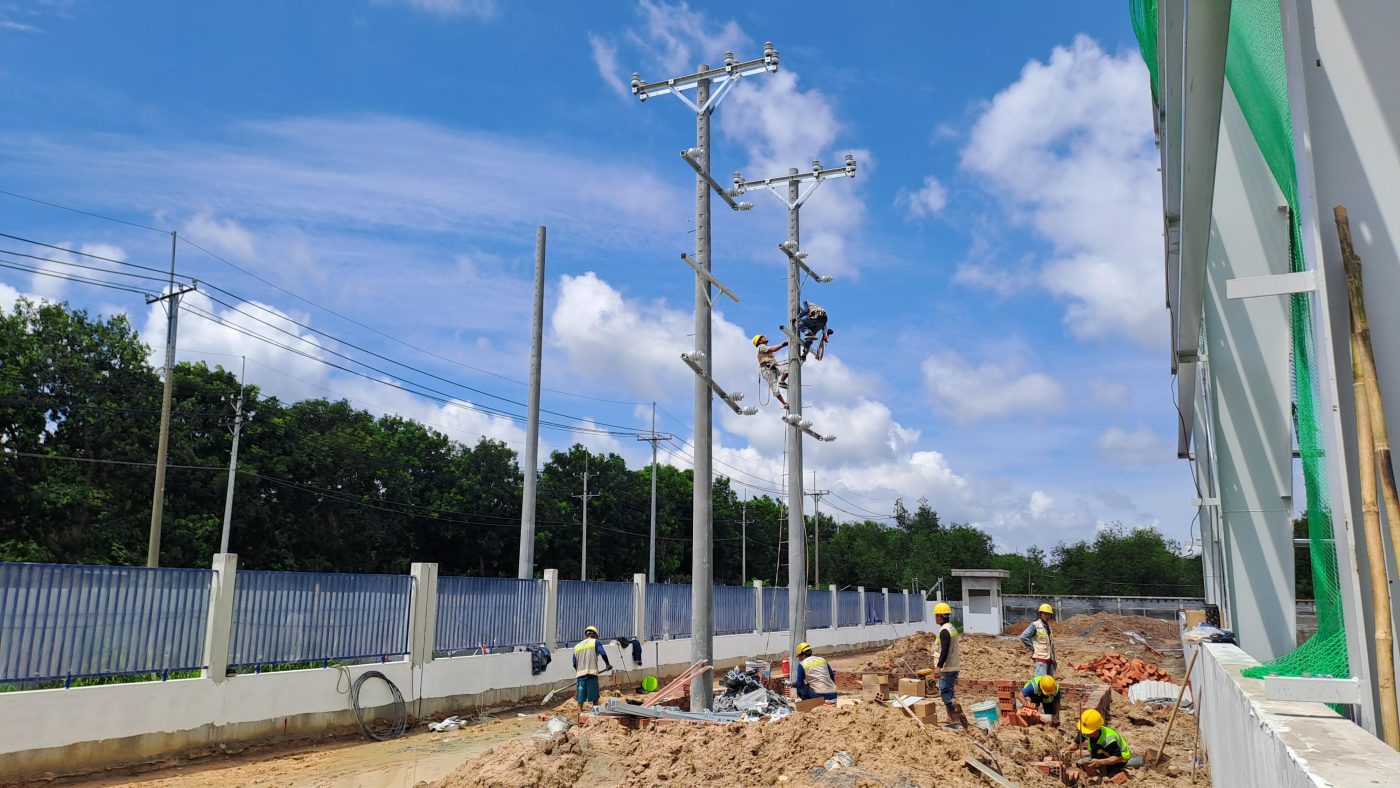
Selecting a reliable contractor is crucial for ensuring the quality and success of any construction project. Reviewing real construction photos and videos is an effective way to assess the contractor’s capability and reliability in executing the project.
Benefits of Real Construction Photos
Viewing real construction images and videos allows for a thorough evaluation of the contractor’s performance. It provides insight into construction processes, the level of project completion, and problem-solving approaches. Additionally, it demonstrates the contractor’s resource preparation, equipment, and skilled workforce.
- Accurate Construction Quality Assessment: These images provide a clear view of the project’s completion level, enabling stakeholders to inspect various construction phases accurately, ensuring quality through each acceptance stage according to the pre-set plan.
- Enhanced Construction Communication Efficiency: Unlike 3D rendered images, real construction photos have a greater impact when used for marketing purposes, attracting customers and partners while supporting project marketing strategies.
- Timely Issue Detection and Resolution: Real construction images help catch errors during construction quickly, saving costs, resources, and time by allowing for prompt corrections.
- Efficient Project Acceptance and Handover: These images serve as clear evidence of task completion per design requirements, facilitating a swift and transparent acceptance process.
- Documentation and Legal Evidence: Real construction photos serve as valuable records and reliable legal evidence should disputes or reviews arise later.
- Improving Aesthetic and Design Value of Projects: By evaluating photos, investors can adjust aesthetics and functionality to optimize space and meet actual needs.
- Cost and Time Savings: Early detection of errors through these images can prevent later adjustments, saving time and costs.
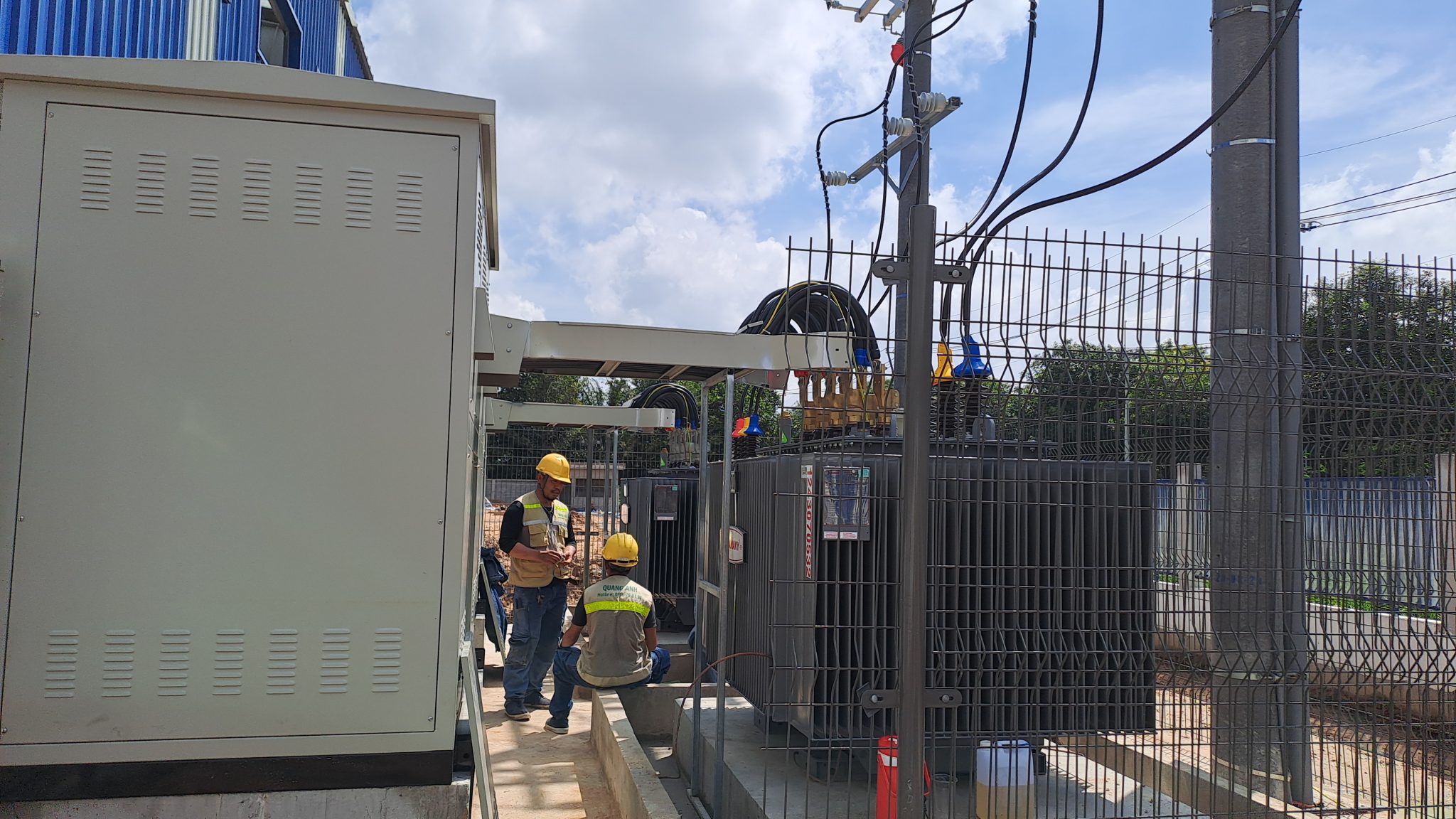
Transparency and Trust in Construction Projects
Transparency is essential for building trust between investors and contractors. Construction photos and videos offer visual proof of work quality and can serve as a basis in case of disputes over quality or progress, showcasing the contractor’s credibility.
Lack of transparency can lead to wasted time, money, misunderstandings, and misinformation, directly affecting project efficiency and quality. This is especially crucial in complex construction environments where multiple contractors and materials are involved. Without transparent tracking and coordination, mistakes, increased costs, and extended completion times can occur.
Negative Impacts of Lacking Transparency
Unclear project statuses can complicate coordination among involved parties, with common issues including:
- Subcontractors may appear before required timing.
- Misordered phases, like wall construction before wiring installation.
- This leads to delays and budget overruns, eroding trust and impacting the entire construction industry value chain.
Solutions for Construction Transparency
Enhancing transparency in construction involves improving project management processes, clarifying project status, accurately assigning tasks, and ensuring transparent supervision to guarantee quality work. These measures also ensure legal compliance and prevent law violations.
Government Construction Management Transparency
Transparency is crucial not only within the project but also in administrative management. From permit issuance to supervising implementation, transparency combats corruption and ensures accountability among involved parties. Publicly accessible information enhances societal oversight and government management effectiveness in the construction sector.
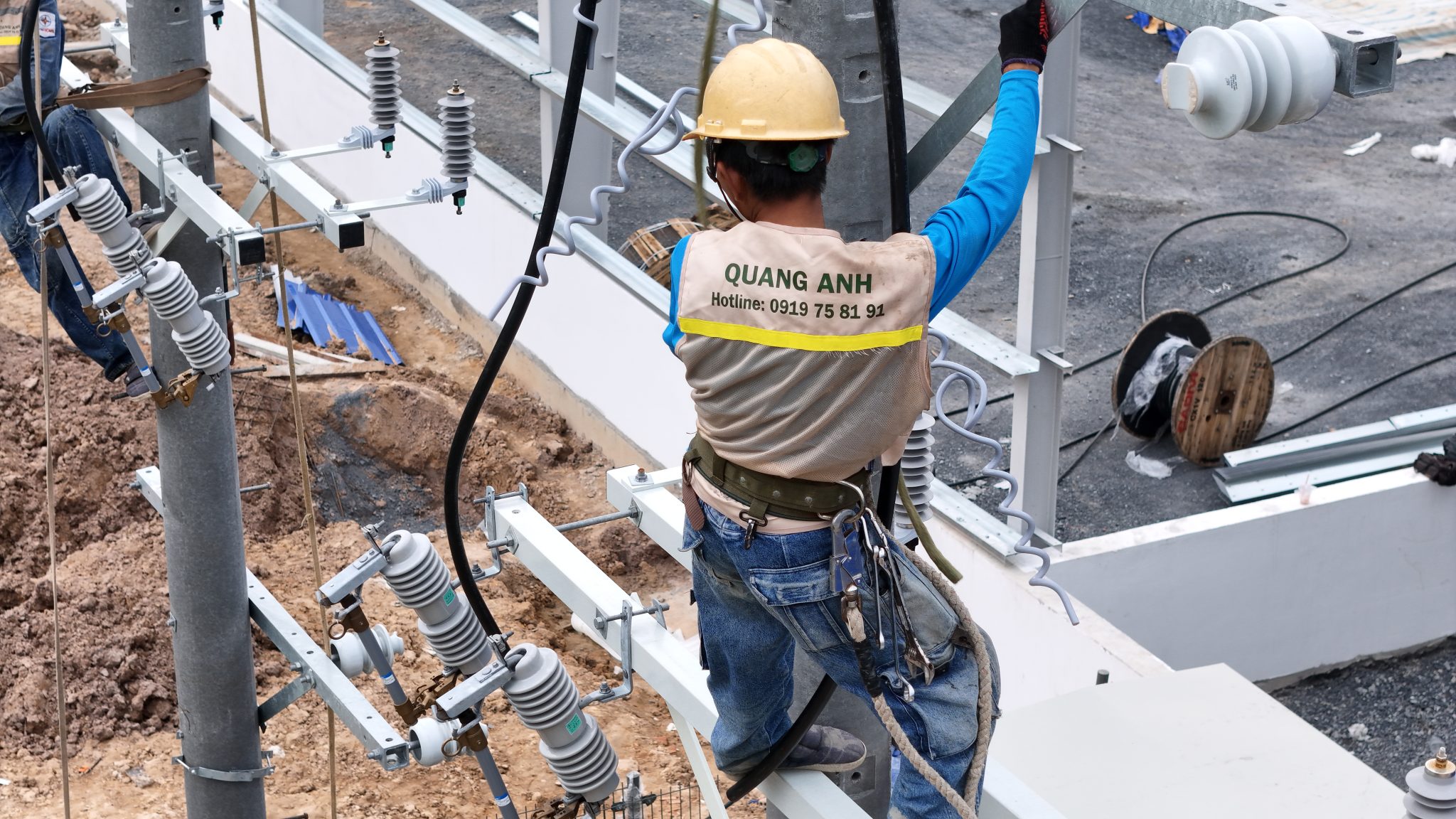
Managing Construction Progress and Quality with Timelapse Technology
Timelapse technology effectively manages project progress through precise and visual monitoring. Investors can quickly identify delays or emerging issues and make timely decisions based on actual circumstances.
Timelapse has become a pivotal tool for optimizing construction project management. By continuously documenting project development, timelapse technology allows engineers and contractors to comprehend progress comprehensively.
Advantages of Timelapse Technology in Construction
- Project Progress Monitoring: Timelapse allows flexible tracking of actual progress via fixed cameras capturing ongoing images, facilitating easy comparisons between actual progress and original plans.
- Work Performance Assessment: Utilizing recorded imagery, managers can analyze productivity. This technology supports early identification of potential issues, enabling timely improvement solutions.
- Remote Project Management: Timelapse offers continuous updates and information on construction processes, supporting remote monitoring and reducing environmental impact with renewable energy usage.
- High Security: Timelapse data is carefully secured, minimizing the risk of losing critical management information.
- Project Advertising and Reporting: Timelapse videos provide vibrant imagery for project marketing and progress reporting.
Applications in the Construction Industry
- Construction Progress Monitoring: Timelapse captures the entire journey from project initiation to completion, allowing direct progress assessments.
- Improving Project Efficiency: Stakeholders can utilize real-time data to enhance construction operations.
- Optimizing Management: Timelapse data facilitates effective remote project management, minimizing risks and enhancing transparency in progress evaluation.
Future of Timelapse Technology in Construction
With immense potential, timelapse construction technology, paired with AI and IoT, promises sophisticated, real-time operational monitoring solutions, significantly enhancing project oversight.
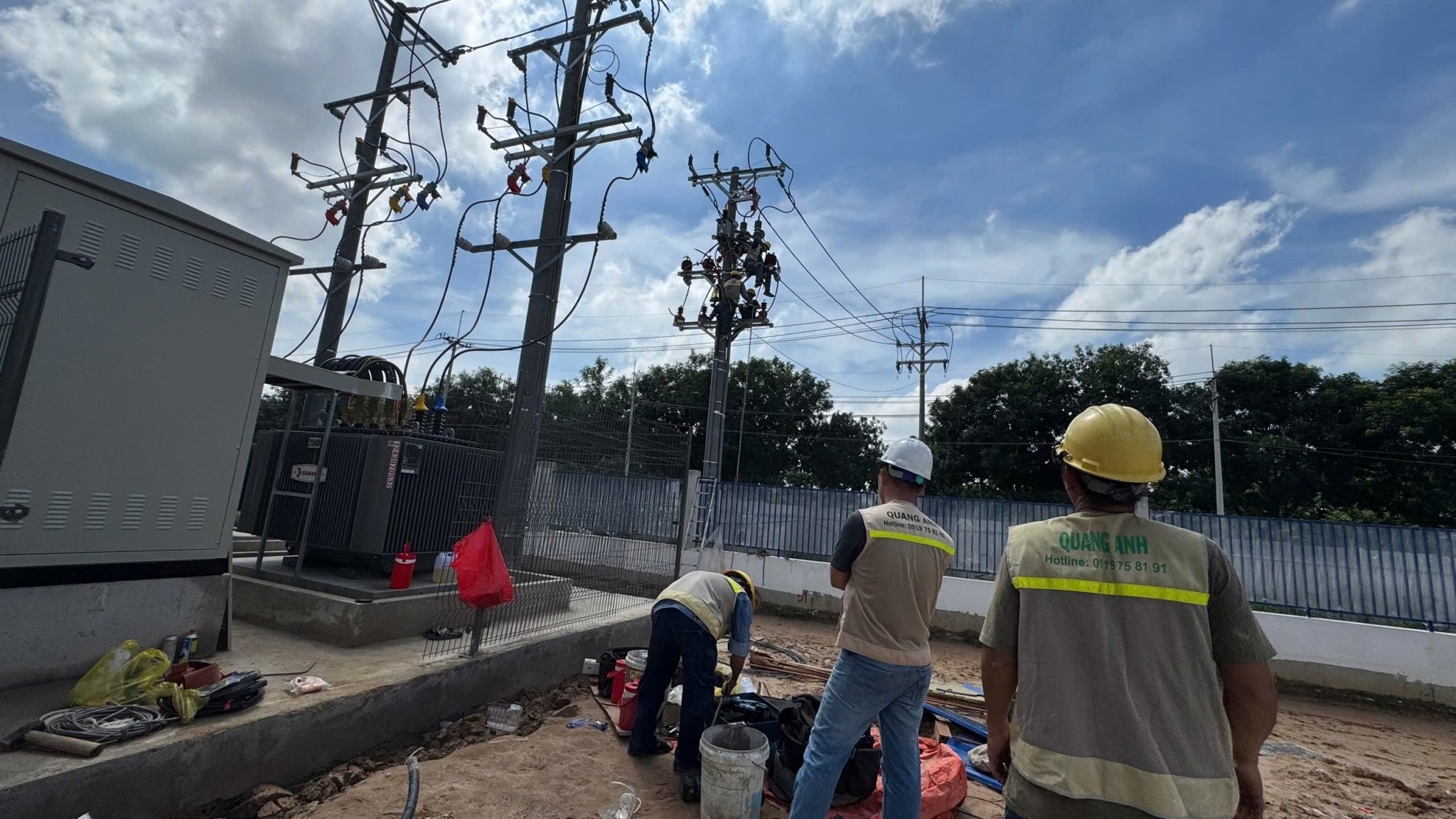
Comparing Quality Through Real Project References
Buyers or investors can reference ongoing and completed projects to compare construction quality. Past project images and videos enable evaluation of the contractor’s consistency and completion capabilities, showcasing professional credibility and reliability.
To maintain project quality, meticulous assessments based on established construction standards are essential. These standards serve as benchmarks for measuring project completeness against contractual and initial design commitments.
Incorporating expertise from relevant authorities is key in guiding and overseeing quality management, design assessments, inspections, and quality evaluations. This not only ensures project quality but also compliance with legal standards.
Project and Construction Management
Project Management Practices
Efficient project management requires planning and resource distribution to guide projects from initiation to completion. Project performance assessment involves evaluating milestone achievements and adjusting resources as needed to maintain progress and quality.
Construction Management Insights
Construction management demands direct supervision of construction activities to ensure adherence to established building standards. This requires focused attention on technical details and project timelines.
Project Evaluation Methods
An effective evaluation approach involves cost-benefit analysis of a project’s targeted outcomes, including early identification of potential risks and strategies for risk mitigation. Assessing risks protects budgets while allowing project adjustments in response to unforeseen changes.
Quality Management in Construction
Adopting technical standards like ASTM or ANSI ensures all project aspects achieve the highest quality. These specifications form the foundation for contracts and are essential guides in construction processes, fostering a uniform approach in project evaluation.
Maintaining top-quality construction demands continuous oversight and adjustments across project management, standards application, risk control, and performance evaluation using the latest construction policies and techniques.
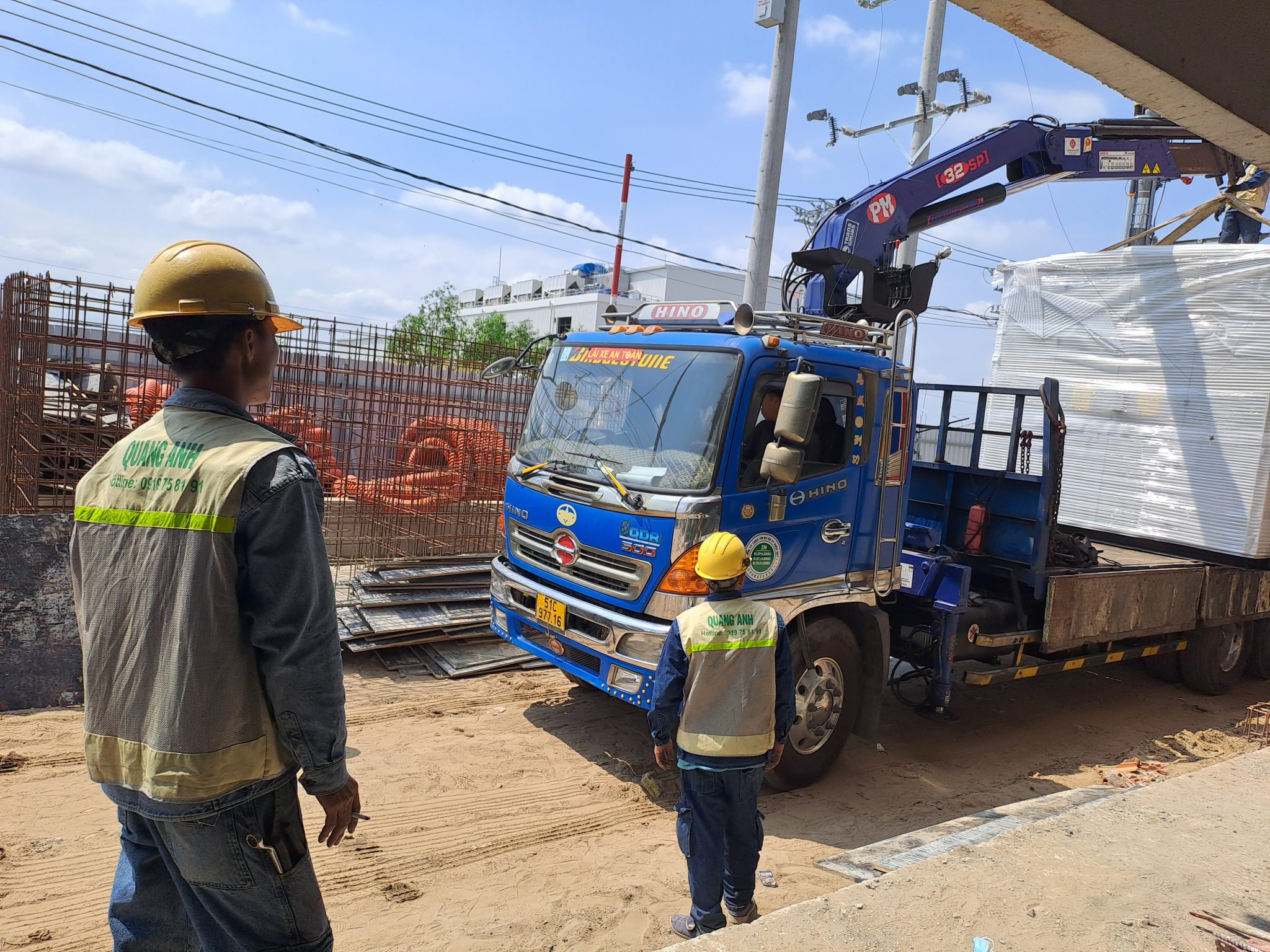
Real construction photos and videos are crucial when deciding on a contractor, not only for assessing construction capabilities but also for promoting transparency, building trust, and effectively managing project progress and quality. They are valuable tools for investor comparison and reference.
To ensure quality and timely project completion, contact QuangAnhcons through the Hotline: +84 9 1975 8191 for expert advice and support.
QuangAnhcons offers trustworthy construction services with outstanding progress and quality monitoring through real construction imagery and videos, providing clients peace of mind in their investments.
[contact-form-7 id="7239967" title="Contact form 1"]
Related Posts
Comparing Oil and Dry Transformers in Industrial Projects
Distinguish between oil and dry transformers based on installation site, safety, maintenance, energy losses, initial [...]
Mar
Electrical Overload Warning Signs in Factories
Recognize early indicators of factory electrical overload such as voltage drops, overheating equipment, circuit breaker [...]
Mar
Risks of Overloading Industrial Transformers Without Upgrades
Keeping the same low-voltage transformer while increasing factory loads can result in overheating, insulation degradation, [...]
Mar
Evaluating and Implementing Transformer Contractors in Tay Ninh
Criteria for selecting transformer substation contractors in Tay Ninh, EPC scope, and factors affecting project [...]
Mar
Comparing Oil and Dry Transformers for Industrial Applications
Examine oil and dry transformers based on installation location, fire safety, maintenance, energy loss, investment [...]
Mar
Comprehensive 1500kVA Transformer Station Budget for Manufacturing Facilities
Guidance for creating a detailed budget list for a 1500kVA transformer station, including medium voltage [...]
Mar
Comprehensive Transformer Station Pricing: Elements and Considerations
Examine key components in comprehensive transformer station pricing including design, equipment, construction, testing, and connection [...]
Mar
Pricing Guide for 4000kVA Transformer Stations: Configuration, Cost, and Investment Process
An overview of configuration, cost estimates, connection approaches, and investment checklists for 4000kVA transformer stations [...]
Mar
Pricing and Setup of 3200kVA Transformer Stations: Configuration, Costs, and Investment Procedure
Explore the pricing structure for a 3200kVA transformer station, primary equipment configuration, cost variables, EVN [...]
Mar
Cost Estimation for 2500kVA Transformer Station: Configuration, Expenses, and Investment Process
Reference framework for quoting a 2500kVA transformer station based on configuration, station type, cable solutions, [...]
Mar
2000kVA Transformer Station Guide: Configuration, Costs, and Investment Process
Discover key aspects of a 2000kVA transformer station: from technical configuration and cost analysis to [...]
Mar
Pricing and Configuration Guide for 1600kVA Substations
A detailed guide on pricing for 1600kVA substations, including equipment specs, connection costs, EVN procedures, [...]
Mar
Comprehensive Guide to 1500kVA Substation Pricing: Configuration, Costs, and Investment Process
A comprehensive overview of configurations, costs, construction methods, connection procedures, and contractor selection for 1500kVA [...]
Mar
Tay Ninh Solar Power Planning: Technical Framework, Grid Interconnection, and Rollout Roadmap
Technical overview of solar planning in Tay Ninh: irradiation, grid capacity, permitting, design, operations, and [...]
Dec
Binh Duong Solar Planning: Regulatory Framework, Grid Interconnection, and an Implementation Roadmap for Factories and Industrial Parks
An overview of Binh Duong solar planning: legal framework, interconnection, design, risk management, and an [...]
Dec
Solar Farm Repair: O&M Workflow, IV Curve Diagnostics, Thermography, Inverter Service and Utility-Scale Safety
A utility-scale solar farm repair plan centered on O&M, IV curves, thermal imaging, inverter service, [...]
Dec
Dong Nai Solar Power Plan 2023–2025: Tri An 1,029 MW, Grid Upgrades and the DPPA Pathway
A complete look at Dong Nai’s solar power plan: Tri An 1,029 MW, irradiation potential, [...]
Nov
Quang Ngai Solar Power Plan 2024–2030: Legal Framework, Irradiance Potential, and Development Roadmap
A complete look at Quang Ngai’s solar power plan: capacity targets, irradiance (PVout), development zones, [...]
Nov
Solar Damage Assessment Services: On-Site Procedures, EL/IV/Thermography Testing & Compliance with Standards
Discover IEC/UL/NEC standard solar damage assessment processes: on-site evaluation, EL and IV curve testing, thermal [...]
Nov
Comprehensive Package Estimate for a 1800MVA 500kV Substation: Scope, Configuration 3x600MVA, Standards and Timeline Management
An overview of the 1800MVA 500kV substation estimate: construction scope, configuration 3x600MVA, GIS/AIS, SCADA, standards, [...]
Nov