

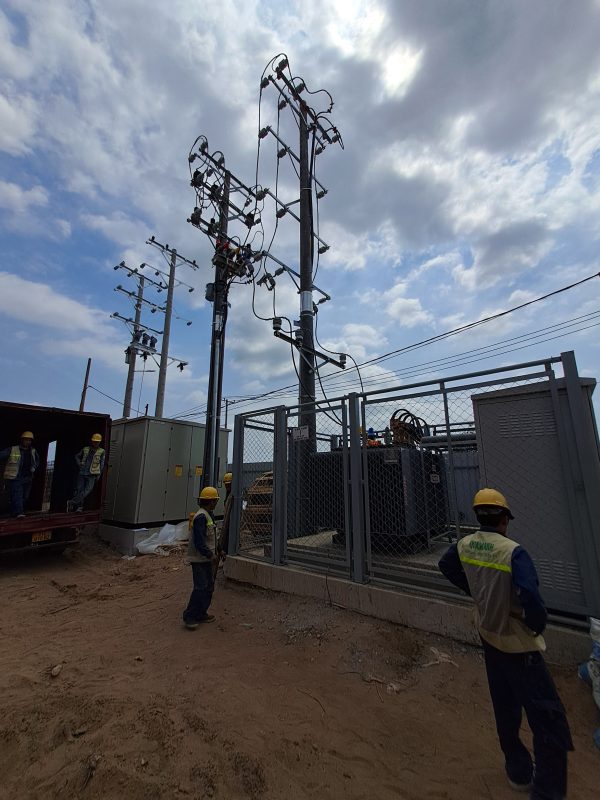
Obtaining a factory construction permit is a mandatory administrative process for any investor embarking on a construction project in Vietnam. This procedure ensures compliance with technical specifications and relevant laws. Correctly preparing a complete application can expedite the review process, avoid additional costs and legal issues, and keep the project on schedule.
Components of the Factory Construction Permit Application
What is included in a factory construction permit application? Initially, a request form for construction permission, proof of land use rights, and design blueprints are needed. Following these are reports on the design firm’s capacity, certification of design review for fire safety according to the QCVN 06:2022/BXD standard. A decision approving the EIA report and project approval as per legal rules is also required. Moreover, a design appraisal document is necessary for projects needing detailed evaluation.
-
Certification Documents
These essential documents serve as the foundational basis when initiating any factory project in Vietnam. An investment registration certificate (IRC) ensures that the project has received the necessary approvals. Additionally, land use rights documentation clarifies land ownership or usage rights, preventing legal disputes. Furthermore, a business license is indispensable for the project owner or implementing company.
-
Design Documents
Design documentation is crucial and forms the core of factory construction. The documentation should include basic design blueprints and detailed construction plans, covering everything from the overall site layout, technological flowcharts, architectural solutions to structural and technical systems. Thorough preparation minimizes risks during construction and operation.
Additionally, a statement of the design firm’s capacity and experience underlines credibility and capability to execute the project.
-
Appraisal and Approval
Project appraisal is vital for safety and legal compliance. Documents of fire safety appraisal conforming to QCVN 06:2022/BXD, along with an approved environmental impact assessment (EIA) report, are to be diligently handled as per the Environmental Protection Law of 2020. These documents issued by authorized agencies ensure legal and safe project enactment.
-
Construction Permit Application
An exhaustively prepared construction permit application, including detailed investor information, construction site, the project’s scale, design firm, and anticipated completion timeframe, is critical. Appraisal and project approval are key to obtaining the construction permit smoothly.
-
Acceptance Documentation
Completion acceptance documentation is essential post-construction. It includes handover records, weekly, and monthly reports, alongside acceptation requests, ensuring legal compliance when transferring the project.
-
Additional Legal Documents
Finally, the building contract between the investor and contractor, accompanied by proof of contractor capacity, is crucial to demonstrate the capability to fulfill the project.
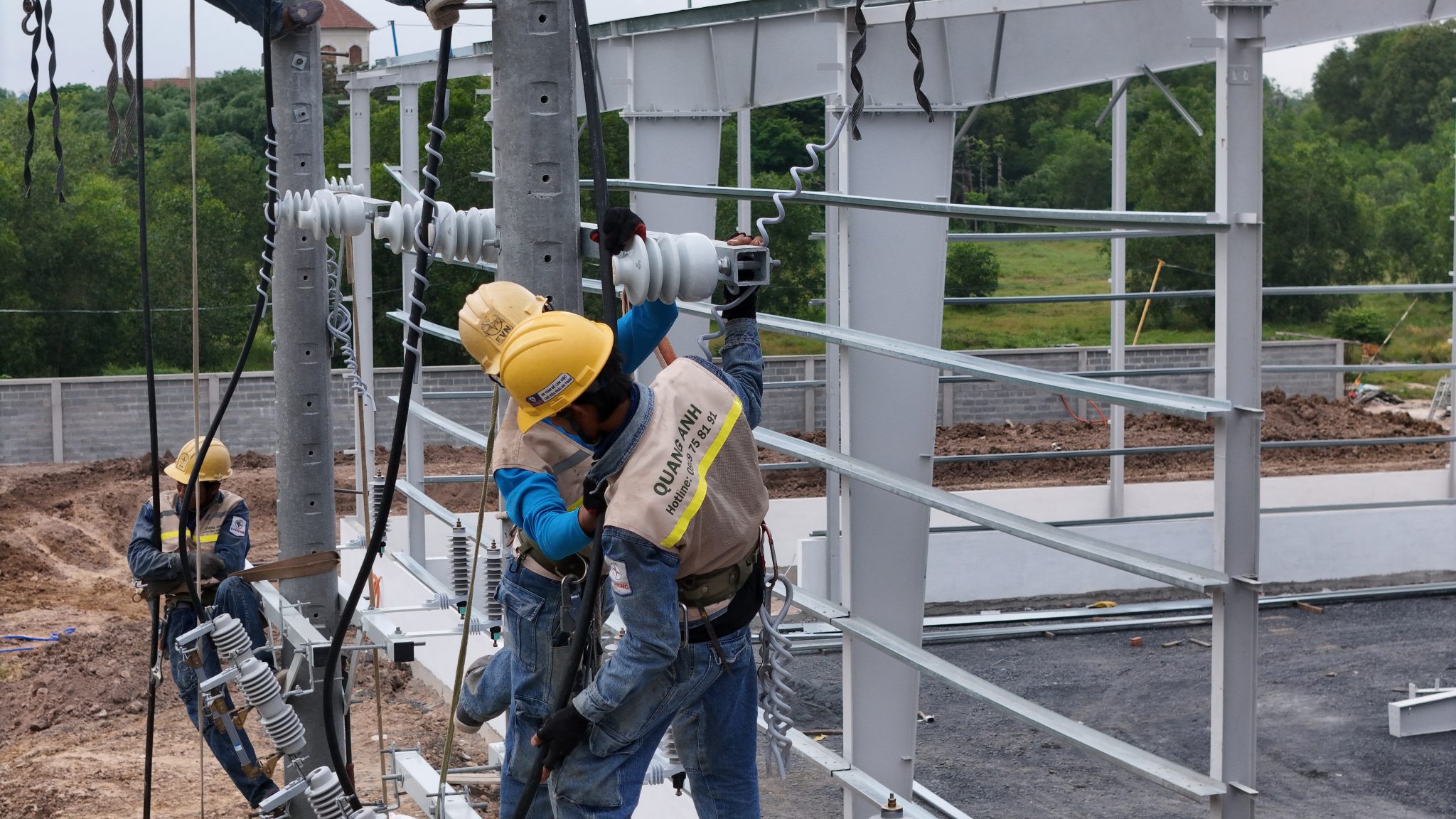
Considerations when Preparing the Application
When preparing a factory construction permit application, it is vital to follow technical standards, including zoning, building density, and fire safety. The application should ensure consistency and accuracy across all documents to avoid conflicting information. Investors must closely oversee the preparation and submission process, and update the application to reflect the latest legal regulations.
Accuracy and timely updates are critical in application preparation to ensure smooth permit approvals. Adhering to rigorous technical standards, including fire safety measures, is essential to meet legal and industrial requirements fully.
Accuracy and Up-to-date Information
- Personal Information: In construction documents, all contact details must be accurate to facilitate communication, avoiding discrepancies that delay the process.
- Experience and Capacity: Accurately reflect the project team’s capacity to meet technical demands.
Document Structure and Focus
- Length: Documents should be concise, focusing on essential technical standards and fire safety requirements, particularly pertinent to the project.
- Customization: Adjust documents to local regulations regarding building density and other legal provisions.
Necessary Documents
- Biography: Including detailed information about project participants, confirmed by local authorities.
- Health Check Certificates: Required for high-risk projects to certify the health of the construction team.
- Household Registration Copy: In some projects, a local address can be advantageous depending on regional regulations.
Professionalism
- Overview and Format: Documents should be professionally written and formatted with a clear layout and readable fonts.
- Introduction Section: A brief introduction featuring past projects and achievements enhances credibility.
Ready for Interview
- Research the Company: Studying technical and legal requirements before interacting with the licensing board increases approval chances.
- Essential Documents: Always have critical documents ready for consultation or supplementary provision as required.
Adhering to these steps can significantly increase success in preparing construction project applications.
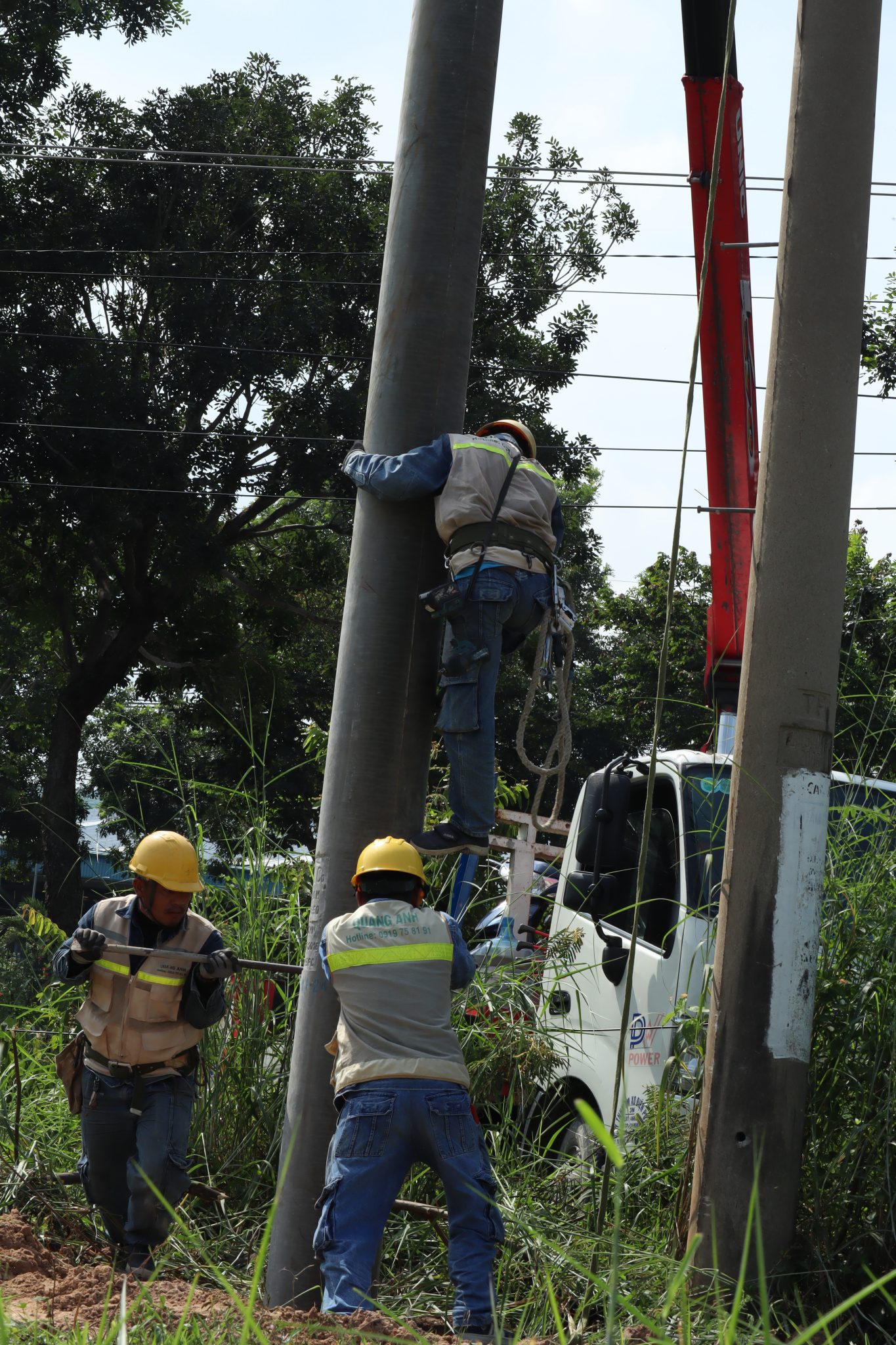
Process of Submitting the Application
What does the process of submitting a factory construction permit application entail? Initially, prepare all documents according to guidelines. Subsequently, submit the application to the reception department of the People’s Committee or the Industrial Park Management Board. Then, specialized agencies will review and assess the application. Once approved, the construction permit is issued, allowing for official construction and completion as regulated by law.
Overview of the Submission Process
In construction, submitting documents is the first step in ensuring that all legal processes related to construction permits are carried out lawfully. These procedures might involve submitting applications online or in person, depending on specific requirements. This process extends beyond compiling documents to include interactions with numerous authorities to achieve the ultimate goal: a valid construction permit.
Methods of Submission
Submitting construction documents can be done via different methods:
- Direct submission: Individuals directly visit the receiving authority to submit construction documents and obtain a receipt.
- Postal mail: This method requires ensuring documents are correctly packaged and addressed.
- Online submission: Execute through the National Public Service Portal for a streamlined, time and cost-efficient document submission.
Details of the Online Submission Process
- Access the Public Service Portal: Use a registered account to gain access, ensuring all information remains current.
- Select public service: Search for the appropriate procedure from the list of services.
- Provide information: Enter required details, ensuring mandatory fields like contact information are checked carefully.
- Attach documents: Upload necessary documents, confirming legal adherence.
- Review and submit: Verify accuracy before submitting and receive a tracking code for reference.
- Track progress and receive results: Use the tracking code to follow up on progress and obtain results via selected methods.
Traditional Submission Process
The traditional method also includes specific steps to ensure transparency and legality:
- Prepare all required documents thoroughly.
- Submit documents at the reception point and receive a tracking receipt.
- Receive results directly or via postal mail.
Important Considerations
Key points to bear in mind during the submission process:
- Ensure all fields are filled in accurately to prevent returns.
- Commit to the responsibility of all provided information.
- Protect personal information and refrain from sharing sensitive details.
- Frequently check notifications to supplement needed documents promptly.
Applications and Benefits
The submission of documents currently facilitates streamlined construction development processes, supporting businesses from business registration to building permits. The convenience of online submission not only reduces time but also enhances oversight and ensures transparency. From 2025, all documents will be digitized, offering effective benefits through improved management and supervision.
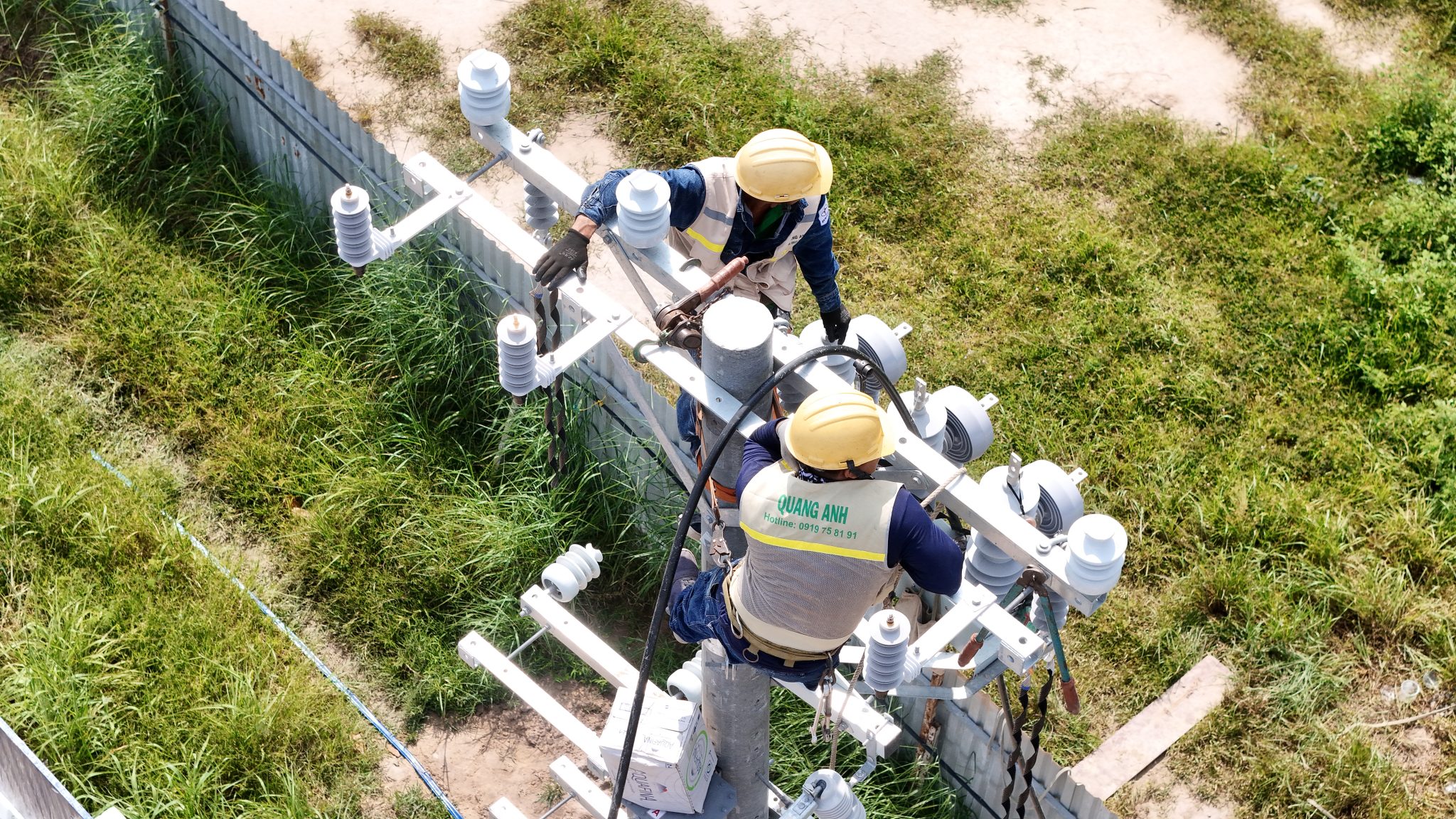
Necessary Documents for the Construction Permit Application
The compiled set of documents for a factory construction permit includes the request form, land use rights certificate, and design blueprints. Also required are the design firm’s capacity reports and fire safety certifications. An approved EIA report and project approval are mandatory components. These documents ensure the legality and compliance of the application, optimizing the review and permit issuance process.
List of Required Documents in the Application
Preparing a complete and accurate set of application documents is crucial for a smooth permit acquisition process. The following list contains the necessary documents that involved parties must properly prepare according to regulations:
- Permit Request Form: This is an essential document detailing the desire and justification for the construction permit. The form must be prepared according to the licensing authority’s guidelines.
- Land Use Rights Certificate: Confirms legitimate land use rights; it should be a notarized copy, ensuring clarity and precision.
- Design Blueprints: Must completely detail the project’s technical aspects, created by a legally certified entity.
- Fire Safety Certification: Ensures fire prevention standards are met, safeguarding the factory and surrounding community.
- EIA Report: The environmental impact assessment report must be approved to ensure the project does not harm the environment.
Important Requirements and Considerations
- Certification and Notarization: Documents like land use rights certificates and fire safety certifications need authentication from relevant authorities such as the People’s Committee or notary offices.
- Document Validity: Some documents have specific validity periods; for example, EIA reports may need updates as per the latest regulations.
- Information Accuracy: Meticulously check all information in the applications to avoid errors, facilitating faster processing.
Ensuring all application documents meet current legal requirements not only enhances the validity but also optimizes the approval process by governmental authorities.
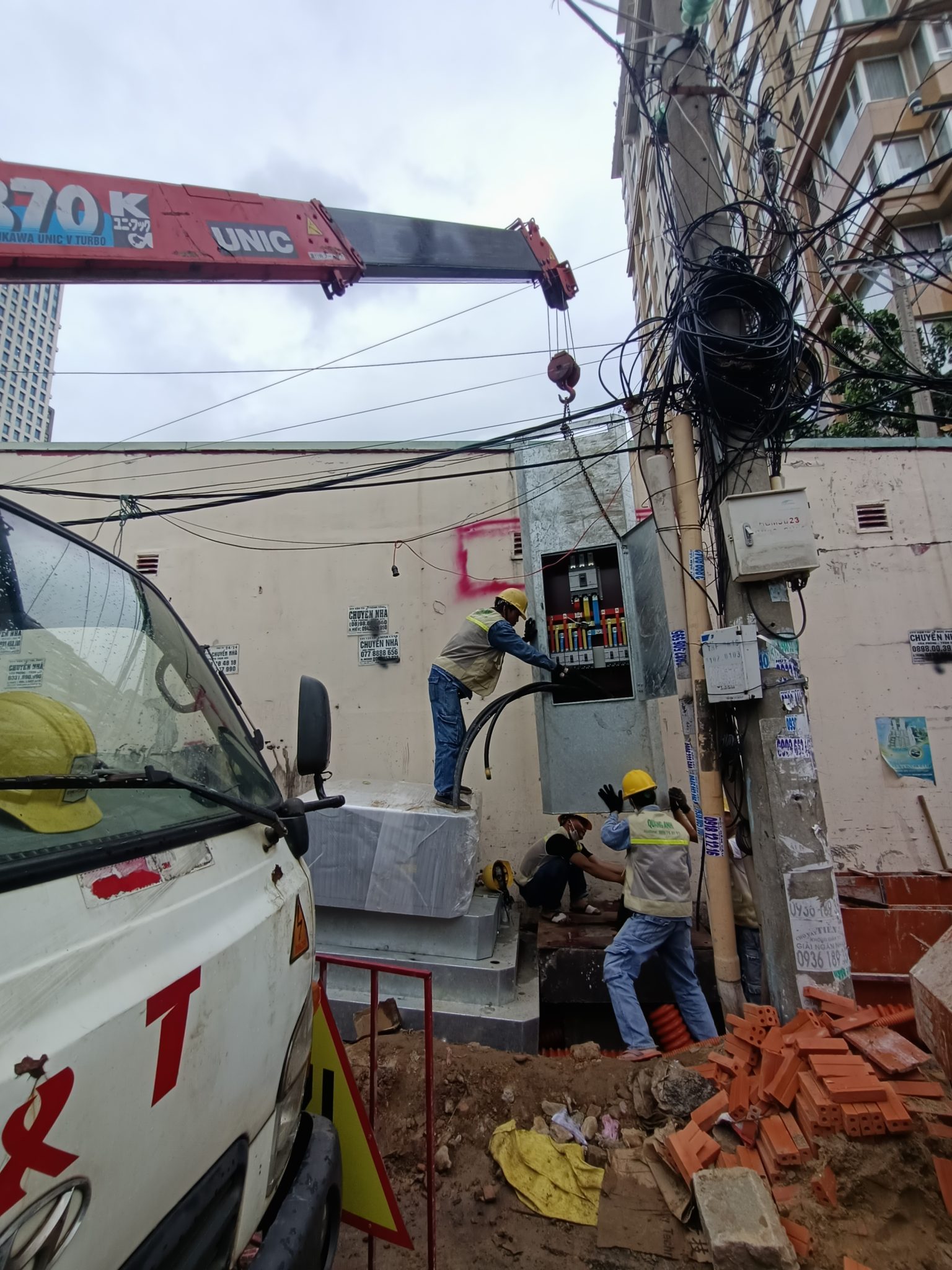
Thoroughly preparing a factory construction permit application ensures optimal project progress. Meeting all legal requirements facilitates smooth transitions during the construction and completion phases.
Let QuangAnhcons assist you in preparing precise and timely construction permit applications. Hotline: +84 9 1975 8191.
QuangAnhcons offers consulting and support services for preparing construction permit applications, ensuring compliance with legal and technical standards to help investors save time and cost.
[contact-form-7 id="7239967" title="Contact form 1"]
Related Posts
Substation Interconnection Documentation: A Practical Preparation Guide for Investors
A hands‑on guide for investors and M&E engineers on the information groups needed in substation [...]
May
Transformer Substation Construction Quote: Cost Components & Key Cost Drivers
Guidance for breaking down a transformer substation construction quote: main cost groups and the common [...]
May
Substation Solutions for Factories: Investing and Implementation Strategies
Overview of factory substations: when to invest, key components, execution processes, documentation, and selecting the [...]
Apr
Transformer Repair in Ho Chi Minh City: When Immediate Action Is Required
Discover signs of transformer damage, diagnostic methods, on-site handling processes, and criteria for selecting repair [...]
Apr
Transformer Repair: Process, Diagnosis, and Decision-Making
Hướng dẫn sửa chữa máy biến áp cho nhà máy: nhận biết dấu hiệu hỏng, [...]
Apr
24-Hour Transformer Repair: Efficient Solutions and Reliable Power Restoration
Khung xử lý sửa chữa máy biến áp 24h cho nhà máy: nhận biết sự [...]
Apr
Common Mistakes in Transformer Station Construction Leading to Extra Costs
Các sai lầm khi làm trạm biến áp thường không nằm ở một hạng mục [...]
Apr
Comprehensive Guide to Acquiring Used Transformers
Góc nhìn kỹ thuật về thu mua TBA cũ: cách đánh giá hiện trạng, hồ [...]
Apr
Comprehensive Transformers Maintenance for Industrial Plants
Tổng quan dịch vụ bảo trì trạm biến áp nhà máy: lịch bảo dưỡng, thí [...]
Apr
Transformers: Assessing and Safely Handling Used Transformers
Khung đánh giá máy biến áp cũ theo tình trạng kỹ thuật, dầu cách điện, [...]
Apr
How Proactive Transformer Maintenance Minimizes Business Risks
Nhìn từ góc độ vận hành nhà máy, bảo trì chủ động trạm biến áp [...]
Apr
Comparing Oil and Dry Transformers in Industrial Projects
Distinguish between oil and dry transformers based on installation site, safety, maintenance, energy losses, initial [...]
Mar
Electrical Overload Warning Signs in Factories
Recognize early indicators of factory electrical overload such as voltage drops, overheating equipment, circuit breaker [...]
Mar
Risks of Overloading Industrial Transformers Without Upgrades
Keeping the same low-voltage transformer while increasing factory loads can result in overheating, insulation degradation, [...]
Mar
Evaluating and Implementing Transformer Contractors in Tay Ninh
Criteria for selecting transformer substation contractors in Tay Ninh, EPC scope, and factors affecting project [...]
Mar
Comparing Oil and Dry Transformers for Industrial Applications
Examine oil and dry transformers based on installation location, fire safety, maintenance, energy loss, investment [...]
Mar
Comprehensive 1500kVA Transformer Station Budget for Manufacturing Facilities
Guidance for creating a detailed budget list for a 1500kVA transformer station, including medium voltage [...]
Mar
Comprehensive Transformer Station Pricing: Elements and Considerations
Examine key components in comprehensive transformer station pricing including design, equipment, construction, testing, and connection [...]
Mar
Pricing Guide for 4000kVA Transformer Stations: Configuration, Cost, and Investment Process
An overview of configuration, cost estimates, connection approaches, and investment checklists for 4000kVA transformer stations [...]
Mar
Pricing and Setup of 3200kVA Transformer Stations: Configuration, Costs, and Investment Procedure
Explore the pricing structure for a 3200kVA transformer station, primary equipment configuration, cost variables, EVN [...]
Mar