

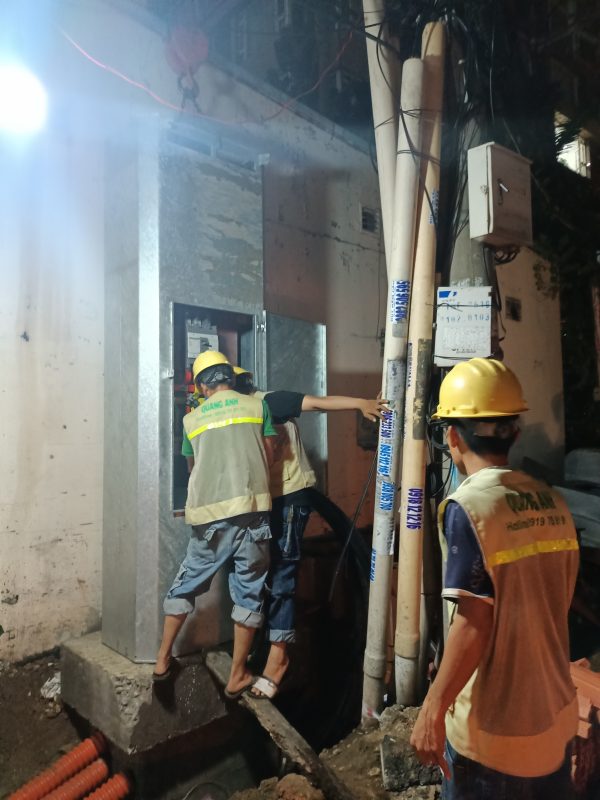
The factory construction process involves stages from surveying to completion, ensuring adherence to safety, environmental, and technical standards for optimal project quality and investment returns.
Site Survey and Construction Planning
The initial stage in the factory construction process involves surveying and planning, comprising site assessments, ground condition evaluation, and layout analysis. Engineers propose design solutions aligned with architectural and technological requirements, focusing on foundational, infrastructural, and safety standards, particularly environmental and fire safety protocols.
An efficient site survey and construction planning step determines the project’s smooth progression, fully compliant with all construction standards.
- Development and Approval of Survey Plans
- The survey mandate must be meticulously prepared, considering project type and technical requirements, typically handled by the design contractor.
- Technical Survey Planning and Approval
- The plan features specif` The technical approach and relevant standards are crafted by the survey contractor, adhering to set objectives.
- Construction Survey Implementation
- Activities like data gathering, surveying, and geological examinations ensure comprehensive data integrity.
- Acceptance and Approval of Survey Results
- Results must be formally validated per protocol, adhering to all technical requisites.
Main Components of a Technical Survey Plan
- Planning Basis: Established on articulated mandates and geotechnical site surveys.
- Work Component and Volume: Detailed listing of required tasks.
- Methodologies and Equipment: Strategic selection of tools and procedures for optimal survey efficiency.
- Technical Standards: Strict compliance with technical regulations to ensure accuracy and safety.
- Project Execution Organization: Clearly delegated roles among the team members.
- Execution Schedule: Definitive timeline and sequence planning.
- Safety Measures: Prioritize environmental and occupational safety protocols.
Survey Objectives and Scope
- Objective: Ensure the facility’s design and construction adhere to investor standards and specifications.
- Scope: Applicable to construction projects spanning from minor to major scales.
Types of Surveys
- Geological Survey: Assess geological conditions and related phenomena.
- Hydrological Survey: Detailed hydrological analysis of the site.
- Geophysical Survey: Apply advanced tools for precise parameter acquisition.
To assure project success, the survey process and project plans must strictly conform to current standards and legal requirements.
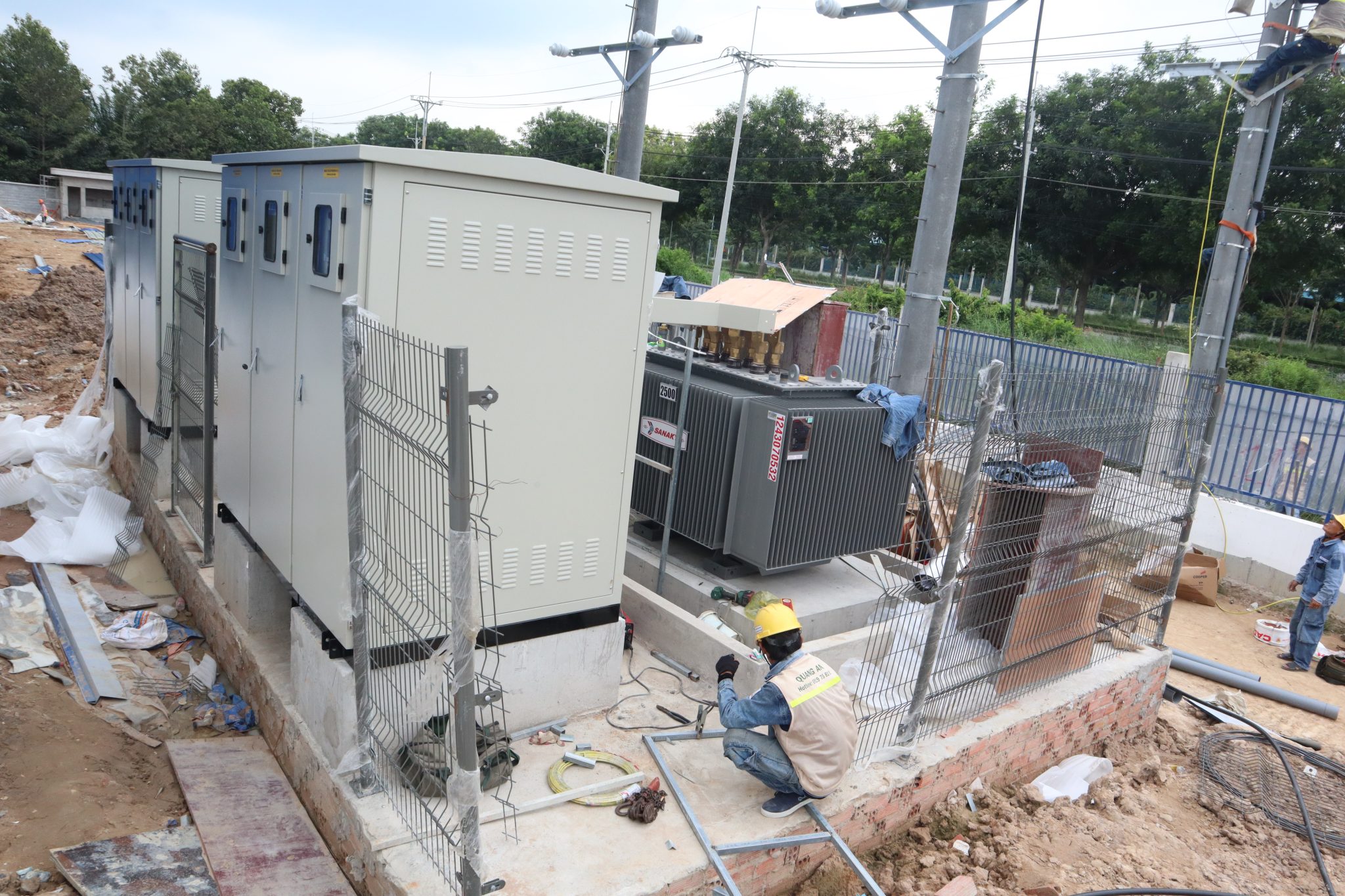
Technical Design and Execution Planning
Technical design and execution stage focuses on detailed structural, foundational, and critical component designs. The application of QCVN standards ensures designs are aligned with local ground conditions and are safe, sustainable, and cost-effective.
Technical design and execution planning play pivotal roles in construction and energy sectors, particularly with QCVN standards to assure safety and effectiveness.
Technical design transforms initial plans into actionable solutions, ensuring all engineering and material solutions, like steel structures and foundation plans, comply with current standards. This includes selecting precise building materials and techniques suited to specific regional and environmental construction contexts.
Execution planning follows, offering detailed drawing documents that translate entire technical details and specifications, key to executing the project accurately from foundation to complete technical structures.
The construction design process highlights three primary steps:
- Conceptual Design: Preliminary design concepts are established, creating the foundation for forthcoming phases.
- Technical Design: Elaborate on technical elements from the conceptual design, integrating material selection and requisite technical standards in preparation for execution.
- Detailed Construction Design: Delivers comprehensive drawings embodying all technical parameters and materials, guiding precise execution on-site.
Ensuring accuracy and safety in technical execution planning is crucial for the project’s successful completion while laying groundwork for cost estimation.
Adhering strictly to design processes and executing technical controls are pivotal to each project’s success, assuring technical and economic efficiency.
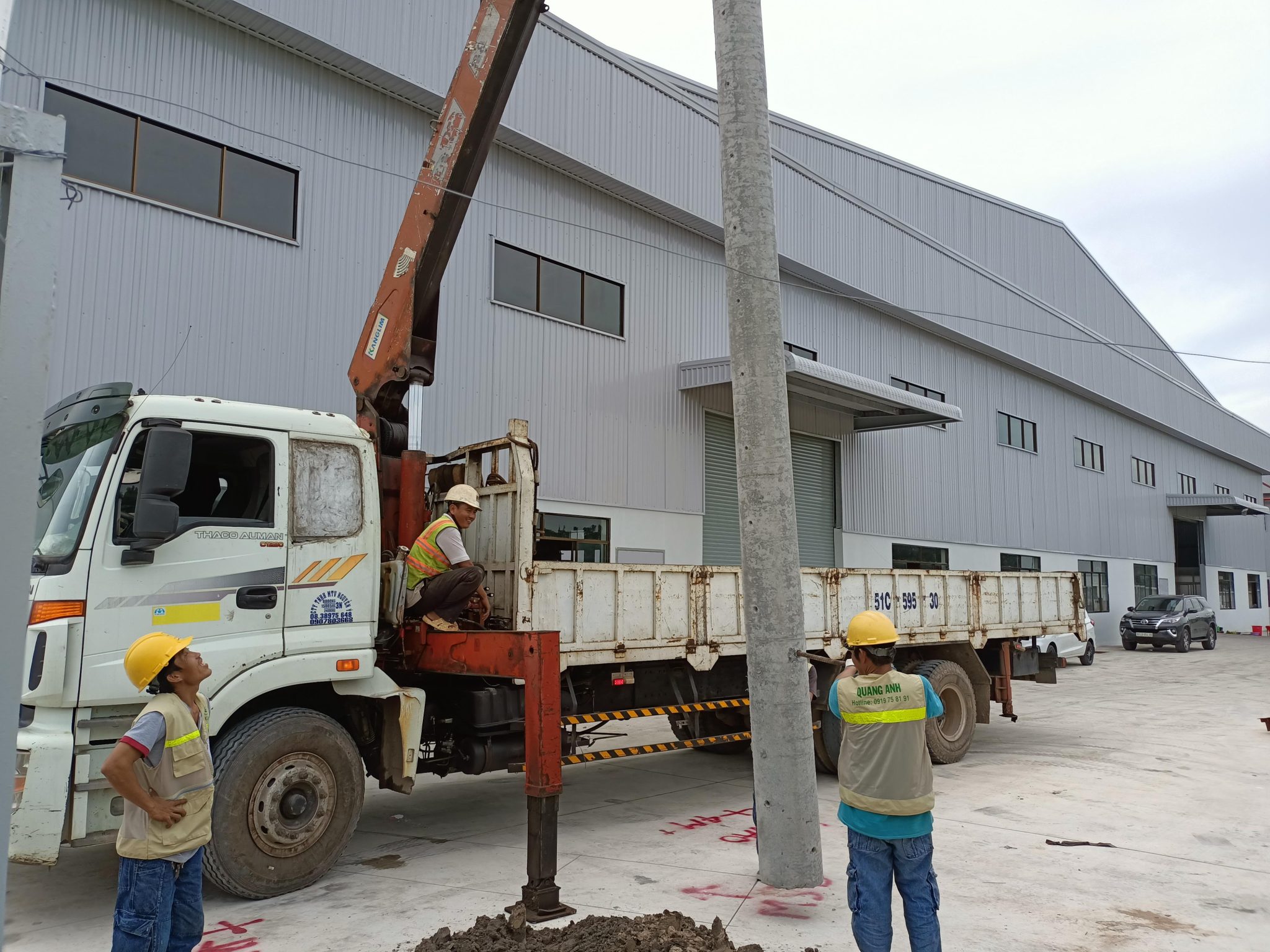
Design Approval and Permit Application
Securing design approval and construction permits is a crucial stage in factory building. This process involves submitting design documents to relevant authorities for evaluation based on technical, fire safety, environmental, and construction planning standards. Necessary documents include Investment Certificates, land use deeds, and other safety-related papers. Obtaining local government construction permits is imperative before project commencement.
In construction processes, design approval and permit acquisition are essential to ensure legal compliance and project safety.
Construction Design Steps
Design processes can vary from single to multiple steps, adapting to the project size and specifics. The three-step design approach includes:
- Conceptual Design: Establish initial plan, functionality, and basic technical solutions.
- Technical Design: Detail the conceptual design, define specific construction techniques.
- Execution Drawings: Deliver detailed drawings for construction facilitation.
Investors must prepare comprehensive design files, generally outsourcing this to professional contractors through contractual engagements.
Design Assessment and Approval Process
Required design documents include descriptive design, design drawings, survey data, construction estimates, and specifications. Design evaluations are executed by local expert agencies adhering to stipulated timelines:
- 40 days for Level I and special constructions.
- 30 days for Level II and III constructions.
- 20 days for other constructions.
Procedures must align with the 2014 Construction Law and guiding documents such as Decree No. 15/2021/ND-CP and Circular No. 18/2016/TT-BXD.
Post-Approval Design Adjustments
Approved designs may be altered only if project changes occur or quality and efficiency improvements are needed. Adjustments impacting significant technical parameters require re-evaluation and re-approval.
Construction Permits
Construction permits are indispensable, assuring project adherence to approved designs. Investors need to compile an application, including construction permit requests, design drawings, and land use verification. Certain circumstances under the 2014 Construction Law allow for permit exemption.
Major Legal Basis
Design approval and permit application processes rely on critical legal documents such as the 2014 Construction Law, Decree No. 15/2021/ND-CP, Circular No. 18/2016/TT-BXD, and Decree No. 59/2015/ND-CP.
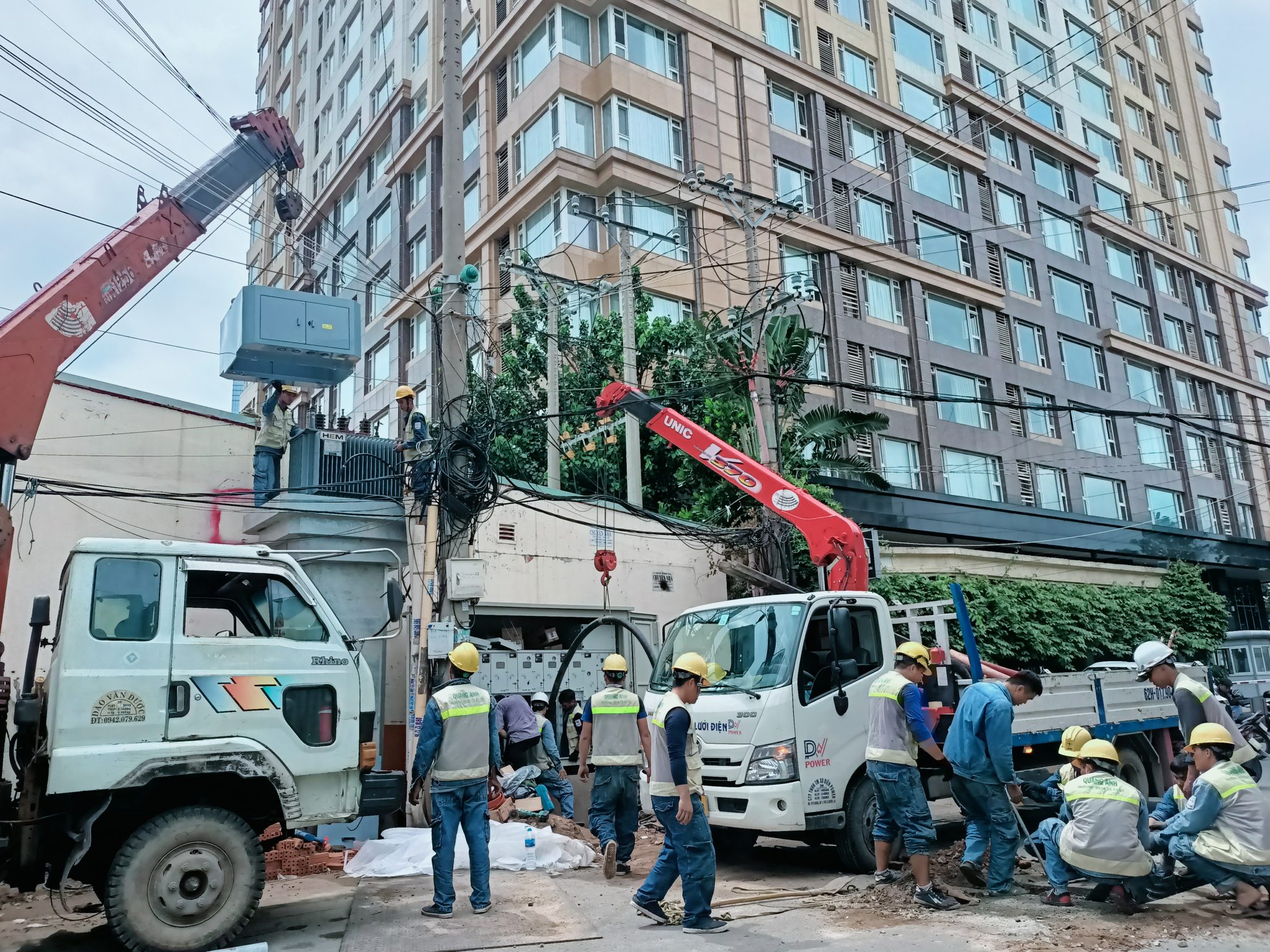
Construction and Completion of the Factory Project
Construction and finalization encompass various stages from site preparation, foundation work, structural setup, to auxiliary support installations. Execution must adhere to the verified plan, utilize high-quality materials, and incorporate safety and environmental measures. Progress and quality control at each stage are crucial to ensure the final output meets specified standards.
Executing and completing factory constructions is intricate, requiring precision for quality, safety, and economic efficiency. Key stages and focal points during execution include:
1. Preparation and Foundation Phase
-
Finalizing Technical Design Documentation: This crucial initial step ensures execution accuracy, comprising detailed structural and MEP system designs.
-
Executing Structural Concrete Frames, Walls, and Partitions: The process directly impacts quality, lifespan, and safety, covering foundation, beams, and flooring.
-
Inspection and Approval of Structural Components: Formwork, rebar, and concrete inspections ensure adherence to specified dimensions and quality.
2. Execution of MEP Systems
-
Installing Water, Electrical, and Auxiliary Systems: MEP system installation is vital for plant operations, including electricity, water, fire safety, and lighting considerations.
-
Testing and Calibration of MEP Systems: Ensures system stability and safety in line with approved designs.
3. Masonry and Plaster Works
-
Wall Construction and Door Installation: Ensures precision in basic elements and wall-mounted electrical fittings.
-
Plastering and Flooring: Garanting correct mortar ratios and treating wall surfaces for enhanced adhesion for subsequent layers.
4. Interior and Exterior Finishing Work
-
Implementing Gypsum Ceiling and Décor: Following masonry and plastering, ceiling gypsum boards enhance aesthetics.
-
Waterproofing and Fixture Installation: Extends structure lifespan through sanitary waterproofing and essential equipment setup.
-
Tiling and Final Painting: This step finalizes the facade and ensures structural integrity.
-
Installing Doors and Railings: Ensures aesthetic appeal and safety for operational facilities.
5. Final Inspection and Handover
-
Inspecting and Verifying All Construction Aspects: Ensures adherence to technical and safety specifications.
-
Handover to Investors: Occurs only after fulfilling all technical and legal prerequisites.
6. Maintenance and Repairs
Regular maintenance is vital for consistent project performance.
7. General Execution and Completion Considerations
-
Detailed Planning: Efficient execution requires a clear, concise plan.
-
Material Mixing and Utilization: Adhering to quality ensures long-term construction integrity.
-
Surface Preparation Before Finish: Crucial for optimal paint adhesion and other finishes.
-
Applying Epoxy Coatings to Factory Floors: Meets cleanliness and safety standards.
Comprehensive supervision of each construction stage ensures project success.
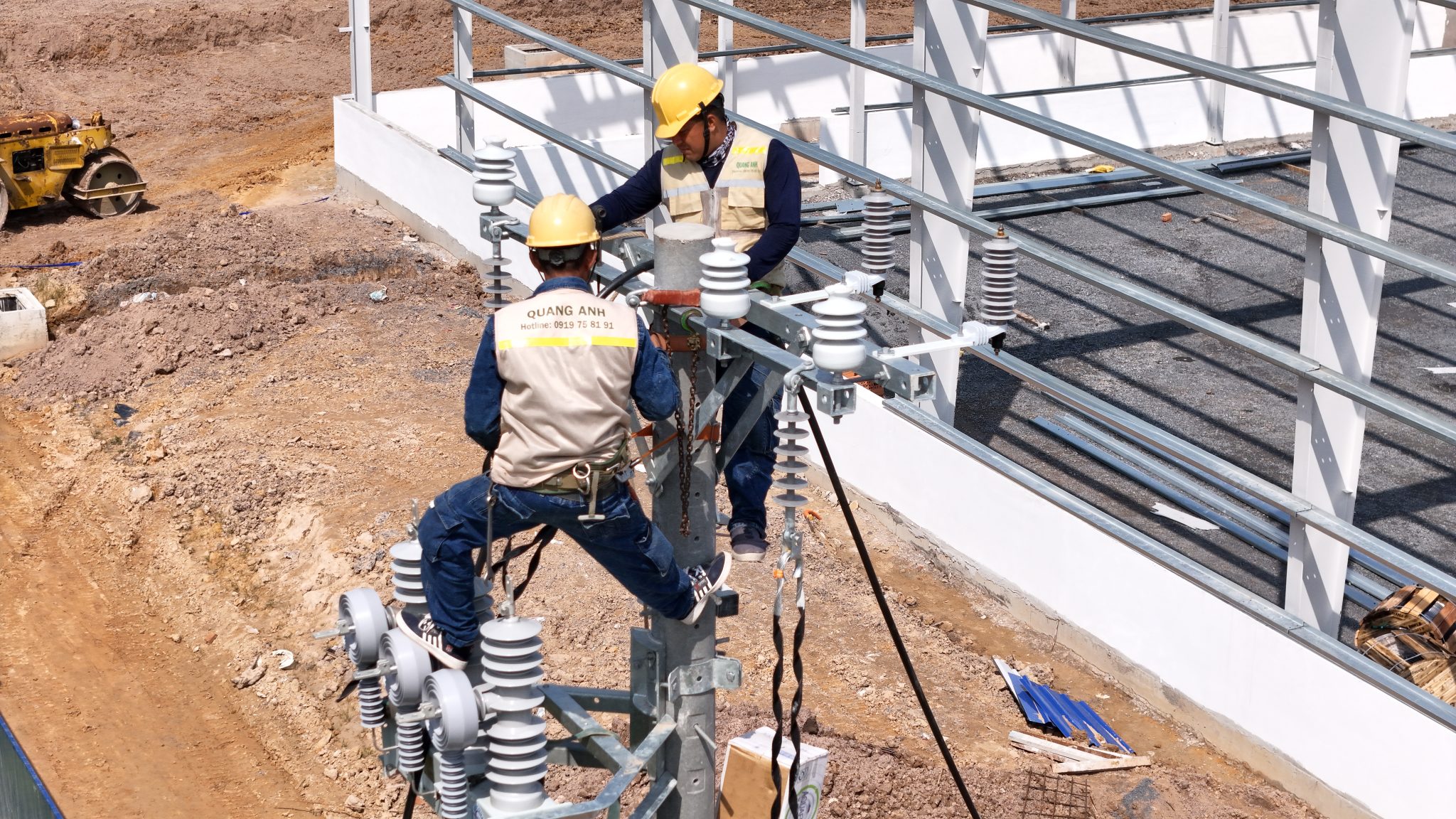
Inspection and Project Completion
The final cornerstone of the factory construction process in Vietnam involves inspection and completion. Once the project is finalized, collaboration with state management agencies is integral for appraisals covering construction, fire safety, and environmental checks to authorize official facility operations. This step guarantees compliance with all technical and legal standards, promoting safe and efficient plant operations.
In construction and energy sectors, factory inspection and completion are crucial in affirming quality and operational readiness before use. The initial phase of inspection processes involves evaluating all tasks and components per construction laws.
Inspection Steps and Procedures
- Implement inspections for individual tasks and components. Hidden segments, such as foundations, must be examined before the succeeding construction stages.
- The investor orchestrates comprehensive project inspections upon completion, involving the investor, construction contractor, construction supervision consultants, and design contractors, if applicable.
- Inspection content comprises: status assessments, construction quality evaluations, test running, and verifying occupational safety and fire prevention.
Inspection results are documented with signatures from involved parties, assigning responsibility for inspected construction quality. Post this phase, the process advances to completion procedures.
Project Completion Process
- Prepare Completion Documents: Includes completion drawings, test reports, inspection records, construction permits, and mandated certificates from pertinent authorities.
- Submit Documentation to Authorized Agencies: Depending on project scale, submissions may occur with urban management committees, industrial zones, or local construction departments.
- Document Review and Site Verification by Authorities: A compliant document and project conforming to standards grants a completion certificate. Otherwise, documentation must be supplemented.
- Fulfill Financial Obligations: Covers payment of related fees and taxes before receiving the completion certificate.
Conditions for Inspection and Project Completion
- Components are inspected following construction design and legal statutes.
- No issues undermine operational safety during exploitation.
- Completion documentation must be comprehensive, exact, and legally compliant.
Participants in Inspection and Completion
- Investor
- Construction contractor
- Construction supervision consultant
- Design contractor (as needed)
- State management authorities
Inspection procedures and completion certification are pivotal in legal evaluations and plant operational readiness, playing integral roles in establishing safety and viability for enduring business operations.
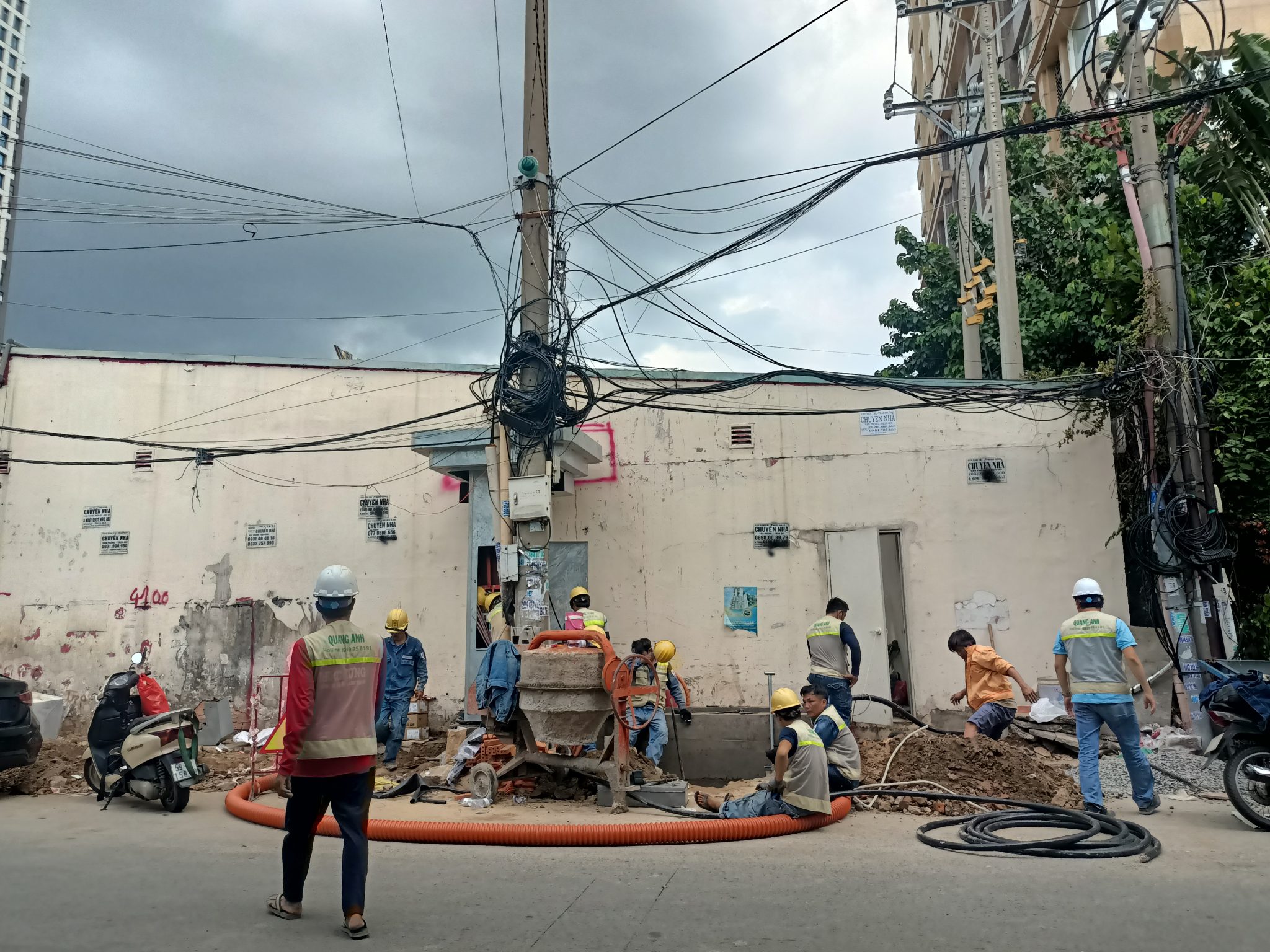
The factory construction procedures in Vietnam engender significant benefits concerning technical and investment dimensions. Adhering to these standards ensures enduring safety, quality, and operational effectiveness, optimizing time and costs for enterprises in the long run.
Contact QuangAnhCons via Hotline: +84 9 1975 8191 for free consultation on factory construction in Vietnam.
QuangAnhCons delivers expert factory construction consulting and execution services, guaranteeing compliance with Vietnam’s technical and legal standards, enhancing cost efficiency and operational performance for businesses.
[contact-form-7 id="7239967" title="Contact form 1"]
Related Posts
Substation Interconnection Documentation: A Practical Preparation Guide for Investors
A hands‑on guide for investors and M&E engineers on the information groups needed in substation [...]
May
Transformer Substation Construction Quote: Cost Components & Key Cost Drivers
Guidance for breaking down a transformer substation construction quote: main cost groups and the common [...]
May
Substation Solutions for Factories: Investing and Implementation Strategies
Overview of factory substations: when to invest, key components, execution processes, documentation, and selecting the [...]
Apr
Transformer Repair in Ho Chi Minh City: When Immediate Action Is Required
Discover signs of transformer damage, diagnostic methods, on-site handling processes, and criteria for selecting repair [...]
Apr
Transformer Repair: Process, Diagnosis, and Decision-Making
Hướng dẫn sửa chữa máy biến áp cho nhà máy: nhận biết dấu hiệu hỏng, [...]
Apr
24-Hour Transformer Repair: Efficient Solutions and Reliable Power Restoration
Khung xử lý sửa chữa máy biến áp 24h cho nhà máy: nhận biết sự [...]
Apr
Common Mistakes in Transformer Station Construction Leading to Extra Costs
Các sai lầm khi làm trạm biến áp thường không nằm ở một hạng mục [...]
Apr
Comprehensive Guide to Acquiring Used Transformers
Góc nhìn kỹ thuật về thu mua TBA cũ: cách đánh giá hiện trạng, hồ [...]
Apr
Comprehensive Transformers Maintenance for Industrial Plants
Tổng quan dịch vụ bảo trì trạm biến áp nhà máy: lịch bảo dưỡng, thí [...]
Apr
Transformers: Assessing and Safely Handling Used Transformers
Khung đánh giá máy biến áp cũ theo tình trạng kỹ thuật, dầu cách điện, [...]
Apr
How Proactive Transformer Maintenance Minimizes Business Risks
Nhìn từ góc độ vận hành nhà máy, bảo trì chủ động trạm biến áp [...]
Apr
Comparing Oil and Dry Transformers in Industrial Projects
Distinguish between oil and dry transformers based on installation site, safety, maintenance, energy losses, initial [...]
Mar
Electrical Overload Warning Signs in Factories
Recognize early indicators of factory electrical overload such as voltage drops, overheating equipment, circuit breaker [...]
Mar
Risks of Overloading Industrial Transformers Without Upgrades
Keeping the same low-voltage transformer while increasing factory loads can result in overheating, insulation degradation, [...]
Mar
Evaluating and Implementing Transformer Contractors in Tay Ninh
Criteria for selecting transformer substation contractors in Tay Ninh, EPC scope, and factors affecting project [...]
Mar
Comparing Oil and Dry Transformers for Industrial Applications
Examine oil and dry transformers based on installation location, fire safety, maintenance, energy loss, investment [...]
Mar
Comprehensive 1500kVA Transformer Station Budget for Manufacturing Facilities
Guidance for creating a detailed budget list for a 1500kVA transformer station, including medium voltage [...]
Mar
Comprehensive Transformer Station Pricing: Elements and Considerations
Examine key components in comprehensive transformer station pricing including design, equipment, construction, testing, and connection [...]
Mar
Pricing Guide for 4000kVA Transformer Stations: Configuration, Cost, and Investment Process
An overview of configuration, cost estimates, connection approaches, and investment checklists for 4000kVA transformer stations [...]
Mar
Pricing and Setup of 3200kVA Transformer Stations: Configuration, Costs, and Investment Procedure
Explore the pricing structure for a 3200kVA transformer station, primary equipment configuration, cost variables, EVN [...]
Mar