

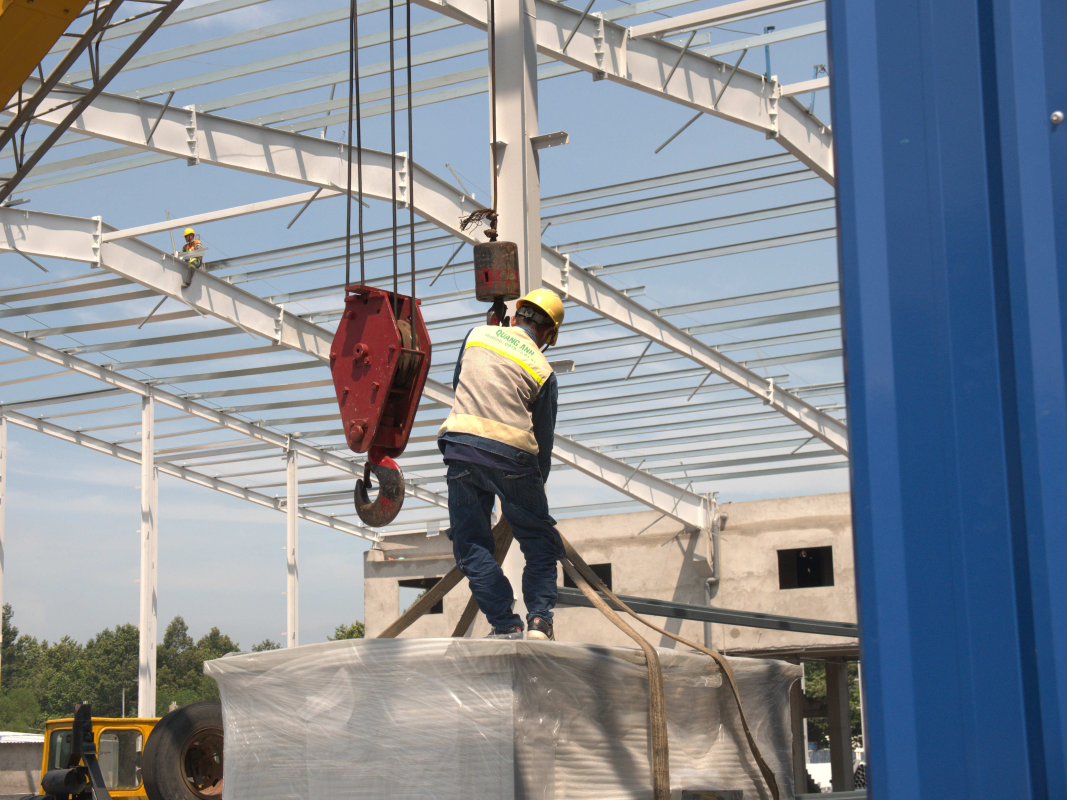
Repairing transformers involves examining, cleaning, and fixing any defects to ensure stable and safe operation, encompassing inspections and post-repair testing.
Steps in the Transformer Repair Process
The transformer repair process involves external inspections, cleaning, disconnecting power, and oil drainage. This is followed by replacing components, rewinding coils, and cooling system maintenance, ending with technical testing to ensure safety and efficiency.
Repairing transformers is a complex technical task requiring precision and expert knowledge. Initially, a thorough “transformer inspection” checks for surface damage like enclosures, oil bushings, insulators, and key components like cooling systems and oil level gauges.
To guarantee maximum safety for technicians, the transformer must be disconnected from the power source and grounded before repair. “Draining transformer oil”, especially for oil-immersed models, is crucial for accessing parts needing repair or replacement, which may include removing and repairing the core, coils, or faulty sections.
Repairs extend beyond minor fixes such as replacing insulating gaskets and sealing leaks to potentially rewinding coils or restoring cores in severe cases.
Post-repair, “technical testing” is mandatory to confirm the transformer operates safely and reliably. Critical parameters like winding ratios, insulation resistance, and oil resistivity need thorough testing.
Finally, “cooling system cleaning” is essential for smooth operation, including replenishing insulating oil if required, comprehensive external cleaning, and checking components like cooling bearings, valves, and seals to ensure optimal performance.
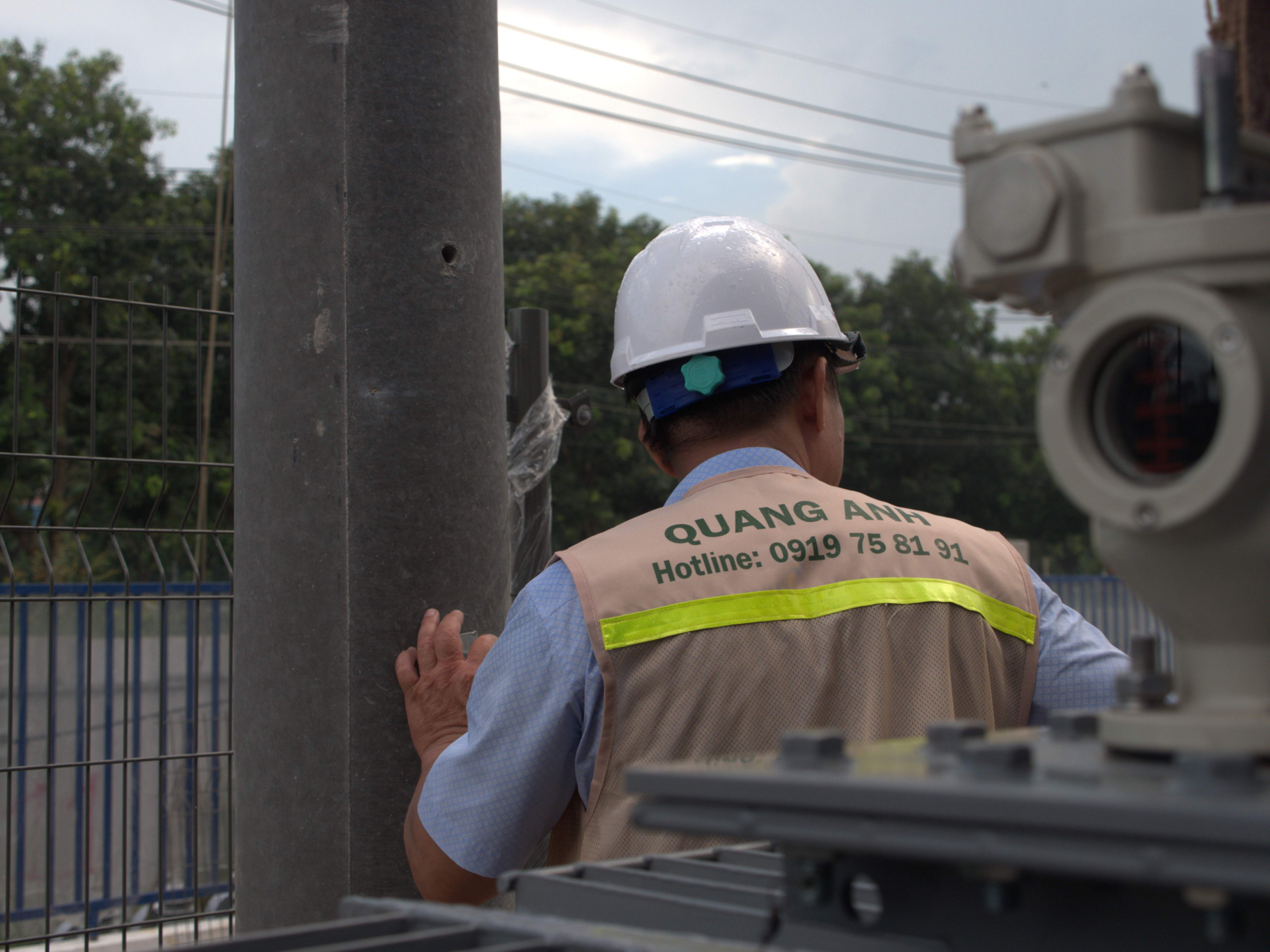
Maintenance of Transformers Before and After Repair
Maintenance of Transformers Before and After Repair
Transformer maintenance involves regular oil checks, gasket cleaning, soldered joint repairs, and surface insulation cleaning, critical for post-repair operation.
Maintaining transformers is key to ensuring stable and efficient electrical equipment operation. Maintenance is divided into two major phases: pre and post-repair for optimal performance quality.
Pre-repair, routine maintenance assesses the transformer’s overall condition involving:
- Technical evaluation: Analyzing technical data is essential to determine damage or wear levels, aiding effective maintenance planning.
- Transformer cleaning: Cleaning the entire surface, casing, bushings, and terminals prevents dirt and oxidation from affecting insulation.
- Oil check: For oil transformers, oil samples must be tested for contamination, moisture, and quality, ensuring insulation and cooling are optimal.
- Insulation inspection: Measuring and analyzing insulation parameters between components like high and low voltage parts to detect potential leaks or insulation decay.
- Power and grounding system inspection: Ensuring safe operation of controls, grounding, and AC/DC supplies.
Post-repair maintenance restores functionality and assures transformer safety:
- Cleaning after repair: Removing dust and metal shavings from the repair process maintains performance.
- Insulation check: Specifically important after repairing the core, cables, or insulation parts.
- Oil level and quality inspection: Ensuring high-quality oil and replenishing it with the right type if necessary.
- Temperature performance evaluation: Measuring oil and core temperatures to detect overloads or instability.
- Grounding system safety check: Confirming compliance with technical grounding standards and fastener integrity.
Regular transformer maintenance guidelines recommend at least annual or manufacturer-directed cyclical servicing. Technicians must adhere to strict safety protocols, using appropriate tools and measurement devices for accurate transformer assessment. Such diligence not only limits incidents but also extends transformer life, preventing economic losses from power outages or repair costs.
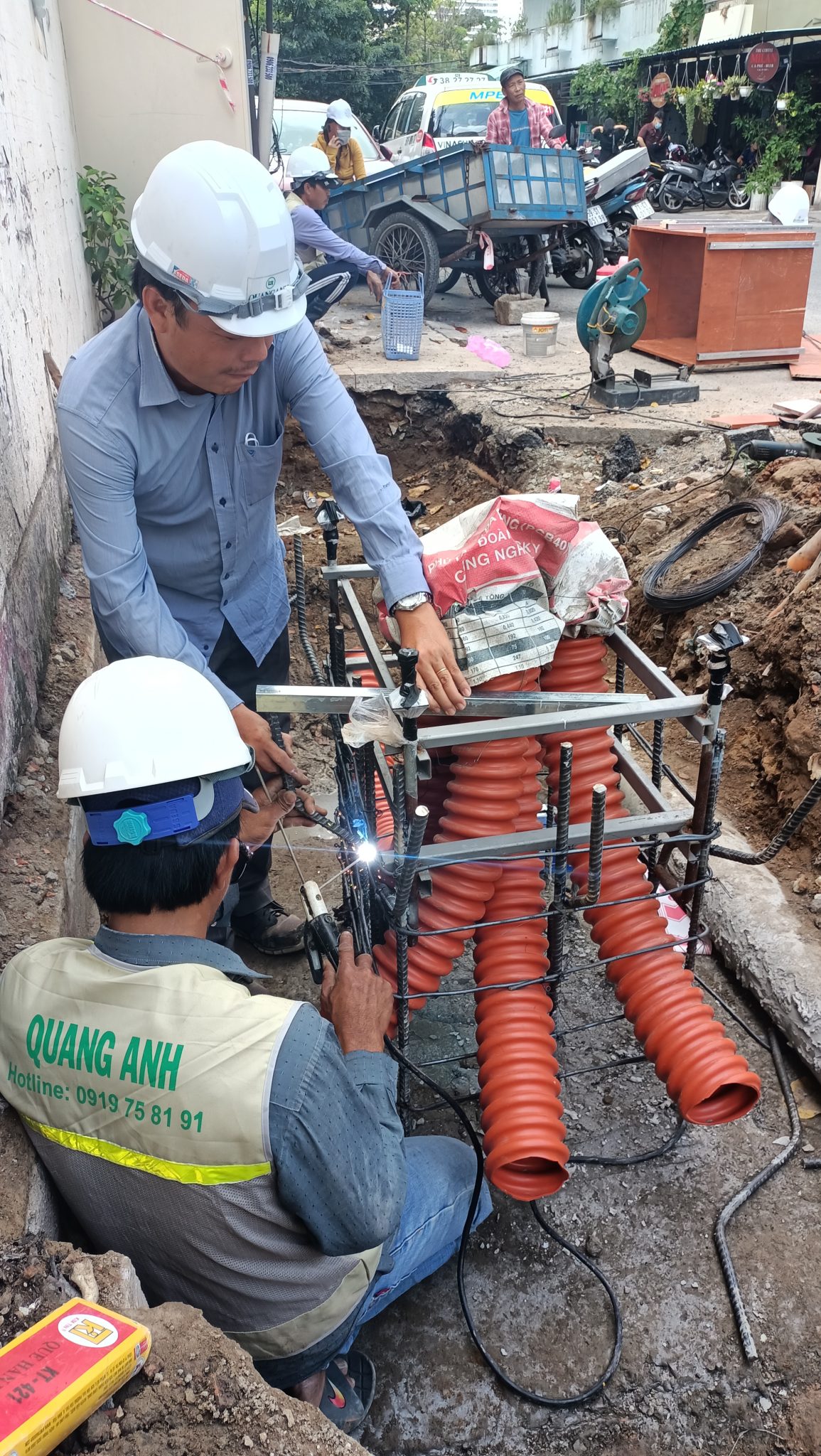
Frequency of Periodic Inspections and Maintenance
Conducting quarterly inspections and detailed semiannual maintenance of transformers ensures early detection of wear, facilitating timely repairs for steady operation.
Determining the inspection and maintenance frequency for transformers is crucial for sustaining system stability and efficiency. Routine and detailed maintenance phases every three to six months provide peak operational performance.
-
Daily Checks: Daily inspection involves assessing oil levels in Magnetic Oil Gauges (MOG) on both the main and conservator tanks, preventing oil leakage risks. Monitoring silica gel for moisture absorption capacity by replacing it if it turns pink.
-
Monthly Checks and Maintenance: Monthly inspections include Dissolved Gas Analysis (DGA) in oil, critical for early detection of potential issues. For 132kV transformers, perform annually, and biannually for under-132kV. Check oil levels and technical details to identify potential problems early.
-
Quarterly Maintenance: Detail-oriented maintenance preserves performance and extends transformer life, involving external cleaning, mechanical checks, cooling system inspections, cables, and connections. Thorough cleaning and checks avert dirt and corrosion risks.
-
In-depth Technical Maintenance: Transformers showing efficiency decline require thorough maintenance such as drying and insulation checks. These procedures typically last from one to two weeks, improving dielectric strength and moisture elimination.
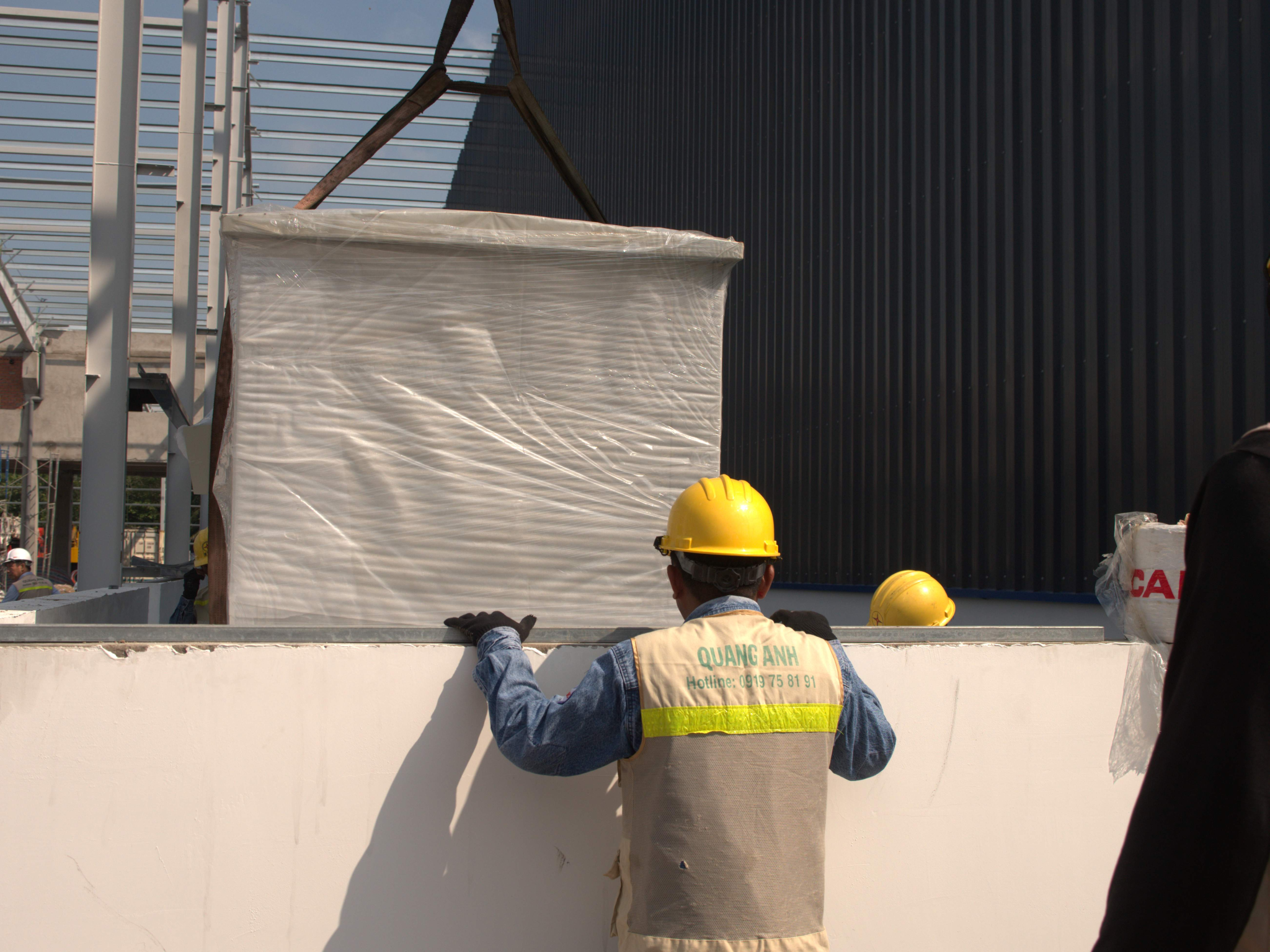
Transformer repair sustains system performance and safety. Investing in this process safeguards equipment, optimizes costs, and ensures long-term operation.
Contact QuangAnhcons via hotline: +84 9 1975 8191 for expert transformer repair and maintenance services.
QuangAnhcons offers professional transformer repair, ensuring the safety and efficiency of your electrical system.
[contact-form-7 id="7239967" title="Contact form 1"]
Related Posts
Substation Interconnection Documentation: A Practical Preparation Guide for Investors
A hands‑on guide for investors and M&E engineers on the information groups needed in substation [...]
May
Transformer Substation Construction Quote: Cost Components & Key Cost Drivers
Guidance for breaking down a transformer substation construction quote: main cost groups and the common [...]
May
Substation Solutions for Factories: Investing and Implementation Strategies
Overview of factory substations: when to invest, key components, execution processes, documentation, and selecting the [...]
Apr
Transformer Repair in Ho Chi Minh City: When Immediate Action Is Required
Discover signs of transformer damage, diagnostic methods, on-site handling processes, and criteria for selecting repair [...]
Apr
Transformer Repair: Process, Diagnosis, and Decision-Making
Hướng dẫn sửa chữa máy biến áp cho nhà máy: nhận biết dấu hiệu hỏng, [...]
Apr
24-Hour Transformer Repair: Efficient Solutions and Reliable Power Restoration
Khung xử lý sửa chữa máy biến áp 24h cho nhà máy: nhận biết sự [...]
Apr
Common Mistakes in Transformer Station Construction Leading to Extra Costs
Các sai lầm khi làm trạm biến áp thường không nằm ở một hạng mục [...]
Apr
Comprehensive Guide to Acquiring Used Transformers
Góc nhìn kỹ thuật về thu mua TBA cũ: cách đánh giá hiện trạng, hồ [...]
Apr
Comprehensive Transformers Maintenance for Industrial Plants
Tổng quan dịch vụ bảo trì trạm biến áp nhà máy: lịch bảo dưỡng, thí [...]
Apr
Transformers: Assessing and Safely Handling Used Transformers
Khung đánh giá máy biến áp cũ theo tình trạng kỹ thuật, dầu cách điện, [...]
Apr
How Proactive Transformer Maintenance Minimizes Business Risks
Nhìn từ góc độ vận hành nhà máy, bảo trì chủ động trạm biến áp [...]
Apr
Comparing Oil and Dry Transformers in Industrial Projects
Distinguish between oil and dry transformers based on installation site, safety, maintenance, energy losses, initial [...]
Mar
Electrical Overload Warning Signs in Factories
Recognize early indicators of factory electrical overload such as voltage drops, overheating equipment, circuit breaker [...]
Mar
Risks of Overloading Industrial Transformers Without Upgrades
Keeping the same low-voltage transformer while increasing factory loads can result in overheating, insulation degradation, [...]
Mar
Evaluating and Implementing Transformer Contractors in Tay Ninh
Criteria for selecting transformer substation contractors in Tay Ninh, EPC scope, and factors affecting project [...]
Mar
Comparing Oil and Dry Transformers for Industrial Applications
Examine oil and dry transformers based on installation location, fire safety, maintenance, energy loss, investment [...]
Mar
Comprehensive 1500kVA Transformer Station Budget for Manufacturing Facilities
Guidance for creating a detailed budget list for a 1500kVA transformer station, including medium voltage [...]
Mar
Comprehensive Transformer Station Pricing: Elements and Considerations
Examine key components in comprehensive transformer station pricing including design, equipment, construction, testing, and connection [...]
Mar
Pricing Guide for 4000kVA Transformer Stations: Configuration, Cost, and Investment Process
An overview of configuration, cost estimates, connection approaches, and investment checklists for 4000kVA transformer stations [...]
Mar
Pricing and Setup of 3200kVA Transformer Stations: Configuration, Costs, and Investment Procedure
Explore the pricing structure for a 3200kVA transformer station, primary equipment configuration, cost variables, EVN [...]
Mar