

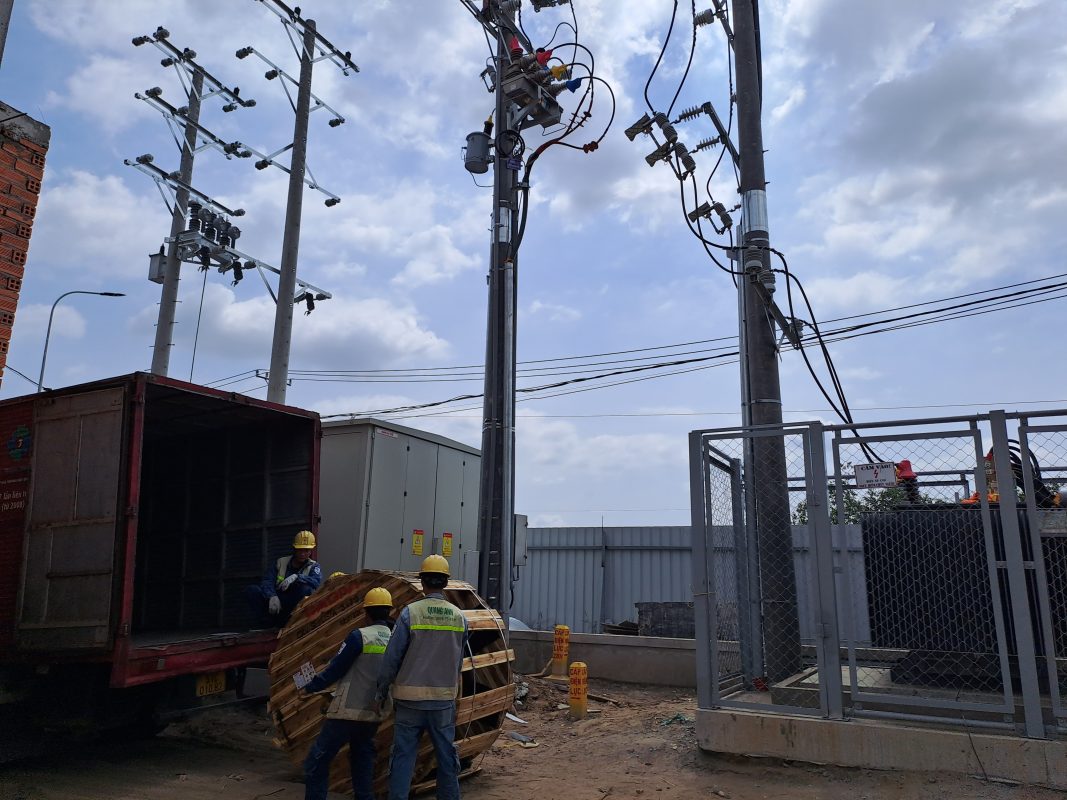
Revamping electrical systems involves upgrading and repairing to enhance quality, ensure safety, and meet growing energy demands.
Overview of Electrical Systems Revamping
The revamping of electrical systems aims to improve quality and reliability, ensuring continuous and safe power supply. This can include upgrading or replacing power lines, substations, electrical equipment, and other systems. It’s critical for energy stability and cost optimization.
Upgrading electrical systems is crucial for grid improvement, ensuring safe and reliable electricity supply. This process involves not just repair and upgrade but also adapting to renewable energy sources and changing consumption demands.
Significance and Objectives of Electrical System Revamping
- Ensure Safety and Reliable Supply: Revamp helps resolve issues, minimizing outages by upgrading substations and power lines.
- Support Economic and Social Development: Upgrades better meet growing power needs amid economic and population growth.
- Enhance Operational Flexibility: Revamping enables the energy system to adapt to renewable sources, improving management and operation.
- Adapt to Future Development Trends: Networks must be upgraded to align with future energy structures by 2050.
Key Activities in Electrical System Revamping
- Construct New and Expand Networks: Build thousands of meters of new power lines and substations to boost supply capability.
- Regular and Major Repairs: Replace outdated and overloaded equipment to maintain stable operation.
- Monitor and Operate Networks Flexibly: Strengthen inspections to prevent incidents, applying suitable operation solutions.
- Adopt New Technologies: Integrate energy storage systems to stabilize operations with renewable supply changes.
Challenges and Solutions in Electrical System Revamping
- Forecast Renewable Energy Sources: Accurate capacity forecasting from wind and solar is key for optimal revamping.
- Increase Capacity and Scale Expansion: Ensure effective transmission as power source capacity significantly rises through grid revamping.
- Ensure Safety and Reliability: Prioritize high-risk areas in revamping plans to mitigate impacts on economic activities.
The electrical system serves as an energy lifeline and an economic growth lever. Revamping maintains a stable, quality supply that robustly supports industrial and daily life development.
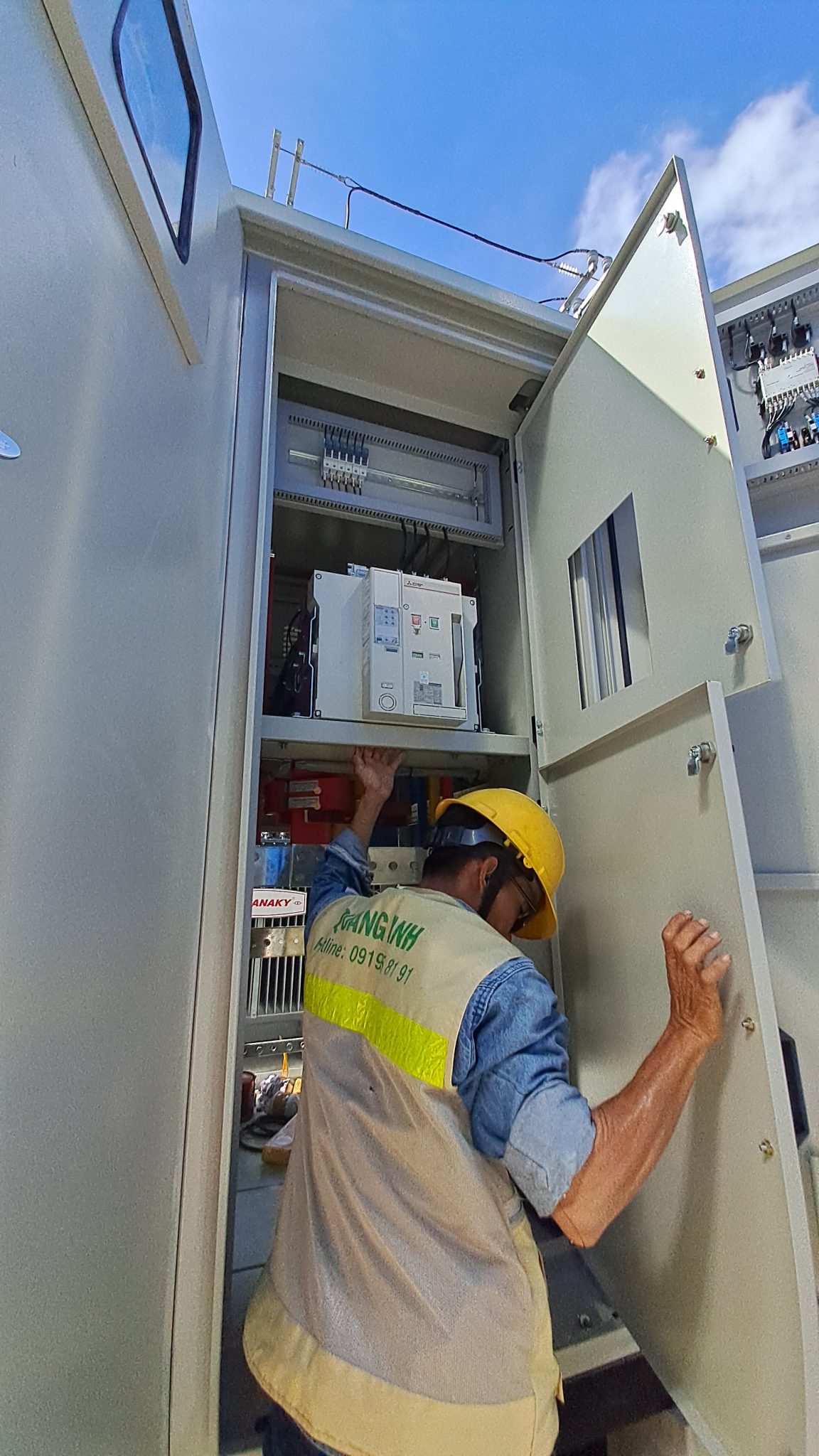
Process of Electrical System Upgrades
The upgrade process involves stages: inspecting and assessing to identify upgrade needs, redesigning to ensure efficiency and safety, executing repairs, and finally, re-inspecting the entire system for stable and efficient operation. Each phase demands precision and expertise for optimal results.
Surveying and planning are crucial initial steps in upgrading systems, requiring a thorough evaluation of the current system to pinpoint needed upgrades or repairs. Defining specific goals such as budget and project timeline ensures progress and quality.
Designing new electrical systems is also essential, adhering to modernization and efficiency goals. Designs need approval from authorities to comply with all safety and standard regulations.
Procuring new electrical equipment is crucial during preparations. Choosing brands like Schneider, ABB, and Mitsubishi secures quality and high performance. All equipment must be thoroughly checked before installation for safety and quality standards.
Safe electrical execution is next. Installation follows approved designs under strict supervision to meet all safety and quality regulations. Post-completion checks ensure no errors occur, guaranteeing stable and safe system operation.
Especially in older buildings such as apartments, upgrades often include revising hidden wiring and exposed circuits, enhancing both safety and energy efficiency. Safety standards like TCVN 7447-5-51:2010 must be strictly followed throughout the upgrade process to ensure the system operates effectively.
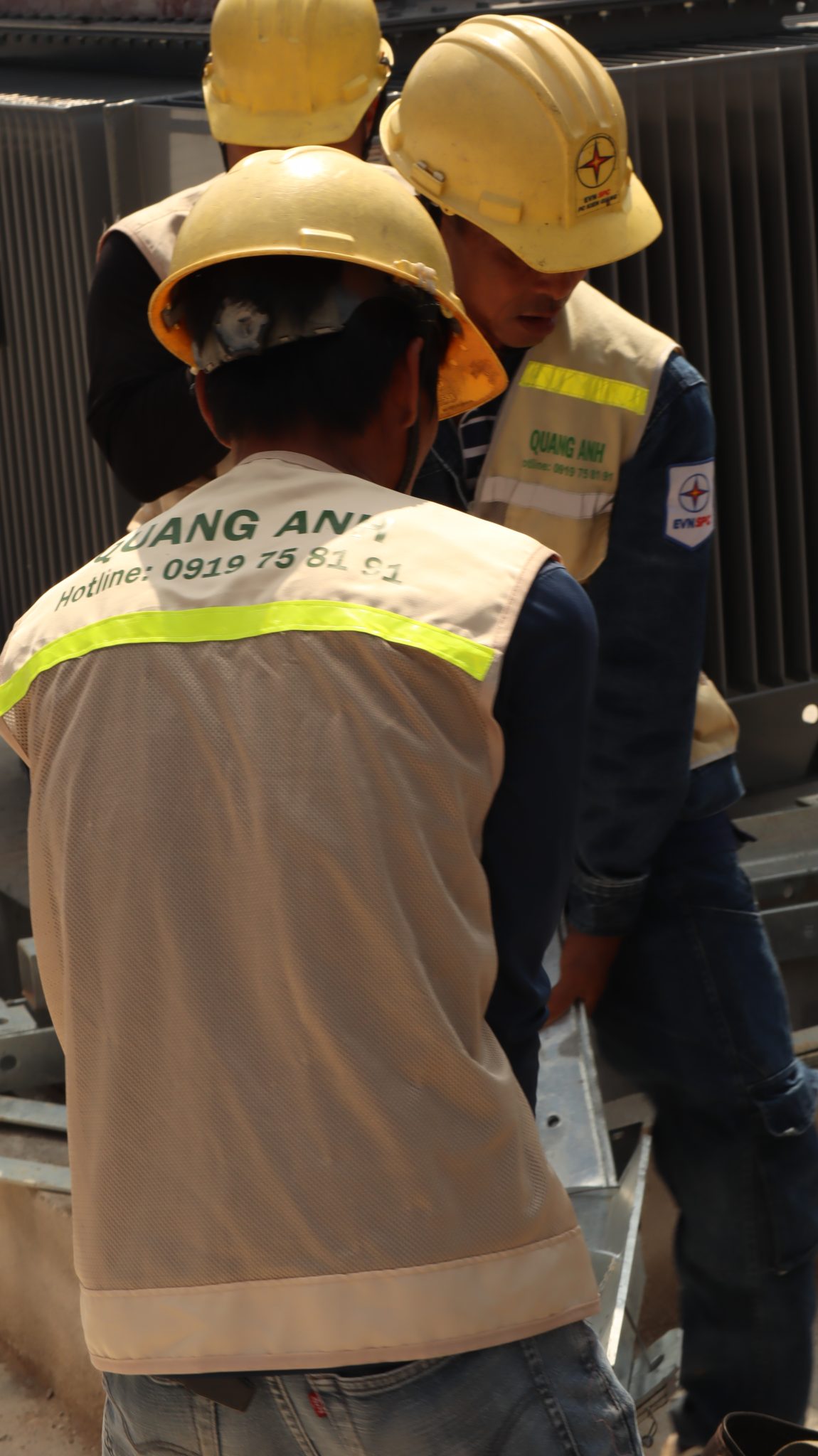
Current Electrical System Revamping Projects
Currently, Ho Chi Minh City Power Corporation is accelerating grid upgrade projects, while Như Thanh – Như Xuân Electricity has finished many construction segments for new medium-voltage lines and substations. These projects improve voltage quality and contribute to national grid stability.
Vietnam is synchronously advancing numerous electrical system revamping projects to meet increasing electricity consumption demands.
- Adjustment of Electricity Planning VIII: Adjustments ensure sufficient electricity for economic growth. This includes substantial new constructions and upgrades of substations and transmission lines, with plans for 73,800 MVA in new builds and 36,600 MVA in 500 kV substation upgrades, plus thousands of km of new and upgraded 500 kV lines.
- Development of Solar and Wind Power sources: Significant investment in solar and wind projects to boost renewable energy exploitation. The goal is to improve storage capability and provide stable supply during peak times.
- Development of Pumped Storage Hydropower Plants: Plans set for 2,400 MW to 6,000 MW by 2030 to balance the grid, reducing peak hour shortages.
- LNG Projects: LNG projects like Nhơn Trạch 3 and 4 are underway, supplementing the power supply, diversifying energy sources, and reducing reliance on fossil fuels.
- Enhancing Management and Inspection: The government is strengthening management and inspection to ensure sufficient electricity supply throughout 2025, with close involvement from ministries and electricity corporations.
These projects diversify energy supply, ensuring national grid stability and sustainability for the future.
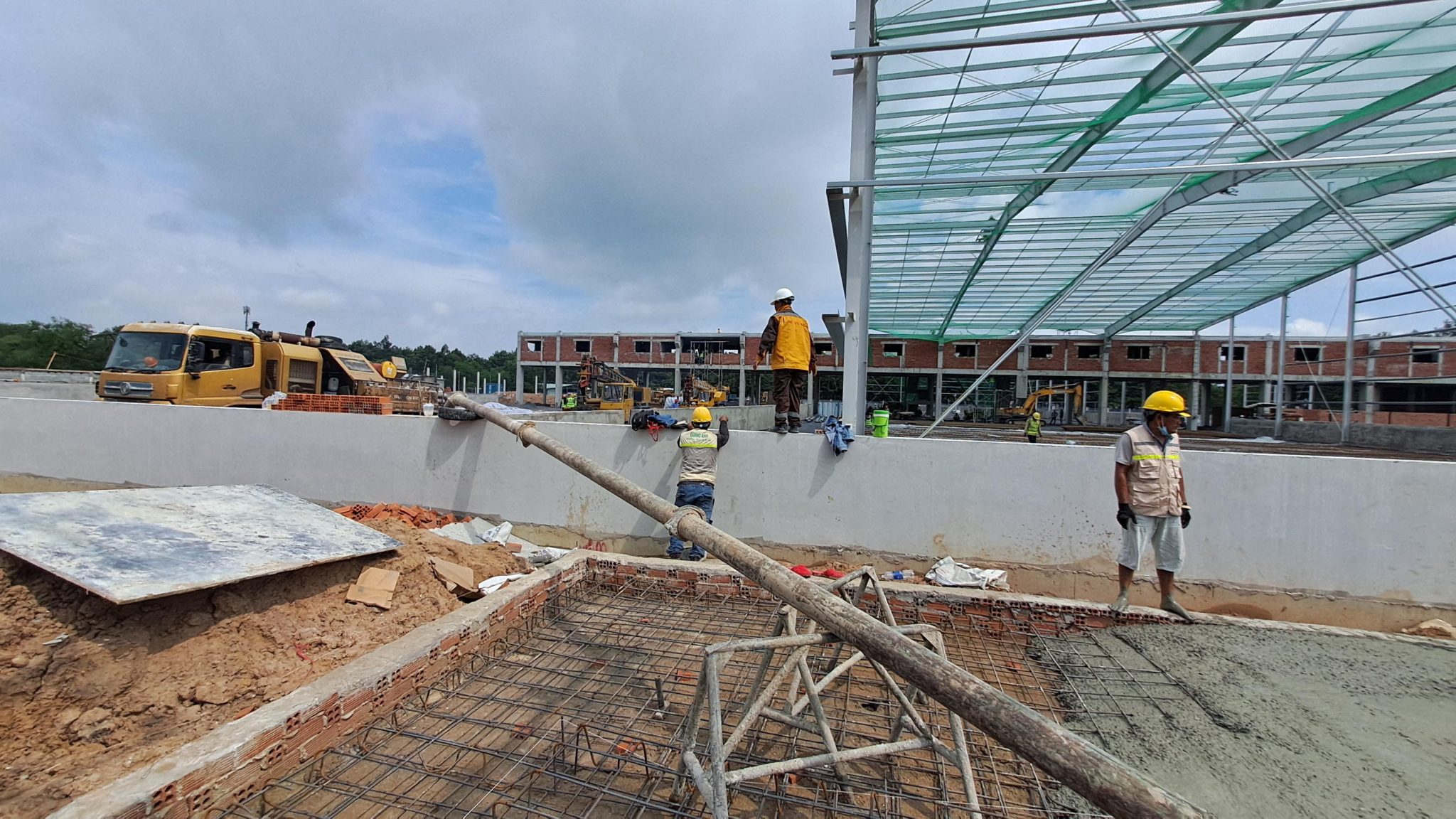
Revamping electrical systems offers numerous benefits such as enhanced operation efficiency, system safety, and integration of renewable energy sources, supporting socio-economic development.
Contact QuangAnhcons at +84 9 1975 8191 for detailed consultation on professional electrical system revamping services.
QuangAnhcons provides comprehensive electrical system revamping services, from assessment and design to execution, ensuring safety and effectiveness for all projects.
[contact-form-7 id="7239967" title="Contact form 1"]
Related Posts
Substation Interconnection Documentation: A Practical Preparation Guide for Investors
A hands‑on guide for investors and M&E engineers on the information groups needed in substation [...]
May
Transformer Substation Construction Quote: Cost Components & Key Cost Drivers
Guidance for breaking down a transformer substation construction quote: main cost groups and the common [...]
May
Substation Solutions for Factories: Investing and Implementation Strategies
Overview of factory substations: when to invest, key components, execution processes, documentation, and selecting the [...]
Apr
Transformer Repair in Ho Chi Minh City: When Immediate Action Is Required
Discover signs of transformer damage, diagnostic methods, on-site handling processes, and criteria for selecting repair [...]
Apr
Transformer Repair: Process, Diagnosis, and Decision-Making
Hướng dẫn sửa chữa máy biến áp cho nhà máy: nhận biết dấu hiệu hỏng, [...]
Apr
24-Hour Transformer Repair: Efficient Solutions and Reliable Power Restoration
Khung xử lý sửa chữa máy biến áp 24h cho nhà máy: nhận biết sự [...]
Apr
Common Mistakes in Transformer Station Construction Leading to Extra Costs
Các sai lầm khi làm trạm biến áp thường không nằm ở một hạng mục [...]
Apr
Comprehensive Guide to Acquiring Used Transformers
Góc nhìn kỹ thuật về thu mua TBA cũ: cách đánh giá hiện trạng, hồ [...]
Apr
Comprehensive Transformers Maintenance for Industrial Plants
Tổng quan dịch vụ bảo trì trạm biến áp nhà máy: lịch bảo dưỡng, thí [...]
Apr
Transformers: Assessing and Safely Handling Used Transformers
Khung đánh giá máy biến áp cũ theo tình trạng kỹ thuật, dầu cách điện, [...]
Apr
How Proactive Transformer Maintenance Minimizes Business Risks
Nhìn từ góc độ vận hành nhà máy, bảo trì chủ động trạm biến áp [...]
Apr
Comparing Oil and Dry Transformers in Industrial Projects
Distinguish between oil and dry transformers based on installation site, safety, maintenance, energy losses, initial [...]
Mar
Electrical Overload Warning Signs in Factories
Recognize early indicators of factory electrical overload such as voltage drops, overheating equipment, circuit breaker [...]
Mar
Risks of Overloading Industrial Transformers Without Upgrades
Keeping the same low-voltage transformer while increasing factory loads can result in overheating, insulation degradation, [...]
Mar
Evaluating and Implementing Transformer Contractors in Tay Ninh
Criteria for selecting transformer substation contractors in Tay Ninh, EPC scope, and factors affecting project [...]
Mar
Comparing Oil and Dry Transformers for Industrial Applications
Examine oil and dry transformers based on installation location, fire safety, maintenance, energy loss, investment [...]
Mar
Comprehensive 1500kVA Transformer Station Budget for Manufacturing Facilities
Guidance for creating a detailed budget list for a 1500kVA transformer station, including medium voltage [...]
Mar
Comprehensive Transformer Station Pricing: Elements and Considerations
Examine key components in comprehensive transformer station pricing including design, equipment, construction, testing, and connection [...]
Mar
Pricing Guide for 4000kVA Transformer Stations: Configuration, Cost, and Investment Process
An overview of configuration, cost estimates, connection approaches, and investment checklists for 4000kVA transformer stations [...]
Mar
Pricing and Setup of 3200kVA Transformer Stations: Configuration, Costs, and Investment Procedure
Explore the pricing structure for a 3200kVA transformer station, primary equipment configuration, cost variables, EVN [...]
Mar