

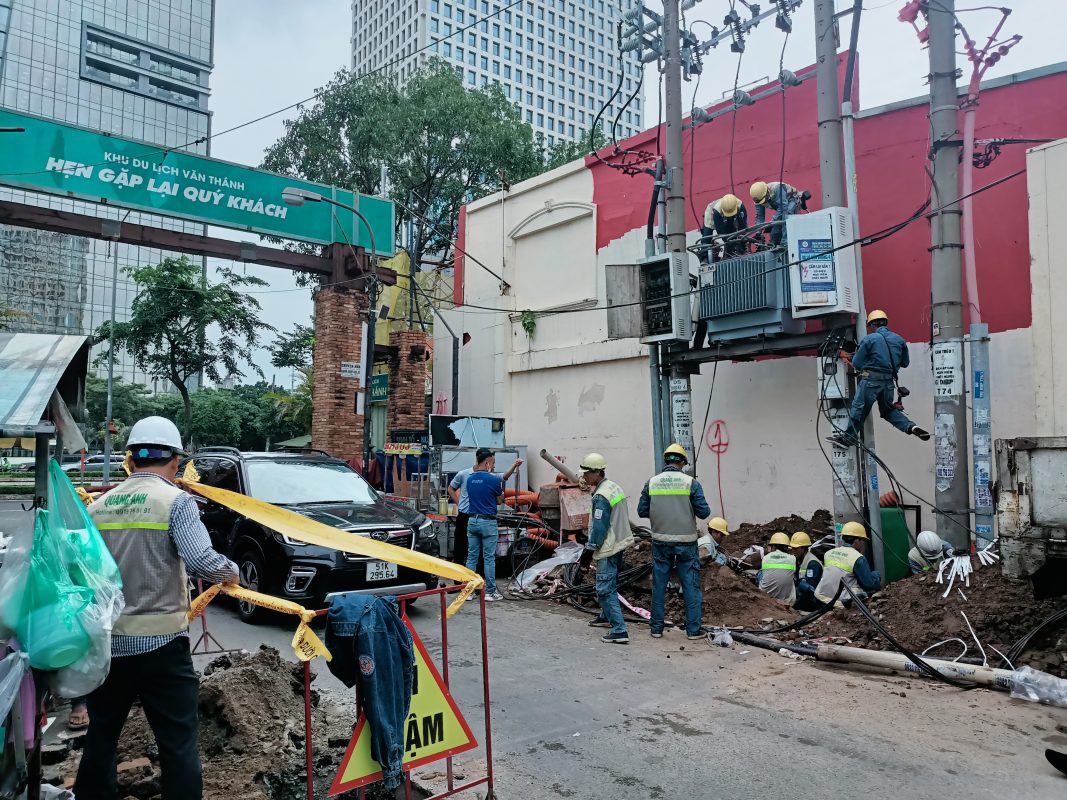
- Clarifies costs for equipment, construction, connection, and procedures.
- Provides insights on choosing a 3200kVA configuration: oil or dry type transformers, RMU, FCO/LA, low voltage cabinets, and cables.
- Details variables causing significant price changes such as station type, medium voltage cable routes, terrain, weather, and power connection methods.
- Offers a reference framework for single-point hotline connections with a cautious interpretation due to dependency on actual workload.
- Aids in making EPC contractor choices based on survey capabilities, documentation, testing, and real-world commissioning experience.
- Factory investors planning to install or upgrade to a 3200kVA station.
- Project management and electrical maintenance teams, and purchasing departments needing to compare technical options with budgets.
- Internal consultants requiring a comprehensive framework for collaboration with power utilities, contractors, and stakeholders.
When to read this article?
- When needing to draft an initial budget for a 3200kVA station but lacking final quotes from design documentation.
- When deliberating between kiosk, outdoor ground, indoor stations, or different medium-voltage cable routes.
- When preparing documentation, electrical commissioning schedules, and criteria for selecting full-service contractors.
- 1. Investment Framework and Pricing Scope for 3200kVA Transformer Stations
- 2. Basic Technical Configuration for a 3200kVA Station for Factories
- 3. Choosing Medium Voltage and RMU AFLR Options for Underground Cables
- 4. Low Voltage Section, Reactive Compensation, and Common Calculation Mistakes
- 5. Cost Factors Significantly Affecting 3200kVA Pricing
- 6. Implementation Process from Survey to Power-Up Acceptance
- 7. Common Investment Mistakes and Pre-Finalization Checks
- 8. Criteria for Selecting EPC Contractors for 3200kVA Transformer Stations
The price variations for a 3200kVA transformer station come not just from the transformer itself but from the entire power supply solution, station type, cable routes, connection methods, and safety requirements. This outline guides a comprehensive review using site-specific technical insights to enable readers to adequately compare solutions before requesting detailed quotes.
Investment Framework and Pricing Scope for 3200kVA Transformer Stations
In a factory setting, a 3200kVA transformer station quote must include the main transformer, medium/low voltage cabinets, grounding, EVN connection, protection measures, and testing costs.
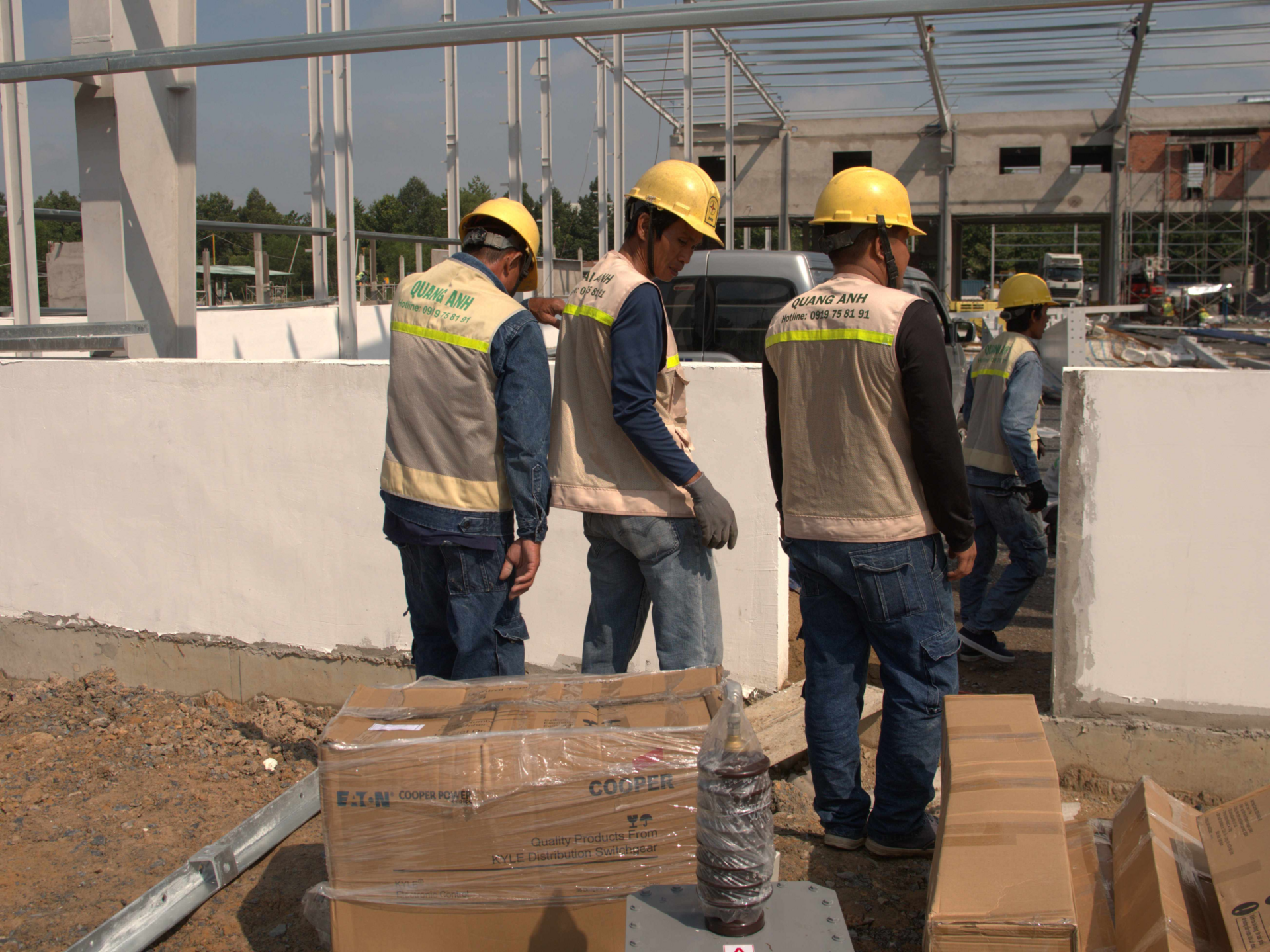
The pricing scope for a 3200kVA transformer station should encompass the primary transformer, medium voltage cabinet, low voltage cabinet, protection systems, grounding, connections, and all acceptance/testing components to prevent miscomparisons among contractors.
Regarding investment scope, a comprehensive contract usually covers from survey, design, construction to connection, and final acceptance under EVN regulations; the referenced basic configuration features a 3-phase 22/0.4 kV transformer with no-load loss around 5,000-6,000 W and short-circuit power Pk at a level prioritizing high load handling (about 20,000-24,000 W), but these parameters may vary by model and operating conditions. During onsite inspections, check the station’s site (platform, steel structure, or kiosk), medium voltage routes, grounding positions, and cooling capability.
For practical price assessment, a detailed list of items and technical criteria is needed; if quotes don’t specify coil material (copper/aluminum), transformer type (sealed/dry), or short-circuit voltage Uk%, demand clarifications before comparison. Warn to avoid any quote that omits EVN connection responsibilities or risk overcapacity management. A comprehensive quote should also cover testing, certification, and operational training costs before handover, with onsite inspections to finalize the scope and detailed budgeting.
- Essential items to clearly list: 22/0.4kV 3-phase transformer (3200kVA), RMU/TC/DB units, current transformers, grounding, cooling system, station lighting, and lightning protection.
- Scope: survey, design, supply materials, construction, connect to EVN grid, testing, approval, and handover.
- Price comparison criteria: coil type (copper/aluminum), transformer type (sealed/dry), Uk%, Po and Pk losses, EVN connection responsibilities, certification/training costs.
- Real-world operational requirements: check cabinet spaces, grounding, medium voltage input/output cables during maintenance rounds before acceptance.
Basic Technical Configuration for a 3200kVA Station for Factories
Initial configuration for a 3200kVA station includes a 22/0.4kV transformer, low voltage cabinet, compensation units, medium/low voltage cables, foundation, and grounding.
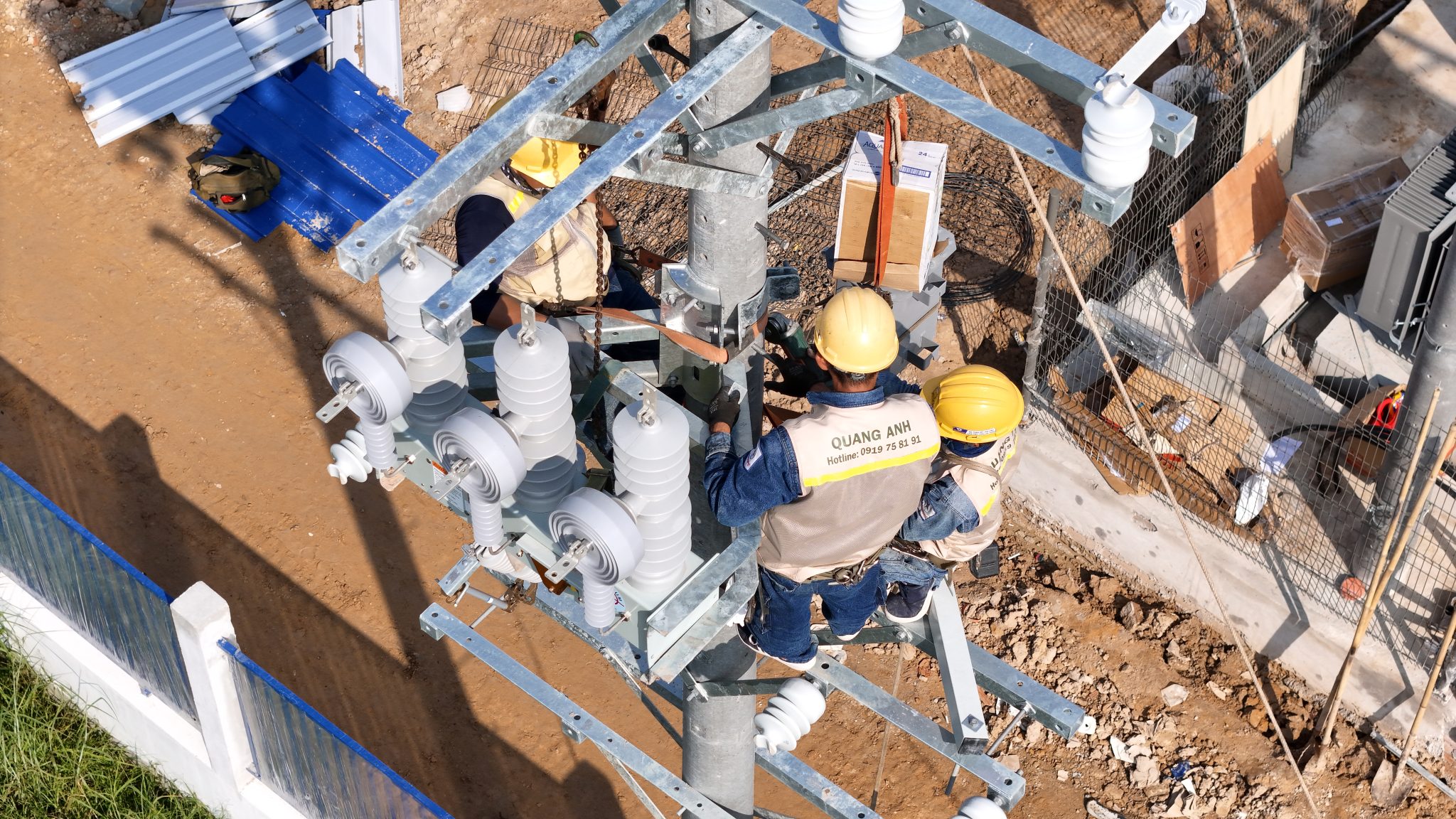
The basic setup of a 3200kVA station is centered around a 22/0.4kV transformer rated at 3200kVA, a corresponding low voltage cabinet, reactive compensation units, cable systems, foundation, and grounding.
Regarding transformer choice, the common options are sealed oil transformers (ONAN) and epoxy dry transformers. ONAN transformers feature a no-load loss Po ≤ 2340W and short-circuit loss Pk ≤ 24460W, while typical dry epoxy transformers have Po ≈ 5200–6050W and Pk ≈ 21505–23000W. During factory surveys, space assessment in transformer rooms, ventilation conditions, and foundation load bearing due to varying sizes and weights impact installation and operation directly.
Short-circuit voltage Uk is generally around 7%, affecting voltage drop and the station’s short-circuit endurance. The low voltage cabinet selection is driven by the rated current and configuration (MCCB/ACB), typically ranging from 500A–1000A, and must coordinate with protective relays to ensure proper circuit breaking during maintenance and operation rounds.
| Item | Technical Description | Field Check Criteria |
|---|---|---|
| Transformer | 22/0.4kV, 3200kVA, winding configuration Dyn-11 or D/yn-11, 50Hz frequency, choice of ONAN oil or dry epoxy | Verify dimensions, weight, Po/Pk, installation into station pit, and air circulation capability |
| 22kV Medium Voltage Cable | From grid to station, insulation suited to pulse voltage and environmental conditions | Check cable routing, distance, type matching short-circuit current |
| Low Voltage Cabinet | MCCB/ACB for 0.4kV, usual rating 500A–1000A, integrated protections | Measure startup current, check protection coordination and circuit-breaking capability |
| Compensation Unit | Automatic reactive compensation unit around 160–200kVAR for power factor improvement | Check installation location, reaction time, and operating conditions during maintenance |
| Metering Devices | CT, VT, and meters for monitoring and consumption calculations | Verify CT/VT ratings, connection quality, and data recording capability |
| Foundation & Grounding | Static and dynamic load-bearing foundation, grounding grid, and lightning protection system | Measure ground resistance, verify bond location, and continuity of earthing |
The low-voltage 0.4kV cables are chosen based on load current and the distance from the transformer to the distribution cabinet; cable sections must be sized based on rated current, voltage drop, and installation conditions. Metering equipment (CT, VT, meters) needs to be positioned to support energy monitoring and power factor management in operation rounds.
- The decision between oil or dry transformers requires consideration: oil transformers are more energy-efficient (lower losses) but need machine rooms and oil handling; dry transformers pose a lower fire risk but have higher no-load losses.
- Before finalizing the configuration, site surveys must determine foundation loads, machine entry pathways, and short-circuit level supplied from the EVN grid.
It is advisable to match efficiency and mechanical specifications with local installation capabilities while confirming MEPS requirements (efficiency ≥99% per current standards) to estimate long-term operating costs.
Detailed site surveys and providing short-circuit current data, installation locations, and load requirements are critical steps before requesting detailed quotes and preparing construction drawings.
Choosing Medium Voltage and RMU AFLR Options for Underground Cables
Criteria for selecting an RMU with AFLR capability for underground cabling, specifying short-circuit resistance, moisture environment, and protection conditions that need verification.
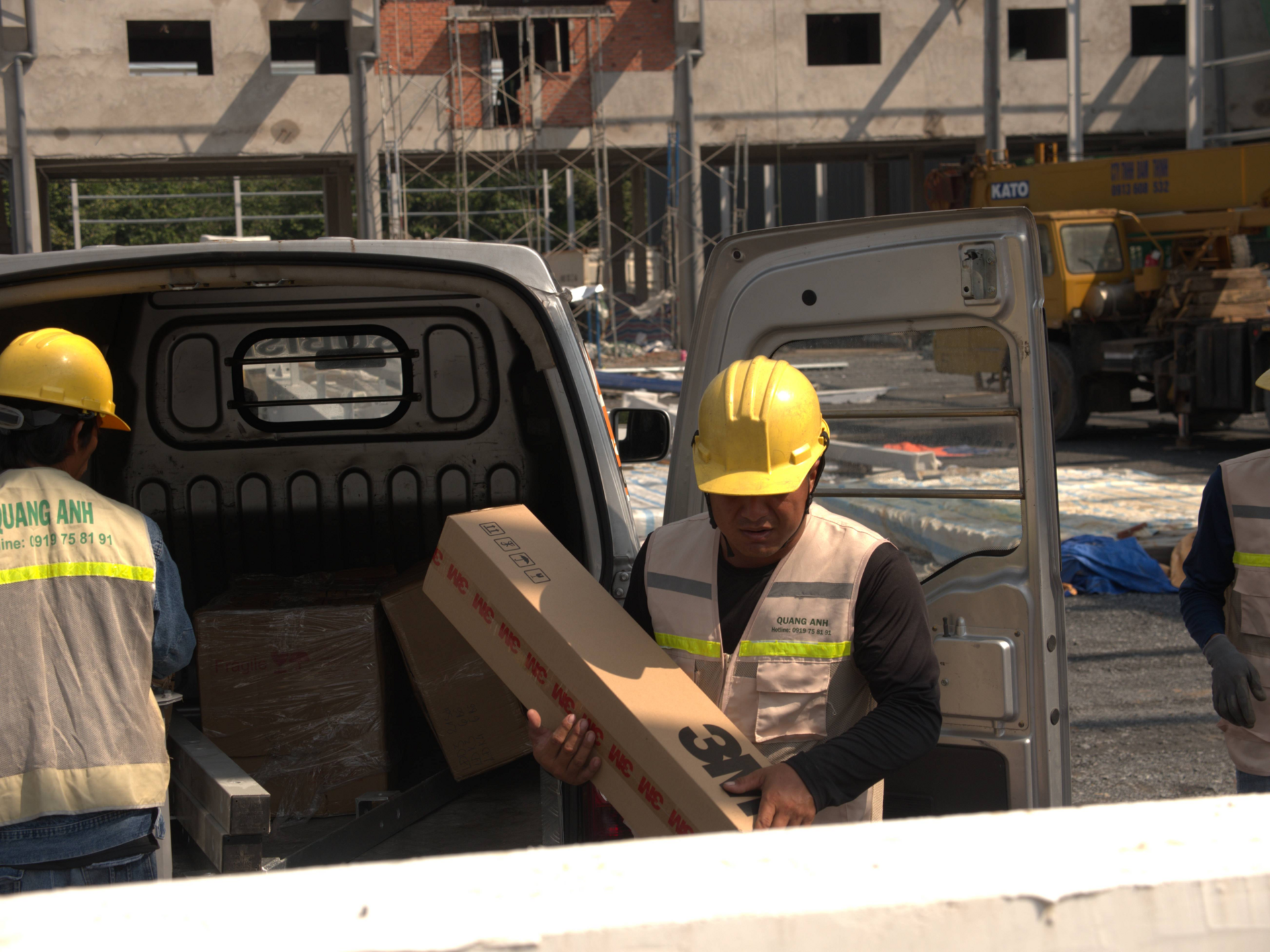
An RMU with integrated AFLR should be selected when the short-circuit current at the installation site and operational safety requirements increase the risk of arc flash or when underground cable arrangements face spatial constraints.
RMUs are medium voltage switchgear used in underground networks for distribution and network protection; AFLR is a solution that limits the energy supplied to arc flashes, reducing effective short-circuit currents and lessening energy at fixed points. According to IEC 62271-200, RMUs must meet insulation and short-circuit withstand requirements; adding AFLR alters protection coordination scenarios and must be integrated into protection system calculations.
The selection technique must consider experimental data: maximum short-circuit current at the connection point (prospective fault current), source short-circuit voltage (Uk%), and the response time of protective relays to ensure AFLR effectively reduces arc flash energy before relays activate. In factory settings, short-circuit currents should be measured onsite and compared with transformer documentation (e.g., 3200 kVA station) before deciding to implement AFLR.
- Onsite checks: measure short-circuit current where cables join; confirm moisture levels and submersion/groundwater risks.
- Standards check: ensure RMU complies with IEC 62271-200 and QCVN/EVN requirements at the installation site.
- Coordination verification: compare relay response times, cut-off values, and AFLR behaviors to prevent coordination failure.
- Environmental conditions: select RMU models with suitable moisture tolerance if installed in humid areas or lands with high groundwater levels.
- Layout and operation: assess space, maintenance access, and procedural workflows during persistence maintenance to minimize risks when operating RMUs with AFLR.
Operational warning: during maintenance shifts, all actions at RMUs with AFLR must follow locking/disconnect procedures because AFLR only reduces arc flash energy, not risk elimination; site surveys must ensure safety distances and appropriate protective gear. If actual short-circuit currents are low, AFLR benefits may be limited; conversely, at high short-circuit currents and in wet conditions, AFLR provides significant safety advantages.
Soft conclusion: after measuring short-circuit currents, verifying EVN/QCVN requirements, and assessing environmental conditions, detail an approach (RMU type, AFLR configuration, and protection coordination) with the supplier for acceptance before installing underground cables.
Low Voltage Section, Reactive Compensation, and Common Calculation Mistakes
Verification of ACB 3P 5000A, low voltage cabinet, and 1600 kVar compensation plan ensuring resistance to currents of 4000–5000A, short-circuit voltage Uk ≥7%, and power factor ≥0.9.
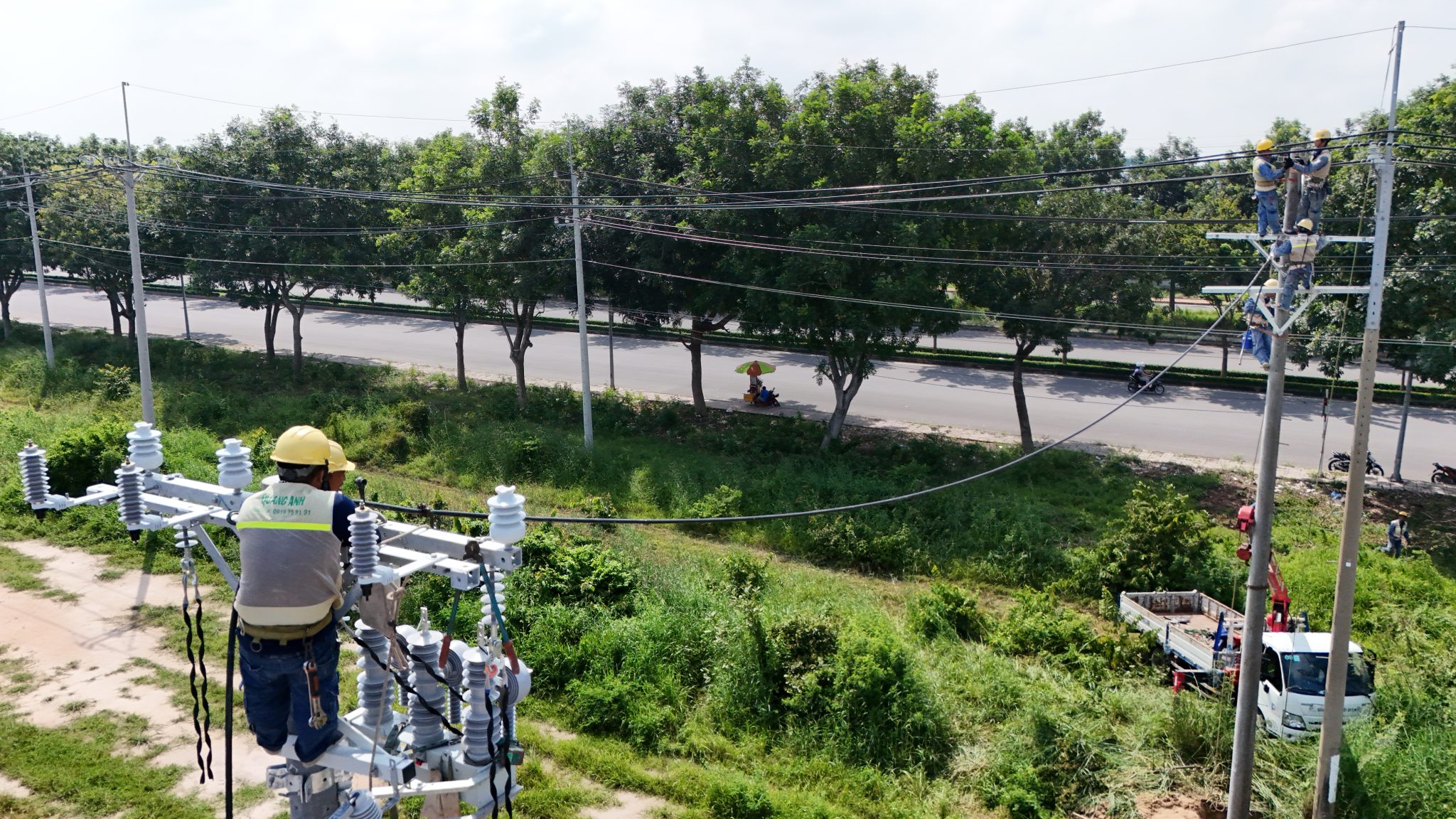
ACB 3P 5000A is an appropriate choice for the low voltage part of a 3200kVA transformer station when requiring a rated current of 4000–5000A and safe cut-off capabilities during shorts or overloads.
The low voltage cabinet must be designed to distribute power from a 3200kVA transformer, with copper busbars enduring 5000A continuously and with insulation suitable for factory environments. When surveying factories, calculate the short-circuit loss Pk (around 21,000–24,000 W according to design data) to choose ACBs, busbars, and protective filters appropriately.
The reactive power compensation typically involves about 1,600 kVar to boost the power factor to ≥0.9 when the initial cosφ is around 0.8–0.85; real compensation powers need adjustment based on on-site cosφ measurements. Capacitors may be oil or dry, installed parallel in low voltage and controlled via automatic contactors as per load demand.
Operational alert: missing short-circuit current calculations might lead to delayed ACB tripping or damage, causing low voltage cabinet faults; excessive compensation (cosφ exceeding 0.95) might provoke overvoltage in low voltage. High harmonics from motors or welding tools can reduce compensation effectiveness, thus harmonics should be measured during routine maintenance before installing fixed capacitors.
At acceptance stages and during maintenance, conduct practical checks: measure cosφ, short-circuit current, confirm transformer Uk ≥7% per EVN guidelines, check mechanical and contact integrity of busbars and contactors. Deviations from assumptions necessitate compensation redesigns, harmonics filtering, or selecting suitable capacitor types prior to operational commencement.
| Item | Description | Key Checkpoints |
|---|---|---|
| ACB 3P 5000A | Main protection switch for high current low voltage cabinet | Measure actual short-circuit current, confirm cut-off capability at design Icc |
| Low Voltage Cabinet / Busbar | Designed to distribute power from 3200kVA transformer, copper busbars | Verify 5000A endurance, inspect insulation, mechanical contacts |
| Reactive Compensation ~1600 kVar | Oil or dry capacitors paralleled, controlled by contactors | Measure pre/post cosφ, monitor overvoltage and high harmonics |
| Transformer Specifications | Pk short-circuit loss reference 21,000–24,000 W | Confirm Pk in documents and measure on-site Icc |
Cost Factors Significantly Affecting 3200kVA Pricing
Factors affecting the 3200kVA transformer station pricing include the type of transformer, station style, medium voltage cable plan, circuit setup, and installation terrain.

Cost variations in 3200kVA transformer station quotes are majorly due to differences in transformer types, medium voltage cable options, circuit configurations, and installation terrain conditions.
Transformers typically account for 50–60% of the overall cost, influenced heavily by type (dry or oil), winding material, and core design. Dry transformers present higher no-load losses (reference data: 5,200–6,050 W compared to ≤2,340 W for oil types), and their size and weight (e.g., 2275x1310x2555 mm, 7,050 kg for dry models) can increase foundation and indoor installation costs.
On-site, the type of station (indoor kiosk compared to outdoor ground stations) impacts enclosure, protection systems, and civil works costs; indoor kiosks typically incur higher expenses due to protective enclosures and limited installation space. Terrain impacts transportation and foundation costs: mountainous or urban areas typically increase foundation and transport costs by 20–40% compared to flat areas.
The medium voltage line is another major cost variable: underground cables typically triple the cost compared to overhead routes, largely due to trenching, protective conduits, and site restoration. Loop circuits require dual cables and dual RMUs along with additional protective gear, increasing costs by 30–50% compared to single circuits in many cases.
| Cost Group | Description | Main Influencing Factors |
|---|---|---|
| Transformer | Main equipment, choice of dry/oil, winding material, core | Dry/oil type; copper or aluminum; amorphous core |
| Medium Voltage Cable | Includes cable, protective conduits, trenching, and site restoration | Underground vs. overhead; route length; terrain |
| RMU & Low Voltage System | Switchgear, capacitor banks, low voltage cabinet | Branches count, loop or single circuit |
| Civil Works | Foundation, kiosk enclosure, lightning protection | Station style, geological conditions, foundation scale |
| Acceptance & Connection | Testing, EVN connection costs, hotline | EVN requirements, demand certified personnel and specialized equipment |
During survey operations, scrutinize the field to ascertain routing distances, equipment placement spaces (especially in kiosks), cabling paths, and soil conditions. For hotline connection as per EVN requirements, including costs for specialized equipment and certified personnel, plus consider additional acceptance testing costs.
- Information necessary to finalize quotes: station location, transformer type (dry/oil), desired circuit diagram (single/double/loop), medium voltage cable length and style (underground/overhead), terrain conditions, and EVN acceptance requirements.
- Real operational caution: subterranean construction in urban areas often faces excavation limits and requires comprehensive surface restoration; site analysis is needed before pricing.
- Decisions on core type (e.g., regular core vs. amorphous core) need to balance operational loss savings and upfront costs.
The next step is conducting detailed site surveys and collecting the aforementioned parameters to develop a breakdown quote by cost group, avoiding errors by generalized estimates.
Implementation Process from Survey to Power-Up Acceptance
The implementation sequence for a 3200kVA transformer station includes site survey, standard-compliant design, construction, electrical testing, and energization acceptance.
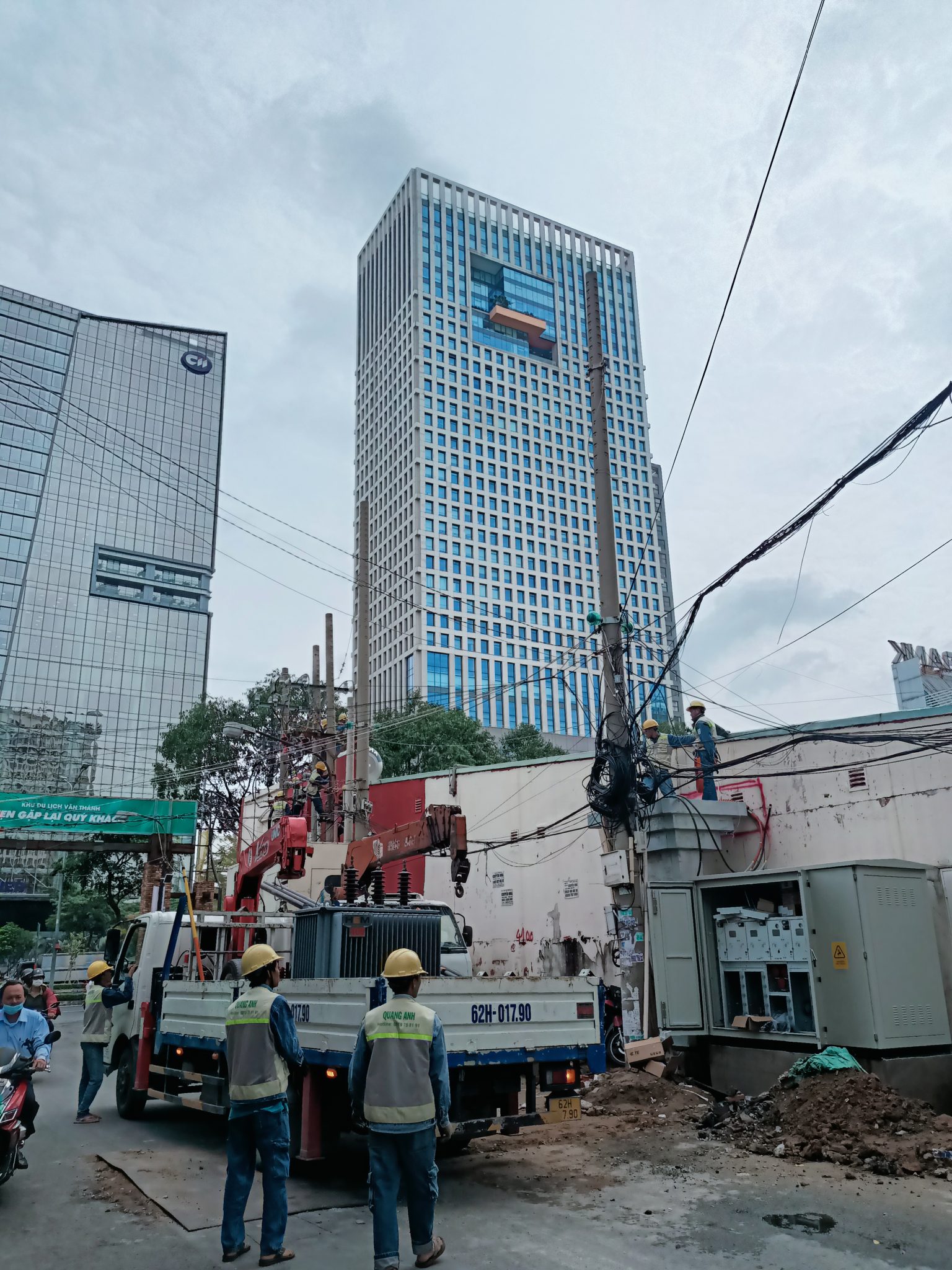
The implementation sequence of a 3200kVA transformer station begins with a site survey, followed by design, construction, testing, and energization with complete documentation.
In the site survey stage, determining the installation location, environmental conditions (temperature, humidity, space), and accessibility to medium and low-voltage routes are critical for configuring the station.
Technical design must adhere to applicable standards, deciding between dry or oil transformers based on explosion risks, urban or outdoor conditions, and operating costs; during the design stage, ensure transformer ratio and short-circuit voltage (Uk) compliance.
Construction involves foundation preparation, structure/steel frameworks, transformer placement, medium/low-voltage cabling, as well as control and protection systems setup. During actual construction phases, verify precise foundation positioning, framework alignment, grounding effectiveness, and cable connections per construction designs.
Pre-energization testing entails conducting insulation checks, resistance measurements, transformer ratio tests, and load tests to verify safety and performance. Acceptance handovers demand comprehensive documents with construction drawings, testing records, and equipment certifications, plus an EVN approval before grid connection.
- Site survey: 1–2 weeks — identify site, cable access, setup space.
- Technical design: 2–3 weeks — create drawings, choose machine type, load parameters.
- Construction: 4–8 weeks subject to scale — foundations, installation, connection, completion.
- Testing and trial run: 1–2 weeks — conduct electrical tests, trial loads, acceptance records.
- Handover and energization: ~1 week — complete documentation, obtain EVN approval.
The documentation required for acceptance and energization includes:
- As-built construction drawings reflecting onsite reality.
- Test records and electrical testing results (insulation, resistance, ratio, load).
- Quality certificates for devices and installation logs.
Practical operational warning: energization mustn’t proceed without complete acceptance documentation or EVN approval; choosing dry machines for urban areas and oil ones for outdoors requires fire protection strategies and oil management consideration.
To finalize scheduling and technical documentation, detailed field surveys must ascertain cable systems, isolation requirements, and testing standards before construction and acceptance planning.
Common Investment Mistakes and Pre-Finalization Checks
Identify common pitfalls like selecting transformers based on low price, overlooking construction conditions, and failing to verify winding configurations before finalizing plans.
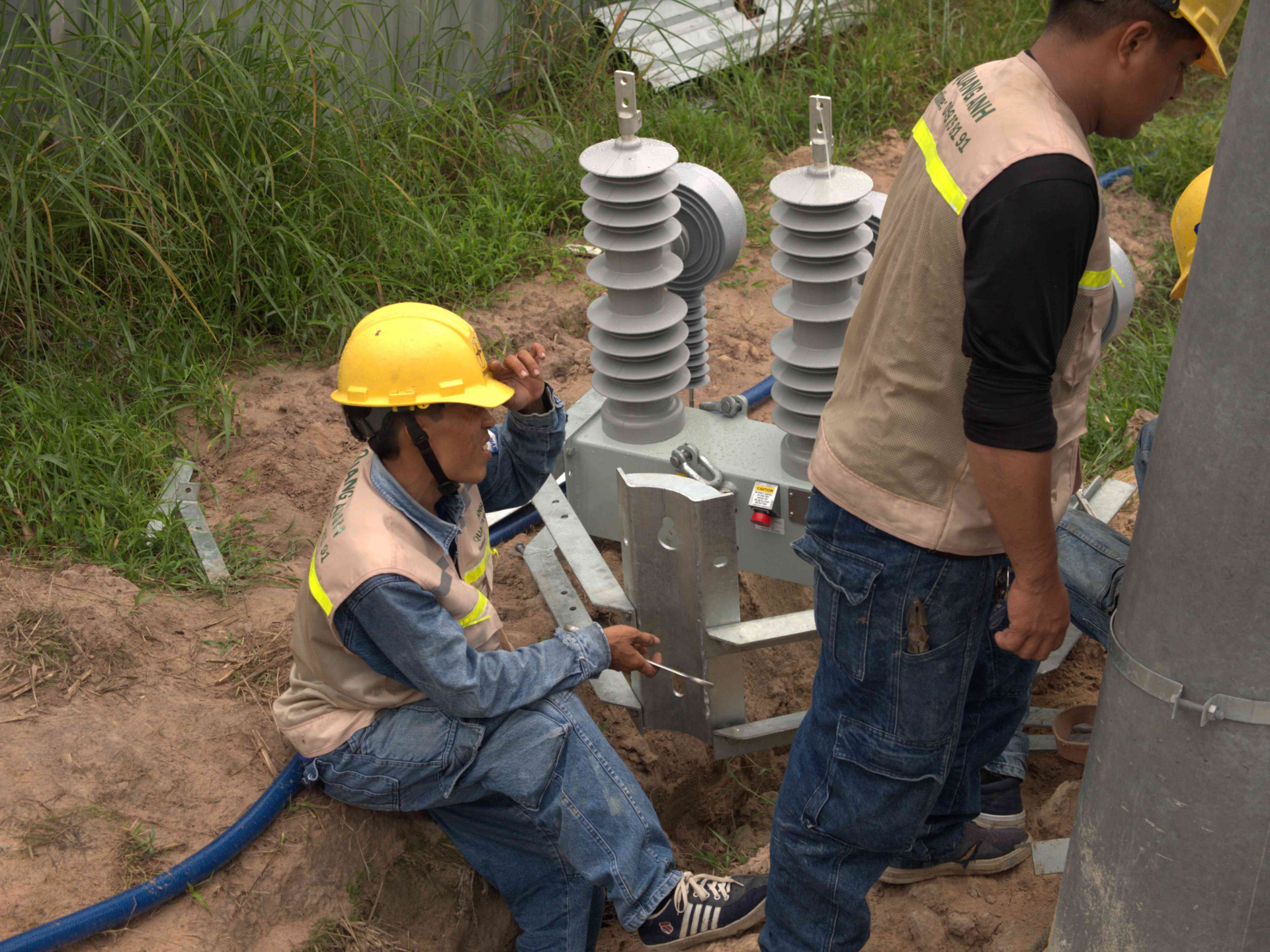
Common investment errors include selecting transformers solely based on low costs, while ignoring compliance checks and construction conditions.
In field terms, surveying the dimensions and weight of a 3200kVA transformer (about 2275x1310x2555mm, weighing 7050kg) prevents unnecessary foundation or relocation costs. During routine maintenance and factory surveys, ensure passage routes and typical lift capacities are identified to address potential constraints before acceptance.
On a technical level, no-load losses Po and short-circuit losses Pk affect long-term efficiency, so procurement price shouldn’t outweigh these specifications. Verify winding configurations (D/yn-11 or Dyn11) and short-circuit voltage Uk% (usually ≥7%) for grid compatibility with the EVN. Similarly, validate the minimum MEPS efficiency requirement (≥99.13%) and adherence to TCVN, IEC, and TCCS 18:2021/EVN standards before contract finalization.
Below is a field assessment checklist and suggested actions, serving as a preliminary checklist before finalizing quotes or signing EPC contracts:
| Aspect | Checklist Indicator (field reality) | Recommended Actions |
|---|---|---|
| Procurement Configuration | The contractor offers only low price quotes, lacking Po, Pk details | Request Po, Pk data and compare lifecycle operational costs |
| Standards & Acceptance | Lacking TCCS 18:2021, EVN QD-62, or relevant TCVN/IEC compliance evidence | Verify applicable standards and demand pre-acceptance testing documents |
| Size & Weight | Transformation dimensions 2275x1310x2555mm, weight ~7050kg not checked | Assess foundation, transport routes, evaluate lifting capacity on-site |
| Transformer Type (Dry/Oil) | Indoor/outdoor installation environment not identified | Select type matching environmental and maintenance needs |
| Winding Configuration & Uk% | Winding type Dyn11 and Uk% (usually ≥7%) unconfirmed | Require wiring diagrams and Uk% specs to check grid compatibility |
| Medium Voltage/EVN Connection Scope | Scope of connection and EVN acceptance responsibilities unclear | Review contracts, confirm additional testing and commissioning costs |
Operational caution: sealing contracts without confirming Uk% and winding configurations leads to mismatch with EVN grid; likewise, inadequate foundation surveys frequently add significant costs during installation. Depending on model and operational context, detailed on-site inspections are required before finalizing technical options and quotes.
Criteria for Selecting EPC Contractors for 3200kVA Transformer Stations
Selection criteria for EPC contractors of 3200kVA transformer stations focus on surveying capabilities, legal documentation, testing capacity, and commissioning experience with utilities.
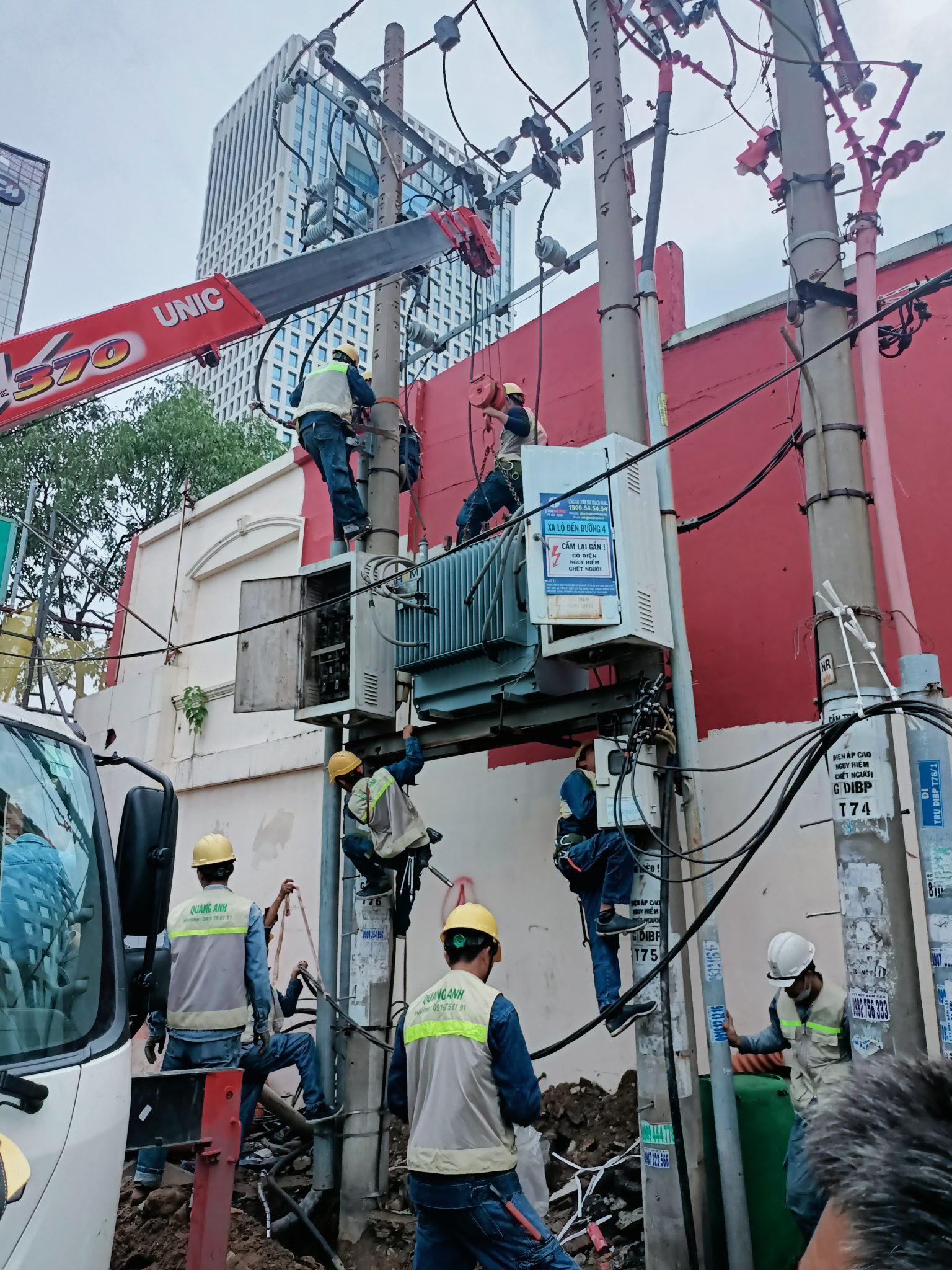
Selecting an EPC contractor for a 3200kVA transformer station should prioritize survey capabilities, legal documentation, testing capacity, and real-world commissioning experience.
From a field perspective, legal documentation must include power operation licenses compliant with EVN regulations, business registration, and electrical safety certificates; when on-site, align these certificates with originals and assess load and terrain surveys.
Technically, contractors must demonstrate the ability to conduct insulation tests and loss measurements per TCVN, along with test reports and trial run documentation for acceptance; during maintenance or trial phases, directly assess insulation test reports and loss measurements to evaluate installation quality.
Experience coordinating acceptance with the local utilities is mandatory; documentation of successful handovers, the number of energization projects, and post-energization incident rates serve as realistic indicators to compare contractors. Prioritize those with EVN-recognized engineers for medium voltage operations and experience installing dry/oil 3200kVA transformers per relevant regulations.
| Criteria | Field Indicators / Documentation to Verify | Decision Impact |
|---|---|---|
| Licenses and Certifications | Power operation license per EVN guidelines, business registration, electrical safety certificates | Exclude contractors lacking legal validity, address legal and insurance risks |
| Survey Capability | Terrain survey reports, load surveys for 3200kVA station, field notes | Ensure fit-for-purpose design, minimize changes during construction |
| Testing & Acceptance | Insulation test reports, loss measurements per TCVN/TCCS, energization approval | Decide on execution viability, reduce post-energization failure risks |
| Commissioning Experience | Count of successful energization projects, handover records with local utilities | Prefer contractors with utility coordination track record and low incident rates |
| Equipment Standards | Certification that equipment complies with TCVN 8525, EVN QD-62, or equivalents | Mitigate MBA quality and EVN acceptance risks |
| Warranty & Maintenance | Warranty commitments, post-acceptance maintenance plans, SLA templates | Directly affects operational costs and station availability after handover |
Operational warning: if testing documents or energization approvals are absent or inadequate, delay energization and request supplementary acceptance evidence from the contractor; in field operations, improper energization can cause production interruptions and transformer damage.
The next phase involves organizing field surveys and demanding a minimum document set comprising: power operation licenses, electrical safety certifications, load survey reports, testing documents per TCVN/TCCS, a list of successful energization projects, and warranty/maintenance commitments.
A 3200kVA transformer station quote only holds value when paired with clear configurations, work scope, and connection terms. If these variables are not finalized, comparisons should focus on cost groups and technical risks rather than one aggregate figure.
Frequently Asked Questions
Which factory load level suits a 3200kVA transformer station?
A 3200kVA transformer is suitable when the factory’s peak load requires continuous large power and when backup or expansion capabilities are needed. Accurate decisions require peak load data, a coincidence factor, hourly load descriptions, and an expansion plan; in-depth load surveys are mandatory.
Does the quoted price for a 3200kVA transformer station usually include power utility connection costs?
Not necessarily; many quotes separate equipment, construction, and utility connection procedures costs. Rule: demand contractors clearly state ‘EVN connection costs.’ If omitted, ask for detachment with detail (power cut time, hotline, EVN fees, materials, and labor) for accurate comparison.
When should dry transformers be chosen over oil transformers at 3200kVA level?
Select dry transformers when high fire safety, indoor installation, or urban settings restricting oil use are crucial. Weigh environmental risks, foundation costs, maintenance, and operational losses; require environmental condition reports, firefighting requirements, and operational cost analysis before deciding.
Is RMU AFLR necessary for all stations using underground cables?
It isn’t always required. Decisions depend on short-circuit risk, circuit diagram (loop or single), and operational safety needs. The principle is to assess short-circuit feasibility, humidity conditions, and onsite operational requirements; perform short-circuit calculations and risk assessment before deciding.
Are hotline connection costs fixed for all 3200kVA transformer projects?
They’re not fixed. Costs depend on the approach (power cut or hotline), utility work scope, site conditions, and safety needs. Rule: obtain detailed quotes from utility and contractor covering approaches, labor, temporary equipment, and fees to avoid unforeseen costs.
What documents should be verified before signing a full-service construction contract?
Verify contractor competency documents (electrical license), energization experience, preliminary design documents, construction plans, safety measures, major equipment certifications, and the testing/acceptance checklist. If documents are insufficient, demand additions before signing the contract.
How to Prepare for a Realistic 3200kVA Transformer Station Quote Request
- Confirm operational load, expansion plans, and power factor requirements of the factory.
- Survey the station location, medium voltage cable path, and real-world construction conditions.
- Clarify the planned station format: kiosk, outdoor ground, indoor, stand, or steel tower.
- Preliminary define core configuration including transformer, medium voltage, low voltage, reactive compensation, and cable.
- Check connection method with power utility: scheduled outage or hotline, along with conditions involved.
- Request from contractors disconnected pricing by equipment, construction, testing, procedures, and connections.
- Contrast real-world energization experience, legal documentation, and handover scope before contractor selection.
If planning a 3200kVA station investment for a factory, starting with load surveys, site, connection points, and utility documentation helps properly breakdown the approach before requesting a comprehensive quote.
[contact-form-7 id="7239967" title="Contact form 1"]
Related Posts
Pricing and Setup of 3200kVA Transformer Stations: Configuration, Costs, and Investment Procedure
Explore the pricing structure for a 3200kVA transformer station, primary equipment configuration, cost variables, EVN [...]
Mar
Cost Estimation for 2500kVA Transformer Station: Configuration, Expenses, and Investment Process
Reference framework for quoting a 2500kVA transformer station based on configuration, station type, cable solutions, [...]
Mar
2000kVA Transformer Station Guide: Configuration, Costs, and Investment Process
Discover key aspects of a 2000kVA transformer station: from technical configuration and cost analysis to [...]
Mar
Pricing and Configuration Guide for 1600kVA Substations
A detailed guide on pricing for 1600kVA substations, including equipment specs, connection costs, EVN procedures, [...]
Mar
Comprehensive Guide to 1500kVA Substation Pricing: Configuration, Costs, and Investment Process
A comprehensive overview of configurations, costs, construction methods, connection procedures, and contractor selection for 1500kVA [...]
Mar
Tay Ninh Solar Power Planning: Technical Framework, Grid Interconnection, and Rollout Roadmap
Technical overview of solar planning in Tay Ninh: irradiation, grid capacity, permitting, design, operations, and [...]
Dec
Binh Duong Solar Planning: Regulatory Framework, Grid Interconnection, and an Implementation Roadmap for Factories and Industrial Parks
An overview of Binh Duong solar planning: legal framework, interconnection, design, risk management, and an [...]
Dec
Solar Farm Repair: O&M Workflow, IV Curve Diagnostics, Thermography, Inverter Service and Utility-Scale Safety
A utility-scale solar farm repair plan centered on O&M, IV curves, thermal imaging, inverter service, [...]
Dec
Dong Nai Solar Power Plan 2023–2025: Tri An 1,029 MW, Grid Upgrades and the DPPA Pathway
A complete look at Dong Nai’s solar power plan: Tri An 1,029 MW, irradiation potential, [...]
Nov
Quang Ngai Solar Power Plan 2024–2030: Legal Framework, Irradiance Potential, and Development Roadmap
A complete look at Quang Ngai’s solar power plan: capacity targets, irradiance (PVout), development zones, [...]
Nov
Solar Damage Assessment Services: On-Site Procedures, EL/IV/Thermography Testing & Compliance with Standards
Discover IEC/UL/NEC standard solar damage assessment processes: on-site evaluation, EL and IV curve testing, thermal [...]
Nov
Comprehensive Package Estimate for a 1800MVA 500kV Substation: Scope, Configuration 3x600MVA, Standards and Timeline Management
An overview of the 1800MVA 500kV substation estimate: construction scope, configuration 3x600MVA, GIS/AIS, SCADA, standards, [...]
Nov
Factory Electrical Systems: Comprehensive Design and Implementation Guide
Discover the detailed and safe process of factory electrical systems design and implementation. [...]
Oct
Blueprints Required for Factory Construction Permits
Discover the necessary blueprints in factory construction permit applications, from floor plans to electrical and [...]
Oct
What Are the Requirements for a Factory Construction Permit? A Comprehensive Guide
Explore the documentation and steps needed to secure a factory construction permit for streamlined project [...]
Oct
Factory Construction Permit Procedures in Vietnam: Essential Guidelines and Documents
Learn the procedures for securing a factory construction permit in Vietnam, focusing on document preparation [...]
Oct
Key Steps in the Factory Construction Process
Discover the essential steps and requirements for building factories. [...]
Oct
Comprehensive Electrical Substation Solutions by Quanganhcons
Discover the cutting-edge electrical substation solutions offered by Quanganhcons for industrial applications. [...]
Oct
Investment Costs for a 1MWp Solar Power System and Influencing Factors
Explore the investment costs for a 1MWp solar power system in Vietnam and the influencing [...]
Sep
QuangAnhcons: Elevating Wind Energy Solutions
Explore QuangAnhcons' leadership in wind energy and renewable solutions in Vietnam. [...]
Sep