

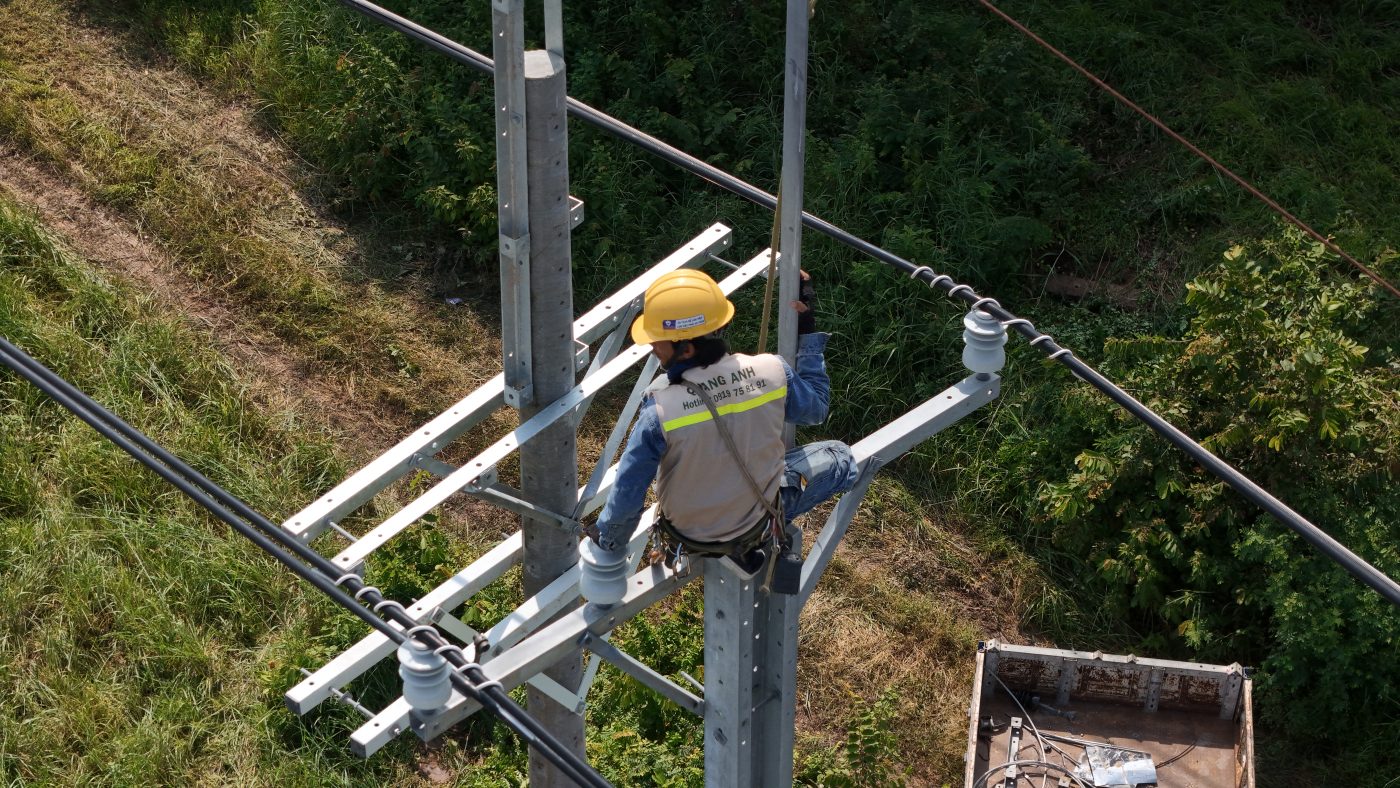
QuangAnhcons stands as a leading player in Vietnam, offering top-tier services in electrical system installation and industrial construction, specializing in the design and implementation of electrical infrastructures for industrial plants and underground network systems.
Efficient Transformer Station Construction
QuangAnhcons specializes in the design and construction of transformer stations, catering to the energy needs of both industrial zones and residential areas. By employing the latest technology, they ensure their projects meet the highest standards of reliability and safety. Their expertise extends to handling stations with voltages up to 35kV, optimizing energy distribution where it’s needed.
The construction of transformer stations plays a pivotal role in ensuring the safe and effective supply of power across industrial and residential regions. Below is a standard process and strategies to enhance the efficiency of transformer station constructions.
Standard Construction Process
- Survey and Preparation
- Site Survey: Assess terrain, soil quality, and infrastructure checks.
- Planning: Construct a working schedule based on technical documentation.
- Infrastructure Building
- Excavations for Foundations and Cable Trenches: Utilize either manual or mechanical methods.
- Grounding System Installation: Ensure electrical safety standards.
- Concrete Pouring for Foundations: Validate concrete quality before equipment installation.
- Equipment Installation
- Transport and Position Equipment: Use specialized cranes.
- High Voltage Cable Installation: Utilize protective conduits.
- Inspection and Operation
- Testing and Calibration: Measure grounding resistance and insulation testing.
- No-load Trials: Conduct comprehensive evaluations.
Enhancing Construction Efficiency
- Site Optimization: Implement 3D laser scanning technology to minimize errors.
- Centralized Material Management: Employ ERP software.
- Labor Safety:
- Automated alert systems.
- Protective gear compliant with IEC 60903 standards.
- New Construction Technologies:
- Sensors-equipped drilling machines to reduce vibrations.
- XLPE cables to decrease energy loss by 15%.
Challenges and Recommendations
- Common Risks: Foundational misalignment, equipment damages.
- Remedial Solutions:
- Floating foundation designs for soft terrains.
- Shockproof equipment covers.
- Future Trends: AI integration for predictive fault detection and automated maintenance.
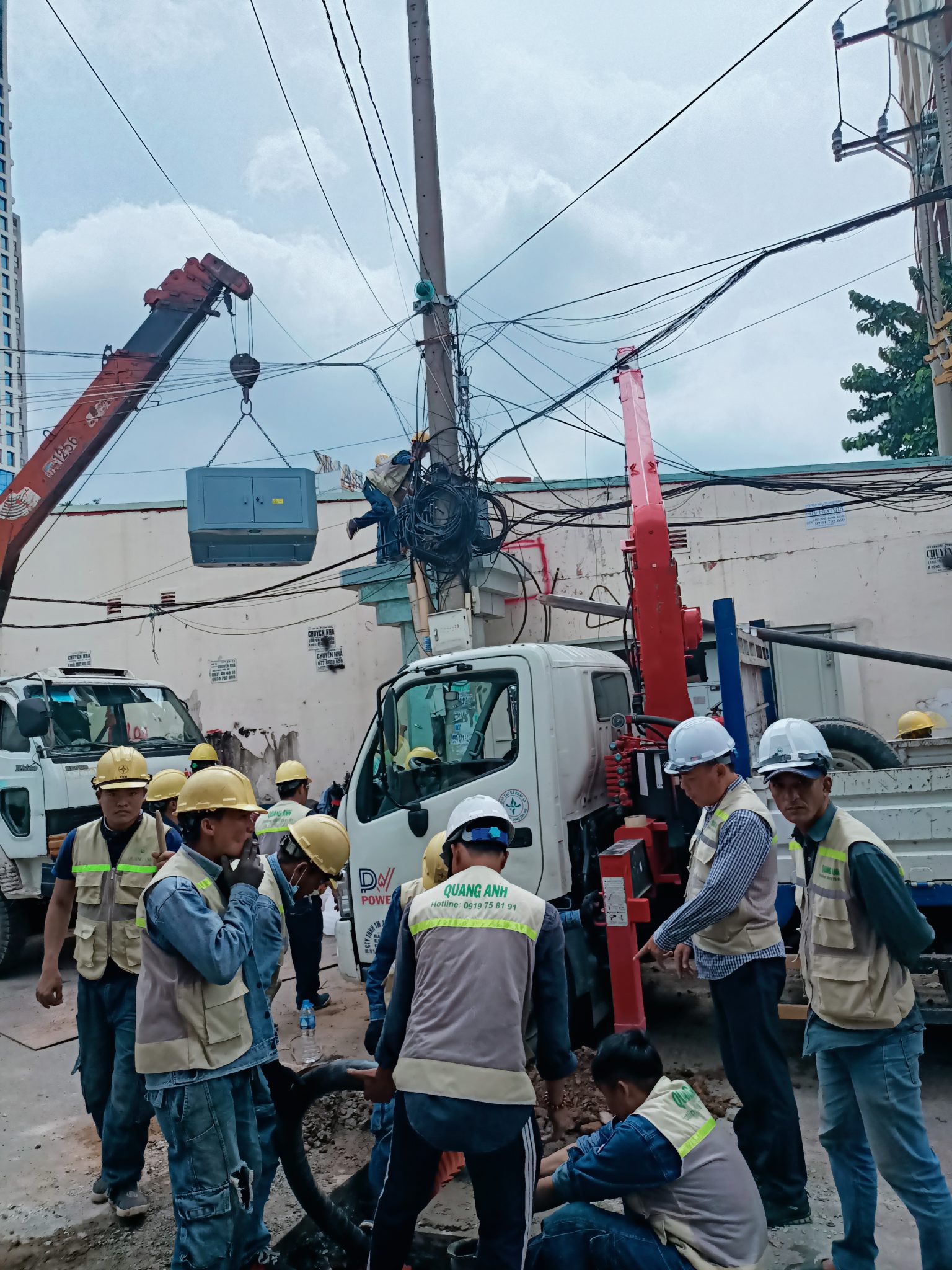
Technology in Industrial Electrical Systems
QuangAnhcons offers comprehensive solutions for electrical systems in large-scale industrial projects. From meticulous design to implementation, the company ensures quality and deadline adherence for every project. Their engineering and design teams employ cutting-edge technologies to guarantee that all systems operate with maximum safety and efficiency, meeting the industrial production demands.
Industrial electrical systems are crucial for sustaining production and business operations by efficiently distributing power. Integrating modern technology into these systems enhances performance and cuts costs.
Components of Industrial Electrical Systems
An industrial electrical system consists of several key components:
-
Power Generation Systems: Responsible for supplying the entire network, including generators, converters, and modern protection and monitoring equipment.
-
Power Distribution Systems: Manage the transfer of electricity from generation stations to end-users through transmission lines and high-quality transformers.
-
Power Switchgear Systems: Critical for controlling power and ensuring system safety in necessary situations.
-
Medium Voltage and Main Transformers: Ensure voltage levels meet specific production requirements.
-
Distribution Switchboards and Industrial Equipment: Used for managing and adjusting power to support industrial production processes.
Modern Technologies
The integration of modern technologies into industrial electrical systems is an inevitable trend:
-
Electrical Automation: Utilize automatic control systems to optimize the production process, ensuring continuous operation with maximum efficiency.
-
Smart Industrial Electrical Devices: Enable monitoring, control, and quick resolution of electrical system failures.
-
Smart Power Distribution: Solutions that ensure flexible power distribution, minimizing energy losses.
-
Renewable Energy: Integrate clean sources like solar or wind energy into the system to reduce fossil fuel dependence and protect the environment.
Roles and Benefits
The integration of technology into industrial electrical systems offers significant benefits:
-
Production Optimization: Boosts efficiency and maintains continuous production.
-
Energy Savings: Significantly reduces operating costs by optimizing energy use.
-
Improved Product Quality: Stable voltage ensures the highest output quality.
-
Replaces Human Operation: Mitigates risks and enhances productivity through automated technology interventions.
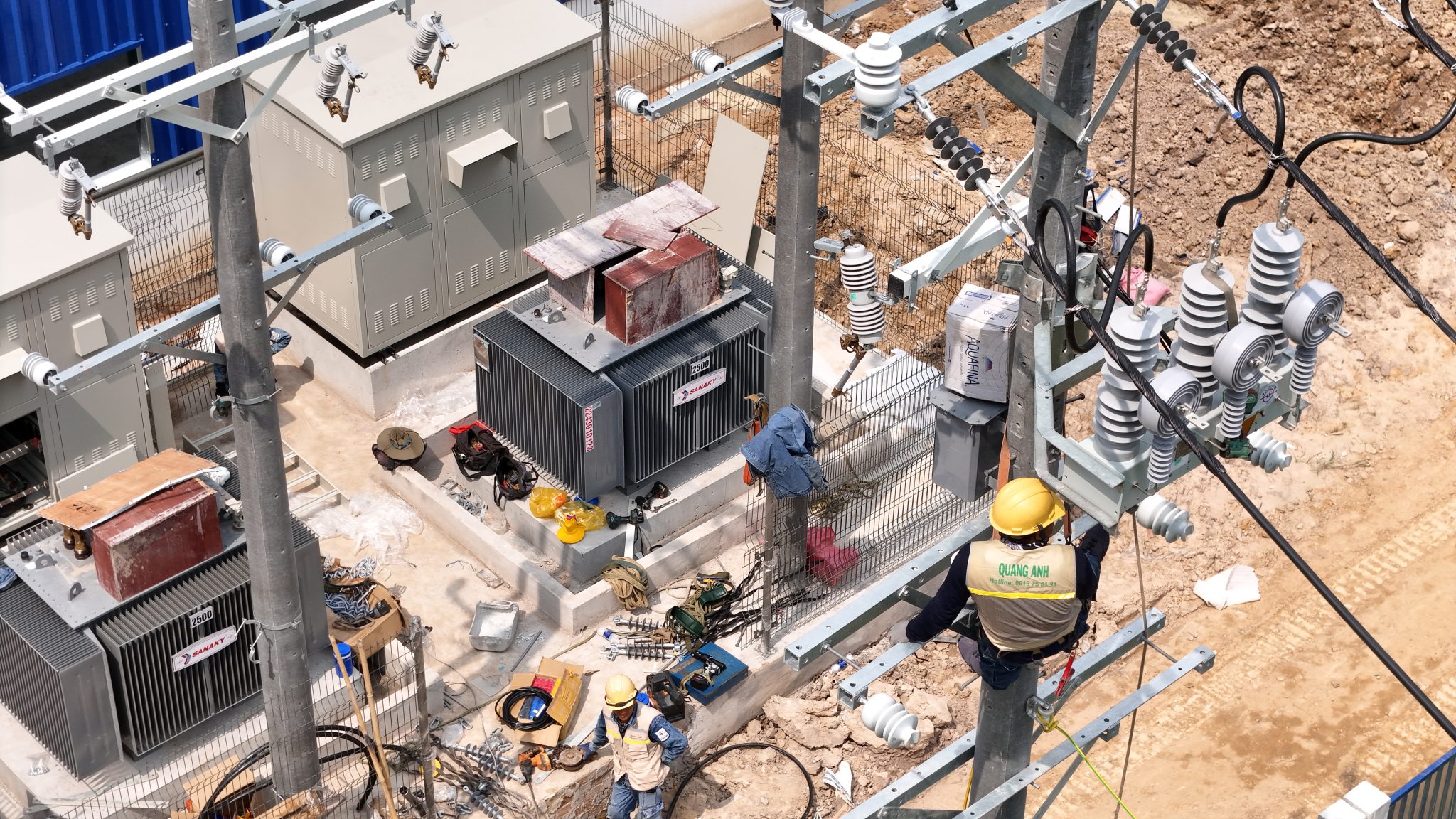
Renewable Energy & Sustainable Development in Vietnam
Beyond traditional electrical services, QuangAnhcons is also advancing in renewable energy solutions like solar power systems and rapid electric vehicle charging stations. This significant step aims to reduce environmental impacts while optimizing sustainable energy use. The firm is not just focused on current benefits but is also paving the way for a greener, more eco-friendly future.
The Role of Renewable Energy in Sustainable Development
Renewable energy plays a crucial role in promoting sustainable development in Vietnam. Replacing fossil fuels with sustainable sources like solar and wind energy can significantly cut greenhouse gas emissions. This effort contributes not only to reducing environmental pollution but also to conserving resources for future generations.
Energy security is enhanced as Vietnam leverages its local advantages from solar and wind power, decreasing reliance on imported fuels.
Development Potential
With a unique geographical position featuring extensive coastlines and dense river networks, Vietnam has significant potential for developing renewable energy sources. Key energy sources include: hydropower with a capacity of 22,111 MW, solar energy from solar farms and rooftop systems totaling 16,564 MW, wind energy with robust growth at 4,126 MW, and biomass at 325 MW.
The government has set targets to increase the share of renewable energy to 15-20% of the total primary energy supply by 2030, demonstrating a commitment to sustainable energy development.
Current Status and Challenges
The share of renewable energy in Vietnam’s total energy supply remains low, at only 9% in 2020, with coal accounting for 51%. Challenges include dependence on imported technology for wind and solar projects and inadequate effective energy storage systems.
Inconsistent planning and national grid infrastructure lag behind the rapid development of wind and solar projects.
Proposed Solutions
Overcoming these challenges requires investing in energy storage technology research and smart grid management. Additionally, policy improvements through long-term preferential electricity pricing mechanisms and clear legal frameworks for renewable projects must be prioritized.
Developing specialized human resources in clean energy and technology transfer is a critical step towards efficiently implementing sustainable development solutions.
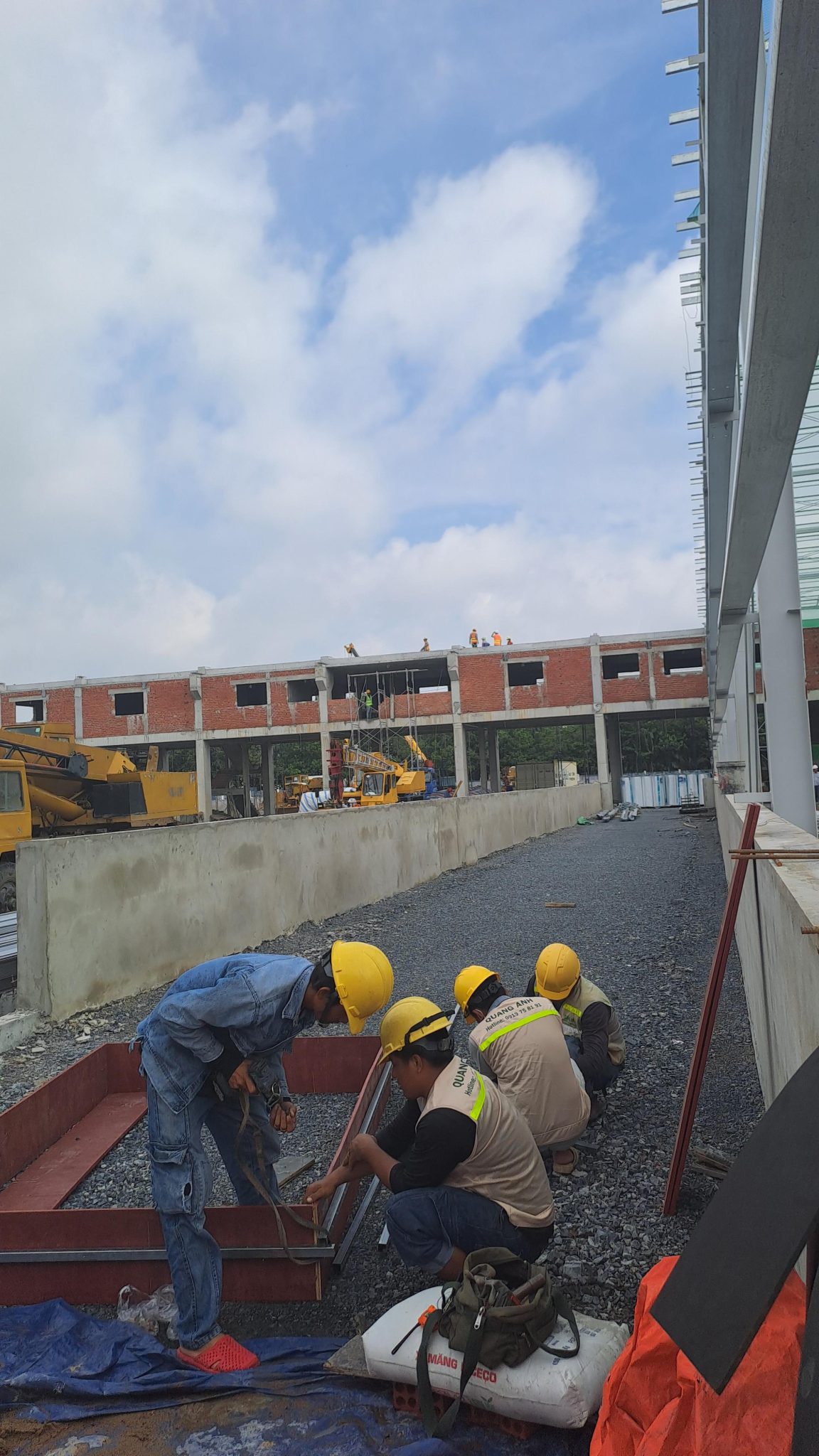
QuangAnhcons offers comprehensive solutions in the field of energy and construction with a strong commitment to quality and deadlines. The integration of advanced technology and a sustainable development orientation is the foundation for exceptional technical efficiency and long-term investment value.
Contact QuangAnhcons via Hotline: +84 9 1975 8191 for the most optimal and effective energy and construction solutions for your projects.
QuangAnhcons provides design and construction services for industrial electrical systems, transformer stations, and renewable energy solutions. With modern technology and a commitment to quality, QuangAnhcons creates sustainable value for clients and the community.
[contact-form-7 id="7239967" title="Contact form 1"]
Related Posts
Substation Interconnection Documentation: A Practical Preparation Guide for Investors
A hands‑on guide for investors and M&E engineers on the information groups needed in substation [...]
May
Transformer Substation Construction Quote: Cost Components & Key Cost Drivers
Guidance for breaking down a transformer substation construction quote: main cost groups and the common [...]
May
Substation Solutions for Factories: Investing and Implementation Strategies
Overview of factory substations: when to invest, key components, execution processes, documentation, and selecting the [...]
Apr
Transformer Repair in Ho Chi Minh City: When Immediate Action Is Required
Discover signs of transformer damage, diagnostic methods, on-site handling processes, and criteria for selecting repair [...]
Apr
Transformer Repair: Process, Diagnosis, and Decision-Making
Hướng dẫn sửa chữa máy biến áp cho nhà máy: nhận biết dấu hiệu hỏng, [...]
Apr
24-Hour Transformer Repair: Efficient Solutions and Reliable Power Restoration
Khung xử lý sửa chữa máy biến áp 24h cho nhà máy: nhận biết sự [...]
Apr
Common Mistakes in Transformer Station Construction Leading to Extra Costs
Các sai lầm khi làm trạm biến áp thường không nằm ở một hạng mục [...]
Apr
Comprehensive Guide to Acquiring Used Transformers
Góc nhìn kỹ thuật về thu mua TBA cũ: cách đánh giá hiện trạng, hồ [...]
Apr
Comprehensive Transformers Maintenance for Industrial Plants
Tổng quan dịch vụ bảo trì trạm biến áp nhà máy: lịch bảo dưỡng, thí [...]
Apr
Transformers: Assessing and Safely Handling Used Transformers
Khung đánh giá máy biến áp cũ theo tình trạng kỹ thuật, dầu cách điện, [...]
Apr
How Proactive Transformer Maintenance Minimizes Business Risks
Nhìn từ góc độ vận hành nhà máy, bảo trì chủ động trạm biến áp [...]
Apr
Comparing Oil and Dry Transformers in Industrial Projects
Distinguish between oil and dry transformers based on installation site, safety, maintenance, energy losses, initial [...]
Mar
Electrical Overload Warning Signs in Factories
Recognize early indicators of factory electrical overload such as voltage drops, overheating equipment, circuit breaker [...]
Mar
Risks of Overloading Industrial Transformers Without Upgrades
Keeping the same low-voltage transformer while increasing factory loads can result in overheating, insulation degradation, [...]
Mar
Evaluating and Implementing Transformer Contractors in Tay Ninh
Criteria for selecting transformer substation contractors in Tay Ninh, EPC scope, and factors affecting project [...]
Mar
Comparing Oil and Dry Transformers for Industrial Applications
Examine oil and dry transformers based on installation location, fire safety, maintenance, energy loss, investment [...]
Mar
Comprehensive 1500kVA Transformer Station Budget for Manufacturing Facilities
Guidance for creating a detailed budget list for a 1500kVA transformer station, including medium voltage [...]
Mar
Comprehensive Transformer Station Pricing: Elements and Considerations
Examine key components in comprehensive transformer station pricing including design, equipment, construction, testing, and connection [...]
Mar
Pricing Guide for 4000kVA Transformer Stations: Configuration, Cost, and Investment Process
An overview of configuration, cost estimates, connection approaches, and investment checklists for 4000kVA transformer stations [...]
Mar
Pricing and Setup of 3200kVA Transformer Stations: Configuration, Costs, and Investment Procedure
Explore the pricing structure for a 3200kVA transformer station, primary equipment configuration, cost variables, EVN [...]
Mar