

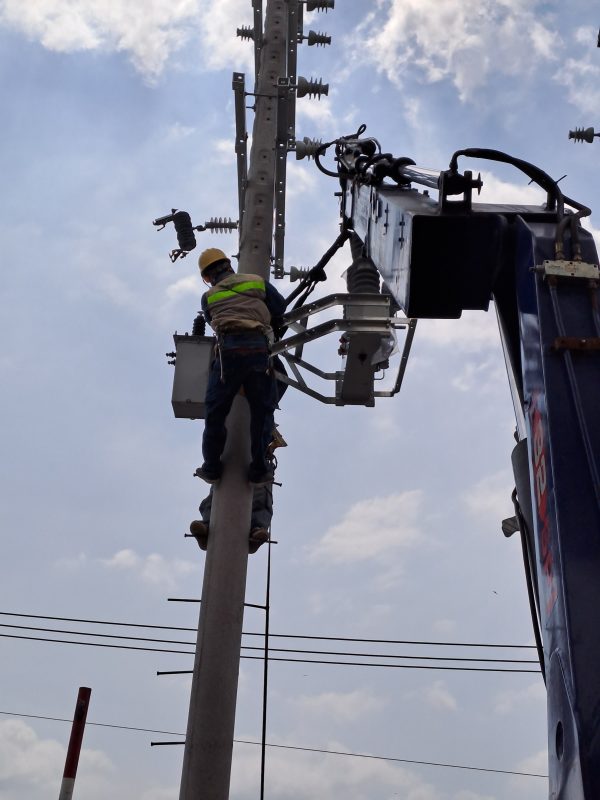
Compiling data on solar installation costs in Vietnam shows that labor expenses typically account for 15-30% of the total investment, influenced by factors such as geographic location and project scale.
Labor Cost Proportion in Total Construction Investment
In Vietnam’s solar systems, labor costs often represent 15-30% of the total investment. This ratio shifts with the complexity and size of the project. For instance, a 3 kWp system can vary from 5.25 to 13.5 million VND.
Labor expenses are a crucial component of any construction budget, typically ranging from 20-30% of the overall cost. This percentage can fluctuate depending on execution methods and material choices. Hence, effective labor management is vital to ensure budgets are not exceeded.
According to the Ministry of Construction, labor costs must be calculated based on various factors, including base salary and specific allowances for hazardous or mobile conditions. This is crucial for accurate cost management and ensuring all compensations are adequately reflected.
Optimizing execution also plays a significant role in reducing labor cost ratios. Companies can leverage advanced technologies to enhance productivity, thereby reducing reliance on manual labor. Moreover, selecting appropriate materials and tightly managing schedules can help shorten construction times, eliminating unnecessary tasks and expenses.
From an economic perspective, determining reasonable labor costs in estimates is essential, though a lack of unified regulations persists. Currently, most guidelines are fundamental with advisory circulars. However, implementing effective labor cost management strategies can yield substantial benefits for businesses in today’s economic climate.
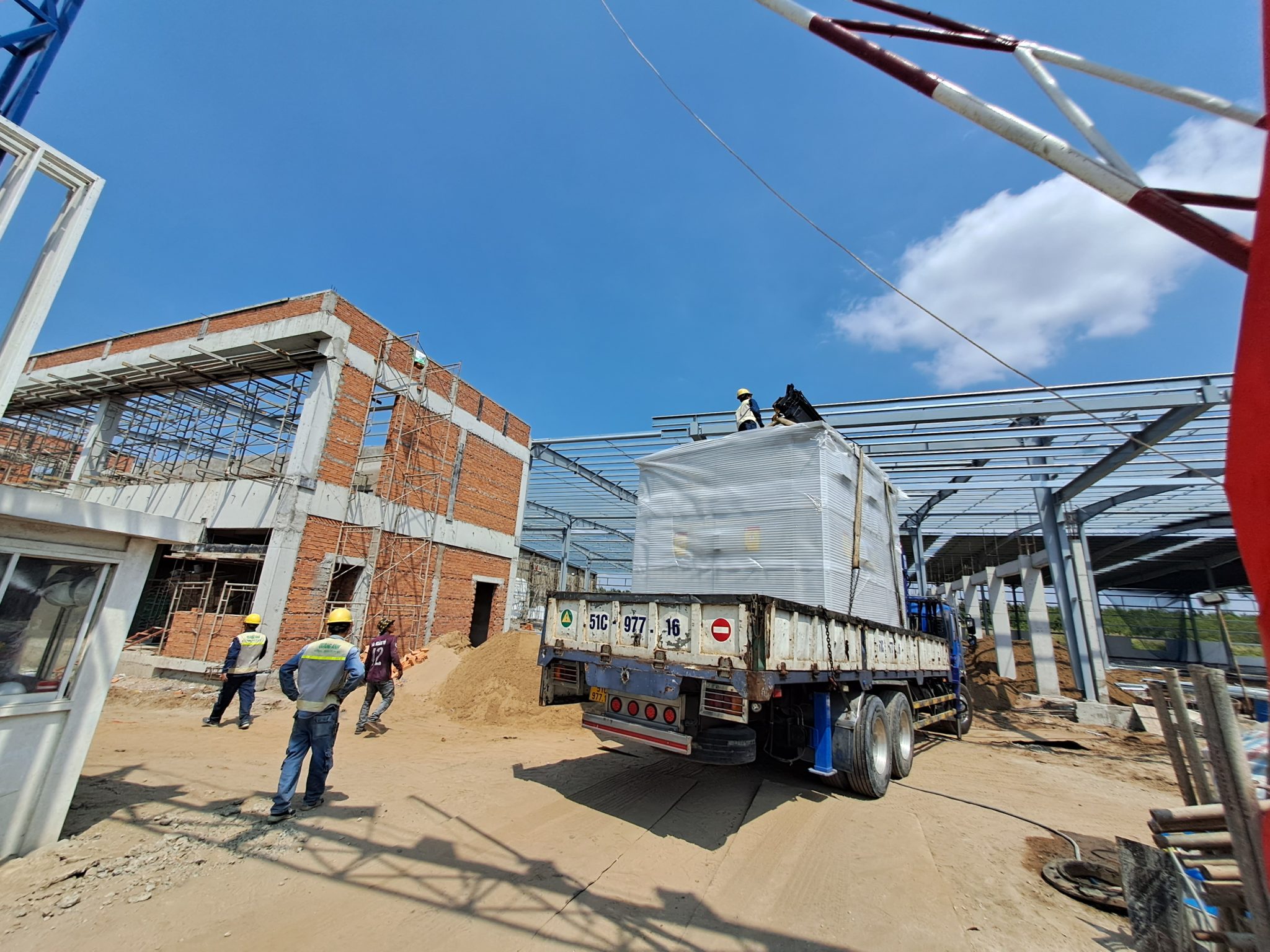
Factors Influencing Labor Costs
Labor costs are influenced by several factors, including geographic location and project complexity. Labor prices vary across Northern, Central, and Southern regions. Roof types such as tile, metal, or concrete significantly impact labor expenses.
Understanding the factors that affect labor costs is crucial for effective project management and overall construction cost optimization.
- Geographic Location and Worksite: Urban areas typically have higher labor costs than rural regions, primarily due to higher living expenses and wages in cities. Additionally, locations like remote areas and islands can increase labor costs significantly due to challenging conditions and elevated material transportation costs.
- Project Nature and Scale: Projects requiring high technical expertise or specialized designs demand skilled workers, raising labor costs. Large-scale projects or those with multiple floors directly influence costs due to increased labor needs.
- Worker Skill Level and Experience: Highly skilled or experienced workers often command higher wages, raising project labor costs. In regions with skilled labor shortages, competition for talent can drive costs up.
- Project Timeline and Pace: Short completion timelines or peak season work can push labor costs higher due to increased workforce demands or overtime work. Safety regulations and comprehensive protective equipment requirements also contribute to overall labor costs.
- Other Factors: Convenient transportation access reduces labor travel costs, whereas underdeveloped infrastructure areas may see higher labor prices due to increased mobility expenses.
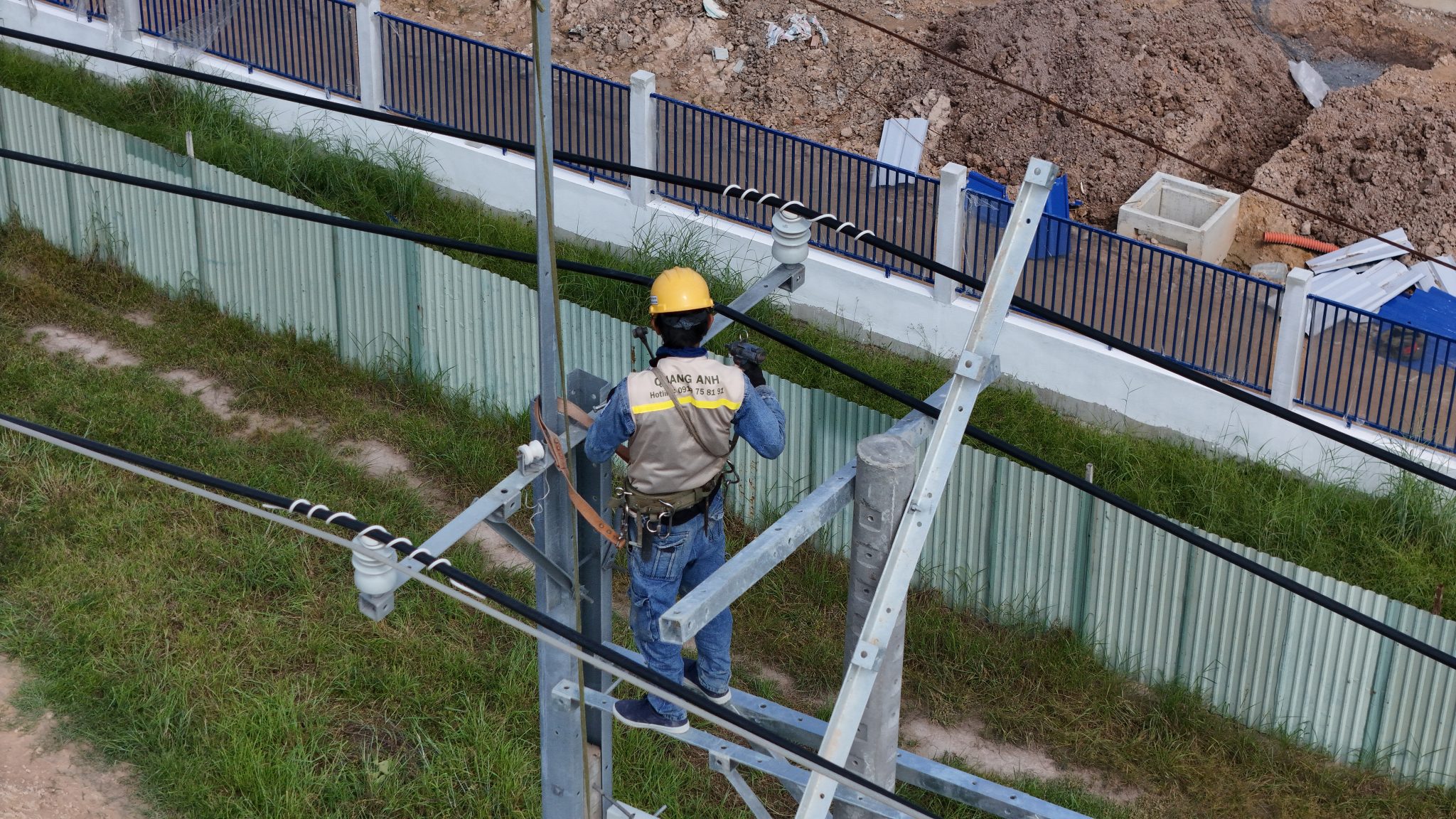
Solar Power Market in 2025
In 2025, Vietnam’s investment in solar power continues to grow. Installation prices range from 10 to 16 million VND per kWp, with labor costs forming a significant component, reflecting the complexity and technical demands of the industry.
The solar power market in Vietnam is experiencing rapid development thanks to supportive policies and the rising demand for renewable energy. Specifically, Decree 58/2025/NĐ-CP provides a robust legal framework for solar projects, particularly rooftop solar installations, allowing households and businesses to sell surplus electricity to the national grid with clear financial and land incentives.
A noteworthy aspect of this market is the changing price mechanisms. In 2025, solar electricity prices will vary by geographic region, reflecting differences in solar radiation potential, with Central and Southern Vietnam benefiting from higher sunlight intensity. Large-scale projects still receive tax incentives and reduced electricity transmission fees. Grid connection and measurement systems must comply with new technical standards as per Circular 05/2024/TT-BCT.
Overall, solar power investment trends are expanding. Households prioritize rooftop solar to exploit clean energy, while businesses install systems on industrial roofs to cut operational costs. In rural and remote areas, standalone solar systems are gaining popularity. Advancements in solar panel technology, improved conversion efficiency, and reduced initial investment significantly contribute to this trend.
Flexible investment models, such as installation leasing or financial sponsorship, are widening access opportunities. Globally, the solar power market is projected to exceed $300 billion by 2025, indicating strong growth in renewable energy sources.
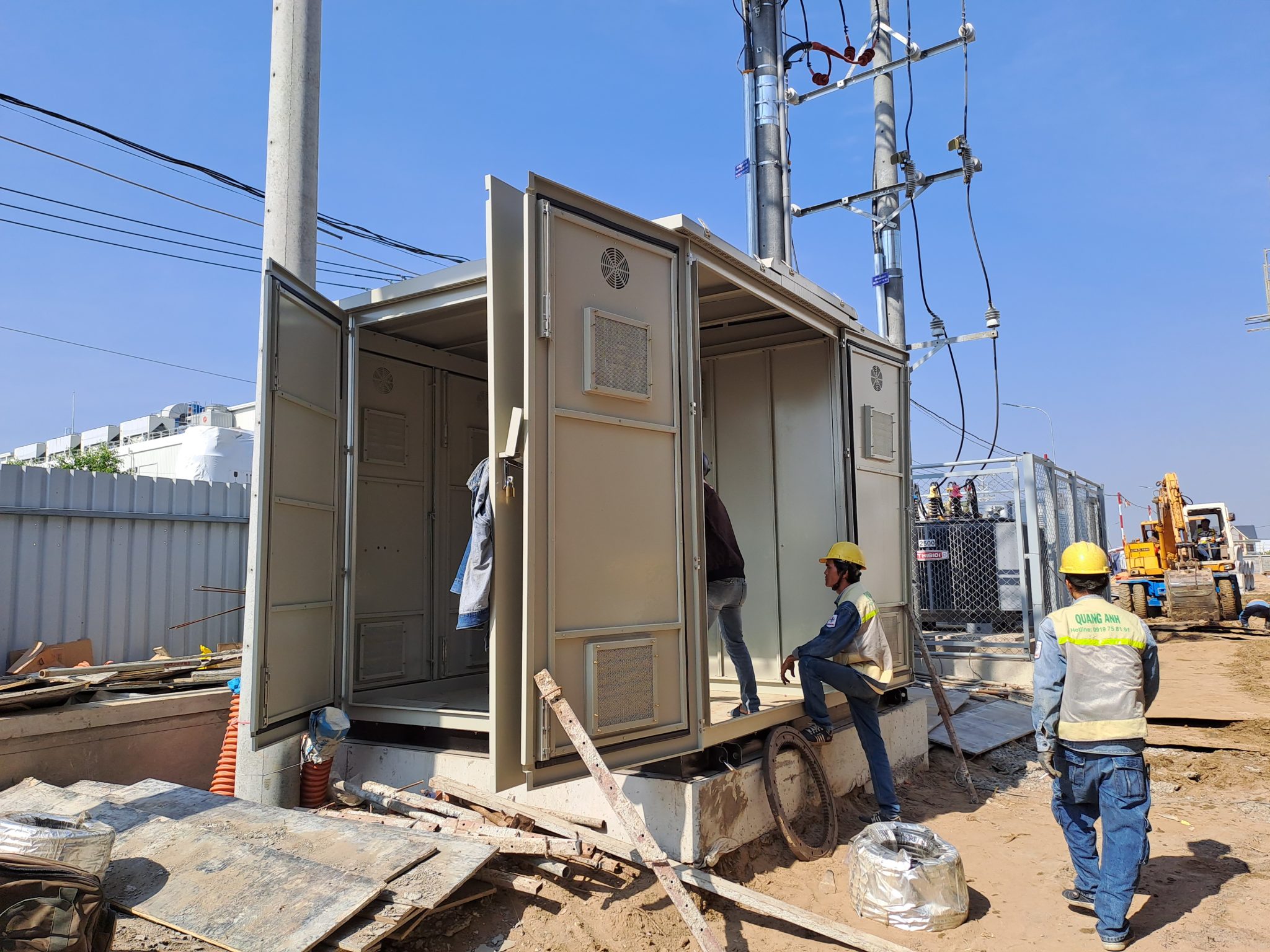
Investing in solar power offers substantial technical and strategic benefits as Vietnam expands its renewable energy sector. Understanding labor costs is key to optimizing project costs and efficiency.
For more details and direct consultations, contact QuangAnhcons via hotline: +84 9 1975 8191.
QuangAnhcons offers consulting and installation services for solar power systems in Vietnam, focusing on cost optimization and system efficiency.
[contact-form-7 id="7239967" title="Contact form 1"]
Related Posts
Substation Interconnection Documentation: A Practical Preparation Guide for Investors
A hands‑on guide for investors and M&E engineers on the information groups needed in substation [...]
May
Transformer Substation Construction Quote: Cost Components & Key Cost Drivers
Guidance for breaking down a transformer substation construction quote: main cost groups and the common [...]
May
Substation Solutions for Factories: Investing and Implementation Strategies
Overview of factory substations: when to invest, key components, execution processes, documentation, and selecting the [...]
Apr
Transformer Repair in Ho Chi Minh City: When Immediate Action Is Required
Discover signs of transformer damage, diagnostic methods, on-site handling processes, and criteria for selecting repair [...]
Apr
Transformer Repair: Process, Diagnosis, and Decision-Making
Hướng dẫn sửa chữa máy biến áp cho nhà máy: nhận biết dấu hiệu hỏng, [...]
Apr
24-Hour Transformer Repair: Efficient Solutions and Reliable Power Restoration
Khung xử lý sửa chữa máy biến áp 24h cho nhà máy: nhận biết sự [...]
Apr
Common Mistakes in Transformer Station Construction Leading to Extra Costs
Các sai lầm khi làm trạm biến áp thường không nằm ở một hạng mục [...]
Apr
Comprehensive Guide to Acquiring Used Transformers
Góc nhìn kỹ thuật về thu mua TBA cũ: cách đánh giá hiện trạng, hồ [...]
Apr
Comprehensive Transformers Maintenance for Industrial Plants
Tổng quan dịch vụ bảo trì trạm biến áp nhà máy: lịch bảo dưỡng, thí [...]
Apr
Transformers: Assessing and Safely Handling Used Transformers
Khung đánh giá máy biến áp cũ theo tình trạng kỹ thuật, dầu cách điện, [...]
Apr
How Proactive Transformer Maintenance Minimizes Business Risks
Nhìn từ góc độ vận hành nhà máy, bảo trì chủ động trạm biến áp [...]
Apr
Comparing Oil and Dry Transformers in Industrial Projects
Distinguish between oil and dry transformers based on installation site, safety, maintenance, energy losses, initial [...]
Mar
Electrical Overload Warning Signs in Factories
Recognize early indicators of factory electrical overload such as voltage drops, overheating equipment, circuit breaker [...]
Mar
Risks of Overloading Industrial Transformers Without Upgrades
Keeping the same low-voltage transformer while increasing factory loads can result in overheating, insulation degradation, [...]
Mar
Evaluating and Implementing Transformer Contractors in Tay Ninh
Criteria for selecting transformer substation contractors in Tay Ninh, EPC scope, and factors affecting project [...]
Mar
Comparing Oil and Dry Transformers for Industrial Applications
Examine oil and dry transformers based on installation location, fire safety, maintenance, energy loss, investment [...]
Mar
Comprehensive 1500kVA Transformer Station Budget for Manufacturing Facilities
Guidance for creating a detailed budget list for a 1500kVA transformer station, including medium voltage [...]
Mar
Comprehensive Transformer Station Pricing: Elements and Considerations
Examine key components in comprehensive transformer station pricing including design, equipment, construction, testing, and connection [...]
Mar
Pricing Guide for 4000kVA Transformer Stations: Configuration, Cost, and Investment Process
An overview of configuration, cost estimates, connection approaches, and investment checklists for 4000kVA transformer stations [...]
Mar
Pricing and Setup of 3200kVA Transformer Stations: Configuration, Costs, and Investment Procedure
Explore the pricing structure for a 3200kVA transformer station, primary equipment configuration, cost variables, EVN [...]
Mar