

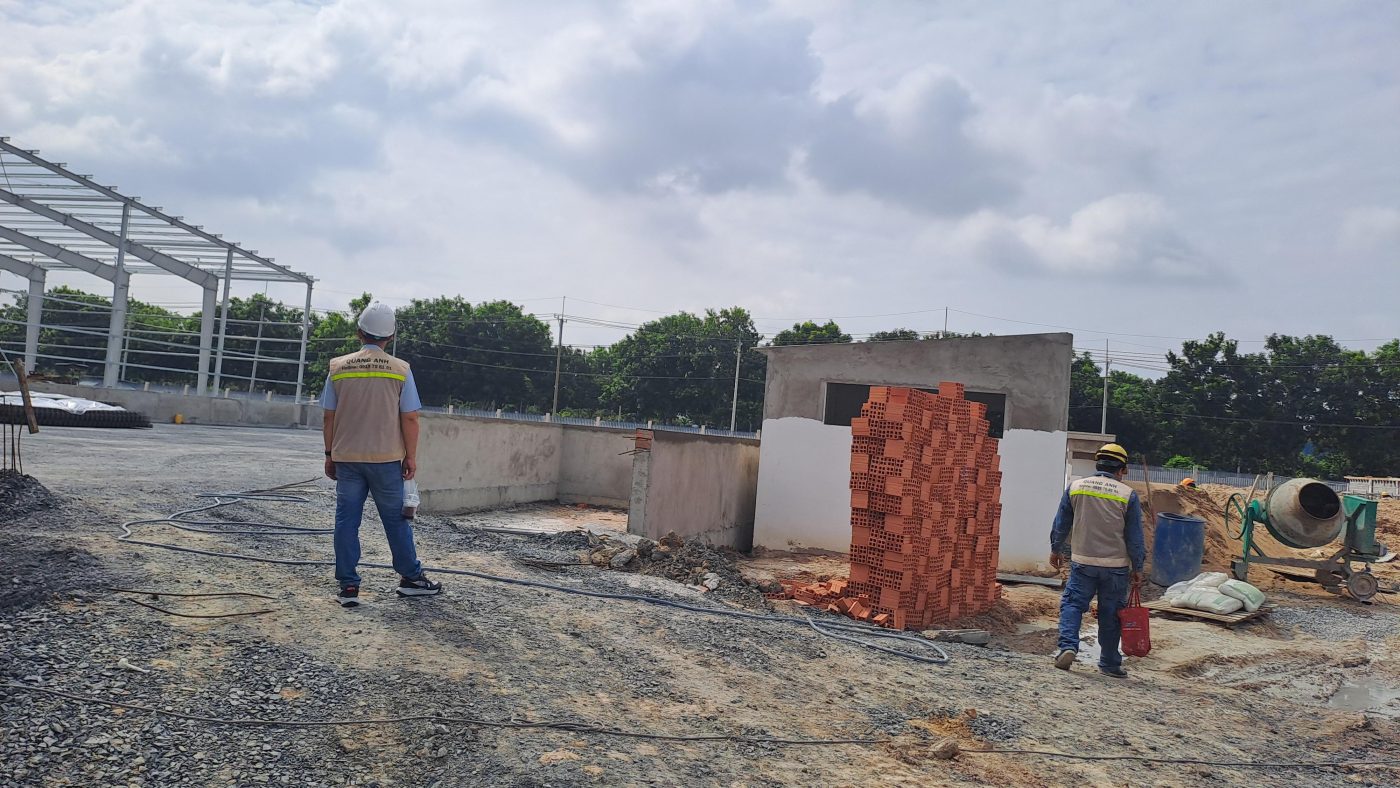
Learn about the various factors influencing MEP contractor pricing, including pricing methods and market fluctuations.
Factors Affecting MEP Contractor Pricing
The most critical aspect in MEP contractor pricing involves costs associated with materials, labor, and technology application. Labor and material costs may vary based on location and specific timeframes. A thorough project survey ensures precise technical requirements, directly impacting pricing.
Comprehensive evaluation is necessary for MEP projects to determine and control costs effectively. Essential factors include contractor experience and capabilities. Evaluating the electrical workforce’s skill levels—from skilled workers to seasoned design engineers—plays a crucial role in assuring project quality and efficiency.
Reliability and legal status of the contractor are also essential. Contractors must possess necessary legal documentation and robust financial stability for smooth project execution.
Regarding execution timelines and pricing, adhering to project deadlines helps avoid unforeseen expenses. Choosing the right pricing and quality industrial materials can significantly affect total costs.
Geographical location and logistics can impact transportation costs and infrastructure access, influencing both the project’s timeframe and overall costs. These considerations are essential when assessing electrical costs for each specific project.
Applied MEP technologies may demand special materials or advanced technology, affecting and increasing total contractor expenses. High-quality and safety standards generally require additional material and technology investments, directly impacting construction costs.
Finally, detailed technical drawings are crucial during the project execution process. These drawings ensure accuracy and support assembly and inspection phases, establishing a strong foundation for each project stage.
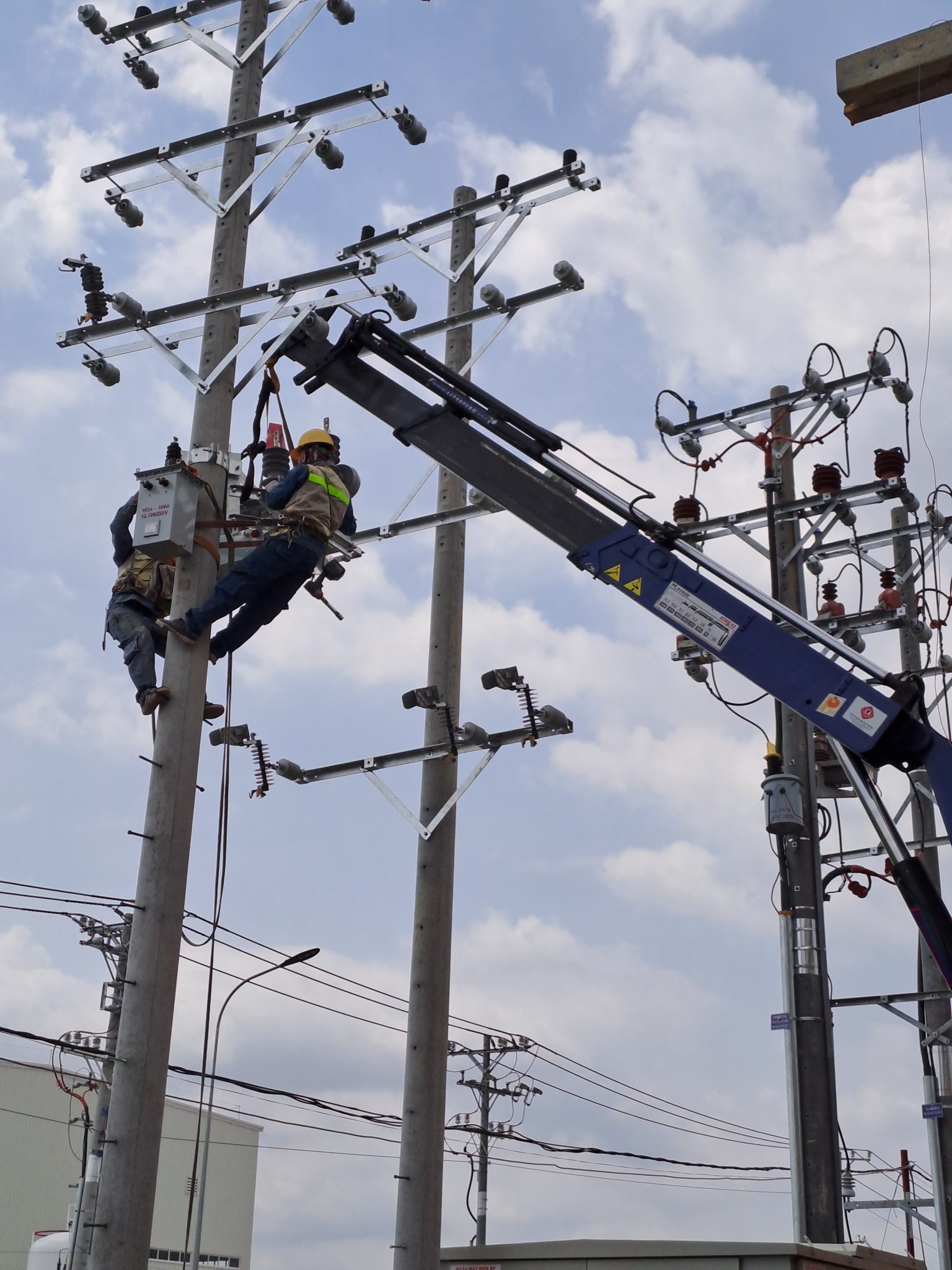
Pricing Methods and Execution Contracts
To provide accurate MEP contractor pricing, the contractor must implement optimal pricing methodologies, including detailed analysis of each category and referencing previous estimates. Execution contracts should clearly outline terms related to schedules, quality standards, and rights of all parties involved.
Pricing methods and execution contracts are crucial for transparency and effectiveness in managing construction projects. These are thoroughly regulated through governmental documents and circulars significantly impacting pricing and contract adjustments.
Execution contract pricing, as the cost owners commit to paying contractors, must incorporate all expenses including materials, labor, machinery, general costs, and taxes. The most prevalent form is the fixed-price contract, where prices remain unchanged except for force majeure or scope changes. Alternatively, fixed or adjustable unit prices may apply per project agreement.
Fixed-price contracts remain a key focus. They ensure financial stability for projects; however, clear agreements are critical to avoid legal issues or unexpected expenses.
Pricing methods and contract price adjustments form a systematic process. The use of price adjustment coefficients is widely adopted. According to Circular No. 07/2016/TT-BXD, transparent calculation formulas allow flexible price adjustments based on market fluctuations in materials, labor, and machinery. This enables both contractors and investors to manage financial risks effectively, ensuring project progress and quality.
Execution contracts should be detailed, including comprehensive details about volume, quality, execution timelines, and terms for payments and advances. Legal conditions must clearly define rights and responsibilities of each party, handling incidents and price adjustments to protect legal rights and ensure accountability.
In today’s competitive construction environment in Vietnam, the application of precise pricing methods and effective execution contracting is critical to project success.

Technical Factors and Market Changes
Technical aspects like new technologies, construction standards, and specific project requirements impact MEP contractor pricing. Market fluctuations due to supply and demand can also affect labor and material costs.
In any market, including stock and energy markets, understanding technical factors and market changes is essential. Business leaders, in particular, must grasp principles and technical analysis tools to make informed decisions. Below is how technical analysis and forecasting are used.
Charts and Candlestick Patterns
Foundational in technical analysis, charts and candlestick patterns aid investors in tracking and predicting trends. Notable patterns like “Hammer” and “Morning Star” signal optimistic reversals, especially when accompanied by high trading volume.
Trading Volume
Trading volume reveals market interest and cash flow support. Increasing volume often accompanies stock price rises, while declining volume with rising prices may indicate lost growth momentum.
Trend Lines
An indispensable tool, trend lines help identify resistance and support levels. An upward trend signals buying opportunities, while a downward trend suggests selling. Trend line reliability increases with more touchpoints.
Moving Averages (MA)
MA aids in determining trends through average stock prices over a period. MA fluctuations create significant support and resistance levels, guiding investment strategy.
MACD (Moving Average Convergence Divergence)
This indicator not only identifies trends but also detects reversal signals. MACD crossing the signal line may indicate a new trend, providing cues for trades.
Bollinger Bands
With three main lines, Bollinger Bands determine volatility and price trends. Price in the lower band often suggests a downturn, while the upper band indicates an uptrend.
When effectively analyzed and combined, these technical elements offer significant value in understanding and controlling market fluctuations, optimizing investment decisions.

Understanding influential factors and pricing methods aids in optimizing project costs, safeguarding party interests, and enhancing MEP investment strategy effectiveness.
Contact QuangAnhcons via Hotline: +84 9 1975 8191 for further information and detailed support about MEP contractor pricing.
QuangAnhcons offers reliable MEP consulting and execution services, with a professional technical team ready to assist from project survey to implementation.
[contact-form-7 id="7239967" title="Contact form 1"]
Related Posts
Substation Interconnection Documentation: A Practical Preparation Guide for Investors
A hands‑on guide for investors and M&E engineers on the information groups needed in substation [...]
May
Transformer Substation Construction Quote: Cost Components & Key Cost Drivers
Guidance for breaking down a transformer substation construction quote: main cost groups and the common [...]
May
Substation Solutions for Factories: Investing and Implementation Strategies
Overview of factory substations: when to invest, key components, execution processes, documentation, and selecting the [...]
Apr
Transformer Repair in Ho Chi Minh City: When Immediate Action Is Required
Discover signs of transformer damage, diagnostic methods, on-site handling processes, and criteria for selecting repair [...]
Apr
Transformer Repair: Process, Diagnosis, and Decision-Making
Hướng dẫn sửa chữa máy biến áp cho nhà máy: nhận biết dấu hiệu hỏng, [...]
Apr
24-Hour Transformer Repair: Efficient Solutions and Reliable Power Restoration
Khung xử lý sửa chữa máy biến áp 24h cho nhà máy: nhận biết sự [...]
Apr
Common Mistakes in Transformer Station Construction Leading to Extra Costs
Các sai lầm khi làm trạm biến áp thường không nằm ở một hạng mục [...]
Apr
Comprehensive Guide to Acquiring Used Transformers
Góc nhìn kỹ thuật về thu mua TBA cũ: cách đánh giá hiện trạng, hồ [...]
Apr
Comprehensive Transformers Maintenance for Industrial Plants
Tổng quan dịch vụ bảo trì trạm biến áp nhà máy: lịch bảo dưỡng, thí [...]
Apr
Transformers: Assessing and Safely Handling Used Transformers
Khung đánh giá máy biến áp cũ theo tình trạng kỹ thuật, dầu cách điện, [...]
Apr
How Proactive Transformer Maintenance Minimizes Business Risks
Nhìn từ góc độ vận hành nhà máy, bảo trì chủ động trạm biến áp [...]
Apr
Comparing Oil and Dry Transformers in Industrial Projects
Distinguish between oil and dry transformers based on installation site, safety, maintenance, energy losses, initial [...]
Mar
Electrical Overload Warning Signs in Factories
Recognize early indicators of factory electrical overload such as voltage drops, overheating equipment, circuit breaker [...]
Mar
Risks of Overloading Industrial Transformers Without Upgrades
Keeping the same low-voltage transformer while increasing factory loads can result in overheating, insulation degradation, [...]
Mar
Evaluating and Implementing Transformer Contractors in Tay Ninh
Criteria for selecting transformer substation contractors in Tay Ninh, EPC scope, and factors affecting project [...]
Mar
Comparing Oil and Dry Transformers for Industrial Applications
Examine oil and dry transformers based on installation location, fire safety, maintenance, energy loss, investment [...]
Mar
Comprehensive 1500kVA Transformer Station Budget for Manufacturing Facilities
Guidance for creating a detailed budget list for a 1500kVA transformer station, including medium voltage [...]
Mar
Comprehensive Transformer Station Pricing: Elements and Considerations
Examine key components in comprehensive transformer station pricing including design, equipment, construction, testing, and connection [...]
Mar
Pricing Guide for 4000kVA Transformer Stations: Configuration, Cost, and Investment Process
An overview of configuration, cost estimates, connection approaches, and investment checklists for 4000kVA transformer stations [...]
Mar
Pricing and Setup of 3200kVA Transformer Stations: Configuration, Costs, and Investment Procedure
Explore the pricing structure for a 3200kVA transformer station, primary equipment configuration, cost variables, EVN [...]
Mar