

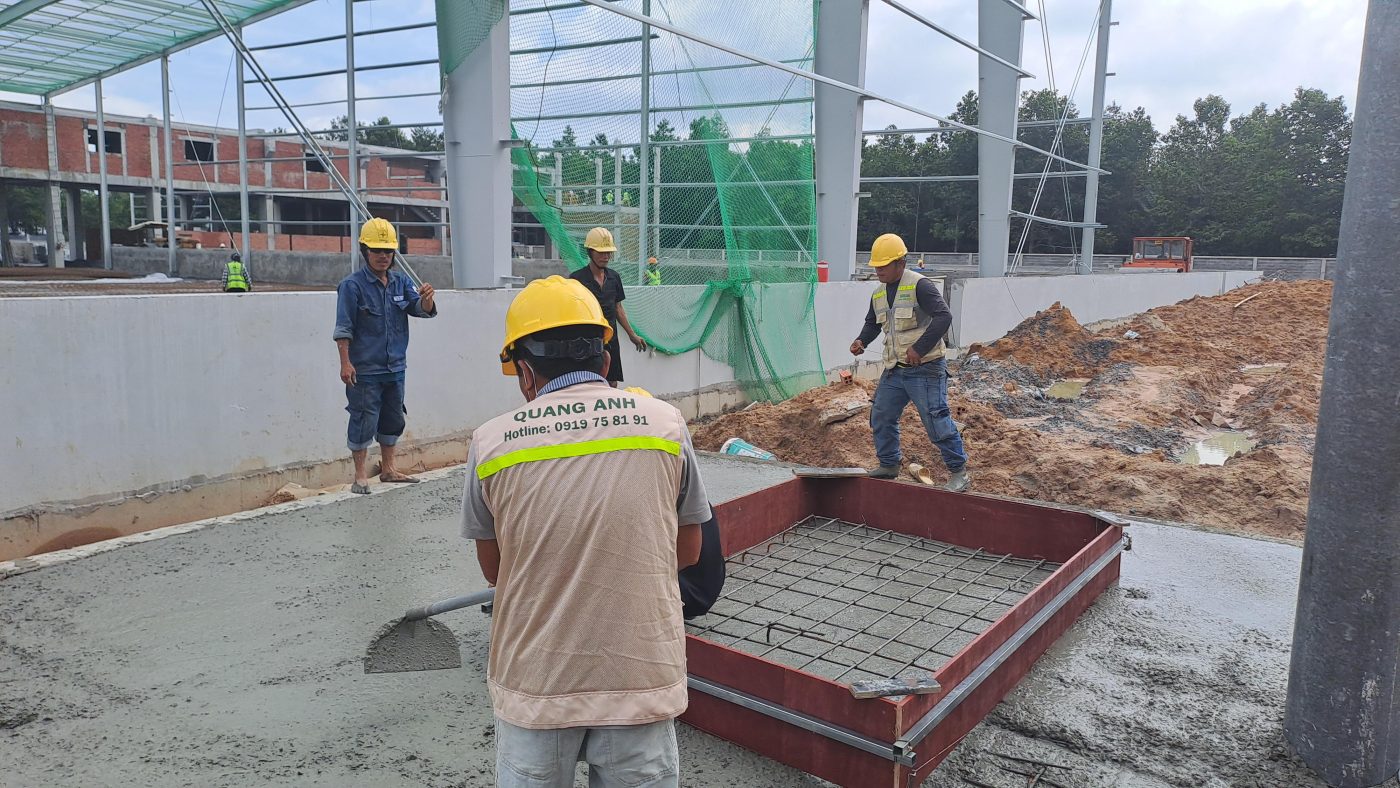
Industrial electrical installation is crucial in setting up an effective and safe electrical system that boosts production capabilities.
Overview of Industrial Electrical Installation
Precision and strict adherence to safety standards are essential in industrial electrical installation. It’s a pivotal step in ensuring stable operation and meeting the plant’s power demands.
Electrical installation plays a vital role in the construction of manufacturing facilities, ensuring effective and safe operations. It requires a methodical approach through specific stages:
- Survey and Design:
- Assess existing electrical systems: Evaluate equipment and technical conditions.
- Locate and calculate energy consumption: Determine the power needs of machinery and equipment.
- Design the electrical system: Develop detailed plans, choosing equipment from reputable brands like ABB, Mitsubishi, LS, Eaton, and Schneider suitable for the facility.
- Installation and Setup:
- Install main power cables: Set up power cables from transformers to the plant, either above ground or buried.
- Install cable trays: Set up cable trays to manage and protect wiring.
- Install electrical equipment: Includes main distribution panels (MSB), circuit breakers (MCCB), air circuit breakers (ACB), and motor control systems.
- Commission and Test:
- Check and trial run the system: Ensure stable and efficient operations.
- Finalize and handover: Meet customer requirements and gather feedback.
Key Components
- Ensure safety for workers and equipment: Strictly follow safety standards to ensure no hidden risks in the production environment.
- Efficiency and stability: Continuous operation and energy efficiency of the system.
- Optimize operating costs: Use appropriate wiring to minimize energy loss.
Design and Construction Standards
- Comply with technical regulations: Design and construction systems must meet safety and performance standards.
- Essential components not to be missed:
- Main power cables.
- Cable trays.
- Key equipment like MCCB, ACB.
Industrial electrical installation involves a comprehensive process from survey, design, installation, commissioning to maintenance, aiming for safety, efficiency, and cost optimization.
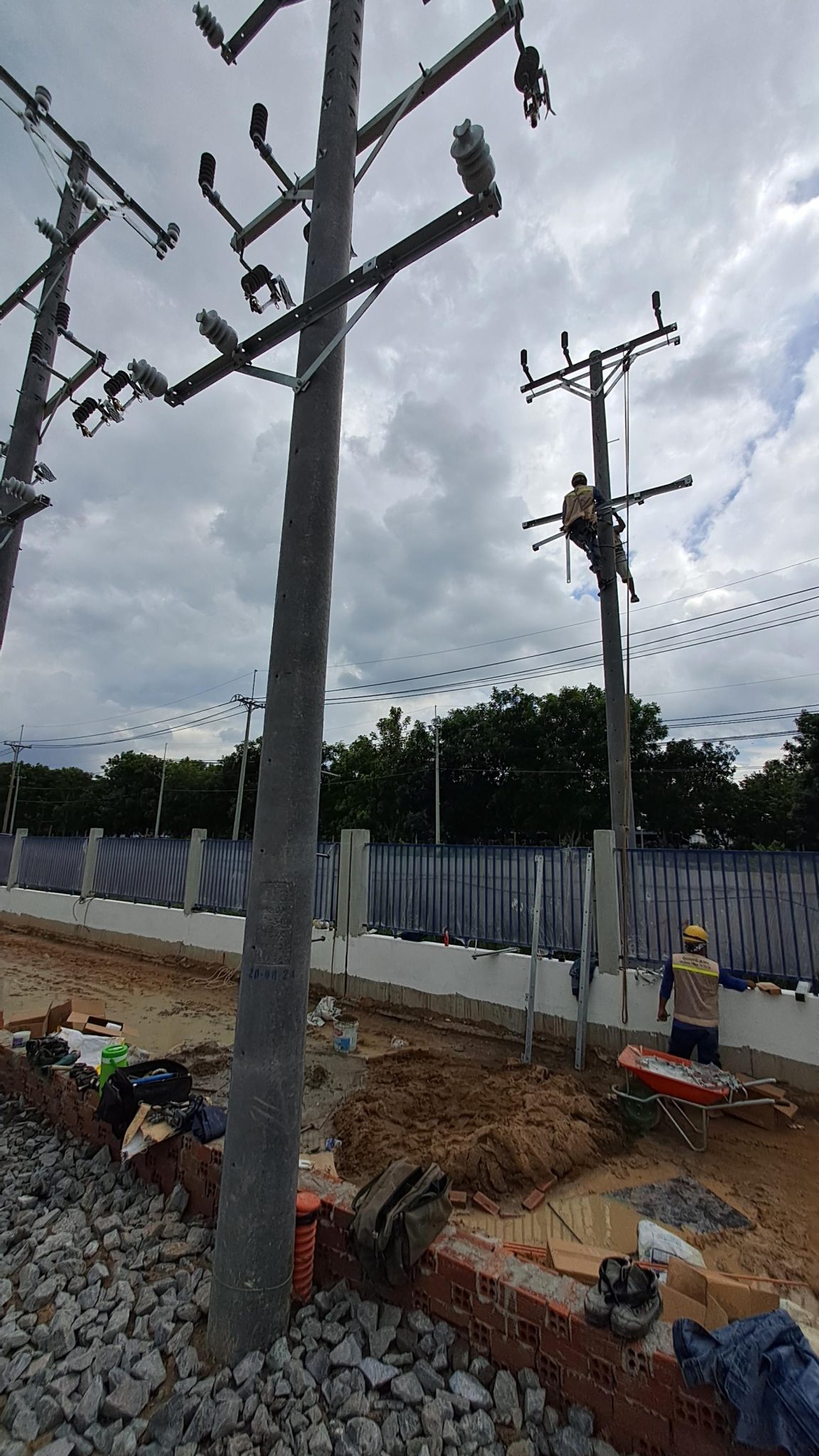
Detailed Process of Electrical Installation
The industrial electrical installation process starts by surveying existing systems and identifying upgrade needs. Followed by positioning electrical equipment and calculating consumption to efficiently design the industrial electrical system. The next steps involve installing power cables and cable trays with protective equipment to ensure safe operations.
-
Survey and Design
- Assess existing electrical systems: This initial step evaluates current conditions and identifies necessary modifications or upgrades.
- Develop electrical system designs: Create detailed designs based on electrical use and national safety standards (TCVN).
-
Select and Prepare Equipment
- Determine necessary power supply: Calculate required power and select suitable electrical equipment like ABB cabinets and Cadivi cables.
- Select electrical equipment: Choose essential electrical components such as cabinets, wires, cables, ensuring safety standards are met.
-
Installation Setup
- Install protective tubes and cables: Ensure all cables are protected following technical standards, vital for long-lasting operations.
- Install electrical cabinets and devices: Install approved designs of Mitsubishi panels to ensure safety and performance.
- Install main power cables: Set up the core power cable system for the entire setup, requiring precise standards adherence.
-
Connection and Inspection
- Connect and test electrical devices: Execute connections with technical accuracy for system safety.
- Check and experiment: Conduct system trials to ensure functional and safety standards are met.
-
Commissioning and Warranty
- System commissioning: Post-test, commission to verify system compliance with outlined specifications.
- Warranty and maintenance: Regular inspections and maintenance ensure system readiness and adhere to safety standards.
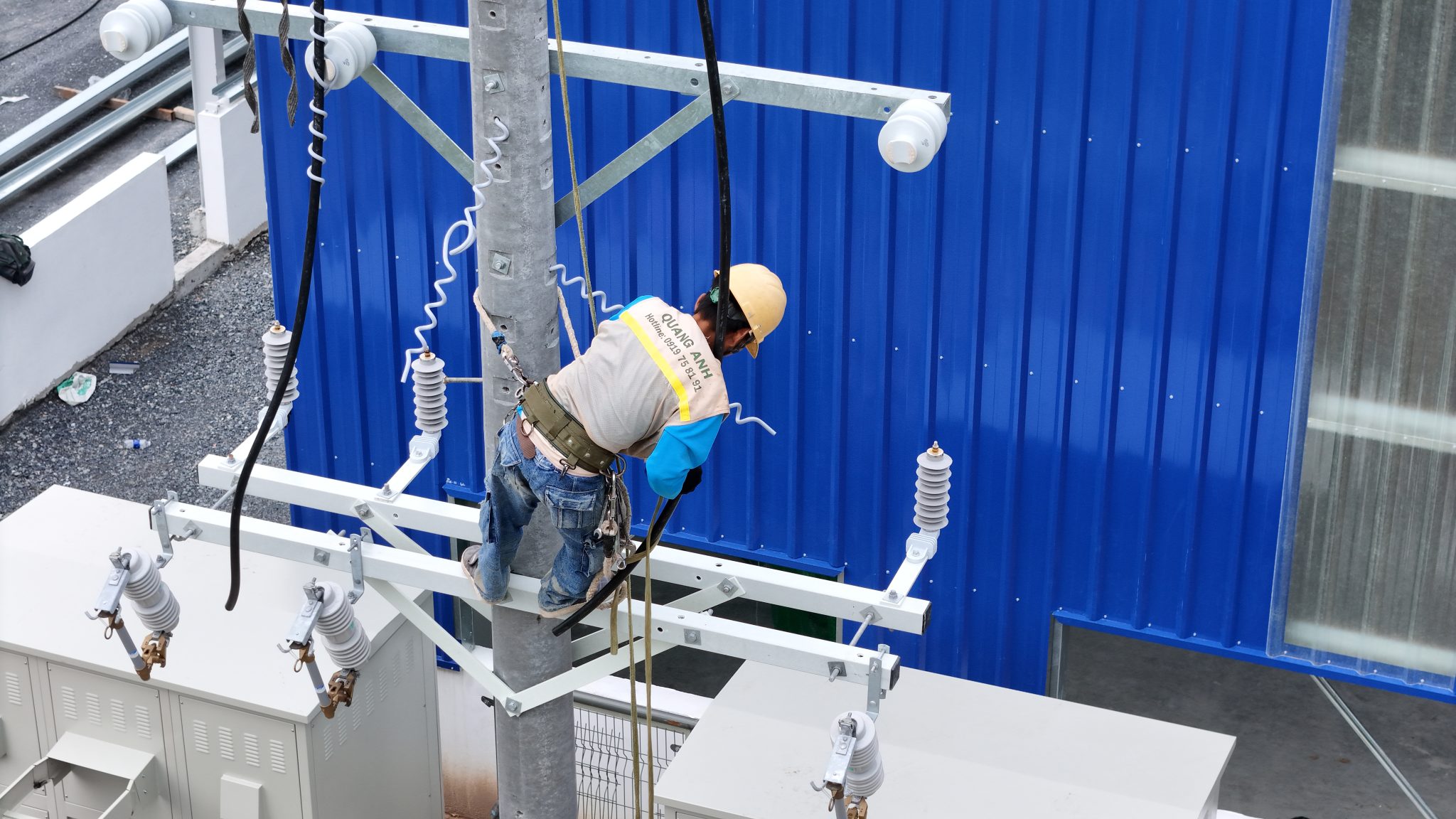
Safety Considerations in Electrical Installation
Ensuring electrical safety during installation requires adherence to safety norms, using personal protective gear, and technical training for staff. Every procedure needs to minimize risks and maintain safe working conditions.
In electrical installations, safety is paramount. The first step is designing a system that meets energy demands and project-specific conditions. Selecting the proper electrical layout ensures the capacity and demands are met, which helps lower risks.
Basic electrical safety involves measures like avoiding contact with water, ensuring power is off before repairs, and using voltage testers. These practices safeguard workers’ health and life.
Protecting electrical wires is essential. Using protective tubes and insulating tape on exposed ends helps prevent water ingress and electric shock risks.
Choosing equipment capable of handling specific conditions requires ensuring compatibility with technical and environmental characteristics. A detailed electrical network schema and general circuit breaker installation allow quick disconnection when needed.
Wearing electrical protective gear such as insulated gloves and safety goggles is crucial for worker safety. Additionally, regular electrical checks and system maintenance help preempt unexpected incidents and maintain operational efficiency.
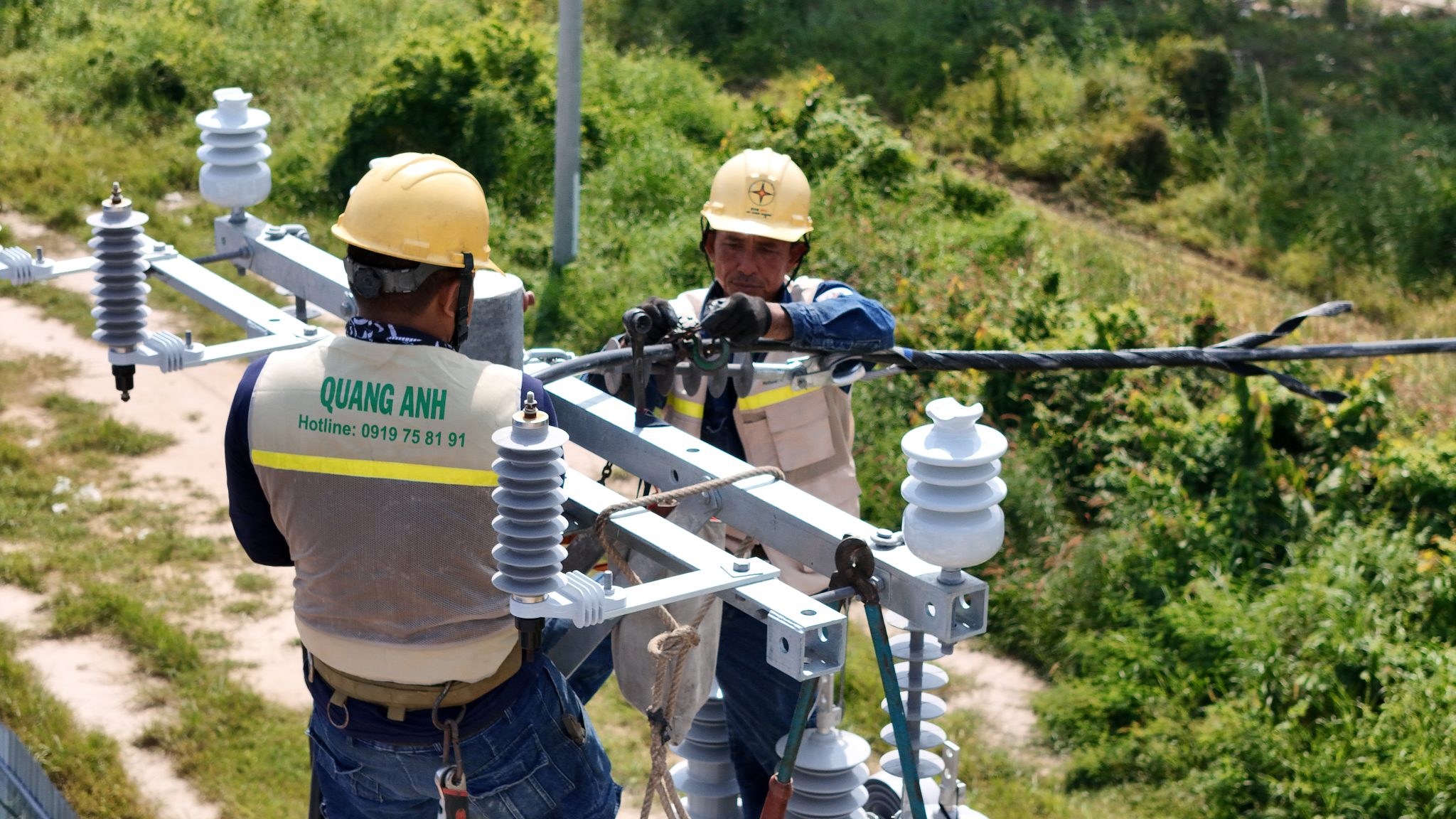
Industrial electrical installation does not merely ensure efficient operations; it significantly contributes to an enterprise’s sustainable development strategies. Designed processes optimize the electrical system, ensuring safety and effectively meeting power consumption needs.
Contact QuangAnhcons at Hotline: +84 9 1975 8191 for detailed consultation on industrial electrical installation.
QuangAnhcons offers industrial electrical installation services with an experienced engineering team to ensure safety and efficiency in industrial electrical systems.
[contact-form-7 id="7239967" title="Contact form 1"]
Related Posts
Comparing Oil and Dry Transformers in Industrial Projects
Distinguish between oil and dry transformers based on installation site, safety, maintenance, energy losses, initial [...]
Mar
Electrical Overload Warning Signs in Factories
Recognize early indicators of factory electrical overload such as voltage drops, overheating equipment, circuit breaker [...]
Mar
Risks of Overloading Industrial Transformers Without Upgrades
Keeping the same low-voltage transformer while increasing factory loads can result in overheating, insulation degradation, [...]
Mar
Evaluating and Implementing Transformer Contractors in Tay Ninh
Criteria for selecting transformer substation contractors in Tay Ninh, EPC scope, and factors affecting project [...]
Mar
Comparing Oil and Dry Transformers for Industrial Applications
Examine oil and dry transformers based on installation location, fire safety, maintenance, energy loss, investment [...]
Mar
Comprehensive 1500kVA Transformer Station Budget for Manufacturing Facilities
Guidance for creating a detailed budget list for a 1500kVA transformer station, including medium voltage [...]
Mar
Comprehensive Transformer Station Pricing: Elements and Considerations
Examine key components in comprehensive transformer station pricing including design, equipment, construction, testing, and connection [...]
Mar
Pricing Guide for 4000kVA Transformer Stations: Configuration, Cost, and Investment Process
An overview of configuration, cost estimates, connection approaches, and investment checklists for 4000kVA transformer stations [...]
Mar
Pricing and Setup of 3200kVA Transformer Stations: Configuration, Costs, and Investment Procedure
Explore the pricing structure for a 3200kVA transformer station, primary equipment configuration, cost variables, EVN [...]
Mar
Cost Estimation for 2500kVA Transformer Station: Configuration, Expenses, and Investment Process
Reference framework for quoting a 2500kVA transformer station based on configuration, station type, cable solutions, [...]
Mar
2000kVA Transformer Station Guide: Configuration, Costs, and Investment Process
Discover key aspects of a 2000kVA transformer station: from technical configuration and cost analysis to [...]
Mar
Pricing and Configuration Guide for 1600kVA Substations
A detailed guide on pricing for 1600kVA substations, including equipment specs, connection costs, EVN procedures, [...]
Mar
Comprehensive Guide to 1500kVA Substation Pricing: Configuration, Costs, and Investment Process
A comprehensive overview of configurations, costs, construction methods, connection procedures, and contractor selection for 1500kVA [...]
Mar
Tay Ninh Solar Power Planning: Technical Framework, Grid Interconnection, and Rollout Roadmap
Technical overview of solar planning in Tay Ninh: irradiation, grid capacity, permitting, design, operations, and [...]
Dec
Binh Duong Solar Planning: Regulatory Framework, Grid Interconnection, and an Implementation Roadmap for Factories and Industrial Parks
An overview of Binh Duong solar planning: legal framework, interconnection, design, risk management, and an [...]
Dec
Solar Farm Repair: O&M Workflow, IV Curve Diagnostics, Thermography, Inverter Service and Utility-Scale Safety
A utility-scale solar farm repair plan centered on O&M, IV curves, thermal imaging, inverter service, [...]
Dec
Dong Nai Solar Power Plan 2023–2025: Tri An 1,029 MW, Grid Upgrades and the DPPA Pathway
A complete look at Dong Nai’s solar power plan: Tri An 1,029 MW, irradiation potential, [...]
Nov
Quang Ngai Solar Power Plan 2024–2030: Legal Framework, Irradiance Potential, and Development Roadmap
A complete look at Quang Ngai’s solar power plan: capacity targets, irradiance (PVout), development zones, [...]
Nov
Solar Damage Assessment Services: On-Site Procedures, EL/IV/Thermography Testing & Compliance with Standards
Discover IEC/UL/NEC standard solar damage assessment processes: on-site evaluation, EL and IV curve testing, thermal [...]
Nov
Comprehensive Package Estimate for a 1800MVA 500kV Substation: Scope, Configuration 3x600MVA, Standards and Timeline Management
An overview of the 1800MVA 500kV substation estimate: construction scope, configuration 3x600MVA, GIS/AIS, SCADA, standards, [...]
Nov