

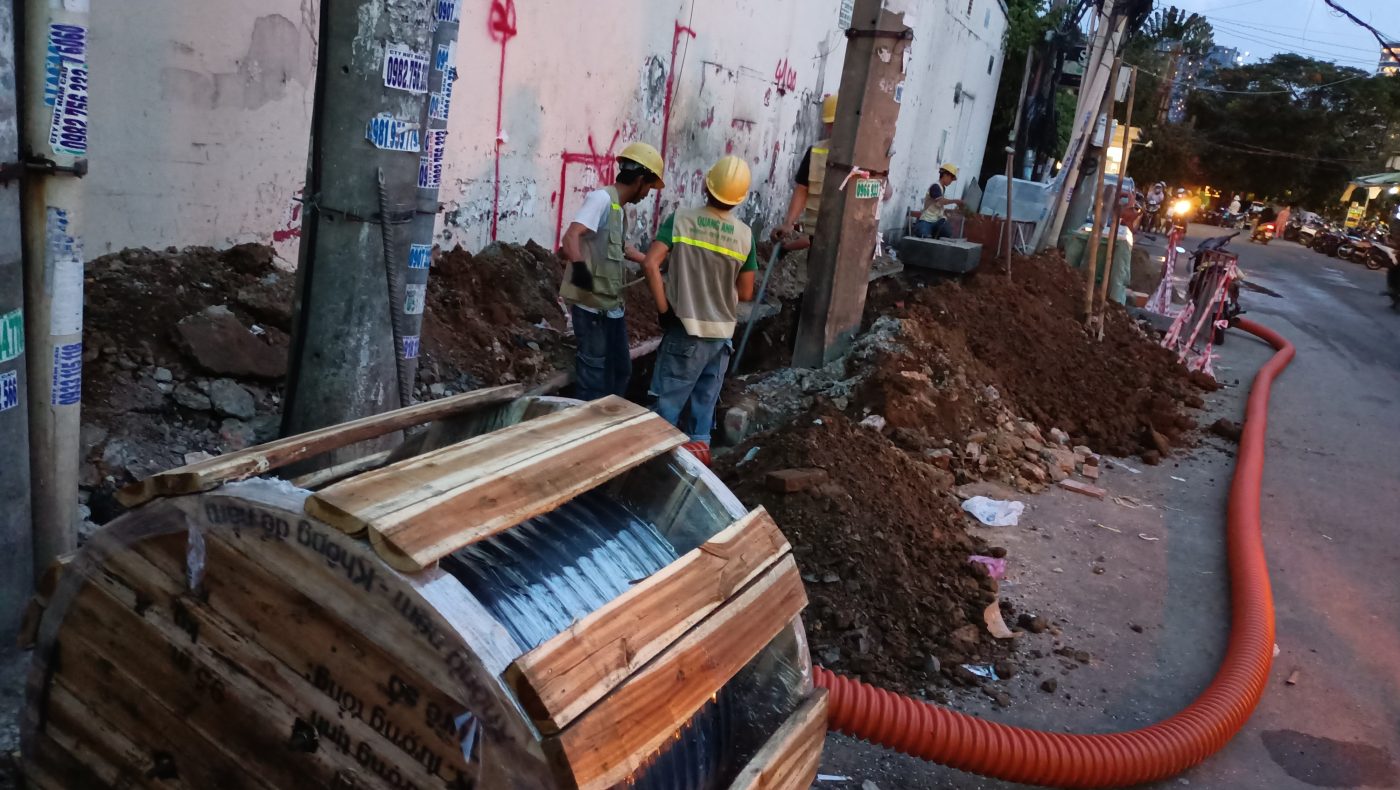
Industrial electrical contractors play a pivotal role in the design, construction, and upkeep of industrial electrical systems. Adapting to technological advancements while adhering to technical and legal standards is crucial. This article delves into key aspects of industrial electrical contractors.
The Role of Electrical Contractors in Industrial Parks
Contractors are tasked with designing and implementing electrical systems that ensure safe and stable operations within industrial zones. Adhering to stringent industrial electrical standards helps mitigate risks in production and operational phases.
Contractors are crucial in industrial zones by designing and executing plans for electrical systems, thereby enhancing production efficiency and safety. Compliance with rigorous industrial electrical safety standards ensures systems are installed with minimal risk.
- Designing and Executing Electrical Systems: Contractors are responsible for planning and implementing electrical systems, including wiring, switchboards, transformers, and other equipment, leveraging technology from major brands like ABB, Schneider, and Mitsubishi.
- Ensuring Safety and Efficiency: Their role transcends mere construction. They ensure optimal operational efficiency through adherence to industrial electrical safety standards, limiting risks of power shorts and related accidents.
- Cost and Schedule Optimization: Efficient cost management is integral to their work, selecting optimal materials and equipment to avoid waste and keep projects on schedule.
- Technology Development and Upgrade: Staying ahead of new electrical innovations is key, continuously optimizing systems to meet increasing industrial energy demands.
- Maintenance and Repair: Regular maintenance and prompt repair services ensure system reliability, minimizing factory downtime.
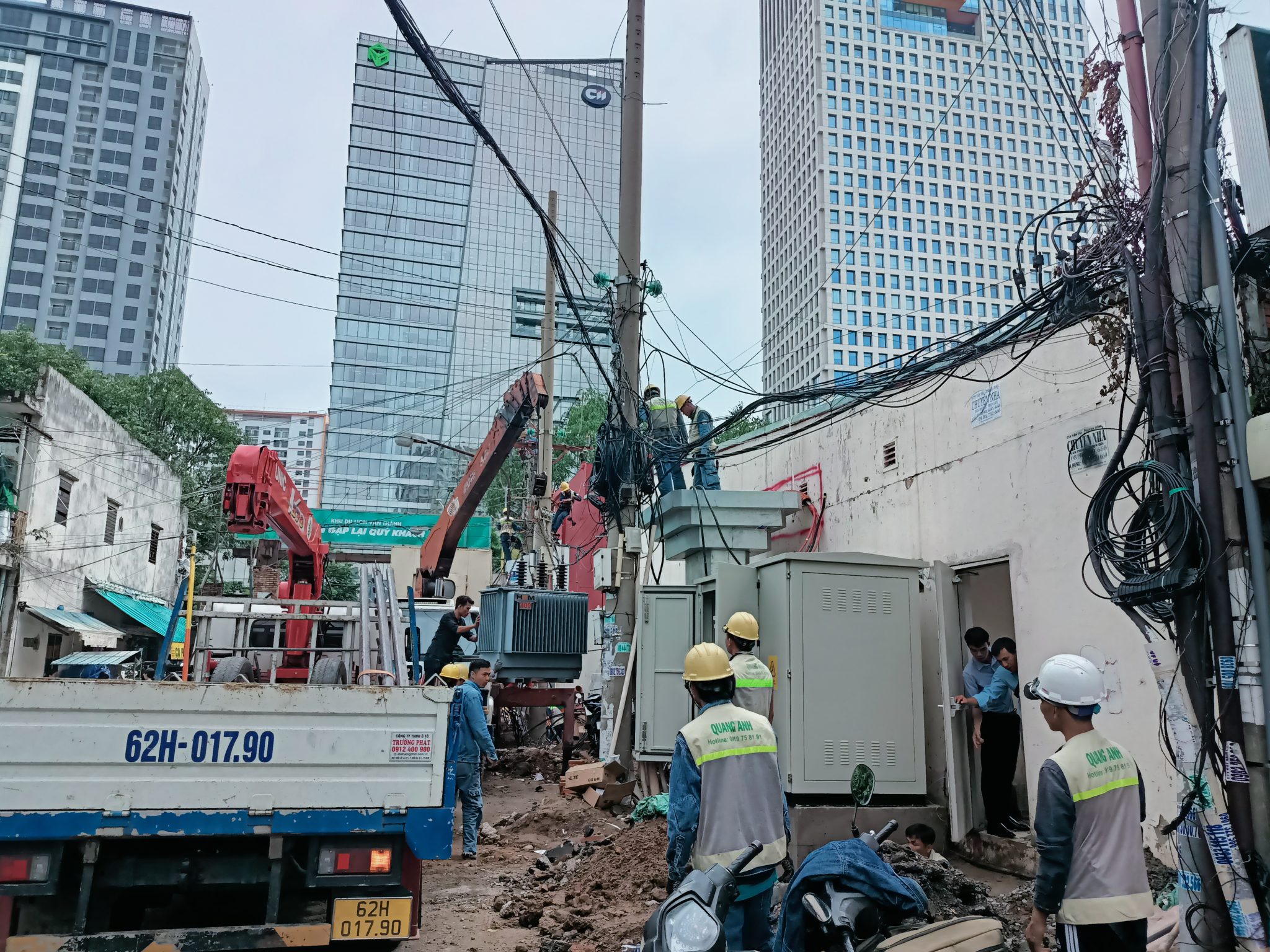
Electrical System Installation in Industrial Parks
Installing electrical systems in industrial settings demands precision and caution. Every phase, from detailed designing through execution, must adhere to safety and performance standards.
The process necessitates thorough preparation and detailed execution to ensure maximum safety and operational efficacy, detailed through critical steps:
- Equipment Preparation and Site Survey
- Prepare complete necessary equipment, using materials from reputable brands like ABB, Mitsubishi, Schneider, and LS, ensuring quality during electrical installation.
- Conduct detailed site surveys to align project requirements with realities, enabling strategic electrical system implementation.
- Electrical System Design
- Create detailed electrical system designs with comprehensive schematics to illustrate the projected system structure and layout.
- Installation Execution
- Conduct industrial electrical installations per approved schematics, adhering to technical and safety standards at every step.
- Inspection and Testing
- Test systems rigorously to ensure stability before transferring ownership.
- Receive client feedback post-completion for systematic closure.
- Installation Considerations
- Prioritize worker and equipment safety, ensuring optimized operational and energy use costs.
- Strict compliance with industrial electrical installation standards is critical.
- Standards and Legislation
- Maintain compliance with technical and safety regulations; systems require authoritative approval.
- Management and Maintenance
- Effective industry electrical management sustains continuous operation sustainability.
- Routine industrial electrical maintenance ensures optimal performance longevity.
System installation hinges on seamless integration across phases, from equipment setup and design through execution and ongoing maintenance, ensuring efficient, safe system operations.
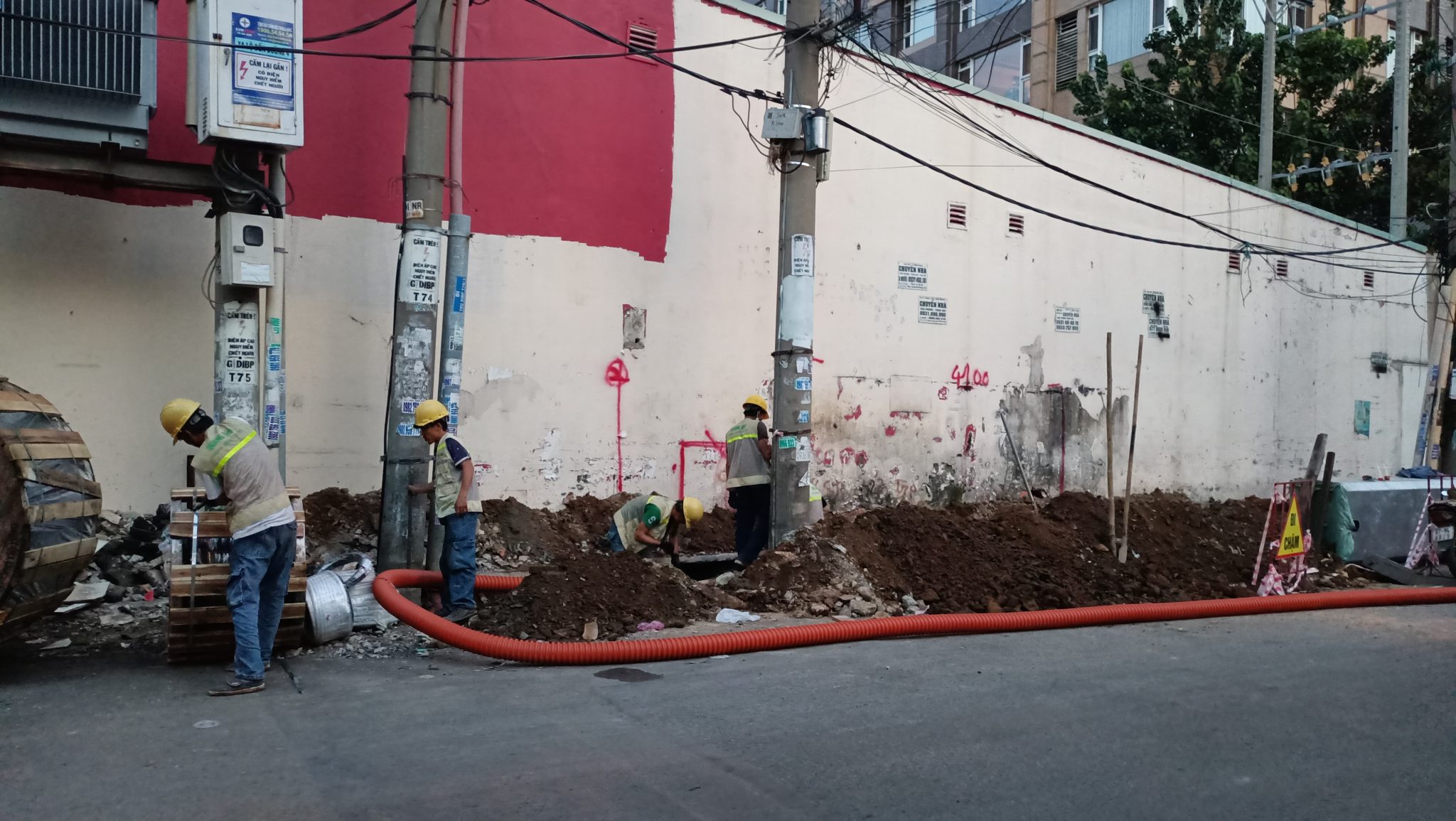
Management and Maintenance of Industrial Electrical Systems
Effective management and maintenance of industrial electrical systems are vital for consistent operation. Contractors must have strategic maintenance schedules and skilled teams for rapid incident response, ensuring maximum operational safety.
Managing and maintaining industrial electrical systems are cornerstones of performance and safety within an industrial environment. For business leaders and engineers, this process extends beyond necessity, forming an indispensable element for achieving optimal outcomes.
Purpose of Industrial Electrical Maintenance
Maintaining electrical equipment in an industrial setting fulfills three primary aims:
- Optimizing System Performance: Regular maintenance enhances the operation of equipment like generators and converters, ensuring product quality and efficiency, crucial for competitive production environments.
- Ensuring Industrial Electrical Safety: Well-maintained systems promptly identify and rectify issues, minimizing potential mishaps and safeguarding personnel and infrastructure.
- Cost Reduction: Scheduled maintenance addresses issues before they escalate, avoiding major repair expenses and extending equipment lifespan.
Process of Industrial Electrical System Maintenance
Industrial electrical system maintenance encompasses these critical steps:
- Preparation: Equip protective gear and tools, securing the maintenance area to uphold safety.
- Inspection and Analysis: Conduct comprehensive system evaluations to identify faults, such as leaks, and diagnose failure causes.
- Perform Maintenance: Execute cleaning, repairs, and component replacements, aligning with safety standards.
- Safety Testing and Recording: Conduct necessary tests, documenting maintenance procedures to facilitate rapid recovery.
- Training and Skill Development: Ensure continual training and knowledge updates for staff.
Maintenance Management
Efficient maintenance management requires clear planning and scheduling, ensuring tasks are timely executed for optimal system performance.
Standards and Regulations
Adhering to crucial standards like TCVN 8241-4-2, IEC 61000-4-2, TCVN 5699-1:2010 is vital during maintenance, ensuring the system operates safely and at the highest quality.
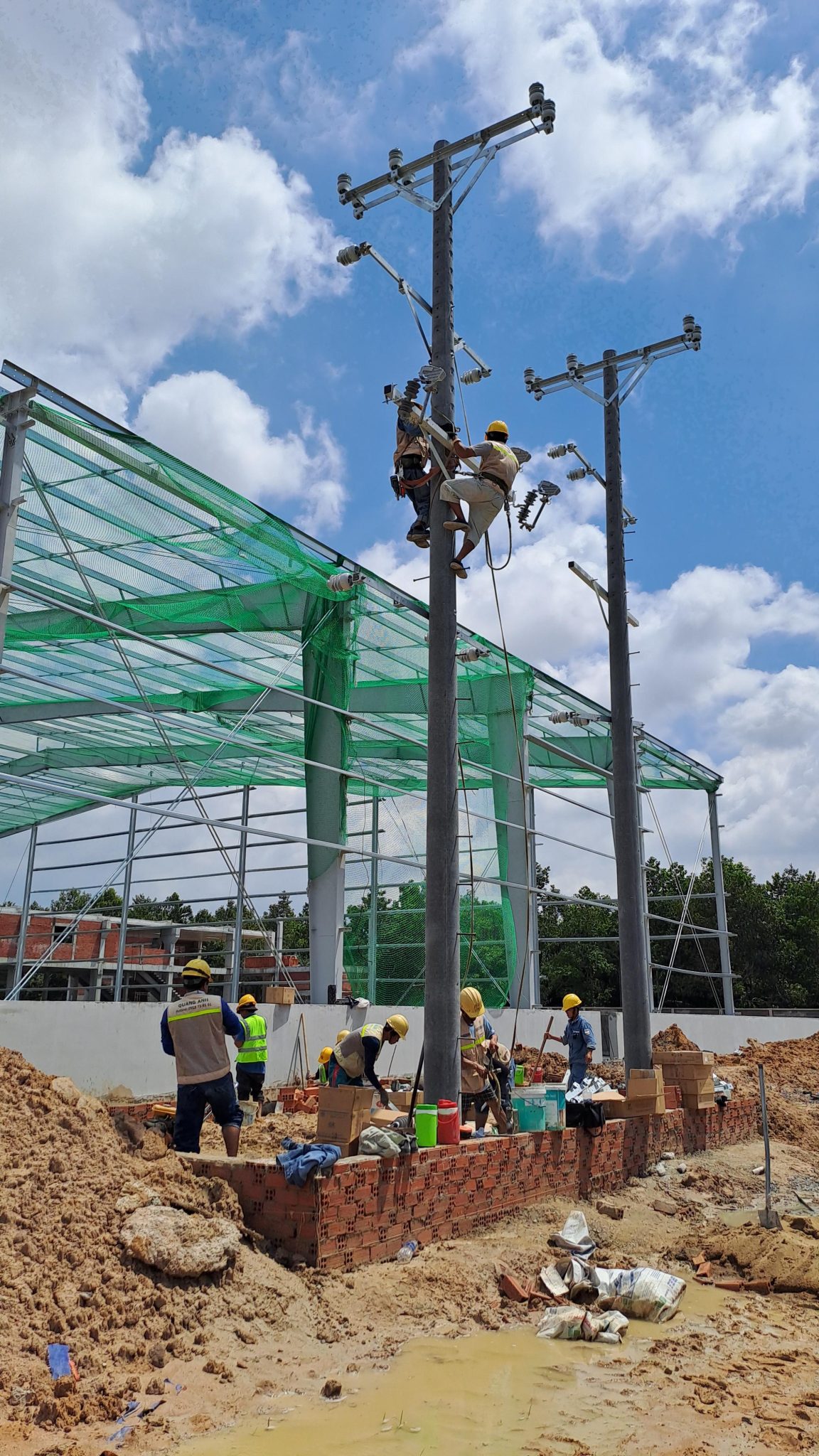
Technical Standards and Legal Compliance in Industrial Electrical Works
Conformity to technical standards and legal regulations is critical in electrical construction. Continuous updates on new regulations guarantee systems are both efficient and compliant.
Industrial electrical works in Vietnam are bound by numerous electrical standards and legal frameworks. National (TCVN) standards and technical regulations (QCVN) are pivotal in regulating the quality and safety of electrical installations.
National Standards (TCVN)
Adhering to TCVN standards is essential for safety and quality:
- TCVN 9206:2012 stipulates requirements for installing electrical equipment in establishments, promoting safety and efficacy.
- TCVN 9208:2012 details technical requirements for cable installations up to 24 kV, ensuring stability and safe operations within systems.
- TCVN 6454-1:1997 and TCVN 6454-2/3:1997 specify safety, environmental hygiene, and technical guidelines for choosing and installing electrical devices, wires, and cables.
Technical Regulations (QCVN)
In constructing and executing electrical projects, QCVN QTĐ 7:2009/BCT serves as a crucial technical regulation, encompassing necessary rules and guidelines for design and installation.
Legal Framework and Certifications
To operate legally and effectively, contractors must hold a business license and electrical construction capability certification. These not only fulfill legal prerequisites but also prove the contractor’s capacity and credibility.
Safety Requirements and Technical Team
Safety in industrial electrical work is non-negotiable. Basic precautions include equipment checks and personal protective equipment, ensuring zero accidents. A technically proficient and experienced team is indispensable for compliance with electrical and legal standards.
Strict adherence to technical and regulatory standards assures contractors and construction teams that electrical installations are safe and efficient.
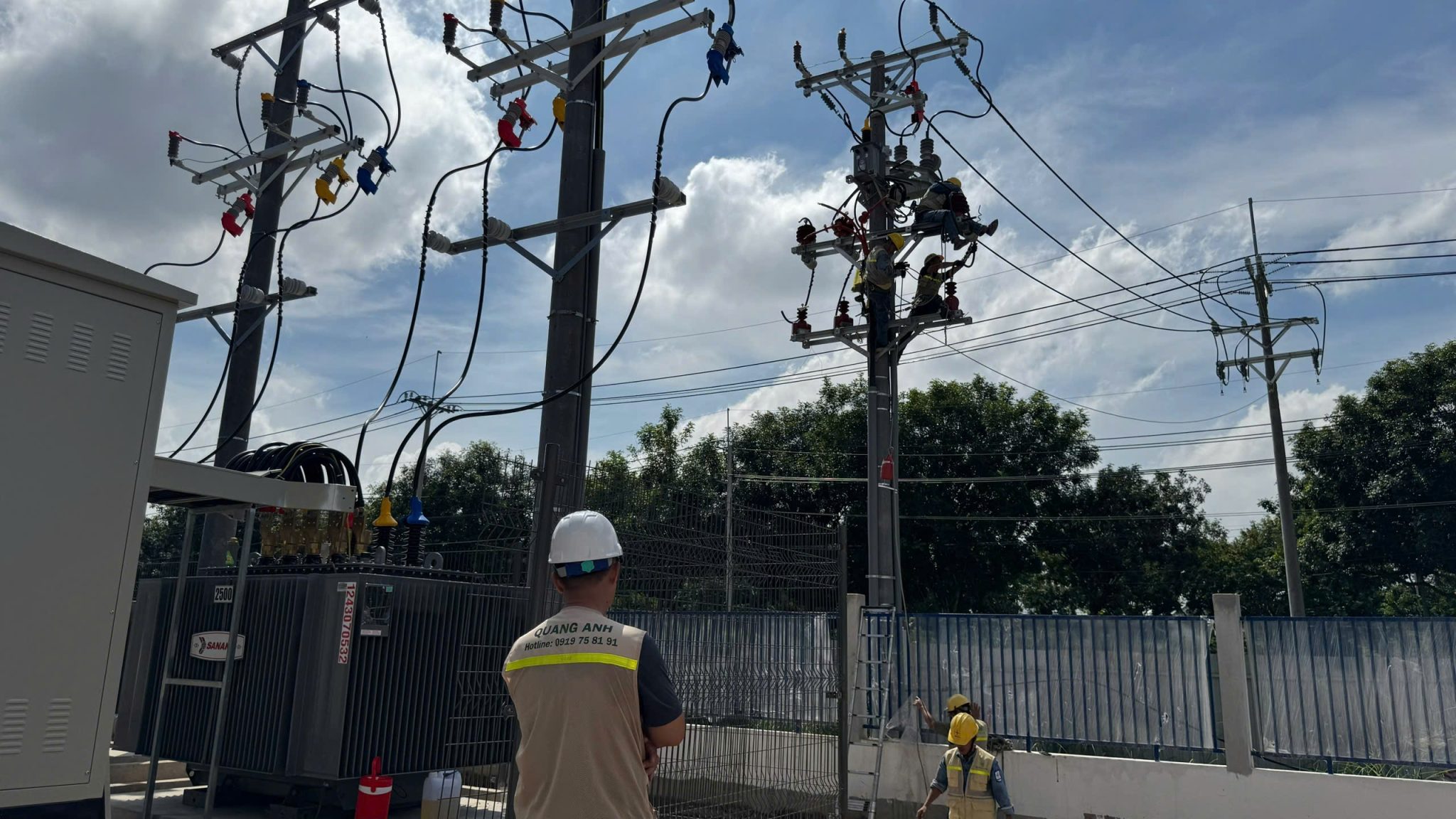
Emerging Technological Trends in Industrial Electricals
Industrial electrical technology is rapidly evolving, with new trends like automation and renewable energy adoption. Contractors must integrate these to maximize efficiency and cost savings.
Amid rising energy demands, the sector faces dynamic developments, ushering in notable 2025 trends.
A key focus is nuclear energy, where advanced reactor technologies and waste management improvements provide clean, steady energy, especially for data centers and AI systems, facilitating larger projects’ renewable integration.
Additionally, solar power technology sees breakthroughs with high-efficiency panels using advanced materials like hybrid perovskites and improved silicon, boosting performance and cutting production and installation costs, fostering global sustainability shifts.
Smart grids also play a pivotal role. Sensor advancements, IoT technology, and connectable devices are transforming our electrical grid management. These systems yield real-time performance insights, streamline maintenance management, and elevate service quality.
The rise of AI energy management emphasizes AI capability to process data and autonomously execute decisions and tasks, minimizing human intervention in energy management, and enhancing reliability and operating efficiency.
Lastly, sustainable technology targets core climate change issues. Enhancing energy efficiency through recycling, alternative technology development, and policy interventions is essential for mitigating impacts and securing future energy stability.
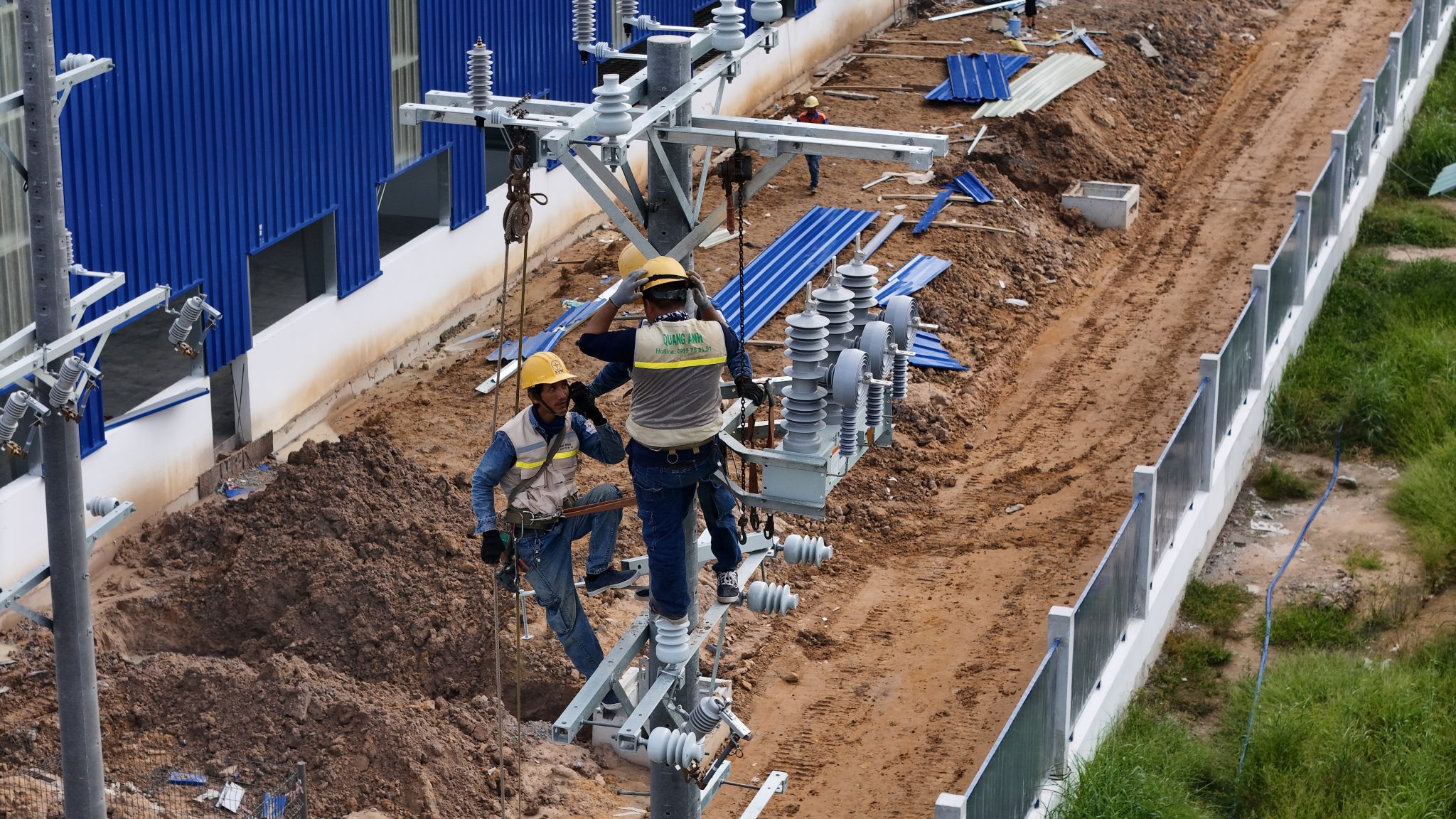
Industrial electrical contractors are indispensable in ensuring smooth system operations and form the cornerstone of a company’s sustainable growth strategy. Mastery of standards, effective maintenance management, and technological innovation are keys to optimizing performance and investment.
Contact QuangAnhcons via Hotline: +84 9 1975 8191 for advice and support on efficient industrial electrical solutions.
QuangAnhcons is dedicated to providing premium-quality design, construction, and electrical maintenance services that ensure stable and sustainable industrial park operations.
[contact-form-7 id="7239967" title="Contact form 1"]
Related Posts
Substation Interconnection Documentation: A Practical Preparation Guide for Investors
A hands‑on guide for investors and M&E engineers on the information groups needed in substation [...]
May
Transformer Substation Construction Quote: Cost Components & Key Cost Drivers
Guidance for breaking down a transformer substation construction quote: main cost groups and the common [...]
May
Substation Solutions for Factories: Investing and Implementation Strategies
Overview of factory substations: when to invest, key components, execution processes, documentation, and selecting the [...]
Apr
Transformer Repair in Ho Chi Minh City: When Immediate Action Is Required
Discover signs of transformer damage, diagnostic methods, on-site handling processes, and criteria for selecting repair [...]
Apr
Transformer Repair: Process, Diagnosis, and Decision-Making
Hướng dẫn sửa chữa máy biến áp cho nhà máy: nhận biết dấu hiệu hỏng, [...]
Apr
24-Hour Transformer Repair: Efficient Solutions and Reliable Power Restoration
Khung xử lý sửa chữa máy biến áp 24h cho nhà máy: nhận biết sự [...]
Apr
Common Mistakes in Transformer Station Construction Leading to Extra Costs
Các sai lầm khi làm trạm biến áp thường không nằm ở một hạng mục [...]
Apr
Comprehensive Guide to Acquiring Used Transformers
Góc nhìn kỹ thuật về thu mua TBA cũ: cách đánh giá hiện trạng, hồ [...]
Apr
Comprehensive Transformers Maintenance for Industrial Plants
Tổng quan dịch vụ bảo trì trạm biến áp nhà máy: lịch bảo dưỡng, thí [...]
Apr
Transformers: Assessing and Safely Handling Used Transformers
Khung đánh giá máy biến áp cũ theo tình trạng kỹ thuật, dầu cách điện, [...]
Apr
How Proactive Transformer Maintenance Minimizes Business Risks
Nhìn từ góc độ vận hành nhà máy, bảo trì chủ động trạm biến áp [...]
Apr
Comparing Oil and Dry Transformers in Industrial Projects
Distinguish between oil and dry transformers based on installation site, safety, maintenance, energy losses, initial [...]
Mar
Electrical Overload Warning Signs in Factories
Recognize early indicators of factory electrical overload such as voltage drops, overheating equipment, circuit breaker [...]
Mar
Risks of Overloading Industrial Transformers Without Upgrades
Keeping the same low-voltage transformer while increasing factory loads can result in overheating, insulation degradation, [...]
Mar
Evaluating and Implementing Transformer Contractors in Tay Ninh
Criteria for selecting transformer substation contractors in Tay Ninh, EPC scope, and factors affecting project [...]
Mar
Comparing Oil and Dry Transformers for Industrial Applications
Examine oil and dry transformers based on installation location, fire safety, maintenance, energy loss, investment [...]
Mar
Comprehensive 1500kVA Transformer Station Budget for Manufacturing Facilities
Guidance for creating a detailed budget list for a 1500kVA transformer station, including medium voltage [...]
Mar
Comprehensive Transformer Station Pricing: Elements and Considerations
Examine key components in comprehensive transformer station pricing including design, equipment, construction, testing, and connection [...]
Mar
Pricing Guide for 4000kVA Transformer Stations: Configuration, Cost, and Investment Process
An overview of configuration, cost estimates, connection approaches, and investment checklists for 4000kVA transformer stations [...]
Mar
Pricing and Setup of 3200kVA Transformer Stations: Configuration, Costs, and Investment Procedure
Explore the pricing structure for a 3200kVA transformer station, primary equipment configuration, cost variables, EVN [...]
Mar