

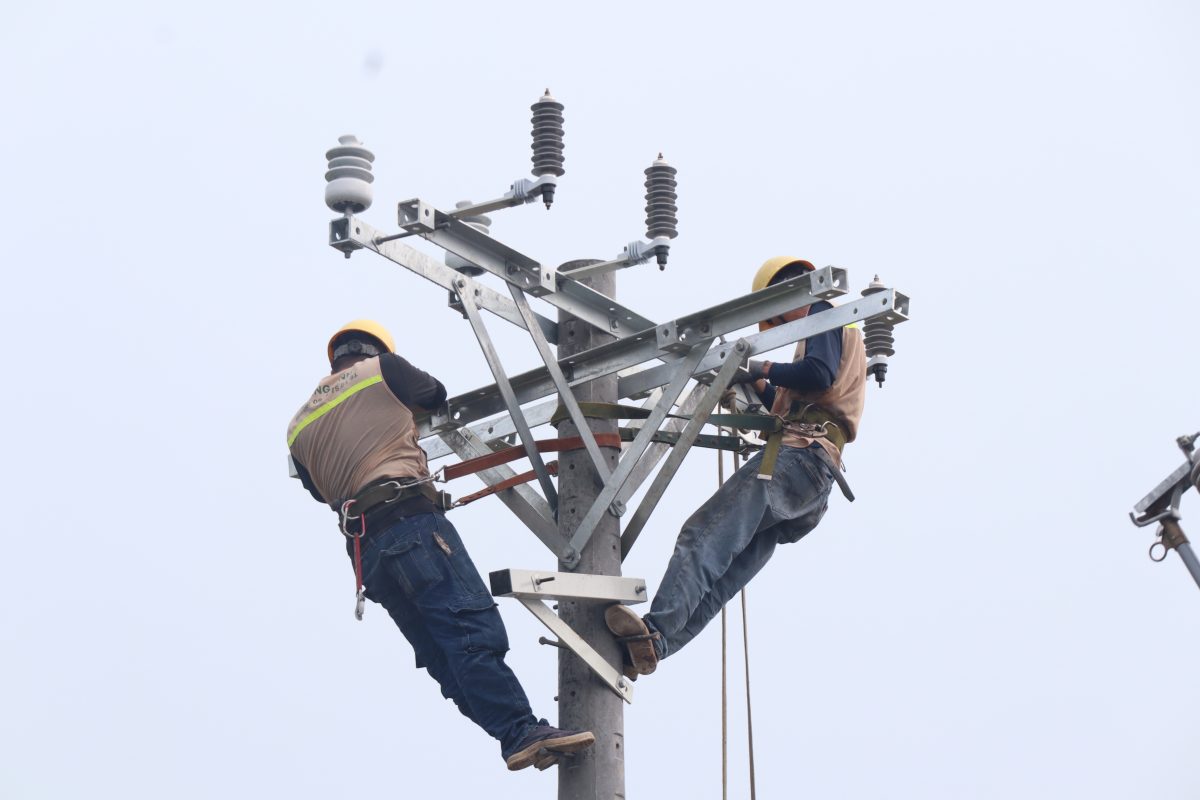
Installing electrics in factories is a complex task that requires thorough preparation to ensure the system operates safely and reliably. The steps include preparing equipment, surveying and designing, implementing the installation, and ongoing maintenance.
Detailed Factory Electrical Installation Process
The electrical installation process for a factory involves several critical steps. Initially, transformer units must be set up to adjust the voltage according to industrial power requirements. Quality electrical conductors capable of handling substantial loads are essential for industrial electric systems. Following this involves site surveys to determine the placement of equipment and the creation of detailed electrical diagrams. Lastly, the process concludes with the installation following the design and thorough electrical safety checks.
Ensuring effective and safe electrical installation is vital for the optimal functioning of the factory’s system. Below are detailed steps to achieve efficient electrical installations:
1. Equipment Preparation
- Transformers: These are crucial for industrial electricity, ensuring compatibility with high voltage levels like 380V. Popular brands include Thibidi and ABB.
- Electrical Conductors: Prepare high-quality conductors, such as those from Cadivi or LS, to manage the heavy load demands of the factory.
- Protection and Control Devices: Includes CBs, RCCBs, electrical cabinets, and other necessary industrial electric equipment. Products from Schneider and Mitsubishi are frequently chosen.
2. Survey and Design
- Site Survey: Examine current electrical conditions, evaluate equipment placement needs, and assess energy demands.
- Electrical Diagram Design: Develop detailed electrical diagrams from surveys to ensure the system design meets needs while prioritizing efficiency.
3. Installation Execution
- Main Electrical Source Installation: Ensure energy stations are set to 150% of the operational capacity for necessary reserves.
- Electrical Distribution Setup: Connect conductors and install distribution equipment like panels and CBs to high standards.
4. Testing and Operation
- Electrical System Testing: Conduct a thorough test of all components to ensure stable and safe factory operation.
- Trial Operations: Run tests under real loads to assess performance and promptly address any issues.
5. Scheduled Maintenance and Repair
- Routine Maintenance Scheduling: Guarantee the stable operation of the industrial electrical system to prevent critical failures.
- Repair as Needed: Be proactive in repairing and replacing defective components to ensure system continuity.
6. Safety and Quality Assurance
- Adherence to Safety Regulations: Ensure all installations meet safety standards and do not pose risks to operators.
- Quality Checks: Prioritize inspections of equipment quality and installation work to enhance the system’s efficiency and reliability.
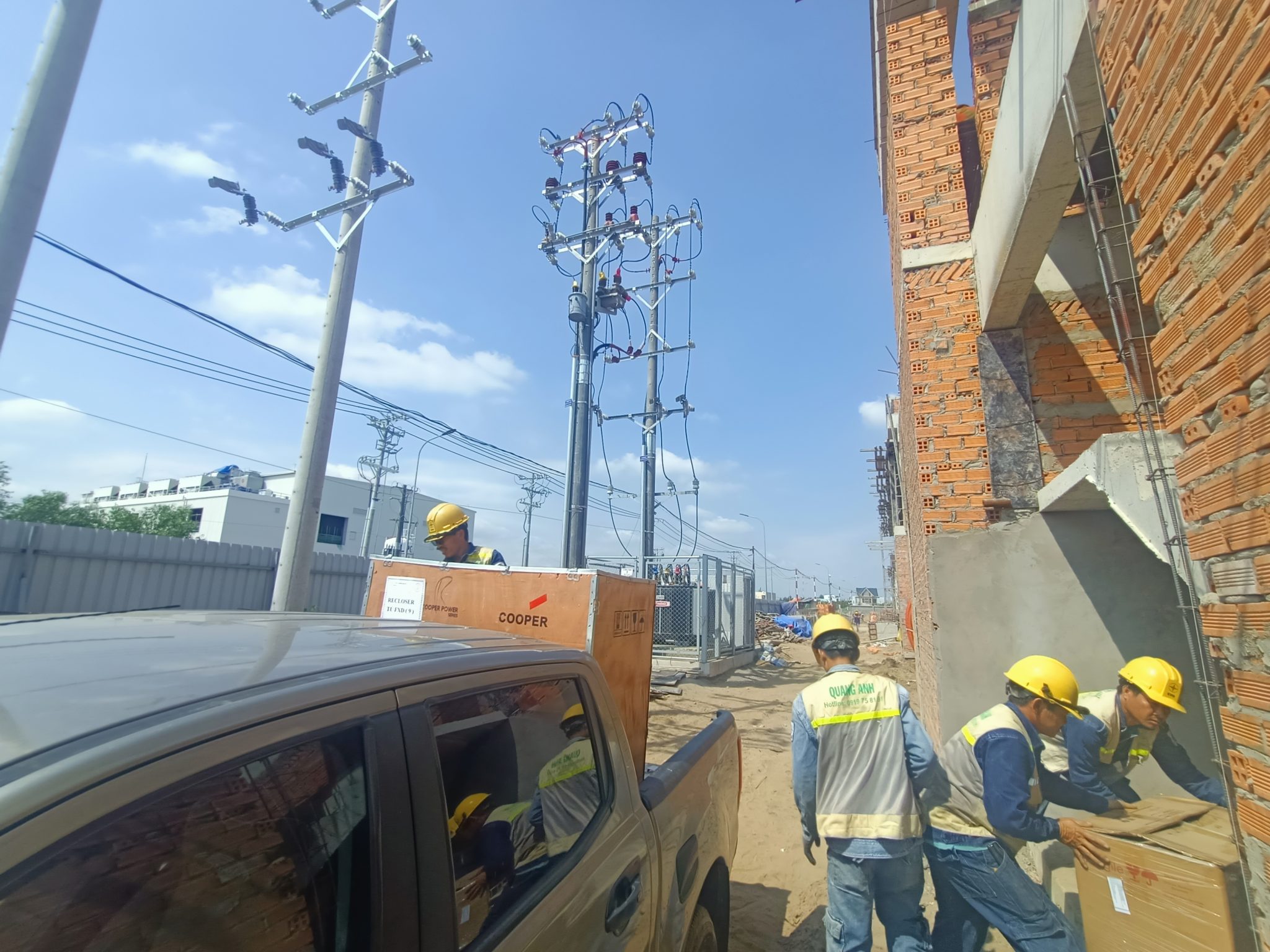
The Role of Electrical Systems in Factories
The industrial electrical system serves as the lifeblood for factory production and operations. Proper factory electrical installation not only reduces costs but also ensures the safety of equipment and workers. Utilizing high-quality industrial electrical equipment enhances performance and secures the factory’s electrical safety.
In modern industrial settings, electrical systems are not merely an essential requirement but a fundamental platform for operational success. These systems guarantee reliable power supply from transformer stations through distribution panels, reaching every section and device within the factory. The involvement of reputable brands like ABB, Schneider, and Mitsubishi in installation and equipment provision is a testament to system quality and reliability.
- Power Supply Provision: Power and control systems play a central role in maintaining a steady electrical flow, maximizing the equipment’s production capability.
- Safety Assurance: Protective devices such as circuit breakers, fuses, and relays prevent electrical incidents, ensuring worker safety and minimizing asset damage risks.
To optimize performance, factory electrical systems incorporate production automation technologies, enhancing work efficiencies and conserving resources. Automation not only reduces human intervention but also saves costs and time in production processes.
In the following section, fundamental electrical system components must be critically evaluated:
- Transformer stations: Convert high capacity current to suitable levels, ensuring machinery’s stable operation.
- Medium and low voltage panels: Distribute electrical power efficiently to every part of the factory, maintaining steady consumption and effectiveness.
Ultimately, an electrical system’s indispensable role is to ensure continuous operations and bolster production efficiency. A stable and safe factory electrical system not only allows smooth operations but also enhances the factory’s competitiveness within the industrial sector.
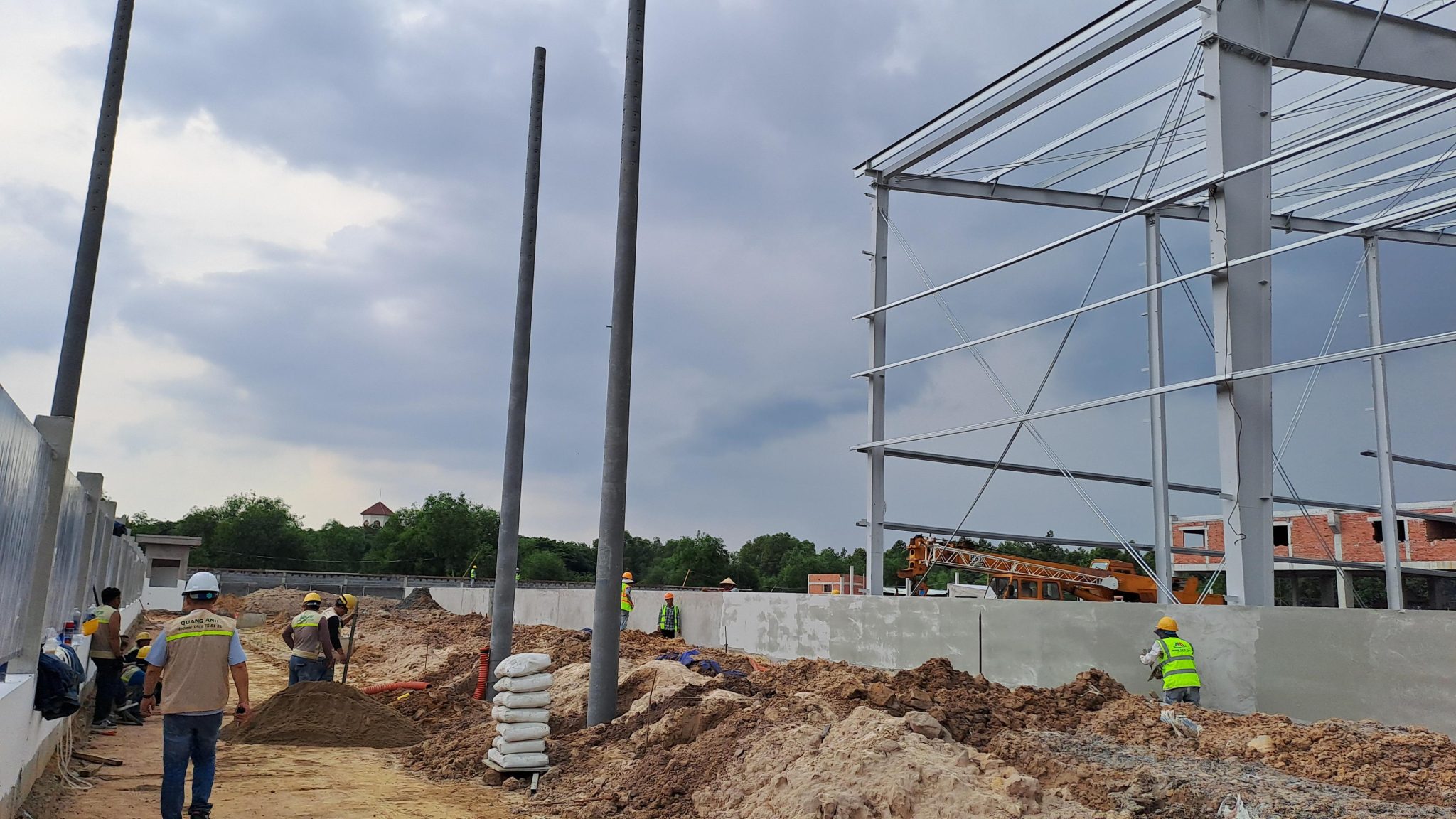
Important Considerations for Factory Electrical Installation
When establishing a factory’s electrical setup, adherence to national electrical safety standards is crucial for ensuring a safe and effective process. Beyond using high-quality industrial electrical equipment, routine maintenance is essential for consistent and prolonged system performance.
The design and installation of a factory’s electrical system require meticulousness and precision to guarantee efficiency and safety. Business leaders and system engineers must pay attention to several critical factors to manage this system effectively.
1. Design and Calculation
- Electrical System Design is the initial and vital step. A detailed design aids in proper load distribution and supports the selection of components like circuit breakers from trusted brands such as ABB or Schneider, ensuring compatibility and efficacy throughout the electrical system.
- Power Calculation demands accuracy to prevent energy wastage while adequately meeting the factory’s entire demand. This is essential in any industrial electrical installation project to optimize costs.
2. Safety and Protection
- Factory Electrical Safety must be prioritized. This includes strict adherence to both international and national standards to protect workers and equipment alike.
- For system protection against lightning, installing lightning protection systems is necessary to avoid significant damage to electrical infrastructure.
3. Technical and Installation Processes
- The Installation Process must consistently follow professional procedures and techniques to ensure all equipment operates smoothly post-installation.
- Accurate Execution is a mandatory requirement to avert potential electrical risks during operation.
4. Cost Efficiency
- Investing in effective equipment and system design plays a pivotal role in long-term operational cost savings for the factory.
5. Inspection and Acceptance Testing
- After installation, system checks and trial runs are essential to ensure all system components function properly.
- Handover and customer feedback are important steps to perfect the installation process.
6. Adherence to Standards
- Meeting state electrical safety standards in design and construction is a prerequisite for safe, efficient, and sustainable electrical system operation.
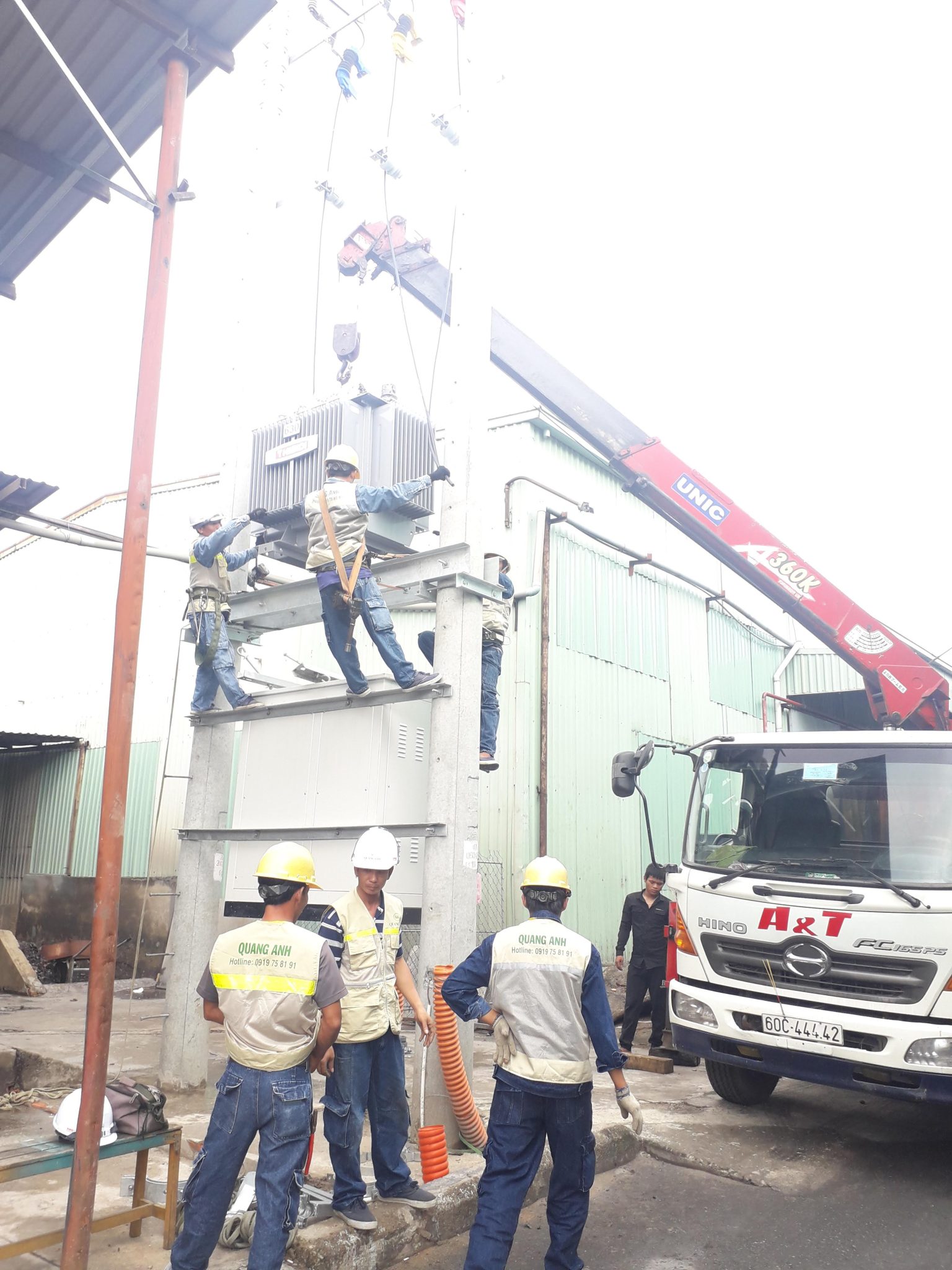
Factory electrical installation provides several advantages, such as cost savings and safety assurance, fostering an efficient and stable production environment.
Contact QuangAnhcons via Hotline: +84 9 1975 8191 for detailed consultations and professional factory electrical system installation support.
QuangAnhcons offers expert factory electrical system installation services, from diagram design, equipment installation, to routine maintenance, ensuring performance and safety for businesses.
[contact-form-7 id="7239967" title="Contact form 1"]
Related Posts
Substation Interconnection Documentation: A Practical Preparation Guide for Investors
A hands‑on guide for investors and M&E engineers on the information groups needed in substation [...]
May
Transformer Substation Construction Quote: Cost Components & Key Cost Drivers
Guidance for breaking down a transformer substation construction quote: main cost groups and the common [...]
May
Substation Solutions for Factories: Investing and Implementation Strategies
Overview of factory substations: when to invest, key components, execution processes, documentation, and selecting the [...]
Apr
Transformer Repair in Ho Chi Minh City: When Immediate Action Is Required
Discover signs of transformer damage, diagnostic methods, on-site handling processes, and criteria for selecting repair [...]
Apr
Transformer Repair: Process, Diagnosis, and Decision-Making
Hướng dẫn sửa chữa máy biến áp cho nhà máy: nhận biết dấu hiệu hỏng, [...]
Apr
24-Hour Transformer Repair: Efficient Solutions and Reliable Power Restoration
Khung xử lý sửa chữa máy biến áp 24h cho nhà máy: nhận biết sự [...]
Apr
Common Mistakes in Transformer Station Construction Leading to Extra Costs
Các sai lầm khi làm trạm biến áp thường không nằm ở một hạng mục [...]
Apr
Comprehensive Guide to Acquiring Used Transformers
Góc nhìn kỹ thuật về thu mua TBA cũ: cách đánh giá hiện trạng, hồ [...]
Apr
Comprehensive Transformers Maintenance for Industrial Plants
Tổng quan dịch vụ bảo trì trạm biến áp nhà máy: lịch bảo dưỡng, thí [...]
Apr
Transformers: Assessing and Safely Handling Used Transformers
Khung đánh giá máy biến áp cũ theo tình trạng kỹ thuật, dầu cách điện, [...]
Apr
How Proactive Transformer Maintenance Minimizes Business Risks
Nhìn từ góc độ vận hành nhà máy, bảo trì chủ động trạm biến áp [...]
Apr
Comparing Oil and Dry Transformers in Industrial Projects
Distinguish between oil and dry transformers based on installation site, safety, maintenance, energy losses, initial [...]
Mar
Electrical Overload Warning Signs in Factories
Recognize early indicators of factory electrical overload such as voltage drops, overheating equipment, circuit breaker [...]
Mar
Risks of Overloading Industrial Transformers Without Upgrades
Keeping the same low-voltage transformer while increasing factory loads can result in overheating, insulation degradation, [...]
Mar
Evaluating and Implementing Transformer Contractors in Tay Ninh
Criteria for selecting transformer substation contractors in Tay Ninh, EPC scope, and factors affecting project [...]
Mar
Comparing Oil and Dry Transformers for Industrial Applications
Examine oil and dry transformers based on installation location, fire safety, maintenance, energy loss, investment [...]
Mar
Comprehensive 1500kVA Transformer Station Budget for Manufacturing Facilities
Guidance for creating a detailed budget list for a 1500kVA transformer station, including medium voltage [...]
Mar
Comprehensive Transformer Station Pricing: Elements and Considerations
Examine key components in comprehensive transformer station pricing including design, equipment, construction, testing, and connection [...]
Mar
Pricing Guide for 4000kVA Transformer Stations: Configuration, Cost, and Investment Process
An overview of configuration, cost estimates, connection approaches, and investment checklists for 4000kVA transformer stations [...]
Mar
Pricing and Setup of 3200kVA Transformer Stations: Configuration, Costs, and Investment Procedure
Explore the pricing structure for a 3200kVA transformer station, primary equipment configuration, cost variables, EVN [...]
Mar