

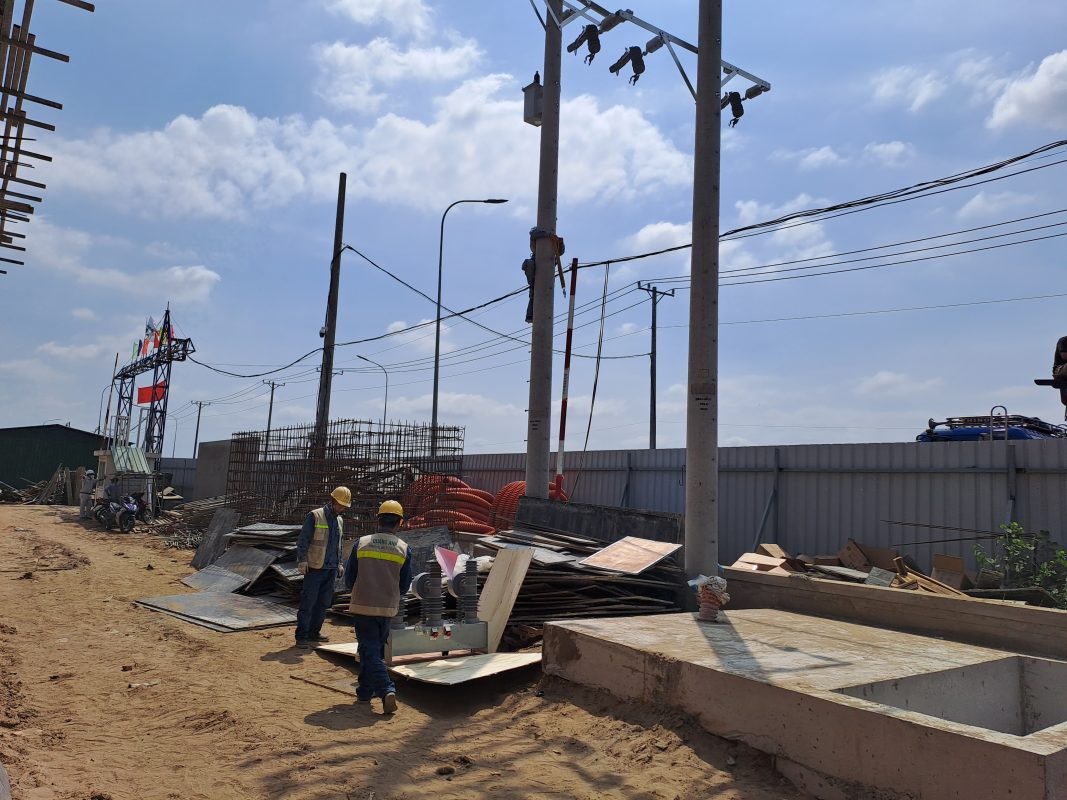
Upgrading factory electrical systems is essential for enhancing performance and ensuring safety. This process involves augmenting power handling and transmission capacities to boost production and conserve energy.
Objectives for Enhancing Performance and Optimizing Energy
The goal of upgrading factory electrical systems is to enhance performance by boosting energy transmission capacity and minimizing unnecessary downtime. Furthermore, optimizing energy usage is crucial to reducing waste and improving technology to meet new energy demands in industrial systems.
Amid modern industrialization, goals of energy optimization and performance enhancement are pivotal for businesses to maintain competitiveness and sustainable growth. Energy optimization not only cuts costs but also helps in environmental protection, meeting new demands. To achieve these goals, various solutions have been implemented.
- Energy Audit: This is the initial step to specifically identify energy waste within the system. Through audits, businesses can proactively recognize and apply more effective energy management measures, reducing losses.
- Investing in Energy-Saving Equipment: Replacing outdated, inefficient equipment with modern models like IE3 or IE4 motors boosts electrical efficiency, lowers energy consumption, and extends equipment lifespan.
- Implementing Smart Manufacturing: Utilizing IoT technology for automation and optimization of production processes minimizes energy usage through continuous data analysis and timely adjustments.
- Optimizing Production Processes: Streamlining and eliminating unnecessary steps in the production process to achieve the best energy efficiency.
Energy optimization benefits are diverse:
- Cut Energy Costs: More efficient operations mean lower electricity costs.
- Increase Production Efficiency: Boost capacity without increasing investment resources, while also enhancing product quality.
- Environmental Protection: Reducing carbon emissions helps protect a green, clean, beautiful environment.
- Sustainable Development: Ensuring long-term growth focusing on green growth and resource saving.
Strategies and policies have also been established to guide businesses:
- Support for High-Performance Product Development: Encouraging the development and application of energy-saving products globally.
- Enhancing State Management: Strict regulations in energy management promote efficient resource use.
- Digitalization and Advanced Technology: Employing new technologies like IoT to accurately control energy use in production and consumption activities.

Process for Upgrading Factory Electrical Systems
The process of upgrading electrical systems begins with surveying and assessing the current state, followed by crafting a detailed plan. Implementation is carried out based on this plan with strict safety compliance. After new device installations, the system undergoes thorough testing before handover. Periodic maintenance is crucial to ensure electrical efficiency and safety.
Upgrading factory electrical systems is an important process to ensure safety, reliability, and efficiency in industrial production. This process is executed through major stages, from initial condition assessment and new system design to execution and regular maintenance.
The initial step is condition assessment and planning. This phase includes surveying the current state of the electrical system, identifying weaknesses or gaps impacting safety and efficiency. Next is analyzing power demand, stability, and future expansion potential to create a comprehensive upgrade plan.
New electrical system design is a critical phase, involving drawing detailed plans to meet safety standards, reliability, and future scalability. This plan aids in selecting suitable electrical equipment such as transformers from ABB, Mitsubishi, or devices from Eaton, Schneider. Additionally, compiling a detailed cable schedule is an essential step.
Execution, installation, and system upgrade are decisive phases of the project, involving preparing quality materials like Cadivi cables, installing power cables and distribution cabinets, adhering strictly to electrical safety standards and technical depth.
Post-installation, rigorous testing and trial operations check system safety and efficiency. This includes testing the entire system, conducting load trials and endurance checks, identifying and addressing issues before project handover.
Finally, periodic maintenance is essential to maintain stable operational efficiency and preemptively address potential issues before they escalate. Maintenance ensures not only electrical safety but also long-term operational cost optimization. Post-upgrade performance evaluations assist in planning future enhancements.
Factory electrical system upgrades not only bring operational stability and safety but also cost savings and improved industrial production quality.
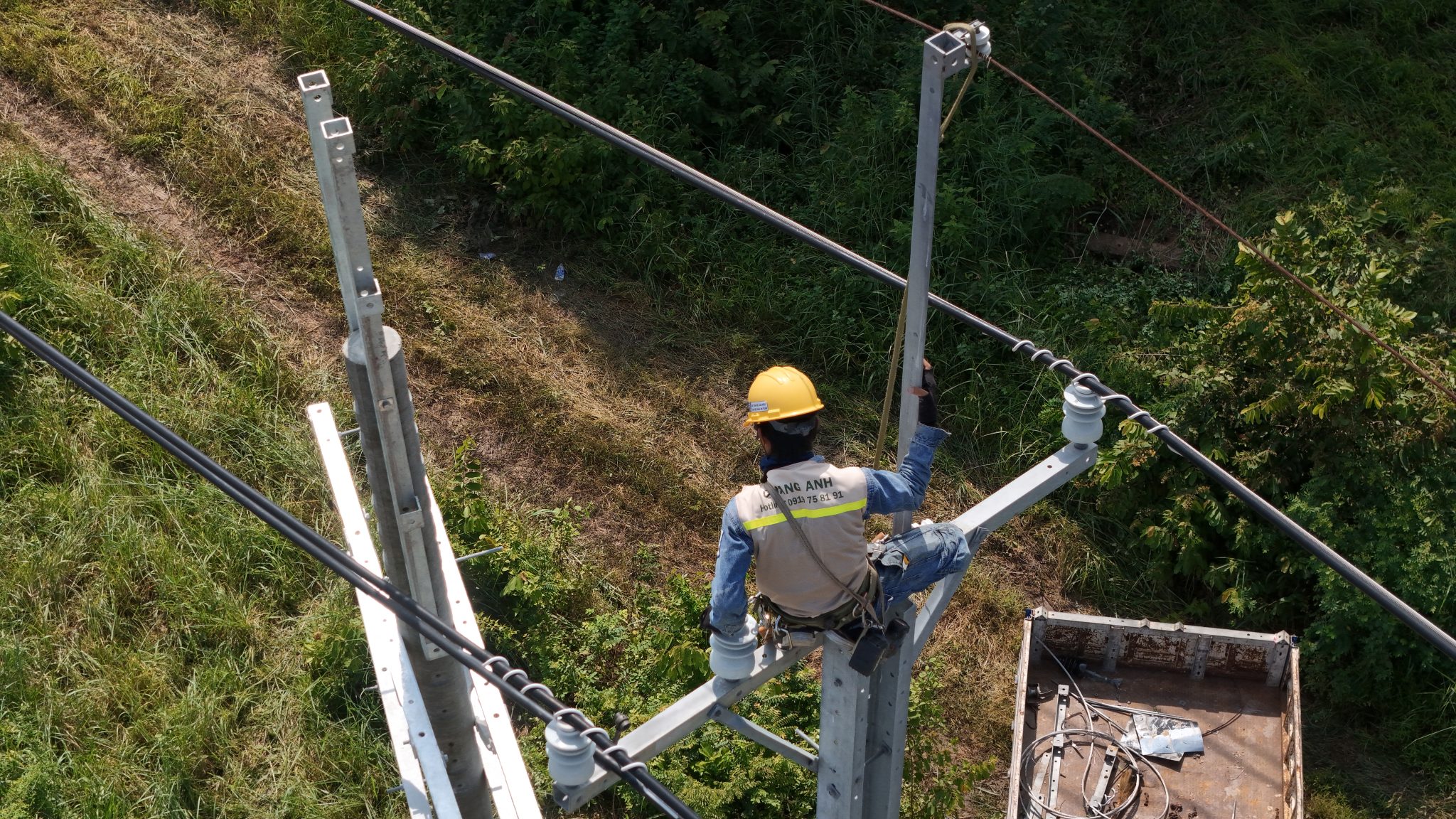
Key Elements in Electrical System Upgrades
Calculating capacity is crucial for ensuring electrical demand is met when upgrading systems. Providing compatible and efficient equipment is a top priority. Electrical safety cannot be overlooked, requiring adherence to safety regulations throughout the upgrade and maintenance processes.
To meet the rising energy demands while ensuring system efficiency and safety, upgrading electrical systems is imperative. Key elements to consider include:
1. Rising Energy Demand
- Economic and Population Growth: Economic development and population growth create higher electricity demand, necessitating appropriate system upgrades to meet these requirements.
- Shift to Renewable Energy: Integrating renewable energy sources like solar and wind reduces reliance on traditional energy, essential for sustainable development.
2. Overload and Safety
- Electrical Overload: Increased power consumption can lead to overloads, causing outages or voltage drops. Upgrading ensures more stable and safer system operation.
- Electrical Safety: Upgrades must ensure updated equipment and technology to avoid safety risks from outdated devices.
3. Project Quality and Efficiency
- Ensuring Project Quality: To maintain system safety and optimal efficiency, the quality of installation and upgrade projects must be closely checked.
- Integration of Modern Energy Technology: Advanced technologies from brands like ABB, Mitsubishi, or Schneider can enhance system performance and reliability.
4. Comprehensive Electrical System Development
- Ensuring a diverse power source to meet usage needs.
- Optimizing distribution and rational electricity use.
- Ensuring stable and reasonable power pricing.
5. Measurement and Protection Systems
- Utilizing modern measurement and protection systems from Eaton or LS helps in early incident detection and handling, ensuring comprehensive electrical safety.
These factors must be carefully considered to ensure the system not only meets current needs but is also future-proof.
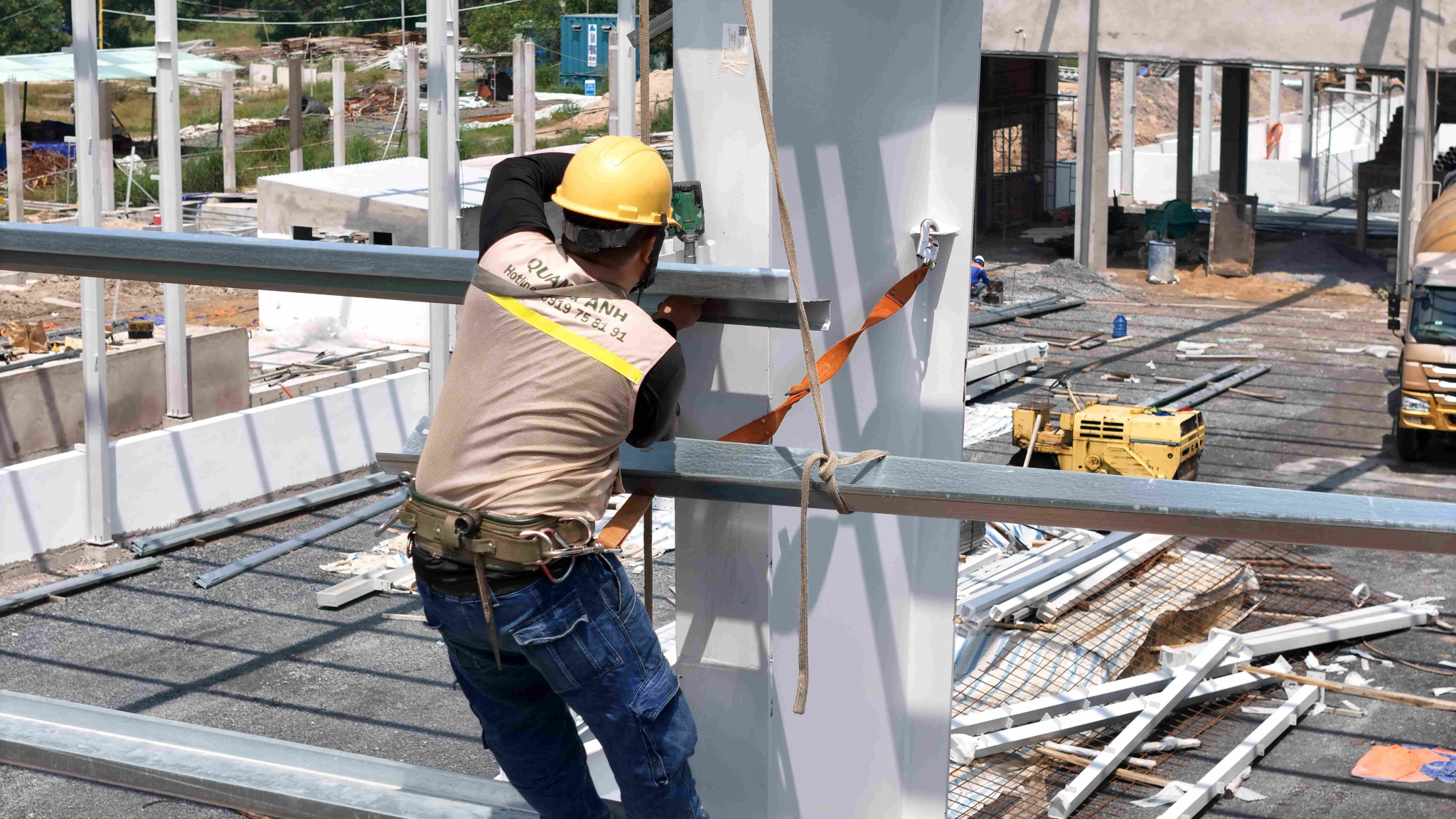
Upgrading factory electrical systems yields numerous technical benefits, enhancing efficiency and reducing risks, laying the groundwork for sustainable investment and improving competitiveness.
Contact QuangAnhcons via Hotline: +84 9 1975 8191 for expert guidance on efficiently and safely upgrading your factory electrical systems.
QuangAnhcons offers high-expertise upgrading services for factory electrical systems, optimizing energy and ensuring safety, from surveying and design to execution and maintenance.
[contact-form-7 id="7239967" title="Contact form 1"]
Related Posts
Substation Interconnection Documentation: A Practical Preparation Guide for Investors
A hands‑on guide for investors and M&E engineers on the information groups needed in substation [...]
May
Transformer Substation Construction Quote: Cost Components & Key Cost Drivers
Guidance for breaking down a transformer substation construction quote: main cost groups and the common [...]
May
Substation Solutions for Factories: Investing and Implementation Strategies
Overview of factory substations: when to invest, key components, execution processes, documentation, and selecting the [...]
Apr
Transformer Repair in Ho Chi Minh City: When Immediate Action Is Required
Discover signs of transformer damage, diagnostic methods, on-site handling processes, and criteria for selecting repair [...]
Apr
Transformer Repair: Process, Diagnosis, and Decision-Making
Hướng dẫn sửa chữa máy biến áp cho nhà máy: nhận biết dấu hiệu hỏng, [...]
Apr
24-Hour Transformer Repair: Efficient Solutions and Reliable Power Restoration
Khung xử lý sửa chữa máy biến áp 24h cho nhà máy: nhận biết sự [...]
Apr
Common Mistakes in Transformer Station Construction Leading to Extra Costs
Các sai lầm khi làm trạm biến áp thường không nằm ở một hạng mục [...]
Apr
Comprehensive Guide to Acquiring Used Transformers
Góc nhìn kỹ thuật về thu mua TBA cũ: cách đánh giá hiện trạng, hồ [...]
Apr
Comprehensive Transformers Maintenance for Industrial Plants
Tổng quan dịch vụ bảo trì trạm biến áp nhà máy: lịch bảo dưỡng, thí [...]
Apr
Transformers: Assessing and Safely Handling Used Transformers
Khung đánh giá máy biến áp cũ theo tình trạng kỹ thuật, dầu cách điện, [...]
Apr
How Proactive Transformer Maintenance Minimizes Business Risks
Nhìn từ góc độ vận hành nhà máy, bảo trì chủ động trạm biến áp [...]
Apr
Comparing Oil and Dry Transformers in Industrial Projects
Distinguish between oil and dry transformers based on installation site, safety, maintenance, energy losses, initial [...]
Mar
Electrical Overload Warning Signs in Factories
Recognize early indicators of factory electrical overload such as voltage drops, overheating equipment, circuit breaker [...]
Mar
Risks of Overloading Industrial Transformers Without Upgrades
Keeping the same low-voltage transformer while increasing factory loads can result in overheating, insulation degradation, [...]
Mar
Evaluating and Implementing Transformer Contractors in Tay Ninh
Criteria for selecting transformer substation contractors in Tay Ninh, EPC scope, and factors affecting project [...]
Mar
Comparing Oil and Dry Transformers for Industrial Applications
Examine oil and dry transformers based on installation location, fire safety, maintenance, energy loss, investment [...]
Mar
Comprehensive 1500kVA Transformer Station Budget for Manufacturing Facilities
Guidance for creating a detailed budget list for a 1500kVA transformer station, including medium voltage [...]
Mar
Comprehensive Transformer Station Pricing: Elements and Considerations
Examine key components in comprehensive transformer station pricing including design, equipment, construction, testing, and connection [...]
Mar
Pricing Guide for 4000kVA Transformer Stations: Configuration, Cost, and Investment Process
An overview of configuration, cost estimates, connection approaches, and investment checklists for 4000kVA transformer stations [...]
Mar
Pricing and Setup of 3200kVA Transformer Stations: Configuration, Costs, and Investment Procedure
Explore the pricing structure for a 3200kVA transformer station, primary equipment configuration, cost variables, EVN [...]
Mar