

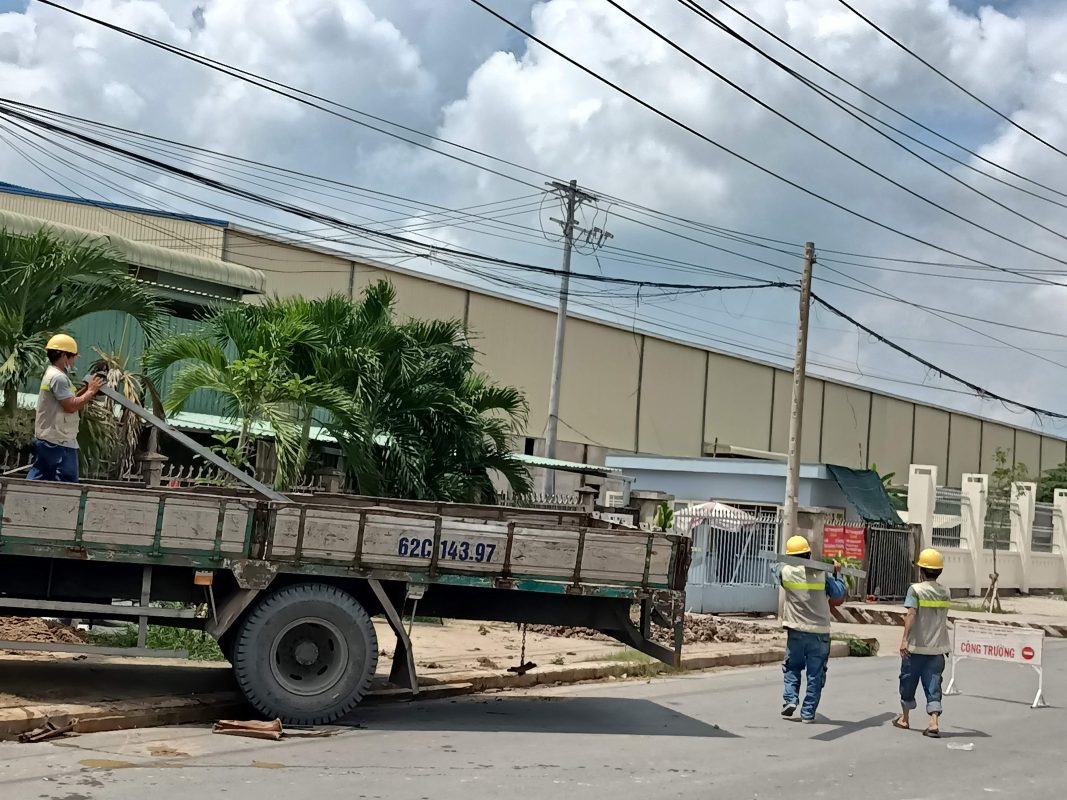
The expense of an electromechanical contractor encompasses design, implementation, and maintenance for systems like electricity, HVAC, plumbing, ensuring safety and efficiency.
Key Factors in Electromechanical Contractor Costs
These costs include materials, labor, technical design, project management, alongside logistics and other contingencies. Material choice heavily influences budgets, requiring skilled personnel to meet installation standards for systems like HVAC and fire safety.
Energy Expenses
Significant in operational costs, with components like HVAC, lighting, and elevators vital. Enhancing equipment efficiency and adopting energy-saving technologies can optimize expenses.
Maintenance and Repair
Ongoing upkeep prevents major disruptions, with strategic preventive maintenance and staff training crucial to cost containment.
Labor Costs
Labor is a critical element, covering wages and benefits, with skill development vital for efficiency and cost reduction.
Equipment Costs
Investing in high-efficiency equipment from brands like ABB, Mitsubishi, and Schneider can lower operational and maintenance expenses.
Other Influencing Factors
Additional elements impacting costs include:
- Design and Technical Surveys: Errors can incur high expenses through modifications or penalties.
- Market Prices: Fluctuations in material and labor costs can significantly impact budgets.
- Financial Capacity and Project Management: Poor scheduling and delayed payments affect overall costs.
- Unique Technical Requirements: Complex requirements or specialized materials can increase costs.
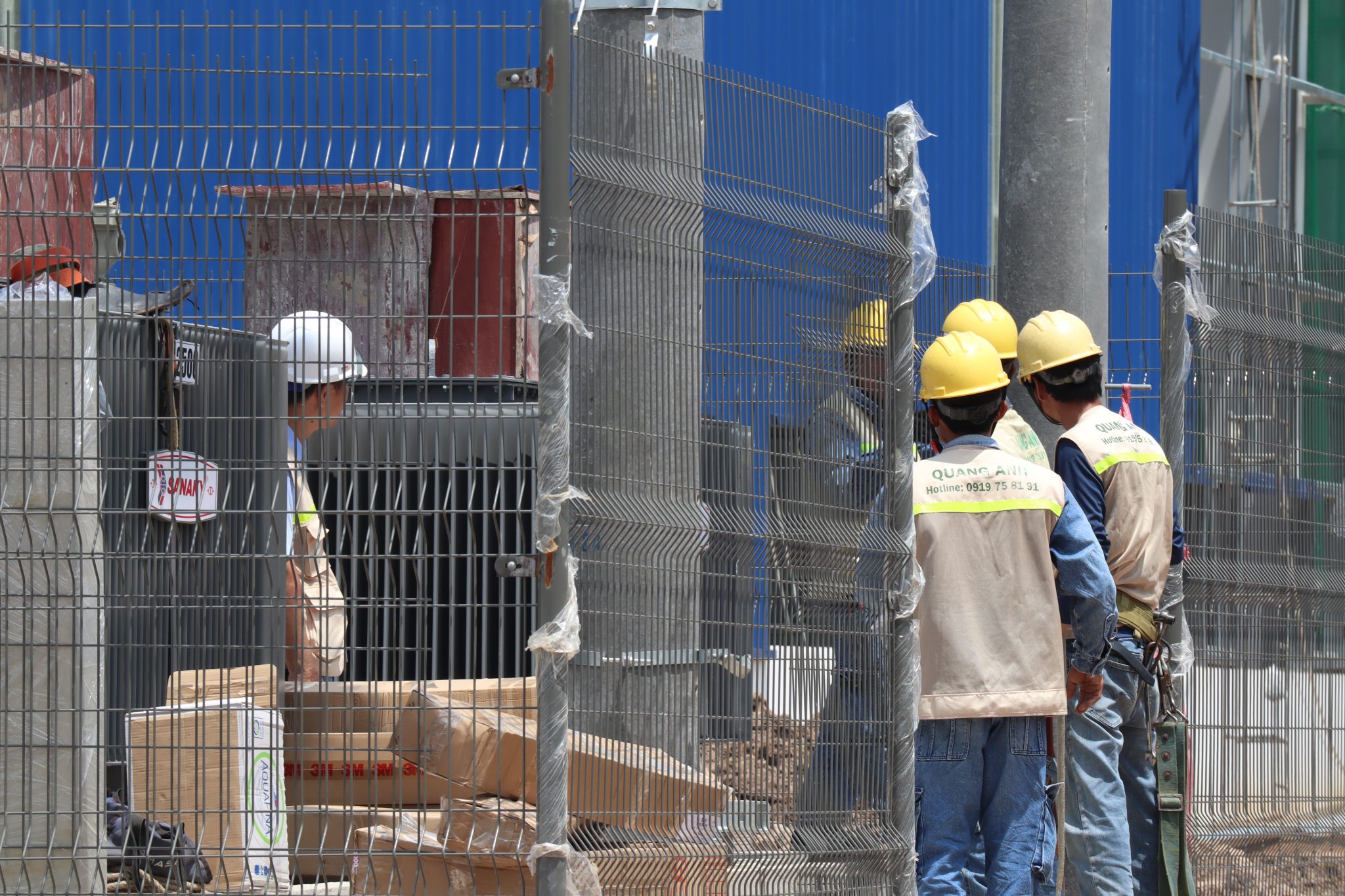
Determining Electromechanical Contractor Costs
Cost determination involves detailed planning, precise technical drawings, material quotations, and labor forecasts, with contracts and implementation schedules as key factors. Contingency evaluations are essential for project and budget management.
Identifying electromechanical contractor costs is a complex yet crucial task, necessitating a scientific and accurate approach.
- Work Volume Assessment: Define workload via technical or execution drawings, ensuring precise calculations for installations like cabling, lighting, HVAC, and control equipment.
- Applying Current Construction Standards: Costs are based on current construction standards, including general and management expenses, ensuring compliance with legal requirements.
- General and Management Costs: This component significantly impacts total costs, with variability based on work complexity and equipment specifics.
- Aggregate Cost Calculations: Typically involves adding minor expenses step-by-step to ensure comprehensive material, labor, machinery, and contingency coverage.
- Legal Guidelines and Reference Costs: Documents like Circulars 06/2016/TT-BXD and 12/2021/TT-BXD provide detailed cost management frameworks, crucial for transparency and compliance in contractor selection.
- Percentage Rate Examples: For underground cable design, costs range between 0.85% to 1.9% depending on project scale and voltage.
Cost determination requires precision grounded in clear legal and transparent practices.
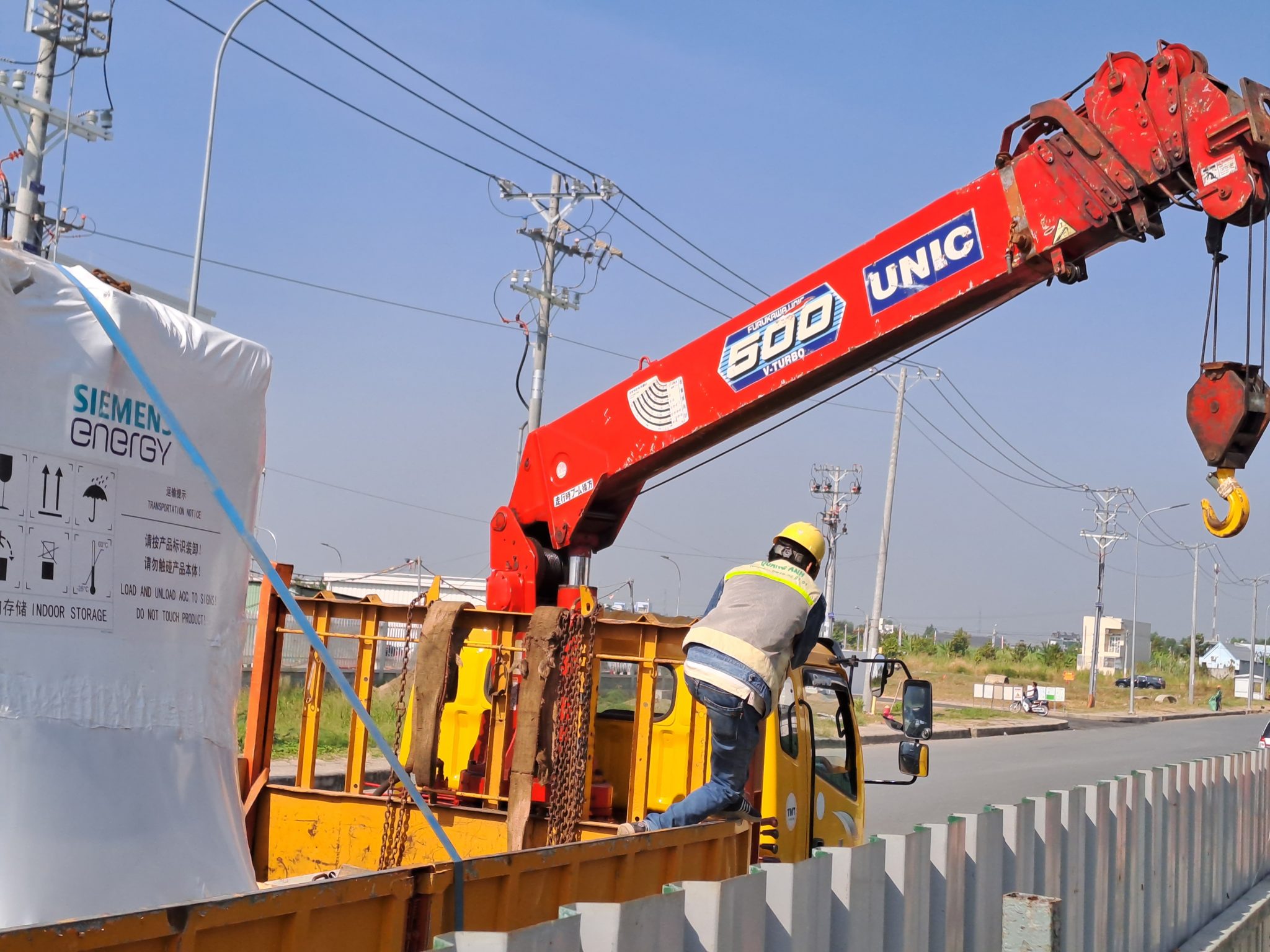
Standards for Electromechanical System Installation
Adhering to installation standards is crucial for cost savings. Standards like TCXD 4756:1989 for grounding and TCVN 11:2006 for electrical equipment ensure safety and performance. Strict compliance enhances project management, ensuring stability and safety upon completion.
The application of standards is vital for safe and efficient construction, encompassing steps from request reception to system handover. Detailed construction process includes:
- Request Reception, Survey, and Consultation: Determine suitable technical solutions based on client needs and site conditions.
- Design Plan Development: Draft and prepare electrical system designs based on thorough surveys.
- Construction Preparation: Select and verify materials, ensuring compliance before installation.
- Installation Execution: Follow design plans, ensuring safety and adherence to technical norms like TCVN 5308.
- Inspection and Handover: Conduct inspections, trials, and handovers post-construction.
Adherence to technical standards and guidelines is crucial for safe electrical construction, aligned with standards such as TCVN 5308, 4086, 3146, 4516, and 5639, alongside international norms like ASHRAE, CIBSE, and SMACNA.
Equipment inspection is the final step before system operation. Inspection stages include:
- Static Testing: Evaluate physical and connection aspects pre-operation.
- No-load Test: Ensure system stability under no-load conditions.
- Load Test: Test operation under normal load to verify performance.
Essential safety precautions, such as fire safety compliance with TCVN 2622 and adherence to electrical safety regulations in construction, are critical. Ensuring material and procedural integrity is fundamental to achieving long-term operational safety and efficiency.
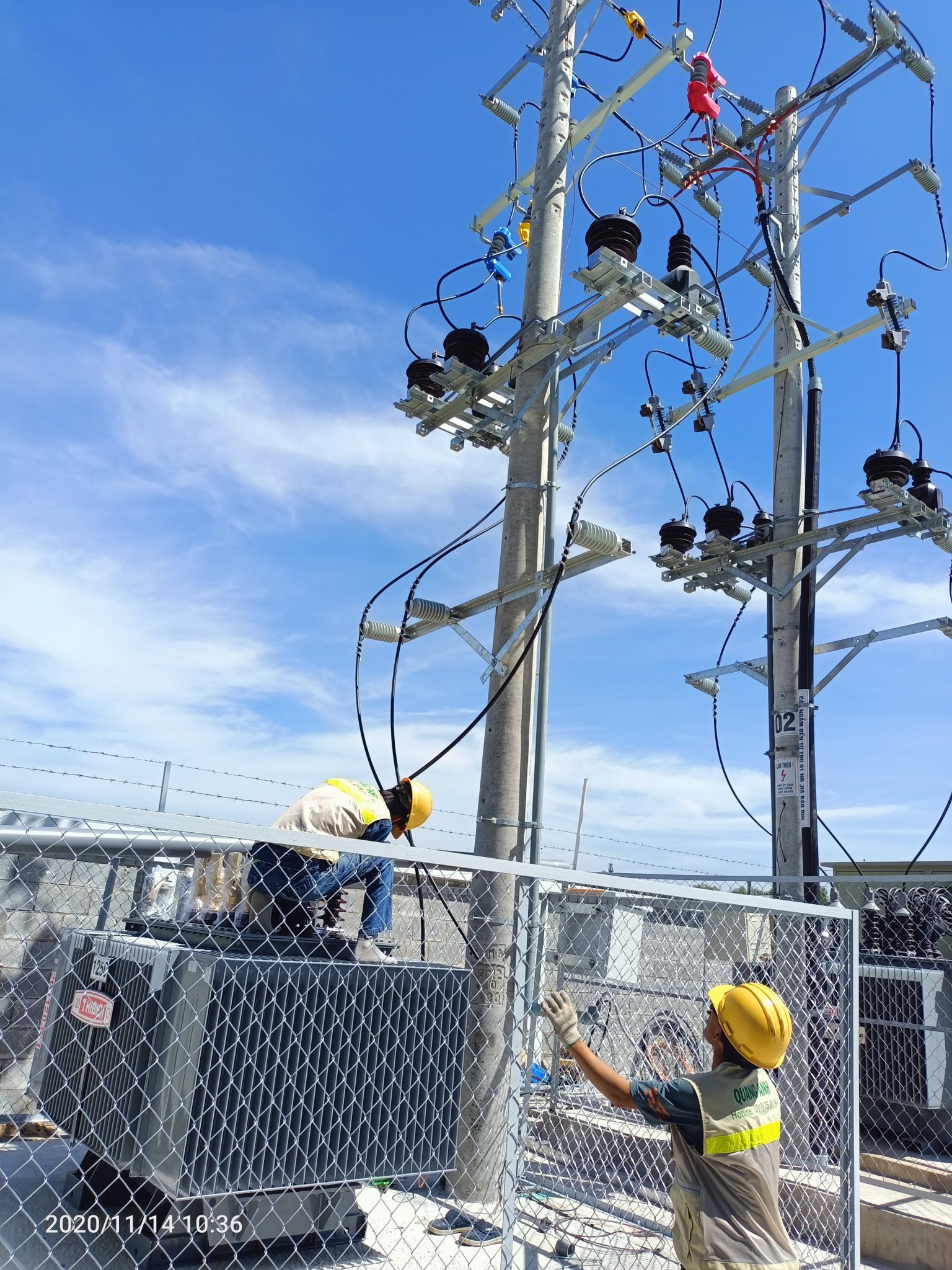
Strategically managing electromechanical contractor costs brings technical and investment optimization benefits. Clear element identification and systematization enhance project efficiency.
Contact QuangAnhcons at +84 9 1975 8191 for detailed consultation on optimal electromechanical contractor solutions.
QuangAnhcons offers comprehensive design, implementation, and management services for electromechanical systems in construction projects, promising quality, safety, and efficiency for each project.
[contact-form-7 id="7239967" title="Contact form 1"]
Related Posts
Substation Interconnection Documentation: A Practical Preparation Guide for Investors
A hands‑on guide for investors and M&E engineers on the information groups needed in substation [...]
May
Transformer Substation Construction Quote: Cost Components & Key Cost Drivers
Guidance for breaking down a transformer substation construction quote: main cost groups and the common [...]
May
Substation Solutions for Factories: Investing and Implementation Strategies
Overview of factory substations: when to invest, key components, execution processes, documentation, and selecting the [...]
Apr
Transformer Repair in Ho Chi Minh City: When Immediate Action Is Required
Discover signs of transformer damage, diagnostic methods, on-site handling processes, and criteria for selecting repair [...]
Apr
Transformer Repair: Process, Diagnosis, and Decision-Making
Hướng dẫn sửa chữa máy biến áp cho nhà máy: nhận biết dấu hiệu hỏng, [...]
Apr
24-Hour Transformer Repair: Efficient Solutions and Reliable Power Restoration
Khung xử lý sửa chữa máy biến áp 24h cho nhà máy: nhận biết sự [...]
Apr
Common Mistakes in Transformer Station Construction Leading to Extra Costs
Các sai lầm khi làm trạm biến áp thường không nằm ở một hạng mục [...]
Apr
Comprehensive Guide to Acquiring Used Transformers
Góc nhìn kỹ thuật về thu mua TBA cũ: cách đánh giá hiện trạng, hồ [...]
Apr
Comprehensive Transformers Maintenance for Industrial Plants
Tổng quan dịch vụ bảo trì trạm biến áp nhà máy: lịch bảo dưỡng, thí [...]
Apr
Transformers: Assessing and Safely Handling Used Transformers
Khung đánh giá máy biến áp cũ theo tình trạng kỹ thuật, dầu cách điện, [...]
Apr
How Proactive Transformer Maintenance Minimizes Business Risks
Nhìn từ góc độ vận hành nhà máy, bảo trì chủ động trạm biến áp [...]
Apr
Comparing Oil and Dry Transformers in Industrial Projects
Distinguish between oil and dry transformers based on installation site, safety, maintenance, energy losses, initial [...]
Mar
Electrical Overload Warning Signs in Factories
Recognize early indicators of factory electrical overload such as voltage drops, overheating equipment, circuit breaker [...]
Mar
Risks of Overloading Industrial Transformers Without Upgrades
Keeping the same low-voltage transformer while increasing factory loads can result in overheating, insulation degradation, [...]
Mar
Evaluating and Implementing Transformer Contractors in Tay Ninh
Criteria for selecting transformer substation contractors in Tay Ninh, EPC scope, and factors affecting project [...]
Mar
Comparing Oil and Dry Transformers for Industrial Applications
Examine oil and dry transformers based on installation location, fire safety, maintenance, energy loss, investment [...]
Mar
Comprehensive 1500kVA Transformer Station Budget for Manufacturing Facilities
Guidance for creating a detailed budget list for a 1500kVA transformer station, including medium voltage [...]
Mar
Comprehensive Transformer Station Pricing: Elements and Considerations
Examine key components in comprehensive transformer station pricing including design, equipment, construction, testing, and connection [...]
Mar
Pricing Guide for 4000kVA Transformer Stations: Configuration, Cost, and Investment Process
An overview of configuration, cost estimates, connection approaches, and investment checklists for 4000kVA transformer stations [...]
Mar
Pricing and Setup of 3200kVA Transformer Stations: Configuration, Costs, and Investment Procedure
Explore the pricing structure for a 3200kVA transformer station, primary equipment configuration, cost variables, EVN [...]
Mar