

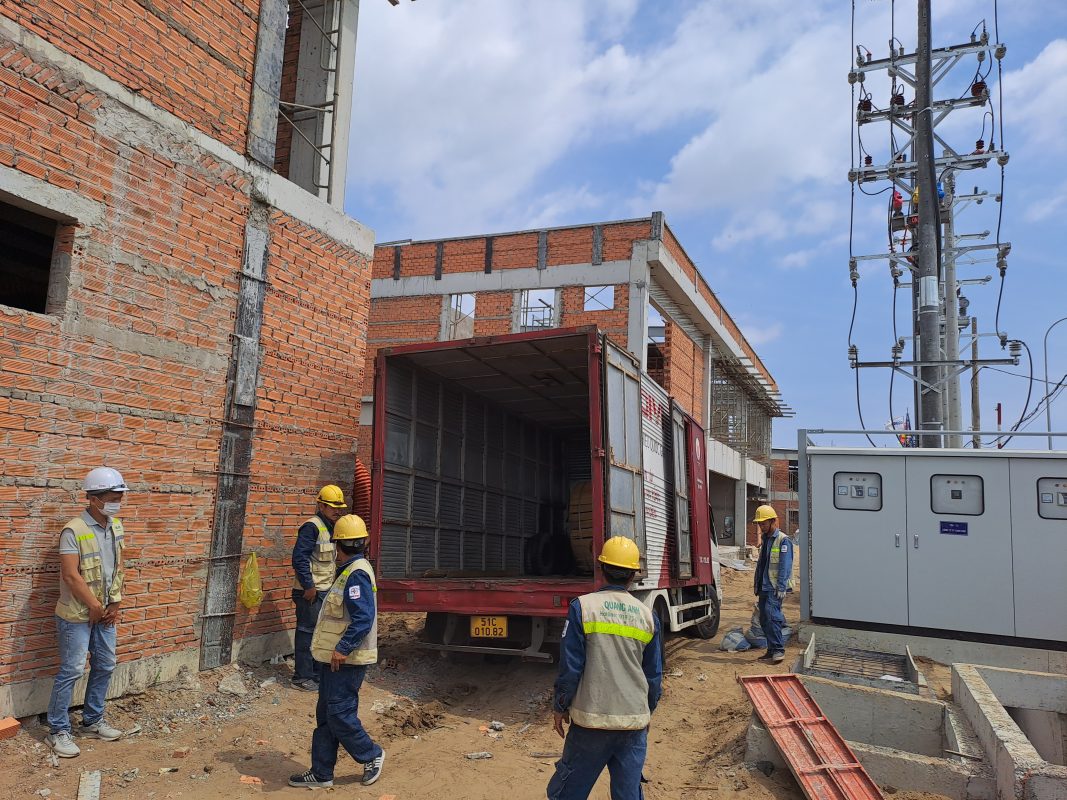
Designing a factory electrical system is a complex task that demands precision and adherence to technical standards to ensure operational safety and efficiency.
Steps for Designing a Safe and Effective Electrical System
Design begins with a practical survey to gather project data such as installation area, plant size, and machinery count. Following this, both high and low voltage networks are designed by determining appropriate pole placements ensuring safe distances. Finally, industrial lighting and adjustable capacitive power systems are planned to optimize efficiency and reduce energy loss.
Designing an efficient and secure electrical system requires a methodical and detailed process. It starts with site surveys and requirement gathering to define project functionality by categorizing locations and gathering technical details like layout, dimensions, and installation points. This is crucial to accurately assess electricity needs for each area.
Next, calculating electrical loads is essential to ensure systems can meet consumption demands. This includes grouping equipment by power and function to optimize electricity distribution.
Lighting design is another critical area, where illumination levels and power capacity are calculated to select lighting fixtures that comply with TCVN standards, ensuring uniform lighting distribution while preventing energy wastage.
The placement of sockets and switches is also vital. Their location is determined based on the varied equipment requirements in areas such as workspaces, kitchens, or production zones, with considerations for the number and power capacity of needed outlets.
Choosing cables and protective devices is indispensable in electrical design. Calculating cable cross-sections based on rated current and allowable voltage drop, alongside selecting appropriate MCCB/RCBO devices, ensures system safety against electrical faults.
Designing capacitive power compensation systems is equally important for reducing the power factor to an optimal range from 0.9 to 0.95, thus minimizing energy losses. Automatic compensation cabinets are selected for flexible reactive power compensation.
Lightning and grounding systems must be meticulously designed. Lightning rods should cover the protective radius while grounding systems must achieve an earth resistance ≤10Ω for electrical safety.
Lastly, selecting transformers and backup generators with sufficient power capacity is essential to meet calculated loads, ensuring reserve power for critical loads in grid failure.
Following these detailed steps ensures a safe and effective electrical system, minimizing safety risks. This design also complies with international standards like IEC and TCVN for maximum safety and efficiency.
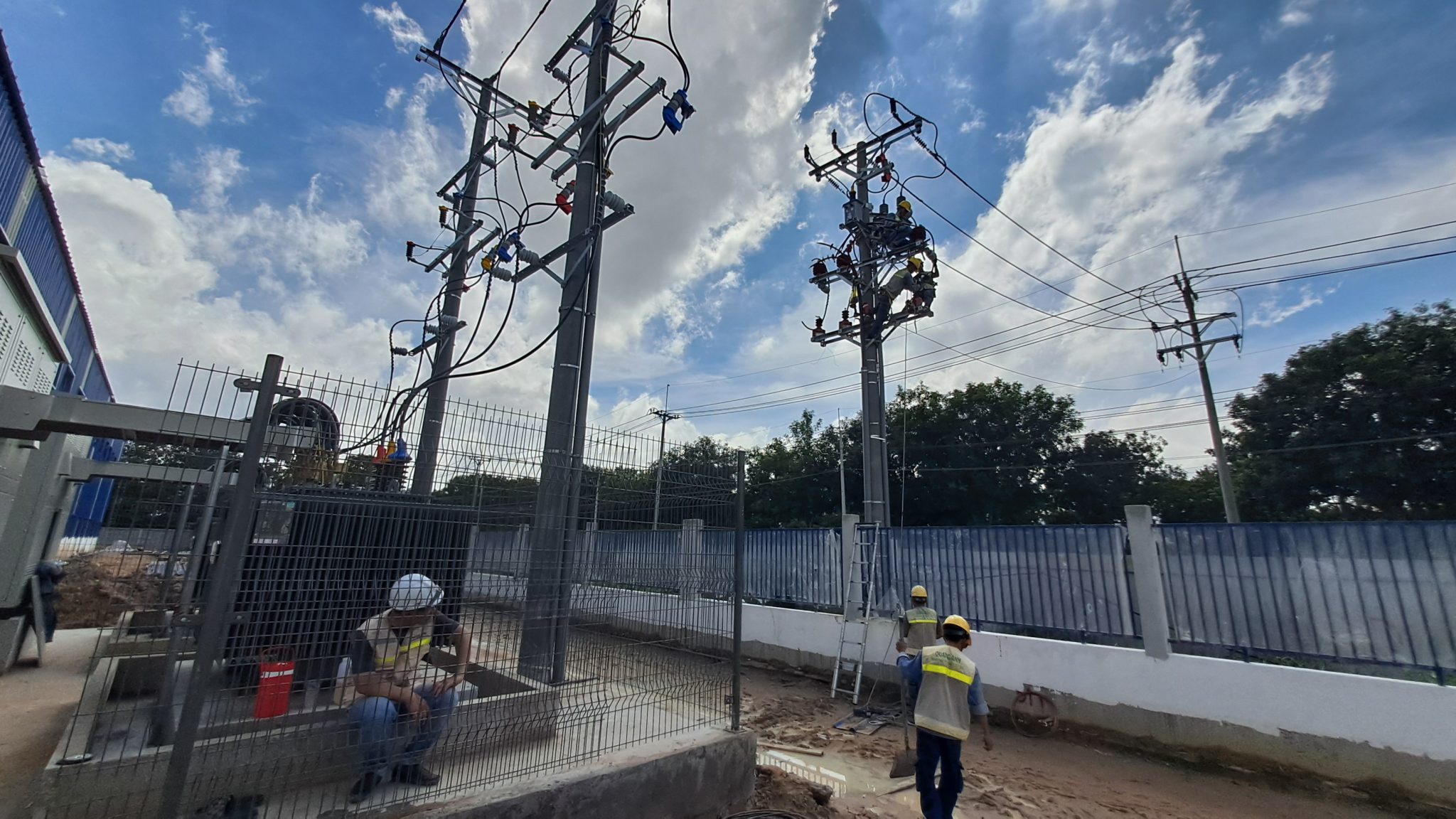
Essential Components of Factory Electrical Systems
Principal components of factory electrical systems include cable tray construction for securing and safeguarding electrical cabling. Next, installing industrial switchgear panels connect the main cable lines while meeting technical and aesthetic standards. Finally, setting up light electrical systems like lighting, surveillance cameras, and fire alarm systems enhances workplace safety and comfort.
Factory electrical systems play a crucial role in ensuring production is both safe and efficient. Establishing a well-organized system not only focuses on technical standards but also meets safety requirements. This system’s core includes three main components: heavy electrical systems, light electrical systems, and lighting systems.
Heavy Electrical Systems
Heavy systems serve as the backbone for powering industrial machinery and equipment. They consist of key components such as:
-
Transformers, Medium and Low Voltage Panels: Transformers convert high voltage to levels suitable for in-factory use, while medium and low voltage panels safely distribute power to every circuit and device.
-
Generator Systems, Switchgear: For uninterrupted operations, backup generators are installed, and automatic switchgear systems facilitate seamless transitions between main and auxiliary power during outages.
-
Distribution Panels: Industrial panels protect and distribute electrical power to production equipment, ensuring safety for operators by isolating electrical components.
Light Electrical Systems
Light electrical systems primarily consist of networking cabling, security cameras, and telecommunications equipment. Though energy consumption is minimal, this system is vital for factory management and surveillance.
Lighting Systems
Industrial lighting systems provide necessary illumination for production activities, incorporating LED and fluorescent lights and specialized lighting systems to ensure a safe, productive work environment.
Design and Installation Considerations
The design and installation of factory electrical systems must adhere to safety standards to prevent electrical shorts and fires. Selecting appropriate equipment and materials is crucial for optimizing maintenance costs and extending system longevity.
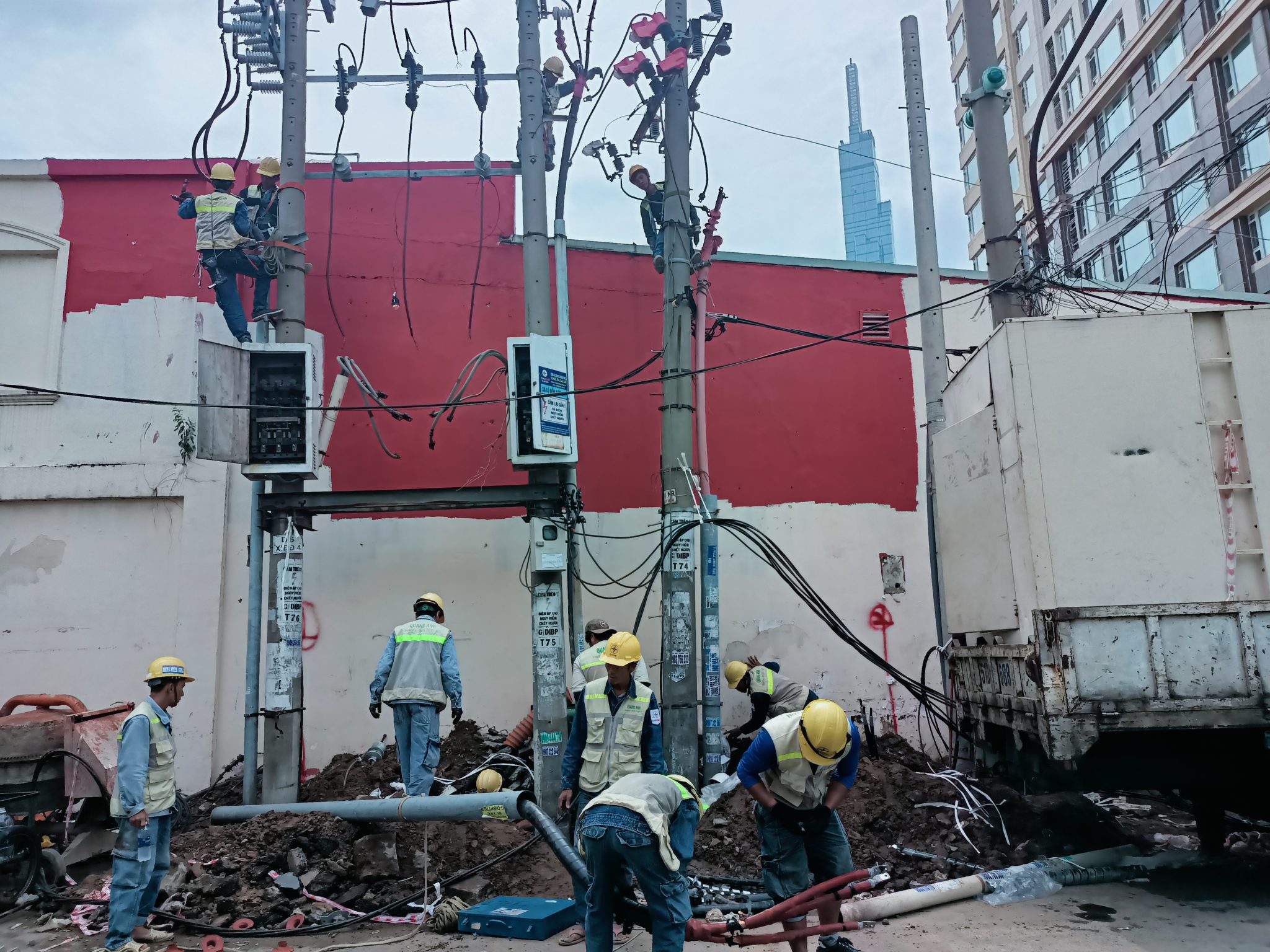
Safety and Quality Standards in Electrical Design
Electrical safety is ensured through designing systems that pose no threat to users, coupled with using equipment meeting international standards to optimize performance, reducing energy losses. Precise assessment of calculated loads is essential, alongside adherence to environmental protection regulations during design phases.
Safety standards for electrical systems are foundational in constructing a secure and efficient system for user safety. Understanding and adhering to these benchmarks is vital for any enterprise operating in the electrical engineering industry.
TCVN 9206:2012 Standard
The design and installation of electrical equipment in civilian structures should comply with TCVN 9206:2012, ensuring:
- Reliable electricity supply: Ensures stable, consistent power is supplied to all users.
- Voltage: Employs 380/220 V for all electrical devices, unless certain motors demand differently.
- Motor power supply: Motors must receive power from a grid with directly grounded neutral to mitigate risks.
- Power reserve: Always maintain at least a 5% reserve of total capacity for unexpected needs.
IEC 62351 Standard
IEC 62351 is crucial in protecting electrical systems from security threats, detailing the structures and security protocols necessary for safeguarding systems from network attacks.
TCXDVN 394:2007 Standard
For construction projects, TCXDVN 394:2007 outlines safety requirements in electrical design and installation, including naming and defining essential terms for safety throughout construction and operation.
General Safety Requirements
- Safe grounding systems: All electrical equipment must have compliant grounding systems to prevent electric shock accidents.
- Ground resistance: Ensure values meet standards to maintain electrical safety.
- Lightning protection: Necessary to secure transformers and distribution equipment, especially outdoor installations.
Adhering to these electrical system safety standards not only protects people and assets but also ensures system stability and sustainability. Standards like TCVN 9206:2012 and IEC 62351 lay the groundwork for developing a system that is both safe and efficient, meeting modern technical demands.
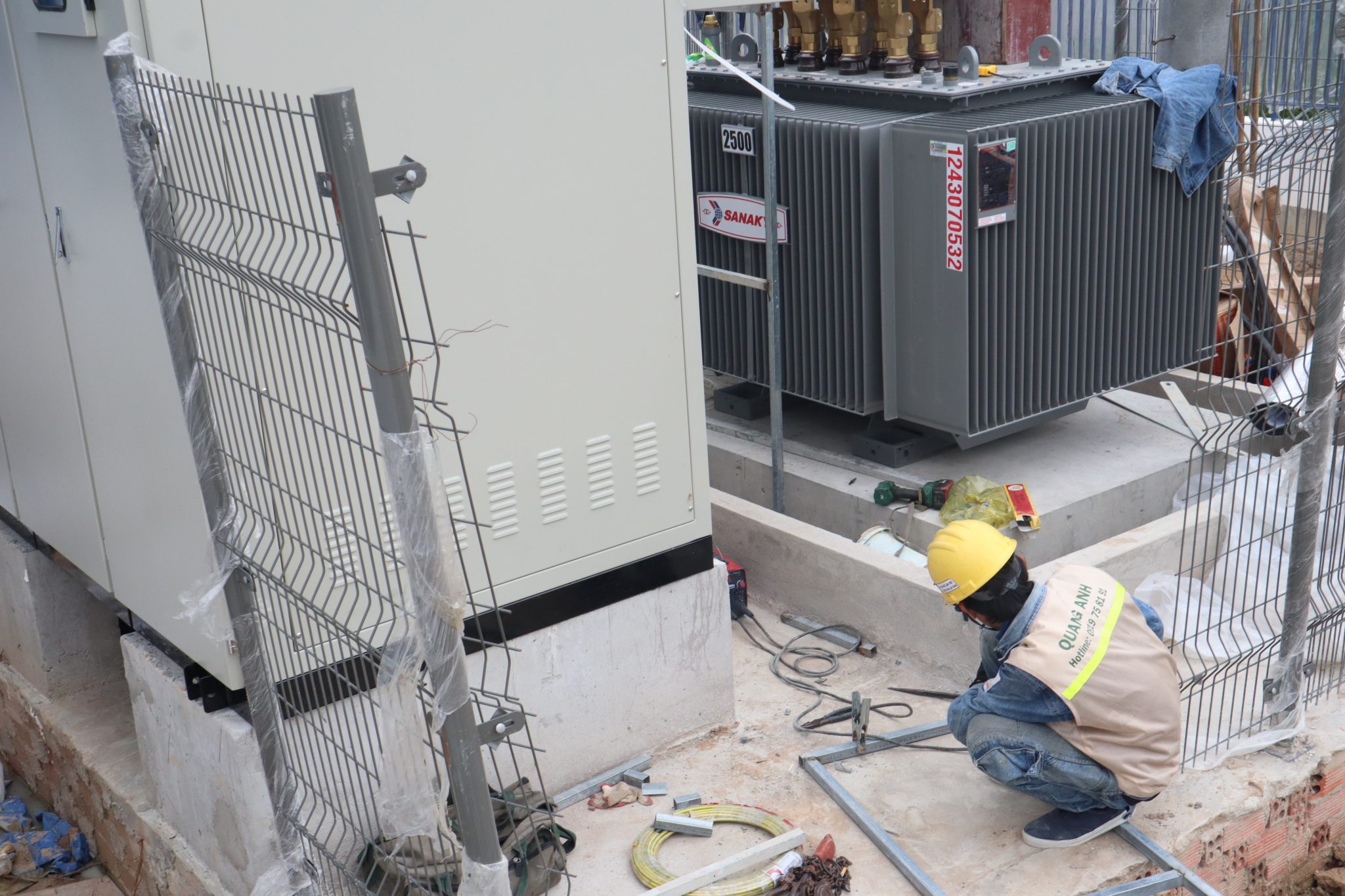
Designing factory electrical systems goes beyond safety and efficiency, also optimizing investment costs, enhancing technical value while supporting sustainable development strategies.
Contact QuangAnhcons now at Hotline: +84 9 1975 8191 for expert factory electrical system design consultation.
QuangAnhcons offers comprehensive factory electrical design services, from practical surveys to implementation, ensuring maximum safety and performance.
[contact-form-7 id="7239967" title="Contact form 1"]
Related Posts
Substation Interconnection Documentation: A Practical Preparation Guide for Investors
A hands‑on guide for investors and M&E engineers on the information groups needed in substation [...]
May
Transformer Substation Construction Quote: Cost Components & Key Cost Drivers
Guidance for breaking down a transformer substation construction quote: main cost groups and the common [...]
May
Substation Solutions for Factories: Investing and Implementation Strategies
Overview of factory substations: when to invest, key components, execution processes, documentation, and selecting the [...]
Apr
Transformer Repair in Ho Chi Minh City: When Immediate Action Is Required
Discover signs of transformer damage, diagnostic methods, on-site handling processes, and criteria for selecting repair [...]
Apr
Transformer Repair: Process, Diagnosis, and Decision-Making
Hướng dẫn sửa chữa máy biến áp cho nhà máy: nhận biết dấu hiệu hỏng, [...]
Apr
24-Hour Transformer Repair: Efficient Solutions and Reliable Power Restoration
Khung xử lý sửa chữa máy biến áp 24h cho nhà máy: nhận biết sự [...]
Apr
Common Mistakes in Transformer Station Construction Leading to Extra Costs
Các sai lầm khi làm trạm biến áp thường không nằm ở một hạng mục [...]
Apr
Comprehensive Guide to Acquiring Used Transformers
Góc nhìn kỹ thuật về thu mua TBA cũ: cách đánh giá hiện trạng, hồ [...]
Apr
Comprehensive Transformers Maintenance for Industrial Plants
Tổng quan dịch vụ bảo trì trạm biến áp nhà máy: lịch bảo dưỡng, thí [...]
Apr
Transformers: Assessing and Safely Handling Used Transformers
Khung đánh giá máy biến áp cũ theo tình trạng kỹ thuật, dầu cách điện, [...]
Apr
How Proactive Transformer Maintenance Minimizes Business Risks
Nhìn từ góc độ vận hành nhà máy, bảo trì chủ động trạm biến áp [...]
Apr
Comparing Oil and Dry Transformers in Industrial Projects
Distinguish between oil and dry transformers based on installation site, safety, maintenance, energy losses, initial [...]
Mar
Electrical Overload Warning Signs in Factories
Recognize early indicators of factory electrical overload such as voltage drops, overheating equipment, circuit breaker [...]
Mar
Risks of Overloading Industrial Transformers Without Upgrades
Keeping the same low-voltage transformer while increasing factory loads can result in overheating, insulation degradation, [...]
Mar
Evaluating and Implementing Transformer Contractors in Tay Ninh
Criteria for selecting transformer substation contractors in Tay Ninh, EPC scope, and factors affecting project [...]
Mar
Comparing Oil and Dry Transformers for Industrial Applications
Examine oil and dry transformers based on installation location, fire safety, maintenance, energy loss, investment [...]
Mar
Comprehensive 1500kVA Transformer Station Budget for Manufacturing Facilities
Guidance for creating a detailed budget list for a 1500kVA transformer station, including medium voltage [...]
Mar
Comprehensive Transformer Station Pricing: Elements and Considerations
Examine key components in comprehensive transformer station pricing including design, equipment, construction, testing, and connection [...]
Mar
Pricing Guide for 4000kVA Transformer Stations: Configuration, Cost, and Investment Process
An overview of configuration, cost estimates, connection approaches, and investment checklists for 4000kVA transformer stations [...]
Mar
Pricing and Setup of 3200kVA Transformer Stations: Configuration, Costs, and Investment Procedure
Explore the pricing structure for a 3200kVA transformer station, primary equipment configuration, cost variables, EVN [...]
Mar