

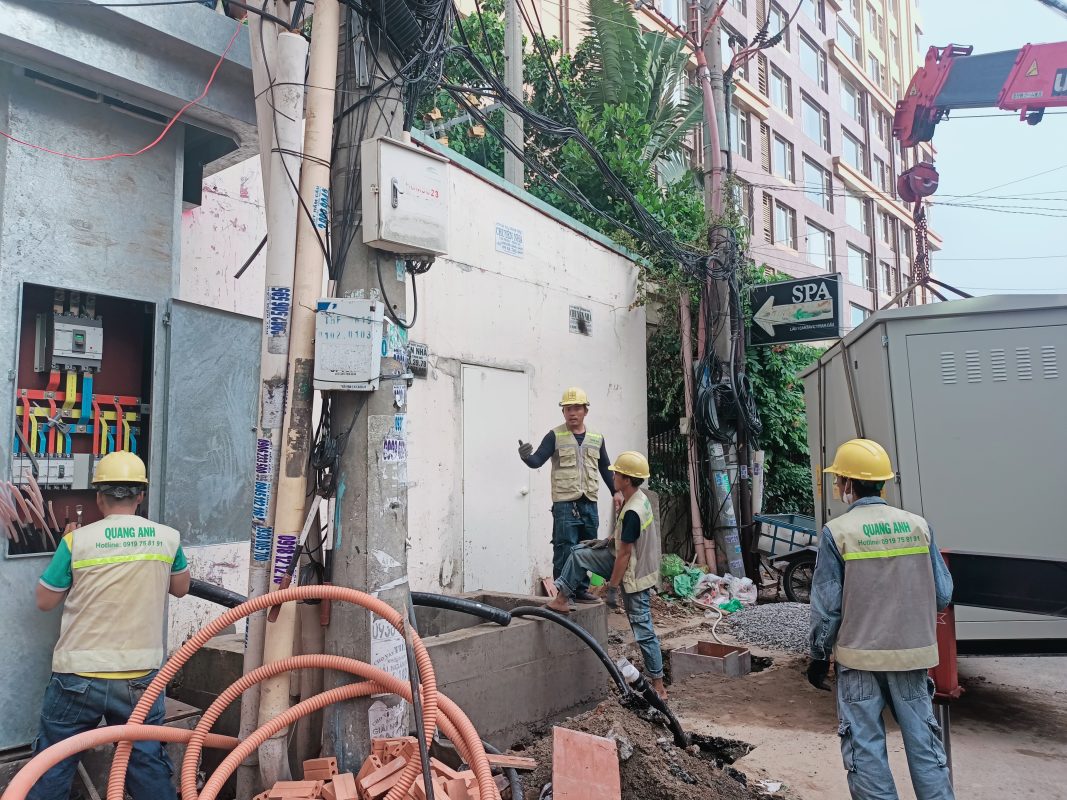
Maintenance of industrial electrical systems is a vital procedure to ensure the safety and efficiency of electrical equipment operations. The standard maintenance process includes preparation, regular inspections, cleaning, and component replacement. Technical needs and management advice are provided to optimize performance and ensure compliance with safety standards.
Standard Maintenance Procedures for Industrial Electrical Systems
Initiating maintenance on industrial electrical systems starts with thorough preparation, ensuring safety by isolating maintenance areas and equipping protective gear such as insulated gloves, boots, and goggles. Regular inspections help to quickly identify issues like electrical leakage or breaks via insulation resistance and continuity testing. Regular cleaning and maintenance, from dust removal to checking and tightening connections, as well as swapping out faulty components like outdated power cables or circuit breakers, ensure optimal system operation.
Maintaining electrical systems is a crucial aspect for any industrial facility, ensuring that the systems operate safely and smoothly. This process must be conducted rigorously and adhere to specific sequential steps.
Before Maintenance
- Complete Preparation: Ensure that maintenance personnel have adequate protective gear including insulated gloves, boots, and protective eyewear to mitigate electrical safety risks.
- Area Isolation: Disconnect power and isolate the maintenance area to guarantee that no active electrical current is present during maintenance to avoid accidents.
- Specific Planning: Clearly identify maintenance areas and create a detailed plan for each segment of the industrial electrical system.
During Maintenance
- Electrical Equipment Inspection:
- Inspect insulation resistance to confirm all insulation meets safety standards.
- Perform continuity tests to trace problematic connections.
- Check the operation of transformers and BUSWAY ducts to ensure stable, error-free functionality.
- Measure voltage and current to ensure they are within acceptable limits, avoiding overloads that could pose dangers.
- Equipment Cleaning and Maintenance:
- Thoroughly clean equipment to remove dust and residues that may affect performance or create safety hazards.
- Refill oil for required devices to ensure smooth operation.
- Inspect and maintain moving parts to prevent operational failures.
- Replacement of Damaged Components:
- Promptly replace damaged parts to maintain system performance.
- Ensure Electrical Safety Standards:
- Re-inspect adherence to safety standards and conduct tests to confirm the system is prepared for safe operation.
After Maintenance
-
Operational Testing: Following completion of the electrical system maintenance, conduct a trial run to ensure all components function correctly at design capacity.
-
Documentation and Reporting: Document all maintenance activities and prepare detailed reports of issues and solutions implemented.
-
Employee Training: Continuously train staff on techniques and safety while updating them with new knowledge to meet the requirements of industrial electrical systems.
Conducting regular maintenance can enhance system efficiency, extend equipment longevity, and ensure safety for manufacturing operations within the facility.
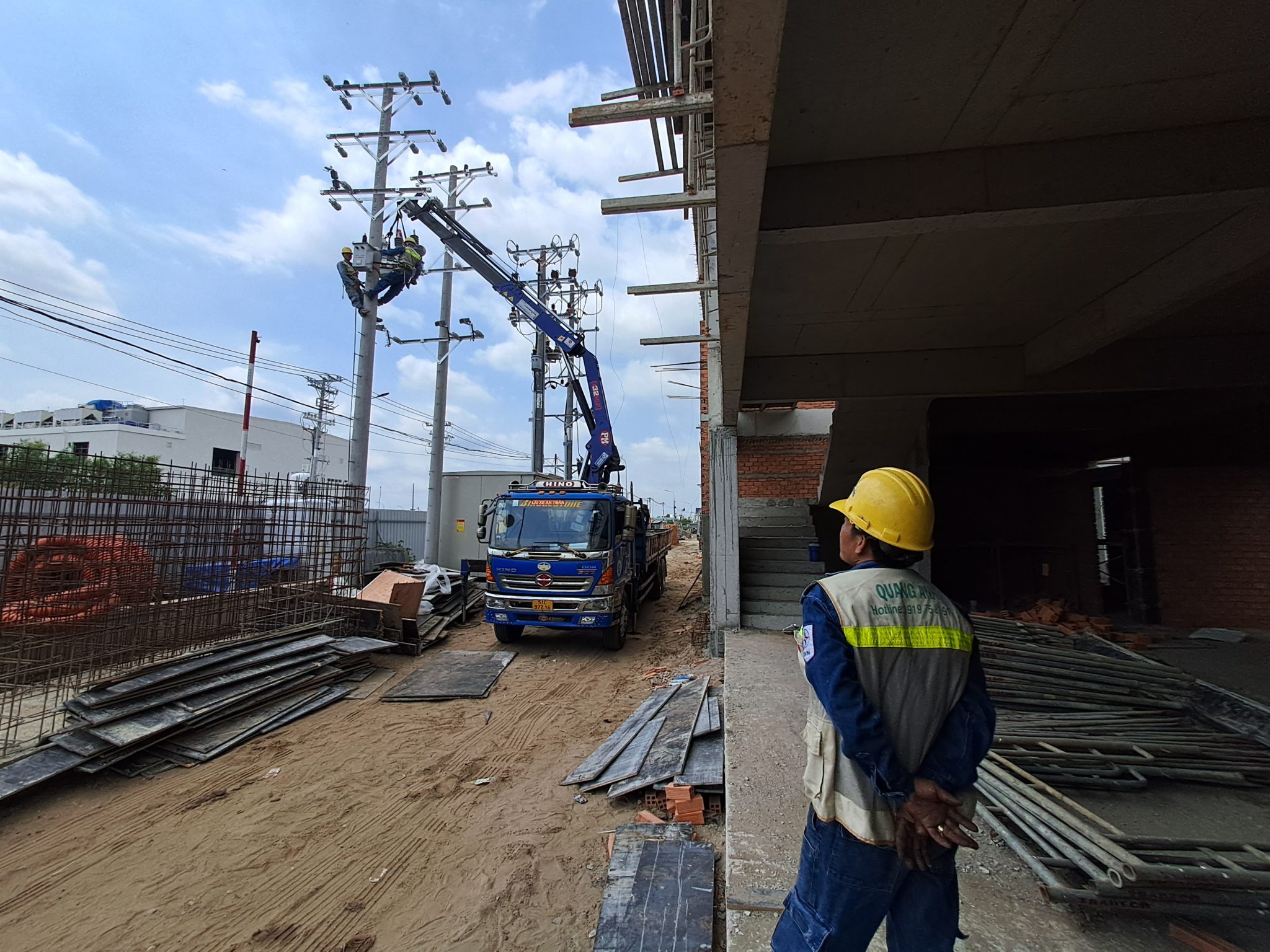
Technical Requirements for Industrial Electrical Maintenance
In maintaining electrical systems, adhering to safety standards like QCVN and IEC 60364 for insulation and grounding is crucial. Unloaded tests detect hidden faults by measuring leakage voltage. Lightning surge checks ensure SPD equipment functions correctly, protecting the system from unwanted natural incidents.
Industrial electrical maintenance is a field requiring profound technical expertise and strict adherence to safety regulations. Success in this field involves executing the following fundamental steps.
Supervision Skills and Standard Procedures
- Equipment Supervision Skills: Engineers must be able to detect and address irregularities through signs like vibrations, temperature, and sound from the equipment. Identifying the root cause of issues swiftly and accurately is vital.
- Electrical Network Analysis: Technicians need to assess the maintenance impact on the entire system, especially when integrating new equipment with existing ones.
- Insulation Resistance and Continuity Testing: Use devices like insulation resistance testers to find leaks or circuit breaches in the system.
Safety and Preparation Before Maintenance
- Protective Equipment: Complete use of insulated gloves, boots, and protective glasses is mandatory to ensure safety.
- Area Isolation: Completely disconnect power and set up barriers to prevent electrical accidents during maintenance.
Detailed System Inspection
- Electric Parameter Measurement: Technicians need to measure the voltage of each phase, balance load, and compare power consumption against the rated value.
- Device Calibration: Devices such as voltmeters, circuit breakers, and protective relays must be calibrated to technical specifications.
Lighting and Conductor Maintenance
- Replace Faulty Lamps/Wires: Prioritize using lamps and wires with appropriate IP ratings for the industrial environment.
- Connection Check: Ensure connections are firmly soldered and clean electrical enclosures to prevent fire hazards.
Inspection and Technical Documentation
- Record Keeping: Document electrical parameters, detected faults, and corrective actions after each maintenance.
- Failure Prediction: Analyze historical data to foresee failures and plan effective parts replacement.
Diagnostic Technology Support
- Temperature Measuring Devices: Use infrared cameras to spot overheating areas on busbars or circuit breakers.
- Monitoring Software: Track power consumption in real-time to promptly detect abnormalities.
During the maintenance process for industrial electrical systems, prioritizing advanced tools such as high-quality insulation resistance testers and digital clamp meters, along with regular training for technicians, is crucial. Ensuring the team stays updated on IEC standards, NFPA, and electrical incident management processes optimizes system safety and efficiency.
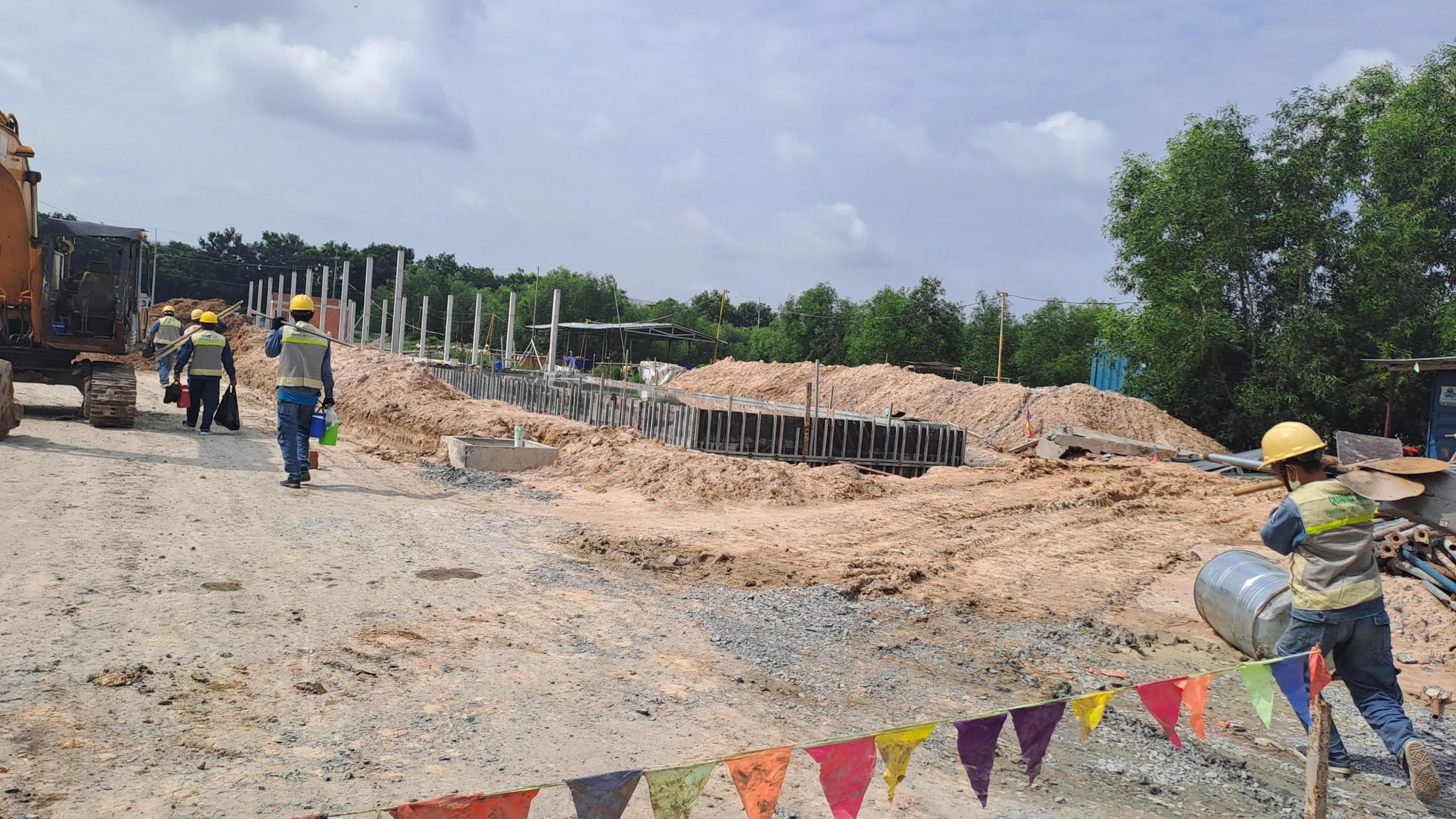
Management and Technological Recommendations for Electrical Maintenance
Management recommendations include conducting maintenance with suitable frequency: monthly checks for components like circuit breakers, relays, and grounding; quarterly cleaning of control panels, insulation resistance measurement; and annual comprehensive system reviews. Staff should be trained in fire prevention and first aid for electrical shock. Supporting technologies like Thermal Imaging Cameras and SCADA software enable quick detection of potential issues and effective system monitoring.
Management of industrial electrical maintenance plays a critical role in maintaining stable operation of the electrical systems. An efficient maintenance management system not only ensures safety but also enhances industrial performance.
Maintenance Management:
- Planning and Scheduling Maintenance
- Routine: Regular maintenance helps detect and rectify issues timely, ensuring steady equipment performance and reducing unplanned downtimes.
- Preventive: Implementing preventive maintenance is key in management, minimizing production interruption time.
- Asset Information Management
- Information Storage: Use databases to store and manage equipment information, maintenance history, and repair parts to increase management efficiency.
- Parts and Inventory Management
- Material Management: Ensure the availability of materials to execute maintenance swiftly, minimizing resource wastage.
- Inventory Management: Proper inventory control is integral to maintenance management processes.
- Labor Force Monitoring and Management
- Human Resource Management: Ensure that personnel have the necessary qualifications and skills for efficient maintenance.
Technological Support in Maintenance:
- Computerized Maintenance Management System (CMMS)
- Functionality: Automates scheduling, work order management, and provides real-time information to managers.
- Analysis: Utilize intelligent data analytics for predicting equipment condition and optimizing maintenance actions.
- Real-Time Monitoring Technology
- Equipment Status Tracking: Utilize sensors and IoT technology in maintenance for continuous monitoring of electrical equipment conditions.
- Automatic Alerts: Timely alerts on potential issues significantly reduce equipment failure risks.
- Predictive Maintenance
- Data Usage: Analyze historical and real-time data to predict when equipment maintenance is necessary.
- Reducing Downtime: Predictive maintenance optimizes operational efficiency and minimizes equipment downtime.
- Electronic Tool Usage
- Work Instructions: Electronic guidance documents featuring multimedia capabilities assist staff in executing tasks accurately.
- Mobile Access: Access and manage via mobile devices enhance flexibility in maintenance processes.
General Recommendations:
- Technology Integration: Integrating advanced technologies like IoT and AI into maintenance management systems optimizes operational efficiency.
- Staff Training: Training staff is essential for fully leveraging new technology benefits.
- Data Analysis: Apply data analysis for continuous maintenance process improvement, enhancing the performance of industrial electrical systems.
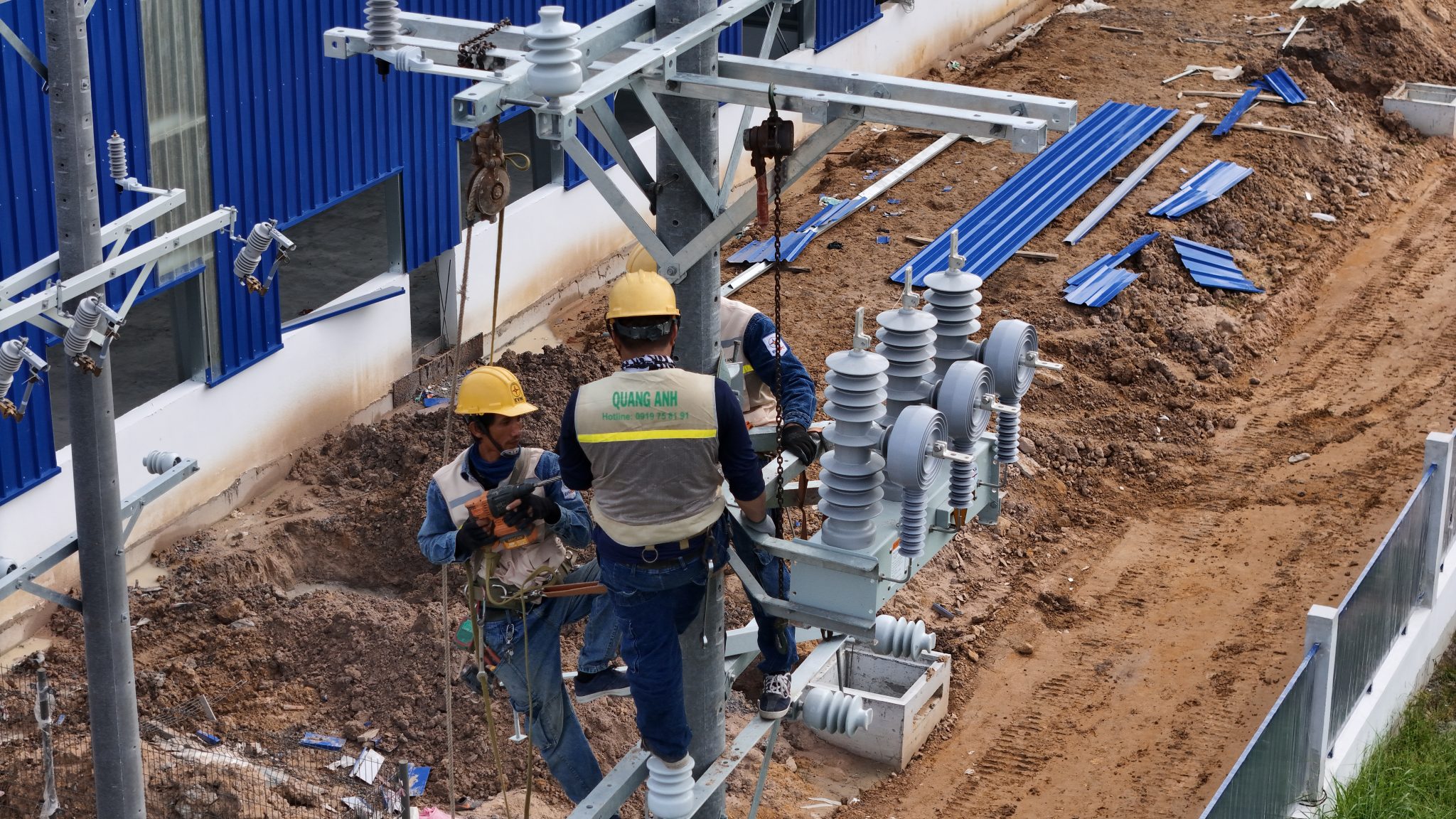
Maintaining industrial electrical systems not only ensures stable operations but also optimizes costs and mitigates electrical risks. Integrating cutting-edge technology and adhering strictly to safety standards are key to enhancing performance and safeguarding long-term investments.
Contact QuangAnhcons today via hotline +84 9 1975 8191 for optimal and safe electrical maintenance solutions.
QuangAnhcons offers industrial electrical system maintenance services with a commitment to quality, employing safety standards and modern technology to ensure customers’ systems operate efficiently and safely.
[contact-form-7 id="7239967" title="Contact form 1"]
Related Posts
Substation Interconnection Documentation: A Practical Preparation Guide for Investors
A hands‑on guide for investors and M&E engineers on the information groups needed in substation [...]
May
Transformer Substation Construction Quote: Cost Components & Key Cost Drivers
Guidance for breaking down a transformer substation construction quote: main cost groups and the common [...]
May
Substation Solutions for Factories: Investing and Implementation Strategies
Overview of factory substations: when to invest, key components, execution processes, documentation, and selecting the [...]
Apr
Transformer Repair in Ho Chi Minh City: When Immediate Action Is Required
Discover signs of transformer damage, diagnostic methods, on-site handling processes, and criteria for selecting repair [...]
Apr
Transformer Repair: Process, Diagnosis, and Decision-Making
Hướng dẫn sửa chữa máy biến áp cho nhà máy: nhận biết dấu hiệu hỏng, [...]
Apr
24-Hour Transformer Repair: Efficient Solutions and Reliable Power Restoration
Khung xử lý sửa chữa máy biến áp 24h cho nhà máy: nhận biết sự [...]
Apr
Common Mistakes in Transformer Station Construction Leading to Extra Costs
Các sai lầm khi làm trạm biến áp thường không nằm ở một hạng mục [...]
Apr
Comprehensive Guide to Acquiring Used Transformers
Góc nhìn kỹ thuật về thu mua TBA cũ: cách đánh giá hiện trạng, hồ [...]
Apr
Comprehensive Transformers Maintenance for Industrial Plants
Tổng quan dịch vụ bảo trì trạm biến áp nhà máy: lịch bảo dưỡng, thí [...]
Apr
Transformers: Assessing and Safely Handling Used Transformers
Khung đánh giá máy biến áp cũ theo tình trạng kỹ thuật, dầu cách điện, [...]
Apr
How Proactive Transformer Maintenance Minimizes Business Risks
Nhìn từ góc độ vận hành nhà máy, bảo trì chủ động trạm biến áp [...]
Apr
Comparing Oil and Dry Transformers in Industrial Projects
Distinguish between oil and dry transformers based on installation site, safety, maintenance, energy losses, initial [...]
Mar
Electrical Overload Warning Signs in Factories
Recognize early indicators of factory electrical overload such as voltage drops, overheating equipment, circuit breaker [...]
Mar
Risks of Overloading Industrial Transformers Without Upgrades
Keeping the same low-voltage transformer while increasing factory loads can result in overheating, insulation degradation, [...]
Mar
Evaluating and Implementing Transformer Contractors in Tay Ninh
Criteria for selecting transformer substation contractors in Tay Ninh, EPC scope, and factors affecting project [...]
Mar
Comparing Oil and Dry Transformers for Industrial Applications
Examine oil and dry transformers based on installation location, fire safety, maintenance, energy loss, investment [...]
Mar
Comprehensive 1500kVA Transformer Station Budget for Manufacturing Facilities
Guidance for creating a detailed budget list for a 1500kVA transformer station, including medium voltage [...]
Mar
Comprehensive Transformer Station Pricing: Elements and Considerations
Examine key components in comprehensive transformer station pricing including design, equipment, construction, testing, and connection [...]
Mar
Pricing Guide for 4000kVA Transformer Stations: Configuration, Cost, and Investment Process
An overview of configuration, cost estimates, connection approaches, and investment checklists for 4000kVA transformer stations [...]
Mar
Pricing and Setup of 3200kVA Transformer Stations: Configuration, Costs, and Investment Procedure
Explore the pricing structure for a 3200kVA transformer station, primary equipment configuration, cost variables, EVN [...]
Mar