

- Understand common configurations for the 2000kVA transformer station and when to use oil-filled, dry-type, RMU, or FCO-LA systems.
- Identify cost framework components and why investment may vary significantly for 2000kVA units of the same power capacity.
- Compare overhead cables, underground cables, single-circuit, and loop systems, and the impact of station design on project timelines.
- Grasp the steps from survey, documentation, testing to energizing, avoiding last-minute project rush.
- Receive a practical checklist to evaluate EPC transformer station contractors based on execution capability and commissioning experience.
- Factory investors planning a 2000kVA transformer station.
- Technical, maintenance, or project management teams comparing medium voltage power solutions.
- Purchasing teams needing a basic framework for obtaining quotes and defining supply scope.
- Operations managers reviewing configurations, safety, and connection requirements before load expansion.
When should you read this?
- When estimating the budget for a 2000kVA transformer station for new projects.
- When indecisive about kiosk station, outdoor station, indoor station, or deciding between overhead and underground cabling.
- Before preparing power supply application documents, EVN connection, or planning cut-off/electric hotline.
- When screening contractors based on capability records and real commissioning experience.
- 1. Basic Technical Framework for 2000kVA Factory Transformer Stations
- 2. Main Equipment Configuration and Key Points Before Requesting Quotes
- 3. Optimal Station and Cabling Solutions for Site, Safety, and Operations
- 4. Factors Affecting the 2000kVA Transformer Station Cost Estimate
- 5. Implementation Process from Survey to Energizing and Handover
- 6. Common Mistakes and Checklist for Selecting Comprehensive Contractors
Investing in a 2000kVA transformer station isn’t just about acquiring the transformer itself. Factors like medium voltage configuration, type of station, cabling routes, construction conditions, connection plans, and legal documentation all influence costs. For a realistic quotation, investors must finalize precise technical specifications before comparing contractors.
Basic Technical Framework for 2000kVA Factory Transformer Stations
Define your investment needs — new load, expansion, or standardizing power supply — to determine the suitable configuration of a 2000kVA transformer station, avoiding over or under-spec.
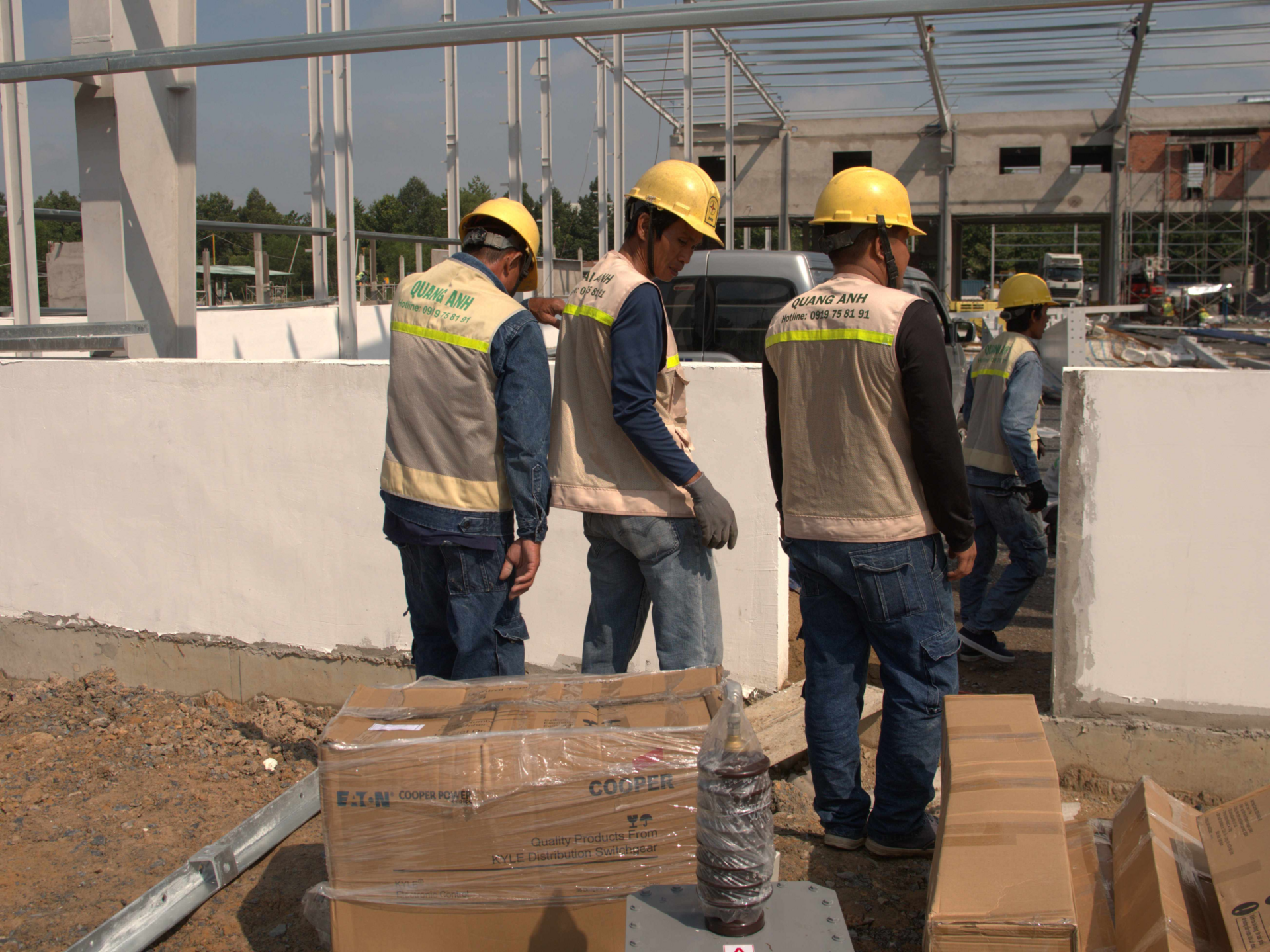
The 2000kVA transformer station is typically utilized in factories or industrial zones and not standard for smaller residential projects.
Technically, the common configuration is 22kV/0.4kV medium/low voltage, with oil-type transformers meeting grid distribution regulations; voltage choice can be adjusted based on local requirements and EVN connection points. On-site surveys should verify distance to EVN points, cabling types (overhead or underground), and terrain conditions as these significantly affect costs and progress.
The 2000kVA station has two main implementation types: outdoor on a steel frame or concrete platform, or indoor as a kiosk/combined package; the choice relies on space, terrain, and climatic conditions. Key components include the transformer, protective devices (switches, relays, grounding), control cabinet, medium and low voltage lines, and grounding system; during maintenance, inspection of transformer oil, insulation levels, ground rod contacts, and protective device states is crucial.
Cost-wise, main materials (transformer and station equipment) typically account for about 50–60% of total project cost, the remainder being soft costs such as design, appraisal, testing, and construction; however, this ratio is illustrative and requires field survey for accurate estimates. Operation warning: the length of medium voltage lines and type of installation (underground or not) can increase costs and extend EVN connection time.
The standard investment process includes drafting design documents → appraisal → construction → testing → acceptance → EVN connection; each step requires preparation of technical documents, test reports, and safety checks per regulations. The station must undergo inspection, equipment testing, and comply with electrical safety requirements before commissioning; oil transformers often come with a minimum three-year warranty.
| Component | Description | Field Check |
|---|---|---|
| 2000kVA Transformer | Oil-filled transformer, designed for industrial grid distribution | Oil inspection, insulation tank, voltage specifications, and warranty |
| Protective Devices | Switches, relays, disconnectors, lightning protection | Relay settings check, cutting function, contact points |
| Control Cabinet | Control, measurement, and monitoring unit | Signal measurement check, SCADA connections (if applicable) |
| MV/LV Lines and Grounding | Medium/low voltage lines, grounding system | EVN connection distance check, ground resistance |
Brief conclusion: clearly defining the investment requirements and conducting early field surveys can streamline design phases and prevent selection of unsuitable configurations, thus preparing well for subsequent appraisal and EVN connection stages.
Main Equipment Configuration and Key Points Before Requesting Quotes
Lock in the minimum technical scope for quoting includes 2000kVA (oil/dry) transformer, RMU for underground cables, FCO, LA, ACB 3P 3200A, low voltage cabinet, capacitors, and cables.
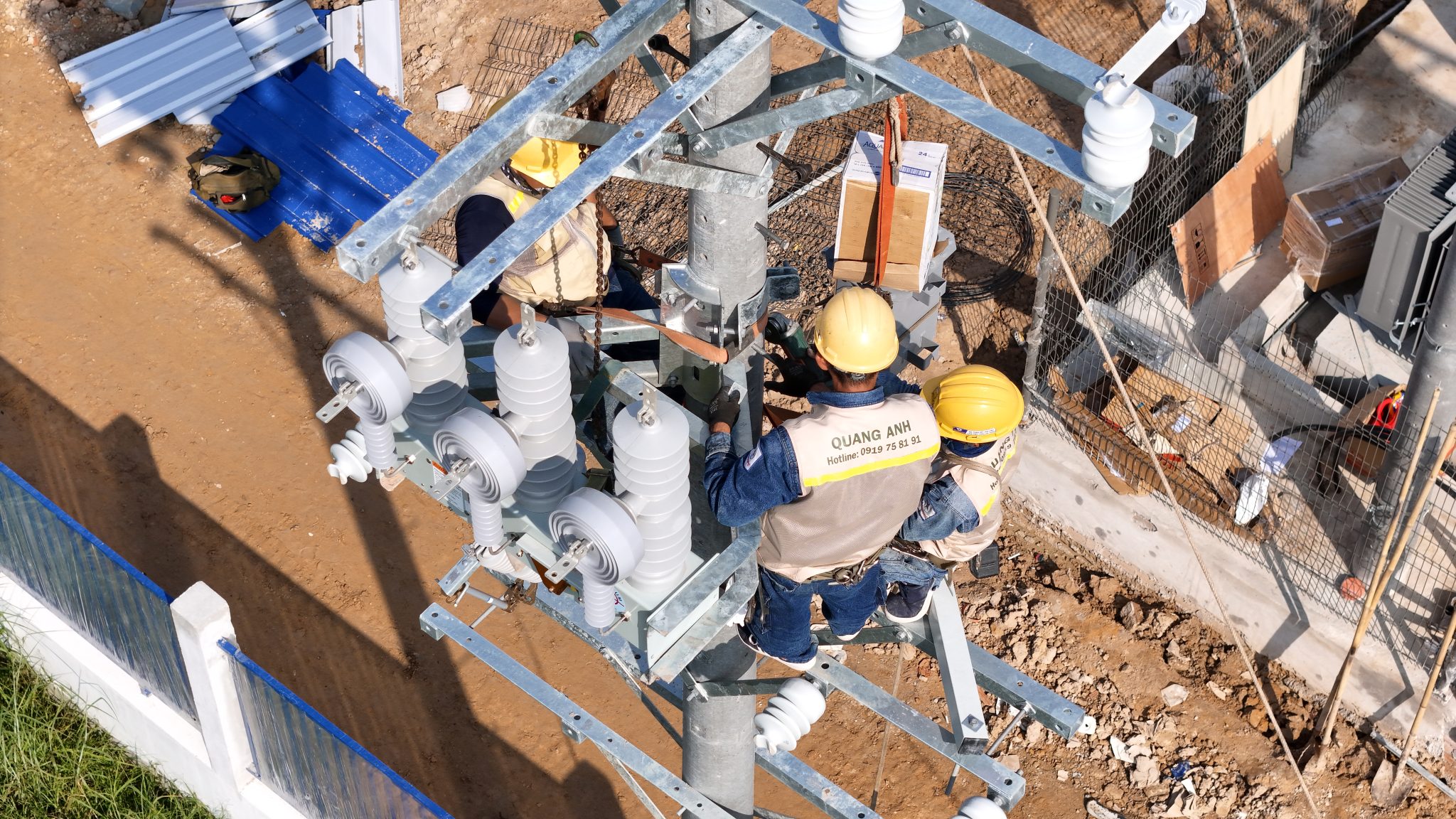
The minimal configuration should include one 22/0.4kV 2000kVA transformer, RMU for underground cabling, FCO and LA at the medium voltage input, an ACB 3P 3200A, low voltage cabinets, appropriate capacitors, and cables.
Technically, a 2000kVA transformer usually utilizes oil-type and meets EVN distribution grid installation standards per relevant TCVN; however, the choice between oil or dry-type must confirm according to operational requirements and environmental location conditions. On-site inspections should verify foundation sizes, bolt systems, composite beams, and grounding needs to ensure the transformer is installed to mechanical and safety standards.
The AFLR RMU type is common for loop circuits with medium voltage underground cables; FCO is used for overload protection of medium voltage lines, and LA is placed at input points to limit lightning surge. On real-world surveys, determining the number of cable circuits, cable lengths, and circuit layout (1 circuit/2 circuits) decides the RMU type, 24kV upright insulators, and other auxiliary structures.
ACB 3P 3200A is typically chosen as the primary low voltage circuit breaker for stations with large loads; the low voltage cabinet handles busbar distribution to load branches. Capacitor compensation must be calculated based on current cosφ and actual load; hence, during maintenance or surveys, measuring the power factor and load usage to determine capacitor capacity is essential.
- Decide on transformer type: oil or dry; station type: indoor (foundation) or kiosk/outdoor.
- Confirm RMU scheme (AFLR with underground cable) or direct contact with the grid.
- Identify FCO, LA positions at medium voltage input; number of 24kV upright insulators needed.
- Main ACB: 3P 3200A or per rated load requirement; low voltage cabinet and busbar configuration.
- Capacitors: require cosφ data and load profile to calculate compensation capacity.
- Cables: define based on length, cross-section, circuit number, and single or dual circuit layout.
- Safety factors: ensure grounding system, bolt foundation, composite beams, and safe outdoor clearance.
Operational warning: when selecting dry transformers, verify cooling capacity at installation locations and short-term overload conditions; if underground cabling is used, RMU scheme and FCO/LA positioning must be finalized before issuing quotations. Once identified, provide floor plans, load specifications, and cable lengths to contractors for detailed pricing completion.
Optimal Station and Cabling Solutions for Site, Safety, and Operations
Compare kiosk stations, outdoor platform stations, indoor stations, steel frame/shed stations with overhead, underground cables and single or loop circuits based on site conditions, safety, and operations.
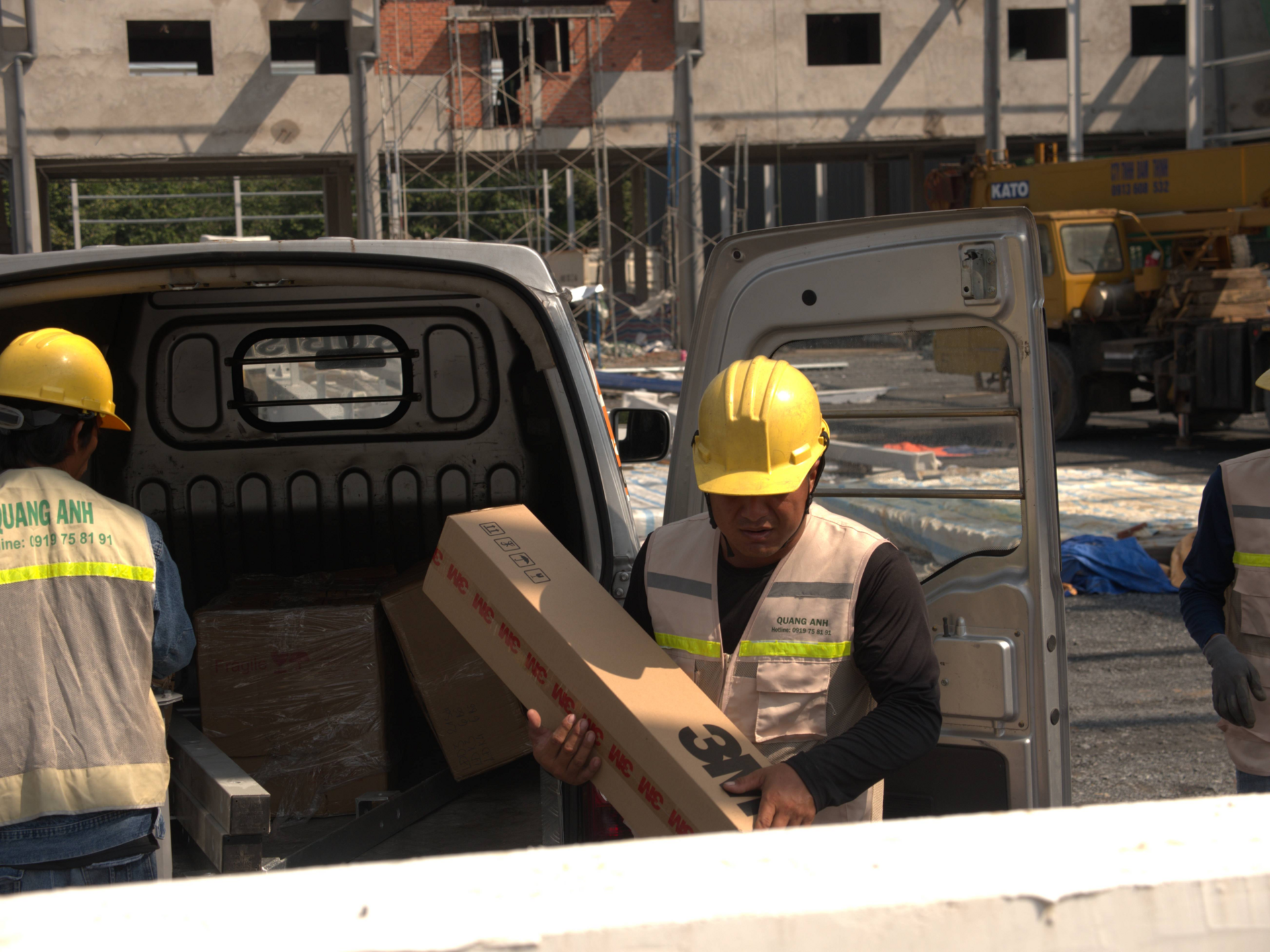
Kiosk stations are ideal for tight urban sites, outdoor platform stations suit wide areas with easy maintenance; indoor stations offer device protection, while steel frame/shed stations are preferred in elevated terrain; underground cabling fits densely populated areas and loop circuits are a must for crucial loads.
For the 2000kVA station, an outdoor platform installation is typically preferred where space is ample, open, and conducive to construction; the field survey should verify foundation dimensions, drainage capacity, and safety distances. A combined kiosk station is favored for limited area installations (typical installations <500m² prioritize kiosks or underground solutions) as kiosks come with integrated equipment and fast installation, but maintenance access should be considered.
There should be consideration for using steel frame or shed stations in high-altitude regions or when elevation is required for load-bearing and weather resistance. Indoor stations are options when equipment needs protection from dust, moisture, or when noise limitations are in place; during maintenance, ventilation adequacy and equipment access must be checked.
| Station Type | When Suitable | Field Check Criteria |
|---|---|---|
| Outdoor Platform Station | Wide area, easy access, frequent maintenance required | Foundation size, drainage, safety distance |
| Combined Kiosk Station | Narrow urban sites, needs rapid installation, integrated | Area <500m², access routes, foundation load capacity |
| Indoor Station | Protects equipment from dust, moisture, environmental requirements | Ventilation, fire safety, maneuvering space |
| Steel Frame / Shed Station | High terrain, requires strength and good heat dissipation | Foundation capacity, maintenance access, corrosion resistance |
For medium voltage cabling choices, overhead cabling is often preferred for shorter routes, easily accessible terrains, or when initial investment needs to be reduced; underground cabling suits densely populated areas, high traffic zones, or when aesthetics and public safety are priorities. During factory surveys, geological conditions, underground infrastructure boundaries, and source distances should be assessed.
- Single-Circuit: Suitable for stable loads with minimal backup requirements; initially cost-effective but lacks redundancy during faults.
- Loop Circuit: Necessary for critical loads, or when continuous power supply is essential; enhances reliability but involves higher installation complexity and costs.
Operational warning: if the route traverses major transportation or densely populated areas, underground cabling should be prioritized to mitigate collision risks; if initial cost reduction and short routes are the goals, an overhead and outdoor platform option may be sensible. From a safety perspective, adherence to medium voltage cable safe distances according to QCVN 01:2020/BCT and related standards is crucial.
Next Steps: Conduct field surveys, forecast estimated load for 2000kVA, evaluate geological conditions and operating requirements to finalize station, cabling, and circuit options, referencing TCVN 7447-1:2010 and Circular 25/2020/TT-BCT during acceptance.
Factors Affecting the 2000kVA Transformer Station Cost Estimate
Analyze cost layers for a 2000kVA transformer station and highlight major variables like transformer type, cable length, terrain conditions, connection options, and construction volume.
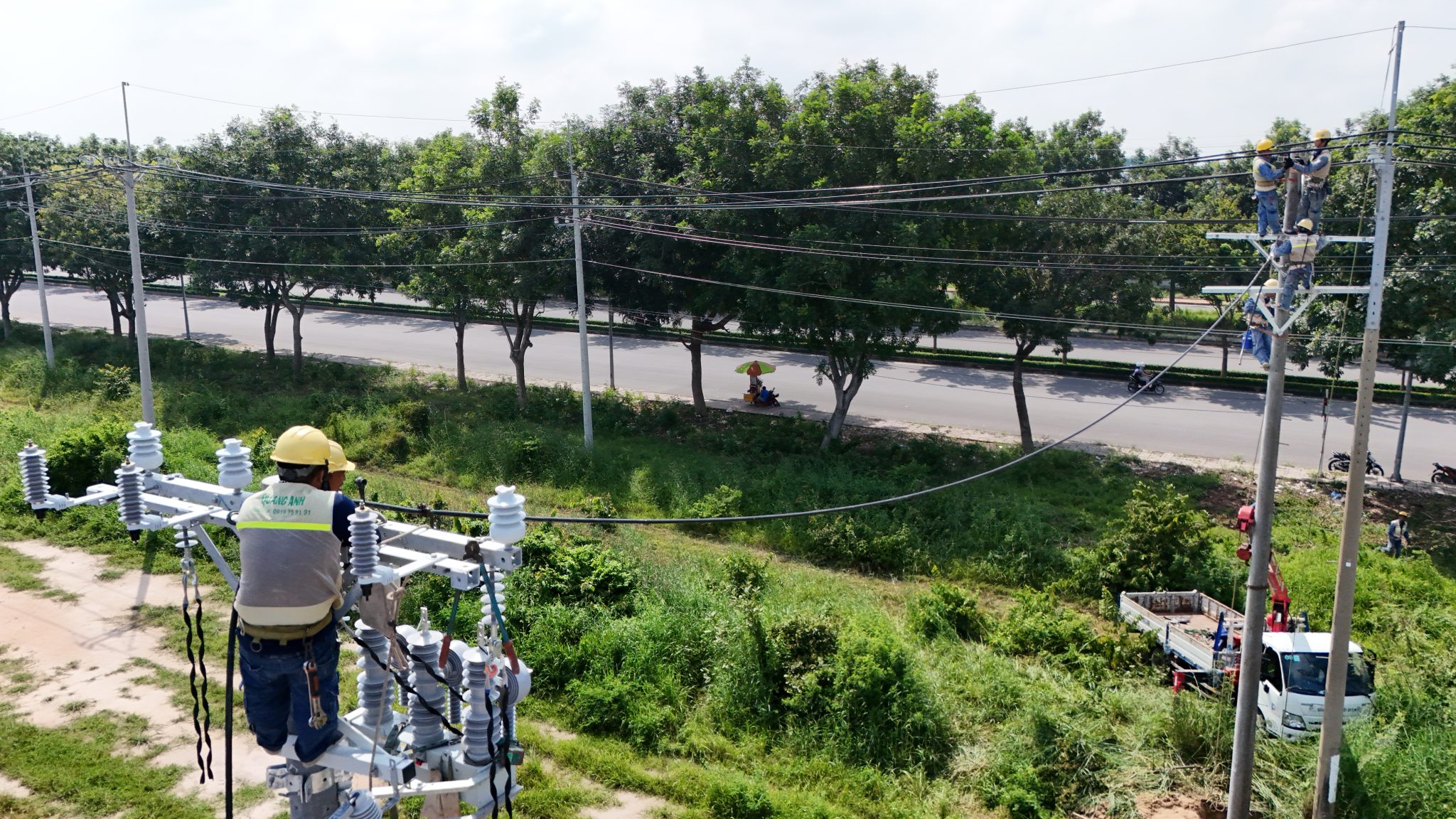
Main factors altering the cost estimate of a 2000kVA transformer station are the transformer type, connection options, cable length, terrain conditions, and construction volume.
To read the cost estimate by layers, clearly distinguish between main equipment costs, medium/low voltage cable and installation costs, foundation-building costs, and acceptance/testing costs.
The type of transformer (oil ONAN, sealed, dry, amorphous) directly impacts both the equipment price and loss levels. According to Decision 797, an ONAN 2000kVA transformer reports Po 2510W and Pk 19000W, data that dictate configuration choices. Station enclosures made of 2mm thick electrostatic-painted steel or stainless steel influence manufacturing costs and meeting IP54 protection requirements.
The transformer’s size and weight define concrete foundation, transport methods, and installation operations. For reference, dimensions are 2050x2100x1330mm and total weight 4840kg, thus during construction phase, method confirmation of lifting and bracket/grouding inspections is essential.
The length of the 22kV medium voltage cable and schematic arrangements (e.g. single line diagram, Dyn-11) determine the scale of the cable, trenching, and support needs. Switchgear and protective equipment brand names and configurations (e.g., ABB, Schneider) change contract values, particularly when large-capacity capacitors are needed.
Acceptance requirements from EVN (Decision 62, Decision 797) influence costs for verification, testing, and acceptance procedures. Installation terrain (indoors, outdoors, oil sump) alters foundation drawings, fencing, grounding system, and fire protection/lighting methods.
- Main Equipment: Transformer type (oil ONAN/dry/sealed), Po/Pk specs, rated voltage.
- Switchgear and Protection system: Brand, insulation category, and capacitor capacity.
- Medium/Low voltage Cabling: Real length, routing, trenching, and burial depth.
- Construction and Foundation: Machine dimensions, weight (4840kg), soil conditions, drawing volume.
- Transport & Installation: Access to field, lifting equipment capacity.
- Acceptance and Testing: EVN compliance, verification costs.
The final decision for quoting should depend on field surveys: accurate cable length measurement, foundation site geological assessment, confirming connection schematics and device size/weight verification. Only when these data are available can a detailed budget and accompanying cost variants in contracts be compiled.
Implementation Process from Survey to Energizing and Handover
Guide on installing a transformer station from site survey, design documentation, 22kV connection application, construction, testing/verification to energizing and handover.

The implementation process starts by surveying the installation site and ends with energizing documentation, verification, and operational handover.
During plant surveys, it is essential to determine the required capacity (2000kVA), environmental conditions, distance to the 22kV medium voltage grid, and foundation placement. On-site, checking floor elevation, oil sump placement, and safety distances from adjacent structures is critical before proceeding to detailed design phases.
Design documents should include a single line diagram, substation layout, equipment placement, cross-sectional and foundation detail; in practice, this typically involves around 26 drawings covering diagrams to construction quantity totals. During site design acceptance, dimensions and foundation placements, shutter positions, and high/low voltage cable and trench support locations must be confirmed.
Administrative procedures with local power companies for 22kV grid connection applications require technical documentation and scheduling for power outages. During maintenance, strict coordination with power grid operations for scheduled outages is vital; hot-line methods demand specialized construction approaches and definitive safety measures.
Construction involves building substation houses, installing ONAN or sealed transformers, arranging oil pits, grounding system, and fire protection. On-site, ground measure checks, oil pit sealing, and completion of safe lighting is necessary; barriers and safety fencing must be installed before acceptance.
Verification, testing, and criteria on-site before connection typically include:
- Measurement of no-load loss Po (reference: Po ≤1500W if applied per document);
- Measurement of short-circuit loss Pk (reference: Pk ≤17100W) and short-circuit voltage Uk% (Uk ≥6% as per document and applicable standards);
- Review wiring schematics, confirm Dyn-11 group, and measure no-load current Io (reference Io around 1% as per design);
- Check ground resistance, perform dielectric tests, confirm protective function tests.
On-site, all testing outcomes must be recorded in a report with measured parameters; if results fall outside required limits, connection is paused for resolution. Compliance with applicable guidelines such as Decision 797/DL HCM and related transformer standards is mandatory during acceptance documentation.
Following verification completion, operational handover includes energizing documentation, grounded site acceptance records, safe door completion, construction volume statistics, and operational guidance. Practically at the plant, retaining complete technical documentation with construction logs facilitates maintenance post-handover.
Common Mistakes and Checklist for Selecting Comprehensive Contractors
Filter comprehensive transformer station contractors based on grid commissioning capability, approved design documentation, handling outages, and acceptance verification.
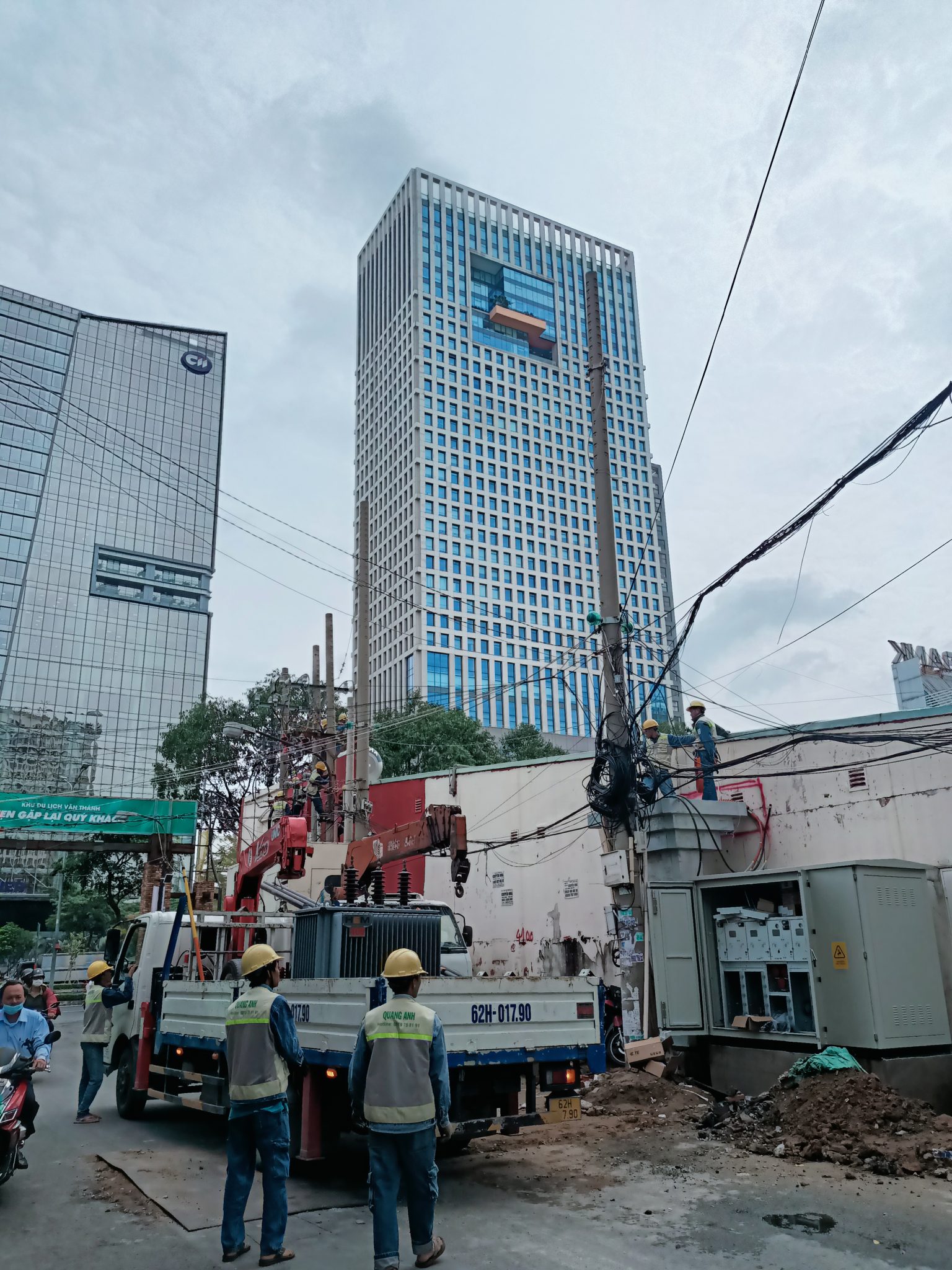
Selecting contractors based solely on low bids is unwise; prioritize grid connection capability, verified design documentation, and ability to manage hidden costs such as power cuts, connections, and equipment testing.
From a technical perspective, ensure contractors have design documentation, cost estimates, and related approvals before contract signing. During plant site surveys, verify copies of approved documentation; in maintenance stages or when verifying acceptance, request completed operational test logs and commissioning agreements. Installation documentation must be EVN approved before constructing a 2000kVA station, and oil-type transformer equipment testing should yield results matching EVN guidance.
On-site, do not overlook capability for transporting and installing 2000kVA oil transformers: inspect transport method specifications, lifting devices, and remote oil containment plans. Common errors include neglecting acceptance documentation; prefer contractors with final acceptance records from both Industry Departments and EVN or those who have completed at least three equivalent 2000kVA projects.
| Criteria | Proof/Requirement | Field Verification / Indicators |
|---|---|---|
| Grid Commissioning Experience on EVN | Commissioning agreements, similar project names | EVN coordination reports; commissioning schedules |
| Approved Design Documentation and Cost Estimates | Approved documentation copies | During survey: approved documentation, signatures, stamps |
| Transformer Testing | Equipment testing records as per EVN requirements | Testing reports for resistance, insulation, and oil tightness |
| Oil Transformer Transport & Installation | Project documentation with real installation photos and acceptance records | Lifting/Handling plan, oil spill prevention methods |
| Construction Supervision & Electrical Safety | LIST of personnel with safety certificates | Construction logs, on-site safety measures |
| Comprehensive Scope | Contract clarifying materials, construction, transport, installation, warranty | Invoices, material delivery notes, acceptance certifications for each item |
Decision and operational warnings:
- Warning: selecting contractors solely by low price often leads to missing approval documents, delayed acceptance, and unexpected outage costs; resolution delays are common in disputes.
- The decision should demand contractors present proof of completing at least three equivalent 2000kVA transformer projects and grid commissioning reports with EVN before contracting.
- Warning: avoid cutting design verification, cost estimates, and independent supervision from the comprehensive contract; these are critical risks in acceptance with Industry Departments and EVN.
Next steps should demand complete capability documentation from shortlisted contractors, including approved documentation copies, EVN commissioning reports, and precise scheduling for planned outages/connections to compare risk and hidden cost potential.
A well-prepared 2000kVA transformer station quote must include a clear scope, finalized configuration, and a practical connection timeline. If specifications remain uncertain regarding station type, cabling, or energizing schedule, price differences are expected and should be reviewed alongside delivery risks.
Frequently Asked Questions
What load level is suitable for a 2000kVA transformer station?
A 2000kVA station is typically used for factories or industrial zones with large loads or requiring expansion reserves. The key is comparing anticipated peak demand with transformer capacity, concurrency, and load duty ratios. Needed data: peak load, operation model, and expansion planning.
Should I choose an oil or dry transformer for a 2000kVA station?
The choice depends on location, environmental conditions, and safety requirements. Oil transformers suit larger sizes with better efficiency and lower cost; dry transformers are selected for fire resistance, indoor use, or sensitive environments. Needed data: space, ventilation, fire safety regulations, and maintenance needs.
When is it necessary to use RMU versus FCO-LA configuration?
RMU is needed when stations connect to underground cables or require loop circuits for control, change-over, and protection on the cable network. FCO-LA fits simple medium voltage line inputs, overhead cables, or when only minor primary protection is required. Needed data: line type (underground/anchor), circuit diagram, and operational requirements.
Does the project cost always include hotline connection for a 2000kVA transformer station?
Not necessarily; hotline cost only occurs when construction requires maintaining power (non-disconnection) or when scheduled disconnections aren’t possible by electric utilities. Principle: weigh production downtime risks, safety, and costs; needed data: disconnection ability, continuous supply requirements, and local power company policy.
Is investing in a looped underground medium voltage circuit truly more worthwhile than a single circuit?
Loop circuits increase reliability and decrease downtime but cost more for cables, manholes, and complex installation. Single circuits are less costly and sufficient for non-critical loads. Decisions depend on availability needs, budget, and line length/feasibility; required data: load demands and production risk levels.
What documentation should the investor request from the contractor before finalizing the contract?
Minimum requests: detailed scope proposal/BOM, one-line diagram, transformer technical specs, construction schedule, testing and acceptance plan, competence certificates, commissioning experience, and safety plan. If incomplete, request clear details before contract signing.
How to Prepare Specifications to Obtain Accurate 2000kVA Transformer Station Quotes
- Identify current load, reserve loads, and expansion goals for the plant.
- Finalize expected station type, installation location, and medium voltage cabling route based on actual site conditions.
- Clarify main configuration requirements like oil or dry transformers, RMU or FCO-LA, low voltage cabinets, and compensation needs.
- Review construction conditions affecting costs, such as industrial zones, urban areas, rural or mountainous terrain, wet season, and transport routes.
- Early check on connection plan with power utilities: scheduled outages or hotline needs.
- Request contractors itemize quotes by cost groups for easy scope comparison.
- Compare capability records, grid commissioning experience, and testing acceptance plans before selecting a contractor.
When planning to invest in a 2000kVA station for your plant, begin with a unified input dataset to allow comparisons of price proposals on equivalent technical and timeline bases.
[contact-form-7 id="7239967" title="Contact form 1"]
Related Posts
Pricing and Setup of 3200kVA Transformer Stations: Configuration, Costs, and Investment Procedure
Explore the pricing structure for a 3200kVA transformer station, primary equipment configuration, cost variables, EVN [...]
Mar
Cost Estimation for 2500kVA Transformer Station: Configuration, Expenses, and Investment Process
Reference framework for quoting a 2500kVA transformer station based on configuration, station type, cable solutions, [...]
Mar
2000kVA Transformer Station Guide: Configuration, Costs, and Investment Process
Discover key aspects of a 2000kVA transformer station: from technical configuration and cost analysis to [...]
Mar
Pricing and Configuration Guide for 1600kVA Substations
A detailed guide on pricing for 1600kVA substations, including equipment specs, connection costs, EVN procedures, [...]
Mar
Comprehensive Guide to 1500kVA Substation Pricing: Configuration, Costs, and Investment Process
A comprehensive overview of configurations, costs, construction methods, connection procedures, and contractor selection for 1500kVA [...]
Mar
Tay Ninh Solar Power Planning: Technical Framework, Grid Interconnection, and Rollout Roadmap
Technical overview of solar planning in Tay Ninh: irradiation, grid capacity, permitting, design, operations, and [...]
Dec
Binh Duong Solar Planning: Regulatory Framework, Grid Interconnection, and an Implementation Roadmap for Factories and Industrial Parks
An overview of Binh Duong solar planning: legal framework, interconnection, design, risk management, and an [...]
Dec
Solar Farm Repair: O&M Workflow, IV Curve Diagnostics, Thermography, Inverter Service and Utility-Scale Safety
A utility-scale solar farm repair plan centered on O&M, IV curves, thermal imaging, inverter service, [...]
Dec
Dong Nai Solar Power Plan 2023–2025: Tri An 1,029 MW, Grid Upgrades and the DPPA Pathway
A complete look at Dong Nai’s solar power plan: Tri An 1,029 MW, irradiation potential, [...]
Nov
Quang Ngai Solar Power Plan 2024–2030: Legal Framework, Irradiance Potential, and Development Roadmap
A complete look at Quang Ngai’s solar power plan: capacity targets, irradiance (PVout), development zones, [...]
Nov
Solar Damage Assessment Services: On-Site Procedures, EL/IV/Thermography Testing & Compliance with Standards
Discover IEC/UL/NEC standard solar damage assessment processes: on-site evaluation, EL and IV curve testing, thermal [...]
Nov
Comprehensive Package Estimate for a 1800MVA 500kV Substation: Scope, Configuration 3x600MVA, Standards and Timeline Management
An overview of the 1800MVA 500kV substation estimate: construction scope, configuration 3x600MVA, GIS/AIS, SCADA, standards, [...]
Nov
Factory Electrical Systems: Comprehensive Design and Implementation Guide
Discover the detailed and safe process of factory electrical systems design and implementation. [...]
Oct
Blueprints Required for Factory Construction Permits
Discover the necessary blueprints in factory construction permit applications, from floor plans to electrical and [...]
Oct
What Are the Requirements for a Factory Construction Permit? A Comprehensive Guide
Explore the documentation and steps needed to secure a factory construction permit for streamlined project [...]
Oct
Factory Construction Permit Procedures in Vietnam: Essential Guidelines and Documents
Learn the procedures for securing a factory construction permit in Vietnam, focusing on document preparation [...]
Oct
Key Steps in the Factory Construction Process
Discover the essential steps and requirements for building factories. [...]
Oct
Comprehensive Electrical Substation Solutions by Quanganhcons
Discover the cutting-edge electrical substation solutions offered by Quanganhcons for industrial applications. [...]
Oct
Investment Costs for a 1MWp Solar Power System and Influencing Factors
Explore the investment costs for a 1MWp solar power system in Vietnam and the influencing [...]
Sep
QuangAnhcons: Elevating Wind Energy Solutions
Explore QuangAnhcons' leadership in wind energy and renewable solutions in Vietnam. [...]
Sep