

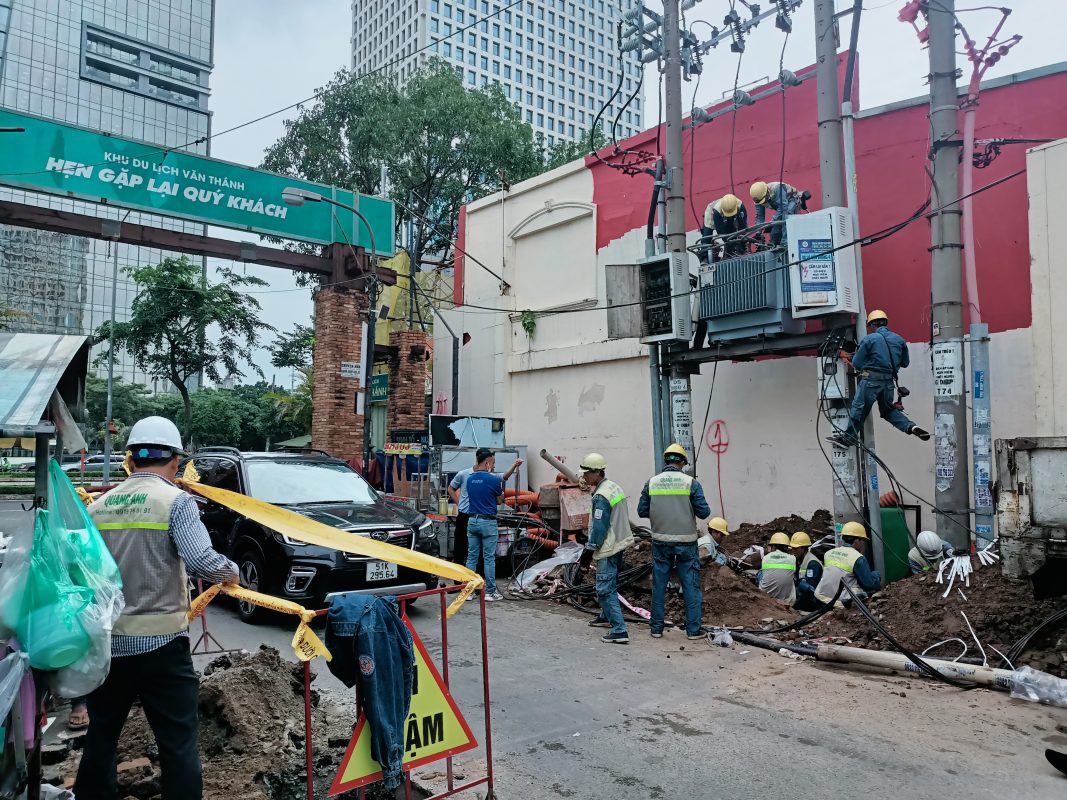
- Clarifies the distinction between building new transformer stations and upgrading or extending existing ones in Tay Ninh.
- Outlines practical criteria for evaluating contractors based on surveying, design, construction, and coordination with electricity suppliers.
- Summarizes common scope tasks of transformer substation packages for plants, from medium voltage to commissioning.
- Defines field steps directly affecting timelines, such as connectivity, testing, and emergency readiness for energization.
- Highlights cost-influencing factors with prudence, avoiding speculation without concrete budget data.
- Investors in factories or industrial parks seeking transformer substation contractors in Tay Ninh.
- Technical, maintenance, and project management personnel preparing new station requirements.
- Operations teams reviewing technical documents and pre-energization conditions.
When to Read This?
- When preparing to invest in a new transformer station for a plant in Tay Ninh.
- When needing to compare contractors based on field implementation capacity instead of just price quotes.
- When aiming to understand work milestones that might delay energization.
- When referring to electrical grid projects in Tay Ninh to shape initial technical requirements.
- 1. Real Needs for Businesses Seeking Transformer Contractors in Tay Ninh
- 2. Evaluate Contractors by Survey, Design, and Connection Coordination
- 3. Work Scope in Comprehensive Transformer Substation Packages for Factories
- 4. Common Documentation and Field Issues Causing Delays
- 5. Implementation Steps from Survey to Testing and Energization
- 6. Factors Affecting Costs and Timeline of Transformer Substation Projects in Tay Ninh
For those seeking transformer contractors in Tay Ninh, it’s crucial to ensure not only that the company performs construction, but that it is capable of progressing from surveys, design, connection coordination, to safe testing and energization. Based on current research data, this article focuses on evaluating contractors and correctly viewing the project scope, rather than speculating on a specific contractor.
Real Needs for Businesses Seeking Transformer Contractors in Tay Ninh
Clearly define the need: whether it’s to build new, expand, or connect transformer stations in Tay Ninh to select appropriate contractors and service scope.
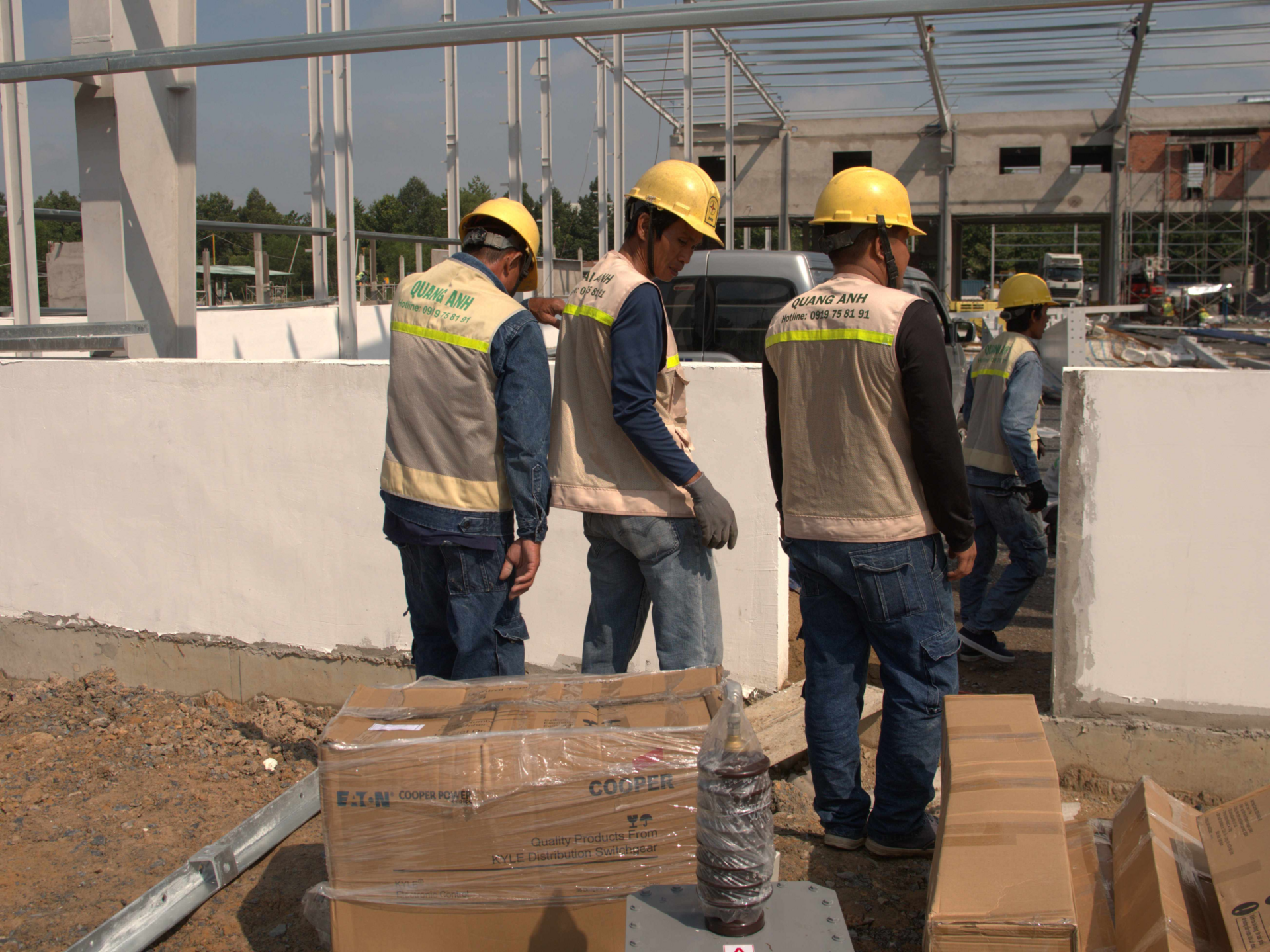
Defining the type of need—new construction, expansion, or connection—is a mandatory step before selecting a transformer contractor in Tay Ninh.
During factory surveys, it’s vital to check demand scale, site location, connection capability, and the system’s N-1 criterion to avoid selecting the wrong service scope.
In the local context, major projects being approved include the 500kV Tay Ninh 1 substation (aimed at unloading the Cu Chi, Cau Bong, Đức Hòa stations) and the 220kV Phuoc Dong substation with a 500 MVA capacity (Phase 1: 250 MVA), requiring contractors with high transmission capabilities and experience handling 220/500kV grids; prime locations like Don Thuan and Trang Bang are ideal for connections to the industrial regions neighboring Ho Chi Minh City and Binh Duong.
For various packages, contractor selection criteria need clear categorization: EHV construction capability for 220–500kV substations, ability to construct connecting lines (e.g., a 220kV connection approximately 4.4 km long), and capability to carry out low-voltage distribution packages such as the 320kVA-22/0.4kV substation. During field surveys, the adjacency to infrastructure, land reserve for substation placement, and EVN connection requirements must be checked before bidding documents are released.
| Category | Description | Checkpoints |
|---|---|---|
| Construction of 220kV Phuoc Dong Substation | 220kV substation, designed capacity 500 MVA (Phase 1: 250 MVA) | Land reserve, 220kV connection, N-1 criterion, approval progress |
| 500kV Tay Ninh 1 Project | Large-scale 500kV station (target around 1800 MVA) unloading the region | EHV construction capability, safe grid handling, coordinate with neighboring substations |
| Low-voltage Distribution Substation Package | 320kVA-22/0.4kV substation for local distribution | Material preparation, low-voltage connection, compatibility with local distribution grid |
The timeline for large projects is usually set in plans from Q1/2025 to Q4/2026; thus, surveying and bidding schedules must align with the approval timeline. Operational notice: if the type of work isn’t clearly defined, it may lead to incorrect volume estimation, insufficient technical capacity for EHV work, or failure to meet the N-1 criterion; hence, field surveys and connection restrictions should be clarified before bidding.
Evaluate Contractors by Survey, Design, and Connection Coordination
Contractor evaluation should focus on survey capabilities for terrain and geology, quality of connection schematics meeting N-1, and EVN connection coordination skills.
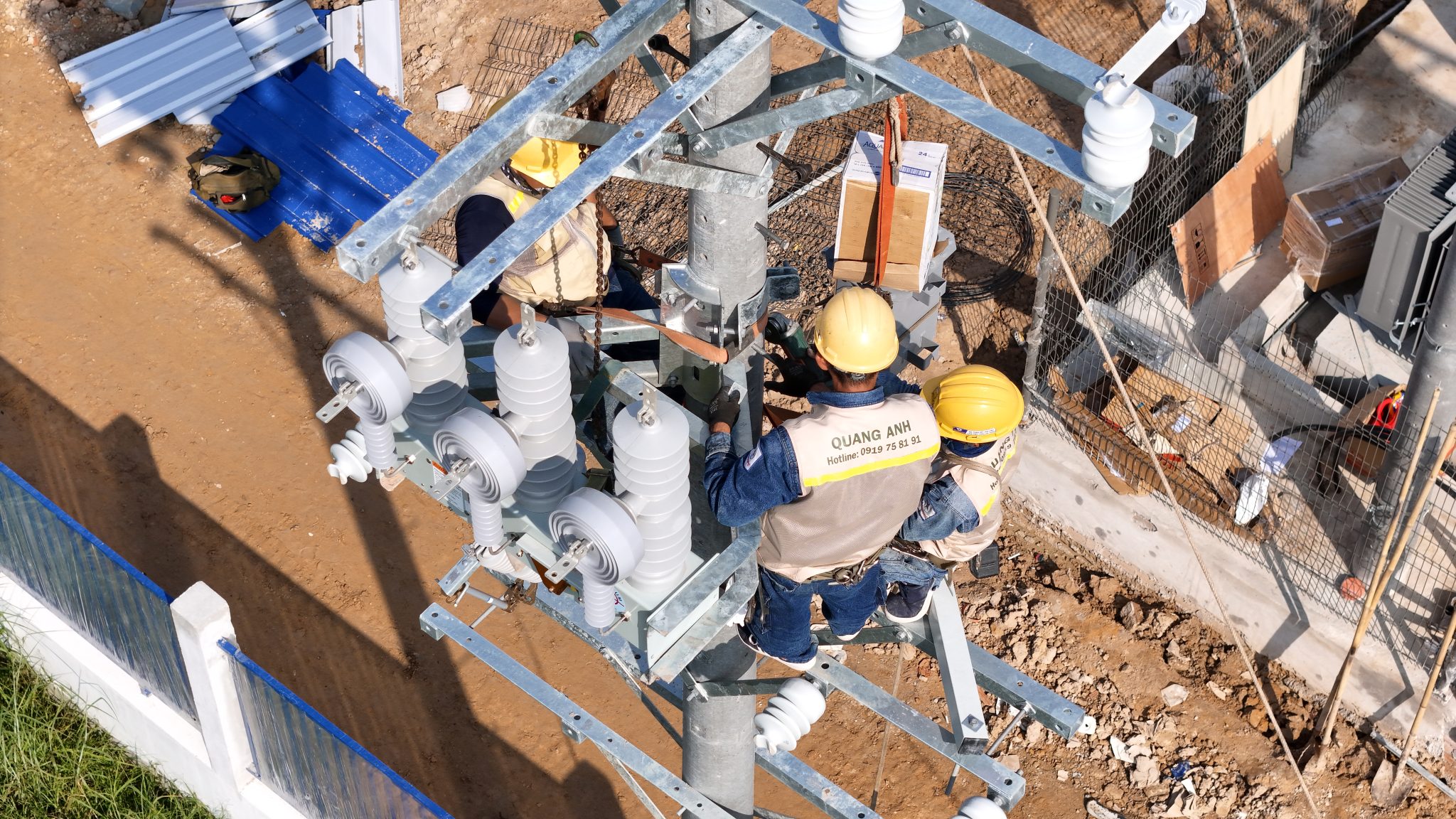
Contractors should be evaluated on three technical pillars: field survey (terrain and geology), design capability to meet N-1 criteria, and coordination capacity for EVN approval, testing, and equipment certification.
Technically, terrain and geological surveys dictate the station’s foundation stability and backup transformer placement methods; the design should demonstrate load calculations, medium voltage connection diagrams suitable for 220kV/500kV planning; connection coordination must have experience in acceptance testing following EVN procedures and equipment certification documents. At the factory survey, measurement records, topographic maps, and land compensation documents should be checked to assess timely implementation potential.
| Category | Evaluation Criteria | Field Signs |
|---|---|---|
| Terrain & Geology Survey | Survey scope, geological report, foundation assessment | Site position measurement records, topographic map, geology conclusion report |
| Survey Field & Line Experience | Equivalent project records in Tay Ninh, EVN planning compliance | Tender listing of past projects, connection acceptance records |
| Design Capability | Load calculation, medium voltage connection schematic, expansion readiness (2nd unit), N-1 compliance | Completed design drawings, load simulations, connection sketches |
| Connection Coordination with EVN | Experience in acceptance, equipment certification, EVNNPT process knowledge | EVN approval records, connection coordination work logs |
| Install VTTB & Bays | Experience in installing transformers, ring buses, 220kV/110kV bays | Similar project images, acceptance installation records |
| Quality Management System | ISO certification or QMS process for design and construction | Certified copies, quality control process |
Practical decisions should build on specific capability records: equivalent survey reports in Tay Ninh, approved design documents, and confirmed EVN connection alignments. Operational notice: lacking geological surveys or land compensation records risks slowing progress and necessitating foundation handling; field reports should be obtained before contractor endorsement.
Depending on the document review and field survey outcomes, the next step involves inviting applicants to present supplementary survey plans, EVN approval processes, and plans for overcoming land access issues for execution capability comparison prior to contracting.
Work Scope in Comprehensive Transformer Substation Packages for Factories
The comprehensive substation package scope includes building the station, installing transformers, medium-low bays, grid connections, testing, and energization documentation.
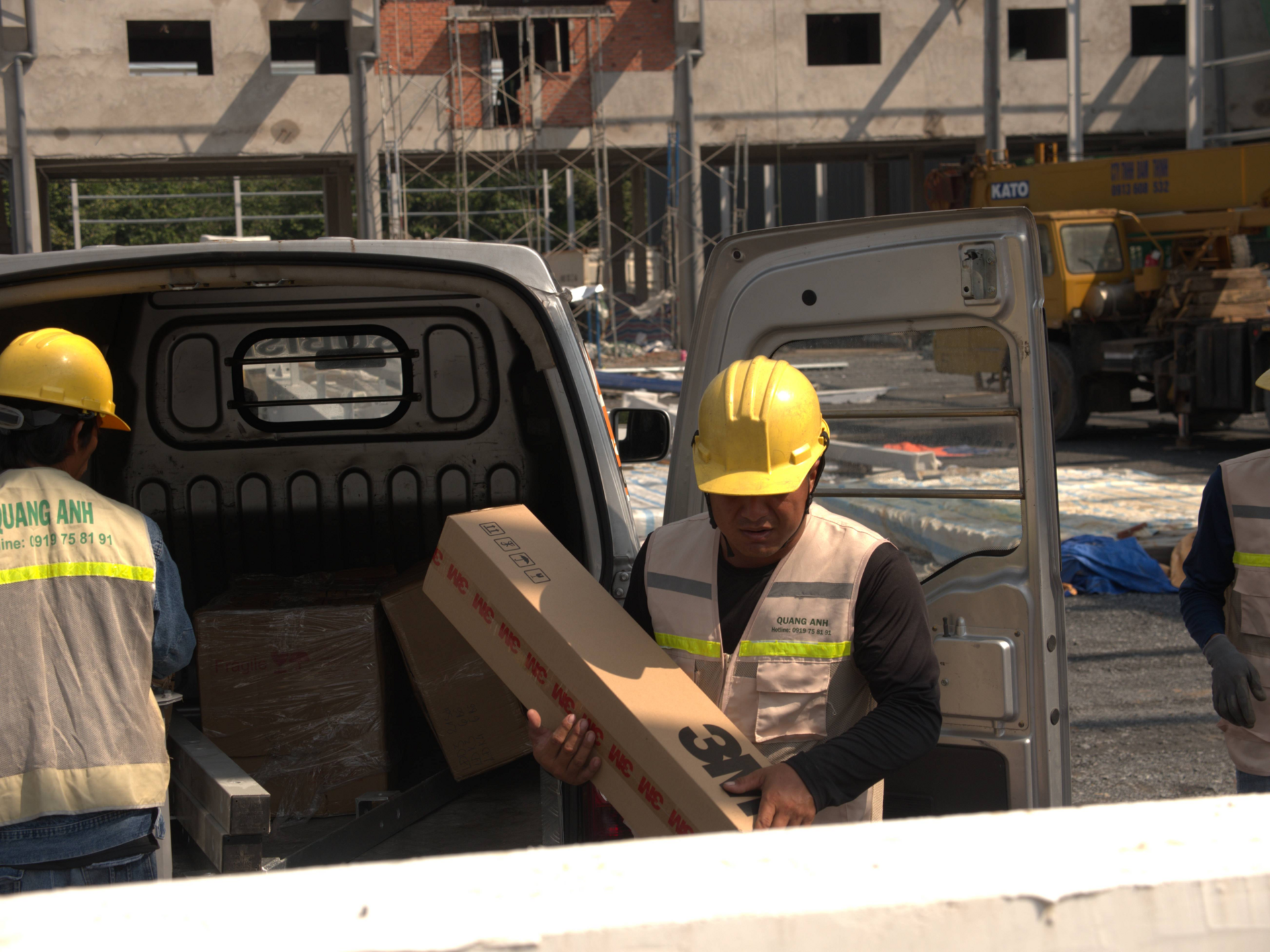
The scope of work in a comprehensive substation package spans all components from new station construction and medium voltage connections to testing, acceptance, and electrification approval, in coordination with EVN.
Typically, deployment packets will include main components: foundation and site for the station, main transformer installations, 220kV and 110kV/low voltage bay construction, dual-circuit line connectivity, future positioning for a secondary transformer, medium voltage protection device connections, and pre-commissioning tests. In terms of field activities, site and grid connectivity conditions must be surveyed to decide connection line lengths and temporary load relief methods.
Below is a high-level framework (summarized description) for reporting scope and preparing technical briefs:
| Category | Description | Checkpoints |
|---|---|---|
| Station Construction | Foundation, control house, fencing, complete landscape according to planning. | Foundation size, load capacity, construction site during factory survey. |
| Main Transformer Installation | Installation of main transformers with a capacity of over 250 MVA depending on deployment stages. | Installation position, lifting means, oil/gas connections (if any), and future reserve site for a second transformer. |
| 220kV Bays | Ring bus, circuit breaker bays, line bays, medium voltage switches. | Check circuit breaker parameters, insulation distances, and technical corridor layout. |
| 110kV / Low Voltage Bays | Relevant bay installations as per design, low voltage cabinets if required for factory supply. | Review design drawings, check grounding, electrical-mechanical connections. |
| Dual-circuit Line Connectivity | Wire short connection to existing grid, dual circuit for increased reserves. | Real field length, pole/transition positions, construction conditions. |
| Second Transformer Provision | Positioning and structure for adding a supplemental transformer in later phases. | Site availability, excavation foundations and reserve cable pathways. |
| Connection to EVN Grid | Completing medium voltage connections, integrating protection devices and operational interlocks. | Agreement on connection points with EVN, check protection relays, and pre-energization acceptance. |
| Testing, Approval, and Acceptance | Perform device acceptance, insulation checks, load testing, and complete pre-energization approval. | Test plan, result reports, safety conditions during station testings. |
| Energization Documentation | Prepare documents as per EVN and authority requirements for energization approval. | Ensure comprehensive acceptance records, safety measures, and technical documents. |
Practical operation and warnings: EVN grid connections must adhere to acceptance testing procedures and safety protocols, typically necessitating temporary load cuts and relay checks before testing. During maintenance or trial runs, monitoring transformer temperatures and load fluctuations is essential as they directly impact energization schedules.
Next, field surveys must determine detailed volumes, lifting conditions, and connection requirements, to compile technical documentation and bill of quantities for tender or a detailed quote.
Common Documentation and Field Issues Causing Delays
Land access issues, load data, grid connections, and undefined acceptance criteria often lead to substation delays and should be identified beforehand.
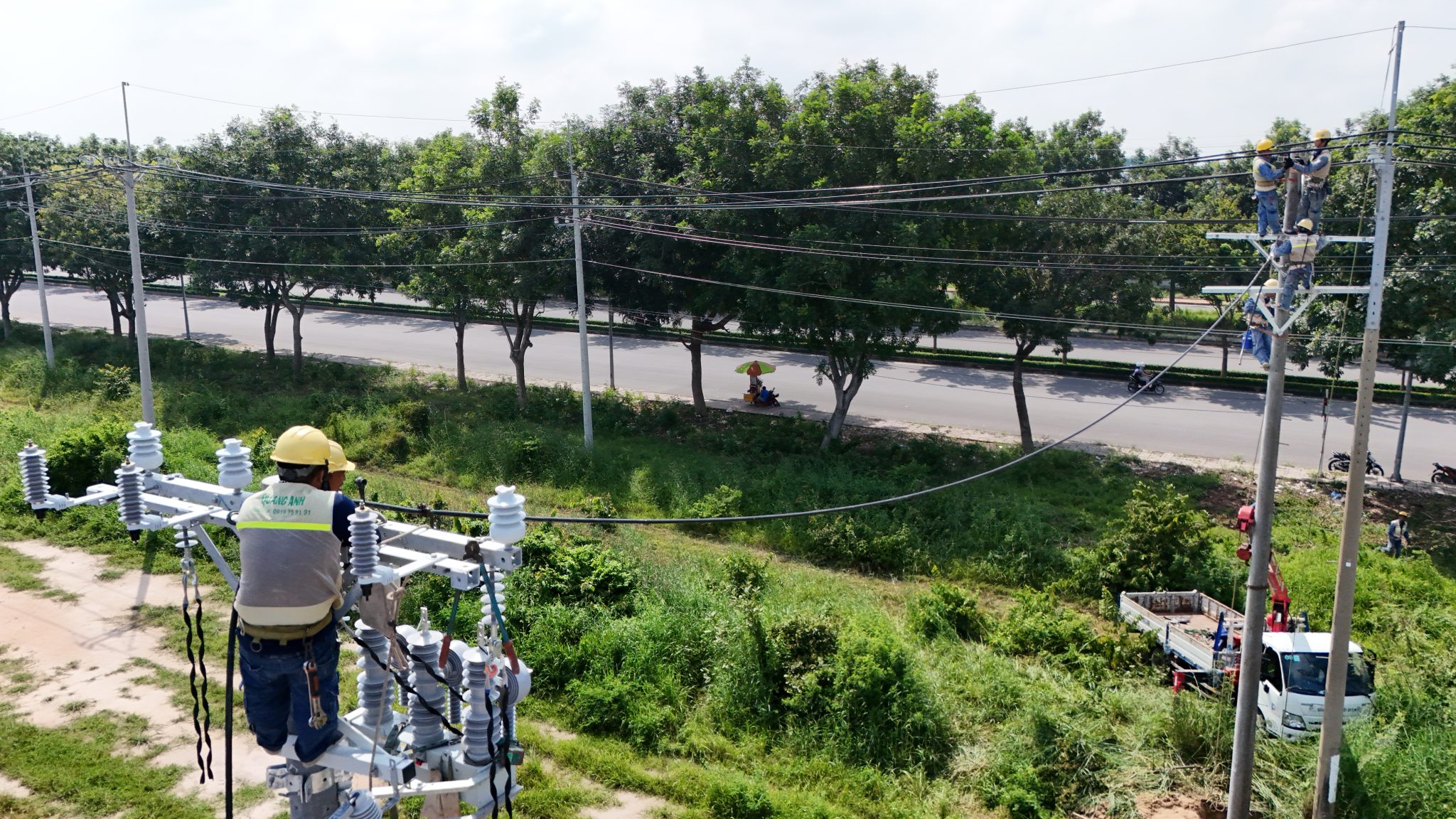
Common documentation and field issues causing delays usually involve sites, connection documents, load data, and unclear acceptance criteria.
In factories, compensation issues, delayed land lease approvals, or unresolved station locations can stall construction progress. This problem tends to arise when implementing a secondary transformer phase, due to unclarified connection requirements, bay count, and load relief plans for existing substations in the design documents.
Typical errors and practical checking points include:
- Land/Site: Compensation issues or delayed land lease decisions; inspect legal status and coordination records with local authorities during factory surveys.
- Substation Location and Line Route: Missing provincial committee documents affirming substation location and routing; during field surveys coordinate against approved site coordinates and planning maps.
- Load Data and Connection: Unclear transformer capacity, bay count, and line length; verify load input data and connection drawings in technical documentation.
- Acceptance Documents and N-1 Criterion: Lack of early mention of N-1 and load relief criteria for existing substations; check operational goals and the testing acceptance list in the contract.
- Geology and Climate Surveys: Missing site condition reports, groundwater levels, or foundation load capacity; drilling surveys, and background testing reports are needed before foundation design.
Here’s a high-level framework and checkpoints to review before tender release:
| Category | Description | Checkpoints |
|---|---|---|
| Land and Legal Affairs | Land usage rights, compensation, and lease decisions | Provincial committee approval, lease decisions, coordinated compensation records |
| Substation & Cable Connection | Coordinates, routing, circuit/mast types | Location agreement documents, field measurements, line schematic |
| Electrical Design Documents | Transformer period 1/2 capacity, bay count, bus configurations | Equipment drawings, bay quantities, device requirements for 220kV/110kV side |
| Geology & Climate Survey | Foundational reports, groundwater level, foundation load trials | Drilling reports, ground compression results, foundation design approval |
| Testing & Acceptance | Energization criteria, certification, N-1 requirements | Testing lists, N-1 scientific criteria, device pre-energization acceptance reports |
Practical operation warning: do not commence construction when the substation location and line routing are not provincially documented, as land dispute risks will interrupt progress.
Decisions necessary before tendering include clarifying stage 1/2 transformer capacity, equipment bay counts, and connection line lengths; for acceptance, detailed testing and certification requirements must be explicit to avoid disputes.
Implementation Steps from Survey to Testing and Energization
Implementation framework involves investment approval, site surveys, legal procedures, land clearance, construction, testing, and substation energization.

Implementation starts with investment approval followed by site surveys, legal completion, and land clearance before groundbreaking.
When surveying at the plant, confirm boundaries, connection locations, and access conditions to prepare construction documents and location agreements with government agencies. Post-investor approval (typically EVNNPT for significant transmission projects), construction begins, prioritizing stage 1 transformer installations and reserving space for stage 2.
Construction follows this order: grounding and foundation, stage 1 transformer installation, ring busbar and 220kV/110kV bay erection, followed by dual-circuit line connections. During acceptance/pre-operation, remove land access obstacles before adding that secondary transformer to avoid schedule disruption and to meet N-1 criteria for Tay Ninh’s regional grid.
Testing, approval, and operational acceptance take place at the testing/commissioning stage, with cooperation among investors, contractors, and electrical utilities. Energization is projected for Q4/2026 post-acceptance, depending on legal procedures, land clearance, and test trial outcomes.
| Category | Description | Checkpoints |
|---|---|---|
| Investment Approval | Provincial committee decision verification before groundbreaking | Approval documents, project scope check |
| Site Survey | Boundary surveys, access, connection sites, and agreements with authorities | Boundary confirmations, location agreement records |
| Legal & Land Clearance | Complete permits and clear reserved areas for phases | Land clearance status, access hurdle removal plans |
| Construction & Equipment Setup | Grounding works, stage 1 transformer installations, ring busbars, 220kV/110kV bays | Installation standards, mechanical connection checks, dual circuit coordination |
| Cable Connections | Build dual-circuit line connections with existing grid | Route checks, junctions, ensuring dual-circuit parallelism |
| Testing & Acceptance | Approval testing verification and trial run before energization | Complete acceptance reports, N-1 checking criteria |
| Energization | Investor, contractor, and utility coordination for commercial energization | Acceptance confirmation, energization schedule, safety conditions |
Related decisions and documentation are cross-referenced at each stage (e.g., investment approval documents issued by provincial committees). In practice, detailed schedules and task orders are adjusted based on field survey results and land access completion progress.
Factors Affecting Costs and Timeline of Transformer Substation Projects in Tay Ninh
Technical and field variables—capacity, voltage level, connections, bay count, and site conditions—determine costs and timelines for Tay Ninh’s substations.
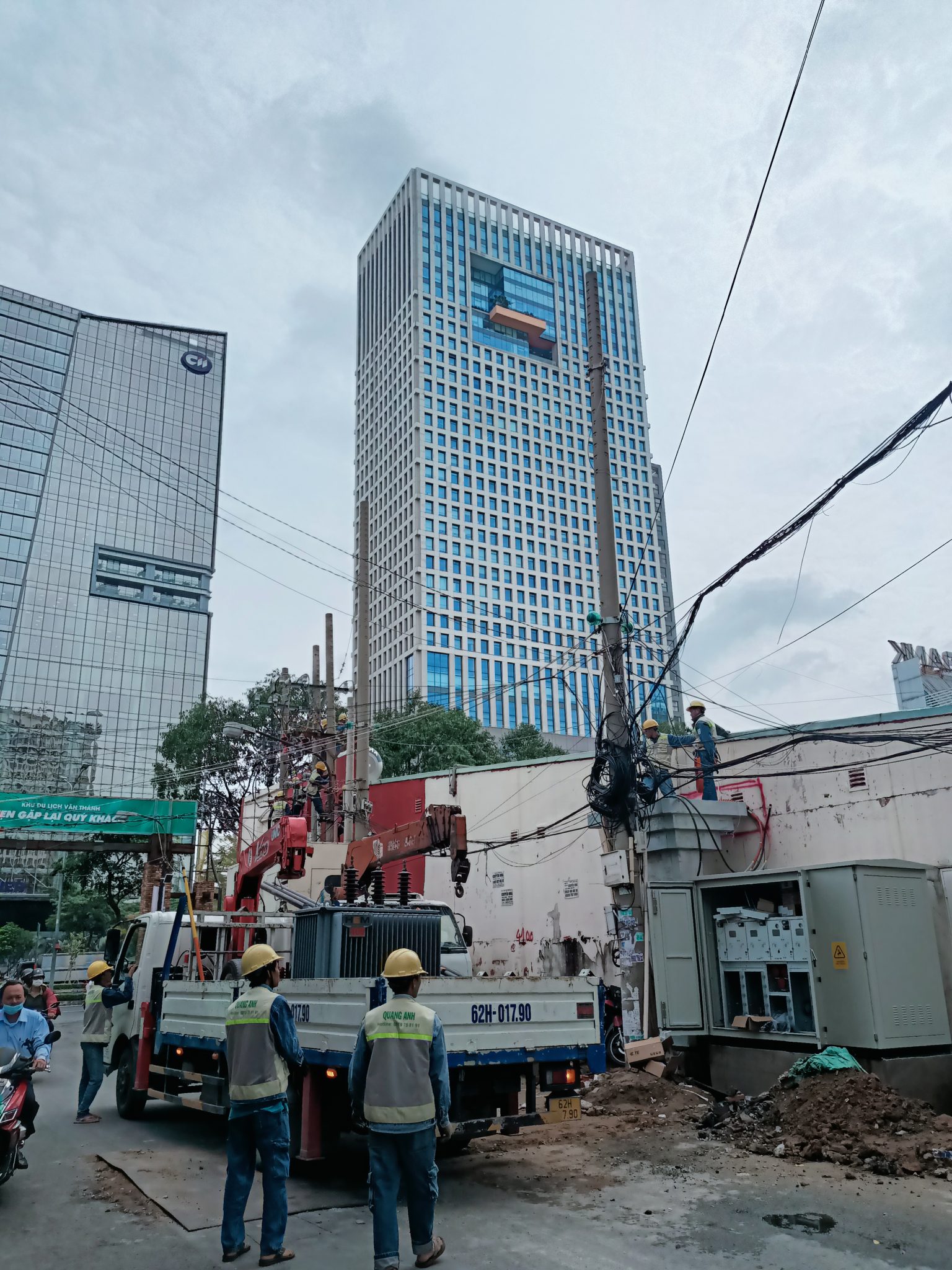
Project costs and timelines for substations in Tay Ninh are primarily determined by design capacity, voltage level, line connections, number of bays, and site conditions.
Technically, both design capacity and voltage level add complexity and equipment costs. For instance, the 500kV Tay Ninh 1 substation has a design capacity of 1,800 MVA, with over VND 2.013 trillion in investment and a projected timeline for Q1/2025 commencement and Q4/2026 completion; in contrast, 220kV substations typically have lower capacity and might be phased (e.g., the 220kV Phuoc Dong substation with a design capacity of 500 MVA but initially installing only 250 MVA).
In field terms, line connection is an independent part with its own costs; the 220kV connection spanning 4.4 km between Tay Ninh 1 500kV substation and Phuoc Dong has a stake of more than VND 132 billion. The count of high and medium voltage bays directly affects equipment volumes and construction work—such as the 220kV Tay Ninh 2 with 7 bays at 220kV and 10 at 110kV, initially installing one 250MVA 220/110kV transformer.
| Category | Cost Impact | Data Required to Finalize Price |
|---|---|---|
| Transformer | Quantity and capacity form the biggest equipment costs | Number of transformers, capacity (MVA), nominal voltage, installation phases |
| Bays | Influence framework and switching equipment, construction works | 220kV/110kV bay count, schematic layout |
| Cable Connection | Route costs, pole, terminal equipment, land clearance | Route length (km), voltage level, access conditions |
| Construction & Land | Foundation preparation, service road, concrete/Asphan cut | Terrain conditions, geological drilling, and road cutting specifications (e.g., ≤7cm) |
| Phase Planning | Phased deployment reduces initial capital but raises expansion costs later | Phase plans, reserve requirements for expansion |
Timeline factors are equally crucial: completing typically spans 1–2 years from start to energization based on reference projects, and the project’s operational lifespan (50 years) impacts capital cost and amortization calculations. In Tay Ninh’s specific context, site access, transport for large components, and conditions at Don Thuan ward, Trang Bang town need precise surveys before budgeting.
Critical decisions should clarify whether to have phased deployment (e.g., installing one transformer initially and later adding more), separate line connection bidding, and equipment standards per voltage level; absent technical documentation or field surveys lead only to estimation range without guaranteed pricing. Finalizing budget and schedule requires drawings, detailed volumes, site conditions, and phased methods for comprehensive estimates.
For Tay Ninh substation projects, accurate decisions often start by definitively identifying needs, connection scopes, and the contractor’s field capability. Well-prepared preliminary documentation and timely grid coordination planning effectively mitigate delay risks and unforeseen costs.
Frequently Asked Questions
When should businesses in Tay Ninh construct a new substation instead of merely upgrading existing sources?
Building a new substation is advisable when forecasted loads surpass existing upgrade capabilities, reliability requirements (N-1 critera), lack of expansion space at the current location, or when upgrade costs exceed new construction expenses. Load data, existing grid capabilities, and site planning must inform this decision.
What should a transformer substation contractor accomplish to avoid mid-project disruptions?
Contractors should conduct terrain/geological surveys, EVN connection design coordination, legal completion, and land clearance, supply equipment, execute safe construction methods, lab/testing/acceptance, and submission of energization approval records. Demonstrated experience coordinating with utilities and schedule management is essential.
Which documents most directly affect acceptance timing and energization?
Key documents include lab acceptance reports, transformer technical records, construction completion drawings, connection permits/EVN agreements, safety acceptance records, and land clearance files. Missing elements can postpone energization; early preparation is critical.
What factors significantly influence the cost of building a transformer substation in Tay Ninh?
Main influencers are transformer capacity/voltage, bay counts, connection line length/structure, site, or land clearance phases, overhead or foundation reinforcement requirements, and material-labor fluctuations. Precise cost prediction necessitates design drawings and field surveys.
What should be considered early in projects with connection or medium-voltage outlets?
The connection route, length, number of circuits, column structures, technical corridor use agreements with authorities, temporary power cut construction methods, and acceptance requirements must be finalized early. Undefined routes or passage rights pose big schedule risks.
Can information from 110kV projects in Tay Ninh be referenced for factory projects?
Reference helps understand structure elements, approval times, and field risks but remains indicative. Differences in capacity, location, EVN requirements, and site conditions mean comparisons must be cross-referenced with the factory’s specific load data and surveys.
How to Prepare Requirements When Seeking a Transformer Contractor in Tay Ninh
- Clarify the requirement: new construction, capacity boost, or connection point changes.
- Prepare load, site, transformer placement, and operational requirements of the factory.
- Pre-review coordination potential with electricity authorities and relevant connection scope.
- Require contractors to articulate surveys, design, construction, testing, and energization document specifics.
- Compare proposals based on on-site capability, safety methods, and feasible schedules.
- Appoint technical points of contact from both sides to rapidly resolve workplace issues during execution.
If your team is preparing requirements or reviewing construction scope on Tay Ninh transformer substations, begin with a technical survey to accurately determine requirements and work order.
[contact-form-7 id="7239967" title="Contact form 1"]
Related Posts
Evaluating and Implementing Transformer Contractors in Tay Ninh
Criteria for selecting transformer substation contractors in Tay Ninh, EPC scope, and factors affecting project [...]
Mar
Comparing Oil and Dry Transformers for Industrial Applications
Examine oil and dry transformers based on installation location, fire safety, maintenance, energy loss, investment [...]
Mar
Comprehensive 1500kVA Transformer Station Budget for Manufacturing Facilities
Guidance for creating a detailed budget list for a 1500kVA transformer station, including medium voltage [...]
Mar
Comprehensive Transformer Station Pricing: Elements and Considerations
Examine key components in comprehensive transformer station pricing including design, equipment, construction, testing, and connection [...]
Mar
Pricing Guide for 4000kVA Transformer Stations: Configuration, Cost, and Investment Process
An overview of configuration, cost estimates, connection approaches, and investment checklists for 4000kVA transformer stations [...]
Mar
Pricing and Setup of 3200kVA Transformer Stations: Configuration, Costs, and Investment Procedure
Explore the pricing structure for a 3200kVA transformer station, primary equipment configuration, cost variables, EVN [...]
Mar
Cost Estimation for 2500kVA Transformer Station: Configuration, Expenses, and Investment Process
Reference framework for quoting a 2500kVA transformer station based on configuration, station type, cable solutions, [...]
Mar
2000kVA Transformer Station Guide: Configuration, Costs, and Investment Process
Discover key aspects of a 2000kVA transformer station: from technical configuration and cost analysis to [...]
Mar
Pricing and Configuration Guide for 1600kVA Substations
A detailed guide on pricing for 1600kVA substations, including equipment specs, connection costs, EVN procedures, [...]
Mar
Comprehensive Guide to 1500kVA Substation Pricing: Configuration, Costs, and Investment Process
A comprehensive overview of configurations, costs, construction methods, connection procedures, and contractor selection for 1500kVA [...]
Mar
Tay Ninh Solar Power Planning: Technical Framework, Grid Interconnection, and Rollout Roadmap
Technical overview of solar planning in Tay Ninh: irradiation, grid capacity, permitting, design, operations, and [...]
Dec
Binh Duong Solar Planning: Regulatory Framework, Grid Interconnection, and an Implementation Roadmap for Factories and Industrial Parks
An overview of Binh Duong solar planning: legal framework, interconnection, design, risk management, and an [...]
Dec
Solar Farm Repair: O&M Workflow, IV Curve Diagnostics, Thermography, Inverter Service and Utility-Scale Safety
A utility-scale solar farm repair plan centered on O&M, IV curves, thermal imaging, inverter service, [...]
Dec
Dong Nai Solar Power Plan 2023–2025: Tri An 1,029 MW, Grid Upgrades and the DPPA Pathway
A complete look at Dong Nai’s solar power plan: Tri An 1,029 MW, irradiation potential, [...]
Nov
Quang Ngai Solar Power Plan 2024–2030: Legal Framework, Irradiance Potential, and Development Roadmap
A complete look at Quang Ngai’s solar power plan: capacity targets, irradiance (PVout), development zones, [...]
Nov
Solar Damage Assessment Services: On-Site Procedures, EL/IV/Thermography Testing & Compliance with Standards
Discover IEC/UL/NEC standard solar damage assessment processes: on-site evaluation, EL and IV curve testing, thermal [...]
Nov
Comprehensive Package Estimate for a 1800MVA 500kV Substation: Scope, Configuration 3x600MVA, Standards and Timeline Management
An overview of the 1800MVA 500kV substation estimate: construction scope, configuration 3x600MVA, GIS/AIS, SCADA, standards, [...]
Nov
Factory Electrical Systems: Comprehensive Design and Implementation Guide
Discover the detailed and safe process of factory electrical systems design and implementation. [...]
Oct
Blueprints Required for Factory Construction Permits
Discover the necessary blueprints in factory construction permit applications, from floor plans to electrical and [...]
Oct
What Are the Requirements for a Factory Construction Permit? A Comprehensive Guide
Explore the documentation and steps needed to secure a factory construction permit for streamlined project [...]
Oct