

- Natural conditions and solar resource in Tay Ninh
- Grid infrastructure and interconnection options in Tay Ninh
- Deployment models: rooftop self-consumption and solar farm
- Permitting and the technical dossiers to prepare
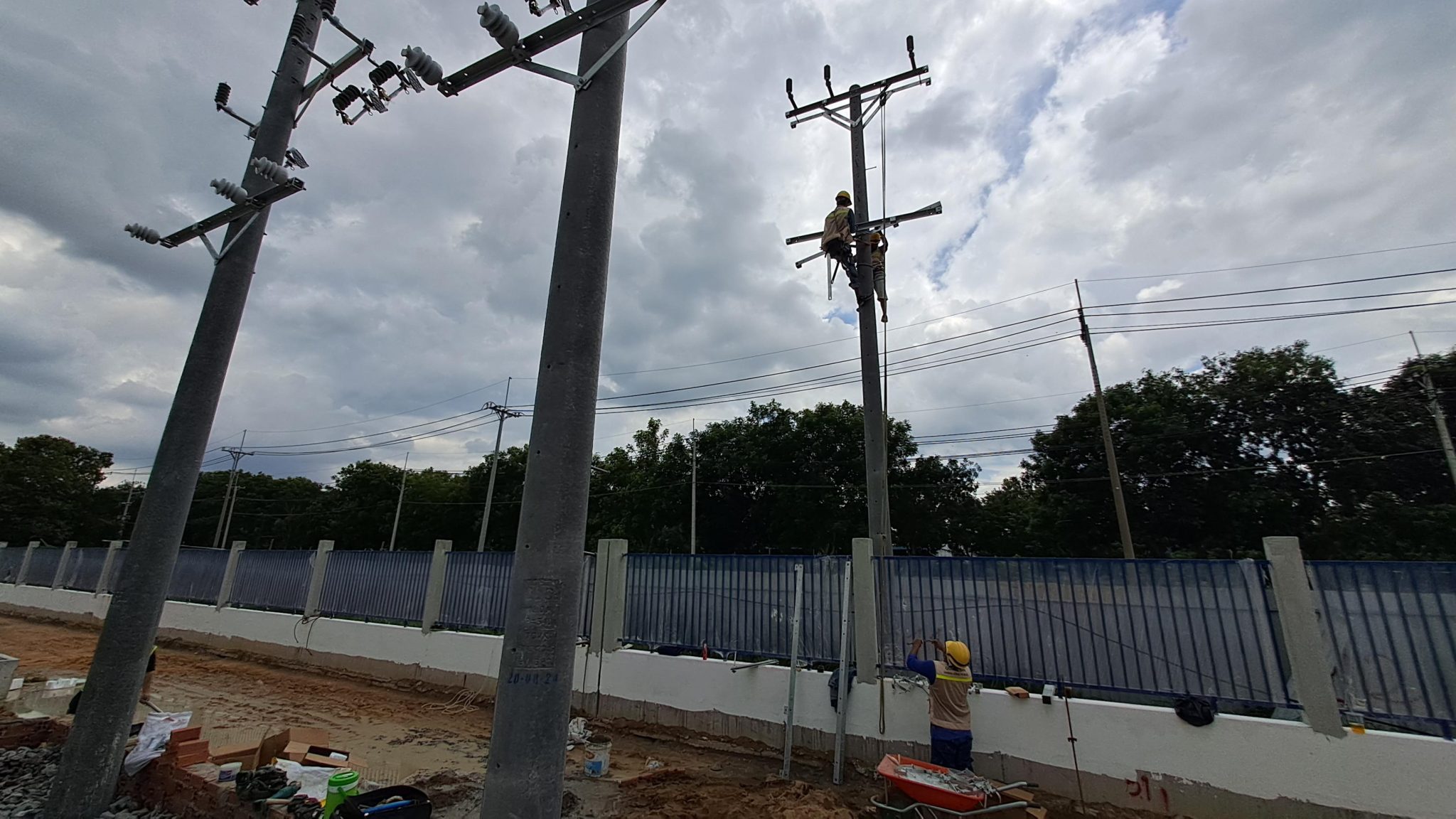
- Site layout planning, land bank, and land-use constraints
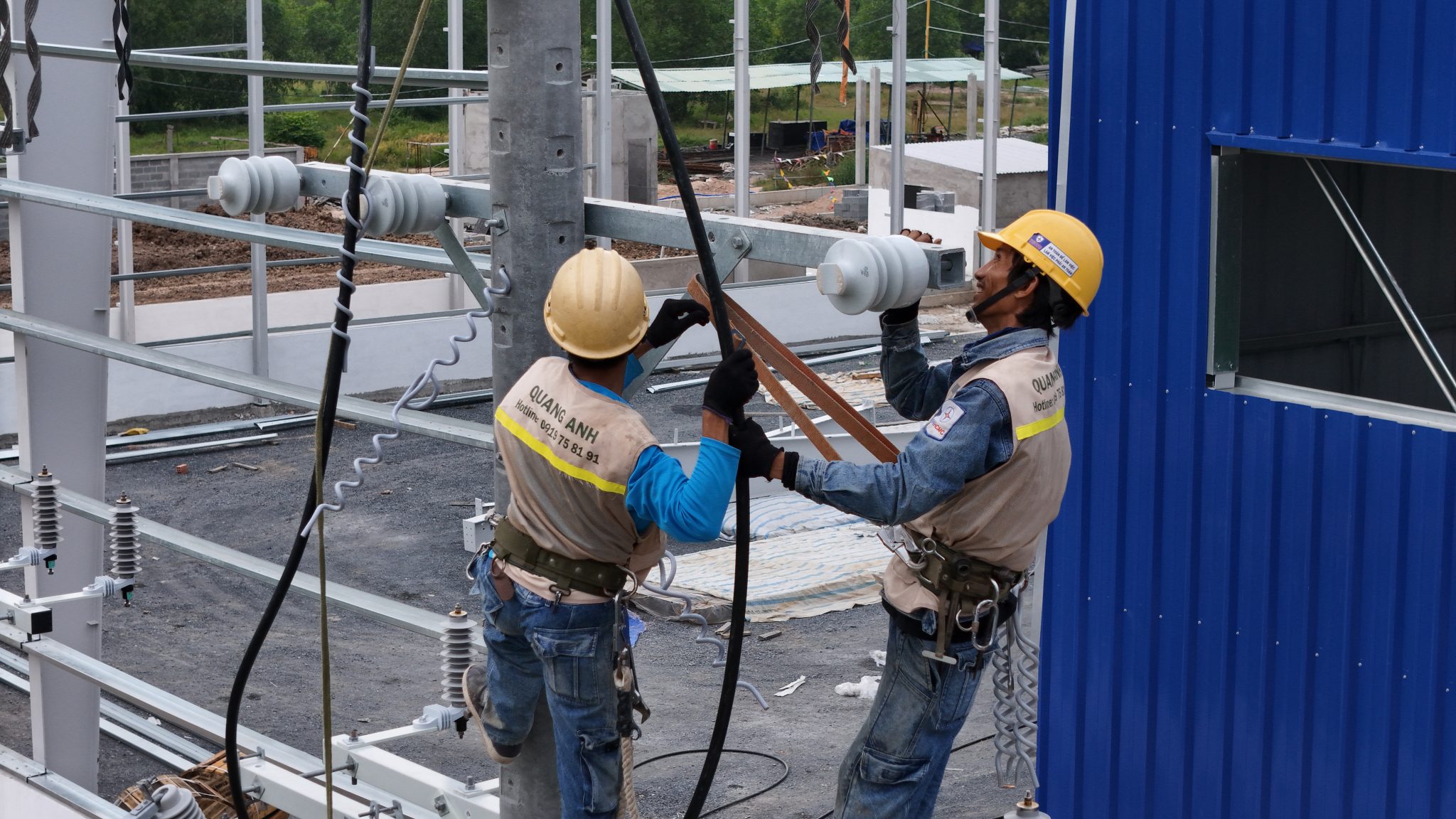
- Technical design: DC/AC configuration, protection, and SCADA
- Yield modeling, degradation, and curtailment risk
- Operations & maintenance (O&M) and performance monitoring
Tay Ninh combines favorable natural conditions for solar with fast-growing industrial demand. To execute effectively, projects should align with planning guidance, carefully assess irradiation, grid hosting capacity, available land/roof area, and legal as well as technical requirements. This article offers a practical framework centered on grid tie-in, system design, energy yield simulation, and risk management for two archetypes: rooftop self-consumption in industrial parks/factories and utility-scale solar farms.
Natural conditions and solar resource in Tay Ninh
Tay Ninh features seasonally stable irradiation, a solid foundation for large-scale PV. This stability enhances yield forecast reliability and enables more predictable operational strategies—provided technical assumptions are consistent from the pre-feasibility stage.
On the question of resource suitability: the seasonal stability supports scale-up, but local climate impacts must be quantified to manage losses. Key drivers include high ambient temperatures (module efficiency), seasonal cloud cover (usable irradiance variability), dust/soiling, and rainfall (affecting cleaning schedules, inspections, and construction safety).
For yield simulation, prioritize dependable irradiation datasets and calibrate with on-site measurements to minimize model bias. This approach improves P50/P90 confidence and allows tuning of loss parameters to Tay Ninh’s conditions. In parallel, standardize assumptions on module degradation and system losses (wiring, clipping, seasonal soiling, rain-related downtime) so scenarios remain consistent and comparable.
- Primary risks: misselecting resource datasets and over/underestimating yield; overlooking seasonal cloud variability; underestimating dust-driven soiling; misaligning O&M with rainy seasons.
- Recommendations: deploy field measurements for calibration; update seasonal loss assumptions; plan flexible cleaning and maintenance windows that match weather patterns.
In short, to capitalize on Tay Ninh’s stable irradiation, pair trustworthy inputs with on-site calibration and a standardized loss framework to lock in appropriate design, operations, and O&M plans.
Grid infrastructure and interconnection options in Tay Ninh
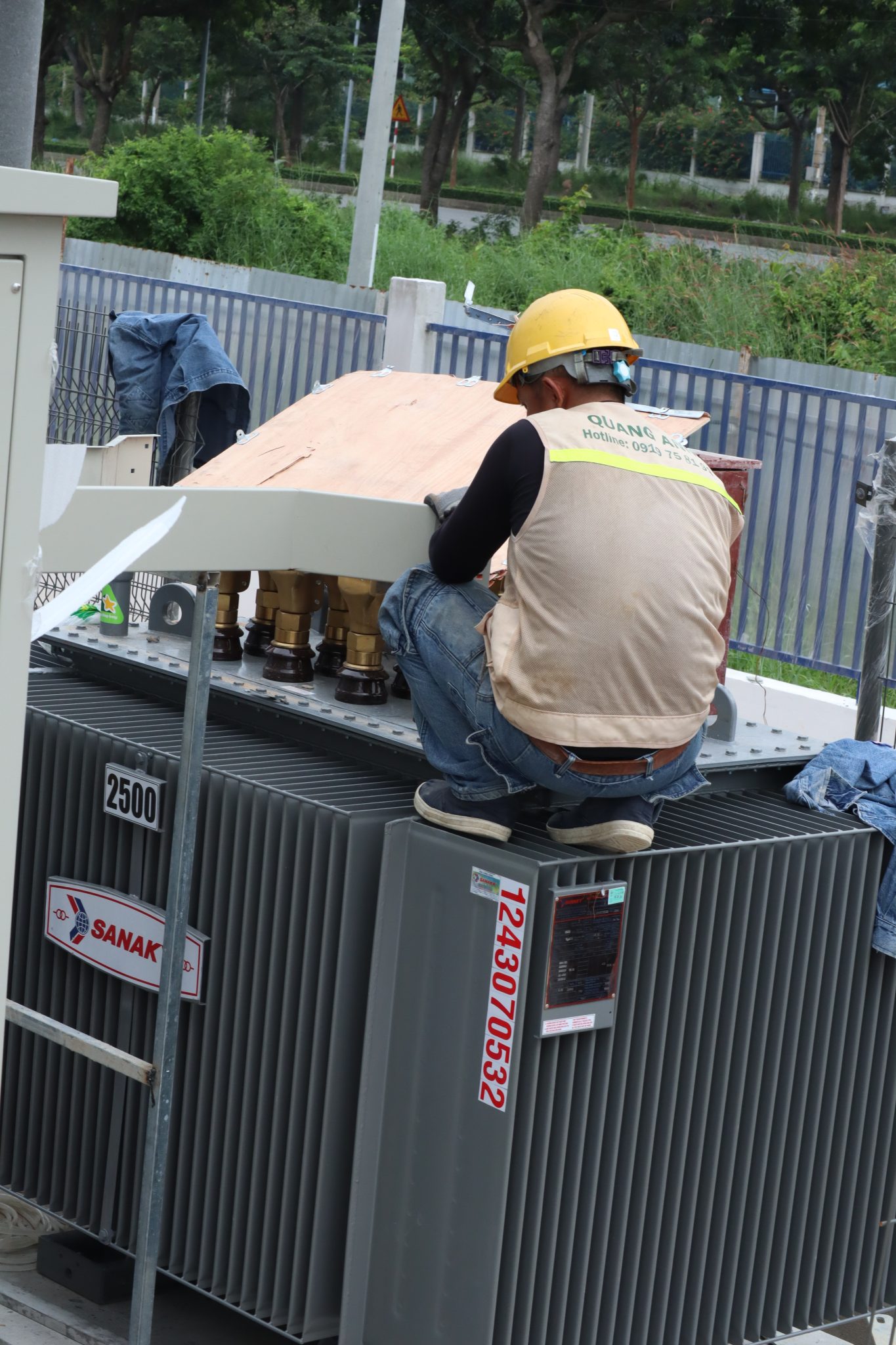
To select an optimal point of interconnection (POI) in Tay Ninh, anchor decisions on three factors: distance to POI, voltage level aligned with project size, and local grid hosting capacity. Regarding “Which substation should we choose in Tay Ninh?”, there is no single prescribed station. Instead, prioritize locations with reasonable routing, compatible voltage levels, and available capacity, and engage early with the grid operator to agree on the POI and any required upgrades.
Assessing hosting capacity requires the following technical studies:
- Short-circuit analysis: verify fault current levels and protection coordination when introducing a new source.
- Voltage stability: evaluate voltage excursions and the ability to maintain within limits across operating scenarios.
- Harmonics impact: quantify harmonic contributions from power electronics and their effect on the grid.
- Reactive power control capability: ensure the plant can support voltage per operational requirements.
On curtailment risk in Tay Ninh, exposure depends on hosting capacity and operational coordination. It can be significantly mitigated by engaging the grid operator early to agree the POI and upgrade path, alongside a reactive power strategy and power quality control.
Adhering to these principles supports robust interconnection decisions, technical transparency, and reduced curtailment risk during operations.
Deployment models: rooftop self-consumption and solar farm
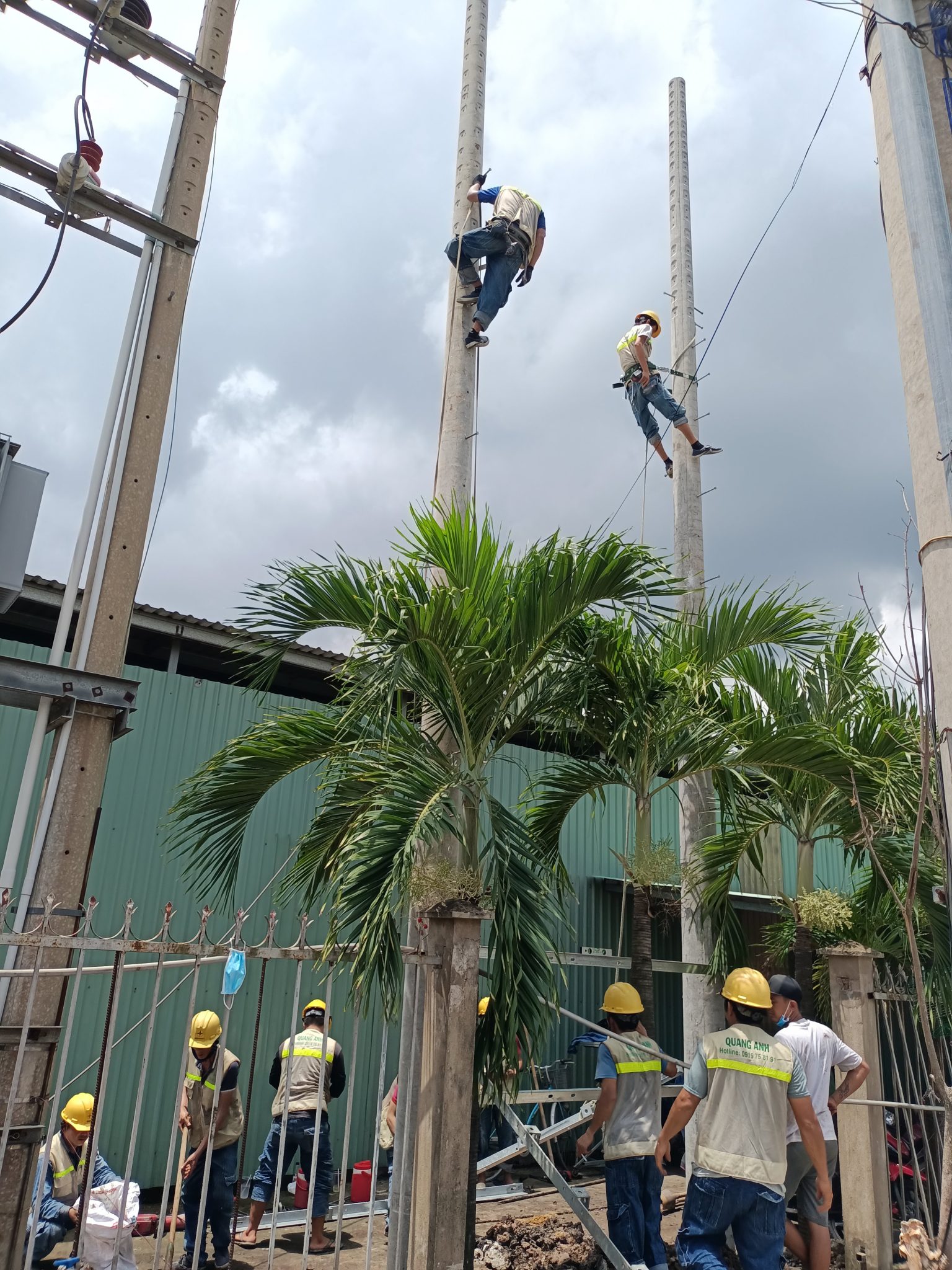
In Tay Ninh, the choice between rooftop self-consumption and a solar farm hinges on operating objectives. For on-site industrial loads to reduce grid dependence and optimize operations, rooftop self-consumption is typically prioritized. For large capacities—with dedicated land, stricter interconnection workflows, and grid risk management—a ground-mounted solar farm is the better fit.
- Scale and use case: rooftop targets on-site consumption; solar farms target large capacities and grid export.
- Civil/structural: each model requires tailored mounting and structural solutions.
- Electrical safety and protection: defined per model to ensure stable operations.
- Monitoring: appropriate systems to manage performance and risk.
- Interconnection and grid risk: solar farms face more stringent grid requirements and constraints.
- Land bank: a critical prerequisite for ground-mounted projects; rooftops leverage existing surfaces.
Determining optimal size for plants in industrial parks should follow on-site goals and conditions:
- Analyze industrial load to size for self-consumption.
- Match against usable roof area or developable land.
- Review interconnection requirements in the park and safe operating limits.
- Design monitoring and protection consistent with the chosen model.
- For solar farms, factor in grid risk exposure and management requirements.
Permitting and the technical dossiers to prepare
To implement PV in Tay Ninh properly, compile legal and technical dossiers per current regulations and authority guidance. The focus is to stage documents by project phase to shorten lead times and limit rework.
- Interconnection agreement dossier: the basis for aligning technical requirements when connecting PV to the grid. Follow the local grid operator’s templates and instructions.
- Environmental Impact Assessment (EIA): perform per current regulations; ensure scope alignment and submit at the prescribed time points.
- Fire safety dossier: prepare to meet fire prevention requirements, aligned with system design and authority guidance.
- Design verification: conduct to confirm technical adequacy prior to construction and acceptance.
On “What procedures are required for PV in Tay Ninh?”, the above dossier groups are the minimum, and early engagement with authorities is advised to clarify sequence, timing, and content. Regarding “What is included in the grid tie-in dossier?”, follow the operator’s content, templates, and criteria. For “What to note for EIA and fire safety?”, adhere to appraisal guidance, keep consistency with design, and stage submissions to reduce the risk of updates.
A phased approach allocates work sensibly, captures authority feedback, and enables timely adjustments—optimizing approval timelines across the project.
Site layout planning, land bank, and land-use constraints
Technical design: DC/AC configuration, protection, and SCADA
Optimizing the DC/AC ratio sits at the core of technical design. In Tay Ninh, there is no one-size-fits-all number; choose it based on site irradiation, load profile (for on-site consumption), and interconnection constraints. A practical method is to simulate yield by irradiation, evaluate operating scenarios and interconnection limits at the POI, and then select a DC/AC ratio that balances peak harvesting with curtailment constraints.
For protection and SCADA, the grid-tied PV system must meet dispatch requirements, including active power capping to preset limits and reactive power support. SCADA should provide real-time monitoring, event logs, alarms, and remote setpoint control for power/voltage to coordinate grid-stable operations. These functions ensure compliance with dispatch instructions across grid scenarios.
- Technical checklist: verify DC/AC ratio vs. irradiation and grid constraints; define power capping scenarios; configure reactive power control; establish SCADA setpoint ranges; validate industrial communications; cross-check with applicable standards.
- Risks if design is weak: non-optimal DC/AC causing unnecessary curtailment; protection/SCADA not meeting dispatch for reactive and power caps; noncompliance with PV, electrical, fire safety, or industrial communications standards.
Apply the relevant PV, electrical, fire safety, and industrial communications standards consistently through design and integration.
Yield modeling, degradation, and curtailment risk
Investment-grade yield modeling requires a disciplined process: standardize inputs, declare losses consistently, and define operational scenarios. Curtailment is a key variable as it depends on hosting capacity and dispatch.
Regarding “How to calculate P50/P90 and control model bias?”, the current research does not provide detailed data to perform calculations or define bias control methods. Even so, P50/P90 outputs and sensitivity analysis remain necessary to inform configuration and investment phasing.
For “Is curtailment a risk in Tay Ninh?”, the accompanying material lacks location-specific or grid-specific data, so no conclusion can be drawn on its magnitude.
To “embed curtailment into technical and financial models,” build hourly/daily power cap scenarios and integrate them into yield simulations, then link to the financial model to reflect impacts on expected output and investment metrics. This method reveals time-based risk bands and clarifies effects on project configuration and funding schedule.
- Objective: credible yield modeling reflecting degradation and curtailment risk.
- Focus: hourly/daily cap scenarios, P50/P90, and sensitivity analysis.
- Expected outcome: reliable inputs for techno-financial modeling and investment planning.
Operations & maintenance (O&M) and performance monitoring
Establishing O&M for PV in Tay Ninh requires a clear operational framework: equipment health checks, module surface cleaning, necessary testing, and real-time data monitoring. The priority is disciplined execution and traceability to sustain stable output and extend system life.
- Periodic inspections: visual surveys and condition checks to catch issues that impact yield.
- Module cleaning: schedule within the O&M plan to limit soiling and keep performance steady.
- Testing: perform essential checks/measurements to validate operational status.
- Real-time monitoring: continuously collect and review data to track performance trends.
- Performance KPIs: set targets to assess condition and trigger timely action.
- Early warnings: raise alerts when metrics drift, reducing downtime and optimizing maintenance.
Performance tracking and degradation detection rely on real-time data benchmarked against defined KPIs. When deviations occur, early warnings narrow root causes and prioritize fixes, shortening outages and limiting prolonged underperformance.
For cleaning and work safety, embed cleaning into the periodic O&M calendar and align actions with performance monitoring so they occur at the right time. During execution, follow O&M procedures and safety protocols to minimize disruption and maintain continuity.
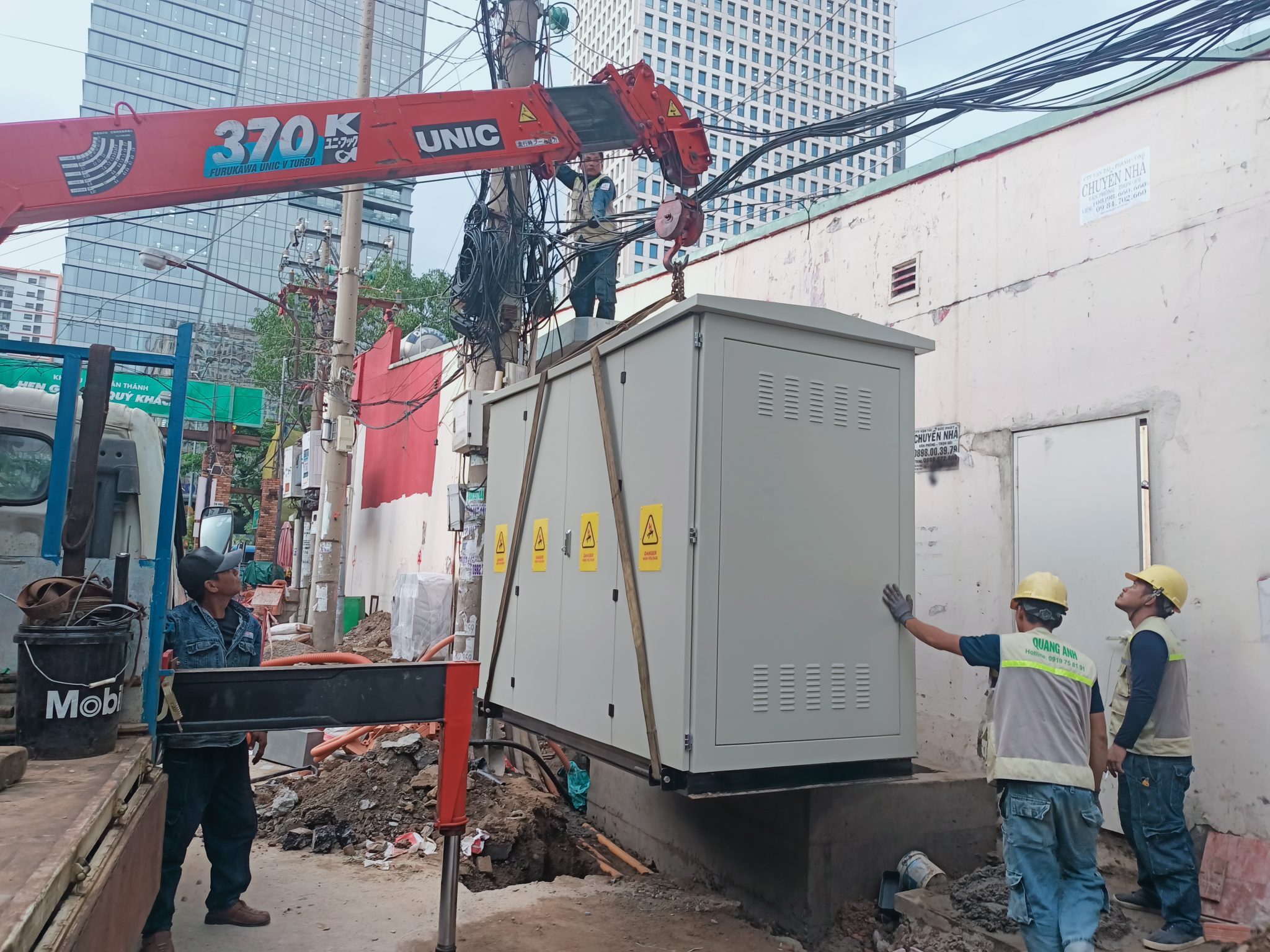
Solar planning in Tay Ninh should begin with site and POI screening, and proceed with standardized simulation inputs, permitting, and technical options. The next step is to arrange site surveys, update grid information, and build a detailed yield model to inform investment and rollout.
Talk to an expert to review your site, define the interconnection plan, and design a pilot tailored to your organization.
QuangAnhcons supports end-to-end services in Tay Ninh: survey, resource modeling, interconnection options, basic/detailed design, permitting, QA/QC, SCADA and protection, commissioning tests, and O&M setup for rooftop and solar farms.
[contact-form-7 id="7239967" title="Contact form 1"]
Related Posts
Tay Ninh Solar Power Planning: Technical Framework, Grid Interconnection, and Rollout Roadmap
Technical overview of solar planning in Tay Ninh: irradiation, grid capacity, permitting, design, operations, and [...]
Dec
Binh Duong Solar Planning: Regulatory Framework, Grid Interconnection, and an Implementation Roadmap for Factories and Industrial Parks
An overview of Binh Duong solar planning: legal framework, interconnection, design, risk management, and an [...]
Dec
Solar Farm Repair: O&M Workflow, IV Curve Diagnostics, Thermography, Inverter Service and Utility-Scale Safety
A utility-scale solar farm repair plan centered on O&M, IV curves, thermal imaging, inverter service, [...]
Dec
Dong Nai Solar Power Plan 2023–2025: Tri An 1,029 MW, Grid Upgrades and the DPPA Pathway
A complete look at Dong Nai’s solar power plan: Tri An 1,029 MW, irradiation potential, [...]
Nov
Quang Ngai Solar Power Plan 2024–2030: Legal Framework, Irradiance Potential, and Development Roadmap
A complete look at Quang Ngai’s solar power plan: capacity targets, irradiance (PVout), development zones, [...]
Nov
Solar Damage Assessment Services: On-Site Procedures, EL/IV/Thermography Testing & Compliance with Standards
Discover IEC/UL/NEC standard solar damage assessment processes: on-site evaluation, EL and IV curve testing, thermal [...]
Nov
Comprehensive Package Estimate for a 1800MVA 500kV Substation: Scope, Configuration 3x600MVA, Standards and Timeline Management
An overview of the 1800MVA 500kV substation estimate: construction scope, configuration 3x600MVA, GIS/AIS, SCADA, standards, [...]
Nov
Factory Electrical Systems: Comprehensive Design and Implementation Guide
Discover the detailed and safe process of factory electrical systems design and implementation. [...]
Oct
Blueprints Required for Factory Construction Permits
Discover the necessary blueprints in factory construction permit applications, from floor plans to electrical and [...]
Oct
What Are the Requirements for a Factory Construction Permit? A Comprehensive Guide
Explore the documentation and steps needed to secure a factory construction permit for streamlined project [...]
Oct
Factory Construction Permit Procedures in Vietnam: Essential Guidelines and Documents
Learn the procedures for securing a factory construction permit in Vietnam, focusing on document preparation [...]
Oct
Key Steps in the Factory Construction Process
Discover the essential steps and requirements for building factories. [...]
Oct
Comprehensive Electrical Substation Solutions by Quanganhcons
Discover the cutting-edge electrical substation solutions offered by Quanganhcons for industrial applications. [...]
Oct
Investment Costs for a 1MWp Solar Power System and Influencing Factors
Explore the investment costs for a 1MWp solar power system in Vietnam and the influencing [...]
Sep
QuangAnhcons: Elevating Wind Energy Solutions
Explore QuangAnhcons' leadership in wind energy and renewable solutions in Vietnam. [...]
Sep
Electrical Contractor Strategies at Becamex Industrial Park
Discover the strategic advancements and partnerships of the electrical contractor at Becamex Industrial Park. [...]
Sep
Investment Insights for 1MW Wind Energy in Vietnam: Costs and Opportunities
Discover the detailed analysis of costs and opportunities for investing in 1MW wind energy projects [...]
Sep
Advanced Electrical Installation Solutions by QuangAnhcons
Explore advanced electrical installation solutions and modern technology with QuangAnhcons. [...]
Sep
Enhancing Industrial Electrical Services with Quanganhcons
Discover Quanganhcons' expertise in industrial electrical services, offering efficient and sustainable power systems. [...]
Sep
Comprehensive MEP Solutions by QuangAnhcons: From Design to Maintenance Excellence
Discover optimal MEP solutions with QuangAnhcons, dedicated to excellence from design through maintenance. [...]
Sep