

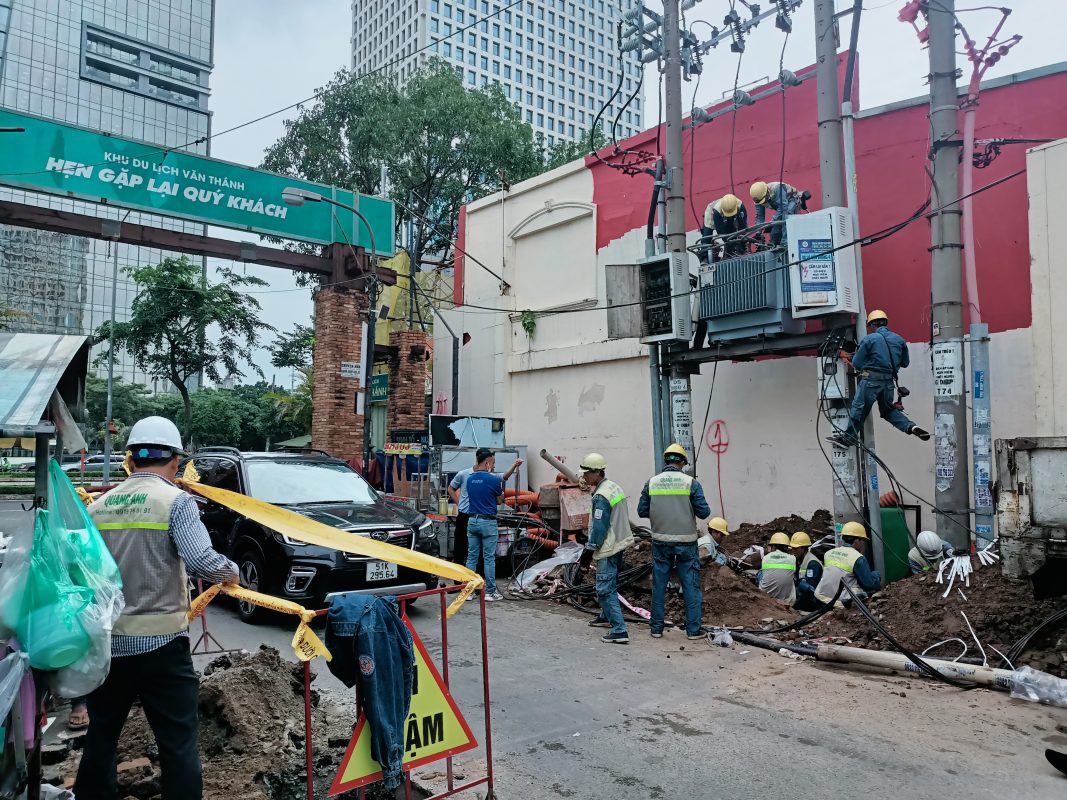
- Helps investors recognize key cost components of a 4000kVA transformer station instead of just asking for a total sum.
- Clarifies the differences between oil and dry transformers, RMU, FCO, LA, ACB, low voltage cabinets, and reactive power compensation systems.
- Shows why the type of station, medium voltage cable route, terrain, and connection method can significantly impact costs and timelines.
- Summarizes the process from survey, documentation, connection agreement, construction, testing, to commissioning and handover.
- Aids in comparing investment options and evaluating contractor capabilities from a field technical perspective.
- Investors planning new construction or expanding electrical loads in factories.
- Project management, technical, and maintenance teams reviewing the 4000kVA station plan.
- Procurement teams needing to understand configuration and variables affecting EPC quotations for transformer stations.
When to read this?
- When initial budgeting for a 4000kVA transformer station but configuration isn’t finalized.
- When debating between kiosk, outdoor, indoor stations, or underground and overhead cable options.
- When preparing documentation for working with electric utilities, design consultants, or full-service contractors.
- When assessing if a contractor has the capacity for surveying, connecting, testing, and electrifying.
- 1. What Needs Does the 4000kVA Transformer Station Fulfill and Pricing Scope
- 2. Typical Technical Configuration of a 4000kVA Station: Transformer, RMU, ACB, Low Voltage Cabinet, Cables, and Compensation System
- 3. Factors Affecting 4000kVA Transformer Station Pricing
- 4. Selection of Station Type, Cable Route, and Connection Solutions Based on Site Conditions
- 5. Common Mistakes in Selecting a 4000kVA Station and Configuring Equipment
- 6. RMU AFLR and Safety Requirements for Using Underground Medium Voltage for 4000kVA Stations
- 7. Implementation Process from Survey, Power Documentation to Testing and Commissioning
- 8. Checklist for Selecting an EPC Contractor for 4000kVA Transformer Stations
For a 4000kVA transformer station, pricing is meaningful only when accompanied by technical configuration, connection conditions, and actual construction scope. The complexity lies not just in the transformer, but in the entire assembly of medium voltage, low voltage, cables, construction, compensation systems, power utility procedures, and on-site risks.
What Needs Does the 4000kVA Transformer Station Fulfill and Pricing Scope
The 4000kVA transformer station is suitable for factories with medium to high loads exceeding approximately 3000kVA, and the pricing scope depends on connection point and site layout.
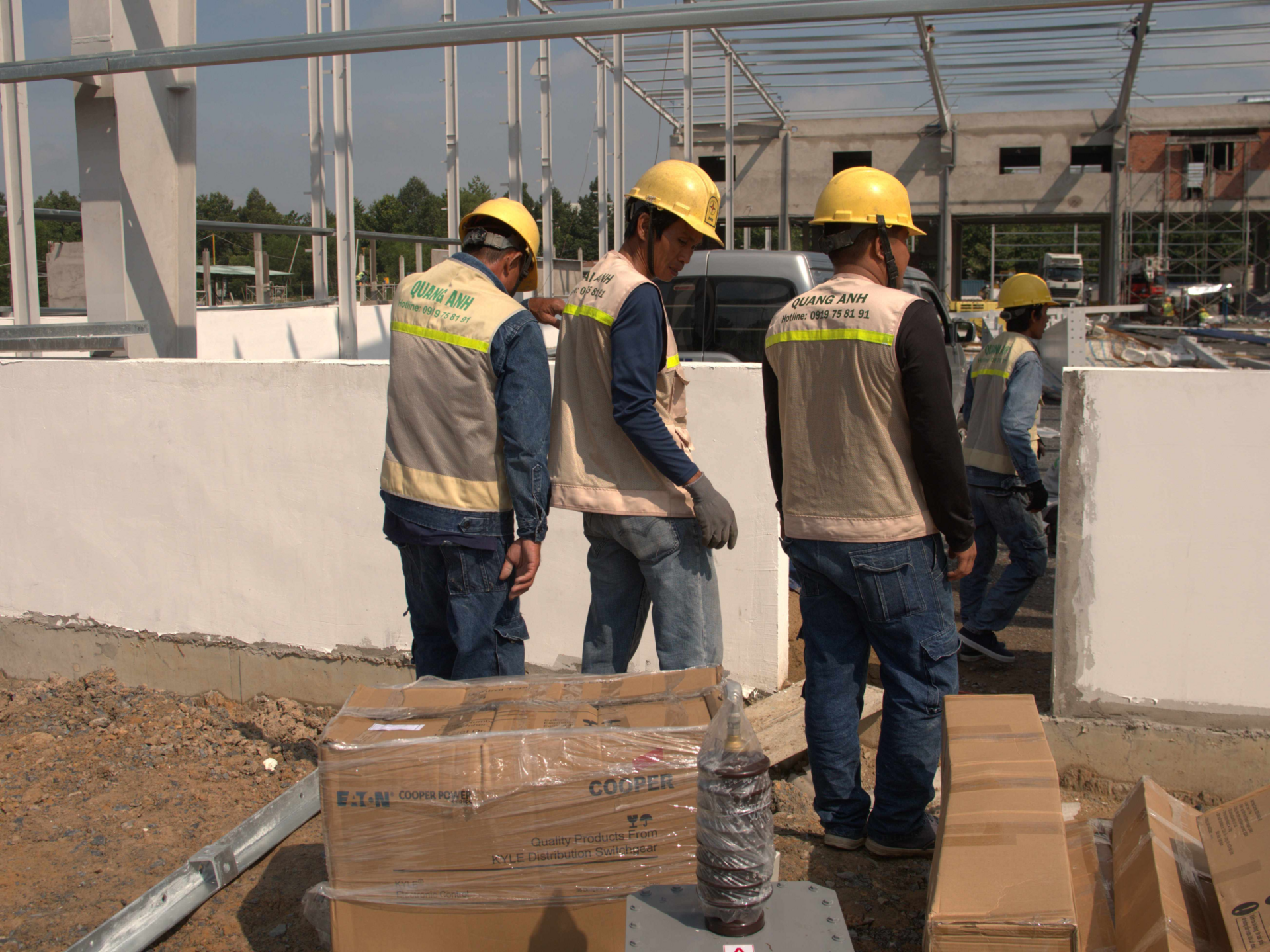
The 4000kVA transformer station is typically used in factories exceeding around 3000kVA in load, requiring a reserve margin of 20–30% for expansion. In practice, this configuration stabilizes power and prevents overloads upon production expansion.
When conducting surveys at the factory, it is essential to identify the medium voltage connection point managed by EVN and the cable distance from existing lines. On site, foundation conditions and space determine the choice between outdoor gantry, kiosks, or enclosed stations, affecting investment costs directly.
The usual all-inclusive pricing covers design, construction, supply of main equipment, and EVN commissioning. Average construction time for a new station package is approximately 60 days, with additional cable costs if medium voltage distance exceeds 40m.
| Item | Description | Notes |
|---|---|---|
| Design | Station design, layout, and commissioning documentation | Based on EVN connection point and site conditions |
| Construction | Building foundation, installing equipment and infrastructure | Station type (gantry/kiosk/enclosure) affects investment cost |
| Main Equipment | Transformer, medium voltage cabinet, low voltage cabinet, and auxiliaries | Configuration 1x4000kVA or 2x2000kVA impacts costs |
| Medium Voltage Cabling | Cabling from EVN connection point to station | If over 40m, additional cable costs apply |
| Commissioning | Complete inspections, trials, and EVN commissioning | All-inclusive pricing generally includes through commissioning |
When choosing the configuration, consider between 1x4000kVA and 2x2000kVA based on redundancy needs and operation during maintenance. Operational warning: if the EVN connection point is not confirmed, preliminary pricing may have significant errors, so site surveys are necessary before finalizing costs.
Conclusion: For accurate pricing, verify the EVN connection, grid management entity (e.g., EVNSPC, EVNCPC, EVNHCMC), and site conditions before preparing technical documents and estimates.
Typical Technical Configuration of a 4000kVA Station: Transformer, RMU, ACB, Low Voltage Cabinet, Cables, and Compensation System
Technical configuration of a 4000kVA station from oil/dry transformer to RMU, low voltage ACB, medium/low voltage cables, and reactive power compensation system, presented logically for operation.
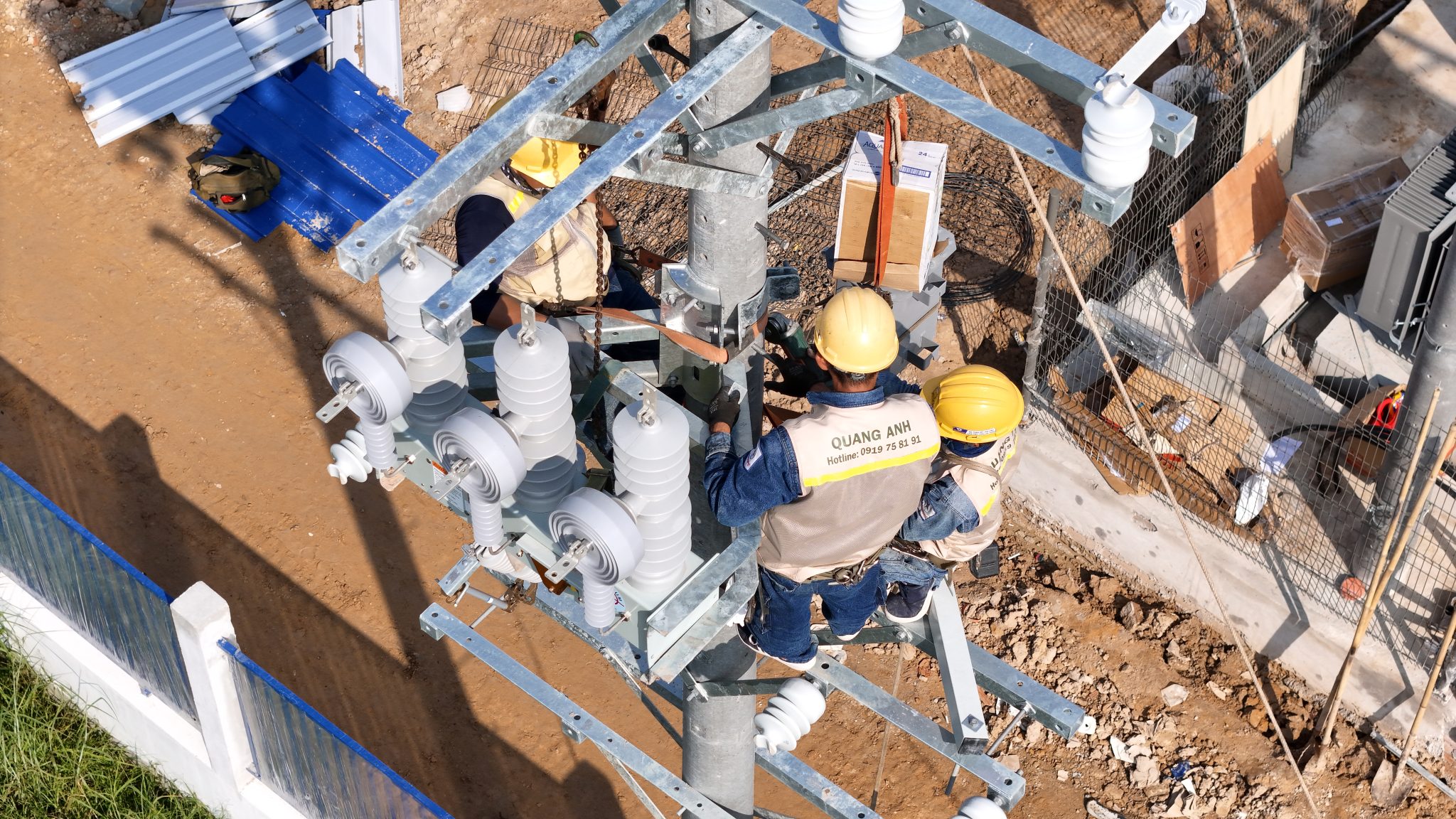
The typical technical configuration for a 4000kVA station includes a 4000kVA transformer (oil or dry) with Dyn-11 connection 22kV ± 2×2.5% / 0.4kV, medium voltage RMU, low voltage ACB rated 6300A and up, medium/low voltage cables, and a reactive power compensation system around 2000kvar.
The transformer reduces voltage from 22kV to 0.4kV and provides isolation for the low voltage system. Field choice between oil and dry transformers depends on environmental requirements and fire safety; install location, oil spill plan, and safe distances need evaluation if choosing an oil transformer.
The medium voltage (RMU) equipment handles insulation, switching, and protection before the transformer. During factory surveys, check operation mechanisms, terminal contact, insulation status, and switching capabilities according to operational protocol.
A low voltage cabinet with an ACB rated 6300A or higher is standard for a 4000kVA station to handle startup currents and provide overload and short-circuit protection. During maintenance, verify trip system settings, contact state, and protection settings according to nominal current to ensure ACB fulfills isolating role safely.
Medium voltage cables must withstand 22kV; section and type depend on source distance and nominal current. Low voltage cables from the transformer to the ACB must have large enough sections to minimize electrical loss and ensure thermal safety; on-site inspections should measure continuity, insulation, and check cable trench or conduit layout.
A reactive power compensation system around 2000kvar improves power factor and reduces losses, usually arranged in stages to adjust compensation based on load. Operationally, a control unit and relay protection for capacitors are needed, alongside checking fuses, contactors, and capacitor status during testing.
| Item | Short Description | Field Checks |
|---|---|---|
| 4000kVA Transformer | Oil or dry type, Dyn-11 connection, 22kV/0.4kV | Check tap settings, installation location, safety distances |
| Medium Voltage RMU | Isolation and protection for 22kV input | Check switching mechanism, insulation state, contacts |
| Low Voltage ACB Cabinet | ACB ≥ 6300A for low voltage distribution | Verify protection settings, trip system, switching capacity |
| Medium/Low Voltage Cables | 22kV cables for MV; 0.4kV cables for LV | Check section, insulation, cable routing, and grounding |
| Compensation System ~2000kvar | Multi-stage capacitors with control unit | Check contactors, fuses, compensation control settings |
- Choosing between oil and dry transformers requires site surveys for fire safety and operational needs.
- Before commissioning, validate load diagram, ACB ratings, cable routes, and compensation setup to avoid overcompensation or undercompensation.
Design and construction must comply with current design and safety standards; new station construction and installation typically takes about 60 days, including design, construction, and commissioning. For finalizing detailed specifications (cable section, protection settings, final compensation capacity), site surveys and load measurement blueprints are needed before completing technical construction documents.
Factors Affecting 4000kVA Transformer Station Pricing
Main variables impacting 4000kVA transformer station pricing include station type, distance to medium voltage lines, transformer type, terrain, and construction schedule.
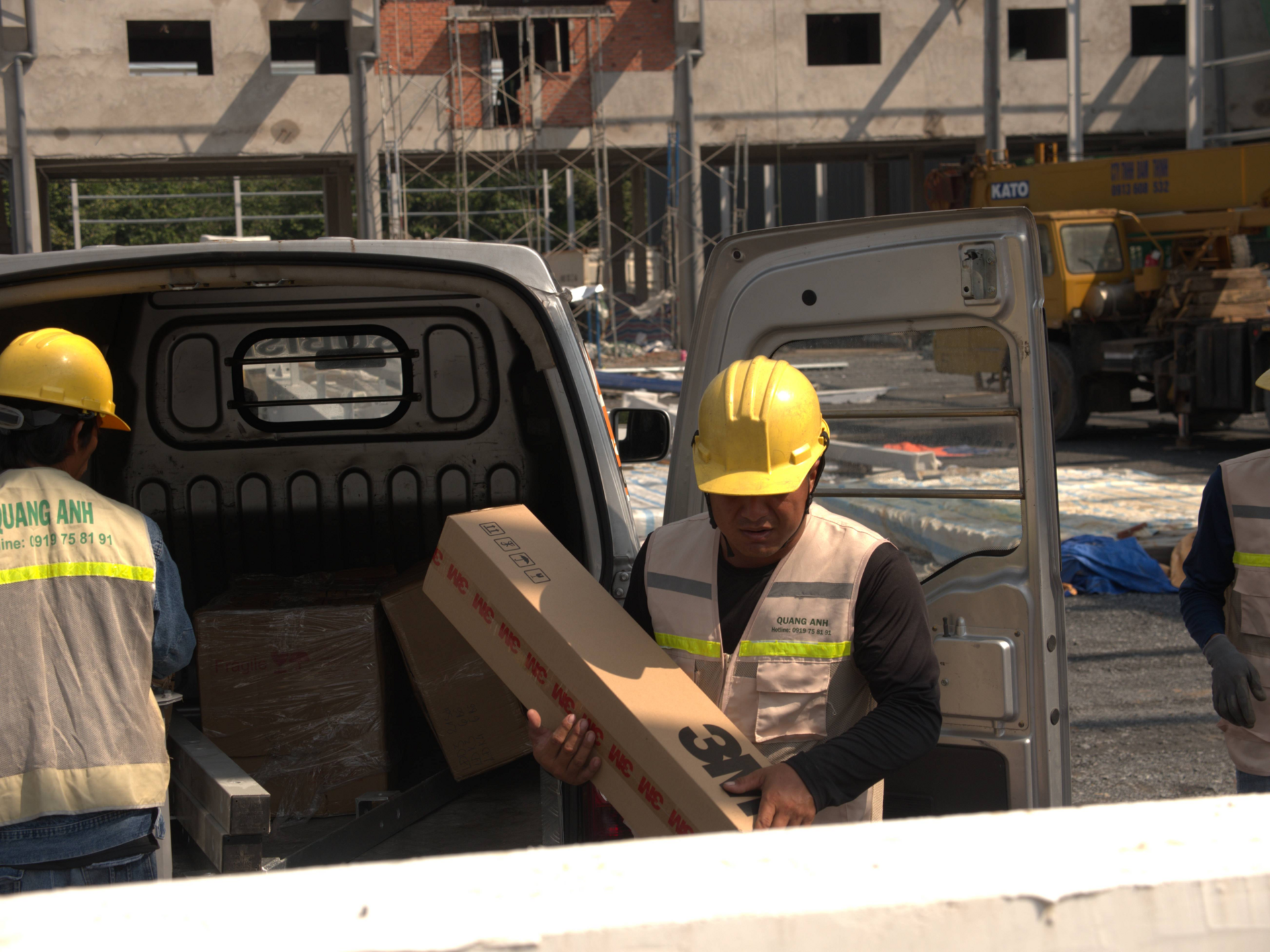
The primary factors directly impacting the pricing of a 4000kVA transformer station include: station type (gantry/steel pole/kiosk), distance to the medium voltage line, transformer type and quantity, site geology, and construction timeline.
In terms of cost components, a typical all-inclusive quotation is divided by percentage: transformer takes the largest share, followed by foundation construction, control equipment, labor, and cable/connection. During site surveys, it’s crucial to clearly define medium voltage cabling distance, desired station type, and connection requirements (direct grid connection or via an intermediate station).
| Item | Estimated Ratio | Notes |
|---|---|---|
| Transformer | 40–50% | Depends on type (non-flammable dry or oil), voltage level, and manufacturer |
| Construction/Foundation | 15–25% | Influenced by soil conditions, excavation depth, and vibration mitigation |
| Electrical & Control Equipment | 10–15% | Includes cabinets, protective relays, grounding systems, kiosk ventilation |
| Labor & Construction | 10–15% | Depends on schedule, shifts, and safety conditions |
| Cabling and Connection | 5–10% | Cost increases with longer underground cables or complex hotline connections |
| Design, Inspection, Testing | 5–10% | Includes coordination with authorities and commissioning |
Some key price-increasing/decreasing factors: kiosk stations tend to be 30–50% more expensive than outdoor frame stations due to the cost of station structures, insulation, and ventilation; if the station location is farther than 40m from a medium voltage line, additional cabling costs apply, typically estimated at around 35.5 million VND for every extra 40m of cabling; the choice between a 1×4000kVA and a 2×2000kVA transformer setup also affects equipment costs and foundation structures.
For accurate cost estimates, necessary field information includes position diagrams relative to medium voltage lines, soil/geological reports, desired station type (frame/pole/kiosk), transformer choice (dry or oil, voltage rating), transformer quantity, and completion timeline (construction duration affects labor and project management costs). During site surveys, real distances to the medium voltage spine should be measured and favorable connection positions checked to avoid extra costs.
Selection of Station Type, Cable Route, and Connection Solutions Based on Site Conditions
The choice of station and cable options needs to balance terrain, reliability requirements, cabling costs, and construction feasibility at the site.
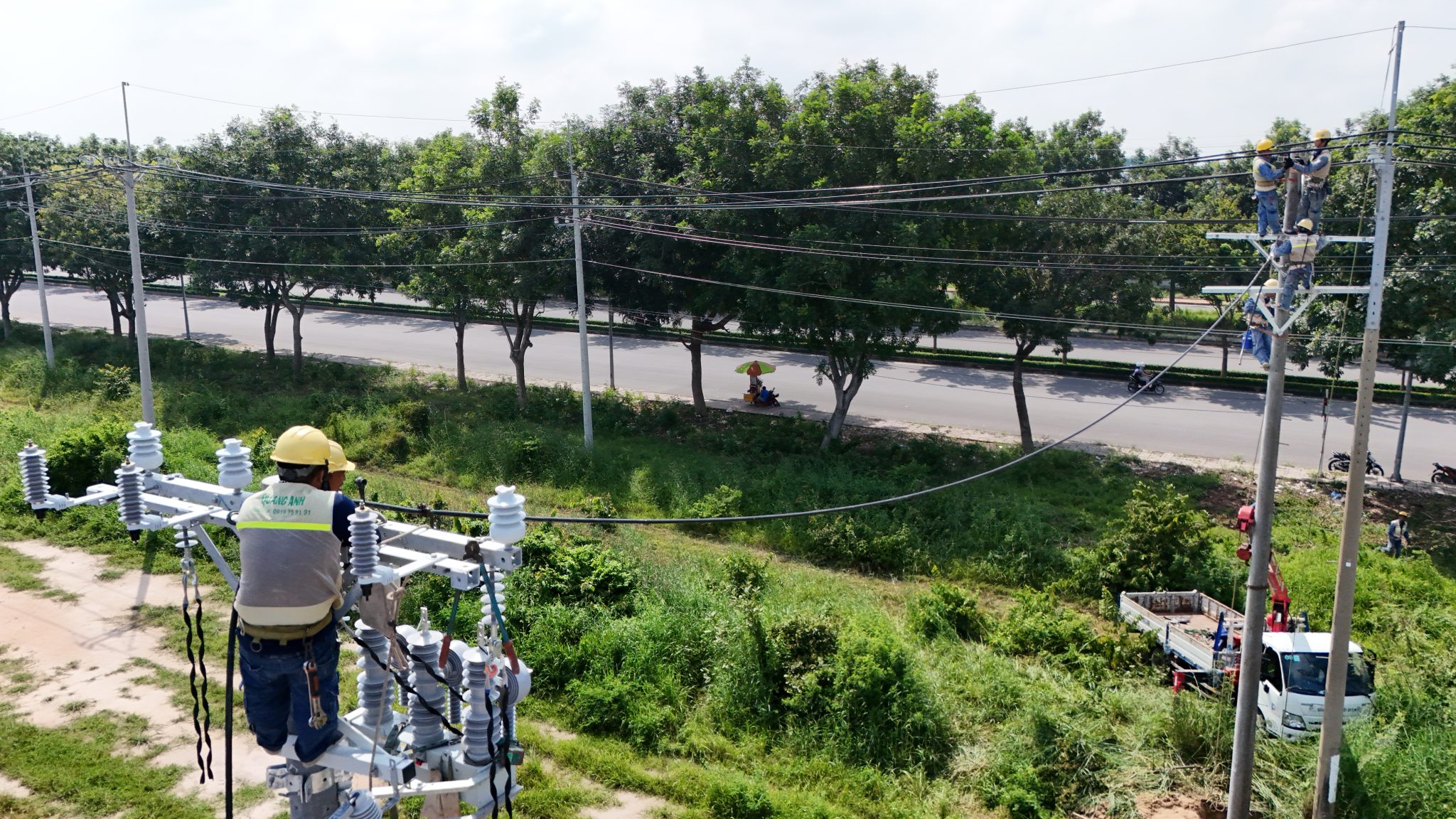
Choosing between kiosk stations, outdoor platforms (frame), or steel pole stations depends on site conditions, safety requirements, costs, and distance to medium voltage lines.
Field considerations show industrial and urban areas often prefer modular kiosk stations for safety, aesthetics, and ease of indoor placement; whereas rural, hilly areas, or space-constrained locations may find frame or steel pole stations more suitable for conserving land and accelerating construction. During factory surveys, it is important to measure actual distance to medium voltage lines: if more than ~40m, cabling costs will significantly increase (around 35–40 million VND for each additional 40m based on current data), so station positioning may need adjustment to optimize costs.
For cable design, ring main circuits enhance reliability by isolating fault sections without full outages; single circuits are simpler and cheaper but increase outage risks. For cable type, underground cables are favored for safety and aesthetics, while aerial on frames/poles are suitable for cost savings and swift installation; in maintenance, note mechanical protection for aerial cables and corrosion measures for coastal regions. Hotline connections (without shutdown) avoid disruptions but require high technical skill and increased cost; shutdowns are simpler, cheaper but require coordinated scheduling with EVN and downtime management.
| Site Scenario | Preferred Station Type | Decision Notes |
|---|---|---|
| Industrial/Urban Areas | Modular kiosk stations (indoor) | Safety, aesthetics; suitable when building space and continuous operation demand exist |
| Rural/Hilly Areas | Frame or steel pole stations | Land-saving, easy construction; poles suitable in constrained topography |
| Coastal/High Humidity Zones | Kiosk or frames with anti-corrosion measures | Needs corrosion-resistant materials, moisture-resistant transformers, or elevated station platforms |
| Significant Distance to Medium Voltage Lines | Consider station repositioning or optimizing cabling route | Cabling costs increase with distance; detailed survey needed |
On-site survey checklist before deciding on a plan:
- Measure the actual distance to medium voltage lines and determine added cabling costs.
- Check area and access by lifting equipment to decide between kiosk, frame, or steel pole.
- Evaluate environmental risks: corrosion, humidity, flood threat to select materials and station platform height.
- Determine load reliability requirements (accepted outage ratio) to choose between ring or radial circuit.
- Decide on connection method: hotline or shutdown — requires EVN collaboration and production impact assessment.
Operational real-world warning: if choosing aerial cables on frames/poles, mechanical protection and periodic checks are necessary; in coastal regions, mandatory corrosion assessment before commissioning is required. For operations, all non-shutdown connection plans must include detailed construction methodologies and safety risk assessments.
The next logical step is conducting detailed site surveys and drafting choices along with cost estimates, followed by coordinating with EVN to finalize cable routing and scheduling.
Common Mistakes in Selecting a 4000kVA Station and Configuring Equipment
The biggest mistake in selecting a 4000kVA station is relying on instincts rather than actual load, installation conditions, and connection requirements. Overlooking reserve capacity, reactive power compensation, short-circuit endurance, or distance to the medium voltage grid often results in inflated costs or operational difficulties. These errors tend to surface clearly during field surveys, configuration reviews, and testing for industrial stations.

The most common mistake is choosing the 4000kVA station simply for the “just in case” factor or because this capacity is popular in factories. Field decisions require basing on current load demands, reserve for expansion, and operational characteristics by shift, season, or production line. Without clarifying these points, stations may face two unfavorable states: over-investment in extra capacity or lack of room when load increases.
Another error is neglecting the necessary accompanying technical conditions when configuring equipment. Transformers must comply with IEC 60076, ensuring voltage level, winding connection, and short circuit endurance suit industrial loads and connection sites. Factory surveys must clarify the distance to the medium voltage line, as data shows exceeding 40 meters incurs extra cabling costs often missing in initial estimates.
Misunderstanding reactive power compensation also makes station configuration inefficient. Data indicates a 0.9 power factor requirement per EVN regulations; if the capacitor bank chosen does not match the actual needs, it may lead to operational disadvantages and related reactive costs. During maintenance or commissioning, check capacitor switching state, voltage stability, and compatibility with actual factory load profiles.
Concerning RMU or AFLR, the mistake lies not in whether to install but in choosing the wrong one for electrical safety and system conditions. Omitting proper short circuit interruption, grounding, or appropriate overcurrent protection per QCVN 01:2020/BCT will hinder safety compliance in operation. If stations are near EVN sources, review device short-circuit endurance since fault currents may exceed expectations if only considering nominal capacity.
Placing emphasis on station type and location is easily overlooked in early phases. Choosing between gantry, pole, kiosk, or enclosed stations should not rely solely on unit cost, but also on installation space, humidity, ambient temperature, safety distances, and future expansion potential. On-field indicators needing check include operational workspace, equipment access routes, proximity to residential areas, and land availability for maintenance or future upgrades.
Beyond technical aspects, project delays or increased costs often arise from insufficient procedure parts and unplanned schedules. Input data suggests the construction of a new station usually takes about 60 days, covering design, construction, regulatory coordination, testing, and commissioning; budgeting mainly for construction often leads to skewed investment plans. Decisive criteria should prioritize a plan harmonizing actual loads, connection conditions, electrical safety, and expansion readiness over sheer capacity or initial equipment cost.
- Do not choose 4000kVA based on gut feeling; compare against current load and reserve allowances for development.
- Do not overlook distance to medium voltage lines, since exceeding 40 meters can incur extra cabling costs.
- Do not configure capacitor banks on general experience without verifying compensation needs to achieve a cos φ of 0.9.
- Do not select RMU/AFLR or circuit breakers without reviewing protection, grounding, and short-circuit withstand requirements.
- Do not finalize station type before checking site layout, installation environment, and process execution timelines.
RMU AFLR and Safety Requirements for Using Underground Medium Voltage for 4000kVA Stations
RMU AFLR is an option for 4000kVA stations with underground medium voltage cables, considering arc fault endurance per IEC 62271-200, operational safety, and investment cost.
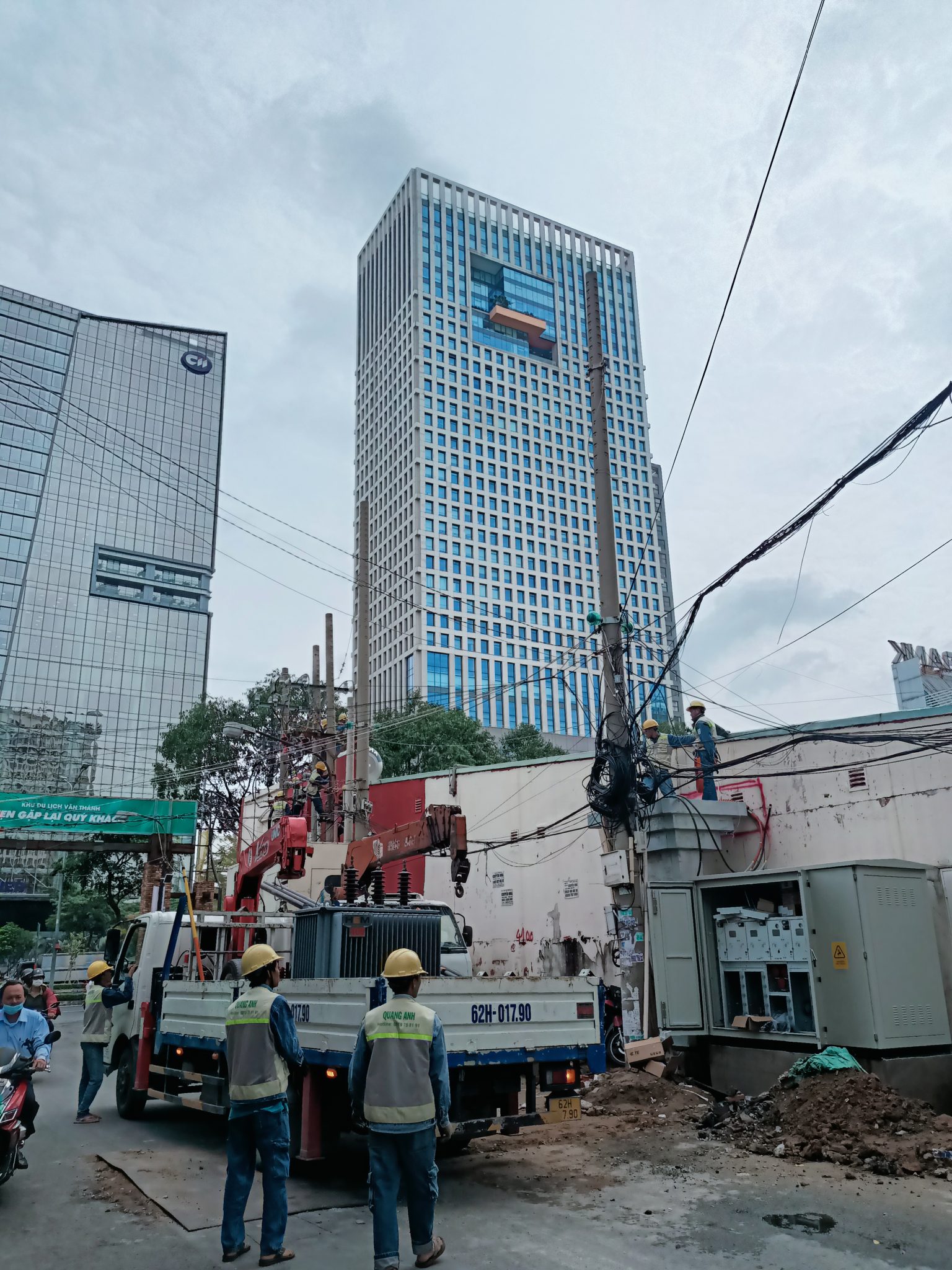
RMU AFLR refers to a medium voltage RMU equipped with an Arc Fault Limiting Resistor to reduce arc energy during faults, often suited for 4000kVA stations with underground medium voltage cabling. According to IEC 62271-200 standards, RMU types are classified by arc resistance and enclosure sealing; AFLR belongs to a category limiting arc faults, enhancing safety for operation staff.
Site conditions favor RMU AFLR when installation space is constrained, cable points are centralized, and safety requirements high. This equipment incorporates switching, protection, and arc limitation within a single metal enclosure, thereby lowering arc energy propagation risk compared to standard RMUs.
| Item | Description | Check Points |
|---|---|---|
| RMU Type | RMU with integrated AFLR (4-sided/multi-sided arc resistant per IEC classification) | Verify arc resistance classification per manufacturer’s data and IEC 62271-200 documentation |
| 4000kVA Station Applicability | Centralized underground medium voltage connections, high safety operation requirements in urban settings | Survey cable routes, RMU placement conditions, and on-site maintenance needs |
| Cost & Operation | Investment, maintenance costs, and impact on operational processes | Compare lifecycle costs with safety requirements; note maintenance estimates |
Main deciding criteria include:
- Environmental and installation conditions: if area constraints and the absence of dedicated room, prioritize RMU AFLR.
- Risk levels during work: in maintenance work near cable connection points, arc limitation increases staff safety.
- Standards and compliance: reference IEC 62271-200 and local regulations like QCVN, TCVN during commissioning.
- Investment versus long-term benefits: AFLR RMU costs are typically higher than standard RMUs by market reports, requiring lifecycle cost comparison.
Real-world operational warning: during maintenance, lock out sources and verify on/off states before work near RMU; factory surveys should include heat dissipation and grounding evaluation to avoid arc energy concentration. Additionally, commissioning/ trials must verify arc classification documents provided by the manufacturer.
Conclusion: For 4000kVA stations using underground medium voltage cabling, the choice of RMU AFLR versus standard RMU needs grounding in field surveys, safety needs, and lifecycle cost analysis before finalizing equipment decisions.
Implementation Process from Survey, Power Documentation to Testing and Commissioning
The sequence of field surveying, submitting technical documentation to EVN, field verification testing, and finally commissioning the 4000kVA transformer station per technical requirements.
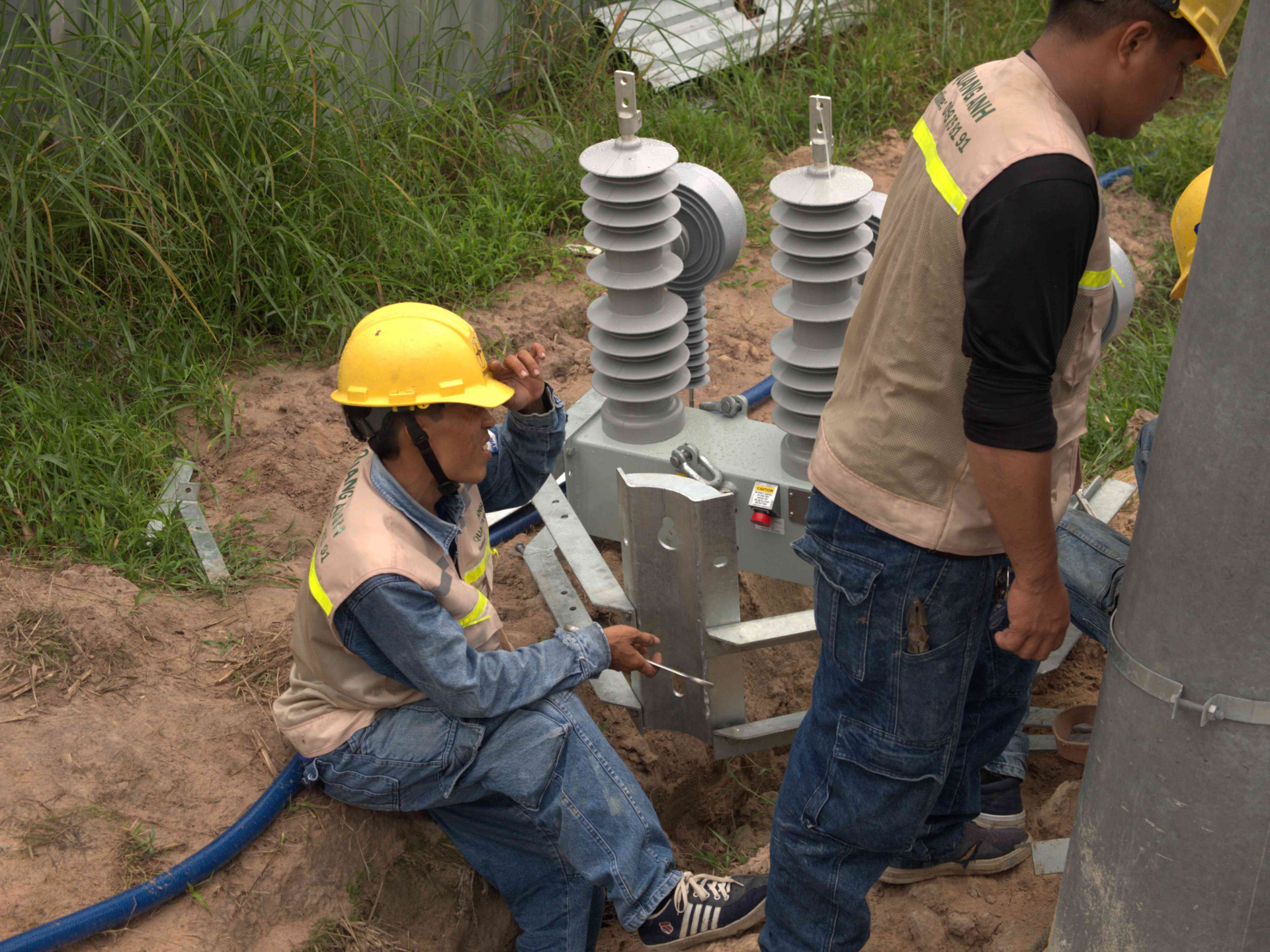
The execution process follows steps: field surveying, preparing and submitting technical documentation to the power utility, conducting on-site verification testing, and finally commissioning the 4000kVA transformer station.
On the field, surveys must determine transformer placement, earthing system, insulation distances, connection plans, and cable routing. During factory surveys, assess lift capacity, battery facilities (if any), and conditions for delivering oil or cooling for ONAN types; these parameters directly impact test schedules and safety before inviting EVN for commissioning.
| Documentation | Notes |
|---|---|
| Transformer Specifications (capacity, voltage, losses, short-circuit voltage) | Used to evaluate short-circuit endurance and protection calculations; comply with IEC 60076 / TCVN 6306 / Decision 2608/EVN SPC |
| Connection and Circuit Diagrams | Clearly show winding configuration (e.g., Dyn-11) and neutral point |
| Station Drawings, Earthing Position | Inspect safety distance parameters, earthing data for ONAN or dry type |
| Calibration Certificates and Testing Reports | Results for Po, Pk, I₀%, Uk% and overload performance must accompany |
| Operating Instructions and Commissioning Records | Include final connection diagrams and periodic maintenance recommendations |
Pre-commissioning tests during trial runs include measuring no-load losses (Po), short-circuit losses (Pk), no-load current (I₀%), short-circuit voltage (Uk%), and overload endurance testing. From common reference data, Po may reach ≤ 4,400 W and Pk ≤ 31,500 W (at 75°C), with no-load current maxing at 1.5% and Uk typically within 4–6.5% depending on model and operational conditions; recording temperature during measurement is essential for comparison against manufacturer specs.
The EVN connection process requires confirming short-circuit endurance, lightning protection, and continuous operation capability of cooling systems; thus, complete technical documentation and calibration certificates need submission before line connection registration. Pre-commissioning maintenance ensures mechanical and electrical protections (minimum IP20 protection level), compliant grounding, and safe isolation procedures during pressure tests/electrical leakage prevention.
Operational caution: If factory surveys reveal earthing values, safe distances, or short-circuit endurance not meeting standards, do not proceed with commissioning until rectified and confirmed by EVN. Final documentation handover must include calibration certificates, testing reports, operating guidelines, final connection diagrams, and commissioning records for future trial operations and maintenance.
Checklist for Selecting an EPC Contractor for 4000kVA Transformer Stations
This checklist focuses on technical criteria and EPC construction capability for a 4000kVA transformer station, including surveying, equipment, commissioning, and EVN coordination.
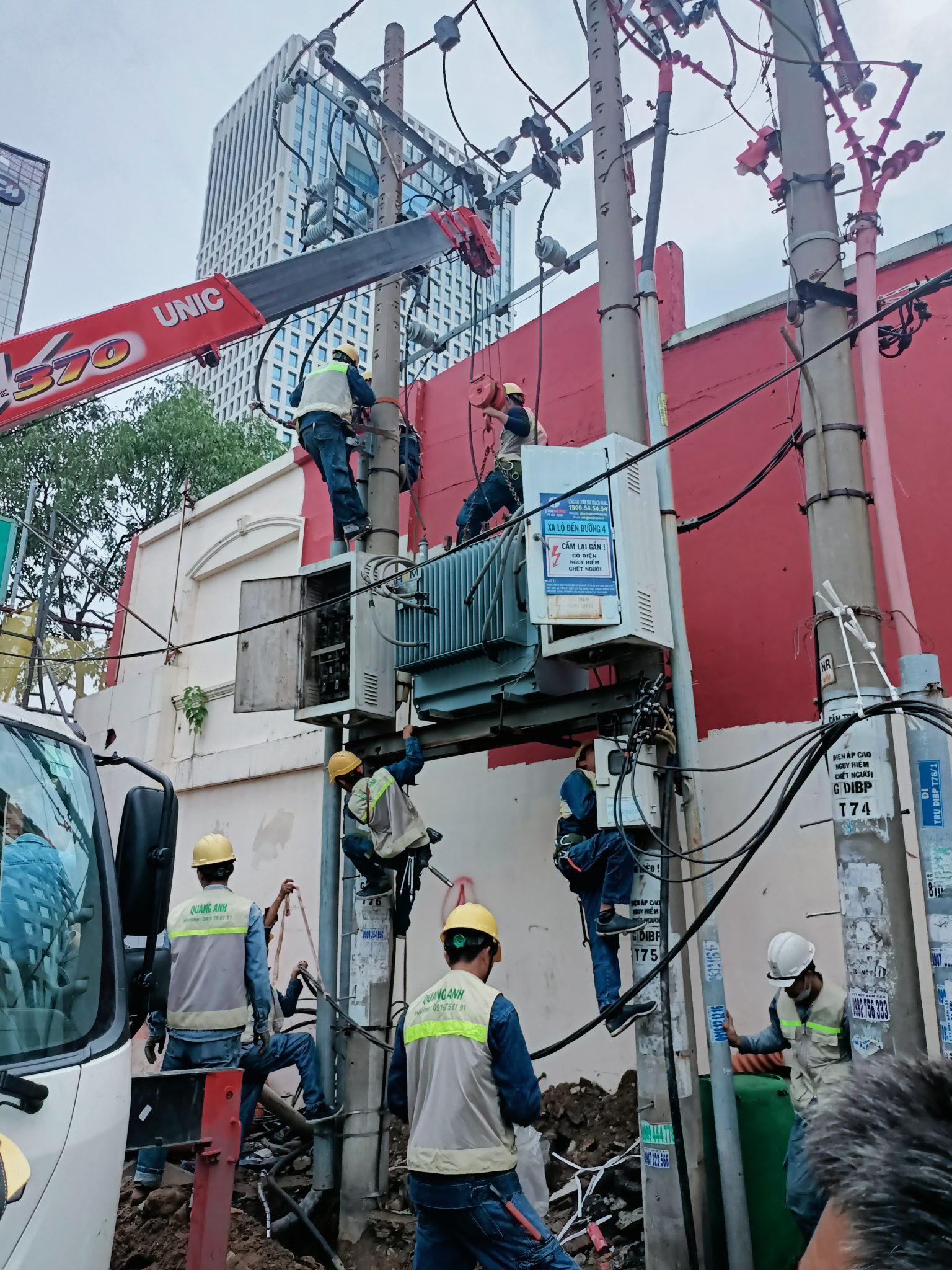
Prioritize contractors holding IV-level competency certification for transformer station construction per TCVN 5308:1991 and commissioning documentation for equivalent 4000kVA projects. Field checks involve reviewing acceptance records, testing reports, and work logs for at least one comparable project to authenticate execution capabilities.
During factory surveys, assess coordination capability with EVN regarding medium voltage lines — observe reference distance of 40m; if exceeded, require clear technical solution planning. Check construction equipment: cranes 5–16 tons or equivalent for transformer lifting, electrification testing devices, and contingency plans; during maintenance or installation, demand lifting plans and safety methods documentation.
Regarding drawings, estimates, and contracts, verify competency in preparing estimates based on specialist standards GXD and separating investment rates between construction and equipment. Contractors must provide comprehensive progress from design to commissioning (typically 60 days for small stations, subject to field survey adjustment). Alert: Prior to contract signing, affirm relationships with authorities/EVN, project insurance, and adherence to technical safety regulations in construction.
| Item | Minimum Requirement | Field Check |
|---|---|---|
| Competency Certificate | Certification for IV-level transformer station construction per TCVN 5308:1991 | Authenticated copy of certification, review issuance date and project scope executed |
| Survey Experience & EVN Coordination | Survey documentation, working records with EVN; handle ~40m medium voltage distance | Survey reports and confirmation letters from EVN or equivalent documents |
| Lifting Equipment & Machinery | 5–16 ton cranes, electrification testing machinery, contingency plans | Equipment list, lifting plans, recent maintenance check records |
| Commissioning & Electrification Documentation | Commissioning records and testing results per IEC 60076 if available | Cross-reference documentation with comparable executed projects |
| Cost Estimates & Expense Segregation | Estimate based on GXD standards; explicitly separate construction and equipment costs | Require draft estimate and check price fluctuation factors |
| Overall Project Timeline | Timeline from design to commissioning (reference ~60 days for small station) | Methods to shorten timeframes, timeline for acceptance and commissioning milestones |
Final decision criteria should link to field-proven evidence: commissioning records, equipment lists, and EVN collaboration reports. If any key items lack verification, conduct supplementary field surveys or tighten acceptance terms in contracts.
To finalize an accurate budget for a 4000kVA transformer station, investors should prioritize load needs, station plan, connection conditions, and contractor competency, rather than isolating individual equipment costs. A sound approach balances safety, operational capacity, timeline, and total ownership cost.
Frequently Asked Questions
What scale are 4000kVA transformer stations typically suitable for?
A 4000kVA station suits medium to high-load factories, generally when actual total load exceeds approximately 3,000 kVA and a reserve of 20–30% is needed for expansion. To confirm, load data by hour, power factor, connection plan, and site conditions are needed.
Should I choose an oil or dry transformer for a 4000kVA station?
Choice depends on environment, fire safety requirements, maintenance capability, and budget. Oil transformers are typically cost-effective for large capacities; dry transformers are safer in fire-prone or indoor areas. Site installation data, risk classification, and maintenance criteria are essential for decisions.
Is an RMU mandatory in all 4000kVA station setups?
An RMU is not always necessary. RMUs are ideal for underground cables, ring mains, or safety when sealed. For single-line connections or if EVN provides other cabinets, alternatives might be used. Knowledge of grid type, cable route (underground/aerial), and EVN requirements is crucial.
How does hotline connection cost differ from scheduled shutdown?
Hotline connections generally cost more due to specialized teams, insulated/reduced voltage gear, and complex execution to maintain grid operation. Scheduled shutdowns cost less but cause power cuts. Detailed quotes by method, duration, and operational constraints are needed.
Is the 2000kVAr reactive power compensation always suitable for a 4000kVA station?
Not always. Compensation capacity depends on current power factor, load structure (motors, non-linear loads), and power factor goals. 2000 kVAr is a reference, but actual load analysis and calculation are needed to determine the correct capacity, avoiding overcompensation or harmonic issues.
What contractor competency documents should I review before engaging on a transformer station project?
Review relevant construction competency certificates (e.g., transformer station competency), similar project commissioning and acceptance records, testing reports, technical team and equipment inventory (cranes), quality certification/ISO if applicable, project insurance, and testimonial from completed projects.
How to Prepare a Comprehensive Brief for Accurate 4000kVA Transformer Station Quotes
- Determine current load, reserve load, and expansion plans for the factory.
- Finalize preliminary station type, location, and medium voltage cable routing to connection point.
- Clarify operational requirements such as safety level, installation space, outage limits, and maintenance needs.
- Prepare layout drawings, primary load diagrams, and local electrical utility correspondence.
- Request separate equipment, construction, cabling, testing, and connection cost breakdowns from contractors.
- Compare at least two technical solutions before assessing total investment value.
- Verify contractor’s commissioning experience, testing records, and field deployment capability.
For reviewing a 4000kVA station plan based on factory layout, power supply routes, and project timelines, a technical survey session might be a good start to isolate scope and cost factors before requesting detailed quotes.
[contact-form-7 id="7239967" title="Contact form 1"]
Related Posts
Comprehensive Transformer Station Pricing: Elements and Considerations
Examine key components in comprehensive transformer station pricing including design, equipment, construction, testing, and connection [...]
Mar
Pricing Guide for 4000kVA Transformer Stations: Configuration, Cost, and Investment Process
An overview of configuration, cost estimates, connection approaches, and investment checklists for 4000kVA transformer stations [...]
Mar
Pricing and Setup of 3200kVA Transformer Stations: Configuration, Costs, and Investment Procedure
Explore the pricing structure for a 3200kVA transformer station, primary equipment configuration, cost variables, EVN [...]
Mar
Cost Estimation for 2500kVA Transformer Station: Configuration, Expenses, and Investment Process
Reference framework for quoting a 2500kVA transformer station based on configuration, station type, cable solutions, [...]
Mar
2000kVA Transformer Station Guide: Configuration, Costs, and Investment Process
Discover key aspects of a 2000kVA transformer station: from technical configuration and cost analysis to [...]
Mar
Pricing and Configuration Guide for 1600kVA Substations
A detailed guide on pricing for 1600kVA substations, including equipment specs, connection costs, EVN procedures, [...]
Mar
Comprehensive Guide to 1500kVA Substation Pricing: Configuration, Costs, and Investment Process
A comprehensive overview of configurations, costs, construction methods, connection procedures, and contractor selection for 1500kVA [...]
Mar
Tay Ninh Solar Power Planning: Technical Framework, Grid Interconnection, and Rollout Roadmap
Technical overview of solar planning in Tay Ninh: irradiation, grid capacity, permitting, design, operations, and [...]
Dec
Binh Duong Solar Planning: Regulatory Framework, Grid Interconnection, and an Implementation Roadmap for Factories and Industrial Parks
An overview of Binh Duong solar planning: legal framework, interconnection, design, risk management, and an [...]
Dec
Solar Farm Repair: O&M Workflow, IV Curve Diagnostics, Thermography, Inverter Service and Utility-Scale Safety
A utility-scale solar farm repair plan centered on O&M, IV curves, thermal imaging, inverter service, [...]
Dec
Dong Nai Solar Power Plan 2023–2025: Tri An 1,029 MW, Grid Upgrades and the DPPA Pathway
A complete look at Dong Nai’s solar power plan: Tri An 1,029 MW, irradiation potential, [...]
Nov
Quang Ngai Solar Power Plan 2024–2030: Legal Framework, Irradiance Potential, and Development Roadmap
A complete look at Quang Ngai’s solar power plan: capacity targets, irradiance (PVout), development zones, [...]
Nov
Solar Damage Assessment Services: On-Site Procedures, EL/IV/Thermography Testing & Compliance with Standards
Discover IEC/UL/NEC standard solar damage assessment processes: on-site evaluation, EL and IV curve testing, thermal [...]
Nov
Comprehensive Package Estimate for a 1800MVA 500kV Substation: Scope, Configuration 3x600MVA, Standards and Timeline Management
An overview of the 1800MVA 500kV substation estimate: construction scope, configuration 3x600MVA, GIS/AIS, SCADA, standards, [...]
Nov
Factory Electrical Systems: Comprehensive Design and Implementation Guide
Discover the detailed and safe process of factory electrical systems design and implementation. [...]
Oct
Blueprints Required for Factory Construction Permits
Discover the necessary blueprints in factory construction permit applications, from floor plans to electrical and [...]
Oct
What Are the Requirements for a Factory Construction Permit? A Comprehensive Guide
Explore the documentation and steps needed to secure a factory construction permit for streamlined project [...]
Oct
Factory Construction Permit Procedures in Vietnam: Essential Guidelines and Documents
Learn the procedures for securing a factory construction permit in Vietnam, focusing on document preparation [...]
Oct
Key Steps in the Factory Construction Process
Discover the essential steps and requirements for building factories. [...]
Oct
Comprehensive Electrical Substation Solutions by Quanganhcons
Discover the cutting-edge electrical substation solutions offered by Quanganhcons for industrial applications. [...]
Oct