

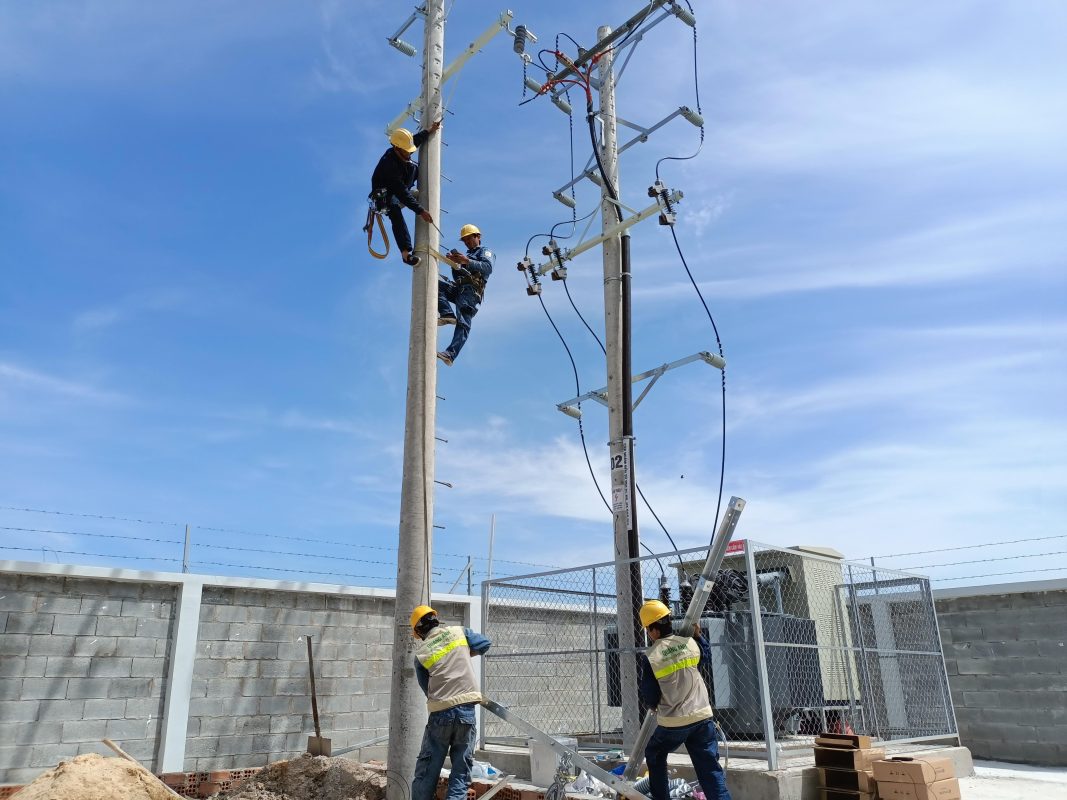
The cleaning of factory electrical equipment plays a key role in ensuring safety, enhancing operational efficiency, prolonging equipment life, and preventing power outages or fires. This process involves safety preparations, using the right tools and chemicals, scientific cleaning, and post-cleaning checks.
Safety Preparation and Equipment Isolation
Ensure all electrical equipment is disconnected or fully isolated from electrical sources, verifying that there are no active operations or lights displaying on the equipment. Wear complete personal protective equipment such as insulated gloves and safety goggles to protect against electric shock and dirt. Prepare specialized cleaning tools such as lint-free cloths, anti-static cleaning solutions, and electronic dusting kits. This not only guarantees the safety of the electrical equipment but also enhances the cleaning and maintenance efficiency.
In industrial environments, safety preparation and equipment isolation are crucial for safeguarding both workers and equipment systems. This process ensures the equipment is fully isolated from power sources before maintenance or repairs are carried out.
-
Assessment and Inspection Prior to Handling: Inspecting equipment helps in early detection of flaws or potential risks, ensuring compliance with current technical standards like IEC, TCVN, and NEC.
-
Isolation from Power Sources: Prior to any equipment intervention, disconnect completely from power or other energy sources such as steam, compressed air, and hydraulics. Secure grounding to avoid accidents, typically using Lockout/Tagout procedures.
-
Work Permits and Safety Procedures: For high-risk jobs, adherence to supervised working procedures and necessary permits is vital, guaranteeing at least two independent operatives are involved.
-
Personal Protective Equipment (PPE): Essential items include insulated gloves, boots, protective clothing, along with safety helmets and goggles to protect workers.
-
Lock and Warning Signs: Equipment under maintenance must be locked and tagged with clear warning signs like “Danger, Do Not Operate” to prevent unauthorized use.
-
Safety Device Inspection: Post-maintenance, equipment inspection is critical. This includes technical reviews and test runs to ensure safe operation and adherence to technical standards.
-
Employee Training and Education: Continuous training is essential for safe and effective processes, teaching workers hazard recognition and proper PPE usage.
Safety preparation and equipment isolation procedures not only prevent losses but also ensure the most effective and secure operation in an industrial setting.
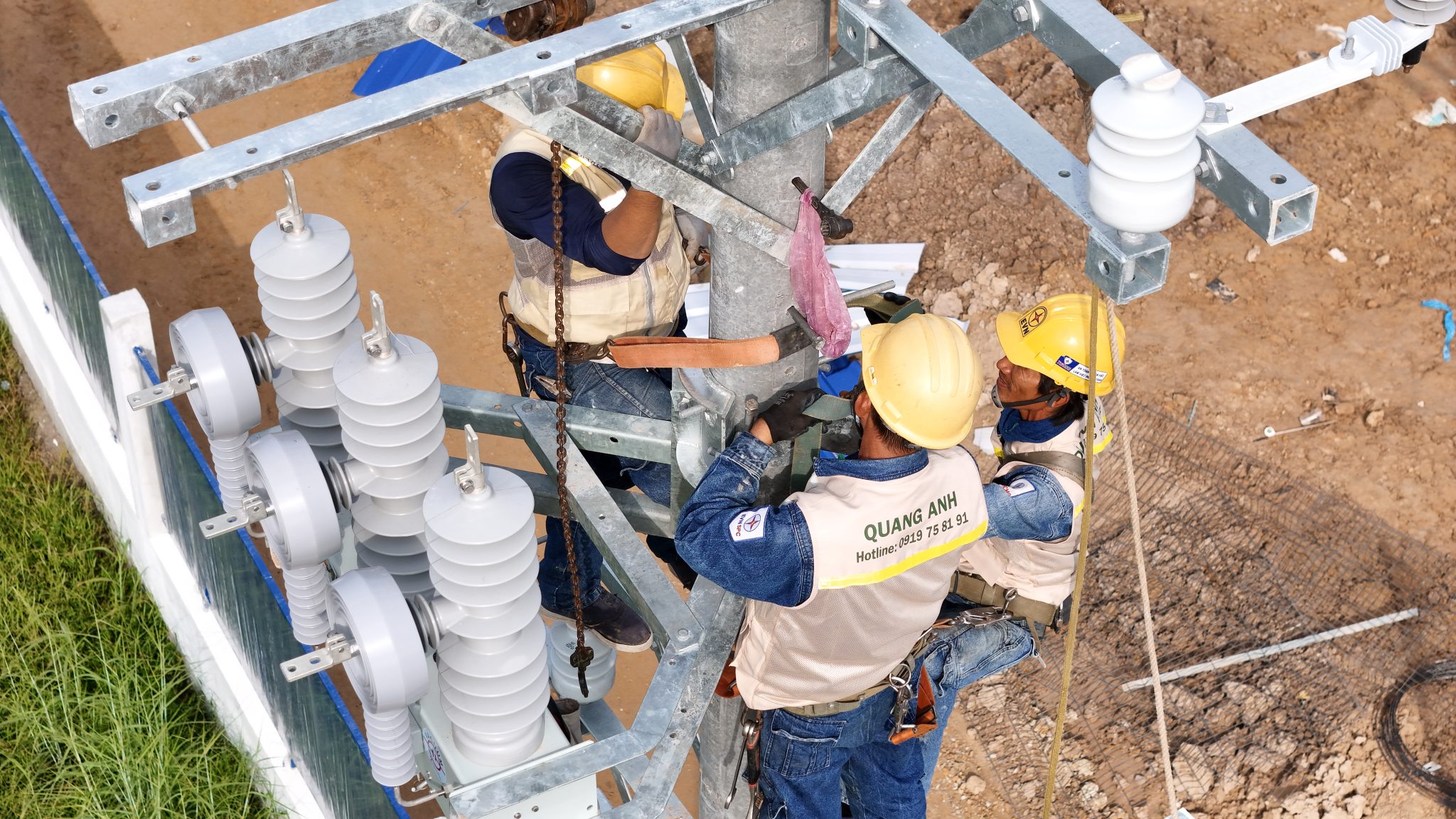
Cleaning Procedure for Electrical Equipment
Clean from top to bottom to prevent dust from resettling on cleaned parts. Use dry cloths or specialized cleaning solutions, avoiding water or solvents that may corrode or conduct electricity. Thoroughly clean each corner, narrow gap, contact point, and dust-collecting component, using controlled compressed air to blow out deep-seated dirt. This meticulous and precise process is crucial for preserving the functionality and lifespan of factory electrical equipment.
1. Safety Preparation Before Cleaning
- Isolate Electrical Equipment: Completely disconnect from power, ensure there is no voltage. Make sure no indicator lights are on, and no current passes through the equipment before starting the cleaning.
- Equip with Personal Protective Equipment (PPE): Wear anti-static gloves to prevent transferring oil or dirt from hands onto equipment, and use safety goggles when necessary, especially in industrial settings.
- Prepare cleaning tools: clean, lint-free cloths, anti-static cleaning solutions, or specialized cleaning agents for electronics, and dry, dust-free wipes.
2. Cleaning Materials and Chemicals
- Soft, Clean Cloths: Use soft, lint-free cloths to prevent scratching surfaces.
- Anti-Static Cleaning Solutions: Employ non-corrosive solutions that evaporate quickly, like NWK-99, which effectively cleans dust, light oils, and oxidation while being environmentally friendly and reducing electrical panel heat.
- Simple Homemade Solutions: A warm water-vinegar mix (1:1 ratio) or mild soapy water can clean equipment exteriors, ensuring no electronic components get wet.
3. Electrical Equipment Cleaning Procedure
- Step 1: Ready Cloths and Solutions
Use clean cloths lightly moistened with suitable solutions, avoiding overly wet towels that might damage electronics. - Step 2: Execute Cleaning
- Gently wipe device surfaces with soft cloths to remove dust, grease, and other contaminants.
- For circuit boards and electronic components, utilize specialized cleaning sprays to clean without dismantling parts.
- Step 3: Re-inspect Equipment
Ensure thorough cleaning, no residue, and dry equipment before reconnecting the power.
4. Important Considerations
- Do not clean while the equipment is powered to avoid electrical shock or fire risks.
- Avoid strong, flammable, or corrosive solvents that may damage components.
- For large machinery such as washers or air conditioners, removable parts should be cleaned more thoroughly inside to prevent damage from dirt and rust.
- Do not spray cleaning solutions directly on PCBs; instead, spray onto cloths or use sprays at a safe distance to prevent liquid accumulation in devices.
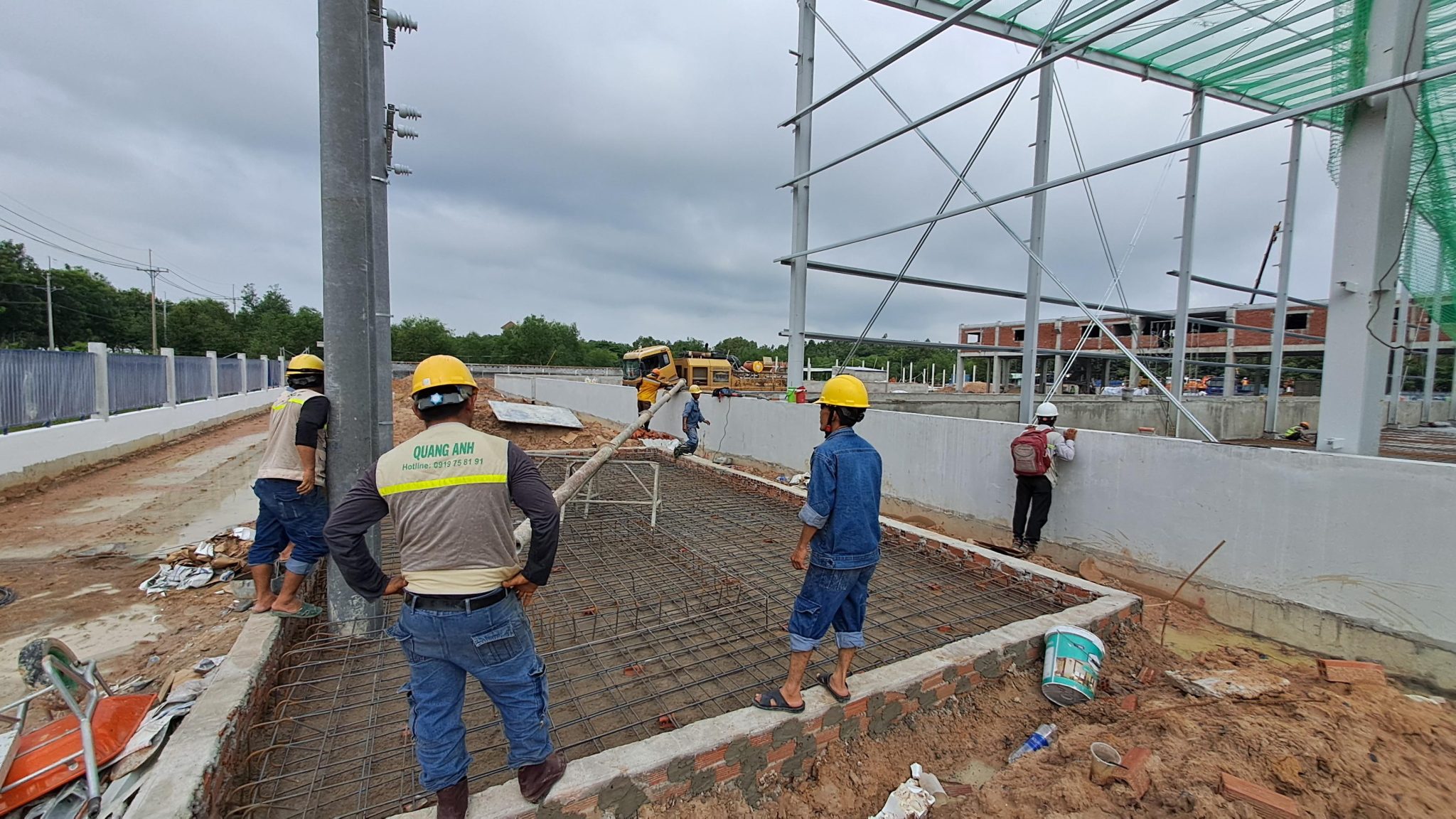
Post-Cleaning Inspection and Maintenance
After cleaning, inspect all equipment thoroughly for any damage or loose connections. Lubricate bearings and rotating shafts if the electrical equipment includes mechanical components. Test run the device to assure normal operation before resuming use. Post-cleaning inspections not only guarantee safety but also maintain optimal operation of electrical equipment.
- Operational Inspection After Cleaning: Initially, check the operations post-cleaning by starting up the equipment. This ensures no components are damaged or loose, and detects any strange noises, unusual vibrations, or leaks.
- Component and Part Inspection: Post-cleaning inspection of easily worn parts such as filters, RO membranes, rotors, bearings, capacitors, and motors is vital. Assess wear and plan maintenance or replacements as needed for optimal performance.
- Lubrication: Lubricating mechanical parts like rotating shafts and gears is crucial to reduce friction and wear, extending the equipment’s life.
- Finalize Cleaning of Outer Details and Gaps: Recheck gaps and surfaces to remove any lingering dust or residue, ensuring a final polishing of the equipment.
- Water/Crystal Quality Check (for Filtration Systems): Checking the purity of water after passing through membranes, ensuring waste and treated water levels meet standards.
- Maintenance Record Keeping: Create detailed records of post-cleaning inspections, including detected issues and response measures, for future maintenance reference.
- Guidance on Post-Cleaning Maintenance and Use: Technicians should provide clear guidance on maintaining equipment post-cleaning for optimal long-term condition.
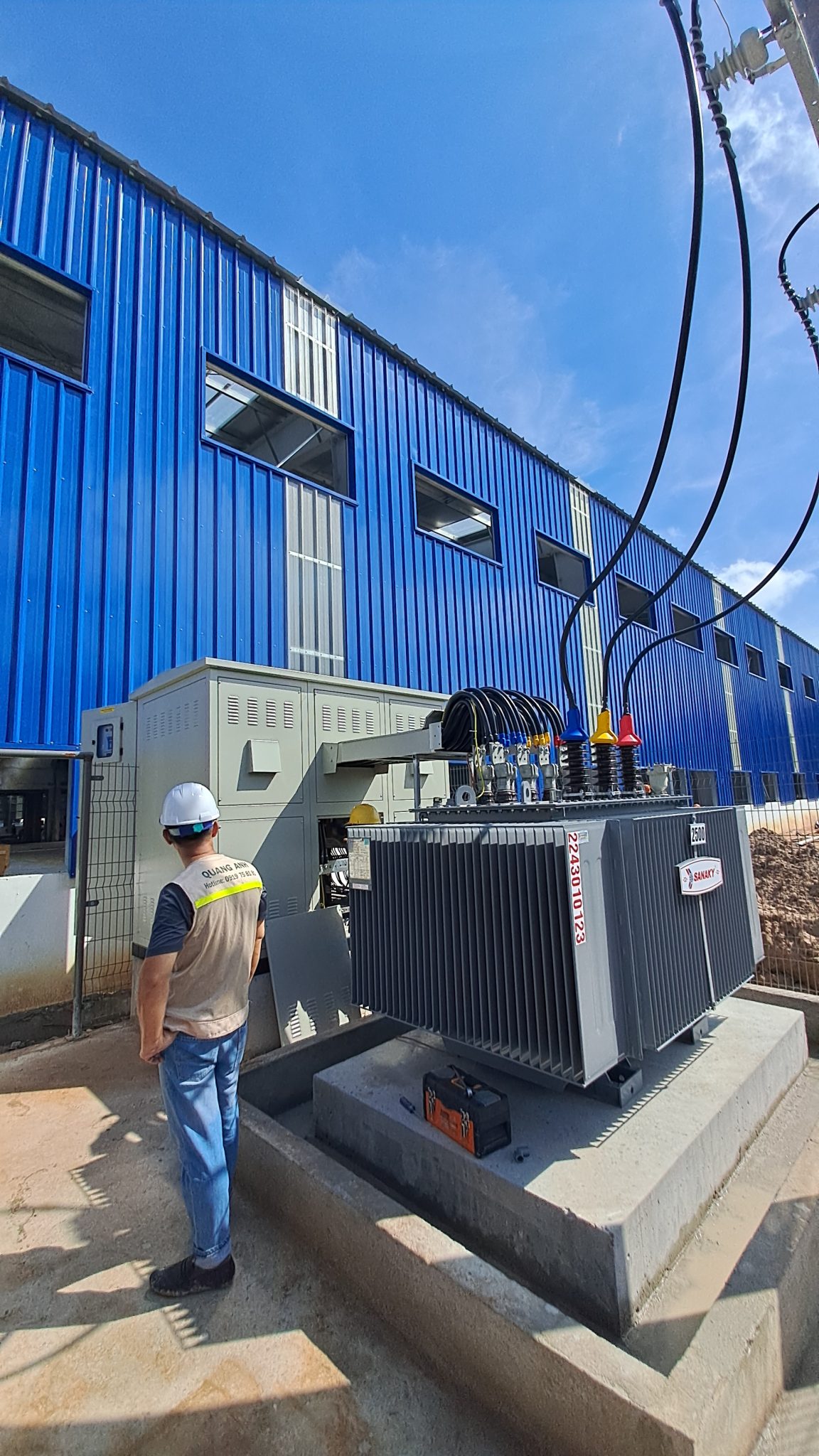
Comprehensive Factory Area Cleaning
Cleaning ceilings, roofs, ventilators, lighting fixtures, walls, and floors maintains a clean environment, reducing resettling dust on equipment. Use specialized chemicals suitable for surface clean-up and persistent stain removal. Keeping the site clean not only extends the life of electrical equipment but also improves the overall work environment in the factory.
Comprehensive factory cleaning ensures adherence to industrial hygiene standards and a safe working environment. To conduct effective industrial cleaning, companies must implement the following steps:
- Overall Planning and Area Survey: Initial factory surveys identify areas needing cleaning, dirt severity, and task delegation, ensuring systematic coverage.
- Preparation of Tools, Equipment, and Specialized Chemicals: Equip with industrial vacuum cleaners, floor scrubbers, and suitable chemicals for each surface type to tackle greasy spots and stubborn stains.
- Sequential Cleaning Process for Specific Areas:
- Ceiling Cleaning: Remove dirt, webs, and residues from ceilings and associated equipment.
- Wall and Door Cleaning: Use factory cleaning tools for meticulous scrubbing of walls and doors.
- Floor Cleaning: Combine floor scrubbers with cleaning chemicals to eradicate grease and tough stains.
- Machinery and Equipment Cleaning: Ensure that equipment is dust-free, maintaining operational capabilities.
- Auxiliary Area Cleaning: Regularly sanitize areas like restrooms and break areas for sustained safety and cleanliness.
- Periodic and Post-Production Cleaning:
- Daily: Regular cleaning measures for the production area.
- Periodic: Thorough cleaning of rarely used areas and meticulous check of machinery.
- Post-Production: Comprehensive cleaning to protect the manufacturing environment.
- Quality Inspection and Handover: Post-cleaning, conduct a meticulous check to ensure hygiene standards are met before transitioning to general use.
- Key Considerations in Comprehensive Factory Cleaning: For labor safety, place appropriate signage, report incidents promptly, and carefully organize cleaning tool storage.
Adhering to these procedures diligently protects worker health, maintains production standards, and enhances operational effectiveness.
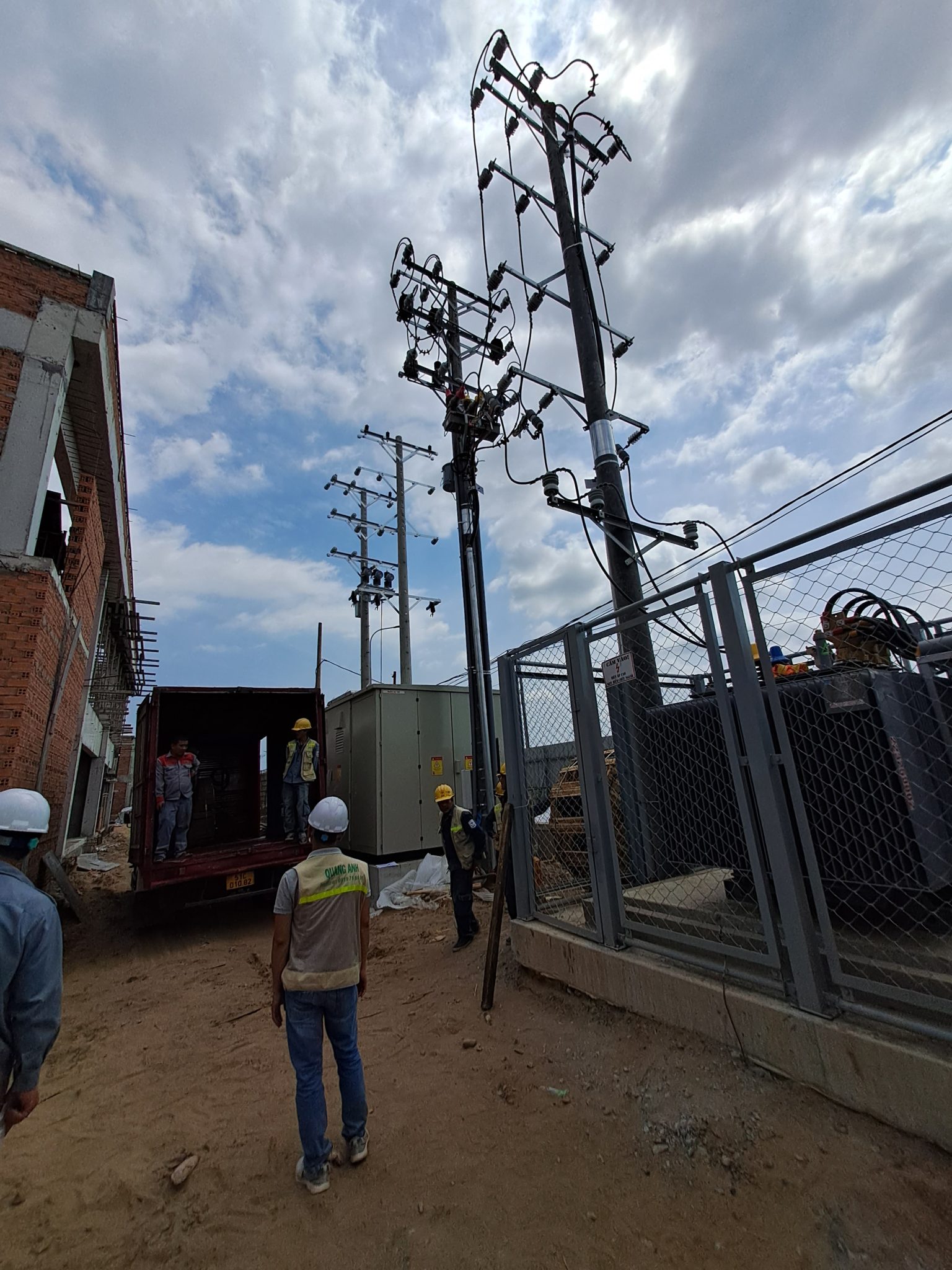
Cleaning factory electrical equipment provides numerous technical advantages including improving operational efficiency, extending equipment lifespan, and preventing electrical faults. Investing in regular cleaning and periodic inspections not only optimizes performance but also serves as a fundamental maintenance strategy that ensures the safety of the entire factory system.
If you need further assistance or wish to optimize the factory electrical equipment cleaning process, contact QuangAnhcons via hotline: +84 9 1975 8191 for in-depth advice.
QuangAnhcons offers cleaning and maintenance services for factory electrical equipment with an experienced technician team, guaranteeing top safety and efficiency in every process. We commit to delivering comprehensive solutions tailored to each customer’s technical and safety requirements.
[contact-form-7 id="7239967" title="Contact form 1"]
Related Posts
Comparing Oil and Dry Transformers in Industrial Projects
Distinguish between oil and dry transformers based on installation site, safety, maintenance, energy losses, initial [...]
Mar
Electrical Overload Warning Signs in Factories
Recognize early indicators of factory electrical overload such as voltage drops, overheating equipment, circuit breaker [...]
Mar
Risks of Overloading Industrial Transformers Without Upgrades
Keeping the same low-voltage transformer while increasing factory loads can result in overheating, insulation degradation, [...]
Mar
Evaluating and Implementing Transformer Contractors in Tay Ninh
Criteria for selecting transformer substation contractors in Tay Ninh, EPC scope, and factors affecting project [...]
Mar
Comparing Oil and Dry Transformers for Industrial Applications
Examine oil and dry transformers based on installation location, fire safety, maintenance, energy loss, investment [...]
Mar
Comprehensive 1500kVA Transformer Station Budget for Manufacturing Facilities
Guidance for creating a detailed budget list for a 1500kVA transformer station, including medium voltage [...]
Mar
Comprehensive Transformer Station Pricing: Elements and Considerations
Examine key components in comprehensive transformer station pricing including design, equipment, construction, testing, and connection [...]
Mar
Pricing Guide for 4000kVA Transformer Stations: Configuration, Cost, and Investment Process
An overview of configuration, cost estimates, connection approaches, and investment checklists for 4000kVA transformer stations [...]
Mar
Pricing and Setup of 3200kVA Transformer Stations: Configuration, Costs, and Investment Procedure
Explore the pricing structure for a 3200kVA transformer station, primary equipment configuration, cost variables, EVN [...]
Mar
Cost Estimation for 2500kVA Transformer Station: Configuration, Expenses, and Investment Process
Reference framework for quoting a 2500kVA transformer station based on configuration, station type, cable solutions, [...]
Mar
2000kVA Transformer Station Guide: Configuration, Costs, and Investment Process
Discover key aspects of a 2000kVA transformer station: from technical configuration and cost analysis to [...]
Mar
Pricing and Configuration Guide for 1600kVA Substations
A detailed guide on pricing for 1600kVA substations, including equipment specs, connection costs, EVN procedures, [...]
Mar
Comprehensive Guide to 1500kVA Substation Pricing: Configuration, Costs, and Investment Process
A comprehensive overview of configurations, costs, construction methods, connection procedures, and contractor selection for 1500kVA [...]
Mar
Tay Ninh Solar Power Planning: Technical Framework, Grid Interconnection, and Rollout Roadmap
Technical overview of solar planning in Tay Ninh: irradiation, grid capacity, permitting, design, operations, and [...]
Dec
Binh Duong Solar Planning: Regulatory Framework, Grid Interconnection, and an Implementation Roadmap for Factories and Industrial Parks
An overview of Binh Duong solar planning: legal framework, interconnection, design, risk management, and an [...]
Dec
Solar Farm Repair: O&M Workflow, IV Curve Diagnostics, Thermography, Inverter Service and Utility-Scale Safety
A utility-scale solar farm repair plan centered on O&M, IV curves, thermal imaging, inverter service, [...]
Dec
Dong Nai Solar Power Plan 2023–2025: Tri An 1,029 MW, Grid Upgrades and the DPPA Pathway
A complete look at Dong Nai’s solar power plan: Tri An 1,029 MW, irradiation potential, [...]
Nov
Quang Ngai Solar Power Plan 2024–2030: Legal Framework, Irradiance Potential, and Development Roadmap
A complete look at Quang Ngai’s solar power plan: capacity targets, irradiance (PVout), development zones, [...]
Nov
Solar Damage Assessment Services: On-Site Procedures, EL/IV/Thermography Testing & Compliance with Standards
Discover IEC/UL/NEC standard solar damage assessment processes: on-site evaluation, EL and IV curve testing, thermal [...]
Nov
Comprehensive Package Estimate for a 1800MVA 500kV Substation: Scope, Configuration 3x600MVA, Standards and Timeline Management
An overview of the 1800MVA 500kV substation estimate: construction scope, configuration 3x600MVA, GIS/AIS, SCADA, standards, [...]
Nov