

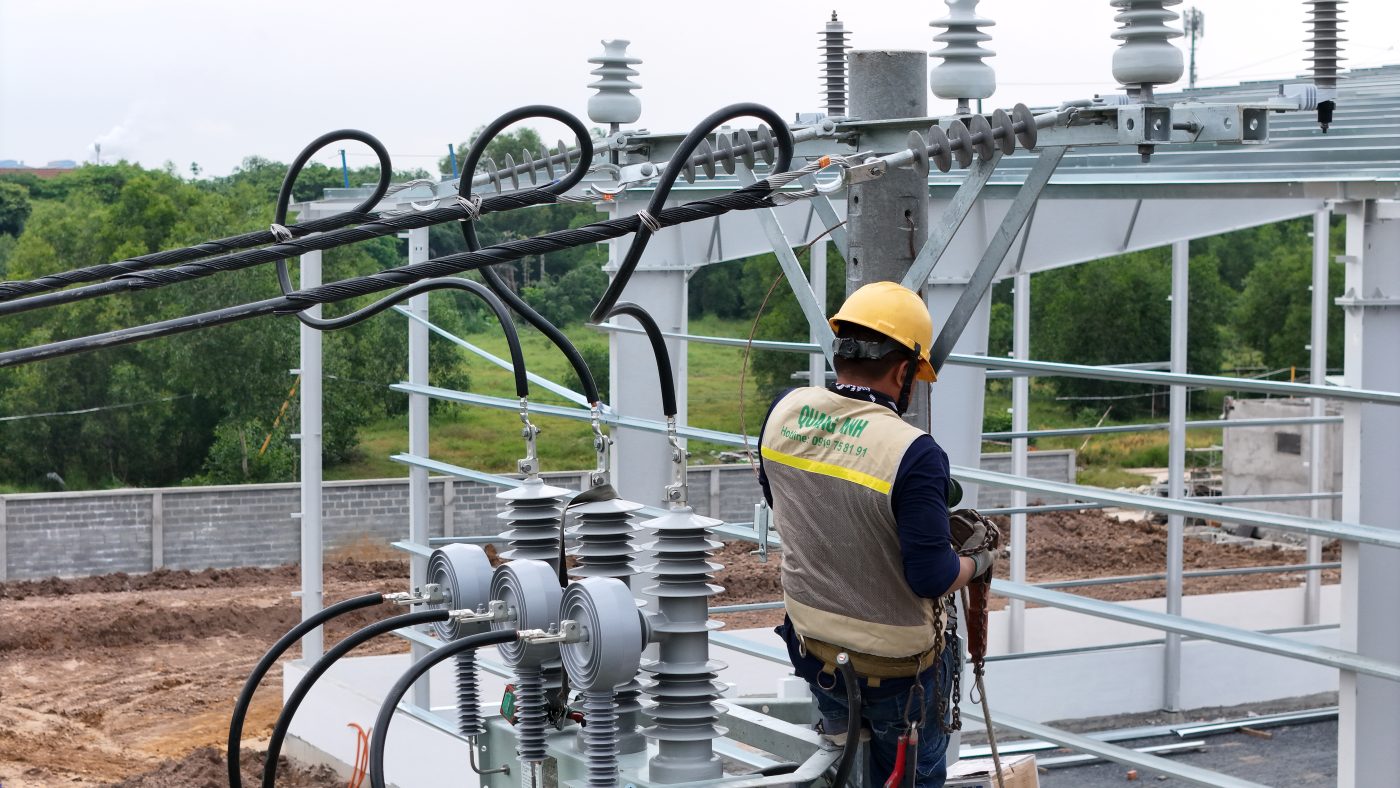
Maintaining industrial electrical systems ensures safety, maximizes performance, and conserves costs. This process involves multiple steps, ranging from preparation to routine maintenance, incorporating real-time monitoring technologies for comprehensive optimization.
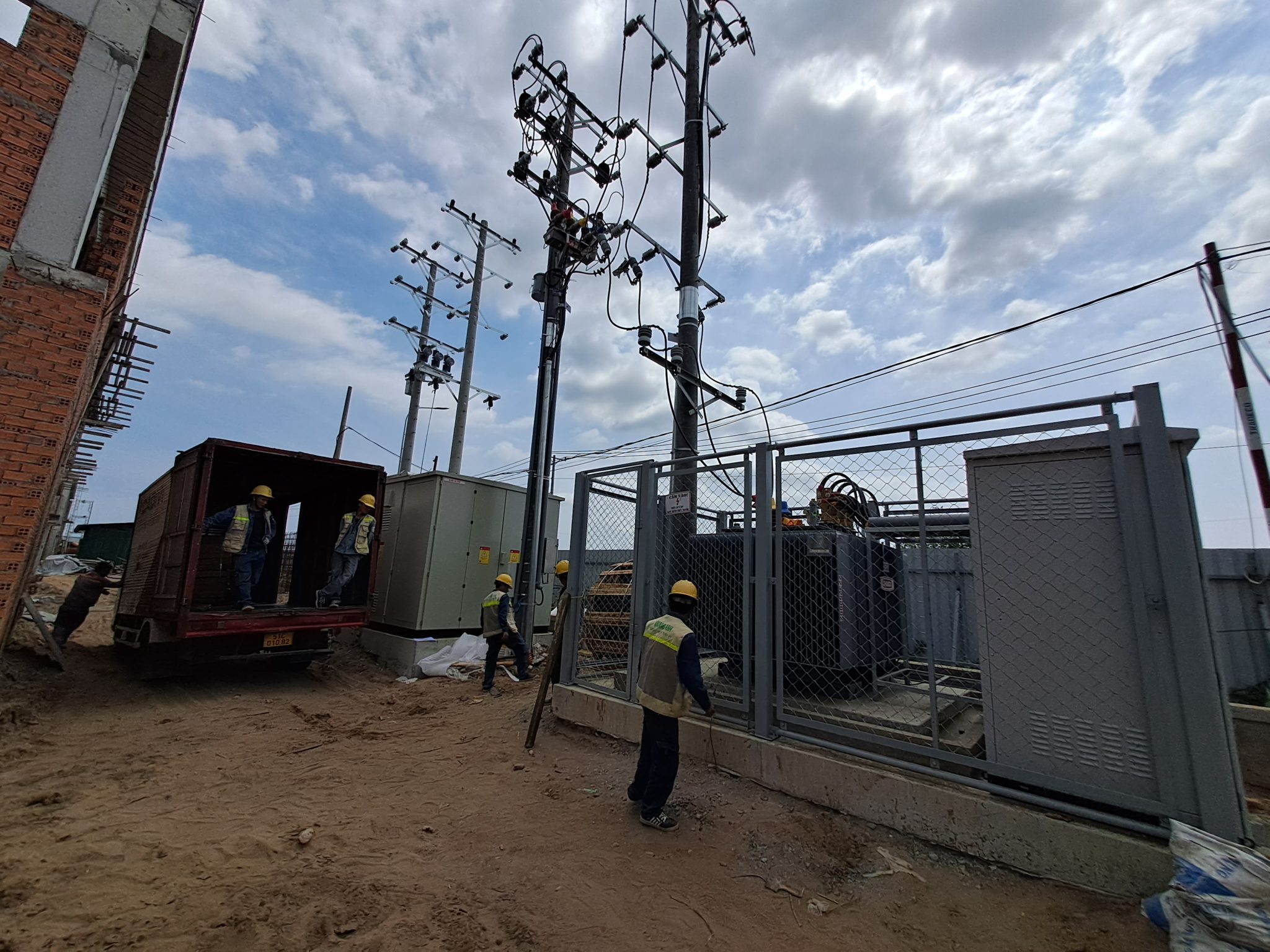
Detailed Electrical System Maintenance Process
The maintenance of industrial electrical systems begins with preparation, ensuring personal protection equipment and isolating the work area. Implementation involves gathering incident details, on-site inspection to assess wires, connectors, and devices, followed by meticulous maintenance such as cleaning and tightening connections. Concluding with testing to confirm operational stability, the maintenance results are documented thoroughly.
- Preparation and Condition Assessment
- Evaluation and Monitoring: Supervise the condition of electrical devices and systems to identify maintenance needs, prioritizing crucial equipment like Schneider or LS panels. Condition assessment initiates the process to guarantee the stability and efficiency of the system.
- Planning: Based on assessments, detailed maintenance planning is crafted, outlining necessary tasks, execution timelines, and required equipment like panels and signaling devices.
- Inspection and Maintenance
- Comprehensive Inspection: Thorough system examination to detect wear and issues like current leakage. Special attention to voltage and current checks ensures safe operations.
- Cleaning: Remove dust and grease from equipment to prevent functionality impairments.
- Component Inspection: Evaluate components such as distribution boxes and signal systems to maintain efficiency and prevent unforeseen issues.
- Voltage and Current Testing: Measure voltage and current to confirm parameters are within safe ranges and equipment functions efficiently.
- Maintenance Execution
- Replacing Faulty Components: Immediately replace ineffective or malfunctioning parts with new ones from trusted brands like Mitsubishi or ABB during inspections.
- Upkeep: Scheduled maintenance enhances the operation and lifespan of equipment, including thorough cleaning and lubrication.
- Software Updates: If needed, install or update software to boost system performance.
- Testing and Trials
- Operational Check: Post-maintenance, conduct system-wide tests to ensure stability and safety.
- Technical Testing: Execute technical trials to confirm the system functions adhering to established standards.
- Reporting and Documentation
- Result Documentation: Record detailed maintenance outcomes, addressed issues, and applied solutions.
- Data Logging: Log critical metrics like voltage and current for future maintenance references.
- Improvement Suggestions: Propose technical enhancements based on achieved results to improve maintenance effectiveness.
- Safety and Training
- Safety Compliance: Ensure all procedures strictly adhere to electrical safety regulations.
- Staff Training: Train and upgrade technicians’ skills to keep them informed of the latest practices and knowledge.
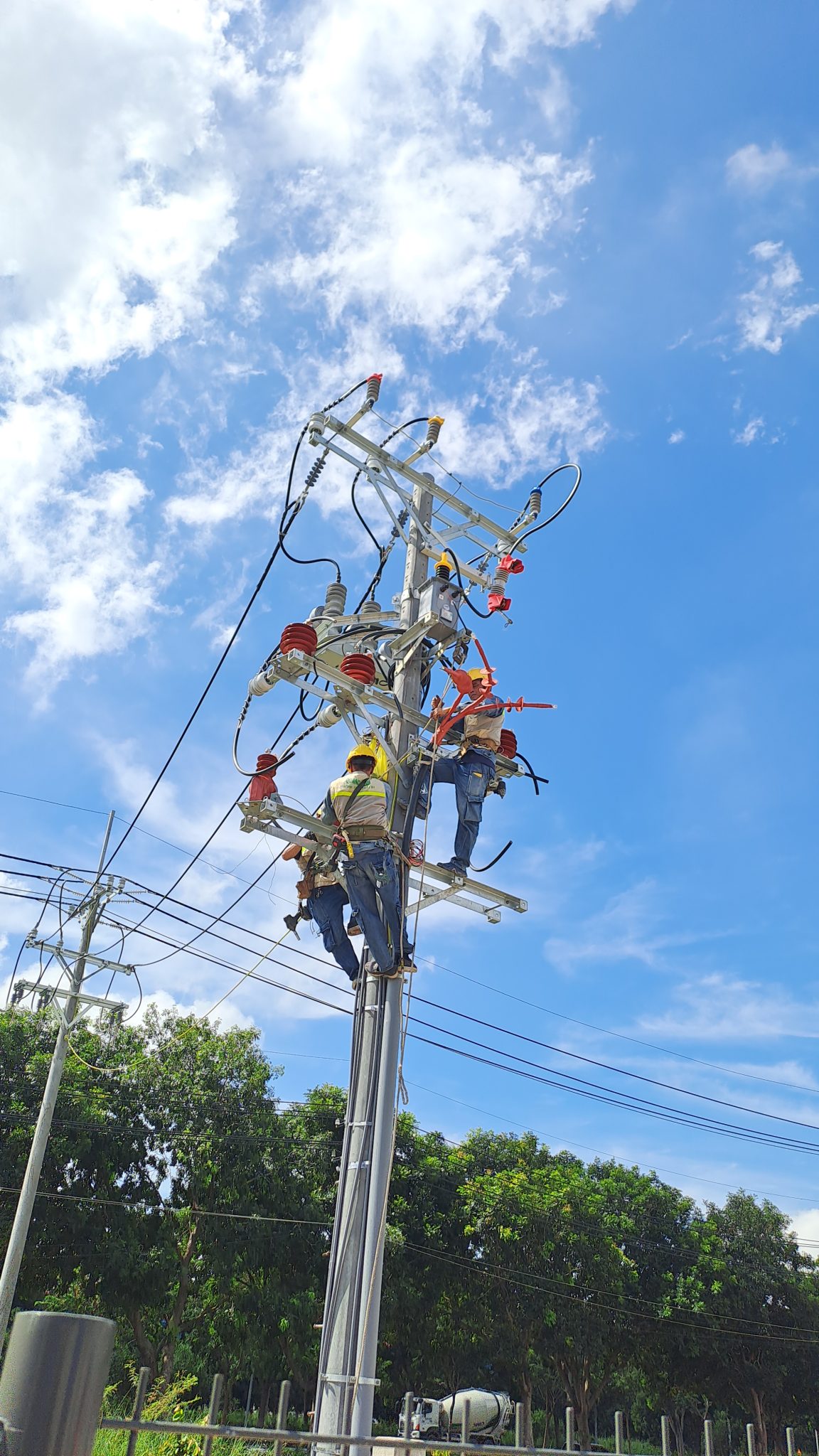
Technologies and Routine Maintenance in Electrical Systems
Modern technology supports industrial electrical system maintenance through IoT sensors that monitor temperature and vibration in real-time, alongside CMMS software that automates scheduling and data retention. Routine tasks include insulation resistance checks, transformer maintenance, and relay calibration. Personnel must have certification and electrical safety training.
Maintaining electrical systems is vital to ensuring the safety and efficiency of industrial electrical setups. Embracing advanced technologies is crucial to achieving this.
Technology Utilized in Electrical System Maintenance
- Advanced Measuring Equipment: Electrical measuring tools with modern technologies like insulation resistance testers ensure optimal system maintenance performance.
- Condition-Based Maintenance Management (CBM): This technology allows managing electrical maintenance by condition monitoring, minimizing unnecessary downtime.
- Artificial Intelligence and Machine Learning: AI and ML applications help predict and prevent potential electrical system problems.
Routine Maintenance Tasks
- Regular Inspections:
- Objective: Early detection of wear or electrical leakages.
- Method: Utilize electrical measuring tools to check safety parameters.
- Cleaning and Device Maintenance:
- Objective: Eliminate dust and grease to ensure smooth equipment operations.
- Method: Follow standardized procedures.
- Replacing Faulty Parts:
- Objective: Maintain system performance and safety.
- Method: Use components from reliable brands like Mitsubishi, Schneider.
- Safety and Standard Checks:
- Objective: Comply with safety standards.
- Method: Apply international electrical safety standards.
- Documentation and Reporting:
- Objective: Effectively store maintenance information.
- Method: Use maintenance management software for recording and storing data.
- Technology Upgrades and Updates:
- Objective: Enhance performance through new maintenance technology applications.
- Method: Apply the latest technology in the system.
- Training and Skill Enhancement:
- Objective: Ensure staff are well-equipped with maintenance and safety knowledge.
- Method: Provide comprehensive training and regular updates.
Implementing modern approaches to manage electrical system maintenance minimizes risks and enhances operational efficiency in factories and organizations.
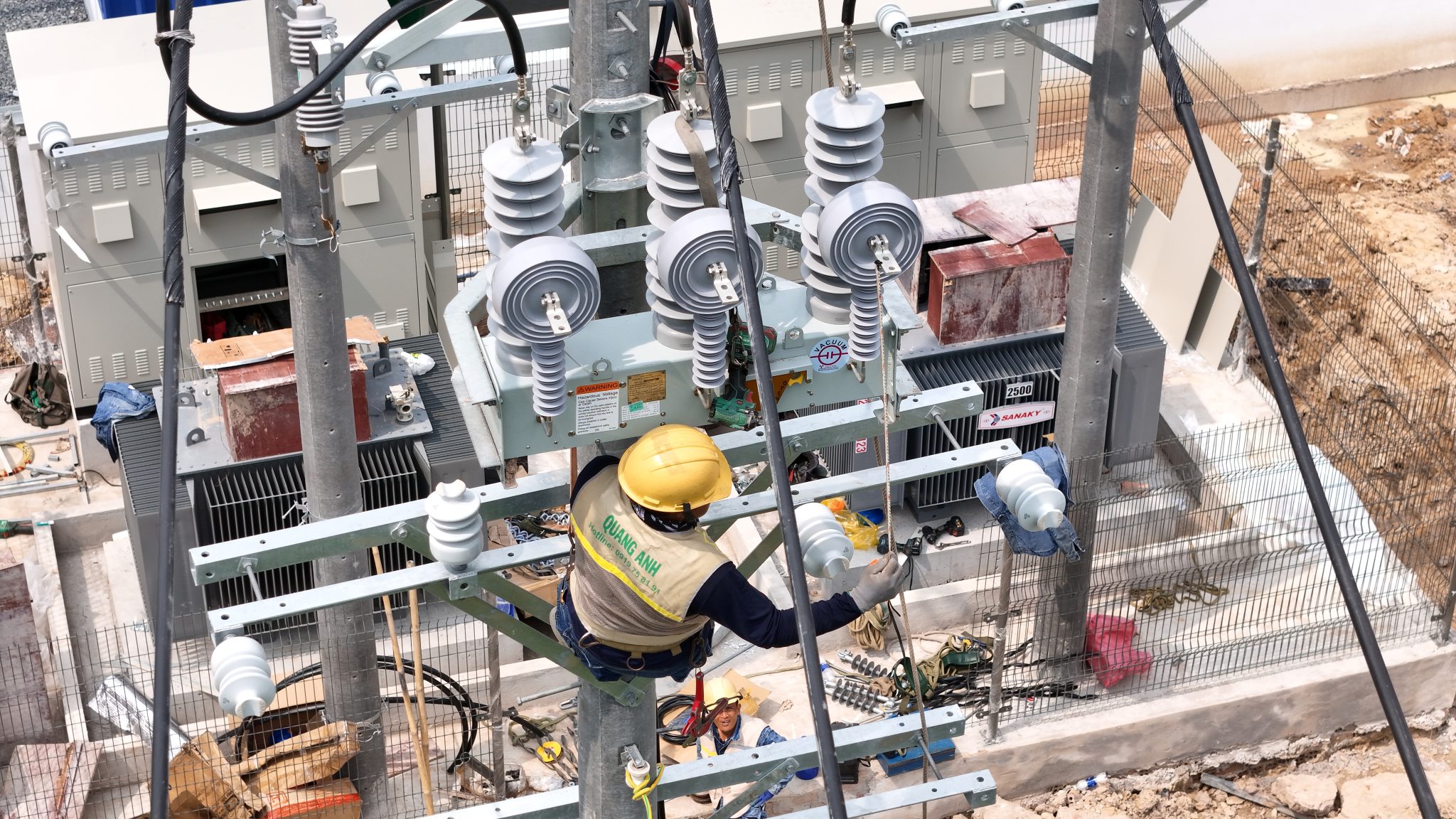
Industrial electrical system maintenance offers technical benefits, from ensuring safety to optimizing performance and cost savings. Applying modern monitoring technology and routine maintenance ensures continuous, stable operations, supporting sustainable business growth.
Contact QuangAnhcons to discover the best solutions for industrial electrical system maintenance. Call now +84 9 1975 8191 for support!
QuangAnhcons provides maintenance services for industrial electrical systems, ensuring safety, performance, and cost savings with an experienced and dedicated team of engineers.
[contact-form-7 id="7239967" title="Contact form 1"]
Related Posts
Comparing Oil and Dry Transformers in Industrial Projects
Distinguish between oil and dry transformers based on installation site, safety, maintenance, energy losses, initial [...]
Mar
Electrical Overload Warning Signs in Factories
Recognize early indicators of factory electrical overload such as voltage drops, overheating equipment, circuit breaker [...]
Mar
Risks of Overloading Industrial Transformers Without Upgrades
Keeping the same low-voltage transformer while increasing factory loads can result in overheating, insulation degradation, [...]
Mar
Evaluating and Implementing Transformer Contractors in Tay Ninh
Criteria for selecting transformer substation contractors in Tay Ninh, EPC scope, and factors affecting project [...]
Mar
Comparing Oil and Dry Transformers for Industrial Applications
Examine oil and dry transformers based on installation location, fire safety, maintenance, energy loss, investment [...]
Mar
Comprehensive 1500kVA Transformer Station Budget for Manufacturing Facilities
Guidance for creating a detailed budget list for a 1500kVA transformer station, including medium voltage [...]
Mar
Comprehensive Transformer Station Pricing: Elements and Considerations
Examine key components in comprehensive transformer station pricing including design, equipment, construction, testing, and connection [...]
Mar
Pricing Guide for 4000kVA Transformer Stations: Configuration, Cost, and Investment Process
An overview of configuration, cost estimates, connection approaches, and investment checklists for 4000kVA transformer stations [...]
Mar
Pricing and Setup of 3200kVA Transformer Stations: Configuration, Costs, and Investment Procedure
Explore the pricing structure for a 3200kVA transformer station, primary equipment configuration, cost variables, EVN [...]
Mar
Cost Estimation for 2500kVA Transformer Station: Configuration, Expenses, and Investment Process
Reference framework for quoting a 2500kVA transformer station based on configuration, station type, cable solutions, [...]
Mar
2000kVA Transformer Station Guide: Configuration, Costs, and Investment Process
Discover key aspects of a 2000kVA transformer station: from technical configuration and cost analysis to [...]
Mar
Pricing and Configuration Guide for 1600kVA Substations
A detailed guide on pricing for 1600kVA substations, including equipment specs, connection costs, EVN procedures, [...]
Mar
Comprehensive Guide to 1500kVA Substation Pricing: Configuration, Costs, and Investment Process
A comprehensive overview of configurations, costs, construction methods, connection procedures, and contractor selection for 1500kVA [...]
Mar
Tay Ninh Solar Power Planning: Technical Framework, Grid Interconnection, and Rollout Roadmap
Technical overview of solar planning in Tay Ninh: irradiation, grid capacity, permitting, design, operations, and [...]
Dec
Binh Duong Solar Planning: Regulatory Framework, Grid Interconnection, and an Implementation Roadmap for Factories and Industrial Parks
An overview of Binh Duong solar planning: legal framework, interconnection, design, risk management, and an [...]
Dec
Solar Farm Repair: O&M Workflow, IV Curve Diagnostics, Thermography, Inverter Service and Utility-Scale Safety
A utility-scale solar farm repair plan centered on O&M, IV curves, thermal imaging, inverter service, [...]
Dec
Dong Nai Solar Power Plan 2023–2025: Tri An 1,029 MW, Grid Upgrades and the DPPA Pathway
A complete look at Dong Nai’s solar power plan: Tri An 1,029 MW, irradiation potential, [...]
Nov
Quang Ngai Solar Power Plan 2024–2030: Legal Framework, Irradiance Potential, and Development Roadmap
A complete look at Quang Ngai’s solar power plan: capacity targets, irradiance (PVout), development zones, [...]
Nov
Solar Damage Assessment Services: On-Site Procedures, EL/IV/Thermography Testing & Compliance with Standards
Discover IEC/UL/NEC standard solar damage assessment processes: on-site evaluation, EL and IV curve testing, thermal [...]
Nov
Comprehensive Package Estimate for a 1800MVA 500kV Substation: Scope, Configuration 3x600MVA, Standards and Timeline Management
An overview of the 1800MVA 500kV substation estimate: construction scope, configuration 3x600MVA, GIS/AIS, SCADA, standards, [...]
Nov