

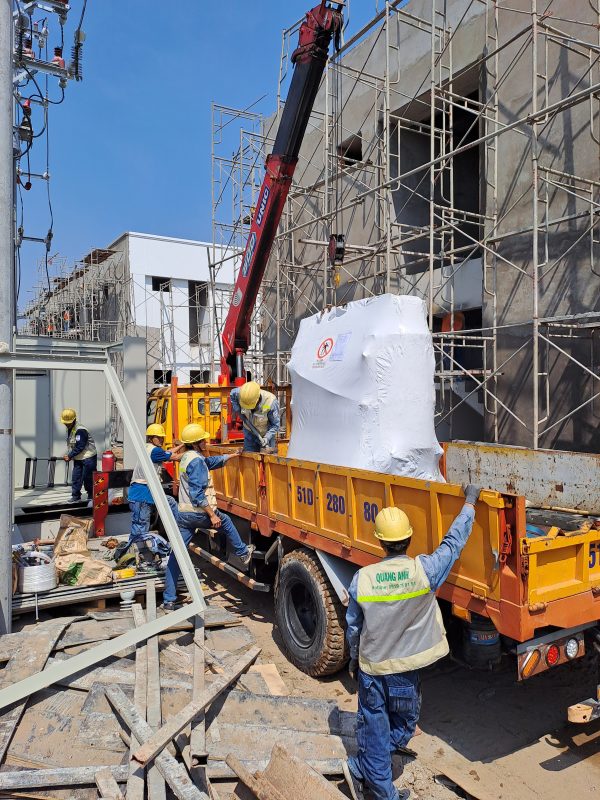
Installing an industrial electrical system is a complex process that involves numerous crucial stages to ensure safe and efficient operation. This procedure requires professionalism from the initial survey and design through installation and final system checks.
Steps in Industrial Electrical System Installation
The installation process includes system surveys and designs, accurate equipment placement, energy demand calculations, and adapting designs to actual on-site conditions. Key phases involve installing cable trays and conduit pipes to systematically organize wiring, enhancing efficiency and reducing costs.
Equipment Preparation
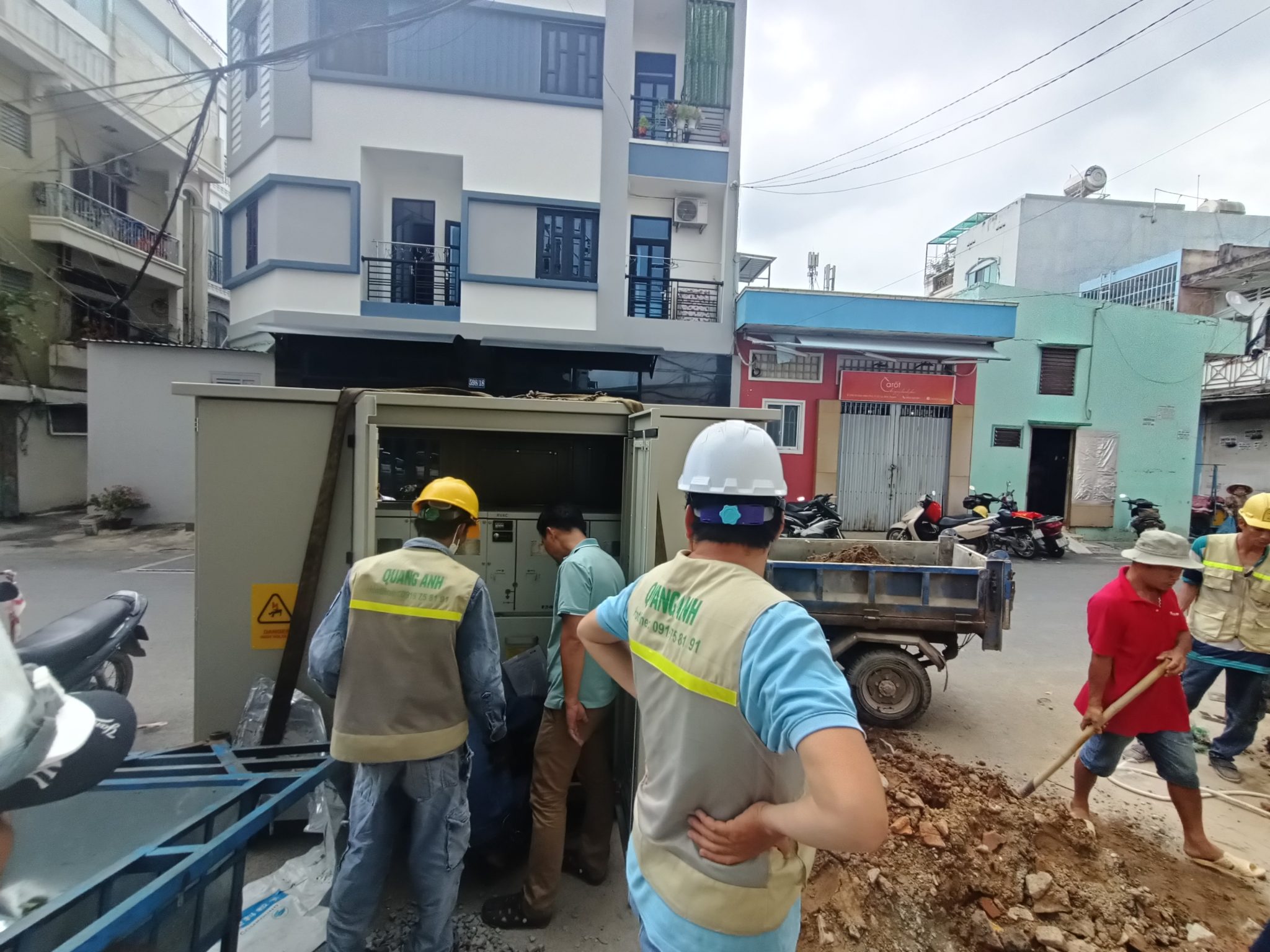
- Necessary equipment such as transformers, suitable electrical cables, electrical panels, system protection devices, signal lights, and products from leading brands such as Cadivi, Schneider, ABB, and Mitsubishi must be prepared before starting cable installation.
Survey and Design
- Site inspections assist engineers in understanding installation requirements and locations.
- Industrial electrical design must adhere to technical standards and the particular needs of each enterprise, including the location of transformers, generators, and auxiliary tanks.
Main Power Cable System Construction
- The main power cable installation extends from the transformer station to the MCCB (ACB) and onwards to the main distribution board (MSB).
- Choosing between exposed or concealed installation depends on industrial safety requirements and the investor’s preferences.
Cable Tray Construction
- Installing cable trays protects electrical wiring from environmental factors and ensures the electrical control system is logically organized.
Device Installation
- Install industrial electrical equipment according to design drawings ensuring safety and technical compliance.
Inspection and Completion
- System checks post-completion ensure all installations operate safely and effectively.
- Finalizing and handing over the project to the investor.
Key Considerations
- Safety and quality of industrial electrical installations are crucial for reliable, long-lasting system operation.
- Adherence to project timelines is vital to avoid disrupting factory operations.
Safety Factors in Industrial Electrical Installation
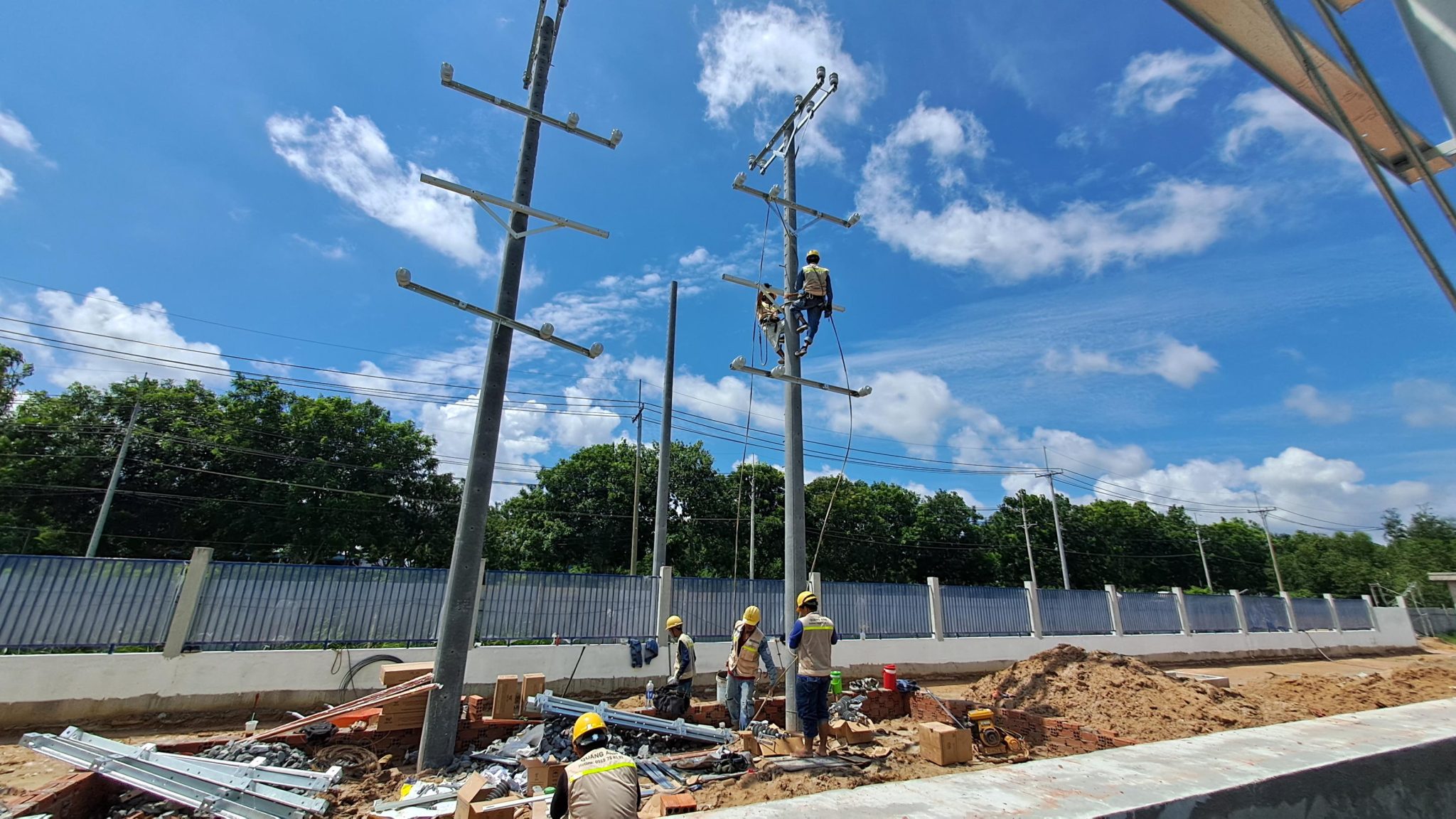
Electrical safety is paramount in factory installations. Adherence to protective measures and safety regulations is essential to prevent fire and electrical hazards.
Industrial electrical system installation demands absolute focus on safety protocols to protect human life and ensure the robust functioning of machinery.
- Workplace Safety
- Risk Assessment: Effective risk management by identifying high-risk areas such as manufacturing zones, warehousing, and transit zones.
- Regulation Compliance: Strict compliance with safety standards such as TCVN 7447-5-51:2010, which matches IEC 60364-5-51:2005, is necessary for protection of people and assets.
- Design and Installation
- Optimal Electrical System: Designing efficient systems ensures stable power supply and prevents overloads and failures.
- Safety Equipment: Utilizing reliable brands like ABB and Schneider complies with international safety standards and enhances operational safety.
- Maintenance and Inspection
- Regular Inspections: Systematic checks uncover hidden issues, minimizing risk.
- Damage Management: Immediate repair of defects to avert electrical dangers.
- Lighting System
- Proper Illumination: Quality lighting systems enhance work conditions and prevent accidents caused by inadequate lighting.
- Safety Training
- Employee Education: Training employees in electrical safety enables timely response to emergencies in industrial environments.
Integration and implementation of these factors optimize electrical installation, creating a safe, stable, and efficient work environment.
Cost Optimization in Electrical Installation
Industrial electrical design software aids in optimizing layouts and reducing material costs. Selecting high-quality materials like uPVC pipes conserves costs while maintaining system durability and safety.
Accurate assessment of electrical demand is crucial for cost-effective system sizing, preventing waste and enhancing economic efficiency.
An ideal solar electrical system aligns with environmental conditions and operational needs. Currently, grid-tied and off-grid systems are prevalent.
- Grid-Tied Systems: Suitable for grid-accessible areas, allowing resale of excess energy back to the grid.
- Off-Grid Systems: Utilize batteries for energy storage, ideal for off-grid locations.
Strategic installation positions significantly affect solar system efficiency. In Vietnam, south-facing setups without obstructions like trees or tall buildings optimize energy capture.
Energy-efficient devices like LED lights or smart technology reduce power consumption expenses. These, combined with energy storage for nighttime usage, maximize clean energy benefits.
Installation costs can be managed by choosing premium equipment and evaluating system performance pre- and post-installation. Brands like Mitsubishi and Schneider offer durable, high-performing solutions.
State or organizational incentives for solar installations can significantly decrease initial investment costs.
Long-term operational and maintenance cost evaluations ensure economic viability over time. Additionally, research and adoption of new technologies in electrical installation significantly enhance efficiency and reduce costs.
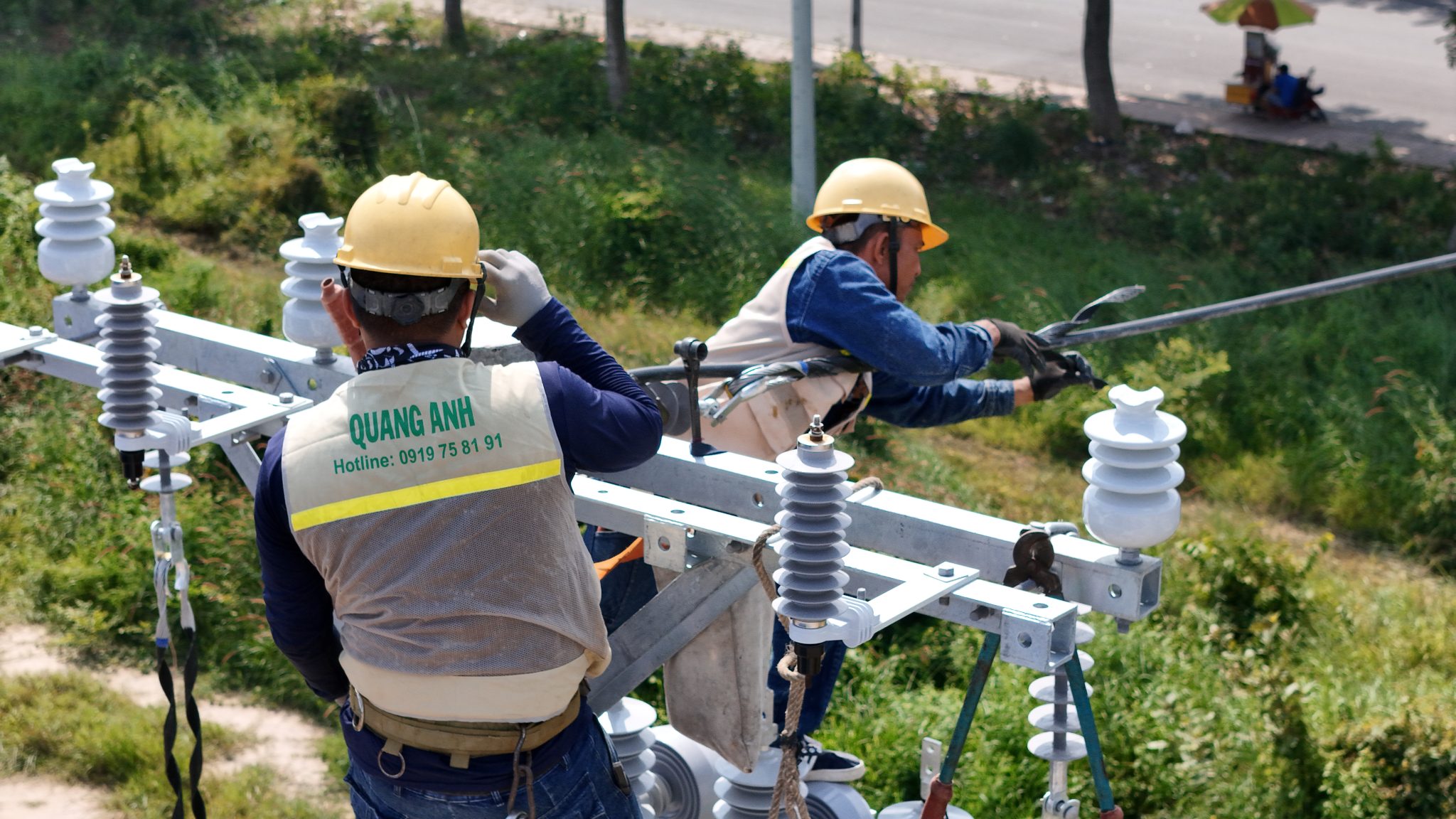
The process of industrial electrical installation offers numerous technical and strategic benefits. Cost optimization, system safety, and efficiency are pivotal for sustainable development goals.
For professional and secure industrial electrical installations, contact QuangAnhcons at +84 9 1975 8191.
QuangAnhcons delivers professional industrial electrical system installations aimed at efficiency, safety, and cost-effectiveness for enterprises.
[contact-form-7 id="7239967" title="Contact form 1"]
Related Posts
Comparing Oil and Dry Transformers in Industrial Projects
Distinguish between oil and dry transformers based on installation site, safety, maintenance, energy losses, initial [...]
Mar
Electrical Overload Warning Signs in Factories
Recognize early indicators of factory electrical overload such as voltage drops, overheating equipment, circuit breaker [...]
Mar
Risks of Overloading Industrial Transformers Without Upgrades
Keeping the same low-voltage transformer while increasing factory loads can result in overheating, insulation degradation, [...]
Mar
Evaluating and Implementing Transformer Contractors in Tay Ninh
Criteria for selecting transformer substation contractors in Tay Ninh, EPC scope, and factors affecting project [...]
Mar
Comparing Oil and Dry Transformers for Industrial Applications
Examine oil and dry transformers based on installation location, fire safety, maintenance, energy loss, investment [...]
Mar
Comprehensive 1500kVA Transformer Station Budget for Manufacturing Facilities
Guidance for creating a detailed budget list for a 1500kVA transformer station, including medium voltage [...]
Mar
Comprehensive Transformer Station Pricing: Elements and Considerations
Examine key components in comprehensive transformer station pricing including design, equipment, construction, testing, and connection [...]
Mar
Pricing Guide for 4000kVA Transformer Stations: Configuration, Cost, and Investment Process
An overview of configuration, cost estimates, connection approaches, and investment checklists for 4000kVA transformer stations [...]
Mar
Pricing and Setup of 3200kVA Transformer Stations: Configuration, Costs, and Investment Procedure
Explore the pricing structure for a 3200kVA transformer station, primary equipment configuration, cost variables, EVN [...]
Mar
Cost Estimation for 2500kVA Transformer Station: Configuration, Expenses, and Investment Process
Reference framework for quoting a 2500kVA transformer station based on configuration, station type, cable solutions, [...]
Mar
2000kVA Transformer Station Guide: Configuration, Costs, and Investment Process
Discover key aspects of a 2000kVA transformer station: from technical configuration and cost analysis to [...]
Mar
Pricing and Configuration Guide for 1600kVA Substations
A detailed guide on pricing for 1600kVA substations, including equipment specs, connection costs, EVN procedures, [...]
Mar
Comprehensive Guide to 1500kVA Substation Pricing: Configuration, Costs, and Investment Process
A comprehensive overview of configurations, costs, construction methods, connection procedures, and contractor selection for 1500kVA [...]
Mar
Tay Ninh Solar Power Planning: Technical Framework, Grid Interconnection, and Rollout Roadmap
Technical overview of solar planning in Tay Ninh: irradiation, grid capacity, permitting, design, operations, and [...]
Dec
Binh Duong Solar Planning: Regulatory Framework, Grid Interconnection, and an Implementation Roadmap for Factories and Industrial Parks
An overview of Binh Duong solar planning: legal framework, interconnection, design, risk management, and an [...]
Dec
Solar Farm Repair: O&M Workflow, IV Curve Diagnostics, Thermography, Inverter Service and Utility-Scale Safety
A utility-scale solar farm repair plan centered on O&M, IV curves, thermal imaging, inverter service, [...]
Dec
Dong Nai Solar Power Plan 2023–2025: Tri An 1,029 MW, Grid Upgrades and the DPPA Pathway
A complete look at Dong Nai’s solar power plan: Tri An 1,029 MW, irradiation potential, [...]
Nov
Quang Ngai Solar Power Plan 2024–2030: Legal Framework, Irradiance Potential, and Development Roadmap
A complete look at Quang Ngai’s solar power plan: capacity targets, irradiance (PVout), development zones, [...]
Nov
Solar Damage Assessment Services: On-Site Procedures, EL/IV/Thermography Testing & Compliance with Standards
Discover IEC/UL/NEC standard solar damage assessment processes: on-site evaluation, EL and IV curve testing, thermal [...]
Nov
Comprehensive Package Estimate for a 1800MVA 500kV Substation: Scope, Configuration 3x600MVA, Standards and Timeline Management
An overview of the 1800MVA 500kV substation estimate: construction scope, configuration 3x600MVA, GIS/AIS, SCADA, standards, [...]
Nov