

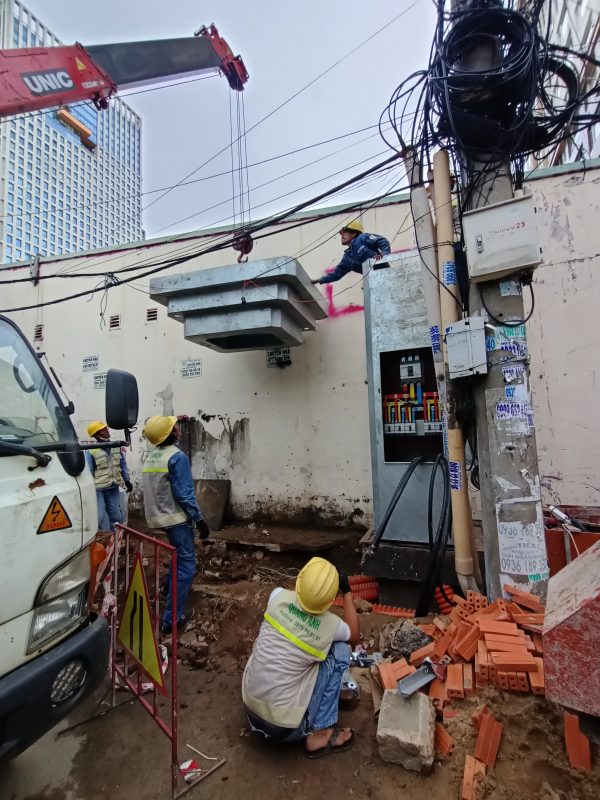
Designing the electrical systems of a factory is a complex and crucial task to ensure smooth operation. Understanding each step is essential for successful execution.
Steps in Electrical Design
The process begins with analyzing load requirements and determining the necessary power based on the production equipment. The design of primary electrical systems involves selecting power stations, transformers, main panels, and cables. Precision in designing high-voltage networks tailored to needs is critical. Calculation and selection of power cables optimize performance, and the installation of cable trays must meet safety and aesthetic standards. Industrial lighting is vital for adequate illumination. Lightning protection and earthing systems are designed for maximum safety, and control and monitoring systems allow remote management.
This intricate task demands technical attention to detail and a methodical approach.
- Site Analysis and Positioning: Field studies evaluate the current electrical system, guiding sound design decisions. Assessing energy consumption requirements is vital to ensure systems effectively support operations. Positioning industrial electrical equipment like control panels requires careful planning during this phase.
- Technical Drawing Creation: Utilizing specialized software, detailed technical drawings specify crucial details such as energy, current, and voltage requirements in the lighting system.
- Electrical Equipment Selection: This involves selecting appropriate industrial electrical equipment, ensuring plant safety with protective devices like CB, RCCB, while reputable brands like ABB, Schneider, and Mitsubishi play significant roles.
- Energy Calculation: Calculating factory electric loads establishes precise power needs for an efficient distribution plan. This ensures powerful and efficient cable selection.
- Approval and Implementation: Technical drawings undergo approval to meet set standards, followed by practical implementation according to the established plan.
Safety Considerations
- Adhering to national and international electrical safety standards is mandatory, supported by regular monitoring systems.
- Operating and maintenance guides ensure effective function and staff safety.
By following these steps, the electrical design process achieves maximal efficiency, ensuring safety and resource optimization.
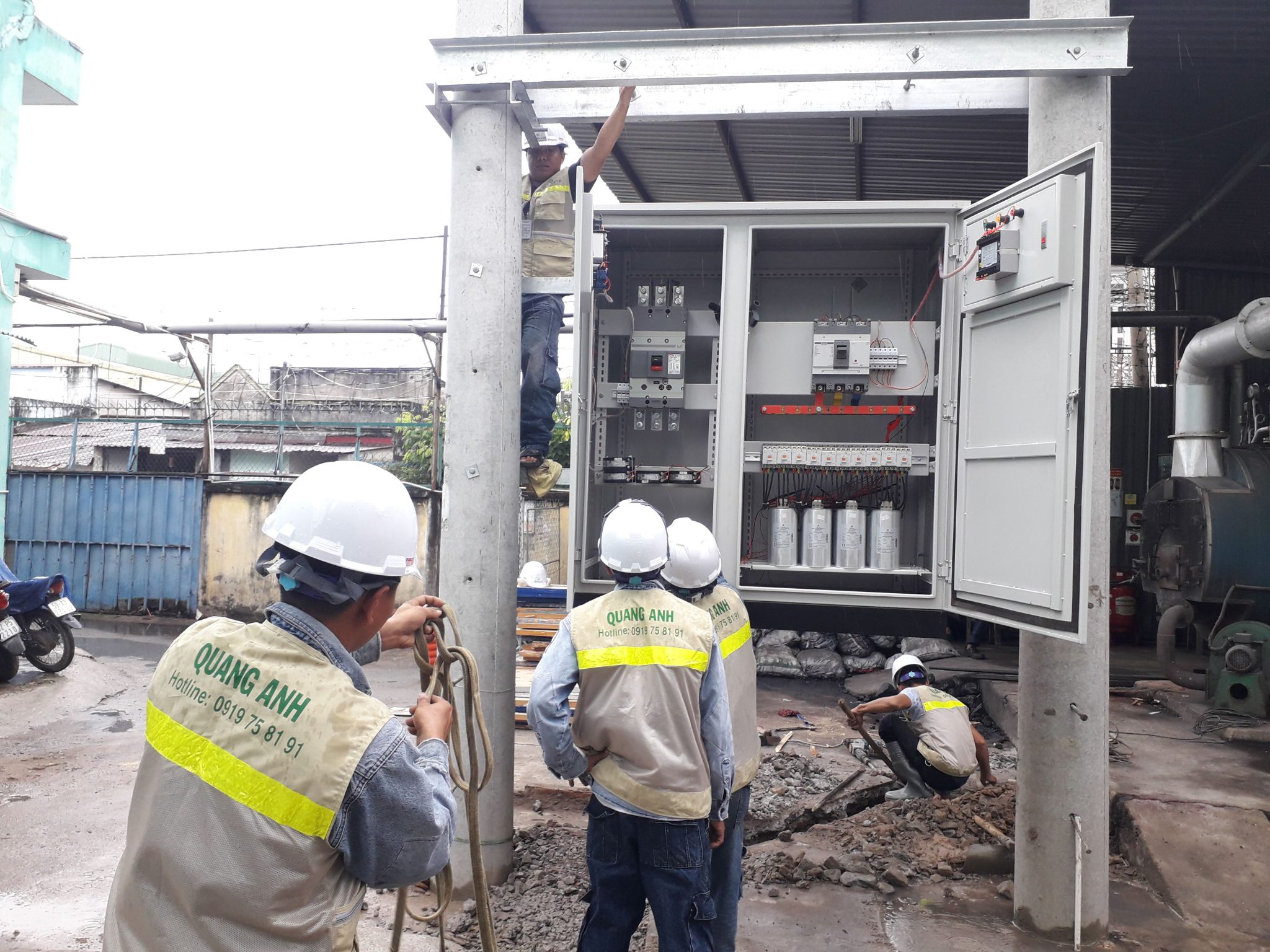
Factors Affecting Electrical Design
Safety is a top priority, protecting both people and equipment. System optimization is crucial to minimize energy loss, while aesthetic considerations ensure orderly system arrangement. Moreover, flexibility allows for easy system expansion or modification as needed.
Electrical design in construction and energy sectors requires meticulous consideration to ensure safety, efficiency, and eco-friendliness, influencing system quality and interaction.
An essential element is product aesthetics, conforming to ergonomic standards for user safety. Electrical Safety remains paramount, focusing on extending product life through recyclable and reusable designs. Energy-saving features enhance Energy Efficiency in response to Sustainable Development.
Beside products, human and financial resources are crucial. Ensuring sufficient financial backing for electrical design development and maintenance can optimize costs and significantly improve system efficiency. Expert involvement further guarantees project quality and success.
Technological advancements are key. Latest technologies enhance performance and cut costs, strengthening product competitiveness. Adopting advanced tech opens significant design improvement opportunities.
An indispensable factor is insulation material. Considering voltage, temperature, and frequency ensures high insulation capacity, determining safety and durability.
In the current development context, environmental care and sustainable growth are paramount. Designs should promote material recycling and reusability, reducing environmental impacts, aligning with sustainable thinking toward eco-friendly systems, facilitating Sustainable Development.
Through these factors, electrical design achieves a balance between efficiency, safety, and sustainability, offering economic benefits while protecting the environment, building trust in construction and energy sectors.

Tools and Technologies in Industrial Electrical Design
Using design software like AutoCAD, Revit, or ETAP is essential to create precise drawings and model electrical systems. Automation equipment is also widely used, enhancing performance and reducing labor needs. Modern technology elevates industrial electrical safety and ensures design flexibility.
Industrial electrical design is vital in constructing and operating industrial facilities. Engineers use various modern tools and technologies efficiently.
Software like AutoCAD plays a crucial role in industrial electrical design, providing realistic 3D modeling capabilities. It assists electrical engineers in easily detailing and integrating components, facilitating flexible and intuitive plant system design. Additionally, AutoCAD supports quick and accurate drawing completion.
Other tools like Sketch and Corel contribute positively. Sketch supports high-precision vector graphics and prototype creation, speeding up design and optimizing code export and prototyping. Corel offers a user-friendly interface, numerous shortcuts, saving time by supporting bitmap editing and rapid adjustment.
Technologies in industrial electrical design include load calculations and designing high-voltage and low-voltage systems. Load calculations are critical for ensuring the system supplies sufficient energy to all equipment. Designing electrical systems requires accurate load calculation, particularly when planning high-voltage and low-voltage systems.
In electrical design, light intensity calculations are also significant. Meticulously designed lighting ensures safety and efficiency in plants, minimizing energy wastage.
Typical steps in a factory’s electrical design include:
- Determining the plant’s total load.
- Designing high-voltage and low-voltage systems.
- Creating detailed drawings with AutoCAD.
- Inspecting and finalizing the entire system for safety and accuracy.
The future of technology in factory electrical design promises substantial advancements. Smart design software and IoT technology integration not only boost design efficiency but also decrease operational risks. Modern tools and technologies are crafting advanced, sustainable electrical systems, meeting industrial needs in the digital age.

Industrial electrical design combines technical knowledge, experience, and new technology to optimize performance and ensure safety. Investing in sound design is investment in sustainable growth and future resilience.
Contact QuangAnhcons now at +84 9 1975 8191 for detailed consultation and optimal industrial electrical design solutions.
QuangAnhcons offers professional industrial electrical design services, ensuring high performance and safety with an experienced team and modern technology.
[contact-form-7 id="7239967" title="Contact form 1"]
Related Posts
Substation Interconnection Documentation: A Practical Preparation Guide for Investors
A hands‑on guide for investors and M&E engineers on the information groups needed in substation [...]
May
Transformer Substation Construction Quote: Cost Components & Key Cost Drivers
Guidance for breaking down a transformer substation construction quote: main cost groups and the common [...]
May
Substation Solutions for Factories: Investing and Implementation Strategies
Overview of factory substations: when to invest, key components, execution processes, documentation, and selecting the [...]
Apr
Transformer Repair in Ho Chi Minh City: When Immediate Action Is Required
Discover signs of transformer damage, diagnostic methods, on-site handling processes, and criteria for selecting repair [...]
Apr
Transformer Repair: Process, Diagnosis, and Decision-Making
Hướng dẫn sửa chữa máy biến áp cho nhà máy: nhận biết dấu hiệu hỏng, [...]
Apr
24-Hour Transformer Repair: Efficient Solutions and Reliable Power Restoration
Khung xử lý sửa chữa máy biến áp 24h cho nhà máy: nhận biết sự [...]
Apr
Common Mistakes in Transformer Station Construction Leading to Extra Costs
Các sai lầm khi làm trạm biến áp thường không nằm ở một hạng mục [...]
Apr
Comprehensive Guide to Acquiring Used Transformers
Góc nhìn kỹ thuật về thu mua TBA cũ: cách đánh giá hiện trạng, hồ [...]
Apr
Comprehensive Transformers Maintenance for Industrial Plants
Tổng quan dịch vụ bảo trì trạm biến áp nhà máy: lịch bảo dưỡng, thí [...]
Apr
Transformers: Assessing and Safely Handling Used Transformers
Khung đánh giá máy biến áp cũ theo tình trạng kỹ thuật, dầu cách điện, [...]
Apr
How Proactive Transformer Maintenance Minimizes Business Risks
Nhìn từ góc độ vận hành nhà máy, bảo trì chủ động trạm biến áp [...]
Apr
Comparing Oil and Dry Transformers in Industrial Projects
Distinguish between oil and dry transformers based on installation site, safety, maintenance, energy losses, initial [...]
Mar
Electrical Overload Warning Signs in Factories
Recognize early indicators of factory electrical overload such as voltage drops, overheating equipment, circuit breaker [...]
Mar
Risks of Overloading Industrial Transformers Without Upgrades
Keeping the same low-voltage transformer while increasing factory loads can result in overheating, insulation degradation, [...]
Mar
Evaluating and Implementing Transformer Contractors in Tay Ninh
Criteria for selecting transformer substation contractors in Tay Ninh, EPC scope, and factors affecting project [...]
Mar
Comparing Oil and Dry Transformers for Industrial Applications
Examine oil and dry transformers based on installation location, fire safety, maintenance, energy loss, investment [...]
Mar
Comprehensive 1500kVA Transformer Station Budget for Manufacturing Facilities
Guidance for creating a detailed budget list for a 1500kVA transformer station, including medium voltage [...]
Mar
Comprehensive Transformer Station Pricing: Elements and Considerations
Examine key components in comprehensive transformer station pricing including design, equipment, construction, testing, and connection [...]
Mar
Pricing Guide for 4000kVA Transformer Stations: Configuration, Cost, and Investment Process
An overview of configuration, cost estimates, connection approaches, and investment checklists for 4000kVA transformer stations [...]
Mar
Pricing and Setup of 3200kVA Transformer Stations: Configuration, Costs, and Investment Procedure
Explore the pricing structure for a 3200kVA transformer station, primary equipment configuration, cost variables, EVN [...]
Mar