

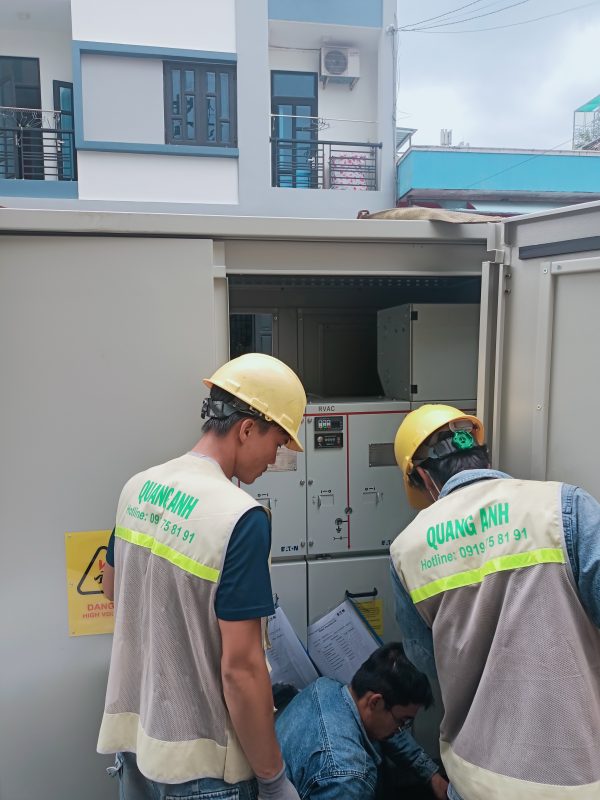
Revamping a factory’s electrical system is crucial to ensuring operational safety and efficiency. This involves stages like design, execution, installation, and safety verification.
Electrical System Upgrade Process
The process includes assessment, redesign, execution, and testing. Initially, evaluate current conditions and design an efficient system meeting safety standards. Installation involves main power cables post-transformer, dry transformers, generators, and conduit installation. Selecting appropriate conductors and load matching optimizes energy costs. Cable trays safeguard wiring, and final steps include grounding and thorough safety checks for stable operation.
- Assessment and Evaluation
- Conduct a detailed survey of all electrical components like switchboards, transformers, and conduits to ensure efficient upgrades.
- Determine current conditions and degradation levels to pinpoint required renovations.
- Planning and Redesign
- Modify or enhance systems for high efficiency and industrial safety compliance.
- Prepare detailed blueprints and cable specifications for selecting suitable equipment.
- Preparation for Execution
- Create a meticulous execution schedule, zoning to avoid production disruptions.
- Install uPVC conduits and prepare infrastructure for upgrading the electrical system.
- Implementation of Upgrades
- Replace and install appropriate electrical appliances with proper technical connections.
- Ensure all executions adhere strictly to industrial safety standards.
- Post-Upgrade Testing and Maintenance
- Test system operation for detecting and correcting any faults.
- Schedule regular maintenance to retain optimal operational efficiency.
Critical Factors in Upgrade Process
- Work Safety: Rigorously follow safety protocols during upgrades, using protective gear for maximum safety.
- Zoning Strategy: Renovate by area without affecting factory operations.
- Technical Compliance: Follow industry standards for designing, executing, and maintaining systems.
- Documentation Management: Keep detailed records for future maintenance and repairs.
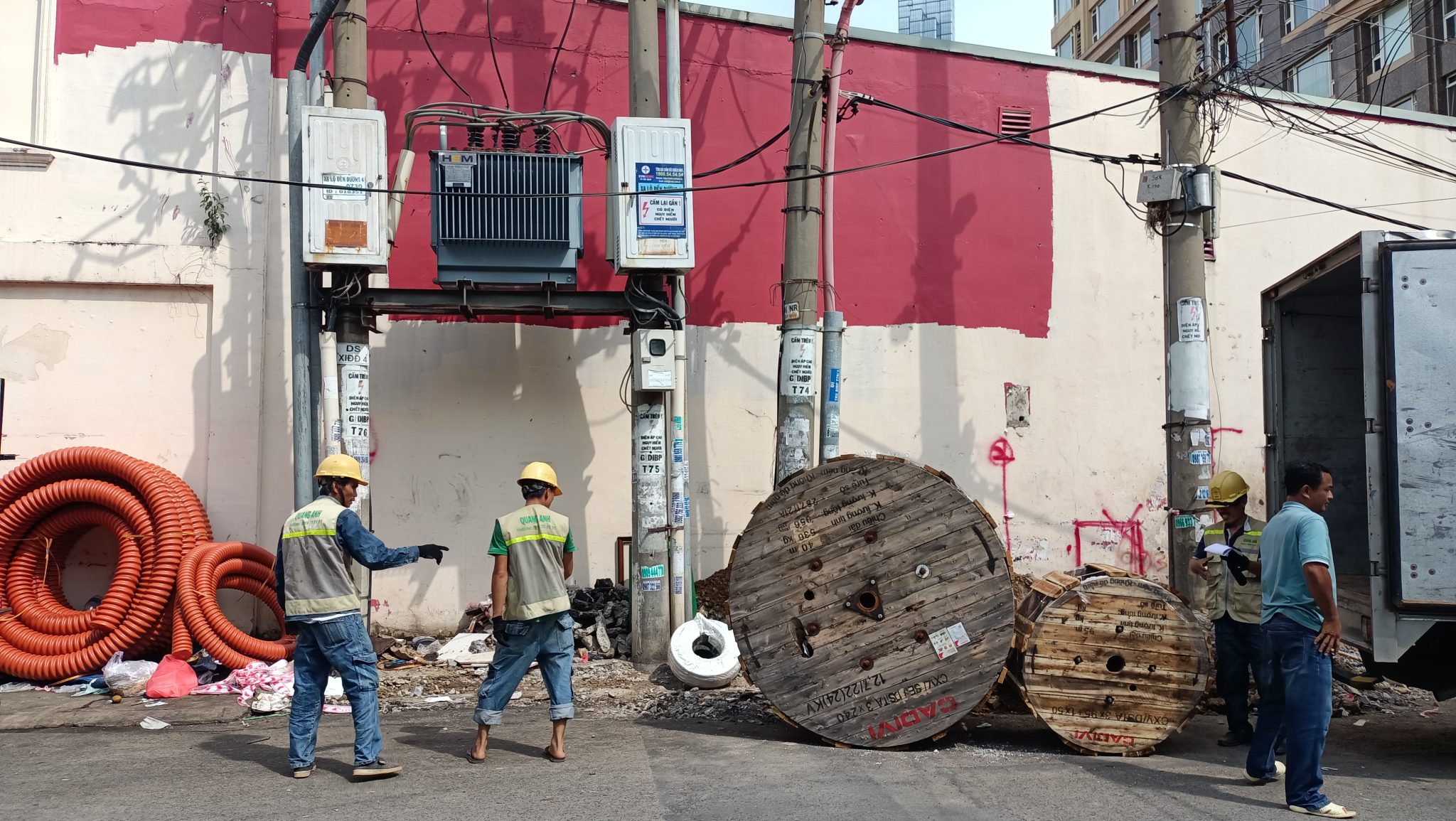
Key Considerations for Upgrades
Your factory’s electrical system renovation must carefully weigh safety, cost, and flexibility. Safety is paramount, achieved through strict adherence to design and installation standards. Devices like circuit breakers and fuses guard against fires and ensure system safety.
Choosing standard electrical equipment and materials is crucial for stability and safety. Effective load calculation and division guide apt conductor choices, preventing resource wastage and extending equipment life. Brands like ABB, Mitsubishi, Cadivi, or Schneider are potential considerations.
Energy efficiency improvements and cost reductions are long-term targets, achievable via energy-saving devices like LED systems and automation solutions. Installing a solar power system also aids sustainable and renewable energy use.
Conduct regular maintenance and repairs and prepare backup plans to ensure stable, effective system operation. Ultimately, economic feasibility and cost optimization are vital, ensuring investment yields lasting value for your enterprise.
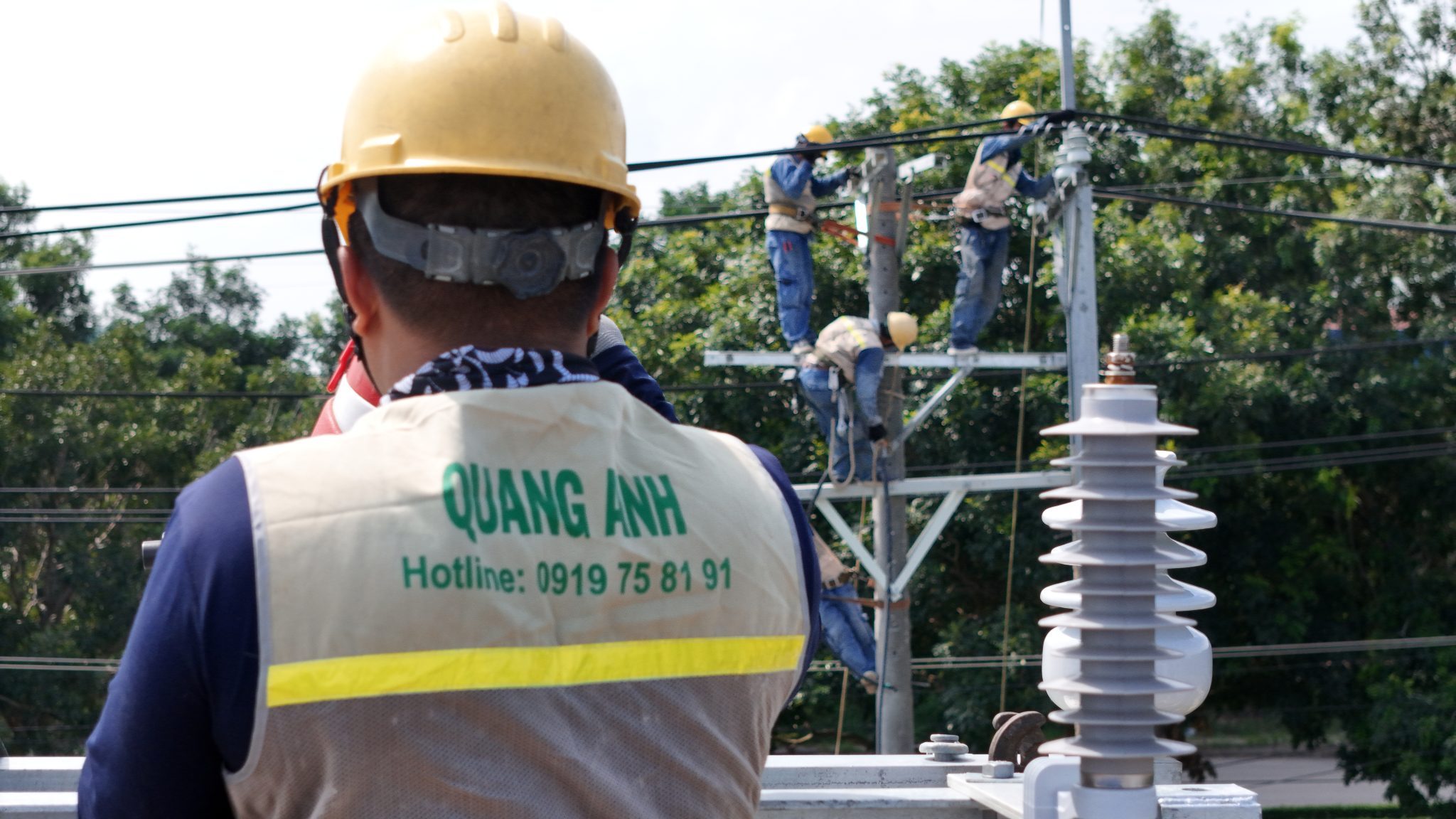
Benefits of Electrical System Upgrades
Upgrading a factory’s electrical infrastructure yields numerous significant advantages. Primarily, it bolsters safety standards, minimizing electrical accident risks. An efficient system enhances production capacity and reduces long-term maintenance costs. Properly upgraded systems optimize power use, facilitate steady production, and adapt flexibly to future demands.
- Enhance Electrical Safety
Renovations address degraded components like cables and outlets, eliminating risks of fires or shocks to maximize electrical safety for users and assets. - Reduce Energy and Electricity Costs
Modern technology systems improve usage efficiency, cutting energy waste, thus conserving power, costs, and environmental impact. - Meet Modern Power Needs
Upgrades accommodate advanced devices, optimizing interaction with modern electrical systems and increasing flexibility and stability. - Improved Aesthetics and Orderliness
Reorganizing wiring systems enhances neatness and aesthetics, boosting spatial aesthetics in buildings or homes. - Extend System Lifespan and Efficiency
Replacing faulty components strengthens system durability, minimizes failures, and prolongs operational lifespan. - Support Clean, Eco-Friendly Power Usage
Upgrades facilitate clean energy integration with lithium-ion batteries and renewable energy, contributing to climate change mitigation. - Boost Operational Stability and Efficiency
Minimize technical malfunctions and unscheduled shutdowns, enhancing economic benefits for factories and businesses alike.
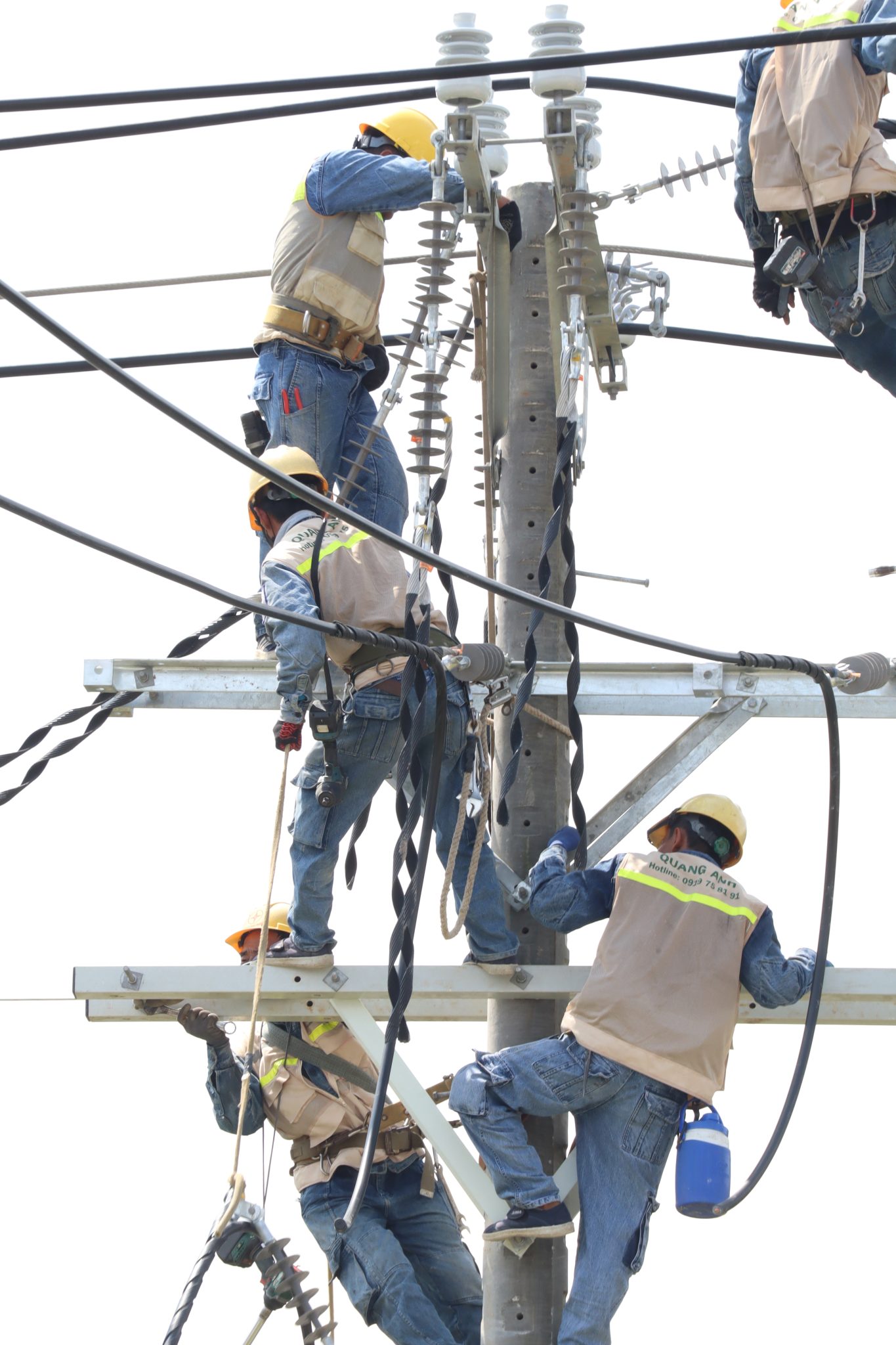
Upgrading the factory’s electrical systems not only boosts safety standards but also offers long-term investment returns. Enhanced systems boost productivity and adapt to expansion demands while cutting operating costs.
Contact QuangAnhcons now at +84 9 1975 8191 for detailed consultation and start revamping your factory’s electrical system.
QuangAnhcons offers factory electrical system renovation services, ensuring safe, efficient operations from design to full execution.
[contact-form-7 id="7239967" title="Contact form 1"]
Related Posts
Comparing Oil and Dry Transformers in Industrial Projects
Distinguish between oil and dry transformers based on installation site, safety, maintenance, energy losses, initial [...]
Mar
Electrical Overload Warning Signs in Factories
Recognize early indicators of factory electrical overload such as voltage drops, overheating equipment, circuit breaker [...]
Mar
Risks of Overloading Industrial Transformers Without Upgrades
Keeping the same low-voltage transformer while increasing factory loads can result in overheating, insulation degradation, [...]
Mar
Evaluating and Implementing Transformer Contractors in Tay Ninh
Criteria for selecting transformer substation contractors in Tay Ninh, EPC scope, and factors affecting project [...]
Mar
Comparing Oil and Dry Transformers for Industrial Applications
Examine oil and dry transformers based on installation location, fire safety, maintenance, energy loss, investment [...]
Mar
Comprehensive 1500kVA Transformer Station Budget for Manufacturing Facilities
Guidance for creating a detailed budget list for a 1500kVA transformer station, including medium voltage [...]
Mar
Comprehensive Transformer Station Pricing: Elements and Considerations
Examine key components in comprehensive transformer station pricing including design, equipment, construction, testing, and connection [...]
Mar
Pricing Guide for 4000kVA Transformer Stations: Configuration, Cost, and Investment Process
An overview of configuration, cost estimates, connection approaches, and investment checklists for 4000kVA transformer stations [...]
Mar
Pricing and Setup of 3200kVA Transformer Stations: Configuration, Costs, and Investment Procedure
Explore the pricing structure for a 3200kVA transformer station, primary equipment configuration, cost variables, EVN [...]
Mar
Cost Estimation for 2500kVA Transformer Station: Configuration, Expenses, and Investment Process
Reference framework for quoting a 2500kVA transformer station based on configuration, station type, cable solutions, [...]
Mar
2000kVA Transformer Station Guide: Configuration, Costs, and Investment Process
Discover key aspects of a 2000kVA transformer station: from technical configuration and cost analysis to [...]
Mar
Pricing and Configuration Guide for 1600kVA Substations
A detailed guide on pricing for 1600kVA substations, including equipment specs, connection costs, EVN procedures, [...]
Mar
Comprehensive Guide to 1500kVA Substation Pricing: Configuration, Costs, and Investment Process
A comprehensive overview of configurations, costs, construction methods, connection procedures, and contractor selection for 1500kVA [...]
Mar
Tay Ninh Solar Power Planning: Technical Framework, Grid Interconnection, and Rollout Roadmap
Technical overview of solar planning in Tay Ninh: irradiation, grid capacity, permitting, design, operations, and [...]
Dec
Binh Duong Solar Planning: Regulatory Framework, Grid Interconnection, and an Implementation Roadmap for Factories and Industrial Parks
An overview of Binh Duong solar planning: legal framework, interconnection, design, risk management, and an [...]
Dec
Solar Farm Repair: O&M Workflow, IV Curve Diagnostics, Thermography, Inverter Service and Utility-Scale Safety
A utility-scale solar farm repair plan centered on O&M, IV curves, thermal imaging, inverter service, [...]
Dec
Dong Nai Solar Power Plan 2023–2025: Tri An 1,029 MW, Grid Upgrades and the DPPA Pathway
A complete look at Dong Nai’s solar power plan: Tri An 1,029 MW, irradiation potential, [...]
Nov
Quang Ngai Solar Power Plan 2024–2030: Legal Framework, Irradiance Potential, and Development Roadmap
A complete look at Quang Ngai’s solar power plan: capacity targets, irradiance (PVout), development zones, [...]
Nov
Solar Damage Assessment Services: On-Site Procedures, EL/IV/Thermography Testing & Compliance with Standards
Discover IEC/UL/NEC standard solar damage assessment processes: on-site evaluation, EL and IV curve testing, thermal [...]
Nov
Comprehensive Package Estimate for a 1800MVA 500kV Substation: Scope, Configuration 3x600MVA, Standards and Timeline Management
An overview of the 1800MVA 500kV substation estimate: construction scope, configuration 3x600MVA, GIS/AIS, SCADA, standards, [...]
Nov