

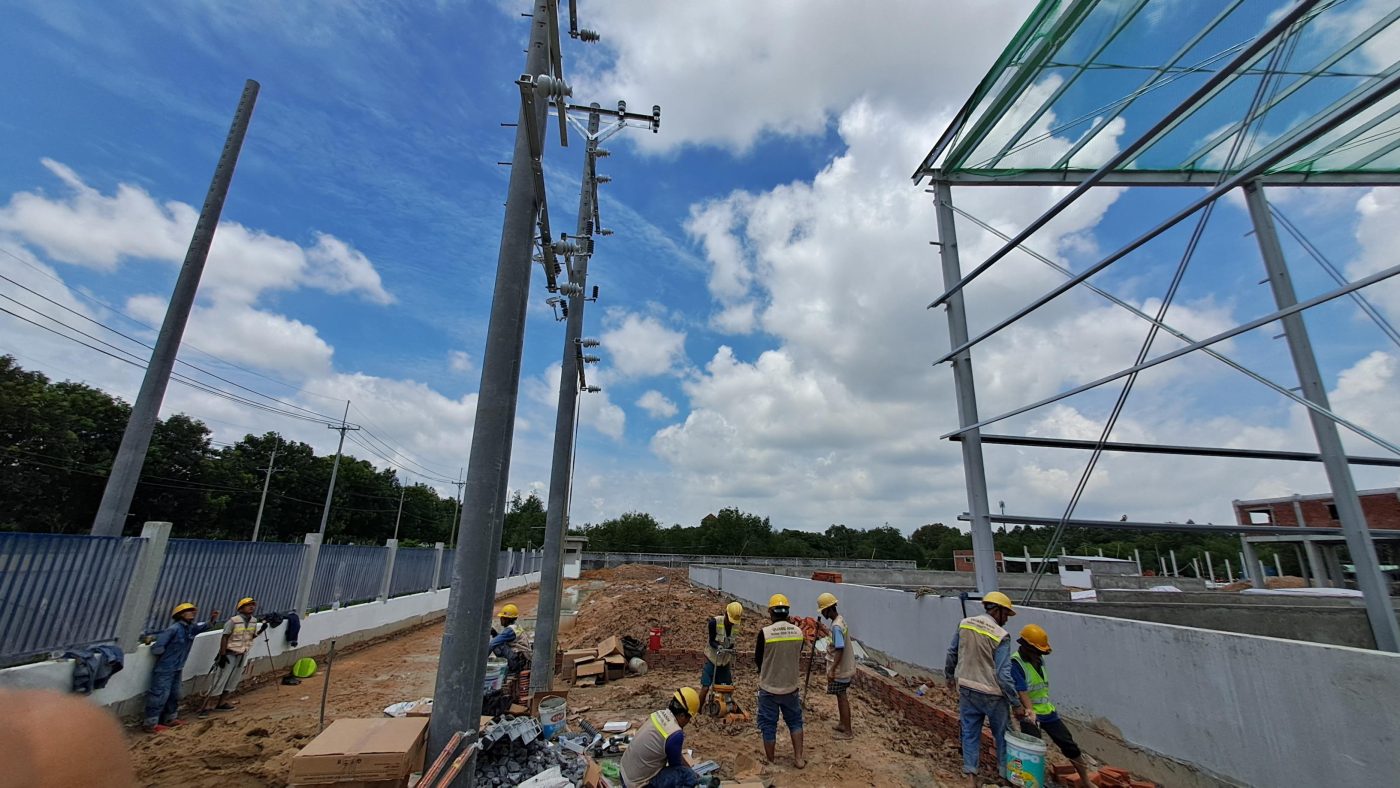
The cost of installing an electric vehicle charging station depends on the type of station, its capacity, location, and additional factors. Get detailed insights into each cost component.
Cost Classification for EV Charging Station Installation
The main cost lies in the charging equipment, with different pricing for slow (AC) and fast (DC) chargers, depending on power capacity. Other expenses include installation, electrical infrastructure upgrades, and supportive accessories. Costs range from hundreds to thousands of dollars. For instance, upgrading a 240V electrical system may cost between $130 and $300. The site lease could also be significant if space rental is required.
Installing an EV charging station is a crucial step in boosting the electric vehicle infrastructure. Understanding each cost category is vital for businesses aiming to optimize their investment.
Itemized Cost Classification for Installation
- Survey & Consultation: The initial step, including checking existing electrical systems and suggesting suitable installation locations. Fees may be minimal or even waived.
- Level 1 & Level 2 Chargers: Commonly used in homes, differing in supply voltage (120V for Level 1 and 240V for Level 2). Installation costs range from $300 to $1,000.
- AC and DC Chargers: AC chargers are cheaper due to simpler structures, while DC chargers offer faster charging but require higher investment, ideal for public stations.
- Outlets & Electrical Upgrades: Essential for installing 240V outlets or upgrading the electrical panel, costing about $130-$300.
- Electrical Wires & Accessories: Costs for installation materials range from $45 to $130.
- Labor & Installation Fees: Expenses for installation work and compliance testing range from $90 to $220.
- Solar Integration: To optimize renewable energy usage, installation costs can range from $880 to $2,200.
- Energy Storage Systems: Using storage batteries to enhance energy management, costing from $660 to $1,770.
- Regular Maintenance & Technical Support: Necessary for sustainable station operation, with annual costs ranging from $45 to $130.
Connecting Types Cost Classification
Charging connection types, mainly AC and DC, also influence costs:
- AC Charging (Alternating Current): Preferred in households for low cost and simple installation, requiring less infrastructure upgrade.
- DC Charging (Direct Current): Applied in public stations with higher investment due to rapid charging capabilities and complex infrastructure.
Cost Classification by Additional Factors
Besides equipment costs, some additional expenses should be considered:
- Soft Costs: Includes permit fees and site protection.
- Electrical System Upgrades: Necessary when existing systems don’t meet standards.
- Maintenance and Operations Costs: Covers regular servicing and component replacement.
- Energy Costs: Electricity price is crucial for operations, usually lower for home charging.
Factors Impacting Installation Costs
Installation costs are influenced by charging station capacity, connection type, and installation location. Integration of renewable energy systems like solar power significantly affects total investment.
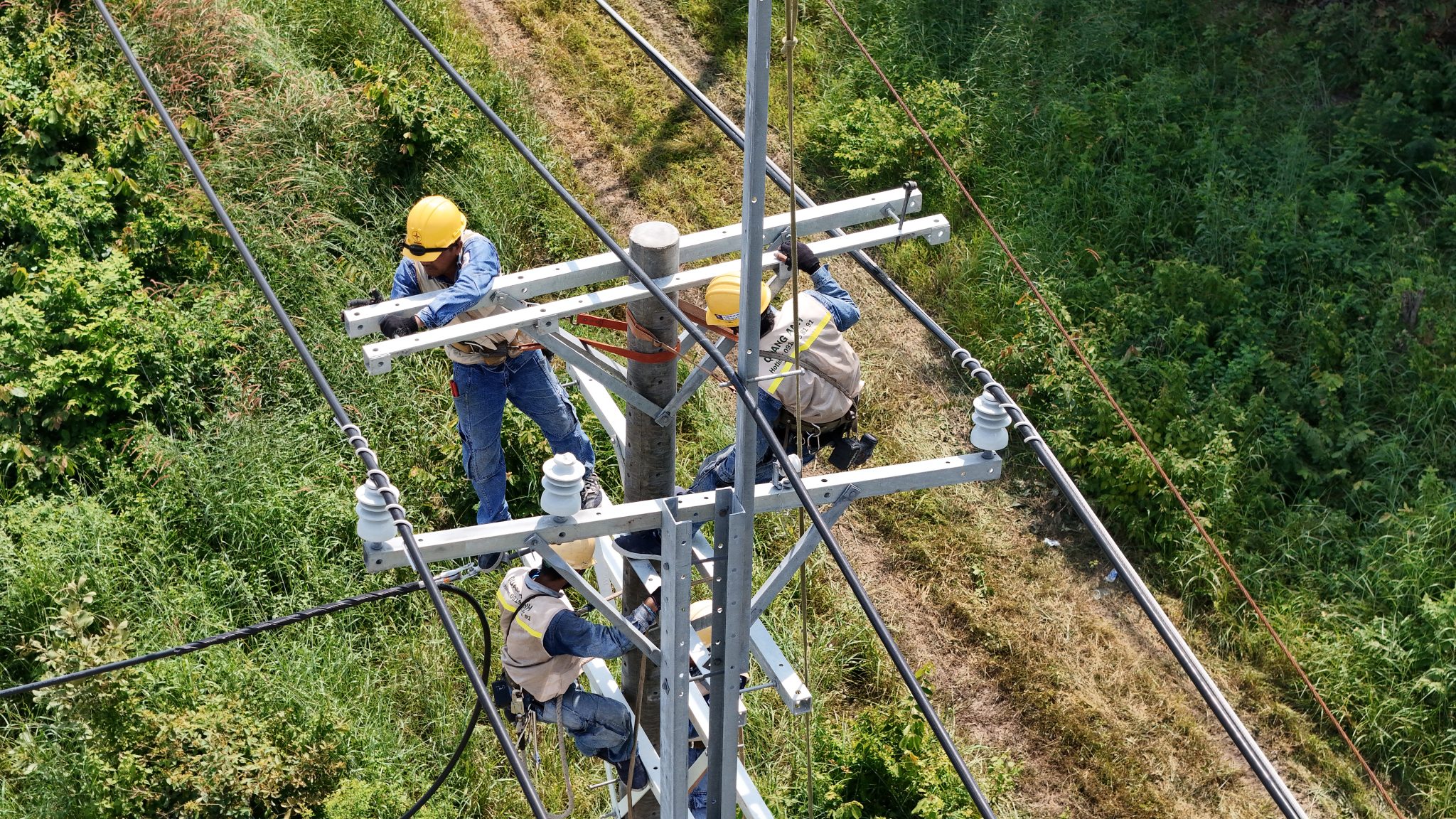
Comparison Between Slow and Fast Charging
Slow chargers (AC) are ideal for home use due to low device costs and simple installation, yet have longer charging times. Conversely, fast chargers (DC) require higher investment and complex infrastructure like transformer stations, offering significantly shorter charging times.
During technological advancements, slow and fast charging have become popular choices for consumers needing to recharge electronics. The right choice depends on several factors like AC, DC options, charging time, battery lifespan, and charging temperature.
Charging Time and Efficiency
Charging time is crucial. Slow charging takes 2-4 hours or more, fitting those with flexible schedules, allowing overnight charging. In contrast, fast charging usually takes between 30 minutes to an hour, beneficial for busy individuals needing swift power-ups.
Battery Life and Charging Temperature
Slow charging benefits battery life through stable currents and reduced charging heat, prolonging battery use. While convenient, fast charging may decrease battery lifespan due to higher heat generation during frequent usage, leading to diminished battery health.
Cost and Equipment Requirements
From a cost perspective, slow charging is less expensive and easily accessible, not demanding high-end devices. However, fast charging requires advanced tech chargers, cables, and devices, leading to higher costs. Nonetheless, investing in fast charging is sometimes necessary for devices with larger batteries like tablets or laptops.
Convenience Factor
Convenience undeniably favors fast charging. In modern life, quick access to immediate usage is a notable advantage. Nonetheless, if the goal is to preserve and extend battery life, slow charging remains a worthwhile consideration.
Safety Precautions and Decision Making
Safety is paramount when using any charging technology. For fast chargers, it is crucial to ensure compatible devices and select high-quality accessories from reputable brands like ABB, Schneider, and Eaton to mitigate battery damage risks.
Ultimately, choosing between slow and fast charging requires thorough assessment, considering time priorities, battery protection, investment costs, convenience, and safety measures.
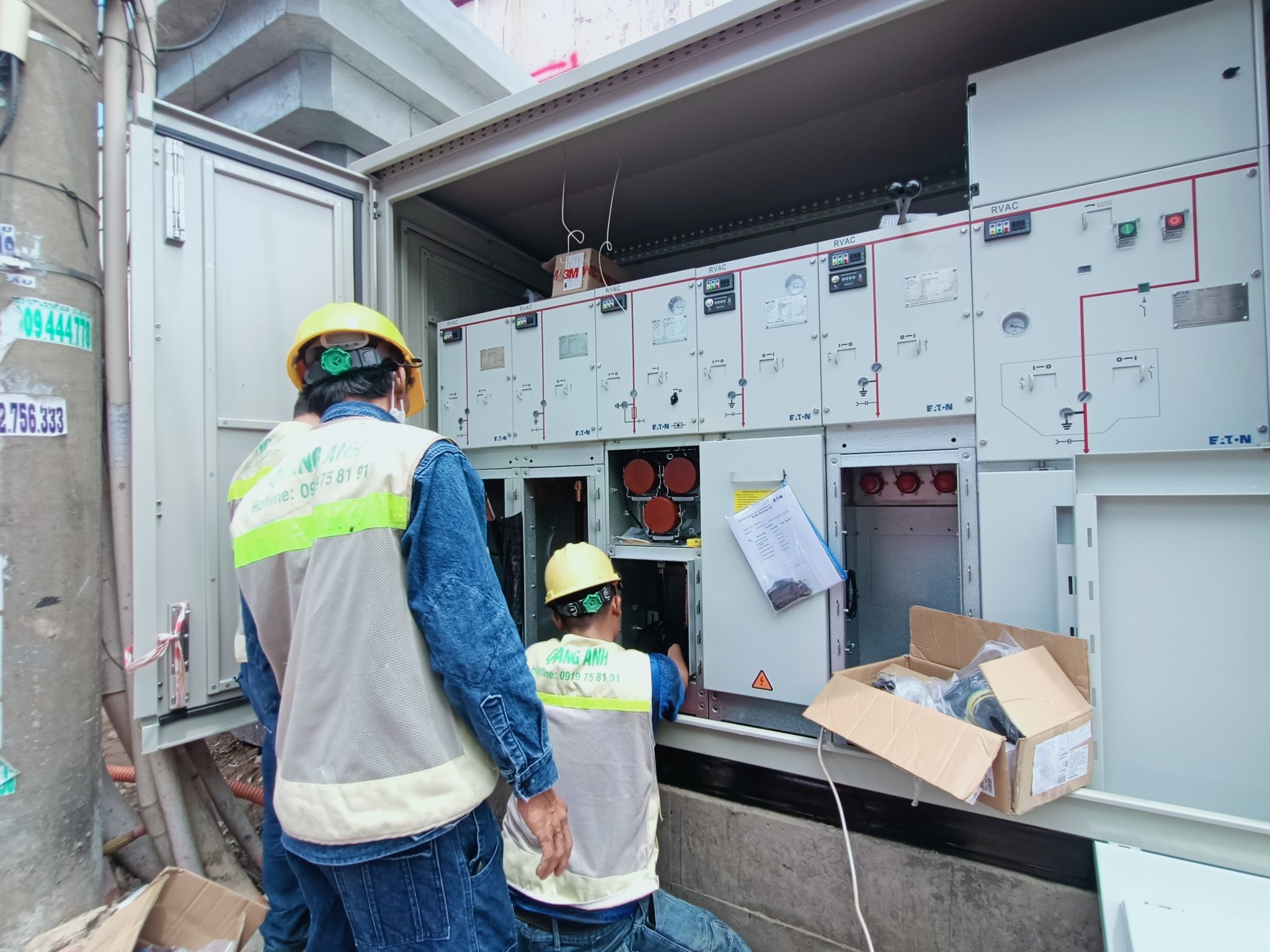
Considerations for Charging Station Installation
Key aspects in installation include aligning power capacity, existing electrical infrastructure, and legal requirements, especially integrating renewable energy to reduce operational costs. Long-term operational costs and potential benefits of each solution must be thought through.
For EV charging station setup, it’s essential to prioritize safety and adhere to current technical standards. Compliance with approved plans and targeted use must be ensured. This demands detailed, coherent design for feasibility and economic efficiency.
Efficient resource management is vital to avoid wastage and ensure timely execution. Equipment and systems must strictly comply with technical regulations, especially safety and fire prevention standards in bolstering charging station reliability.
Start by determining requirements and thoroughly assessing current infrastructure for needed power capacity. System design should fit demands and selected location, with necessary permits and certifications obtained to legalize installation.
Necessity of automatic power cut-off devices is paramount to mitigate risks posed by electric shock or fire. Furthermore, charging stations should implement environmental protection measures and maximize renewable energy usage for operational cost-effectiveness while maintaining performance.
Using certified chargers and grounding outlets is crucial for safety. To prevent electrical overload, tightly control the number of vehicles charging simultaneously.
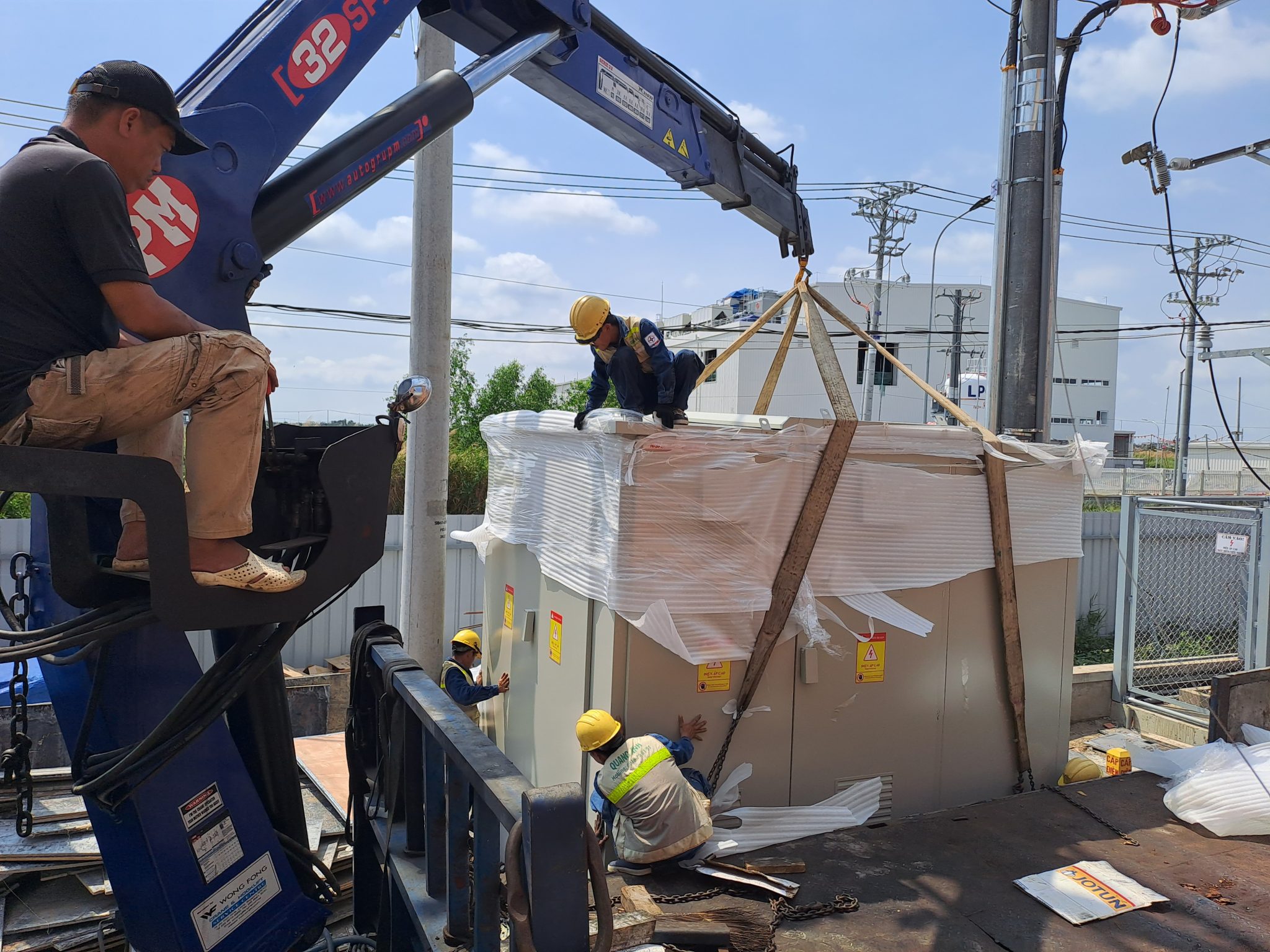
Implementing an EV charging station calls for not just balancing costs and technology, but also promises significant technical and strategic advantages in the long run. Integrating renewable energy sources can amplify investment returns.
Contact QuangAnhcons via hotline +84 9 1975 8191 for optimal solutions on EV charging station installations tailored to your needs.
QuangAnhcons offers comprehensive EV charging station installation services, encompassing consultation, surveys, and the integration of optimal solutions for electrical infrastructure, fast and slow charging, along with renewable energy options.
[contact-form-7 id="7239967" title="Contact form 1"]
Related Posts
Comparing Oil and Dry Transformers in Industrial Projects
Distinguish between oil and dry transformers based on installation site, safety, maintenance, energy losses, initial [...]
Mar
Electrical Overload Warning Signs in Factories
Recognize early indicators of factory electrical overload such as voltage drops, overheating equipment, circuit breaker [...]
Mar
Risks of Overloading Industrial Transformers Without Upgrades
Keeping the same low-voltage transformer while increasing factory loads can result in overheating, insulation degradation, [...]
Mar
Evaluating and Implementing Transformer Contractors in Tay Ninh
Criteria for selecting transformer substation contractors in Tay Ninh, EPC scope, and factors affecting project [...]
Mar
Comparing Oil and Dry Transformers for Industrial Applications
Examine oil and dry transformers based on installation location, fire safety, maintenance, energy loss, investment [...]
Mar
Comprehensive 1500kVA Transformer Station Budget for Manufacturing Facilities
Guidance for creating a detailed budget list for a 1500kVA transformer station, including medium voltage [...]
Mar
Comprehensive Transformer Station Pricing: Elements and Considerations
Examine key components in comprehensive transformer station pricing including design, equipment, construction, testing, and connection [...]
Mar
Pricing Guide for 4000kVA Transformer Stations: Configuration, Cost, and Investment Process
An overview of configuration, cost estimates, connection approaches, and investment checklists for 4000kVA transformer stations [...]
Mar
Pricing and Setup of 3200kVA Transformer Stations: Configuration, Costs, and Investment Procedure
Explore the pricing structure for a 3200kVA transformer station, primary equipment configuration, cost variables, EVN [...]
Mar
Cost Estimation for 2500kVA Transformer Station: Configuration, Expenses, and Investment Process
Reference framework for quoting a 2500kVA transformer station based on configuration, station type, cable solutions, [...]
Mar
2000kVA Transformer Station Guide: Configuration, Costs, and Investment Process
Discover key aspects of a 2000kVA transformer station: from technical configuration and cost analysis to [...]
Mar
Pricing and Configuration Guide for 1600kVA Substations
A detailed guide on pricing for 1600kVA substations, including equipment specs, connection costs, EVN procedures, [...]
Mar
Comprehensive Guide to 1500kVA Substation Pricing: Configuration, Costs, and Investment Process
A comprehensive overview of configurations, costs, construction methods, connection procedures, and contractor selection for 1500kVA [...]
Mar
Tay Ninh Solar Power Planning: Technical Framework, Grid Interconnection, and Rollout Roadmap
Technical overview of solar planning in Tay Ninh: irradiation, grid capacity, permitting, design, operations, and [...]
Dec
Binh Duong Solar Planning: Regulatory Framework, Grid Interconnection, and an Implementation Roadmap for Factories and Industrial Parks
An overview of Binh Duong solar planning: legal framework, interconnection, design, risk management, and an [...]
Dec
Solar Farm Repair: O&M Workflow, IV Curve Diagnostics, Thermography, Inverter Service and Utility-Scale Safety
A utility-scale solar farm repair plan centered on O&M, IV curves, thermal imaging, inverter service, [...]
Dec
Dong Nai Solar Power Plan 2023–2025: Tri An 1,029 MW, Grid Upgrades and the DPPA Pathway
A complete look at Dong Nai’s solar power plan: Tri An 1,029 MW, irradiation potential, [...]
Nov
Quang Ngai Solar Power Plan 2024–2030: Legal Framework, Irradiance Potential, and Development Roadmap
A complete look at Quang Ngai’s solar power plan: capacity targets, irradiance (PVout), development zones, [...]
Nov
Solar Damage Assessment Services: On-Site Procedures, EL/IV/Thermography Testing & Compliance with Standards
Discover IEC/UL/NEC standard solar damage assessment processes: on-site evaluation, EL and IV curve testing, thermal [...]
Nov
Comprehensive Package Estimate for a 1800MVA 500kV Substation: Scope, Configuration 3x600MVA, Standards and Timeline Management
An overview of the 1800MVA 500kV substation estimate: construction scope, configuration 3x600MVA, GIS/AIS, SCADA, standards, [...]
Nov