

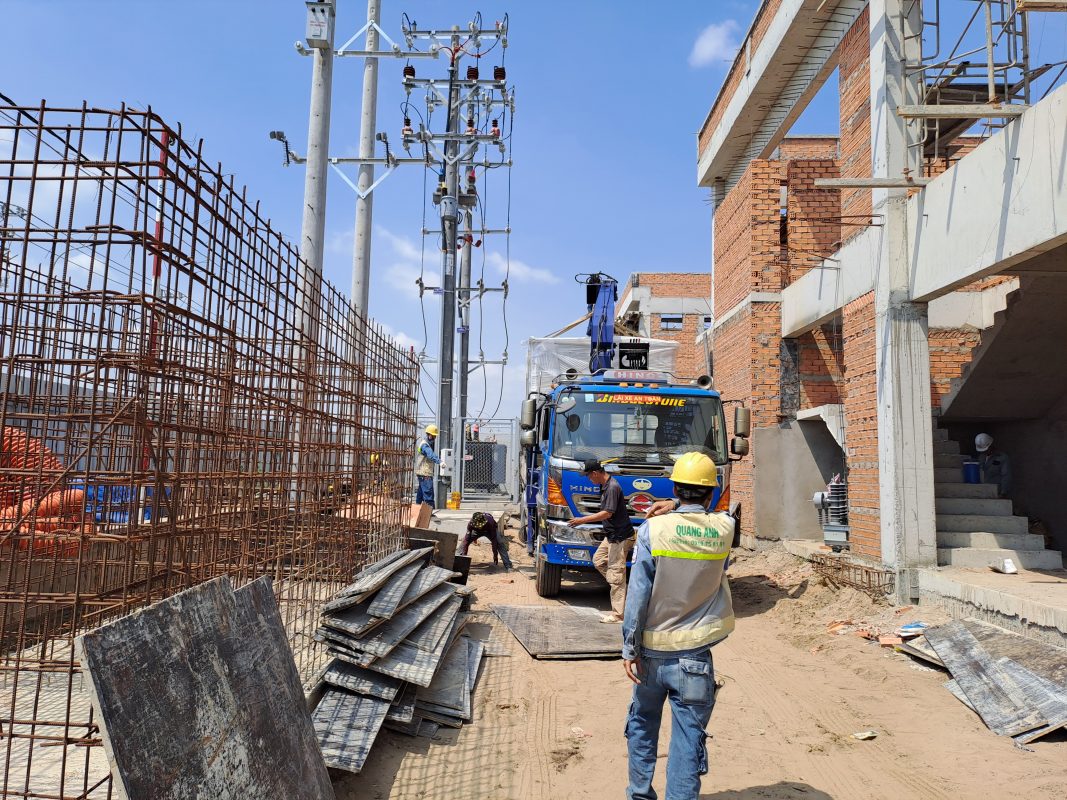
- Identify faults early to avoid wide-ranging issues and prolonged downtime.
- Understand proper isolation, inspection, repair, and testing procedures before re-energizing.
- Know when to perform partial repair, overhaul, or consider transformer replacement.
- Manage factors that influence costs and operational downtime without relying on guesswork.
- Prepare technical documentation and acceptance tests in line with safety and regulatory standards.
- Investors and plant managers operating their own transformer stations.
- Electrical maintenance teams needing a quick assessment post-anomalies.
- Technical teams planning transformer repairs, overhauls, or replacements.
- Project leaders coordinating with contractors for technical testing and re-energizing.
When should you read this?
- When transformers show signs of overheating, oil leaks, burnt smells, unusual noises, or protective action triggers.
- When planning a power shutdown for safe inspection and repair.
- When deciding between repair, overhaul, upgrade, or replacement of transformers.
- When preparing technical acceptance and documentation before commissioning post-repair.
- 1. When to Repair Transformers Instead of Operation
- 2. Common Faults and Initial Diagnosis
- 3. Field and Workshop Repair Processes
- 4. Typical Repair and Replacement Components
- 5. Testing, Verification, and Re-energization Conditions
- 6. Repair or Replace: Choosing the Right Solution
- 7. Factors Influencing Costs and Downtime
Repairing transformers is more than just replacing oil or faulty parts; it involves a series of technical decisions directly impacting electrical safety, operational reliability, and production downtime. Ensuring accurate diagnosis of the damage and safe resolution is paramount for operational continuity.
When to Repair Transformers Instead of Operation
Identify operational indicators and testing results indicating risk levels exceeding acceptable thresholds, necessitating shutdown for repair.
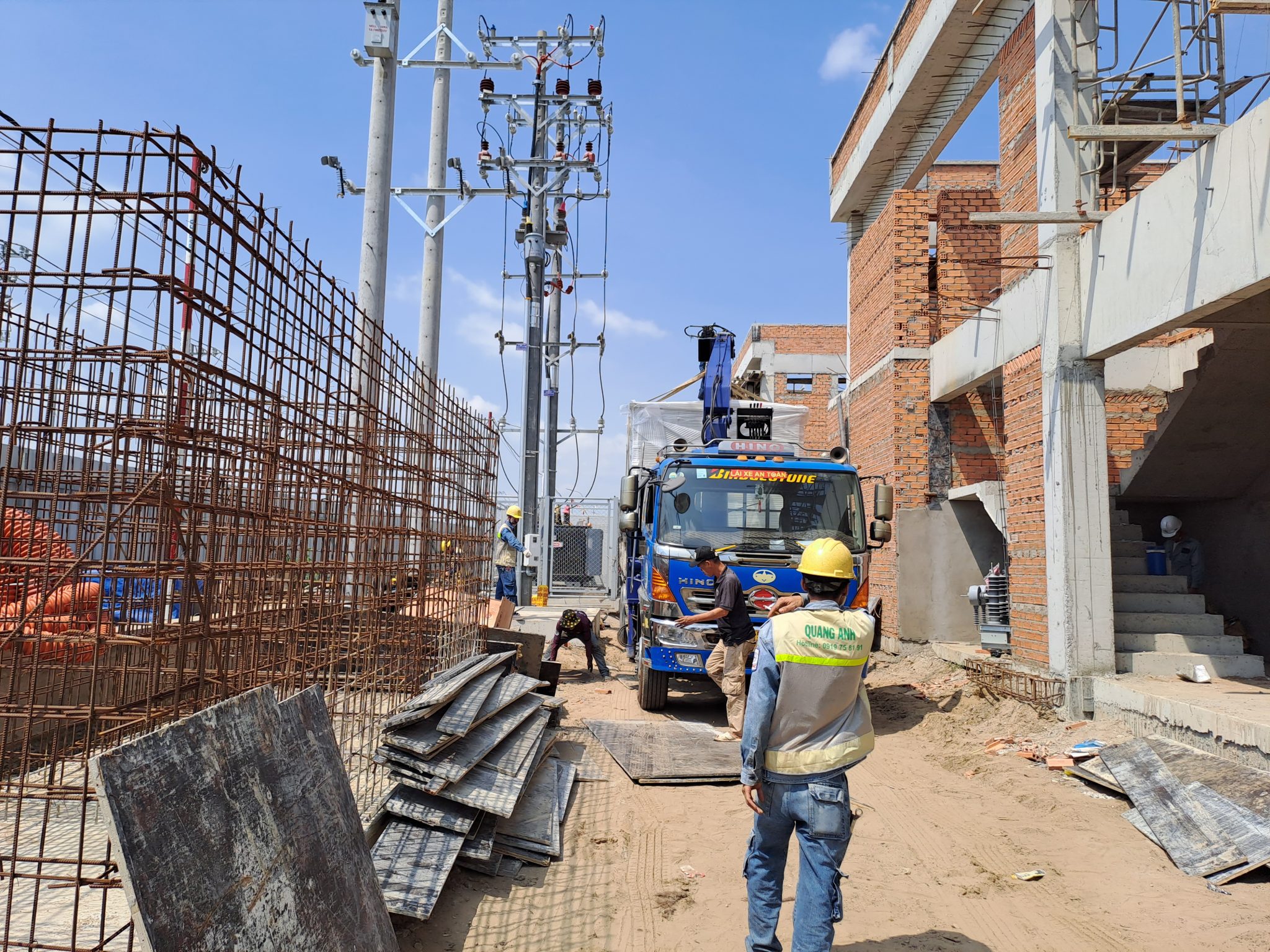
Transformers require shutdown and repair when operational signals or test results indicate damage risks have surpassed acceptable limits.
On site, initial external inspections each shift include observing oil leaks, oil level, thermometers, and unusual noises. During maintenance, check gas relays and thermal relays; if triggered without rectifiable cause, operation must halt for in-depth inspection. Unequal voltage output between phases or limits requiring assessment of tap changer and load conditions inform further operational decisions.
Routine oil sampling tests physical and chemical indicators; non-compliance necessitates filtering, supplementing, or oil change per lab results and site conditions. Overhaul typically occurs first after 10–12 years, with frequencies adjusted based on real wear and test results. Pre-commissioning checks include machine earthing, oil leaks, debris in the cooling area, insulation, and terminal integrity.
- Cease operation immediately if protection relays trigger for unclear reasons or repeatedly within the shift.
- Reduce load and inspect when circuit breaker trips due to overload or external short circuit before restarting.
- Suspend operation and isolate upon discovering burned or short-circuited high/low voltage cables, cracked insulators, or loose terminals.
- Document test results (insulation resistance, oil sample, sound, oil level) to decide on minor repairs or overhauls.
Field signals such as unusual noises, dehydrant hue, and sudden temperature changes prioritize intervention; survey and dielectric testing may be warranted before deciding on repair or continued operation.
Common Faults and Initial Diagnosis
Delineate manifestations like overheating, oil leaks, unusual noise, and protective triggers to narrow down causes before machine dismantling.
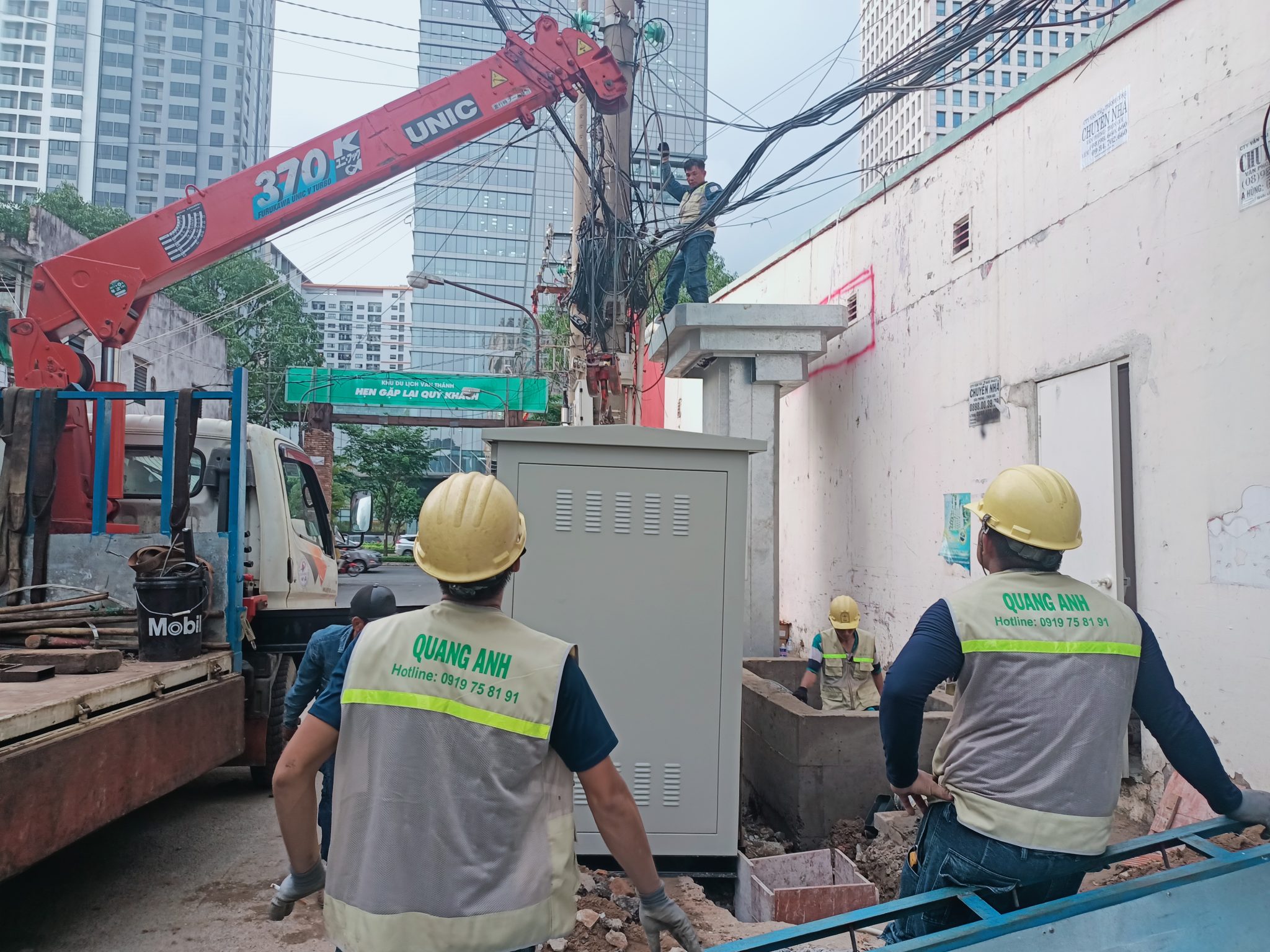
Common transformer faults include oil leaks, overheating, unusual noise, protective action, and phase voltage imbalance; these indicators enable preliminary cause identification at the site.
On site, initial oil leak checks on the casing and auxiliary tanks are critical; maintenance involves observing auxiliary tank levels for early deficit or leak detection. Plant surveys emphasize oil stains, earthing integrity, and exterior anomalies before deeper examination. Oil sampling follows for dissolved gas analysis (DGA) and physical-chemical checks if hidden damage is suspected.
Overheating is typically noted via abnormal oil thermometry or relay triggers; during maintenance, verify fan control and function. Persistent thermal relay or air relay triggers necessitate machine isolation, as air relay indicates possible gas accumulation from internal discharge or local overheating.
Unusual noises suggest mechanical or core issues; record frequencies and load conditions during operations for comparison. Phase voltage imbalance suggests tap changer or winding issues, while input/output voltage irregularities require tap position checks. Immediate action upon relay triggers narrows initial causality pre-disassembly.
- During maintenance: observe oil spills, auxiliary tank levels, and frame earthing.
- Plant survey: measure oil temperature, inspect fans, and controller units.
- Note unusual noises, timing, and load conditions to analyze mechanical or core structure.
- Oil samples need DGA analysis with relay triggers or hidden damage indicators.
- Check phase voltage and tap settings if phase imbalance or voltage fluctuation occurs.
| Component | Field Check | Alert Indicators |
|---|---|---|
| Oil Leak | Observe for spills on casing and auxiliary tank; examine seals, drain fittings | Reduced oil level, new oil trails, oil near base |
| Overheating | Read oil thermometer, inspect thermal relay, assess fan controllers | Abnormally high oil temperature, thermal relay triggers, inoperative fans |
| Noise | Record noise timing, check mechanical fixings, core integrity | Unusual sound under load, frequency or tone shifts |
| Protection Action | Check type of relay action, record timing, input signal | Air/thermal relay triggers, sudden cuts, unresolved on site |
| Phase Voltage | Measure phase input/output voltage, check tap and positioning | Unbalanced voltage, phase disparity, large shifts with tap changes |
Field decisions involve verifying and noting data before dismantling, offloading or cutting power if thermal/air relays persist. Operational caution is advised: avoid dismantling covers or draining oil when voltage is uncertain or without complete DGA data. Preliminary conclusions should proceed with oil sampling, incident logging, and comprehensive survey scheduling per model and operational conditions.
Field and Workshop Repair Processes
Repair processes both on-site and in workshops encompass isolation, visual inspection, core removal, coil processing, and post-installation testing.
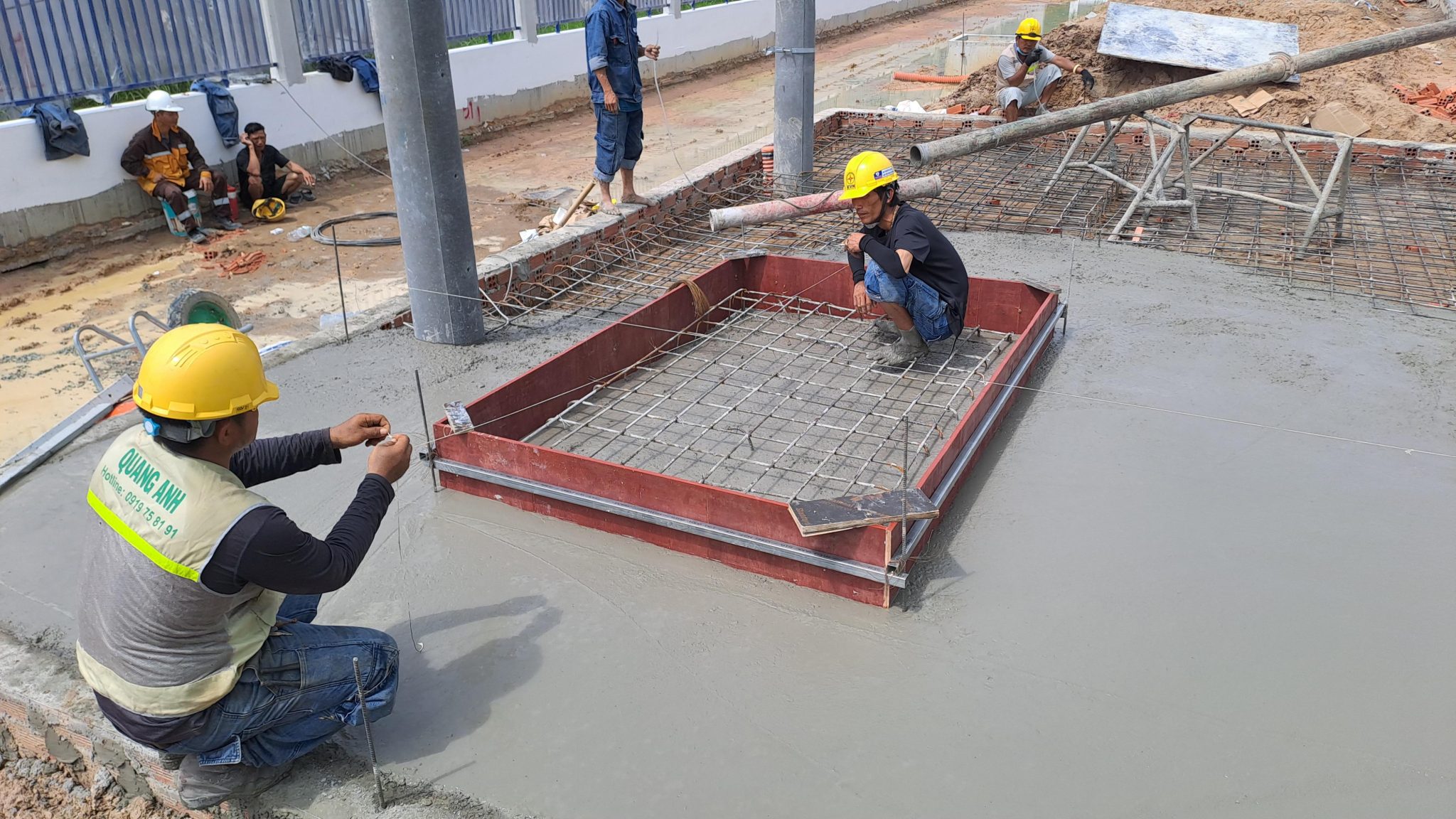
Repair procedures must start with transformer isolation, isolating switches, and securing disconnection positions to ensure safety before any operations.
Field inspections cover complete machinery visuals, checking for oil leaks, auxiliary tank levels, oil spillages, casing earthing, fan systems, and unusual heat or sound signals. Maintenance shifts require significant needle movements and relay temperature, air signals if discrepancies arise.
Repair includes following steps according to repair scale (minor, gut extraction):
- Isolate and secure disconnection switches; check temporary grounding and safety warning signage.
- Visual inspection and record operational status, sample oil for tests if leak or activity changes are noted.
- Evaluate oil sample results to decide filtering, supplementing, or dielectric oil replacement before core removal.
- Disassemble core if coil repair is needed, conduct core drying, and restore insulation per technical conclusion.
- Reassemble components, regulate oil filling protocols, conduct post-repair testing before power restoration.
Notable repair decisions: if air or thermal relays have activated, inspect and confirm causation before proceeding; abnormal oil sample outcomes necessitate filtering or oil change before core extraction. Practical operation requires post-repair testing with full data recording and repair team acceptance reports prior to power resumption.
| Stage | Description | Inspection Points |
|---|---|---|
| Minor Maintenance | On-site servicing without oil drain or core removal; clean and inspect surface. | Oil leaks, auxiliary tank levels, insulators, seals, and casing earthing. |
| Major Core Extraction | Core removal, coil repairs or replacements, core drying, and dielectric oil processing. | Coil condition, core drying efficiency, filtering/replacement oil results. |
| Post-repair Testing | Reassemble, regulated oil injection, conduct tests before re-energizing. | Record testing data, acceptance reports, ensure operational protection. |
At process conclusion, maintain test data records and acceptance reports for authority before machine operation resumption. Plant reality dictates winding replacements or core extractions must be based on operational files and on-site survey results.
Typical Repair and Replacement Components
Scale repair items from no oil removal minor repair to core extraction major overhaul, including oil replacement, core drying, tap changer and bushing checks.
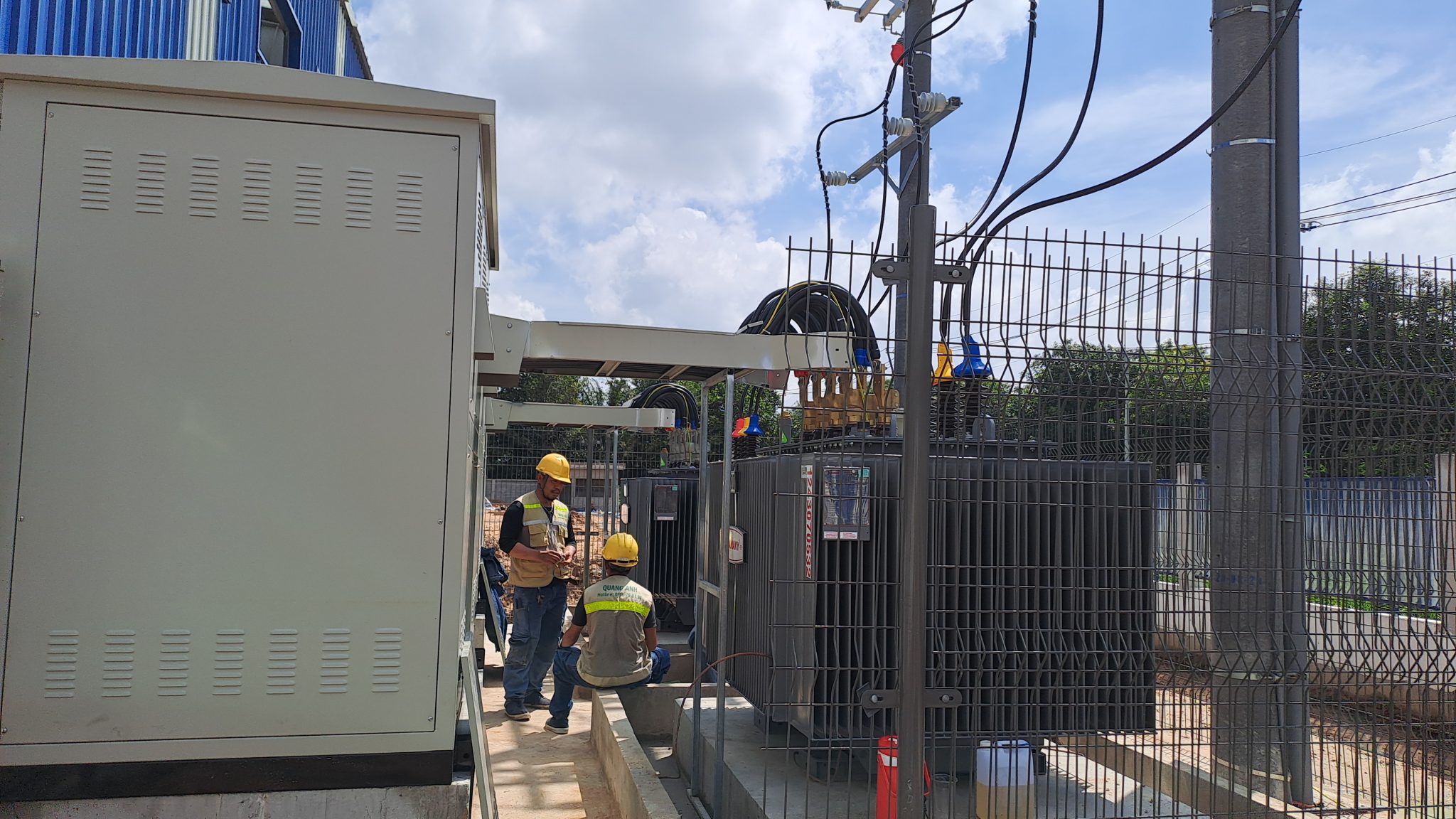
Repair items commonly range from oil-free minor maintenance to core extraction major overhauls with comprehensive recovery.
Regular minor maintenance usually corrects minor issues without core removal or oil drain; these interventions can be conducted during maintenance shifts with machine shutdown. Periodic major maintenance requires core extraction, comprehensive inspection including core drying; factory implementations typically see first major maintenance after 10–12 years.
Common components requiring checks, handling, and repair or replace decisions include:
- Dielectric oil replacement: sample oil for physical-chemical indicators; non-compliance requires new oil, compliance allows re-filtering — field sampling at drain points and auxiliary tank.
- Core drying: conducted during major overhaul or plant surveys identifying high humidity; drying is pre-oil re-injection preparation.
- Bushing replacement and inspection: check seals and terminals, tighten if loose, replace upon lost elasticity or heat cracking.
- Oil valve and seal handling: inspect for leaks, valve operation, and tightness of tap changer seals; tighten or replace when faulty.
- Comprehensive cleaning and mechanical inspection: clean casing, high/low-pressure areas, magnetic core and cooling fans; sludge auxiliary tank flushing, check cable burn signals.
- Wire tensioning and coil checks: uniformly tension high/low voltage wires, inspect for burn or shorting; consider restoration or coil replacement if heavily damaged.
- Relay protection and tap changer checks: test air relays, thermal relays, AC/DC supply, controller cabinet cleaning, and boards; conduct functionality tests before operation.
Framework work scope for high-level comparison during field survey and BOM preparation:
| Stage | Description | Inspection Points |
|---|---|---|
| Regular Minor Maintenance | Repair without oil drain or core removal | Casing condition, earthing, relay function |
| Major Recurring Maintenance | Core extraction, comprehensive inspection, drying, and recovery | Core moisture, insulation integrity, structural mechanics |
| Oil Change/Filtering | Sample, analyze, filter or replace with new oil | Oil sample test results on-site |
| Core Drying | Dry before oil re-injection or high humidity | Absolute moisture/signs of free moisture in oil |
| Bushing and Seal Replacement | Replace upon lost elasticity, cracks, or leaks | Check tightness, note loosening or cracks |
| Relay and Control Unit Check | Test functionality, clean boards, replace faulty parts | Relay action response, check AC/DC power |
Operational decisions to note: non-compliant oil samples necessitate new oil; high humidity necessitates core drying pre-oil injection; loss of bushing elasticity or cracks warrant immediate replacement to prevent dielectric breach. Maintenance procedures or coil replacements require power cut and equipment lifting.
Concluding procedures, testing, and documentation should follow TCVN/IEC 60076 standards when executing post-repair tests and equipment acceptance records.
Testing, Verification, and Re-energization Conditions
Clarify necessary post-repair checks to mitigate re-energization risks when dielectric, transformation ratio, or accessories are unstable.
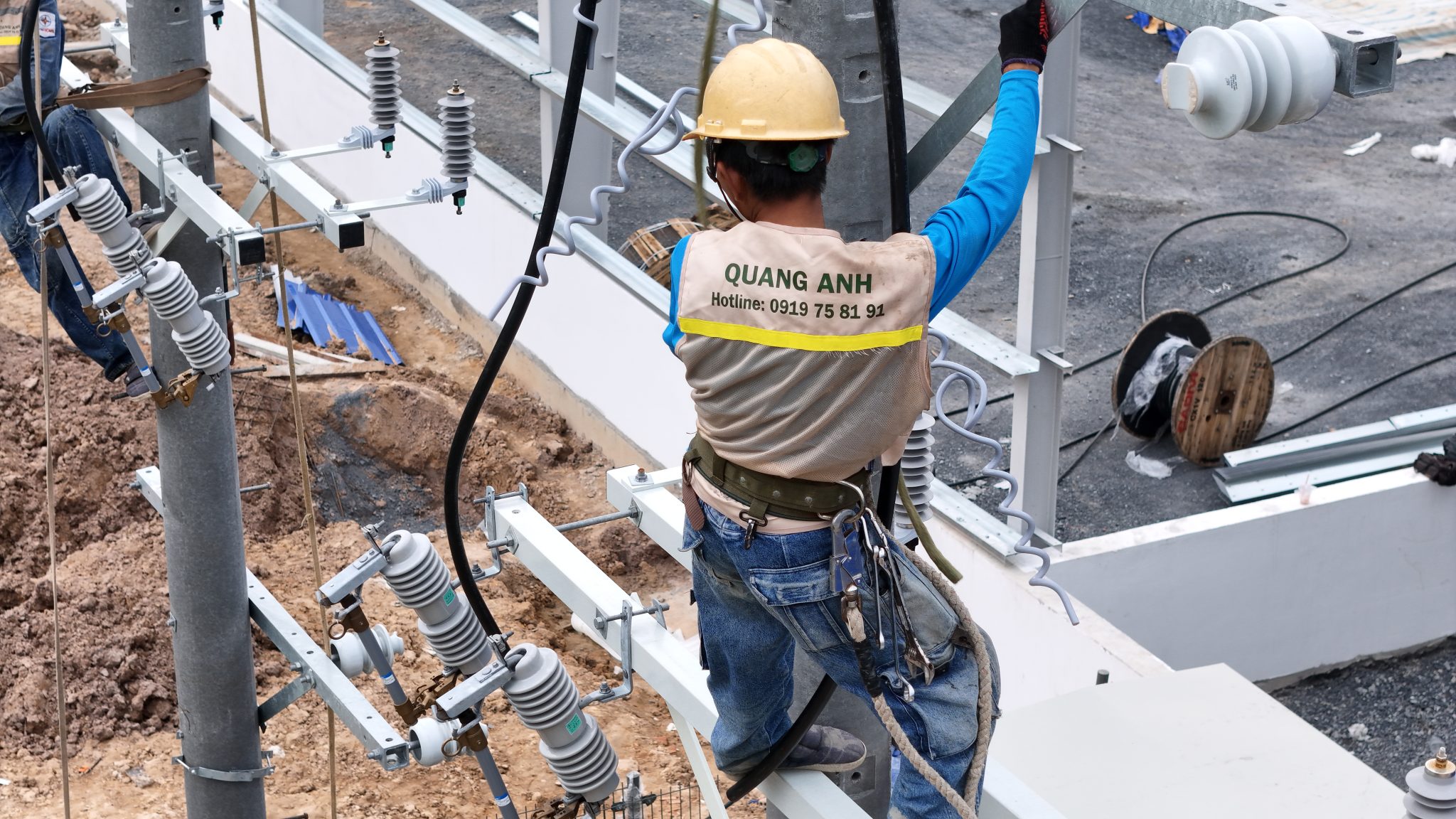
A series of dielectric tests, transformation ratio verification, and accessory checks are essential pre-re-energization. Field checks focus on oil safety, dielectric integrity, and controls functionality.
Maintenance shift checks typically include:
- Visual checks: observe for oil leaks, auxiliary tank levels, oil spills, and debris around casing; detect leaks to halt re-energization.
- Safety monitoring and equipment checks: thermometers, signal dials, cooling systems, and casing grounding must be operationally assured; recalibrate or repair as needed.
- Pre- and post-repair dielectric oil sampling for physical-chemical indicators; non-compliance requires filtering or replacing and retesting results.
- Dielectric integrity testing (including tan delta when applicable), transformation ratio measurement, short circuit impedance post-major maintenance; major deviations need further survey.
- Termination actions for relay, switch, oil valve, tap changers during acceptance/run tests; validate movement, signals, and interconnectivity.
- Core drying if required, proceed with assembly and oil filling per major maintenance protocol before power tests.
- Operate audio checks under load simulation to detect unusual knocks, impacts, or vibrations.
- Record all test results into machine files; compile test result reports for authority approval of re-energization.
Acceptance decisions rely on actual technical limits: if oil samples, dielectric tests, or transformation ratio checks fail, abstain from powering and conduct necessary filtering/oil changes or related repairs. Field attention to anomalies during oil filling, sudden temperature changes, or protective actions during testing phases is critical.
Post-all-criteria testing success, prepare acceptance reports, update operational records, and notify authorities for energization approval. During first operations post-energization, continue uninterrupted checks at each shift and monitor parameters for early anomaly detection.
Repair or Replace: Choosing the Right Solution
Decision making should consider damage extent, device age, load requirements, and long-term operational risks instead of immediate costs.
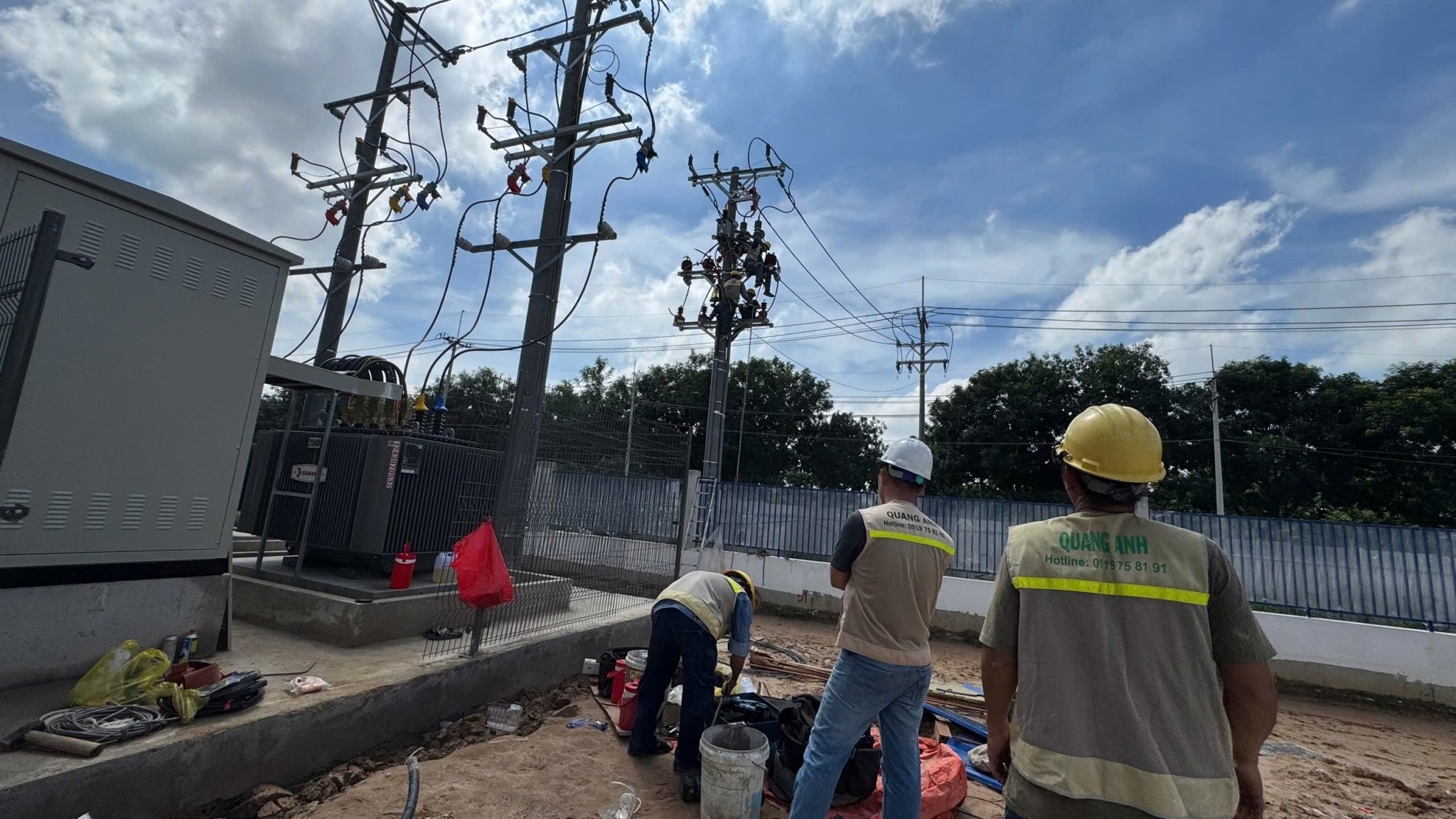
Decisions to repair or replace should hinge on technical recovery capabilities, coil damage extent, and long-term operational risk considerations.
Plant survey requires oil test checks, core condition assessment, and reviewing operational records for proposed solutions. Maintenance shifts should remain vigilant to real indicators like persistent air relay activation, unexplained temperature spikes, or repeated voltage discrepancies.
Technical interventions split into minor repairs, major overhauls, and replacements, each possessing distinct scope and indicative conditions:
| Stage | Description | Assessment Points |
|---|---|---|
| Minor Repairs | No oil drain; minor repairs, oil filtering or changes if physical-chemical compliance fails. | Oil physical-chemical checks, minor leaks, low core moisture. |
| Major Overhaul | Core removal, core drying for dielectric recovery; coil replacement based on damage extent. | Analyze oil samples, measure insulation resistance, assess coil integrity to standard methods before removal. |
| Replacement | Complete equipment exchange when coils are heavily damaged, repeated overloads, or unrectifiable voltage shifts. | Irrecoverable coil damage, equipment operation beyond life thresholds, load escalation needs. |
Decisions must weigh that initial major overhauls typically commence after 10–12 years use, cycles shortened based on inspection outcomes. If air or thermal relay actions remain unresolved upon field survey, immediate shutdown and assessment for replacement avert safety risks.
All interventions necessitate comprehensive testing to applicable technical standards and compile outcome reports for authority energization decision. Detailed approach finalization requires field surveys, operational record verification, and specific repair or replacement plans with inspection checklists.
Factors Influencing Costs and Downtime
Key variables impacting costs and downtime include: fault type, transformer capacity, dismantling extent, component replacement, and testing requirements.
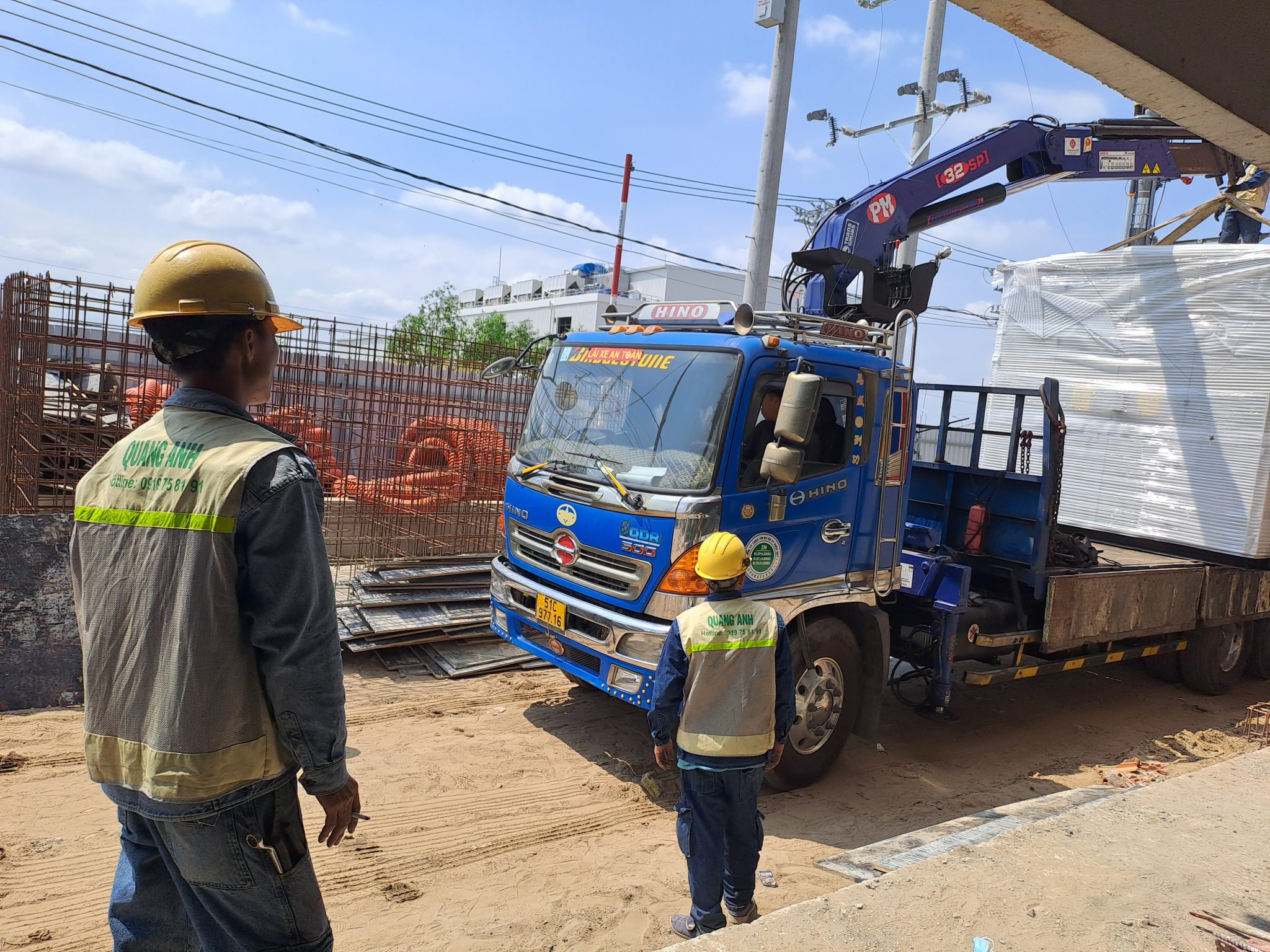
Cost and downtime primarily depend on fault type, transformer capacity, dismantling level, and post-repair testing needs.
Field assessment crucially distinguishes minor and major overhauls: annual minor maintenance typically involves surface cleaning, bolt tightening, and oil testing, while major overhauls (usually first after a 10–12 year cycle) involve core extraction, oil drainage, coil checks, and core drying. Expanded dismantling increases workforce needs, lifting equipment, safety operations, and assembly time, extending labor cost and downtime from weeks to months.
| Stage | Cost Impact | Field Signs / Checks |
|---|---|---|
| Fault Type | Decides dismantling levels, work scope, and labor hours | Oil leaks, local heating occurrences, oil test results |
| Transformer Capacity | Larger machines need more auxiliary part dismantling, increased time and transportation costs | Weight, size, cooling system separability |
| Dismantling Extent | Direct impact on labor, lifting equipment, and core drying | Requirements for oil drainage, coil checks, dry/moisture treatments |
| Replacement Parts | Dielectric oil, seals, bolts, insulation materials significantly affect component costs | Oil physical-chemical results, seal elasticity, insulator state |
| Post-repair Testing Needs | Extra costs for dielectric, oil physical-chemical checks, and documentation | High-voltage, low-voltage-ground insulation tests, oil sample analysis |
| Safety Protocols | Increased preparation time due to source disconnection, switch lockout, and preventive measures | Shutdown preparation time, approval procedures, block/lockout |
Finalize estimates require specific information collection; key decision criteria include:
- Current oil and insulation test results — if indicators fail, oil or insulation material need replacement.
- Field surveys regarding capacity, equipment access, and auxiliary systems (cooling, auxiliary tanks, insulators).
- Anticipated dismantling scope: core removal or surface maintenance only.
- Replacement components list based on test results and physical condition (seals, bolts, cooling fans, insulators).
- Machine outage schedule and safety-sourced protocols — such procedures often increase preparation time.
Operational caution: power disconnection and switch lockout are mandatory and extend preparation time; core drying and oil processing can notably extend downtime, potentially stretching weeks to months based on depth. Test result documentation condition fulfillment for re-energization timing and acceptance completion is essential.
Final estimate compilation becomes feasible post-field survey and test result analysis; estimates should clearly state dismantling scope, replacement list, and projected project duration to preclude unforeseen cost escalation.
A robust repair plan should begin with accurate diagnostics, clear damage scope, and re-energization only after necessary testing completion. If the transformer condition surpasses economic repair thresholds or poses long-term operational risks, comprehensive replacements or upgrades should be considered instead of interim fixes.
Frequently Asked Questions
Does oil leakage in transformers necessitate immediate shutdown?
Not always immediate — decisions depend on leakage rate, oil level, insulation impact, and safety risks. Minor leaks not reducing oil or contaminating dielectric can allow temporary operation under close monitoring and oil retention measures. Speed, level, and oil test results are essential for decision accuracy.
Is transformer repair best on-site or at the workshop?
Depending on fault extent and work scope: minor repairs, component alterations, and oil filtering/replacement can be field-done; core removal, coil repair, or major drying often require workshop facilities. Knowing fault types, accessibility, safety conditions, and downtime allows informed choices.
What tests must be conducted post-transformer repair before re-energization?
Pre-energization checklist includes: visual, oil level, and quality inspections (physical–chemical analysis), insulation resistance measurements, transformation ratio and short circuit impedance testing, relay protection checks, switch and tap changer actions, and earthing verifications. Test results confirm safe power restoration.
When to repair, when to replace transformers?
Repair is feasible when isolated faults are recoverable and core and insulation are reusable. Replacement is advisable for extensively coil-damaged, irrecoverable insulation, high device age, or significant operational risk developments. Age data, oil/DGA results, coil conditions, and cost estimations guide decisions.
Is overheating without protective trip hazardous?
Overheating without trip remains a risk: accelerates insulation aging and may cause internal failure. Common causes are overloading, fan malfunctions, or sensor inaccuracies; protection misconfiguration is possible. Assess temperature, trend, load, cooling systems, and protection settings for diagnosis.
What documentation is typically needed for transformer repair acceptance?
Prepare: status survey report, repair plan, work log, replacement material list and certifications, post-repair test reports (insulation, transformation ratio, oil analysis), updated drawings/notes, and safety acceptance before re-energizing. Follow EVN/TCVN regulations when necessary.
Handling Suspected Transformer Issues
- Document all abnormalities such as temperature, noise, burnt smell, oil leaks, or protective triggers.
- Isolate equipment according to electrical safety protocols and only inspect under safe conditions.
- Survey external status, accessories, dielectric oil, and connections to scope damage.
- Perform appropriate tests and checks for suspected level to determine main cause.
- Plan repair or replacement based on fault severity and plant operational needs.
- Conduct acceptance testing post-repair before re-energization and carefully monitor initial operation phase.
If the plant experiences unusual transformer behavior or requires safe repair planning, early status survey is vital to accurately assess damage, work scope, and testing requirements before deciding on power shutdown.
[contact-form-7 id="7239967" title="Contact form 1"]
Related Posts
Substation Solutions for Factories: Investing and Implementation Strategies
Overview of factory substations: when to invest, key components, execution processes, documentation, and selecting the [...]
Apr
Transformer Repair in Ho Chi Minh City: When Immediate Action Is Required
Discover signs of transformer damage, diagnostic methods, on-site handling processes, and criteria for selecting repair [...]
Apr
Transformer Repair: Process, Diagnosis, and Decision-Making
Hướng dẫn sửa chữa máy biến áp cho nhà máy: nhận biết dấu hiệu hỏng, [...]
Apr
24-Hour Transformer Repair: Efficient Solutions and Reliable Power Restoration
Khung xử lý sửa chữa máy biến áp 24h cho nhà máy: nhận biết sự [...]
Apr
Common Mistakes in Transformer Station Construction Leading to Extra Costs
Các sai lầm khi làm trạm biến áp thường không nằm ở một hạng mục [...]
Apr
Comprehensive Guide to Acquiring Used Transformers
Góc nhìn kỹ thuật về thu mua TBA cũ: cách đánh giá hiện trạng, hồ [...]
Apr
Comprehensive Transformers Maintenance for Industrial Plants
Tổng quan dịch vụ bảo trì trạm biến áp nhà máy: lịch bảo dưỡng, thí [...]
Apr
Transformers: Assessing and Safely Handling Used Transformers
Khung đánh giá máy biến áp cũ theo tình trạng kỹ thuật, dầu cách điện, [...]
Apr
How Proactive Transformer Maintenance Minimizes Business Risks
Nhìn từ góc độ vận hành nhà máy, bảo trì chủ động trạm biến áp [...]
Apr
Comparing Oil and Dry Transformers in Industrial Projects
Distinguish between oil and dry transformers based on installation site, safety, maintenance, energy losses, initial [...]
Mar
Electrical Overload Warning Signs in Factories
Recognize early indicators of factory electrical overload such as voltage drops, overheating equipment, circuit breaker [...]
Mar
Risks of Overloading Industrial Transformers Without Upgrades
Keeping the same low-voltage transformer while increasing factory loads can result in overheating, insulation degradation, [...]
Mar
Evaluating and Implementing Transformer Contractors in Tay Ninh
Criteria for selecting transformer substation contractors in Tay Ninh, EPC scope, and factors affecting project [...]
Mar
Comparing Oil and Dry Transformers for Industrial Applications
Examine oil and dry transformers based on installation location, fire safety, maintenance, energy loss, investment [...]
Mar
Comprehensive 1500kVA Transformer Station Budget for Manufacturing Facilities
Guidance for creating a detailed budget list for a 1500kVA transformer station, including medium voltage [...]
Mar
Comprehensive Transformer Station Pricing: Elements and Considerations
Examine key components in comprehensive transformer station pricing including design, equipment, construction, testing, and connection [...]
Mar
Pricing Guide for 4000kVA Transformer Stations: Configuration, Cost, and Investment Process
An overview of configuration, cost estimates, connection approaches, and investment checklists for 4000kVA transformer stations [...]
Mar
Pricing and Setup of 3200kVA Transformer Stations: Configuration, Costs, and Investment Procedure
Explore the pricing structure for a 3200kVA transformer station, primary equipment configuration, cost variables, EVN [...]
Mar
Cost Estimation for 2500kVA Transformer Station: Configuration, Expenses, and Investment Process
Reference framework for quoting a 2500kVA transformer station based on configuration, station type, cable solutions, [...]
Mar
2000kVA Transformer Station Guide: Configuration, Costs, and Investment Process
Discover key aspects of a 2000kVA transformer station: from technical configuration and cost analysis to [...]
Mar