

- Detect early signs indicating the need for transformer inspection before continuing operation.
- Distinguish between cases that can be repaired on-site and those requiring specialized handling.
- Understand the survey process, source isolation, testing, and safe operational recovery.
- Identify factors affecting repair timelines and work scope in HCMC.
- Use realistic criteria to choose a suitable technical service for a factory or project.
- Investors and plant management dealing with irregular transformer operations.
- Electrical maintenance teams evaluating damage levels before calling for service.
- Technical managers or EHS personnel managing operations in HCMC needing quick but careful handling.
When should you read this article?
- The transformer shows unusual heat, oil leaks, burnt smells, strange noises, or protective tripping.
- Deciding between repair, significant maintenance, or replacing a transformer.
- Preparing for service engagements and wanting clarity on field steps, documentation, and risks.
- 1. Common Tasks Handled by Transformer Repair Services in HCMC
- 2. Warning Signs Needing Immediate Inspection Before Widespread Failure
- 3. Diagnosing the Cause Before Choosing Between Repair or Replacement
- 4. Steps for On-Site Transformer Repairs for Factories
- 5. Frequent Mistakes That Increase Risk and Prolong Downtime
- 6. How to Select a Reliable Transformer Repair Service in HCMC
If a transformer shows oil leaks, overheating, burnt smells, or protective activation, a delayed response may lead to damage spreading to switchgear, cables, and downstream loads. For those needing transformer repairs in HCMC, the priority isn’t just a fast service call but rather assessing the severity of the issue, intervention scope, and safe operational recovery.
Common Tasks Handled by Transformer Repair Services in HCMC
Determine work scope, including on-site repairs, major maintenance, or extending treatment to the entire substation and related connections, based on field surveys.
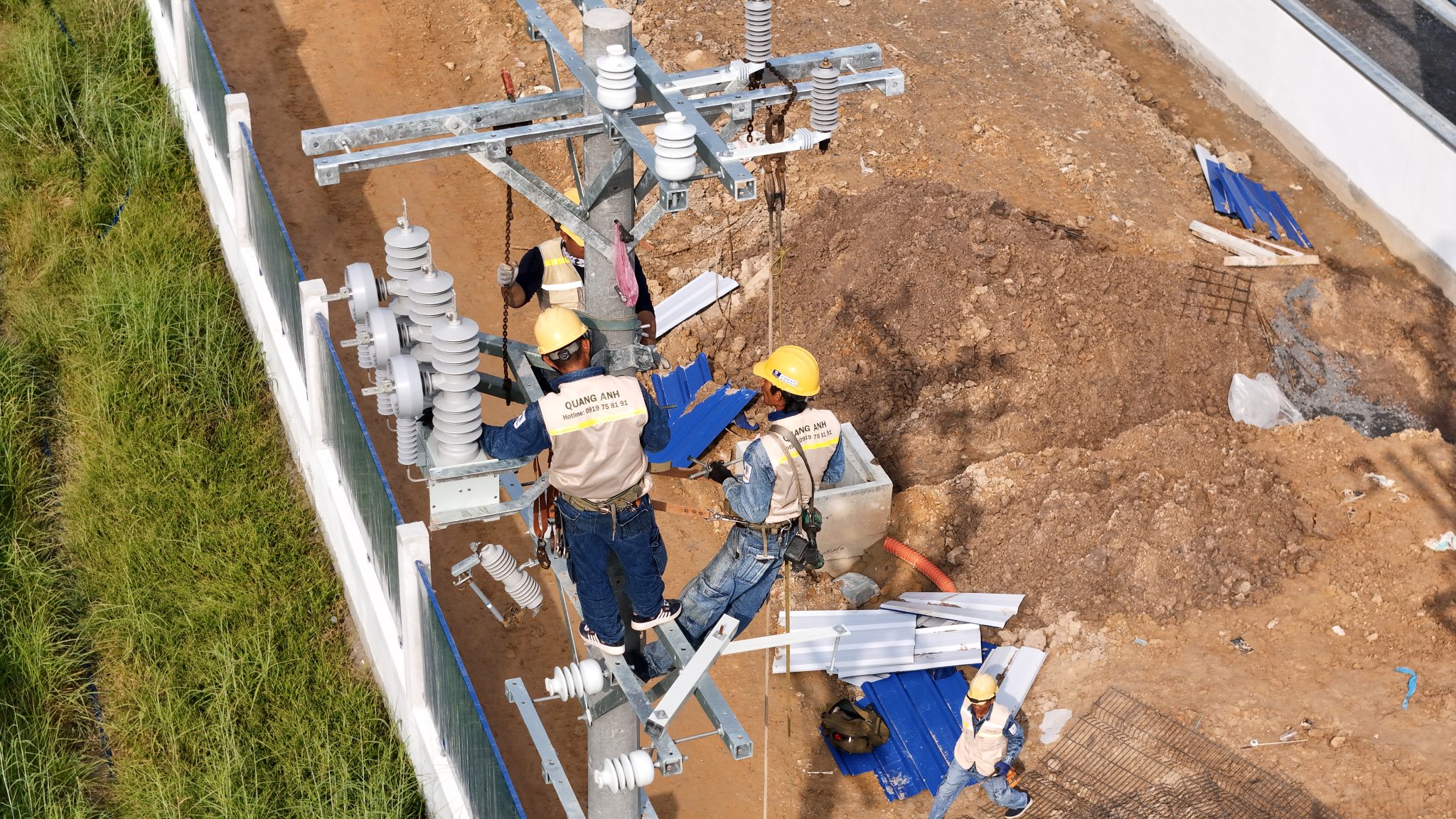
Repair services for transformers in HCMC typically address main tasks such as on-site repairs, major maintenance, and necessary extensions to handle the entire substation alongside related network connections.
The actual scope is decided after a field survey; technicians generally evaluate the equipment’s condition, classify it as minor or major repair, and decide whether to extend interventions into the station or network links to ensure safe, continuous operations.
Common tasks include:
- On-Site Repairs — addressing localized issues without major disassembly; the criteria for on-site checks involve identifying causes, evaluating operational risks, and assessing the possibility for temporary restoration.
- Major Maintenance — tasks that require time and specialized equipment; on-site criteria include determining disassembly scope, testing requirements post-repair, and machine shutdown conditions.
- Expanding Substation Handling — when issues exceed single-unit limits affecting the system; on-site criteria involve connection checks, interaction with network equipment, and system isolation needs.
- Related Network Connections — adjusting or restoring connections between the machine and the grid; on-site criteria cover contact condition assessments and noting points in need of validation.
Decisions to expand the scope depend on field survey results; detection of insulation or connection risks necessitates halting operations and planning isolation before proceeding, considering additional validation requirements based on model and operational conditions.
Recommendation for next steps: arrange for a detailed field survey to categorize tasks into on-site repairs or major maintenance and clearly define the station/network connection handling scope before quoting and planning construction.
Warning Signs Needing Immediate Inspection Before Widespread Failure
Identify thermal anomalies, oil leaks, burnt smells, or unusual noises to decide on operation suspension and urgent inspection before wider damage occurs.
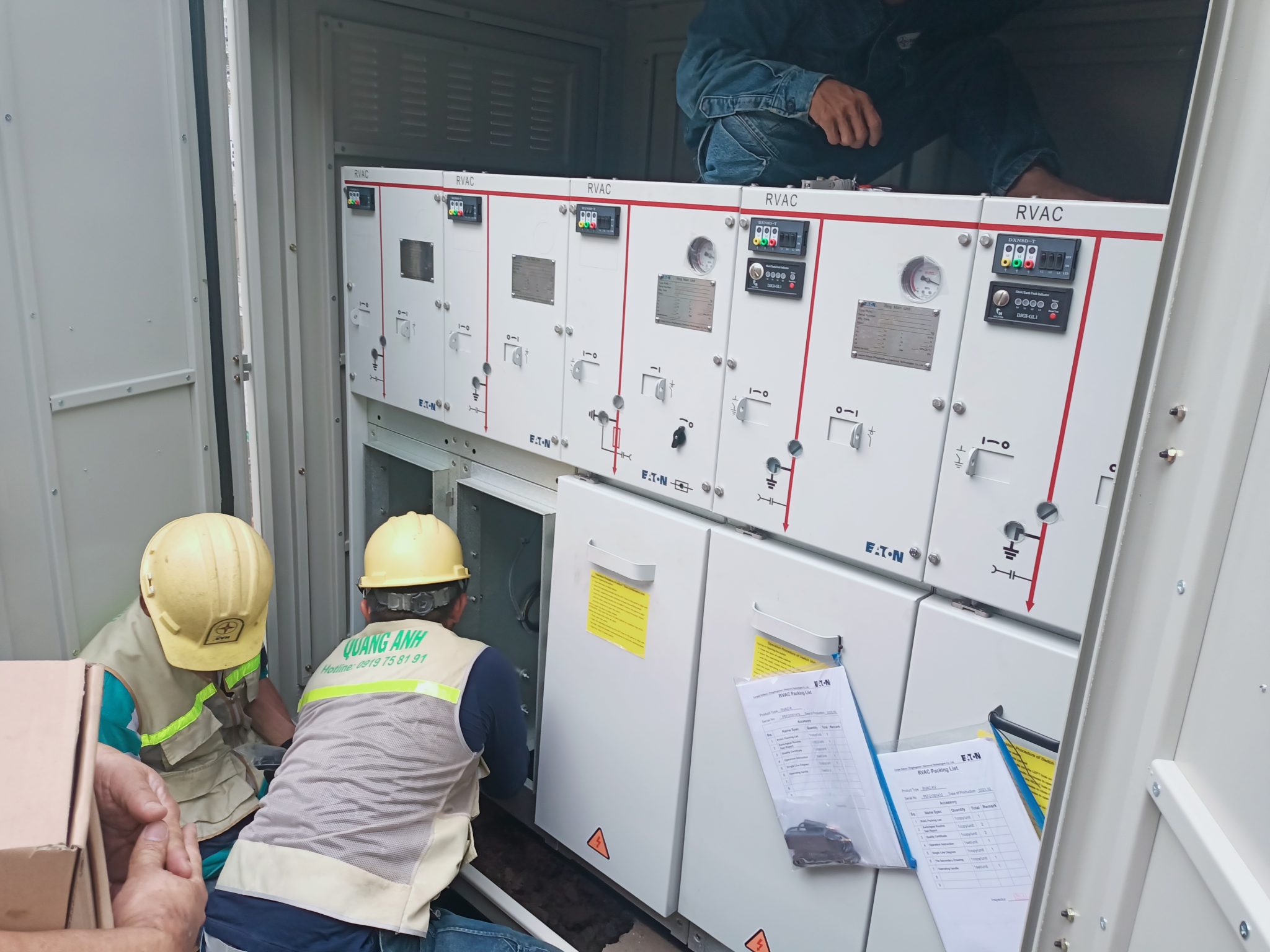
When encountering unusual heat, oil leaks, burnt odors, or protection actions, suspend operations and initiate an urgent inspection.
The mentioned signs usually indicate early issues with insulation, oil leakage, or overheating; in a practical factory setting, swiftly pinpoint the location and extent of spread before resuming operation.
Basic on-site checks should immediately record:
- Observe oil streaks around the machine body, oil neck, and connections; assess flow direction and whether oil is dripping or collecting on the floor.
- Record burnt odors in enclosures or around the machine; distinguish between oil and insulation burn odors, pinpointing the strongest detection area.
- Notate unusual noises like whining, rattling, or cracking; consider load conditions and occurrence times during operation.
- Inspect the status of protection devices and relays: any activation, error indications, or automatic disconnection signals require immediate investigation.
- Evaluate temperature changes relative to normal states; any sudden heat increase should be considered a risk.
Decisions to cease operations should be considered with the presence of a severe sign or when multiple signs appear simultaneously; during maintenance, if the field shows continuous oil flow, distinct burn smells, or persistent protective actions, switch to urgent inspection mode immediately.
Operational warning: avoid patchwork fixes on-site if there’s no safe electrical and fire prevention measure; any actions on equipment showing oil leaks or overheating must have isolation and supervision protocols.
At the conclusion of initial records, plan for a detailed site survey by the technical team and prioritize safety measures before bringing equipment back online.
Diagnosing the Cause Before Choosing Between Repair or Replacement
Evaluating current conditions and diagnosing transformer faults through site observation, electrical testing, oil examination, and operational risk analysis.
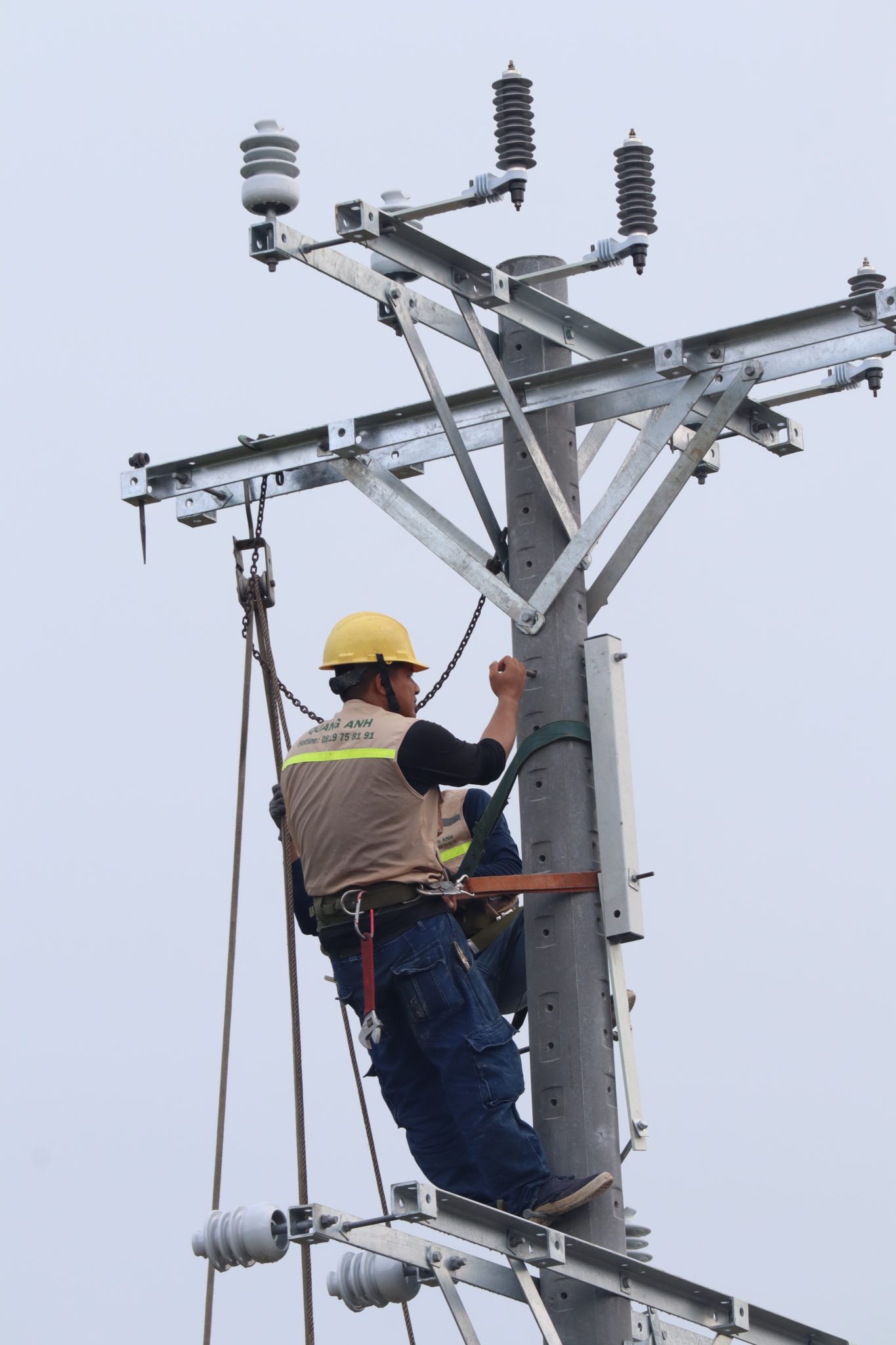
Choosing between repairing, overhauling, or replacing transformers requires a comprehensive evaluation, including visual assessment, electrical testing, oil examination, and operational risk analysis.
During a plant survey, start with field inspections: oil leaks, transformer casing deformation, burnt smells, or hot spots on casing and cabinets. Proceed with basic electrical measurements to assess continuity, winding resistance, and insulation tests; use thermal imagery to detect hotspots when the transformer is operational. Draw oil samples for lab analysis to check for moisture, dissolved gas, and signs of insulation degradation; conclusions are often formed based on these combined results.
Typical inspection procedures generally follow this sequence:
- Visual inspection: identify oil leaks, burn marks, mechanical deformations, and signs of melting.
- Electrical inspection: measure winding resistance, conduct insulation tests, and compare electrical behavior with mechanical condition (depending on model and operational conditions).
- Oil analysis: sample extraction following field procedures, test for moisture, dissolved gases, and insulation deterioration indicators to assess decomposition level.
| Item | Description | Inspection Points |
|---|---|---|
| Visual | Field observation and casing structure | oil leaks, burn marks, deformations |
| Electrical Test | Measure resistance and insulation tests | winding resistance, hotspot detection |
| Oil Analysis | Sampling and lab testing | moisture, dissolved gases, insulation degradation |
Deciding on repair or replacement should consider operational risks and defect extent; if issues are localized and insulation remains intact, in-depth repair could be viable. Conversely, extensive damage, oil and test results indicating comprehensive deterioration, or high fire risks may warrant overhauling or replacing the equipment. During maintenance, evaluate machine shutdown capabilities, safety during construction, and production impact before deciding.
A detailed field survey and inspection report is needed as a decision-making basis for repair/overhaul/replacement, alongside determining post-intervention testing steps.
Steps for On-Site Transformer Repairs for Factories
On-site transformer repair procedures include surveys, source isolation, safety checks, malfunction handling, testing, and operational recovery.
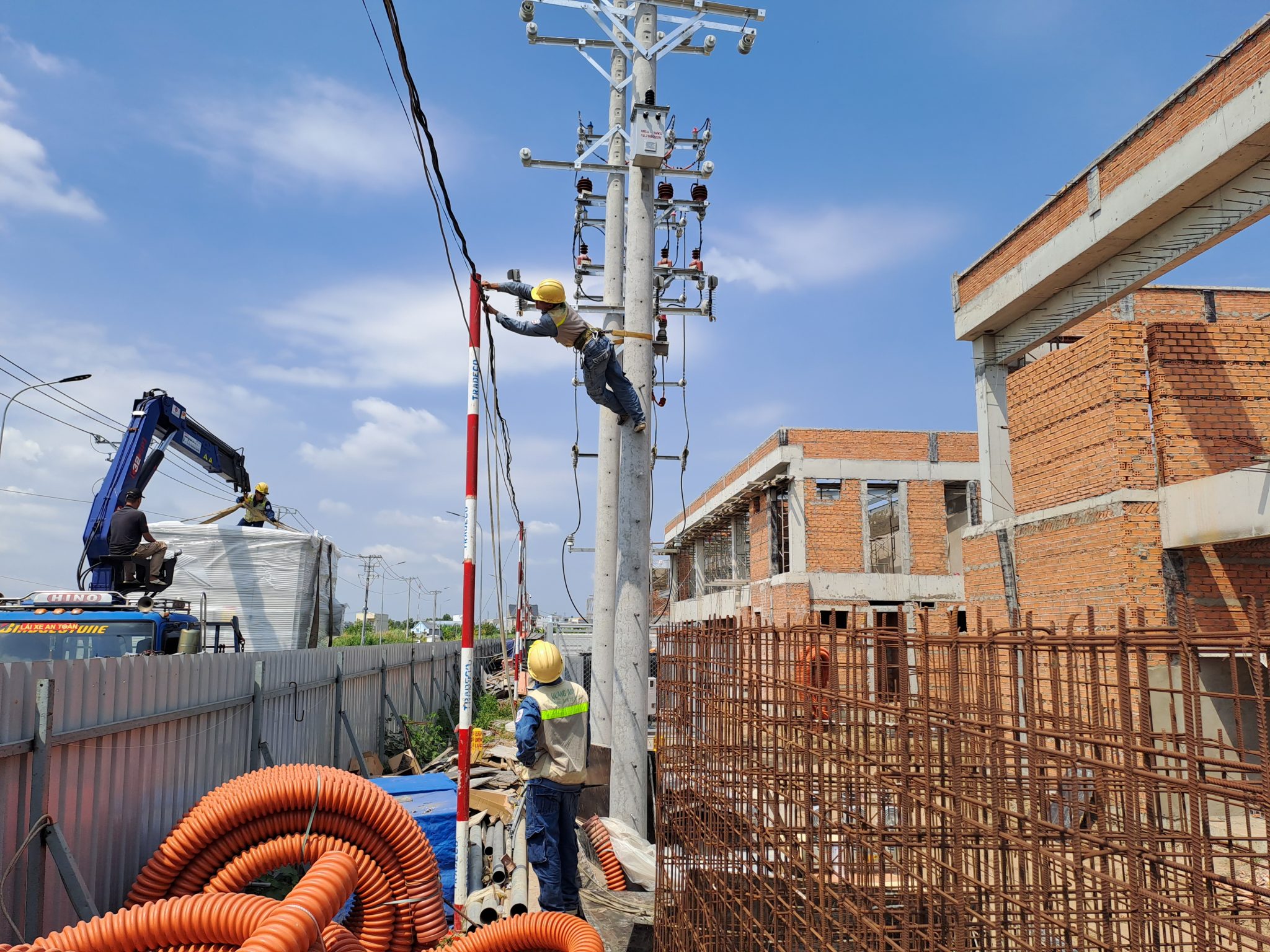
The on-site transformer repair process typically starts with field surveys, followed by power isolation, safety evaluations, malfunction correction, testing, and operational recovery.
In practice, main steps according to the actual plant generally follow a sequential order that can be adjusted according to model and operational conditions.
- Field Survey: record mechanical conditions, leakage or burn signs, access points, and operational information; inspection points include casing condition, oil level, and anomalies noted during plant surveys.
- Isolation and Safety Deployment: implement source disconnection per schematic, lock/tag procedures, and preventive measures; during maintenance, confirm isolation status before entering the work area.
- Pre-Repair Check: inspect electrical connections and mechanical basics, assess damage levels to decide intervention scope; inspection points include cable head contacts, overheating signs, or mechanical deformations.
- Malfunction Correction: conduct electrical and/or mechanical repairs per defined scope, replace components as needed; this step requires coordination with device documentation and depends on model and operational conditions.
- Post-Repair Testing: carry out functional and insulation tests before validation; inspection points include achieving required operational test outcomes.
- Operational Restoration and Monitoring: lift isolation, initiate trial operation mode, and monitor parameters during initial shifts; record validation documents for future references.
Beyond the outlined sequence, two practical decisions require attention:
- If undetermined risks are found during plant surveys, maintain equipment in isolated status and widen inspection scope before repairs.
- Before reconnecting power, ensure comprehensive test data and validation documentation is available; if results are unclear, delay restoration and organize supplementary checks.
At the end of the process, site reports and test files form the foundation for assessing repair efficiency and deciding on further monitoring while serving as reference material for subsequent maintenance cases.
Frequent Mistakes That Increase Risk and Prolong Downtime
Hasty decisions like re-energizing without verification, temporarily patching oil leaks, or skipping connection inspections often increase risks and extend downtimes.
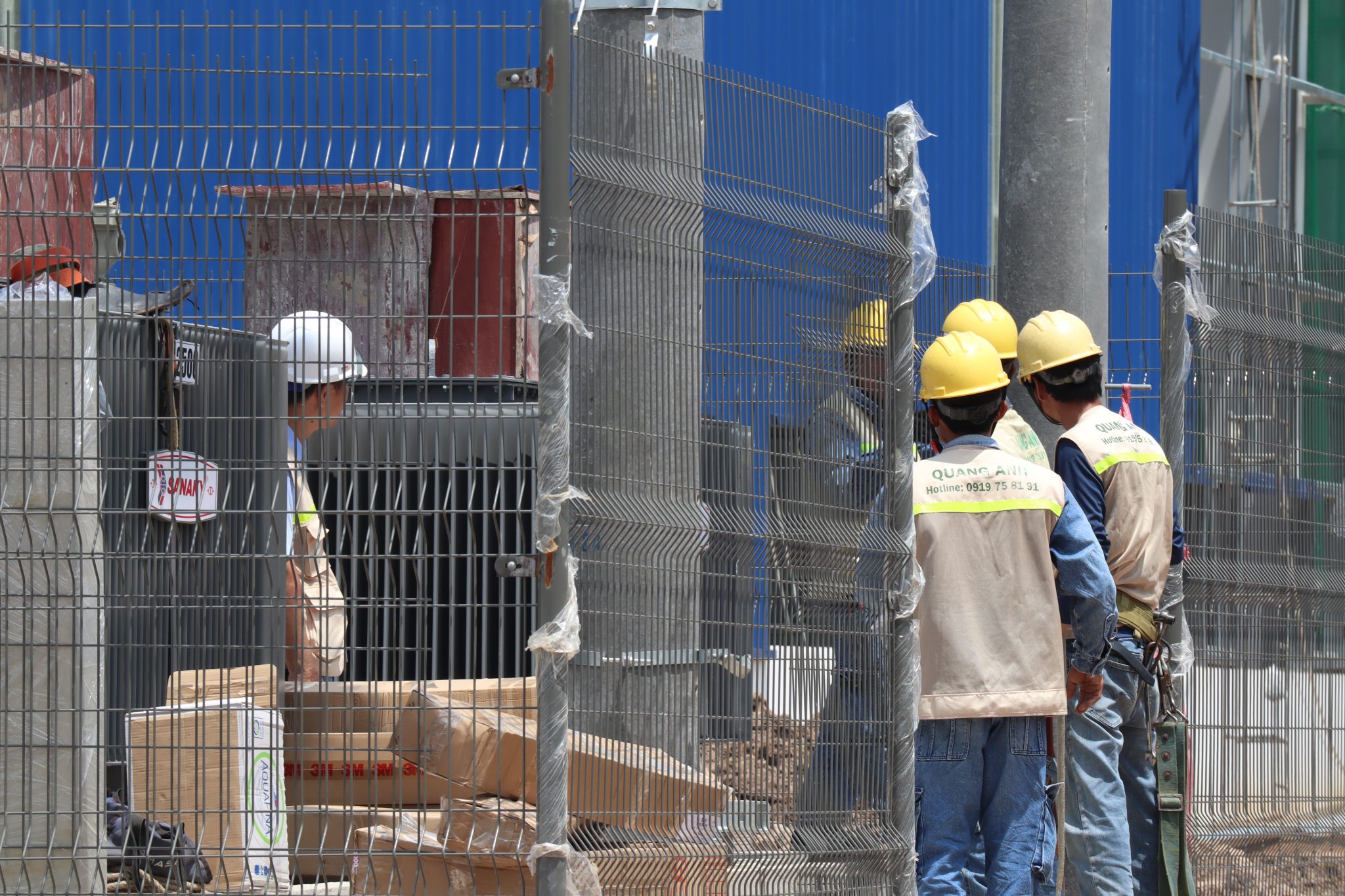
Common errors during transformer fault management involve re-energizing before verifying causes, addressing oil leaks with temporary fixes, or bypassing related connection inspections.
These actions on-site usually lead to recurring faults and extended downtimes, as fundamental issues remain unresolved. During maintenance, verify damage levels before reinstating the system, depending on model and operational conditions.
- Re-energizing without Verification: decisions to re-energize immediately post-repair without thoroughly inspecting all connections and system status often lead to recurrent faults; validation/ trial stages require condition confirmation.
- Temporary Oil Leak Fixes: temporary solutions may obscure root causes; during plant surveys, reassess oil leakage origins and plan for definitive repairs.
- Omitting Connection Inspections: related network connections are often weak points; during maintenance, ensure tightness, heat signs, or leaks are thoroughly checked before declaring the issue resolved.
Operational caution: if any doubt remains about causes or lacking connection inspections, avoid fully resuming machine operations; hasty actions may exacerbate damage and prolong recovery times.
Light conclusion: prioritize field surveys, prepare minimal checklists before re-energizing, and plan for definitive repairs of leaks; a reasonable next step is organizing validation evaluations per operational status and conditions.
How to Select a Reliable Transformer Repair Service in HCMC
Select repair contractors based on survey capacity, electrical safety, testing capability, and compatibility with current plant conditions, not just quick feedback.
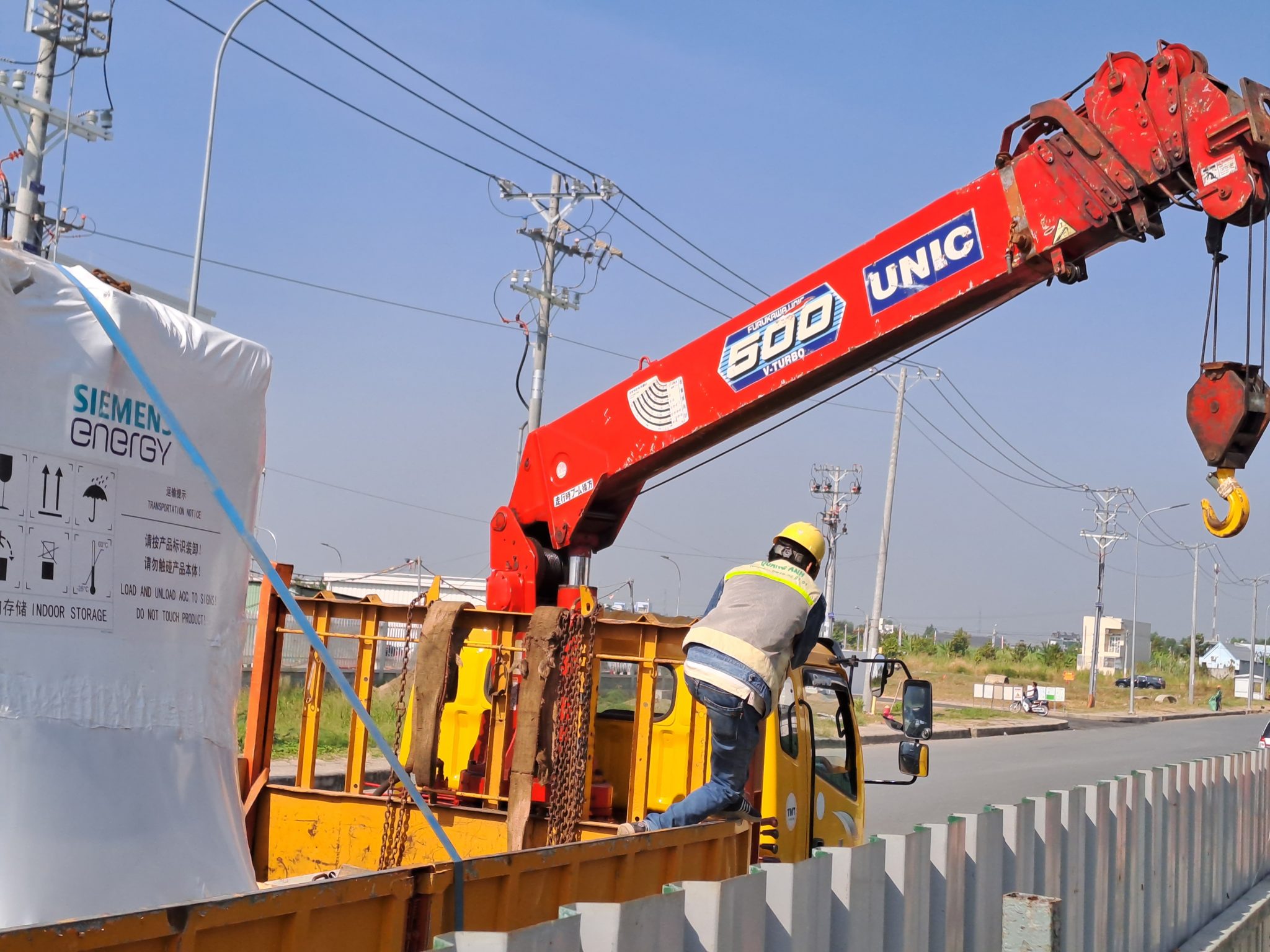
Choosing a repair service provider in HCMC involves considering survey competence, electrical safety aspects, and testing capabilities. Additionally, evaluate their fit to current plant conditions before finalizing scope.
In the field, contractors must demonstrate survey competence and testing methods; verify electrical safety protocols upon entering the station. During maintenance or plant surveys, the presence of dedicated survey teams and measurement/testing proposals indicates practical capability.
Below is a summary table of main criteria and field verification signs for comparing contractors technically and cautiously.
| Criteria | Field verification / signs |
|---|---|
| Survey Competence | Clear survey proposals, plant survey schedules, ability to deliver status reports (verification requires on-site surveys). |
| Electrical Safety | Safety protocols entering stations, isolation/lockout procedures, compliance with on-site safety rules during maintenance. |
| Testing Capability | Ability to conduct on-site testing or coordinate testing samples; disclose test equipment and trial scope (depend on model and operational conditions). |
| Suitability for Plant Conditions | Technical solutions compatible with existing configurations, construction proposals that match production cycles, and machine downtime. |
Operational warning: if a contractor relies solely on quick feedback without proposing on-site surveys or clarifying electrical safety plans, exercise caution in entrusting them with tasks. In many cases, hands-on surveys are mandatory to prevent scope creep and operational risks.
Next steps: request a plant survey schedule and detailed technical proposal before comparing quotes to decide on a suitable contractor.
Effective transformer repair starts with accurate diagnostics and selecting an approach that matches the actual damage level. If the equipment shows irregularities, prioritize field surveys, isolate risks, and critically assess before choosing to repair, overhaul, or replace.
Frequently Asked Questions
Should an oil-leaking transformer be stopped immediately?
Principle: if leaking is combined with overheating, burnt smells, noises, or protective actions, cease operation and isolate immediately. For minor leaks without operational changes, safely monitor the leak’s speed and location, checking oil to decide the next steps.
When should transformers be repaired on-site, and when should they go for specialized attention?
On-site repairs suit external issues like valves, gaskets, surface oil leaks, or simple parts replacements. Specialized attention is necessary for suspected internal damages (coil, core, insulation) or when tests reveal internal issues. Use DGA results, oil tests, and coil checks for decisions.
How long does transformer repair typically take in HCMC?
Time varies greatly by scope: initial surveys typically take a few hours to a day; on-site repairs range from hours to a few days; overhauls or removing for specialized treatment can extend due to logistics and waiting for parts. Estimate accurately based on damage extent, parts needed, and access conditions.
Is retesting necessary before re-energizing a transformer after repairs?
Yes. Prior to re-energizing, conduct at least functional and safety tests: insulation testing, winding resistance checking, oil examination if relevant, and connection/switchgear reviews. For significant repairs, add specialized tests per survey findings. If data is missing, request a specific test list from the contractor.
What documents or information should be prepared before calling a technical service?
Prepare: transformer specifications (power, voltage, type), connection diagram, maintenance and incident history, current condition photos, symptom descriptions, previous test results if available, access conditions, and operational constraints. This information aids contractors in quick assessments and forming solutions.
Should an old transformer continue to be repaired or replaced?
Decisions hinge on technical condition, remaining risk, and economics. If significant internal damages, deteriorated insulation, or repair costs near replacement expenses arise, opt for replacement. Evaluate device age data, insulation/DGA test results, estimated repair costs, and risk assessment to choose.
Initial Steps for Handling Suspected Transformer Failures
- Note abnormal phenomena: temperature, noise, smell, oil leaks, protection actions.
- Assess risk levels to decide on continued monitoring or device isolation.
- Prepare machine basics and recent incident history if available.
- Request a technical service for field surveys and comprehensive diagnostics.
- Conduct tests, diagnosis, and finalize repair or replacement plans.
- Reassess safety conditions and trial operation before reloading.
If your technical team in HCMC requires checking transformer status, initiate a field survey and risk assessment to finalize an appropriate handling approach.
[contact-form-7 id="7239967" title="Contact form 1"]
Related Posts
Substation Solutions for Factories: Investing and Implementation Strategies
Overview of factory substations: when to invest, key components, execution processes, documentation, and selecting the [...]
Apr
Transformer Repair in Ho Chi Minh City: When Immediate Action Is Required
Discover signs of transformer damage, diagnostic methods, on-site handling processes, and criteria for selecting repair [...]
Apr
Transformer Repair: Process, Diagnosis, and Decision-Making
Hướng dẫn sửa chữa máy biến áp cho nhà máy: nhận biết dấu hiệu hỏng, [...]
Apr
24-Hour Transformer Repair: Efficient Solutions and Reliable Power Restoration
Khung xử lý sửa chữa máy biến áp 24h cho nhà máy: nhận biết sự [...]
Apr
Common Mistakes in Transformer Station Construction Leading to Extra Costs
Các sai lầm khi làm trạm biến áp thường không nằm ở một hạng mục [...]
Apr
Comprehensive Guide to Acquiring Used Transformers
Góc nhìn kỹ thuật về thu mua TBA cũ: cách đánh giá hiện trạng, hồ [...]
Apr
Comprehensive Transformers Maintenance for Industrial Plants
Tổng quan dịch vụ bảo trì trạm biến áp nhà máy: lịch bảo dưỡng, thí [...]
Apr
Transformers: Assessing and Safely Handling Used Transformers
Khung đánh giá máy biến áp cũ theo tình trạng kỹ thuật, dầu cách điện, [...]
Apr
How Proactive Transformer Maintenance Minimizes Business Risks
Nhìn từ góc độ vận hành nhà máy, bảo trì chủ động trạm biến áp [...]
Apr
Comparing Oil and Dry Transformers in Industrial Projects
Distinguish between oil and dry transformers based on installation site, safety, maintenance, energy losses, initial [...]
Mar
Electrical Overload Warning Signs in Factories
Recognize early indicators of factory electrical overload such as voltage drops, overheating equipment, circuit breaker [...]
Mar
Risks of Overloading Industrial Transformers Without Upgrades
Keeping the same low-voltage transformer while increasing factory loads can result in overheating, insulation degradation, [...]
Mar
Evaluating and Implementing Transformer Contractors in Tay Ninh
Criteria for selecting transformer substation contractors in Tay Ninh, EPC scope, and factors affecting project [...]
Mar
Comparing Oil and Dry Transformers for Industrial Applications
Examine oil and dry transformers based on installation location, fire safety, maintenance, energy loss, investment [...]
Mar
Comprehensive 1500kVA Transformer Station Budget for Manufacturing Facilities
Guidance for creating a detailed budget list for a 1500kVA transformer station, including medium voltage [...]
Mar
Comprehensive Transformer Station Pricing: Elements and Considerations
Examine key components in comprehensive transformer station pricing including design, equipment, construction, testing, and connection [...]
Mar
Pricing Guide for 4000kVA Transformer Stations: Configuration, Cost, and Investment Process
An overview of configuration, cost estimates, connection approaches, and investment checklists for 4000kVA transformer stations [...]
Mar
Pricing and Setup of 3200kVA Transformer Stations: Configuration, Costs, and Investment Procedure
Explore the pricing structure for a 3200kVA transformer station, primary equipment configuration, cost variables, EVN [...]
Mar
Cost Estimation for 2500kVA Transformer Station: Configuration, Expenses, and Investment Process
Reference framework for quoting a 2500kVA transformer station based on configuration, station type, cable solutions, [...]
Mar
2000kVA Transformer Station Guide: Configuration, Costs, and Investment Process
Discover key aspects of a 2000kVA transformer station: from technical configuration and cost analysis to [...]
Mar