

- Decreases the likelihood of sudden electricity cuts disrupting production lines.
- Identifies early signs of transformer, medium-voltage cabinet, and protection system deterioration before major failures occur.
- Reduces emergency repair costs, large-scale equipment replacement, and losses due to downtime.
- Integrates maintenance plans with electrical safety, testing records, and conditions for re-energization after intervention.
- Establishes criteria for deciding when to continue maintenance, upgrade, or revamp the station.
- Ideal for factories needing reliable power supply and avoiding prolonged operational risks.
- Investors and plant management operating private transformer stations.
- Technical, electrical maintenance, and EHS departments responsible for power reliability.
- Businesses facing pressure to reduce downtime and avoid medium-voltage electrical incidents.
When to Read?
- When the transformer has been operational for a while but lacks a clear proactive maintenance plan.
- When signs of overload, unusual transformer oil, protection action, or local power outages appear.
- When comparing periodic maintenance, predictive maintenance, and emergency repairs.
- When preparing maintenance budgets or considering transformer station upgrades.
- 1. The Real Risks Businesses Face Without Proactive Transformer Maintenance
- 2. Early Warning Signs in Transformers, Medium-Voltage Cabinets, and Protection Systems
- 3. Proactive Maintenance Tasks to Mitigate Root Cause Failures
- 4. Field Maintenance Procedures to Reduce Unplanned Power Outages
- 5. When to Continue Maintenance or Opt for Upgrades and Revamps
- 6. Factors Determining Proactive Maintenance Costs
In factories with continuous loads, transformers do more than just supply electricity; they are key to maintaining production stability. Proactive maintenance helps businesses identify risks early, address them before they escalate, and avoid critical power shutdowns at sensitive times.
The Real Risks Businesses Face Without Proactive Transformer Maintenance
The cost of proactive maintenance is often lower than the risks posed by power outages, cascading failures, fires, and urgent mitigation efforts for transformers.
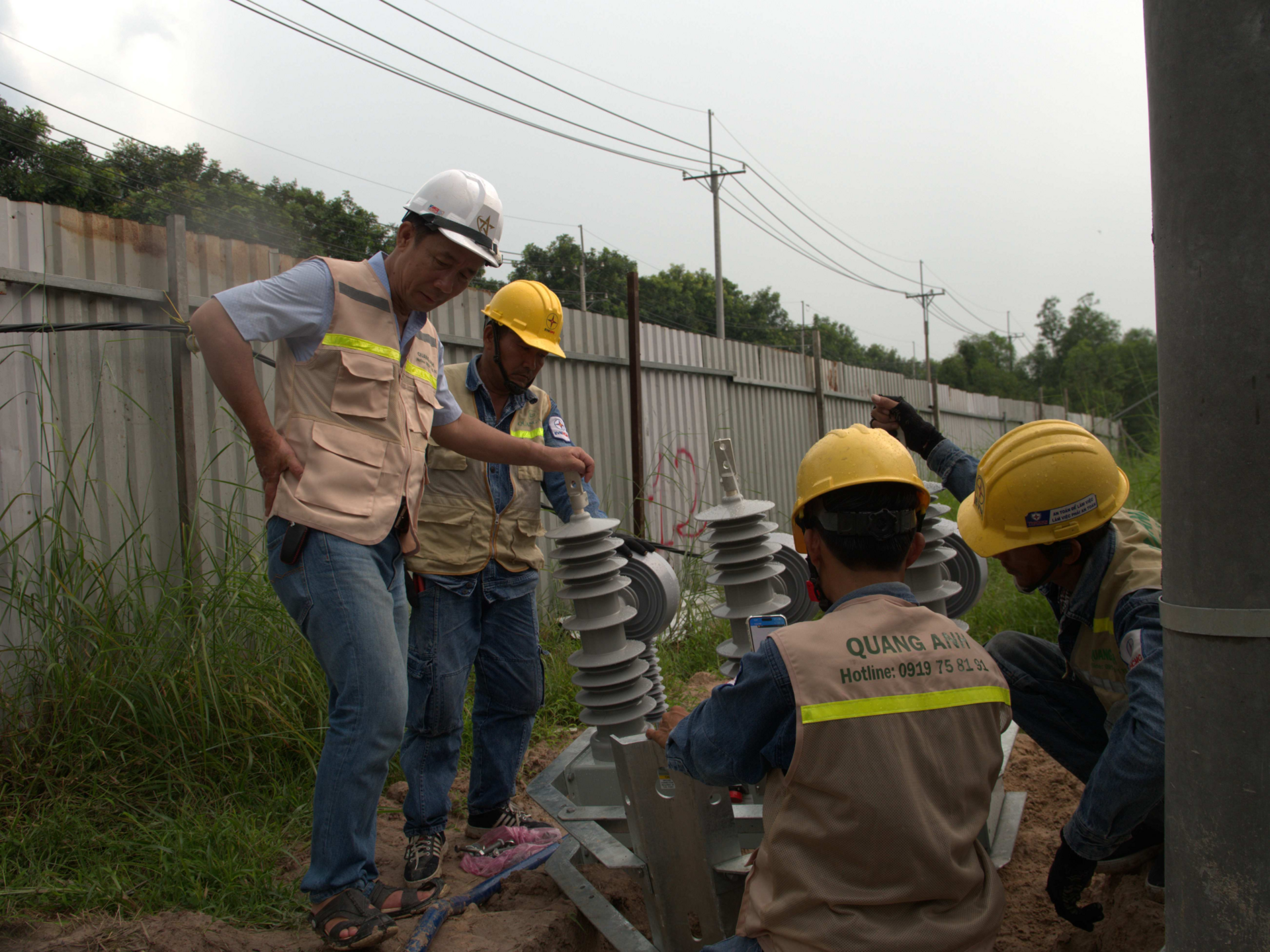
Skipping proactive transformer maintenance increases the risk of sudden power cuts, cascading equipment failures, fires, and reduces the overall lifespan of the station.
In the field, many warning signs can be observed or measured during plant inspections: a burnt smell or light smoke near the machine room, burn marks on insulating porcelain, bubbly or leaking transformer oil, and abnormal surface temperature detected by thermal imaging during maintenance shifts.
Main risks include:
- Sudden power loss disrupting production; field criteria: monitor phase loss events, voltage fluctuations, and relay trip history.
- Cascading equipment damage from transformers to switching gear and loads; field criteria: check connections, coil resistance, and insulation conditions.
- Fires due to poor insulation or overload; field criteria: detect arcs, charring, or burning smells and isolate immediately.
- Reduced equipment lifespan from accumulated wear; field criteria: maintenance records, water/oil levels, and oil analysis indicators (if available).
- Increased energy wastage due to poor efficiency; field criteria: compare material loss and load current with operational records.
- Operational pressure post-disaster, including urgent inspections and fast repairs; field criteria: response time, available manpower, and spare parts stock.
- Risk of power disconnection from utilities if periodic maintenance schedules are not adhered to; field criteria: match maintenance schedules with regulation requirements and acceptance records.
According to applicable regulations and standards, such as QCVN 01:2020/BCT, TCVN 8525:2010, and Circular No. 39/2015/TT-BCT, periodic inspection and maintenance frameworks are necessary to minimize incident risks. However, in actual factory conditions, inspection frequencies and scopes vary based on model and operational conditions, necessitating on-site surveys to prioritize accordingly.
During maintenance shifts, if abnormalities or indicative signs are detected, related operational blocks should be halted, conduct in-depth checks, and prioritize remedial plans. It’s important to note that repair costs post-incident often exceed periodic maintenance costs, warranting planning for proactive maintenance.
Early Warning Signs in Transformers, Medium-Voltage Cabinets, and Protection Systems
Initial signals at transformers, medium-voltage cabinets, and protection units include rising oil temperature, oil leaks, declining insulation, and unusual noises.
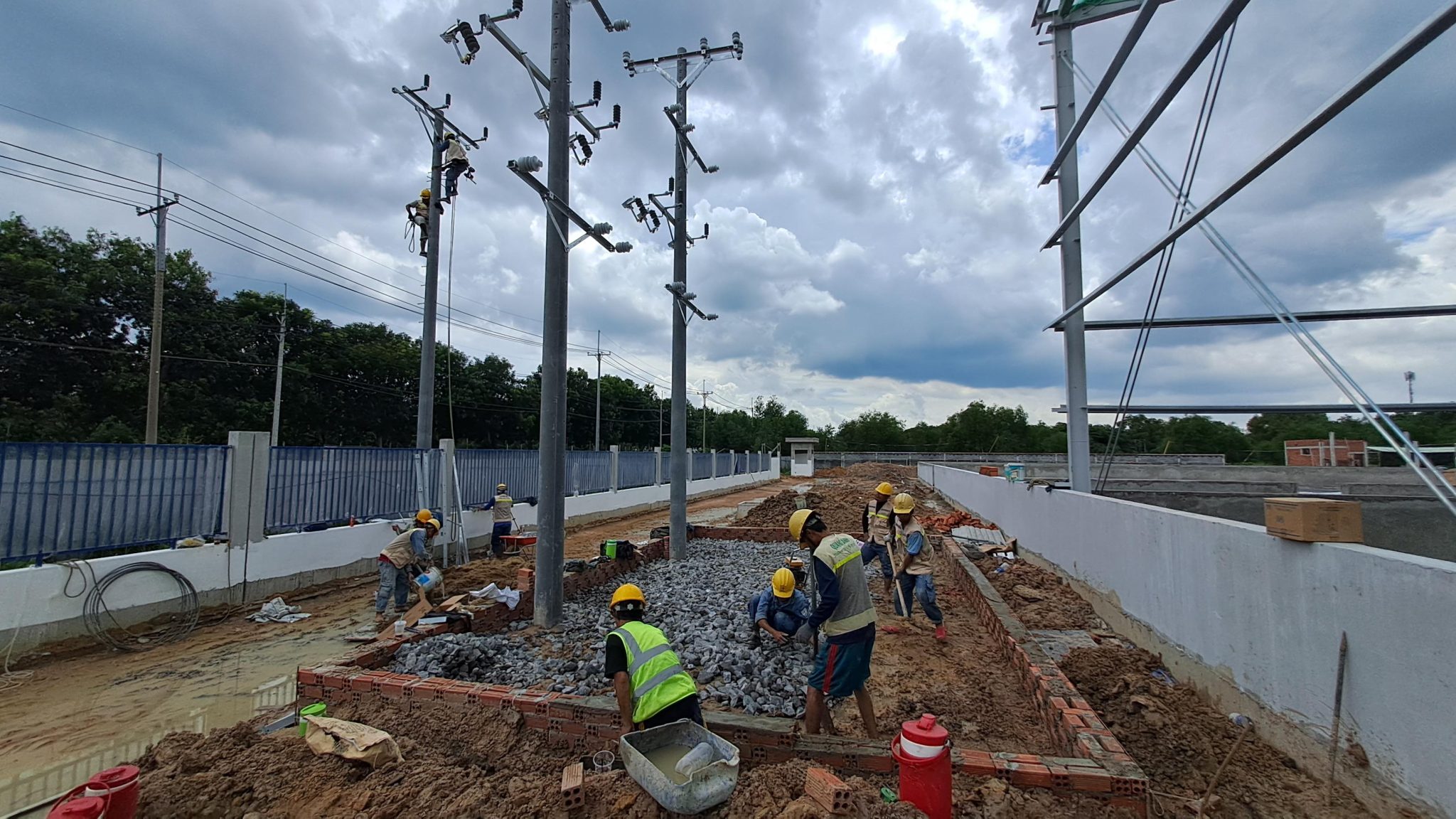
Common early warning signs include rising oil temperatures, scorched cable or core marks, oil leaks, and declining insulation values—all of which require immediate field inspection.
During maintenance, observe the MOG oil level in the main tank and silica gel color; a change to pink indicates moisture ingress and necessitates replacement according to the prevailing state. Upon factory assessment, measure oil temperature, inspect cooling fans, and tighten joints if unusually high transformer operating temperatures are detected.
For medium-voltage cabinets, overload signs include hot terminal links, smoke marks on cable ends, and cracks in insulation; dusty control panel boards or faulty AC/DC supply can render the protection system ineffective. In the acceptance or trial phase, measure the insulation resistance between high voltage-case, low voltage-case, and high voltage-low voltage to detect breakthrough or partial discharge.
- Visual inspection: burns at cable ends, oil leaks, dirt around terminals — document locations and temporarily seal them.
- Oil checks: observe main tank MOG levels, sample for water content and acidity measurement per existing cycle.
- Silica gel: replace when changing color to pink; monitor daily if operating in high humidity environments.
- Insulation checks: measure between phases and case, compare to prior values; substantial reductions necessitate equipment isolation.
- Mechanical operations: listen for noise, check magnetic core vibrations and cooling fan condition while machines are active or during operational shifts.
- Protection systems: verify relay and sensor operations through function tests as protection not activating timely is a dangerous signal.
If oil leaks, low insulation values, or protection system non-responsiveness are detected, isolate the circuit, seal leak areas, and plan prioritized repairs for the following maintenance shift. Emergency actions and field reports will dictate subsequent technical team interventions.
Proactive Maintenance Tasks to Mitigate Root Cause Failures
Identify key proactive maintenance tasks in transformer stations to reduce overload risks, insulation degradation, protection errors, and cumulative failures.
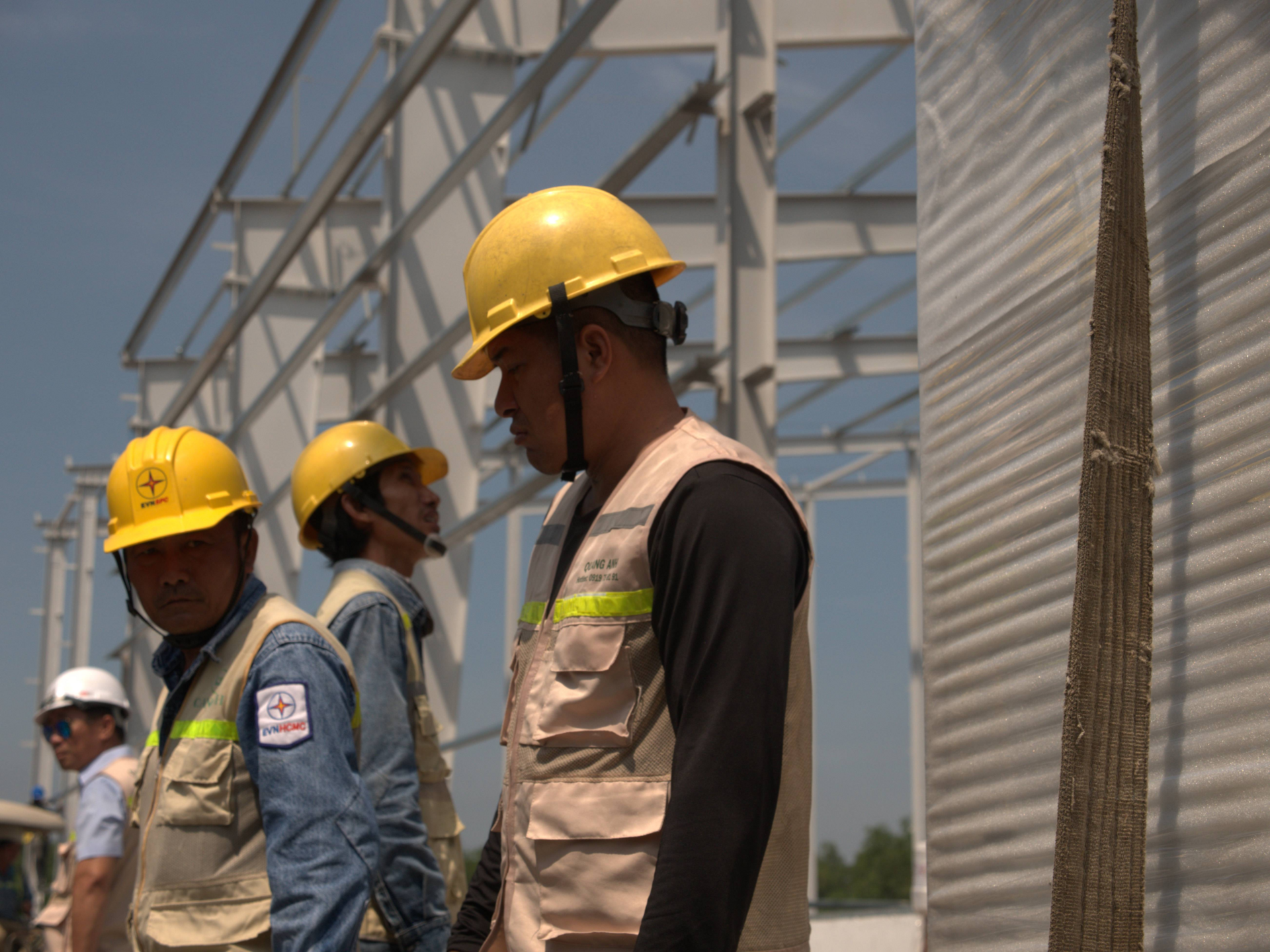
Scheduled periodic maintenance and controlled servicing are essential to prevent root cause failures in transformer stations.
During maintenance, prioritize checking insulation, detecting hotspot connections, and evaluating the operation of the transformer control unit. On-site inspections should be recorded in operation logs to monitor equipment degradation trends over time. In the field, fire safety equipment inspection and station-site humidity assessment are vital before starting maintenance.
Timing and frequency of operations should follow the principle: inspect every three months and conduct comprehensive service bi-annually depending on the model and operating conditions. Focus on cleaning insulating porcelain, machine casings, cooling systems, and tightening electrical terminals and cable joints during maintenance to prevent protection errors from poor contact.
Key tasks during each maintenance cycle include:
- Check the color of the desiccant beads; replace when changing from pink to pale yellow to maintain dryness and insulation quality.
- Infrared scan circuit breakers and joints for hotspots; log positions and anomalies in operation records.
- Oil testing: analyze water content, acidity level, and flashpoint to assess dielectric oil degradation.
- Measure insulation values between high voltage-case, low voltage-case, and high voltage-low voltage, compare to historical results to detect declining trends.
- Clean switchgear contacts, inspect silver plating and pole alignment; tighten terminals, joints, and perform general station cleaning.
- Clean cooling fans and magnetic cores of dry transformers; check noise levels and oil temperatures during operation to detect thermal overloads.
Operational warning: if reoccurring hot spots, water in oil, or stark insulation resistance declines are detected, isolate equipment, halt operations, and perform in-depth testing before resuming. In-field procedures like tightening connections and cleaning contacts must adhere to the safety protocol of the operational team.
Survey the field to determine specific maintenance scope, frequency, and resource allocation, then develop a detailed maintenance plan aligned with the station’s operational schedule.
Field Maintenance Procedures to Reduce Unplanned Power Outages
Outlines the sequence of surveying, safety isolation, inspections, oil testing, and validation before re-energizing to reduce unplanned power outages.
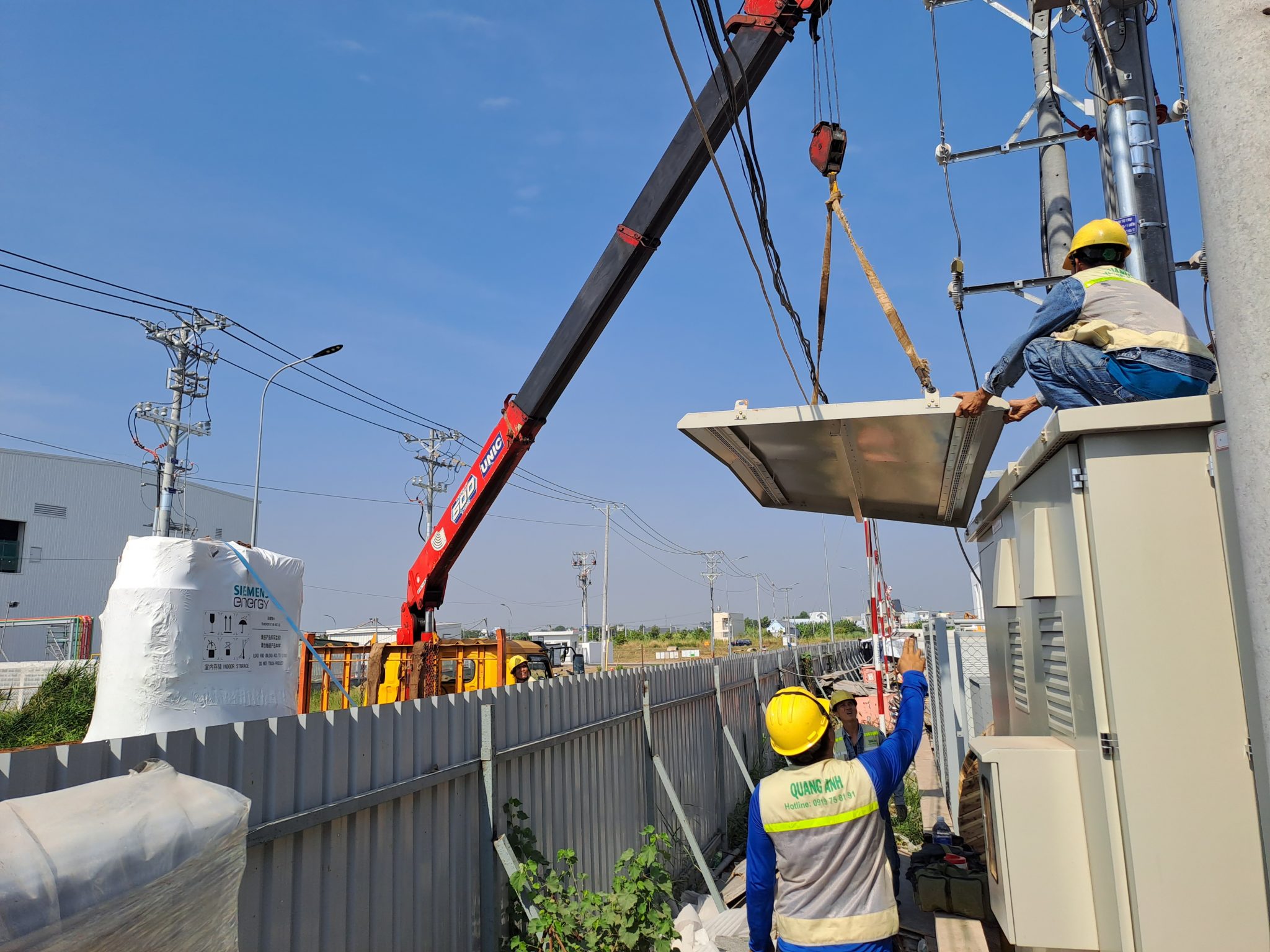
Field maintenance procedures must follow a sequence: overall survey, safety isolation, detailed inspections, oil and insulation tests, then final approval before re-energizing.
During factory assessments, start with an overall observation of the transformer’s and cable system’s status, identify risks of leaks, overheating, or burn marks; during maintenance shifts, set up source isolation diagrams and confirm no voltage presence via direct measurement before intervention. Safety isolation must specify disconnection points, lock-and-tag warnings, and verify temporary earthing if operating near conductive parts.
Detailed inspections cover high and low voltage cables, terminal and joint connections to detect burns, scorch marks, and loose contacts; tighten connections as required on-site and recheck during basic mechanical tests with machinery running. Insulation testing between high voltage-case, low voltage-case, and high voltage-low voltage should be done post-cleaning and drying during maintenance, depending on the model and operating conditions.
Regarding transformer oil: sample for dielectric strength, water content, and acidity analysis per usual cycles; check MOG oil levels, replace discolored silicate, and repair details if leaks or contamination are detected. Validate maintenance results by logging records, reporting conditions, and only re-energize when all test values meet criteria and related power authorities have been notified.
- Overview survey: record status, photograph abnormalities, mark intervention areas before isolation.
- Safety isolation: disengage power, lock-tag, verify no voltage with measuring devices during maintenance.
- Mechanical-electrical inspections: check cables, terminals, cooling fans; tighten connections, inspect oil leaks, silica gel status.
- Experimentation: check insulation between phases-case and phases-phases, analyze oil samples at a professional lab.
- Validation and re-energization: complete documentation, log entries, notify relevant power units before re-powering.
Operational warning: if survey detects core burns or high oil moisture, halt activities and request a detailed assessment before re-energizing; all energizing actions must have acceptance documentation and safety confirmations. Maintain a test log every three months and perform maintenance every six months to reduce unplanned power outage risks.
When to Continue Maintenance or Opt for Upgrades and Revamps
Decide on continuing maintenance or pursuing upgrades/renovations based on equipment lifespan, insulation check results, and operational abnormalities.
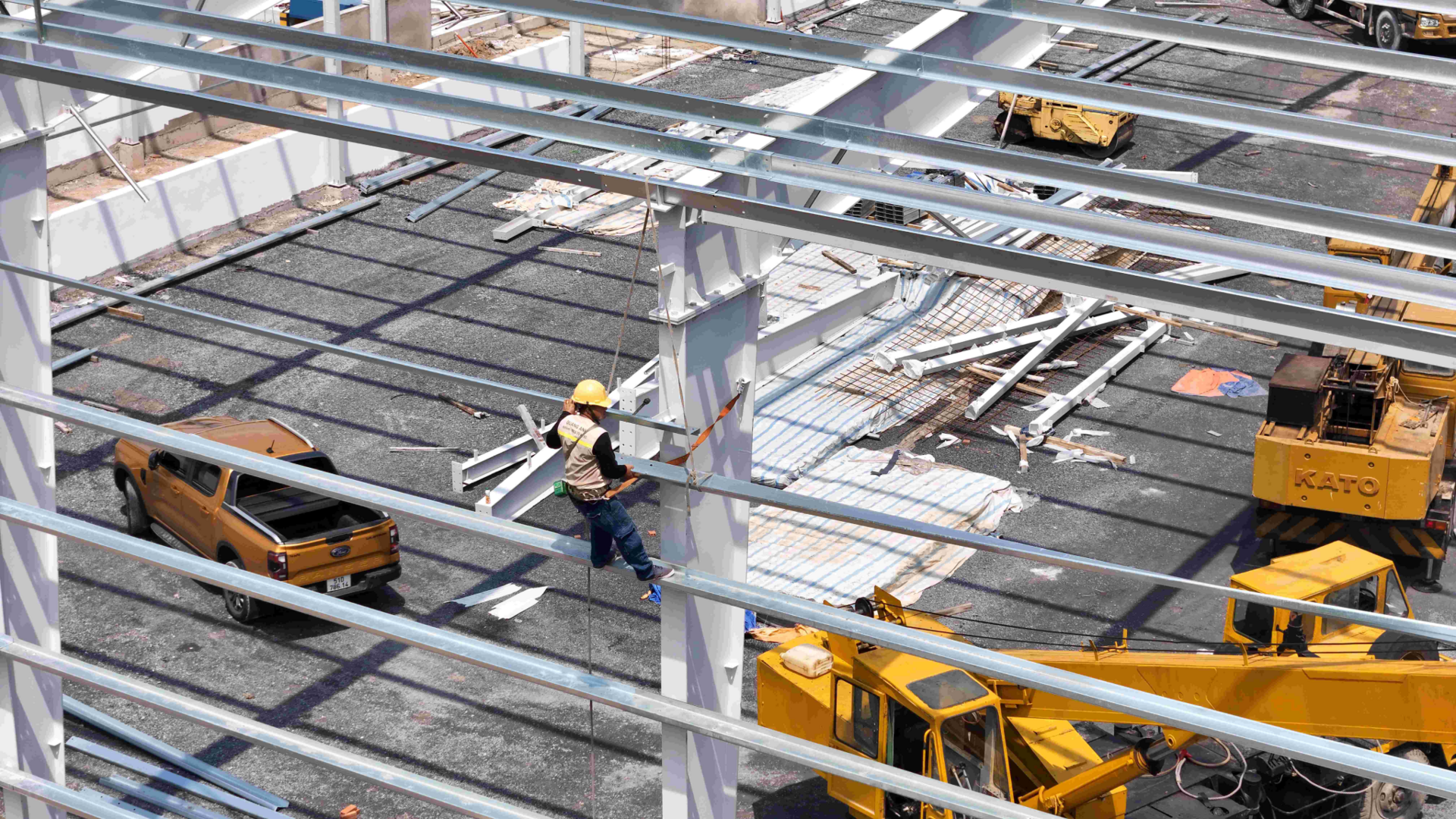
Ongoing periodic maintenance is advisable when quarterly transformer inspections show only minor wear without unusual signs; upgrades or renovations are necessary when insulation, temperature, or contact indicators hint at unsafe operations.
In the field, tangible examination results steer handling: infrared scans revealing hot terminals or circuit breakers suggest prompt upgrades or replacements to prevent catastrophic incidents; a change from pink to pale in silica desiccants and oil temperatures exceeding thresholds typically point towards switching to predictive maintenance. During servicing shifts, if overall cleaning and tightening restore efficiency, continue with periodic maintenance; absence of improvement after 3-5 cycles necessitates considering upgrades.
Technical criteria call for station upgrades when insulation checks (high voltage-case, low voltage-case) notably decline or when micro-ohmmeter readings show low insulation in multiple joints, posing fire hazards; capacity increase is needed when demand exceeds rated values and magnetic cores or cooling systems (fans) cannot address peak loads. Online surveillance applies when significant seasonal or operational shifts in load hint at early fault detection before disruption.
- Lifespan/cycles: consider upgrades if after 3-5 years of maintenance, efficiency does not improve.
- Periodic checks: continue maintenance if quarterly inspections only show minor wear.
- Predictive signals: unusual noise, desiccant discoloration, or oils exceeding set points → switch to predictive maintenance.
- Catastrophic risk: infrared shows hot circuit breakers/connections → prioritize upgrades/replacements.
- Humidity & site: high surrounding humidity warrants base improvements along with maintenance.
- Hardware replacement: worn switchgear contacts or plating post-routine maintenance require new parts.
- Power upgrades: when loads exceed rated capacity, assess cores and cooling systems.
In numerous situations, conducting detailed site surveys and measurements (insulation, micro-ohmmeter, oil sample analysis) is paramount before making significant investments; depending on model and operational contexts, optimal solutions might include combining maintenance with partial upgrades. If operational risks are high, formulate a comprehensive station upgrade plan and implement online monitoring to minimize potential system failures.
Factors Determining Proactive Maintenance Costs
The frequency, transformer type, station scale, and operating environment predominantly determine proactive maintenance costs and benefits, contrasted to emergency repairs.
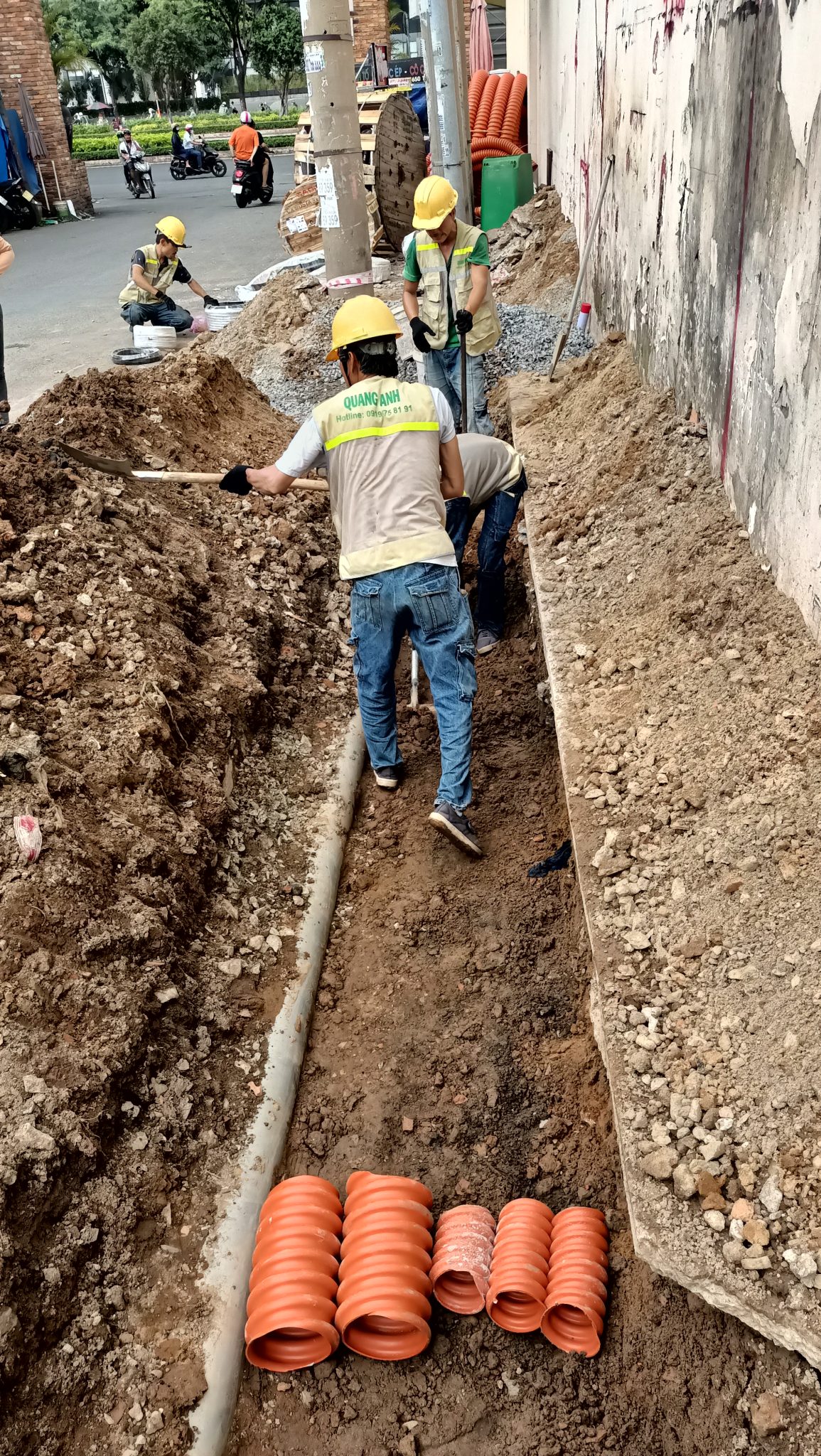
The cost of proactive maintenance is primarily influenced by inspection and servicing frequency, equipment type, station scale, and environmental operating conditions.
From a cost component perspective, distinctly categorize the following groups for prudent budgeting:
- Specialized labor hours: inspections, terminal tightening, insulation testing, oil sampling.
- Replacement and consumable materials: desiccant packs, contact bars, fire safety materials, terminal accessories.
- Testing and measurement: dielectric oil analysis, temperature checks, high/low voltage insulation tests.
- Cleaning and environmental treatment: dust, mold removal, oxidation treatments on terminals.
- Safety and job preparation costs: disconnection, insulation locks, measuring equipment, and safety measures during maintenance shifts.
During plant surveys, real-time site indicators directly affect the hours and materials needed: oil condition (color change, moisture), terminal oxidization, transformer core dust, and the number of devices in the station. Typically, factories adopt inspections every three months and comprehensive maintenance every six months; this frequency increase costs if in dusty or humid environments.
The transformer type (oil or dry) determines job scope: oil transformers require dielectric oil checks and moisture management, while dry transformers demand magnetic core cleaning and cooling fan checks. Station scale and device count augment total labor hours; during maintenance shifts, terminal tightening and low/high insulation checks consume substantial specialized labor.
Critical points to consider: if inspections reveal oil discoloration or desiccant bead changes, immediate material replacement planning is essential; oxidized connections must be promptly addressed to preempt emergency repairs. Proactive maintenance typically disperses costs and minimizes downtime risks compared to emergency repair expenses, but detailed site assessments are necessary to finalize budgeting as various factors are model and operation-based.
Light conclusion: finalizing estimates requires field data collection on inspection frequency, equipment type, device count, and environmental conditions; these details are pivotal in shaping total labor hours, required material replacements, and applicable safety measures.
Proactive transformer station maintenance primarily aims to transform large, uncontrollable risks into scheduled, verifiable, and approved tasks. If stations show signs of aging, overload, or recurring faults, businesses should promptly evaluate whether to continue maintenance, enhance monitoring, or upgrade facilities.
Frequently Asked Questions
How often should transformer stations be maintained to avoid major failures?
There is no fixed interval; the principle is to maintain according to operational status and station risk level. Recommendations depend on transformer type, equipment age, load, environment, and incident history. Incorporate operational history, test results, and load data into determining specific frequencies.
How is proactive maintenance different from merely fixing transformers when faulty?
Proactive maintenance focuses on early detection of degradation signs, scheduling controlled interventions, and reducing emergency repairs; it contrasts with only repairing upon failure by actively minimizing downtime, unexpected costs, and safety risks. To demonstrate benefits, historical incident and mitigation cost data are necessary.
What signs indicate transformers or medium-voltage cabinets need immediate inspection?
Signs warranting early inspection include abnormal oil temperature rise, oil leaks, desiccant color changes, unusual noises, hotspots from infrared scans, increased water content or acidity in oil, corrosion, and burn marks on cables, loose connections. Historical trend comparisons help prioritize checks.
Should online monitoring be combined with periodic maintenance for plant transformers?
Consider integrating online monitoring with periodic maintenance for transformer stations: continuous monitoring detects abnormal trends, reduces unnecessary interventions, and increases reliability. Decision depends on equipment criticality, downtime objectives, and budget; evaluate using load data and operational goals.
When should businesses opt for station upgrades instead of continuous repairs and maintenance?
Transition to upgrades when equipment reaches lifespan limits, faults recur despite maintenance, capacity is insufficient for load forecasts, or there are unmitigated safety risks with maintenance. Inspection records, incident history, load forecasts, and cost estimates are crucial for decision-making.
What factors typically affect proactive maintenance costs?
Proactive maintenance costs depend on inspection frequency, transformer type (oil or dry), station size and device count, wear and tear level, environmental conditions, and technical labor hours. Accurate budgeting requires a specific service catalog, status records, and detailed service requests.
How to Start Proactive Maintenance for Plant Transformer Stations
- Review operational records, incident history, and previous maintenance instances of the station.
- Classify risk levels for transformers, medium-voltage cabinets, protective systems, cables, and grounding networks.
- Develop periodic inspection plans based on actual operational conditions instead of fixed time intervals.
- Conduct testing, inspections, and cleaning of key components under appropriate electrical safety conditions.
- Assess outcomes to clearly separate areas for continued monitoring from those needing immediate repair or replacement strategies.
- Complete acceptance documentation, update recommendations, and finalize the next inspection timeline.
If you need to reassess the transformer station condition with a practical approach for plant operations, consider starting with a technical survey and cross-referencing maintenance schedules, test records, and existing risk points.
[contact-form-7 id="7239967" title="Contact form 1"]
Related Posts
Substation Solutions for Factories: Investing and Implementation Strategies
Overview of factory substations: when to invest, key components, execution processes, documentation, and selecting the [...]
Apr
Transformer Repair in Ho Chi Minh City: When Immediate Action Is Required
Discover signs of transformer damage, diagnostic methods, on-site handling processes, and criteria for selecting repair [...]
Apr
Transformer Repair: Process, Diagnosis, and Decision-Making
Hướng dẫn sửa chữa máy biến áp cho nhà máy: nhận biết dấu hiệu hỏng, [...]
Apr
24-Hour Transformer Repair: Efficient Solutions and Reliable Power Restoration
Khung xử lý sửa chữa máy biến áp 24h cho nhà máy: nhận biết sự [...]
Apr
Common Mistakes in Transformer Station Construction Leading to Extra Costs
Các sai lầm khi làm trạm biến áp thường không nằm ở một hạng mục [...]
Apr
Comprehensive Guide to Acquiring Used Transformers
Góc nhìn kỹ thuật về thu mua TBA cũ: cách đánh giá hiện trạng, hồ [...]
Apr
Comprehensive Transformers Maintenance for Industrial Plants
Tổng quan dịch vụ bảo trì trạm biến áp nhà máy: lịch bảo dưỡng, thí [...]
Apr
Transformers: Assessing and Safely Handling Used Transformers
Khung đánh giá máy biến áp cũ theo tình trạng kỹ thuật, dầu cách điện, [...]
Apr
How Proactive Transformer Maintenance Minimizes Business Risks
Nhìn từ góc độ vận hành nhà máy, bảo trì chủ động trạm biến áp [...]
Apr
Comparing Oil and Dry Transformers in Industrial Projects
Distinguish between oil and dry transformers based on installation site, safety, maintenance, energy losses, initial [...]
Mar
Electrical Overload Warning Signs in Factories
Recognize early indicators of factory electrical overload such as voltage drops, overheating equipment, circuit breaker [...]
Mar
Risks of Overloading Industrial Transformers Without Upgrades
Keeping the same low-voltage transformer while increasing factory loads can result in overheating, insulation degradation, [...]
Mar
Evaluating and Implementing Transformer Contractors in Tay Ninh
Criteria for selecting transformer substation contractors in Tay Ninh, EPC scope, and factors affecting project [...]
Mar
Comparing Oil and Dry Transformers for Industrial Applications
Examine oil and dry transformers based on installation location, fire safety, maintenance, energy loss, investment [...]
Mar
Comprehensive 1500kVA Transformer Station Budget for Manufacturing Facilities
Guidance for creating a detailed budget list for a 1500kVA transformer station, including medium voltage [...]
Mar
Comprehensive Transformer Station Pricing: Elements and Considerations
Examine key components in comprehensive transformer station pricing including design, equipment, construction, testing, and connection [...]
Mar
Pricing Guide for 4000kVA Transformer Stations: Configuration, Cost, and Investment Process
An overview of configuration, cost estimates, connection approaches, and investment checklists for 4000kVA transformer stations [...]
Mar
Pricing and Setup of 3200kVA Transformer Stations: Configuration, Costs, and Investment Procedure
Explore the pricing structure for a 3200kVA transformer station, primary equipment configuration, cost variables, EVN [...]
Mar
Cost Estimation for 2500kVA Transformer Station: Configuration, Expenses, and Investment Process
Reference framework for quoting a 2500kVA transformer station based on configuration, station type, cable solutions, [...]
Mar
2000kVA Transformer Station Guide: Configuration, Costs, and Investment Process
Discover key aspects of a 2000kVA transformer station: from technical configuration and cost analysis to [...]
Mar