

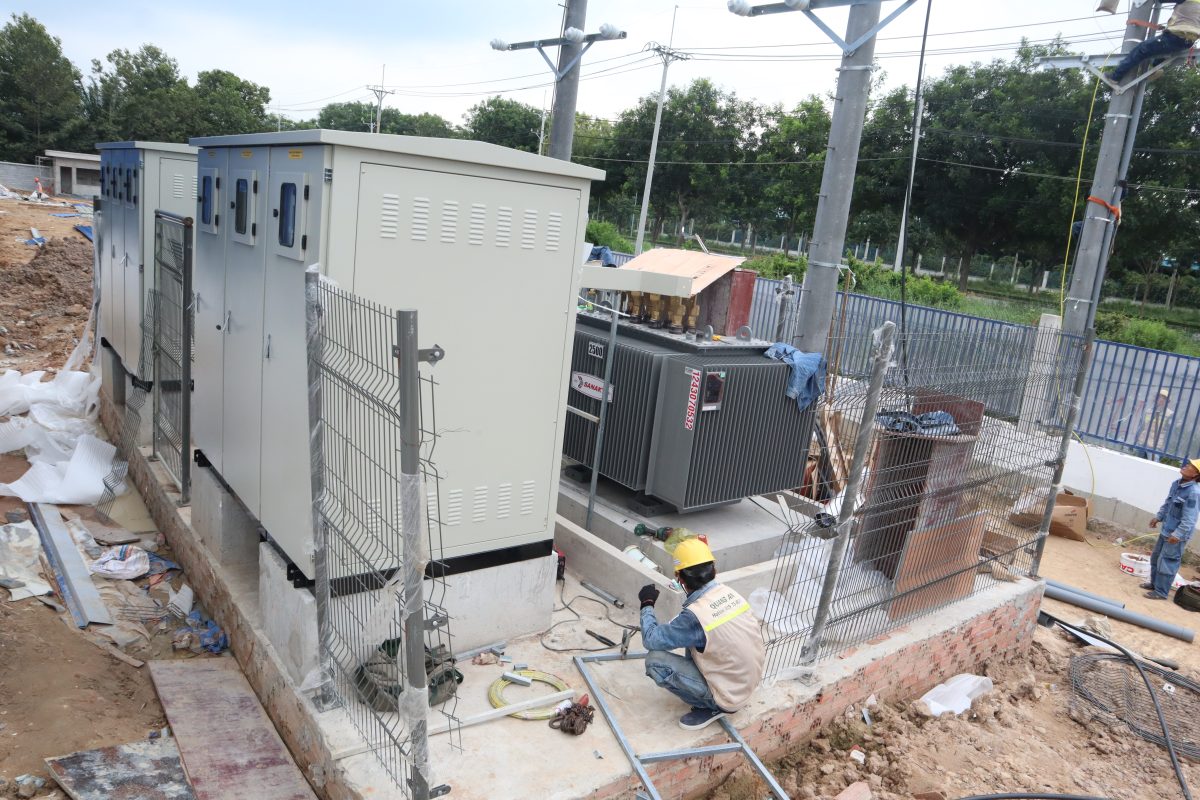
- Distinguish between learning the concept and implementation needs of factory substations.
- Identify signs for building new, upgrading, or reviewing power supply plans.
- Summarize core technical items so investors and technicians cover all necessary work scopes.
- Provide an overview of the implementation sequence from the survey to commissioning and handover.
- Clarify factors affecting costs and timelines without extrapolating data when lacking project details.
- Investors and project management teams preparing medium-voltage power supply plans.
- Technical, maintenance, or energy management teams evaluating new constructions or upgrades of substations.
- Procurement departments needing to understand the scope to compare technical and service proposals.
When to read?
- When factory load expands and existing supply may not suffice.
- When preparing to work with electricity providers, design consultants, or substation contractors.
- When reviewing documentation, schedules, safety, and scope acceptance before implementation.
- 1. What is a Factory Substation and Key Considerations
- 2. Signs a Factory Needs a New or Reviewed Substation Plan
- 3. Main Technical Components in a Substation Project
- 4. Practical Implementation Steps from Survey to Commissioning
- 5. Common Mistakes Causing Delays or Operational Risks
- 6. Factors Influencing Cost and Timeline
- 7. How to Choose the Right Plan and Implementation Partner
In a factory, the “substation” is more than just a technical concept—it’s critical for ensuring continuous and reliable power supply. From the outset, identifying the right approach can help investors avoid multiple redesigns, delayed connections, and unforeseen expenses.
What is a Factory Substation and Key Considerations
A factory substation is a system supplying and distributing electricity, focusing on load distribution to ensure operational availability and continuity.
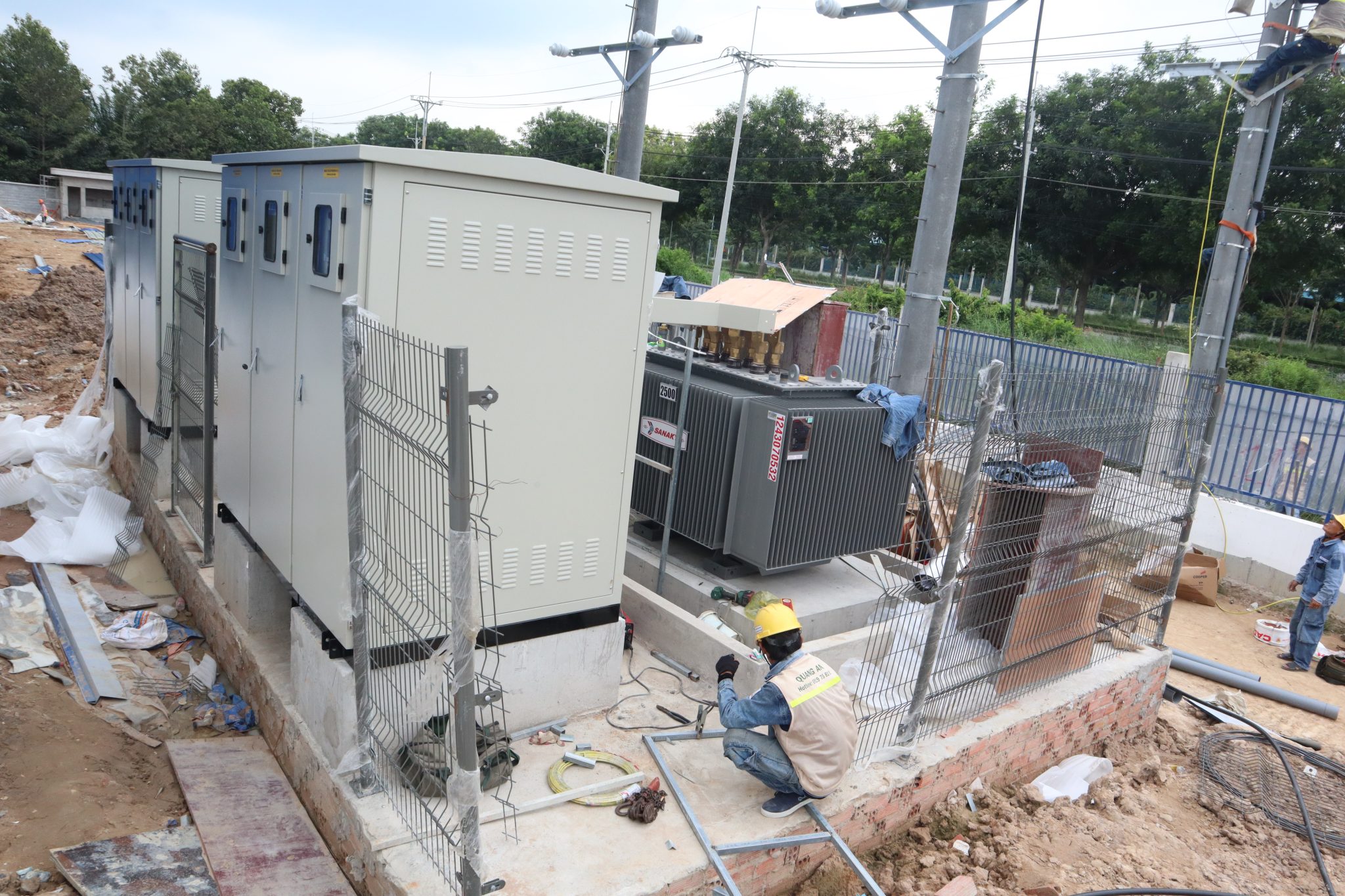
A factory substation is a key component in the electrical supply and distribution system, with an emphasis on load distribution and maintaining operational readiness.
The technical scope includes not just a single device but the entire chain from the source point to the sub-load branches. Common factory challenges include determining the source point, balancing phases, backup capacity, and switching capabilities during faults.
On-site, preliminary checks categorize issues as follows:
- Verify the main source and existing distribution; when surveying, compare schematic with actual layout.
- Assess load demand by hour or shift to determine capacity and distribution bottlenecks.
- Check backup ability and switch mechanism; during maintenance, simulate safe switch operations.
- Observe abnormal signs (connector temperature, operational noise) indicating deeper surveys are necessary.
Operational Note: Without load surveys and existing schematics, design or upgrade proposals should remain cautious, requiring actual field surveys. Technical conclusions generally rely on real measurements and load maps; solutions vary based on models and operating conditions.
Signs a Factory Needs a New or Reviewed Substation Plan
If electrical loads exceed current capacities, space configurations change, or operational demands differ, consider new construction or reviewing the substation plan.
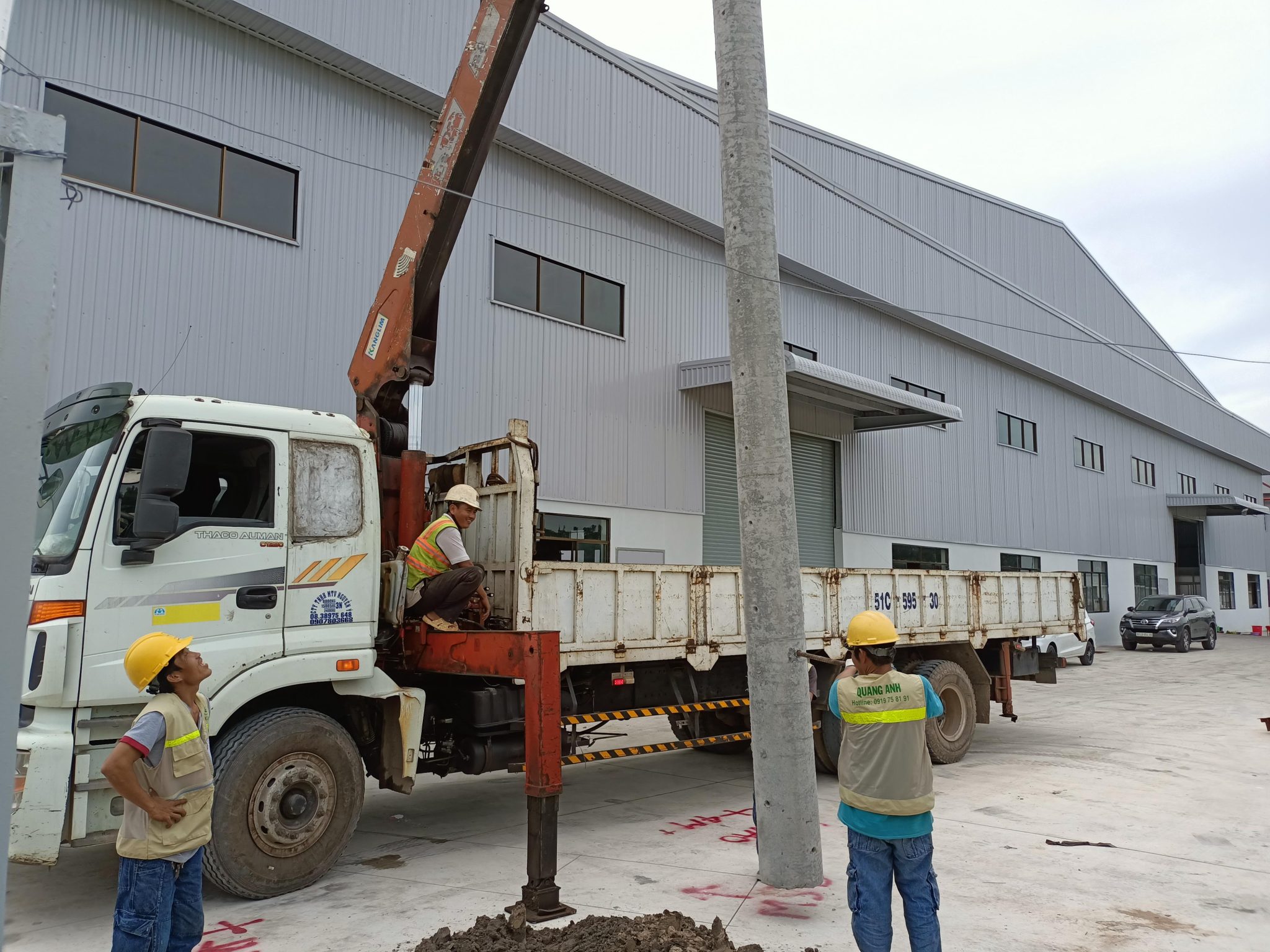
Consider new construction or reviewing the substation plan when loads, layout, or operational requirements exceed the designed scope. These conditions often arise with expanded factory capacity, recurring overloads, or the need for independent power to new sections.
Technically, compare actual loads with designed capacity, evaluate load fluctuations, and assess current layout for new substation placement. Survey access for equipment maintenance and ensure the distribution plan aligns with new production processes. Typically, a field survey and real load measurements guide the decision between upgrade or new construction.
- Average or peak loads exceeding the existing substation’s design capacity.
- Expansion of production lines or increased shifts raising continuous power demands.
- Changed layout compromising existing substation safety margins or accessibility.
- Need for independent power in new sections, unresolvable by internal grid restructuring.
- Current operation not meeting desired power quality or reliability.
Decisions on upgrades or new constructions should derive from field survey results, load analysis, and feasible technical options comparison. For recurring overloads, limit operational loads temporarily pending survey completion to avoid operational risks.
Typically, the next step involves preparing a status and feasibility report for management decisions or scheduling detailed surveys; field investigations should occur before final proposal recommendations, depending on model and operational conditions.
Main Technical Components in a Substation Project
Break down substation technical items by equipment group to reduce planning, tendering, or proposal comparison risks.
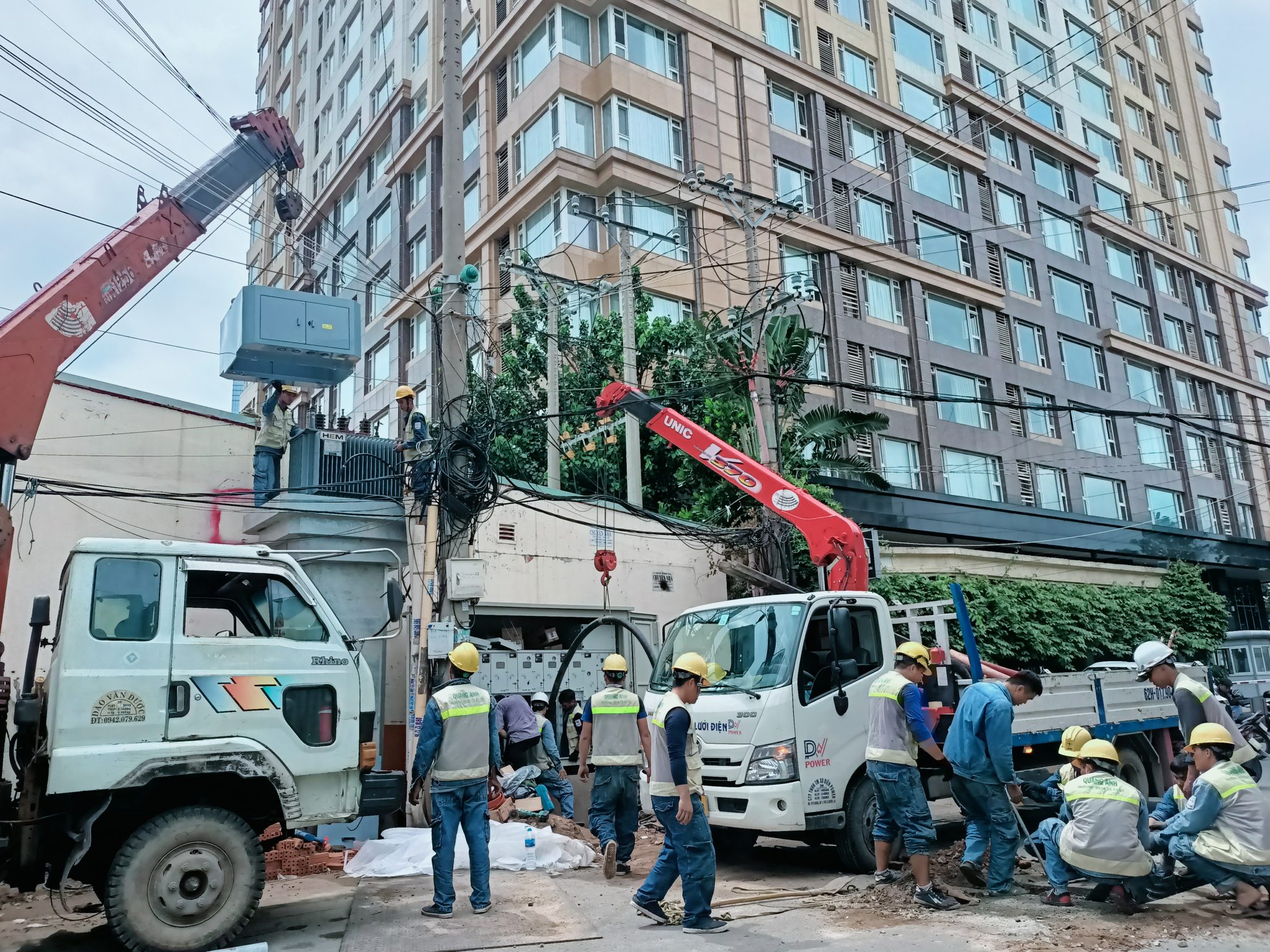
Main technical components for substation projects typically separate into groups: medium/high-voltage transformers; medium-voltage cabinets (RMU, LBS, VCB); medium-voltage cables and connections; and related construction tasks.
Technically, each group bears specific requirements and checkpoints; on-site surveys should establish equipment type and installation location before BOM drafting. During maintenance or inspection, note connection conditions, safe gaps, and equipment access for operational servicing.
| Category | Description | Field Checkpoints |
|---|---|---|
| Medium/Low Voltage Transformers | Voltage transformation devices for distribution; includes type, structure, and lifting needs. | Check dimensions, foundation placement, height, grounding, and connection position; survey terrain on-site. |
| Medium-Voltage Cabinets (RMU, LBS, VCB) | Switching and isolation equipment for medium voltage; select based on network diagram and protection needs. | Identify cabinet type, installation method, safe distance, and operation access; depends on model and conditions. |
| Medium-Voltage Cables and Connections | Energy transmission between sources and devices; includes cables, connectors, and braces. | Measure actual cable length, burial position/air, connection points, mechanical protection, and cable routing on site. |
Critical technical decisions often depend on field conditions and equipment models; for instance, choosing a sealed vs. open RMU requires surveying walkway width and lift-drop capabilities. Verify existing layout, former substations (if any), and input connection positions before final scope approval.
Operational notes: during acceptance tests, confirm connection diagrams match drawings, lock source for testing, and adhere to safety protocols; when preparing bid documents, clearly specify each item to avoid misunderstandings during proposal comparisons.
Practical Implementation Steps from Survey to Commissioning
The sequence from survey to commissioning highlights steps for document coordination, construction, testing, acceptance, and commissioning.
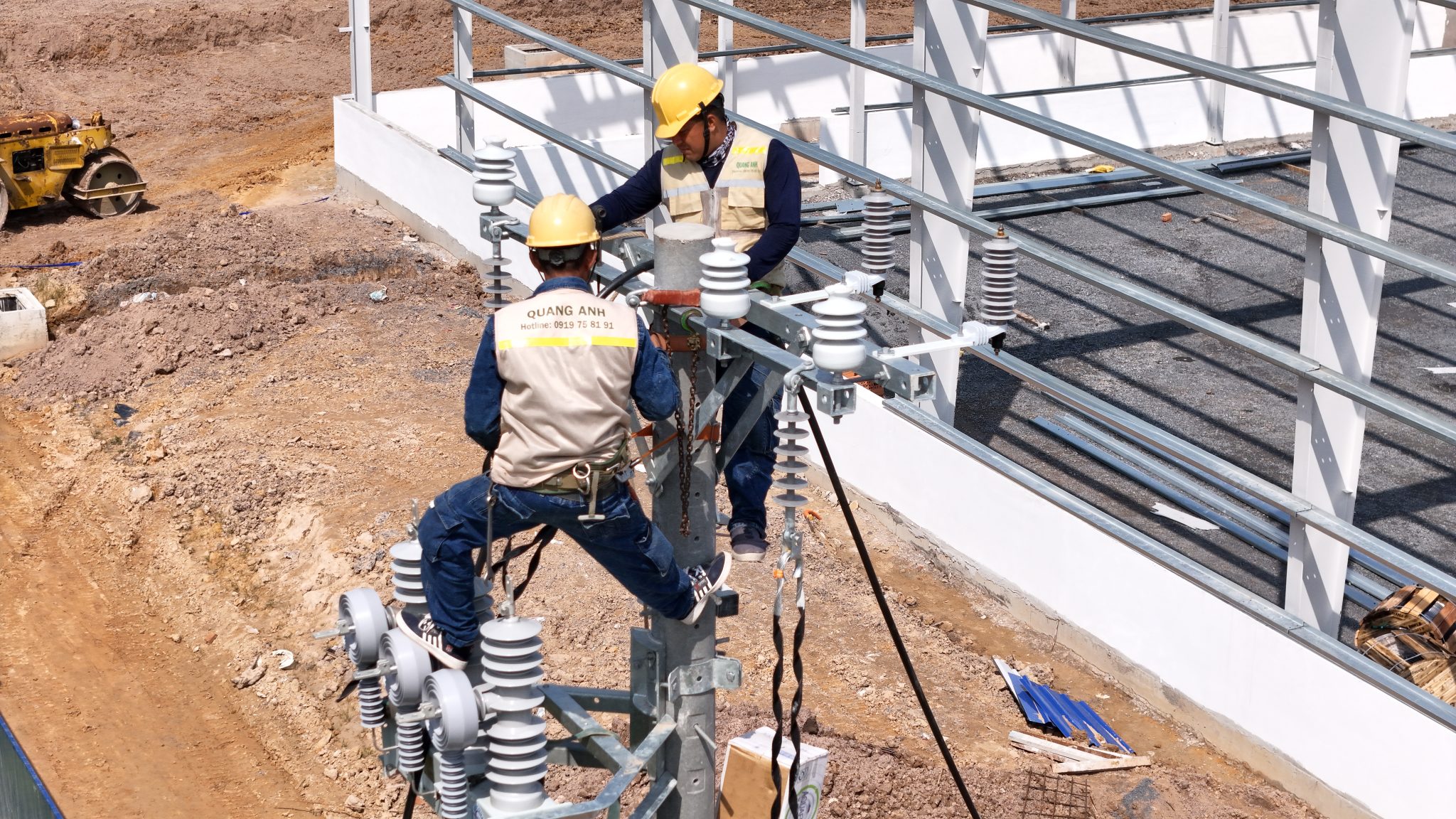
The practical deployment process includes main steps: survey, documentation, construction, testing, acceptance, and commissioning. During factory surveys, record status and technical coordination points with contractors.
Design documents and construction papers form the basis for installation measures, inspection, and acceptance. Factory implementation proceeds sequentially, testing per the agreed plan.
Key on-site checkpoints and coordination include:
- Verify infrastructure status and construction boundary (during factory survey).
- Synchronize construction documentation and equipment list before installation.
- Check electrical safety measures, isolate work areas, and pre-test plans before acceptance.
- Draft provisional or final acceptance notes before commissioning plans.
Operational Alert: commissioning should only proceed after acceptance notes and safety criteria are confirmed; supplementary field surveys may be necessary. Post-commission follow-ups and operation updates should be planned next.
Common Mistakes Causing Delays or Operational Risks
Errors in survey, document coordination, site layout, and acceptance preps are primary causes of delays and increased operational risks in substation projects.
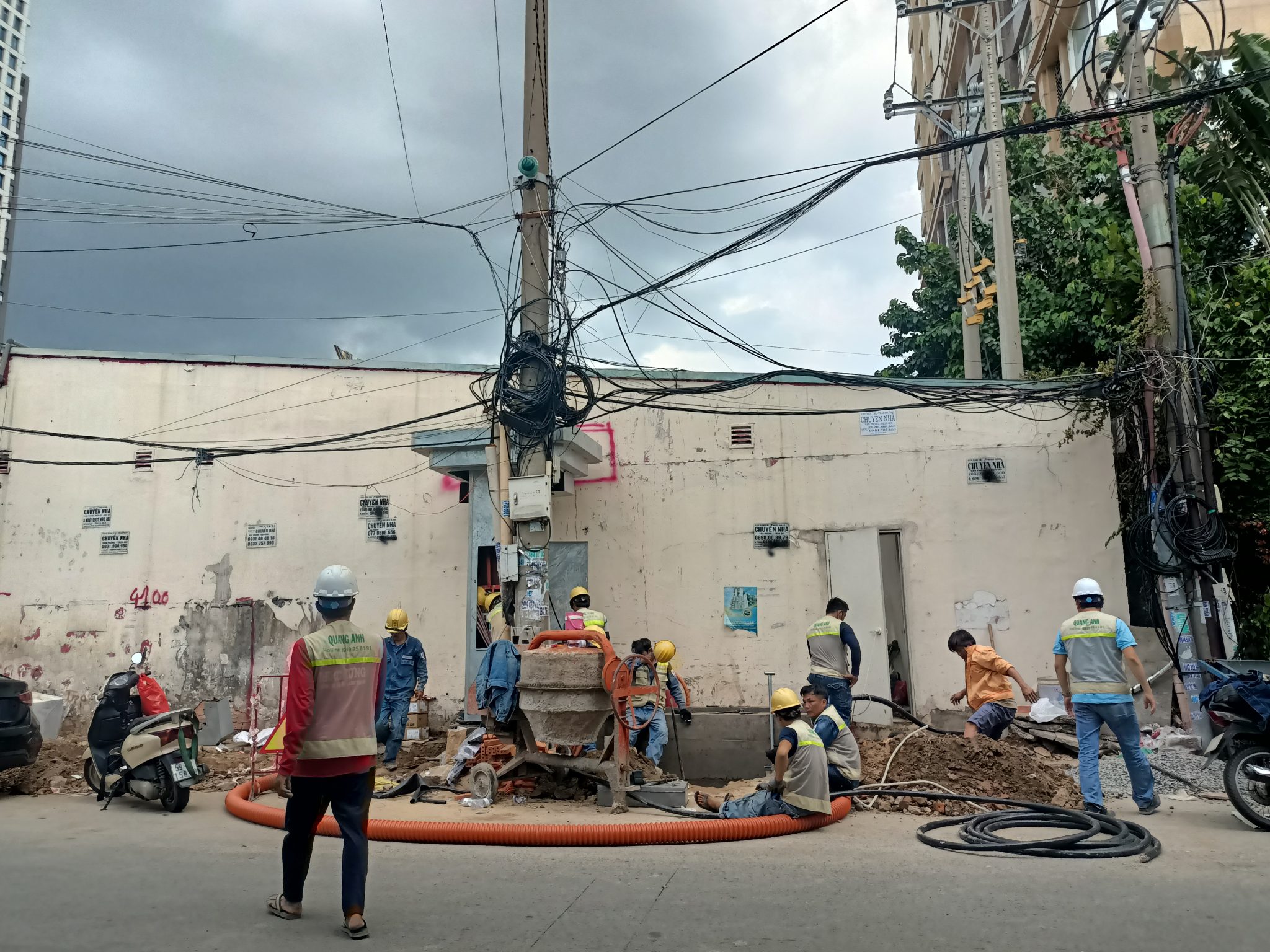
Common errors include inadequate site surveys, unsynchronized construction documents, and poor site layout execution; these issues typically lead to project delays or increased operational risks.
On-site, signs to watch for include discrepancies between ground elevation and drawings, narrowed equipment access routes, and unsafe equipment placements. Maintenance or factory surveys usually reveal actual delay causes: needing foundation adjustments, relocating elements, or adding foundations.
Typical document errors involve delayed drawing updates, inconsistent equipment listings and grounding diagrams, or missing test records before acceptance. When documents and site don’t align, supplementary surveys and construction document updates should occur before main item installations.
- Poor survey: check elevations, damp foundation levels, item transport routes — actual signal: drawings differ from on-site benchmarks.
- Lack/unsynced documents: inconsistent equipment lists, connectivity diagrams, and test records — consequence: halt construction for adjustments.
- Site layout issue: inadequate safety distances, tramplacement affecting traffic — check: measure actual distances and item positioning routes.
- Incomplete acceptance preps: lack pre-commissioning checks or localized test results — signal: failed acceptance, commissioning delayed.
Practical decisions should consider: if documents and site don’t align, recommended stopping related installations and re-surveying; if working space is inadequate, prioritize repositioning equipment paths to prevent collision or operational damage risks. These alerts should enter logs and construction plans before proceeding further.
Post-initial survey, draft lists of priority discrepancies for correction and schedule subsequent site checks; depending on survey results, the next step includes updating construction documents and finalizing acceptance items before commissioning trials.
Factors Influencing Cost and Timeline
Main variables affecting substation costs and timelines include capacity, equipment type, terrain, groundwork, grid connection, and acceptance/licensing requirements.
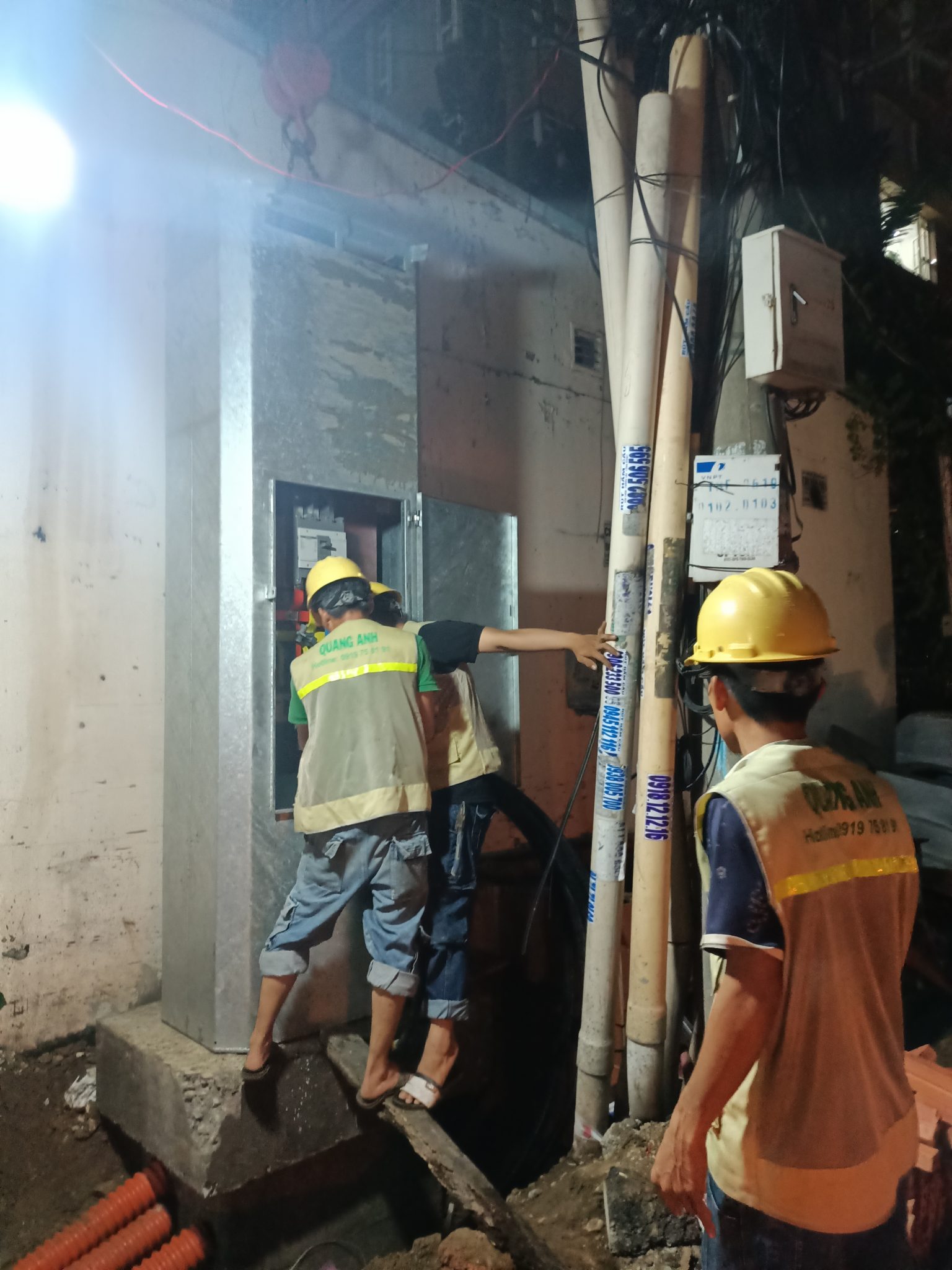
The cost and timeline for drafting documents, constructing, and grid-connecting a substation frequently hinge on designed capacity, equipment types, and site conditions.
Cost components must be clearly categorized for source impact evaluation. During a factory survey, inspect distance to power grid, equipment transport access, and ground conditions to estimate earthwork and foundation tasks.
- Main equipment: transformer capacity, distribution cabinet type, specific protection needs; equipment type and delivery times greatly impact price and timeline.
- Construction and groundwork: geology, excavation volume, foundation treatment; field surveys should sample and measure elevation.
- Grid connection and integration: cable distance, need for cable tunnels or outdoor stations, power cut coordination needs; during maintenance/connection, plan power-off timings.
- Logistics and installation: bulky equipment transport, specialized lifting gear affecting cost and timeline.
- Licensing, acceptance, and inspection: paperwork approval times and acceptance requirements alter completion schedules.
- Risk buffers and adverse conditions: weather, restricted access, or emerging technical demands.
Factors potentially raising costs or prolonging timelines include discovering poor geology while digging foundations, waiting times for specialty equipment supply, or off-hours connection requirements. Depending on model and conditions, specific methods can also increase workload.
Quote and timeline finalization require collating real data: desired substation capacity and connection diagram, preliminary terrain/geological maps, acceptance standards, and expected operational timelines. With this data, cost breakdowns by group and cautious timeline estimates can be formed.
Light conclusion: following field surveys and connection scope definition, the next step often involves creating work scope and preliminary schedules for detailed pricing and timeline commitments.
How to Choose the Right Plan and Implementation Partner
Select plans and contractors based on technical criteria, capability records, connection expertise, and coordination abilities, not just cost.
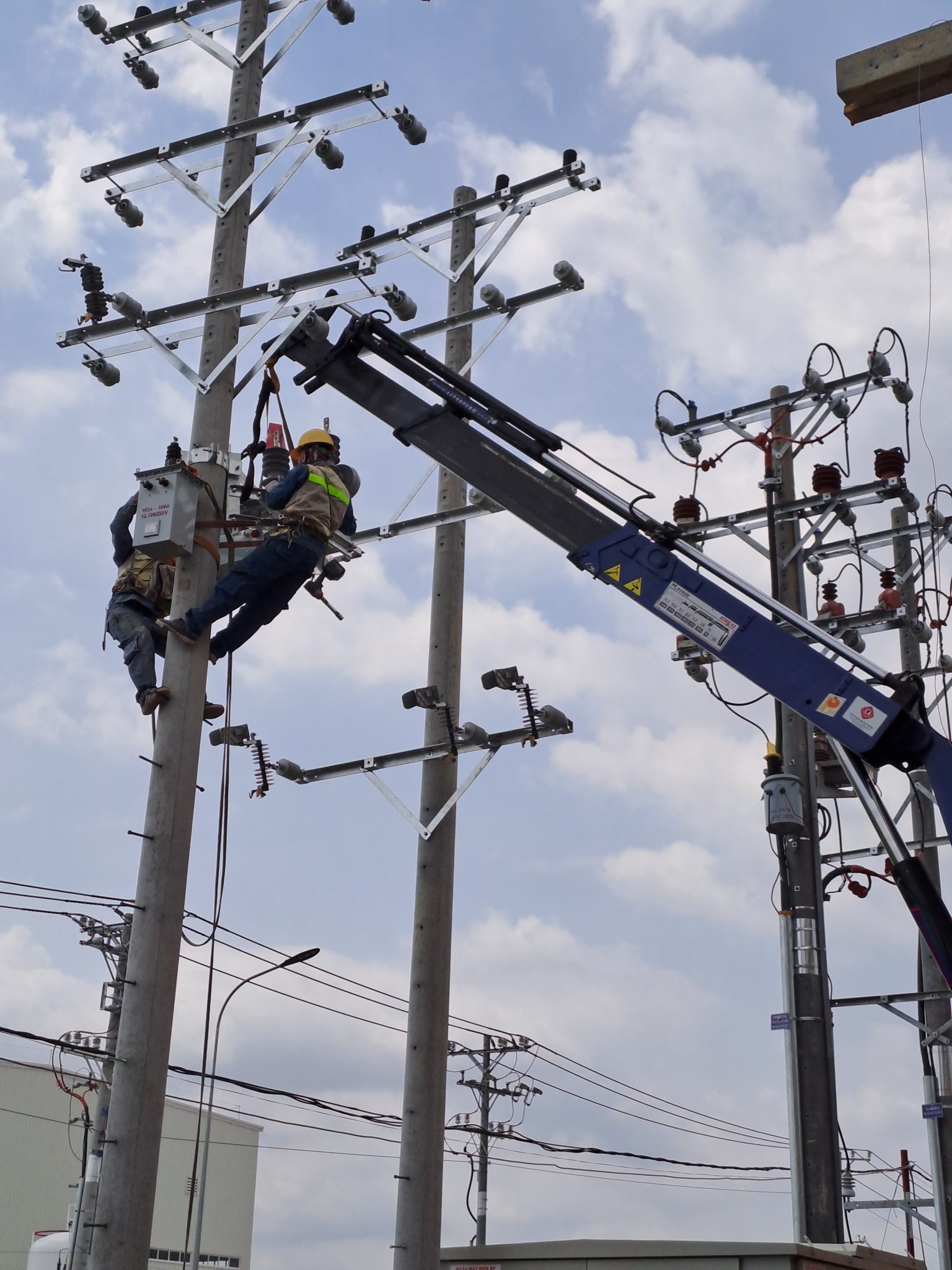
Technical and on-site capabilities should take precedence in choosing plans and contractors, as they ensure safe connections and deployment timelines. In factory settings, differences in implementation details and connection experience often weigh more than price differences.
While surveying, align technical files with actual status: installation sites, cable routes, source cut points, and equipment access. Require contractors to clearly state site capabilities—personnel with suitable certifications, construction equipment, safety methods for execution or maintenance periods; lacking necessary papers, reassess risks or call for additions.
- Define work scope and connection constraints (outage periods, acceptance needs).
- Evaluate competency records: similar project experience, construction plans, technical documents.
- Check real field status: cable paths, hanging points, transformer access, and site execution methods.
- Compare plans based on technical criteria, operational risk, and collaboration capabilities with the internal factory team.
- Seal contracts with clear acceptance terms, warranties, and connection conditions before issuing work orders.
Operational warning: avoid finalizing contractors based on low prices if their records can’t prove connection competence or safe outage plans; this often leads to delays or fix costs post-acceptance. For maintenance or trials, demand clear safety measures and source restoration plans.
| Decision Criteria | Field Signs/Checks |
|---|---|
| Connection Competence | Source cut plans, connection diagram, similar project experience at factory |
| Field Capability | Certified personnel, shielding equipment, field execution schedule |
| Applied Technical Standards | Construction drawings, acceptance regulations, post-connection test requirements |
| Coordination Ability | Operational handover procedures, shutdown schedule, emergency contacts |
Light conclusion: after comparing these factors, the next step should be requesting detailed pricing based on established scope and organizing mandatory site surveys with bidding contractors.
Effective substation planning should consider the full decision chain: load demands, power supply plans, equipment scope, utility engagement, construction conditions, and post-commissioning operations. Early checks across these links enhance plan selection and deployment certainty.
Frequently Asked Questions
What components does a factory substation typically include?
A factory substation generally consists of medium/low voltage transformers, medium-voltage cabinets (RMU/LBS/VCB), low-voltage distribution cabinets, medium/low voltage cabling and connections, foundations, grounding systems, protection/control systems, lightning protection, safety measures, and testing/acceptance records. Details depend on capacity and connection diagrams.
When should a factory consider building new instead of upgrading the existing substation?
Consider building new when demands exceed current capabilities, spatial restrictions prevent upgrades, higher backup/safety requirements exist, or upgrades prove cost-ineffective. Decisions need load data, connection diagrams, and site/cost evaluations.
What initial documents are needed for substation deployment?
Initial documents should include: site survey, connection diagrams, layout and foundation drawings, equipment specifications, material lists, geotechnical reports if required, construction plans, safety documentation, and a list of licenses/documents. Lacking capacity and cable positioning data requires updates.
What factors affect the construction and commissioning timeline of a substation?
The timeline is affected by utility connection procedures and permits, equipment supply times, site/geological conditions, earthwork and logistics, weather, factory coordination, and utility testing, acceptance, and commissioning schedules. Early risk identification is key.
What criteria should be used to evaluate substation contractors?
Evaluate based on medium-voltage project competence, comparable project experience, capability records and certifications, grid connection coordination, timeline and safety management, testing/acceptance quality, warranty terms. Request project references and delivery plans for realistic comparisons.
How to Start a Factory Substation Project
- Review current load needs and near-future expansion plans.
- Check source, layout, cable routes, and related connection conditions.
- Decide investment scope: new construction, upgrade, relocation, or combined improvement.
- Prepare foundational technical documents for consulting, utilities, and contractors.
- Align production timelines with construction, testing, acceptance, and commissioning plans.
- Weigh plans not only on cost but also on timeline risks, safety, and post-handover operations.
If you are at the stage of evaluating load needs or implementation scope for a factory substation, begin with a technical survey and reconcile existing documents before finalizing investment plans.
[contact-form-7 id="7239967" title="Contact form 1"]
Related Posts
Substation Solutions for Factories: Investing and Implementation Strategies
Overview of factory substations: when to invest, key components, execution processes, documentation, and selecting the [...]
Apr
Transformer Repair in Ho Chi Minh City: When Immediate Action Is Required
Discover signs of transformer damage, diagnostic methods, on-site handling processes, and criteria for selecting repair [...]
Apr
Transformer Repair: Process, Diagnosis, and Decision-Making
Hướng dẫn sửa chữa máy biến áp cho nhà máy: nhận biết dấu hiệu hỏng, [...]
Apr
24-Hour Transformer Repair: Efficient Solutions and Reliable Power Restoration
Khung xử lý sửa chữa máy biến áp 24h cho nhà máy: nhận biết sự [...]
Apr
Common Mistakes in Transformer Station Construction Leading to Extra Costs
Các sai lầm khi làm trạm biến áp thường không nằm ở một hạng mục [...]
Apr
Comprehensive Guide to Acquiring Used Transformers
Góc nhìn kỹ thuật về thu mua TBA cũ: cách đánh giá hiện trạng, hồ [...]
Apr
Comprehensive Transformers Maintenance for Industrial Plants
Tổng quan dịch vụ bảo trì trạm biến áp nhà máy: lịch bảo dưỡng, thí [...]
Apr
Transformers: Assessing and Safely Handling Used Transformers
Khung đánh giá máy biến áp cũ theo tình trạng kỹ thuật, dầu cách điện, [...]
Apr
How Proactive Transformer Maintenance Minimizes Business Risks
Nhìn từ góc độ vận hành nhà máy, bảo trì chủ động trạm biến áp [...]
Apr
Comparing Oil and Dry Transformers in Industrial Projects
Distinguish between oil and dry transformers based on installation site, safety, maintenance, energy losses, initial [...]
Mar
Electrical Overload Warning Signs in Factories
Recognize early indicators of factory electrical overload such as voltage drops, overheating equipment, circuit breaker [...]
Mar
Risks of Overloading Industrial Transformers Without Upgrades
Keeping the same low-voltage transformer while increasing factory loads can result in overheating, insulation degradation, [...]
Mar
Evaluating and Implementing Transformer Contractors in Tay Ninh
Criteria for selecting transformer substation contractors in Tay Ninh, EPC scope, and factors affecting project [...]
Mar
Comparing Oil and Dry Transformers for Industrial Applications
Examine oil and dry transformers based on installation location, fire safety, maintenance, energy loss, investment [...]
Mar
Comprehensive 1500kVA Transformer Station Budget for Manufacturing Facilities
Guidance for creating a detailed budget list for a 1500kVA transformer station, including medium voltage [...]
Mar
Comprehensive Transformer Station Pricing: Elements and Considerations
Examine key components in comprehensive transformer station pricing including design, equipment, construction, testing, and connection [...]
Mar
Pricing Guide for 4000kVA Transformer Stations: Configuration, Cost, and Investment Process
An overview of configuration, cost estimates, connection approaches, and investment checklists for 4000kVA transformer stations [...]
Mar
Pricing and Setup of 3200kVA Transformer Stations: Configuration, Costs, and Investment Procedure
Explore the pricing structure for a 3200kVA transformer station, primary equipment configuration, cost variables, EVN [...]
Mar
Cost Estimation for 2500kVA Transformer Station: Configuration, Expenses, and Investment Process
Reference framework for quoting a 2500kVA transformer station based on configuration, station type, cable solutions, [...]
Mar
2000kVA Transformer Station Guide: Configuration, Costs, and Investment Process
Discover key aspects of a 2000kVA transformer station: from technical configuration and cost analysis to [...]
Mar