

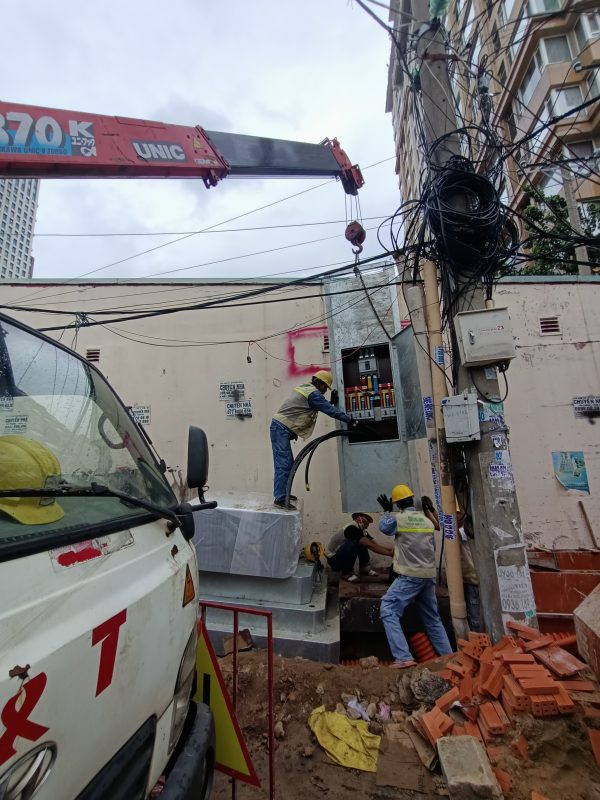
MEP contracts encompass the design, materials, construction, maintenance, and operation of mechanical, electrical, and plumbing systems for buildings or factories.
MEP Design and Planning Costs
The costs associated with MEP design and planning include preliminary and detailed design along with solution analysis. This phase is crucial for ensuring system efficiency, directly influencing investment costs. Design costs are typically calculated per square meter and vary based on each system’s technical requirements such as electrical, plumbing, HVAC, etc.
Designing and planning for MEP (Mechanical, Electrical & Plumbing) is a critical component of building construction and operation, directly affecting the efficiency of the electromechanical systems. MEP costs often represent a significant investment and are indispensable for every project.
Factors Influencing MEP Costs
- Type of Building: The technical requirements and scale of MEP systems vary widely among residential, villa, office tower, and factory projects, significantly impacting design costs.
- Scale and Complexity: Construction area, building height, energy needs, and automation level influence the scope of MEP work required.
- Scope of Work: Costs may be basic or detailed, dependent on whether the project requires basic design, detailed design, or full package services including surveys and handover.
- MEP Consultancy: The reputation, experience, and competencies of the consulting firm determine the value of MEP services.
- Geographical Location: Cost disparities between major cities and rural areas arise from differences in labor costs, management expenses, and market competition.
Estimating MEP Design Costs
Currently, there is no publicly available price list for MEP design costs in Vietnam. These costs can be estimated based on the overarching architectural-structural design pricing, ranging from 40,000 to 400,000 VND/m² contingent on project type and specific requirements.
Methods for Calculating Specialized MEP Design Fees
- Percentage of Project Value: International standards apply a rate of 2–5% of the project’s value for MEP design, encompassing electrical, mechanical, HVAC, plumbing, and control systems.
- Cost per Construction Floor Area: For large projects, this cost varies from 80,000 to 200,000 VND/m² based on applicable standards.
- Service Package: Options include basic design, detailed design, supervision, and acceptance testing packages.
Detailed Elements in MEP Design and Planning
- Electrical Systems: Cover network distribution, lighting, lightning protection, and automation control design.
- Mechanical Systems (HVAC): Air conditioning, ventilation, and cooling systems are fundamental components.
- Water Supply and Drainage Systems: Include clean water supply, wastewater drainage, and fire protection systems.
- Technical Coordination: Ensures seamless integration across disciplines to prevent spatial conflicts and maintain aesthetics and safety.
- Implementation Planning: Involves phase allocation, scheduling, and the estimation of materials and manpower.
General Overview
A lack of publicly available data for specific MEP design costs in Vietnam necessitates reliance on the contract terms between investors and MEP consultants. This is based on project scale, complexity, applicable standards, and scope of work. International standards such as ASHRAE, IEEE, NFPA, alongside Vietnamese standards TCVN, QCVN, are in effect.
The trend towards standardizing and making costs transparent is essential to improve project quality and protect stakeholders’ interests.
Material and Installation Costs for Electromechanical Systems
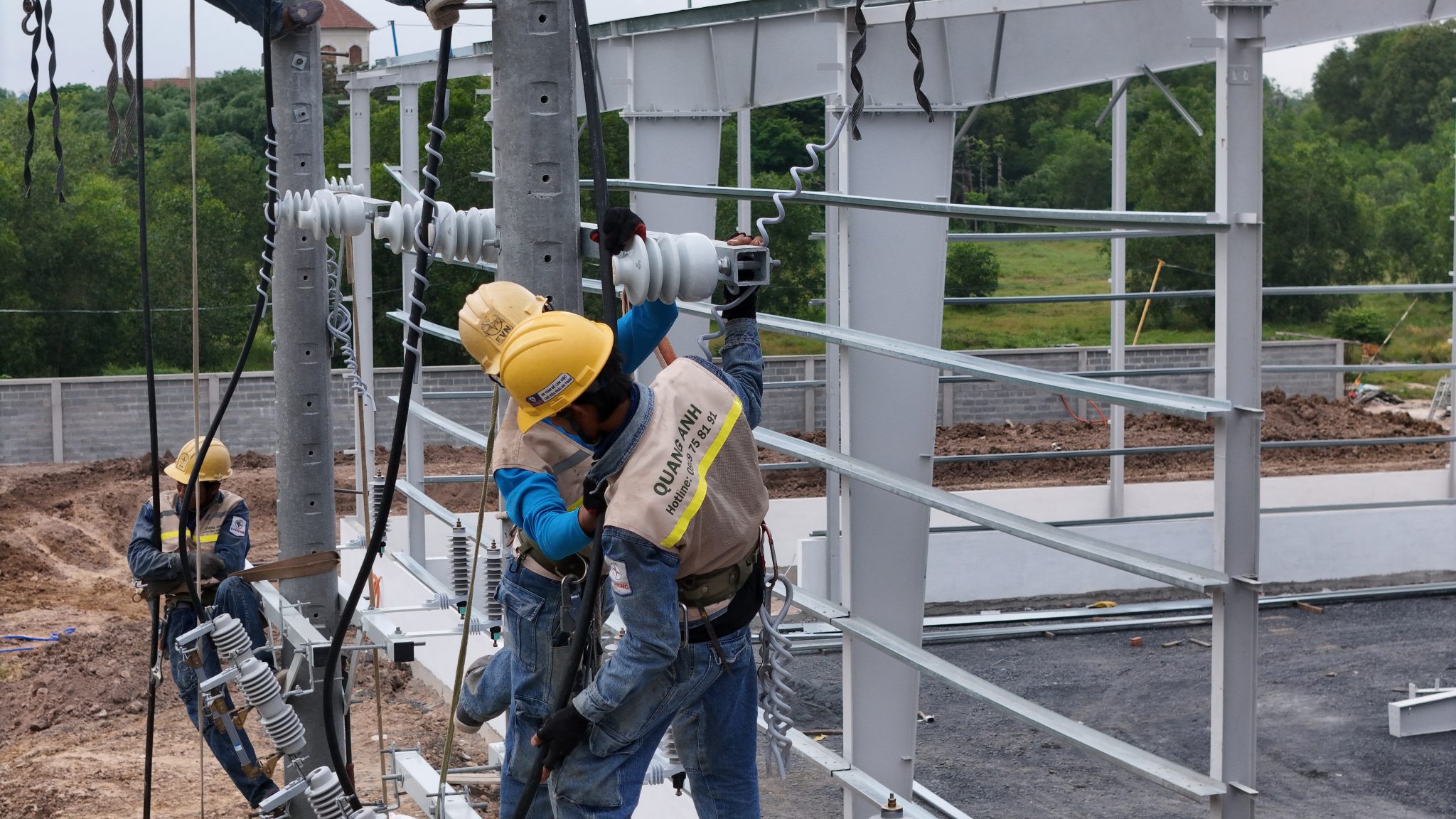
Material and construction costs involve materials, equipment, labor, and transportation necessary for installing mechanical and electrical systems, low-voltage, plumbing, and fire protection. Accuracy and efficiency in this phase significantly affect the total MEP costs and future project stability.
Accurate determination of material and installation costs for electrical systems is vitally important throughout electromechanical system implementation. This encompasses systems such as lighting, outlets, lightning protection, substations, along with light systems like Internet and cameras, as well as plumbing, HVAC, ventilation, and fire safety.
- Labor and Construction Costs: Estimated per square meter, reference prices range from 160,000 to 200,000 VND/m2, depending on wiring method (surface or conduit installation). This estimate includes implementing electrical and plumbing, cable TV, and Internet systems.
- Material Costs: Vary significantly based on installation methods. Surface wiring costs approximately 100,000 VND/m2, while conduit internal wiring is priced at 135,000 VND/m2. Additionally, water installation and finishing cost around 2,000,000 VND per room, subject to accurate project surveys.
- Construction Standards: To ensure safety and quality, compliance with technical standards like TCXD 4756:1989 and TCVN 11:2006 is mandatory, ensuring electrical equipment grounding and compliance with electrical standards.
- Design Fees: Generally lower than construction costs, design fees typically range around 12,000 VND/m2, with completion timelines between 3 to 10 days.
Accurately estimating these costs requires understanding project scale, network construction scope, the type of electromechanical materials used, and the extent of construction (new, renovation, replacement). A direct survey and requesting a technical quote from a reputable consultancy will ensure feasibility and project success.
Optimizing MEP Investment and Operation Costs
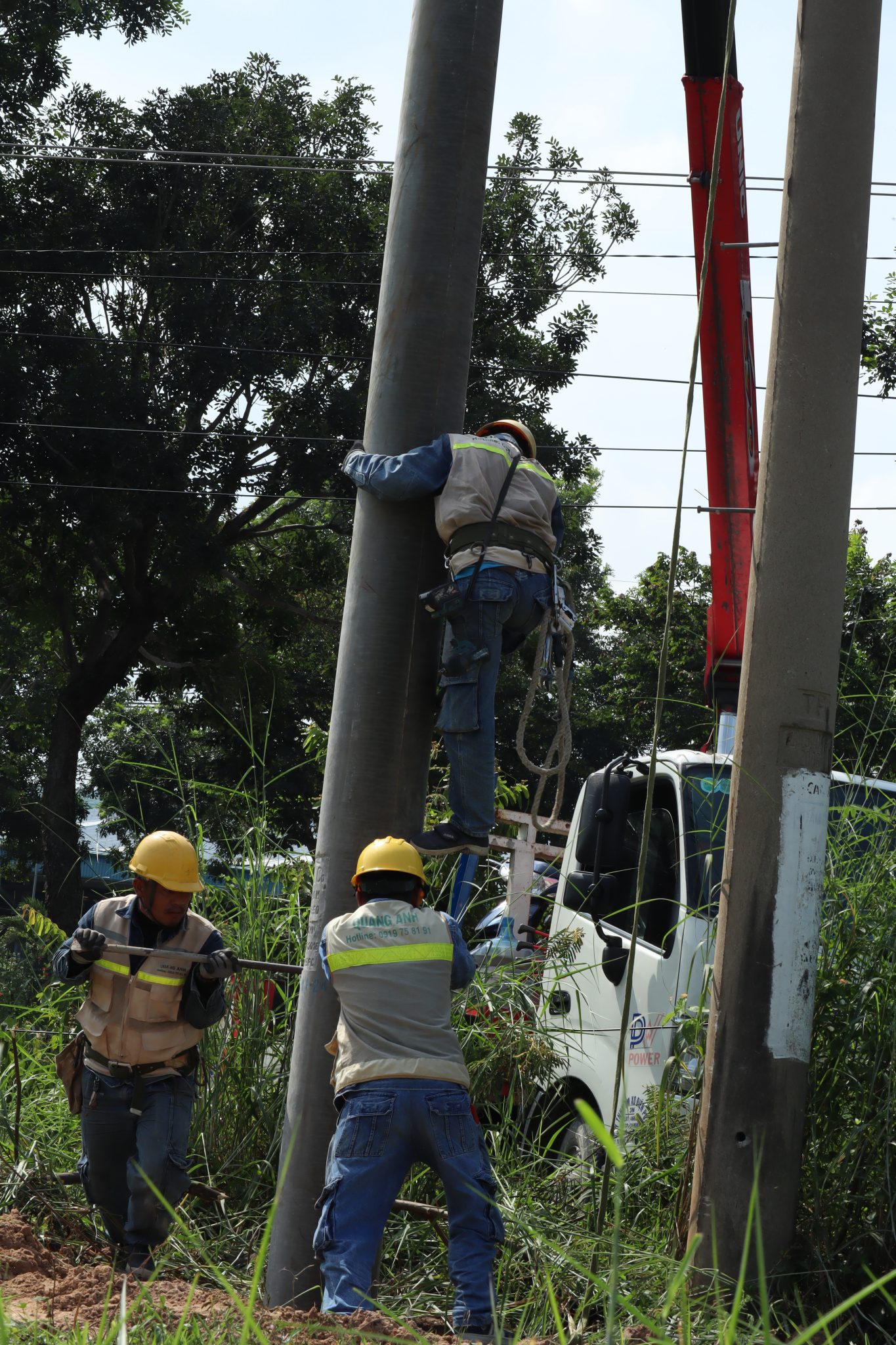
Optimizing investment and operational costs is a core goal in MEP contracts, balancing between initial construction expenses and operational efficiency. Employing advanced technical solutions can reduce long-term energy and maintenance costs, ensuring effective and sustainable system operation.
MEP optimization in construction not only enhances energy efficiency but also balances costs and management. Selecting high-performance equipment is integral to this optimization process. Utilizing devices from ABB, Mitsubishi, Cadivi, and Schneider can significantly reduce energy consumption and long-term operating expenses.
Optimization Strategies
- Choosing High-Performance Equipment: This is a crucial step in MEP optimization. Energy-efficient MEP equipment like pumps, fans, and air conditioning units help achieve significant energy savings.
- Energy-Conserving Designs: Designing to energy-conserving standards like ASHRAE or ISO provides an effective approach to reducing long-term energy costs and protecting the environment.
- Leveraging Existing Structures: Applying advanced technology and techniques to reuse existing structures minimizes material waste, especially when investments are limited.
- Energy Simulation Technology: Provides deep insights into building energy performance, enabling smart investment decisions and operation cost optimization.
Benefits of Cost Optimization
- Reduced Operating Costs: Effective placement and equipment selection significantly reduce annual operating expenses.
- Improved Energy Efficiency: A noticeable benefit is enhanced energy efficiency through smart design and advanced equipment.
- Environmental Protection: Implementing MEP optimization mitigates long-term negative environmental impacts through energy saving and sustainable materials use.
- Compliance with Technical Standards: MEP optimization ensures adherence to technical and legal standards, including fire protection, environmental, and electrical safety.
Role of Modern Technology
- Building Information Modeling (BIM) Technology: Manages projects more effectively through precise 3D modeling, allowing early identification and correction of design issues.
- Building Management Systems (BMS): BMS systems not only monitor but also automate MEP system controls, optimizing energy savings.
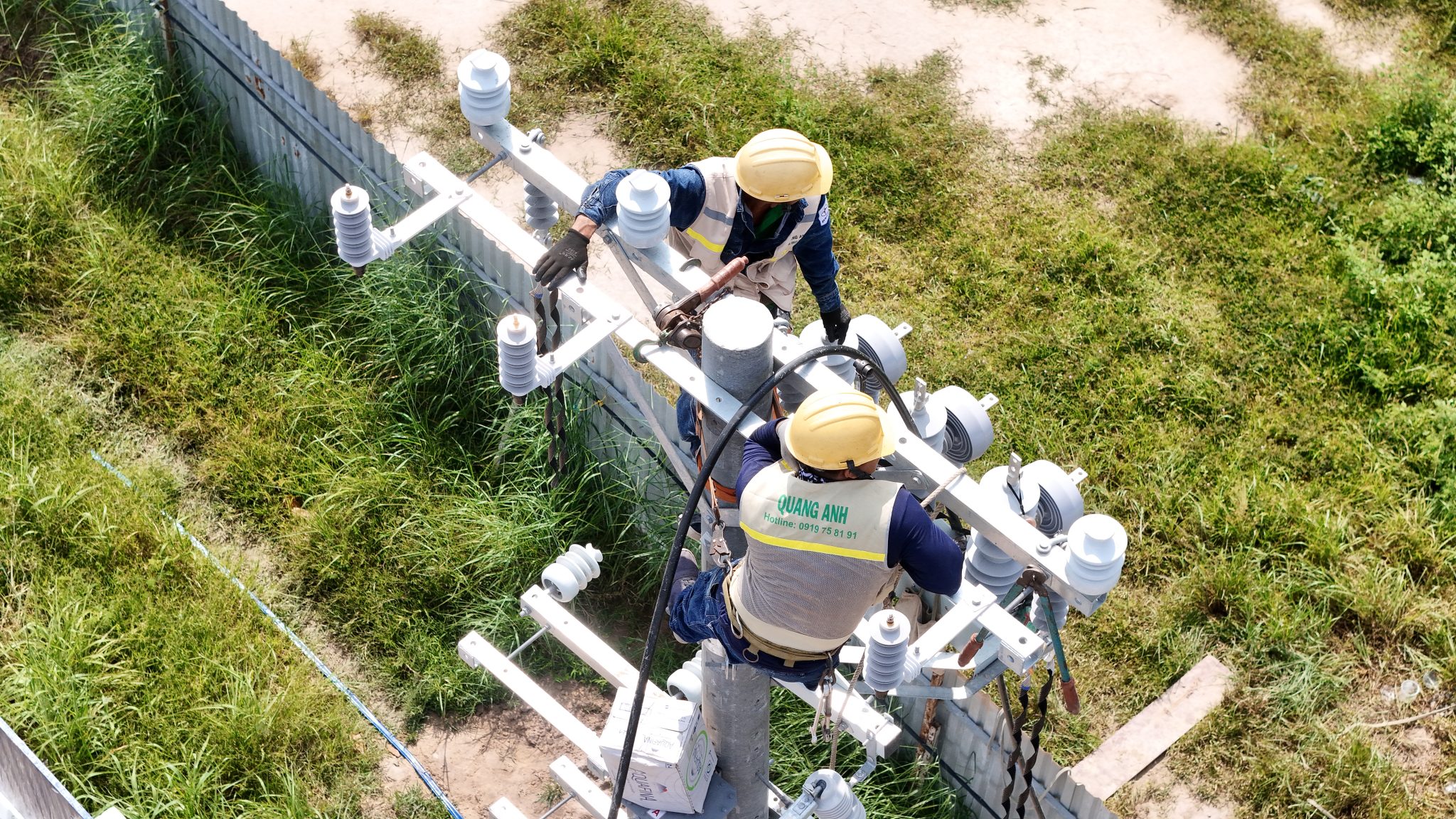
Efficiently managing MEP contract costs not only involves financial savings but also enhances operational effectiveness and system longevity. By balancing investment and maintenance costs wisely, projects achieve sustainability and long-term efficiency.
Contact QuangAnhcons directly at Hotline: +84 9 1975 8191 for comprehensive advice on cost-effective MEP solutions for your project.
QuangAnhcons offers comprehensive MEP solutions, covering design, construction, and maintenance, ensuring the success and operational efficiency of large construction projects.
[contact-form-7 id="7239967" title="Contact form 1"]
Related Posts
Comparing Oil and Dry Transformers in Industrial Projects
Distinguish between oil and dry transformers based on installation site, safety, maintenance, energy losses, initial [...]
Mar
Electrical Overload Warning Signs in Factories
Recognize early indicators of factory electrical overload such as voltage drops, overheating equipment, circuit breaker [...]
Mar
Risks of Overloading Industrial Transformers Without Upgrades
Keeping the same low-voltage transformer while increasing factory loads can result in overheating, insulation degradation, [...]
Mar
Evaluating and Implementing Transformer Contractors in Tay Ninh
Criteria for selecting transformer substation contractors in Tay Ninh, EPC scope, and factors affecting project [...]
Mar
Comparing Oil and Dry Transformers for Industrial Applications
Examine oil and dry transformers based on installation location, fire safety, maintenance, energy loss, investment [...]
Mar
Comprehensive 1500kVA Transformer Station Budget for Manufacturing Facilities
Guidance for creating a detailed budget list for a 1500kVA transformer station, including medium voltage [...]
Mar
Comprehensive Transformer Station Pricing: Elements and Considerations
Examine key components in comprehensive transformer station pricing including design, equipment, construction, testing, and connection [...]
Mar
Pricing Guide for 4000kVA Transformer Stations: Configuration, Cost, and Investment Process
An overview of configuration, cost estimates, connection approaches, and investment checklists for 4000kVA transformer stations [...]
Mar
Pricing and Setup of 3200kVA Transformer Stations: Configuration, Costs, and Investment Procedure
Explore the pricing structure for a 3200kVA transformer station, primary equipment configuration, cost variables, EVN [...]
Mar
Cost Estimation for 2500kVA Transformer Station: Configuration, Expenses, and Investment Process
Reference framework for quoting a 2500kVA transformer station based on configuration, station type, cable solutions, [...]
Mar
2000kVA Transformer Station Guide: Configuration, Costs, and Investment Process
Discover key aspects of a 2000kVA transformer station: from technical configuration and cost analysis to [...]
Mar
Pricing and Configuration Guide for 1600kVA Substations
A detailed guide on pricing for 1600kVA substations, including equipment specs, connection costs, EVN procedures, [...]
Mar
Comprehensive Guide to 1500kVA Substation Pricing: Configuration, Costs, and Investment Process
A comprehensive overview of configurations, costs, construction methods, connection procedures, and contractor selection for 1500kVA [...]
Mar
Tay Ninh Solar Power Planning: Technical Framework, Grid Interconnection, and Rollout Roadmap
Technical overview of solar planning in Tay Ninh: irradiation, grid capacity, permitting, design, operations, and [...]
Dec
Binh Duong Solar Planning: Regulatory Framework, Grid Interconnection, and an Implementation Roadmap for Factories and Industrial Parks
An overview of Binh Duong solar planning: legal framework, interconnection, design, risk management, and an [...]
Dec
Solar Farm Repair: O&M Workflow, IV Curve Diagnostics, Thermography, Inverter Service and Utility-Scale Safety
A utility-scale solar farm repair plan centered on O&M, IV curves, thermal imaging, inverter service, [...]
Dec
Dong Nai Solar Power Plan 2023–2025: Tri An 1,029 MW, Grid Upgrades and the DPPA Pathway
A complete look at Dong Nai’s solar power plan: Tri An 1,029 MW, irradiation potential, [...]
Nov
Quang Ngai Solar Power Plan 2024–2030: Legal Framework, Irradiance Potential, and Development Roadmap
A complete look at Quang Ngai’s solar power plan: capacity targets, irradiance (PVout), development zones, [...]
Nov
Solar Damage Assessment Services: On-Site Procedures, EL/IV/Thermography Testing & Compliance with Standards
Discover IEC/UL/NEC standard solar damage assessment processes: on-site evaluation, EL and IV curve testing, thermal [...]
Nov
Comprehensive Package Estimate for a 1800MVA 500kV Substation: Scope, Configuration 3x600MVA, Standards and Timeline Management
An overview of the 1800MVA 500kV substation estimate: construction scope, configuration 3x600MVA, GIS/AIS, SCADA, standards, [...]
Nov