

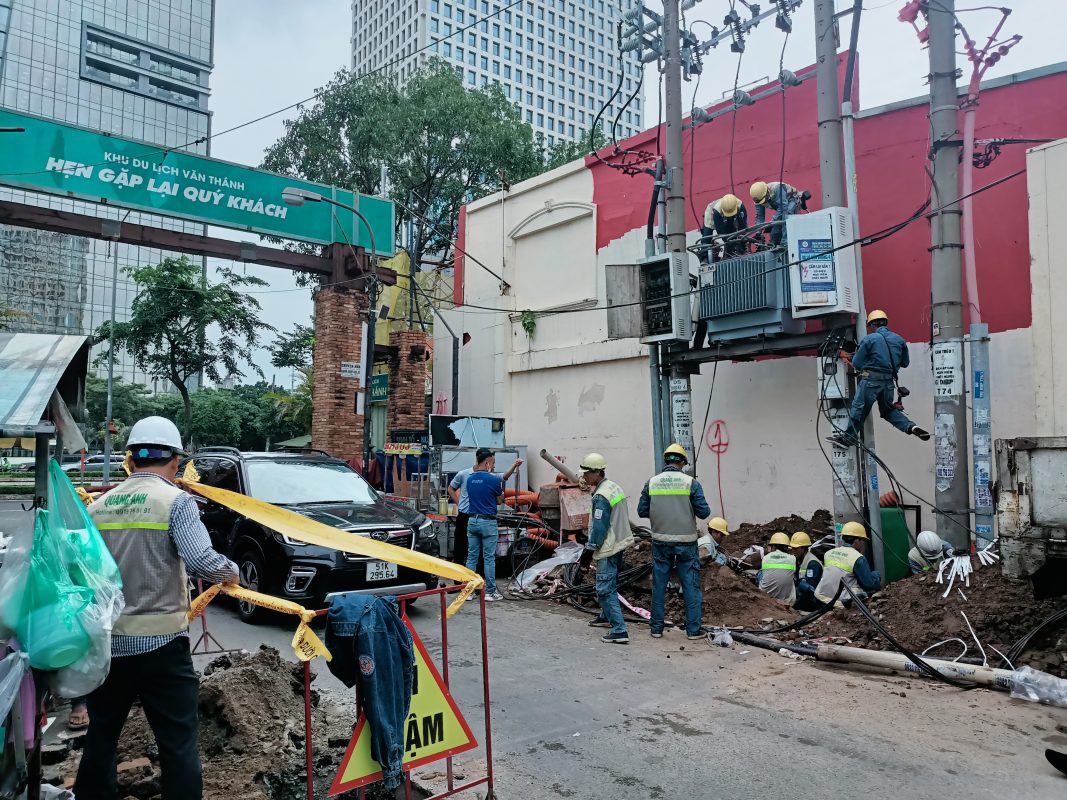
- Quickly differentiate the strengths and limitations of oil transformers versus dry transformers in industrial settings.
- Prioritize placement, fire safety requirements, and operational conditions over initial purchase price.
- Understand life cycle costs through energy loss, maintenance, infrastructure, and downtime impacts.
- Familiarize with documentation, testing, and key inspection points before commissioning.
- Develop specific decision frameworks for factories, workshops, and buildings to avoid incorrect transformer selection.
- Industrial project investors and management teams.
- Factory technical departments planning new builds, upgrades, or transformer replacements.
- Operational units needing to balance safety, maintenance, and long-term ownership costs.
- Building or workshop management needing to select solutions suitable for installation locations.
When to read this guide?
- When deciding between oil or dry transformers for a new substation.
- When comparing placement options such as indoors, outdoors, or near loads.
- When preparing investment estimates, delivery plans, and long-term operational costs.
- When reviewing fire safety, maintenance, and commissioning requirements.
- 1. Fundamental Differences in Principles and Heat Dissipation
- 2. Optimal Placement for Transformers Based on Application and Load
- 3. Fire Safety, Insulation, and Operational Risks to Consider
- 4. Routine Maintenance and Common Field Issues
- 5. Evaluating Energy Loss, Durability, and Total Ownership Costs
- 6. Investment Prices, Delivery Times, and Cost Influencing Factors
- 7. Choosing Oil or Dry Transformers for Factories, Workshops, and Buildings
- 8. Testing Documentation and Readiness Steps Before Commissioning
In industrial applications, selecting between an oil transformer or a dry one is not solely an equipment issue but also relates directly to placement, fire safety, maintenance practices, project timelines, and long-term operational costs. This guide focuses on sufficient criteria for decision-making without relying on a single figure.
Fundamental Differences in Principles and Heat Dissipation
The core difference between oil and dry transformers lies in the insulating medium and heat dissipation methods, which affect installation and maintenance directly.
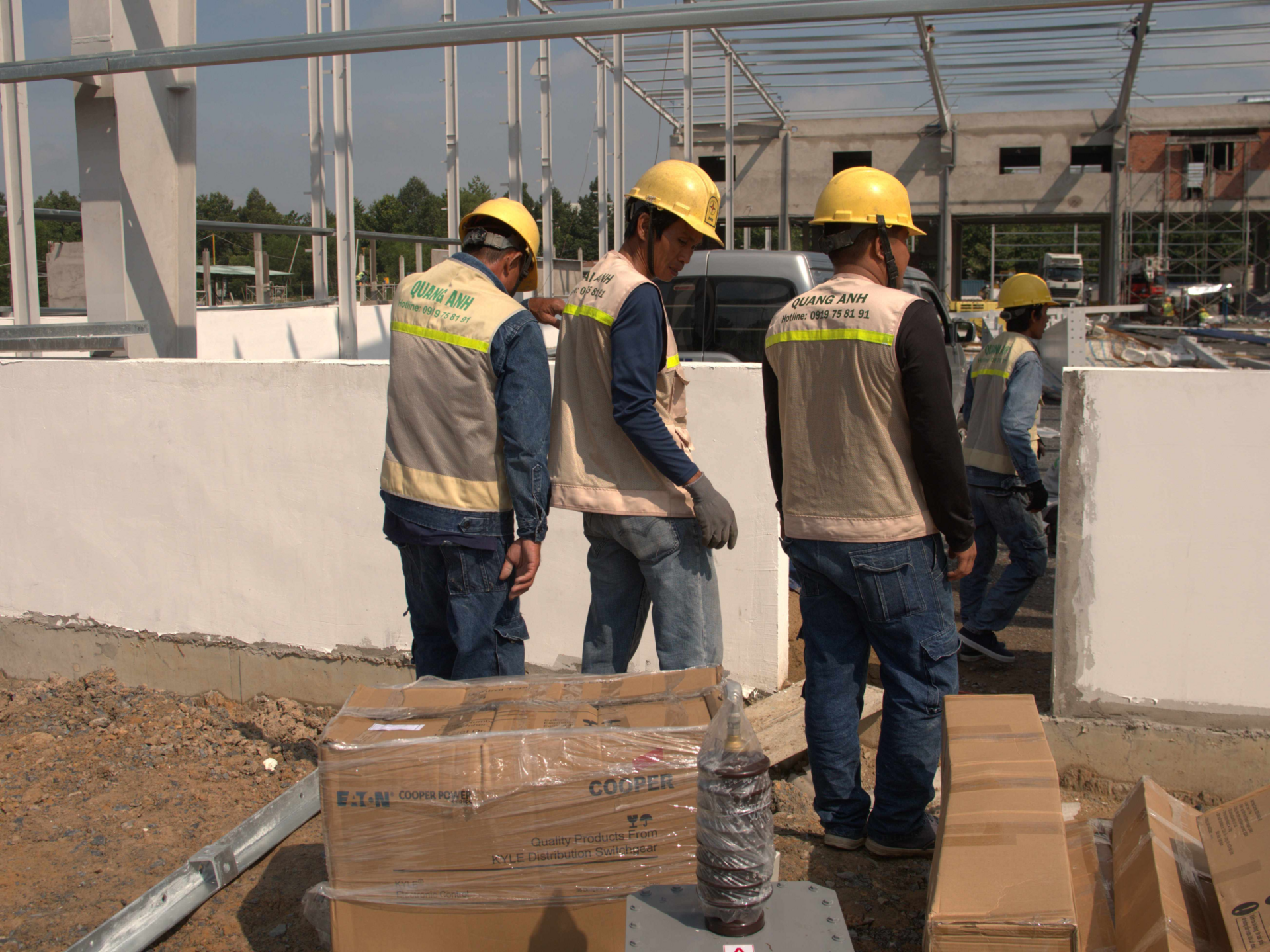
Oil transformers primarily use mineral oil as an insulating and cooling medium, whereas dry transformers utilize air or solid insulation materials like epoxy resin.
For heat dissipation, oil transformers typically operate under ONAN (Oil Natural Air Natural) mode, where the oil naturally circulates to exchange heat with the surrounding air; enhanced cooling can be achieved with ONAF (Oil Natural Air Forced) using fan assistance on the radiators. Dry transformers dissipate heat through air, with Cast Resin Transformers (CRT) using epoxy to encapsulate coils and Vacuum Pressure Impregnated (VPI) having coils vacuum impregnated with dry insulating materials.
On the field side, several practical differences must be noted: oil transformers are heavier due to the oil and steel tank, making them suitable for outdoor placement but requiring an oil management system; dry transformers allow direct observation of the coils and are frequently installed indoors, relying heavily on surrounding ventilation. During maintenance, checking coil surface temperatures and nearby airflow is a critical inspection criterion for dry transformers.
| Criteria | Oil Transformers | Dry Transformers |
|---|---|---|
| Insulating Medium | Mineral oil (for insulation and cooling) | Air / Epoxy Resin / Impregnation (CRT, VPI) |
| Cooling Mechanism | Oil-air convection (ONAN); fans can be added (ONAF) | Air convection cooling; fans may be needed in limited ventilation settings |
| Installation | Suitable for outdoors, requires oil management and leak prevention | Best for controlled environments indoors, good ventilation needed |
| Maintenance & Risks | Check oil quality, prevent oxidation and leakage | Monitor dust, airflow, and coil temperature rise |
Operationally, oil’s superior thermal conductivity compared to air allows oil transformers to handle bigger loads and temporary overloads more effectively; dry transformers have power limitations because air cooling is less efficient. Operational caution: if the environment for a dry transformer at a plant site has poor airflow or is dusty, rapid temperature increases and reduced insulation lifespan can occur.
Depending on the model and operational conditions, a site survey is necessary to identify the suitable type and detailed maintenance requirements.
Optimal Placement for Transformers Based on Application and Load
Evaluate placement based on transformer type (oil or dry), distance to the load, ventilation, and field implementation capabilities.
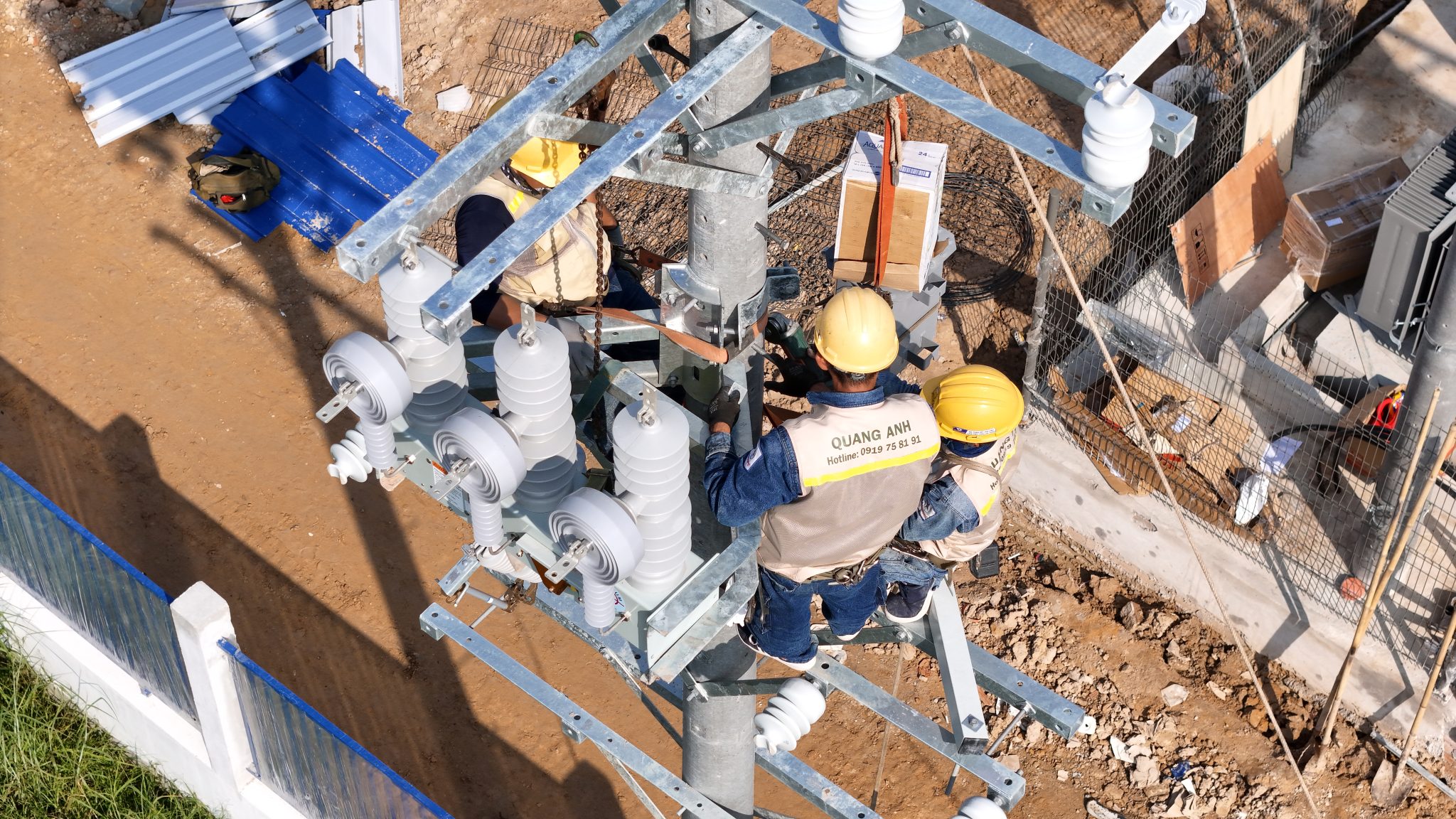
Oil transformers are often better suited for outdoor installation, while dry transformers are more appropriate indoors; the final position should consider proximity to the load, ventilation conditions, and field implementation capabilities.
Technically, oil transformers with metal casing can withstand harsh conditions and are usually stationed outdoors, easily accessible for construction and maintenance, although they require solid foundations due to substantial oil weight and must maintain safe anti-flame distances. Dry transformers avoid oil-related fire risks but need proper ventilation. During maintenance, direct coil observation is simple, yet effective natural or forced airflow for cooling is essential.
At the plant site, placing transformers near loads is advantageous for reducing line losses and improving distribution efficiency; however, optimal distances should be calculated based on transformer power and load characteristics, and subject to model and operational conditions. Oil transformers generally manage overload better and suit fluctuating loads, while dry transformers save space in areas with limited indoor capacity.
- Check ventilation: Dry transformers require adequate airflow, assess whether natural circulation or fan assistance is needed.
- Foundation and load: Oil transformers require robust foundations and greater load capacity.
- Access for construction and maintenance: Outdoor placement is favorable for cranes, vehicles, and equipment replacement.
- Safe distances and interaction with other devices: Follow regulatory guidelines for safe distances and flame resistance.
- Proximity to loads when feasible to reduce transmission losses, balancing safety and operational convenience.
Operational caution: Conduct site surveys to determine specific foundation, maintenance access, and safety distances according to site conditions; all selections should be validated with design units and regulatory authorities for compliance. After preliminary site agreement, take field measurements and prepare detailed installation drawings to calculate distances, ventilation, and fire prevention plans.
Fire Safety, Insulation, and Operational Risks to Consider
In areas with high density of people and equipment, prioritize fire safety and insulation needs over initial expenditure.
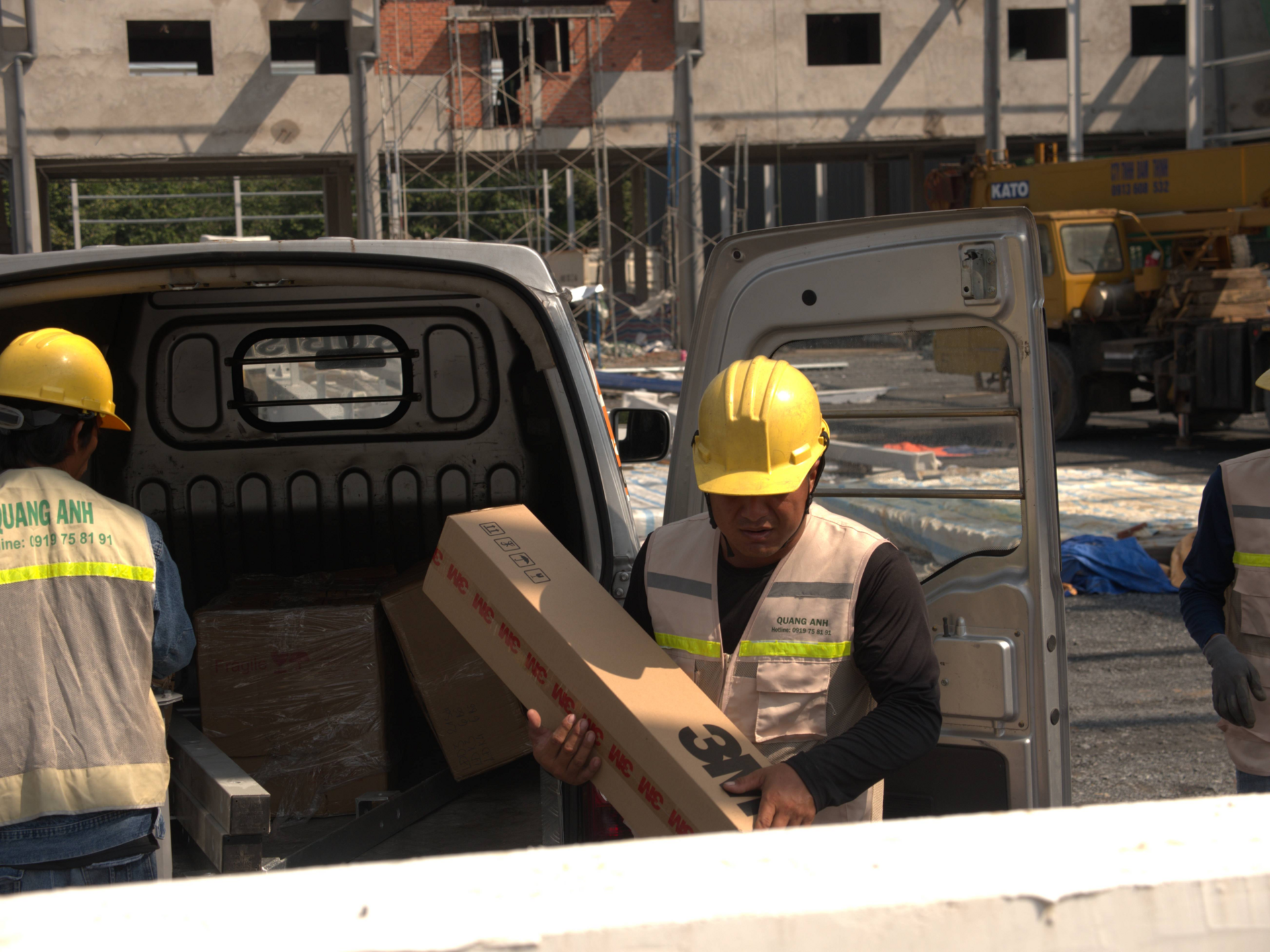
Safety from fire and proper insulation should be prioritized beyond cost concerns when transformers are housed within buildings, enclosed workshops, or areas with dense people and equipment.
Technically, oil-immersed and dry transformers pose different risks; typically, oil risks leaks and fires, whereas dry transformers reduce oil spill risks yet require secured insulation and suitable ventilation. At a plant, site notes on placement, safe distances to work areas, and ventilation are necessary. These factors dictate safety measure prioritization over cost-saving strategies.
During maintenance, field checks should include actual operational signals: oil stains, oil odor, burn marks or soot, and unusual warmth on bushings and casing. Moreover, ensure the condition of insulation at connections and distance to heat sources; if abnormalities emerge, isolate gear and proceed with repairs following plant safety procedures.
- Field Indications: Oil stains, oil odor, soot, hot spots on the cover or cable head.
- Routine Inspection: Surface checks, grounding checks, ventilation status, and transformer room seal integrity.
- Decisive Factors: Density of people/equipment, location (indoor or outdoor), oil leak management, and existing fire safety systems.
- Operational Warning: If oil leaks or insulation resistance decreases significantly, operate controlled shutdown for immediate repairs.
| Criteria | Oil Transformers | Dry Transformers | Remarks |
|---|---|---|---|
| Fire Risk | Possible due to oil; appropriate fire measures needed | Lower risk of oil spill; ignition sources still need control | Safety in crowded areas is a priority |
| Maintenance and Monitoring | Track oil leak ages and tank conditions | Focus on insulation checks and ventilation control | Choice based on operational conditions and maintenance capabilities |
Operational Conclusion: Where fire or oil leaks pose significant threats to human safety and property, safety considerations take precedence over costs; specific choices (fire measures, transformer type, room setup) should be determined following site assessments and equipment model considerations.
Routine Maintenance and Common Field Issues
Forecast maintenance workload and promptly identify risks like oil leaks, temperature increases, dust accumulation, and insulation degradation before faults occur.
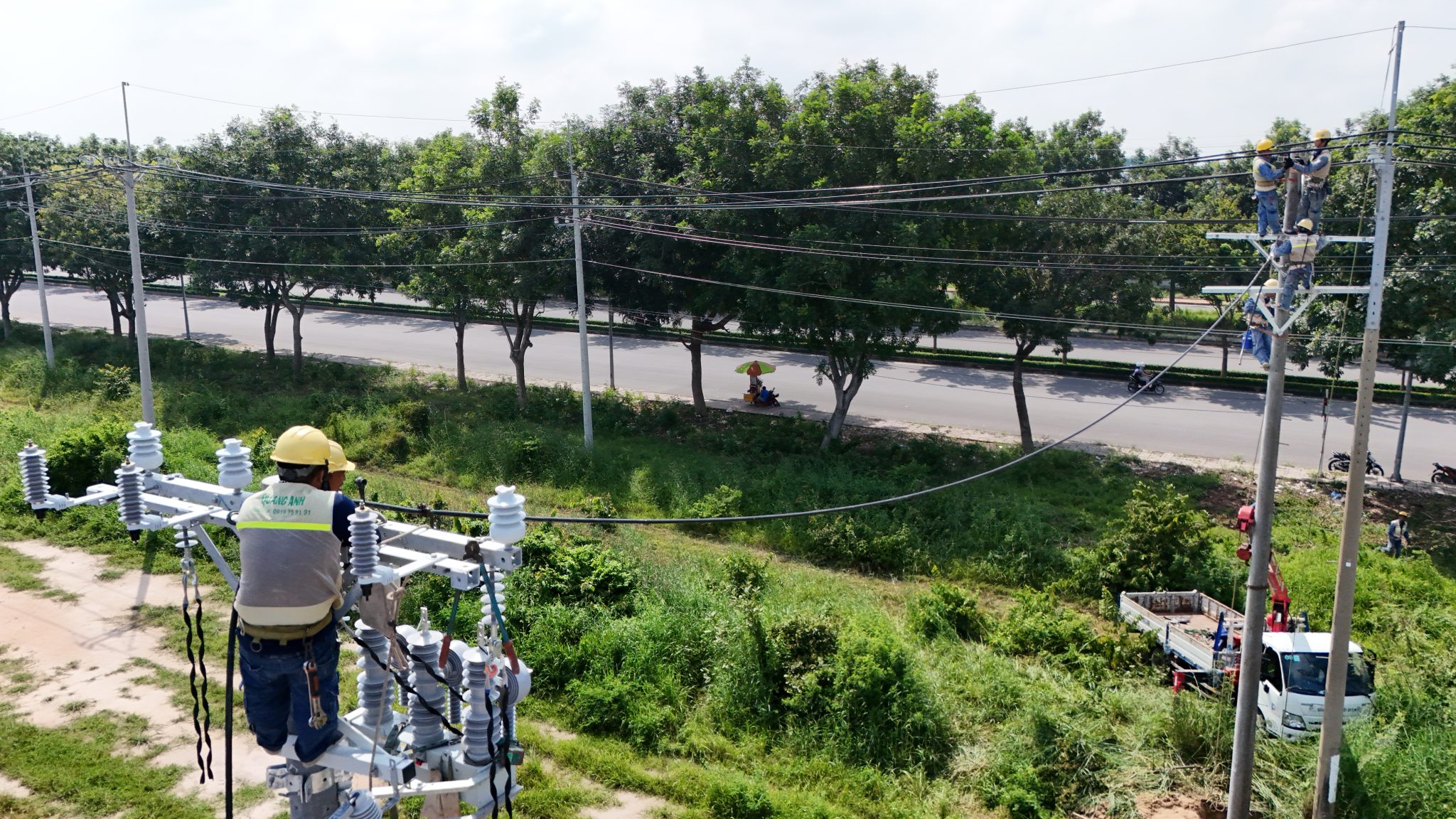
Proactive maintenance prioritizes early identification of risk indicators: oil leaks, overheating, dust accumulation, and insulation deterioration to preclude major issues. During maintenance, compare current states against safety and operation criteria before deciding interventions.
For oil-immersed transformers, leaking checks on steel casing, valves, and seals are initial tasks; meanwhile, confirm oil levels, casing swelling, and the Buchholz relay’s operation. At the plant, observe for oil bubbling/gassing, verify ONAN/ONAF cooling system to ensure uninhibited oil circulation, and schedule oil sampling to assess moisture and impurities based on operating cycles.
For dry transformers, focus on dust buildup on coils, the status of cooling fans, and epoxy/VPI insulation layers. During maintenance, visually check and monitor ventilation; if localized heating or unusual noises are detected, use onsite sensors to measure temperature, and consider measuring tan δ and resistance to evaluate insulation degradation.
- Oil Leaks: Inspect valves, oil neck, and casing; isolate if large leaks found, release protective gas if necessary, and commence oil spill handling.
- Casing Swell/Gas Accumulation: Validate Buchholz relay and conduct protective gas release ahead of resumed operation.
- Abnormal Temperature Rises: Measure coil temperature immediately; if it exceeds standard operating levels, consider load reduction or pausing operations for ventilation handling.
- Dust Accumulation/Humidity (Dry Transformers): Clean coil surface, inspect fans and ventilation system; control ambient humidity in transformer rooms.
- Insulation Degradation: Schedule tan δ and insulation resistance measurements; unexpected results require in-depth surveys before resuming significant loads.
- Vibration and Noise: Track trends to forecast mechanical part failures or oil level variations in oil transformers.
Operational Warning: If sudden temperature rises or noticeable decreases in insulation resistance occur, cease load supply for further checks before resuming operations. Many industrial setbacks can be anticipated via trend monitoring (temperature, noise, oil levels), with handling priorities on insulation safety and oil spill control.
If a further intervention level has to be determined, create detailed inspection and oil/electrical sample collection lists for analysis; analysis findings will dictate oil replacement, casing repairs, or insulation restoration. Routine checks per standard frameworks help standardize procedures and form foundations for further maintenance decisions.
Evaluating Energy Loss, Durability, and Total Ownership Costs
Assess TCO for oil and dry transformers based on no-load loss, load loss, lifespan, and downtime costs to make investment decisions.

For comparing energy loss, durability, and overall ownership costs between oil and dry transformers, it is essential to look at no-load loss, load loss, maintenance costs, installation costs, and equipment lifespan.
At a reference power of 2500 kVA, actual loss metrics show oil transformers have lower no-load and load losses compared to dry types CRT and VPI: approximately 2.66 kW no-load loss for oil transformers compared to 7 kW (CRT) and 7.55 kW (VPI); at 100% load, oil transformers have around 16.38 kW load loss compared to 21 kW (CRT) and 18.52 kW (VPI). Total losses at 100% load are 19.04 kW for oil compared to roughly 28 kW for both dry types; at 50% load, oil’s total losses are 6.76 kW compared to 12.18 kW (CRT) and 12.25 kW (VPI). Typically, these differences result in lower operational costs for oil transformers when running for substantial hours at median industrial loads.
Initial investment and operational costs vary in impact: dry transformers generally have higher purchase prices due to complex manufacturing processes; oil transformers possess oil and steel tanks, increasing transport and installation costs. Regarding durability, some dry types provide higher mechanical endurance in controlled environments but are more temperature-sensitive; oil transformers generally offer more stability at high loads and typically withstand overloads better, lessening risks of production downtime expenses.
To finalize TCO, separate cost categories and collect field data. Primary components for consideration include:
| Cost Group | Item | Influencing Factors |
|---|---|---|
| Energy Costs | No-load and load losses | Annual operating hours, electricity tariffs, load-related losses (kW) |
| Investment Costs | Equipment purchase price | Type (oil/dry), manufacturing process, protective options |
| Installation & Transportation | Transport, foundation, installation labor | Weight (oil transformers are heavier), transport distance, foundation work |
| Maintenance Costs | Routine maintenance, part replacement | Maintenance frequency, material costs, operating conditions |
| Downtime Risks | Production disruption costs | Overload handling capacity, stability level, restoration time |
During maintenance or plant surveys, gather at least the following: measured losses (if available), average operating hours, applicable electricity tariff, working environment (temperature), and rough estimates of installation costs. Practical decision: if production lines operate extensively at medium loads, the lower loss benefits of oil transformers often offset the investment; if operations are in high-temperature or oil-handling restricted environments, dry transformer costs and lifespan must be critically evaluated.
Light conclusion: to determine the best solution, conduct site surveys to acquire actual operating hours, electricity rates, and estimates of installation/maintenance costs, creating TCO models under multiple operational scenarios.
Investment Prices, Delivery Times, and Cost Influencing Factors
Variables such as capacity, voltage, insulation type, weight, and energy loss impact purchasing price and transformer delivery timelines.
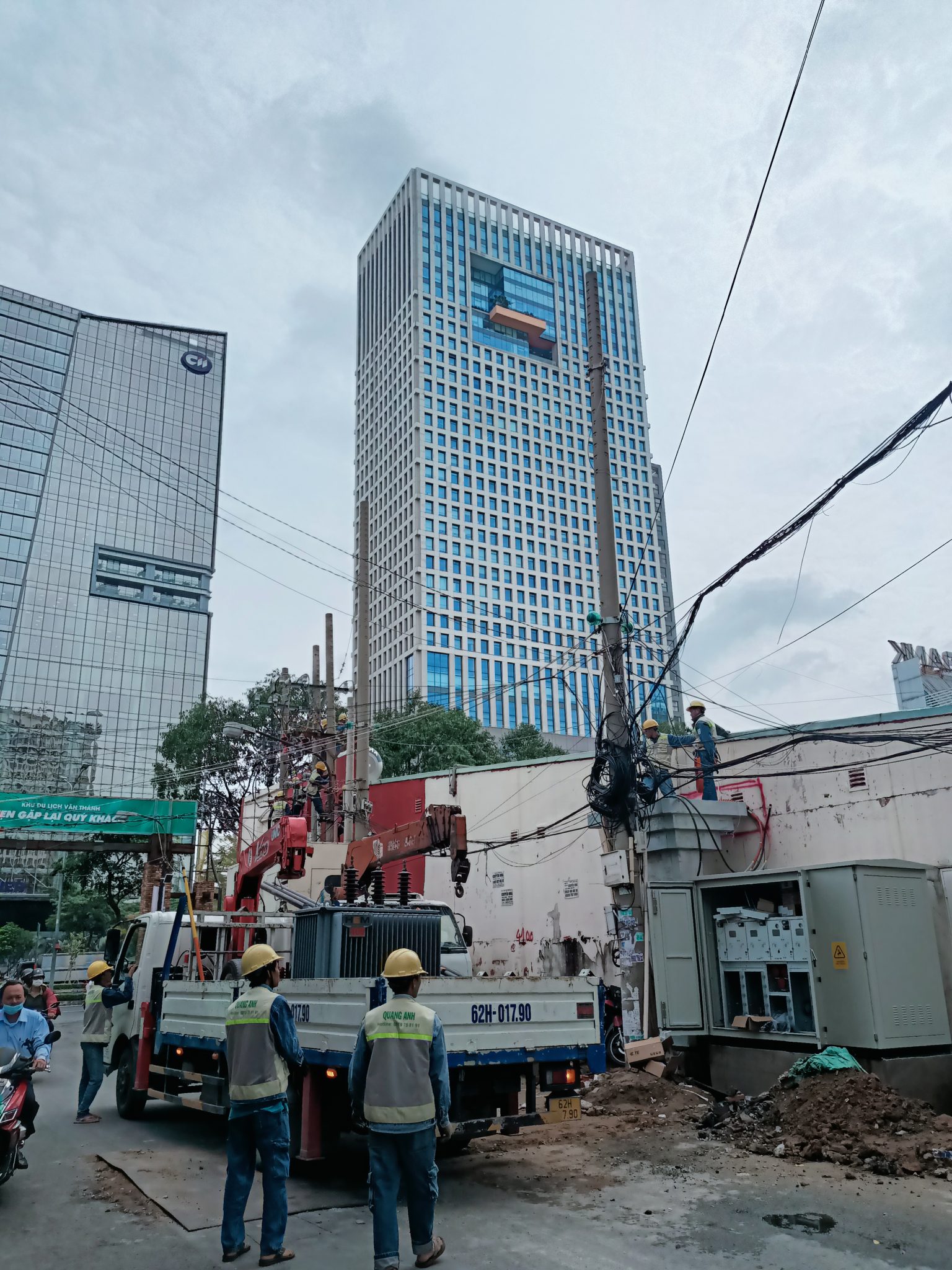
Price disparities and delivery timelines for transformers largely rely on type (oil vs. dry), capacity, voltage, and field installation conditions.
Generally, dry transformers command higher purchase prices than equivalent oil units due to more intricate manufacturing, and delivery periods also tend to be longer. Regarding operational costs, dry transformers show higher no-load and load losses; records indicate dry transformer no-load loss ranging from 7–7.55 kW compared to 2.66 kW for oil transformers at 2500 kVA, and total losses at 50% load for dry units are 12.18–12.25 kW versus 6.76 kW for oils. Additionally, dry units often have power limits (usually under 2500 kVA) and a maximum voltage of about 35 kV, making project scale an essential factor in determining the device to be acquired.
At the plant level, evaluate field parameters such as entry sizes, lifting capabilities, placement (indoors vs. outdoors), and fire safety mandates. During maintenance or acceptance, review equipment weight and foundation requirements since oil transformers are heavier due to the oil tank and steel casing, directly affecting transportation costs and installation labor.
- Technical Factors: Capacity, rated voltage, and insulation type inform base device price.
- Manufacturing and Supply Factors: Complexity of production (higher for dry units), manufacturing time leading to longer deliveries.
- Field Factors: Weight, access conditions, foundation, and fire safety requirements influence auxiliary installation costs.
- Long-term Operational Costs: Energy losses aligned with load profile; dry transformers may increase long-term electricity expenses compared to oil units.
| Cost Group | Item | Influencing Variables | Application Note |
|---|---|---|---|
| Main Equipment | Transformers (oil/dry) | Capacity, voltage, insulation type | Dry units often come at higher costs for same capacity; capacity constraints can necessitate choosing oil. |
| Transport & Handling | Freight, lifting equipment, on-site installation | Weight, terrain, access | Oil units are heavier, raising freight and specialized lifting needs. |
| Installation & Infrastructure | Foundation, transformer room, fire systems | Indoor/outdoor settings, fire safety requirements | Dry units typically install indoors, lowering foundation and protective costs; oil needs outdoor setup and fire systems. |
| Operations & Maintenance | Energy losses, routine upkeep | No-load/load losses, average load levels | Bigger losses in dry units impact long-term energy costs; evaluated across lifecycle and load profile. |
Operational Caution: Without real load profile data or field size outlines, cost estimates bear significant errors, thus a field survey is essential before finalizing quotes. The final choice typically balances initial and lifecycle operational costs; depending on model and operational conditions, one strategy could be more justifiable than another.
Choosing Oil or Dry Transformers for Factories, Workshops, and Buildings
Prioritize assessment based on capacity, installation space, and safety requirements to choose between oil and dry transformers for various projects.
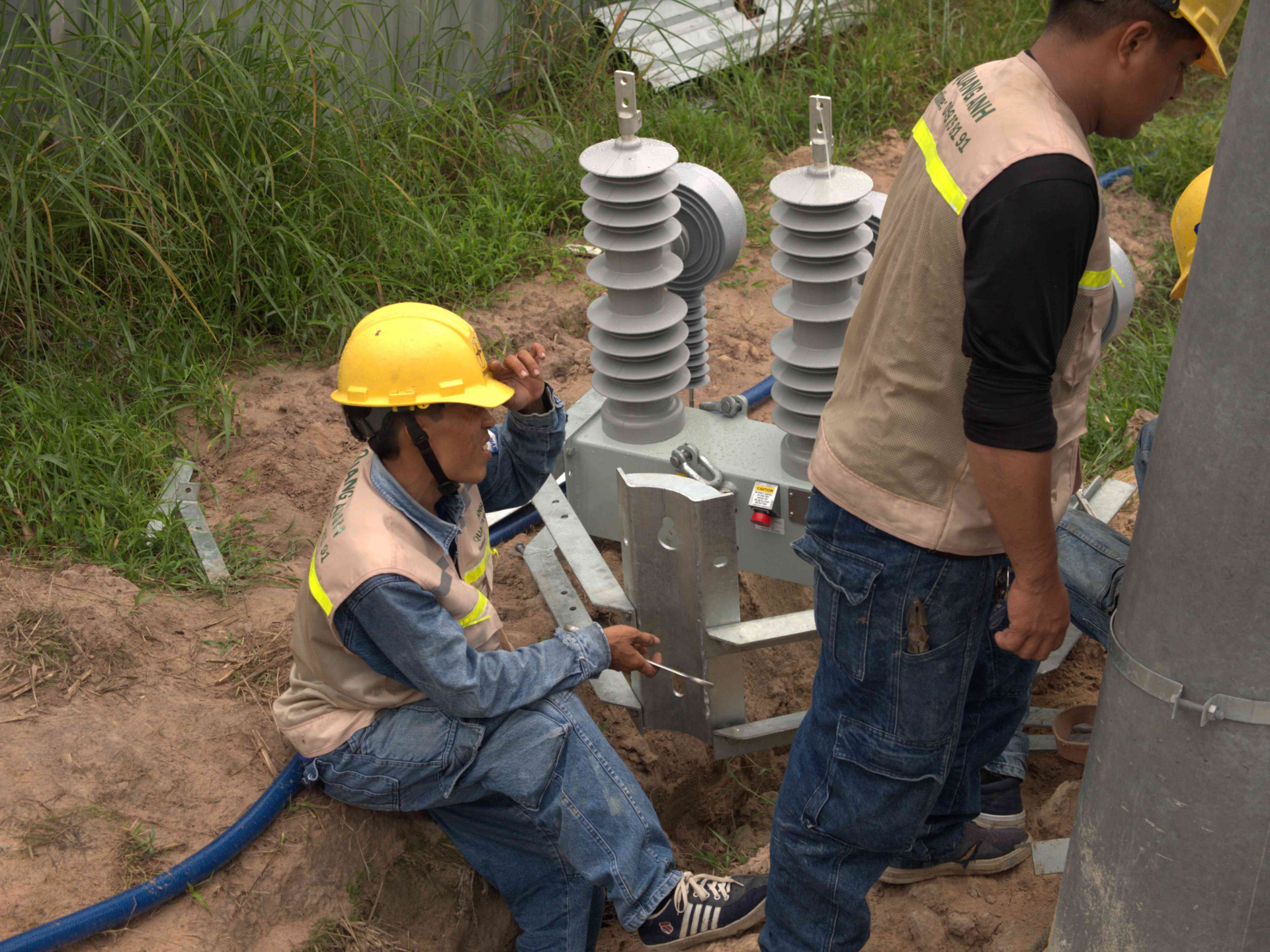
Choosing between oil and dry transformers is guided by four main factors: capacity and load characteristics, installation space, fire safety needs, and operational/maintenance costs.
Field-wise, in-plant surveys require space measurements, transportation checks, and foundation load assessments. Oil transformers typically weigh more due to their insulating oil and steel casings, escalating transport costs and foundation requirements; dry transformers are lighter, fitting well in limited-space indoor layouts.
Regarding operation characteristics, oil transformers generally have lower losses under stable loads; for example, oil transformers handle 2500 kVA with a no-load loss of 2.66 kW compared to dry CRT’s 7 kW. Conversely, dry transformers handle overloads better and have higher mechanical durability, suited for high-load fluctuation projects like diverse workshops. During maintenance, oil units necessitate oil checks, leak detection, and cooling system evaluation; dry units focus on insulation checks, dust removal, and airflow systems.
| Criteria | Priority | Onsite Remarks |
|---|---|---|
| High Power, Stable Load | Oil Transformers | Long-term savings from reduced losses; requires outdoor site or dedicated house. |
| Fluctuating Load, Temporary Overload | Dry Transformers | Better overload tolerance; suitable for workshops with frequent machine start-ups. |
| Fire Safety, Indoor Installation | Dry Transformers | No oil leaks, prioritizing high human occupancy and clean environments like in food industry. |
| Initial Investment Cost | Oil Transformers | Generally lower initial cost than same-capacity dry units; consider operating costs as well. |
Practical warnings: if installing oil transformers indoors or in densely populated areas, fire prevention measures, containment pits, and drainage must be in place; if load capacity constraints or narrow entryways exist, dry transformers are preferable. Upon acceptance/testing, measure core and casings temperatures, check for oil leaks (for oil units) or increased heat from dust/moisture (for dry units).
Short conclusion: for large power plants with stable loads, oil units are often favored for efficiency; smaller workshops, buildings, or locations with fire/space restrictions often suit dry units better. Nonetheless, conduct site surveys, load chart analyses, and specific installation considerations before finalizing the decision.
Testing Documentation and Readiness Steps Before Commissioning
Completion of installation checks, electrical tests, and commissioning documentation is necessary before turning on the transformer to ensure safety and operability.
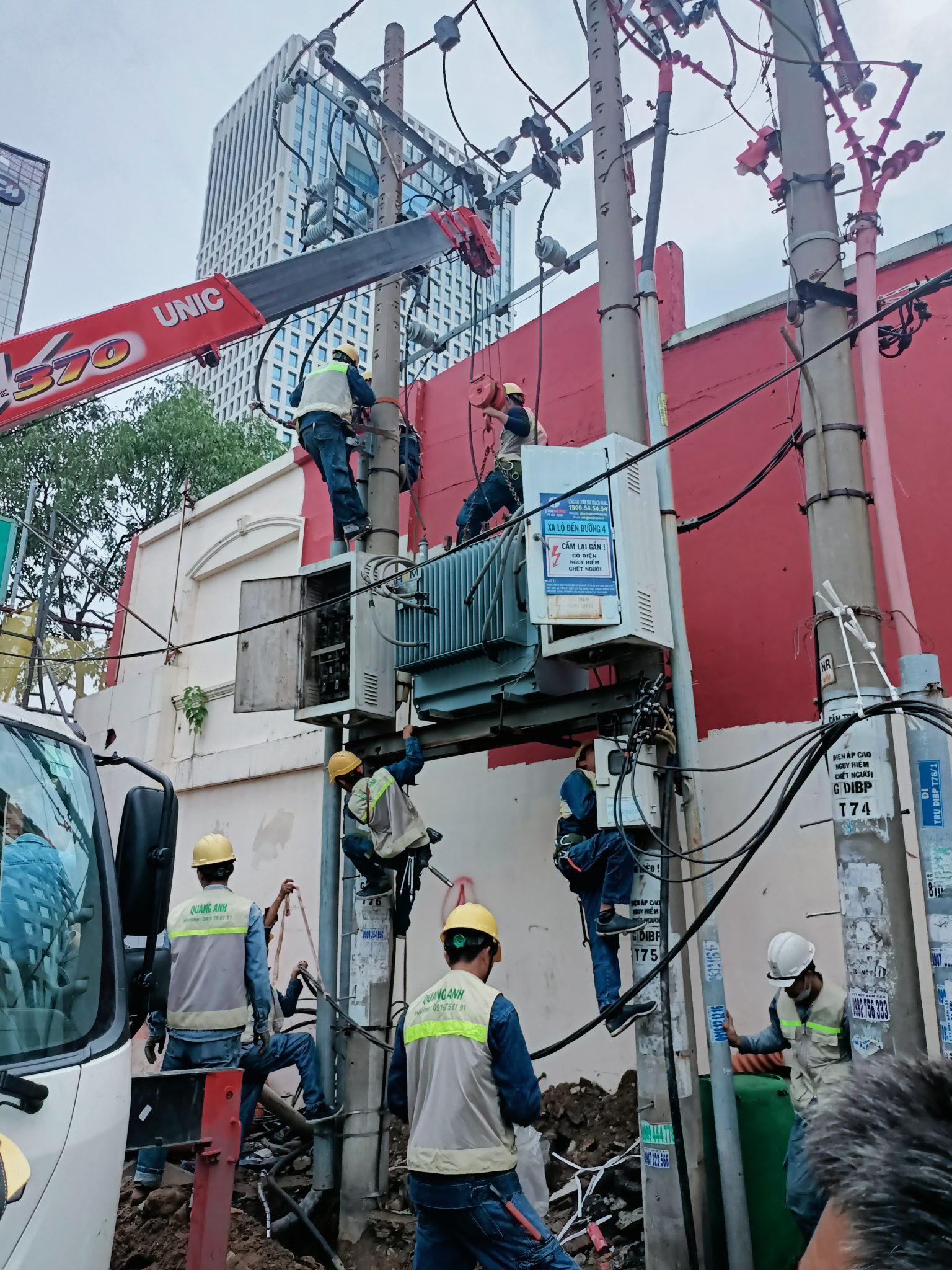
Installation checks and testing documentation must be thoroughly carried out at the site sequence to ensure safe and feasible commissioning.
Primarily verify mechanical site installation: alignment and foundation surface, bolt positioning, evenness, insulation spacing across phases, and oil troughs (for oil transformers). During maintenance, check bolt anchors per manufacturer’s requirements, and validate the absence of foreign objects within the oil tank or coil compartments.
Implement coil insulation resistance measurements and draft records; measured values must meet TCVN and designed substation criteria before turning on. Measure coil resistance at ambient temperature and compare with manufacturer’s values to catch loose connections or winding slack. During plant surveys, verify transformer ratios and coil groupings through ratio measurements to ensure nominal data compliance.
For oil transformers, collect oil samples for analysis: gauge electrical strength, moisture levels, and impurity checks. Practical insights highlight the need for oil analysis results before acceptance; reference demands for electrical endurance and moisture noted in internal technical resources. Check coolers, fans, oil valves, and circulation pumps for normal function before load testing.
No-load and short-circuit tests should follow established sequences, documenting losses and mechanical dispersion. Protection system and measurement trials should cover relay checks, protection coordination, and meter calibrations; coordinate with the utility company (EVN) for interlock checks and pre-commissioning certifications.
Operational Warning: If insulation resistance or oil analysis falls short of required standards, refrain from commissioning and implement resolutions (drying, filtering or oil replacement, mechanical repair) followed by retesting. Additionally, incomplete testing documentation will delay utility acceptance and commissioning.
- Inspect mechanics and foundation, validate bolts, insulation spacing.
- Measure insulation resistance and coil resistance, document findings.
- Test transformer ratio and confirm winding grouping.
- Oil sampling (oil transformers): Analyze electrical strength and moisture levels.
- Verify cooling systems, fans, valves before load testing.
- Conduct no-load and short-circuit tests, record losses and vibrations.
- Review protection and relay systems, coordinate with utility (EVN).
- Assemble complete commissioning documents and request acceptance per procedure.
| Documentation/Record | Main Contents |
|---|---|
| Testing Record | Insulation resistance, ratio, coil resistance, no-load/short-circuit test records. |
| Oil Analysis Results | Reports on electrical strength, moisture, and impurity levels of oil samples. |
| Manufacturer Certificates | Warranty, technical certification, and nominal specifications issued by the manufacturer. |
| As-built and Design Records | Completion drawings, connection diagrams, and construction modifications against design. |
| Utility Coordination Record | Onsite inspection confirmation, interlock tests, and pre-commissioning acceptance with EVN. |
Light conclusion: Carefully complete each checklist step, resolve any discrepancies promptly, and prepare a full set of commissioning documents before seeking utility approval for activation. Once all criteria are satisfied, draft commissioning protocols and schedule energization as directed by the utility provider.
If a project involves outdoor space, consistent power needs, and initial cost concerns, oil transformers are a feasible choice. When installations are indoors, near high-use areas, or subjected to stringent safety requirements, dry transformers are generally more suitable. Still, a thorough comparison against layouts, loading, acceptance needs, and maintenance plans should finalize the decision.
Quick Selection Guide: Oil vs. Dry Transformers
- Determine location (indoor, outdoor, or high-safety area).
- Evaluate load characteristics, capacity increments, and sensitivity to power outages.
- Compare safety, ventilation, installation distance, and practical operating conditions.
- Estimate total ownership costs mochiably: initial investment, loss, maintenance, supportive infrastructure.
- Review project timelines and delivery risks to prevent unsuitable commissioning delays.
- Prepare testing, acceptance, and connection prerequisites to finalize a feasible choice.
- Only settle on a type after comprehensive project context comparison; not just the purchase price.
For new substation options or replacing existing transformers, start by surveying installation sites, load proximity, safety conditions, and commissioning documentation to realistically compare investment and ownership costs.
[contact-form-7 id="7239967" title="Contact form 1"]
Related Posts
Comparing Oil and Dry Transformers for Industrial Applications
Examine oil and dry transformers based on installation location, fire safety, maintenance, energy loss, investment [...]
Mar
Comprehensive 1500kVA Transformer Station Budget for Manufacturing Facilities
Guidance for creating a detailed budget list for a 1500kVA transformer station, including medium voltage [...]
Mar
Comprehensive Transformer Station Pricing: Elements and Considerations
Examine key components in comprehensive transformer station pricing including design, equipment, construction, testing, and connection [...]
Mar
Pricing Guide for 4000kVA Transformer Stations: Configuration, Cost, and Investment Process
An overview of configuration, cost estimates, connection approaches, and investment checklists for 4000kVA transformer stations [...]
Mar
Pricing and Setup of 3200kVA Transformer Stations: Configuration, Costs, and Investment Procedure
Explore the pricing structure for a 3200kVA transformer station, primary equipment configuration, cost variables, EVN [...]
Mar
Cost Estimation for 2500kVA Transformer Station: Configuration, Expenses, and Investment Process
Reference framework for quoting a 2500kVA transformer station based on configuration, station type, cable solutions, [...]
Mar
2000kVA Transformer Station Guide: Configuration, Costs, and Investment Process
Discover key aspects of a 2000kVA transformer station: from technical configuration and cost analysis to [...]
Mar
Pricing and Configuration Guide for 1600kVA Substations
A detailed guide on pricing for 1600kVA substations, including equipment specs, connection costs, EVN procedures, [...]
Mar
Comprehensive Guide to 1500kVA Substation Pricing: Configuration, Costs, and Investment Process
A comprehensive overview of configurations, costs, construction methods, connection procedures, and contractor selection for 1500kVA [...]
Mar
Tay Ninh Solar Power Planning: Technical Framework, Grid Interconnection, and Rollout Roadmap
Technical overview of solar planning in Tay Ninh: irradiation, grid capacity, permitting, design, operations, and [...]
Dec
Binh Duong Solar Planning: Regulatory Framework, Grid Interconnection, and an Implementation Roadmap for Factories and Industrial Parks
An overview of Binh Duong solar planning: legal framework, interconnection, design, risk management, and an [...]
Dec
Solar Farm Repair: O&M Workflow, IV Curve Diagnostics, Thermography, Inverter Service and Utility-Scale Safety
A utility-scale solar farm repair plan centered on O&M, IV curves, thermal imaging, inverter service, [...]
Dec
Dong Nai Solar Power Plan 2023–2025: Tri An 1,029 MW, Grid Upgrades and the DPPA Pathway
A complete look at Dong Nai’s solar power plan: Tri An 1,029 MW, irradiation potential, [...]
Nov
Quang Ngai Solar Power Plan 2024–2030: Legal Framework, Irradiance Potential, and Development Roadmap
A complete look at Quang Ngai’s solar power plan: capacity targets, irradiance (PVout), development zones, [...]
Nov
Solar Damage Assessment Services: On-Site Procedures, EL/IV/Thermography Testing & Compliance with Standards
Discover IEC/UL/NEC standard solar damage assessment processes: on-site evaluation, EL and IV curve testing, thermal [...]
Nov
Comprehensive Package Estimate for a 1800MVA 500kV Substation: Scope, Configuration 3x600MVA, Standards and Timeline Management
An overview of the 1800MVA 500kV substation estimate: construction scope, configuration 3x600MVA, GIS/AIS, SCADA, standards, [...]
Nov
Factory Electrical Systems: Comprehensive Design and Implementation Guide
Discover the detailed and safe process of factory electrical systems design and implementation. [...]
Oct
Blueprints Required for Factory Construction Permits
Discover the necessary blueprints in factory construction permit applications, from floor plans to electrical and [...]
Oct
What Are the Requirements for a Factory Construction Permit? A Comprehensive Guide
Explore the documentation and steps needed to secure a factory construction permit for streamlined project [...]
Oct
Factory Construction Permit Procedures in Vietnam: Essential Guidelines and Documents
Learn the procedures for securing a factory construction permit in Vietnam, focusing on document preparation [...]
Oct