

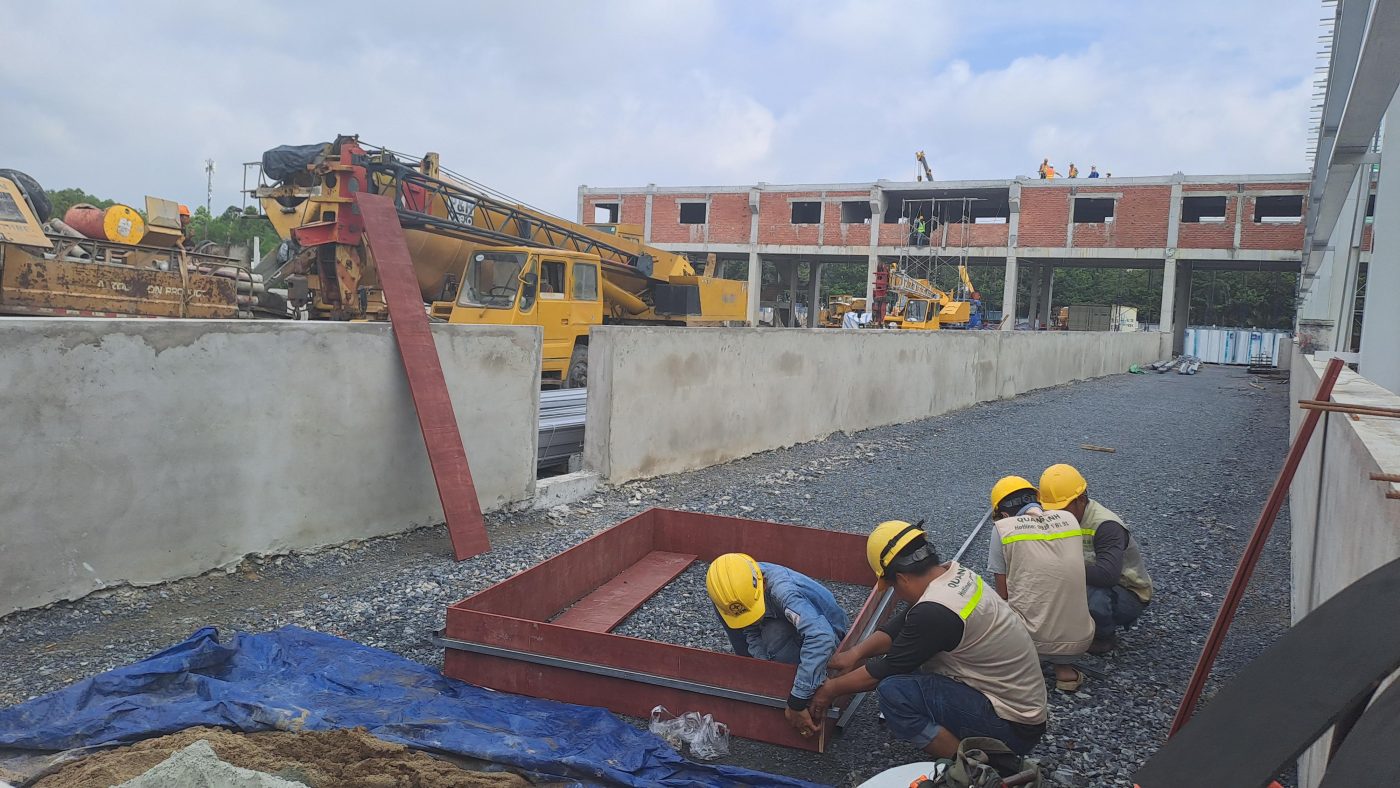
- Clarifies emergency repair options within a day versus cases requiring more thorough evaluations.
- Emphasizes on-field priority: source isolation, electrical safety, cause diagnostics before decisions to repair or replace.
- Summarizes post-repair checks like insulation, oil, protection, and re-energization conditions.
- Details required collaboration with power utilities when dealing with medium-voltage incidents.
- Guides on cost perspective based on damage extent, replacement materials, testing, and urgent conditions.
- Plant investors needing urgent transformer repair solutions.
- In-house electrical maintenance teams seeking coordination frameworks with on-site repair units.
- Technical or EHS managers ensuring safety conditions before intervening in substations.
- Operation managers deciding on swift repairs, major overhauls, or equipment replacement.
When to Read This?
- When transformers show signs of overheating, oil leaks, protection trips, or sudden power loss.
- When you need 24-hour repair services but are unsure of the necessary preparations.
- When assessing the same-day re-energization capability post-repair.
- When aiming to mitigate repeat incidents through maintenance and equipment monitoring.
- 1. When to Perform 24-Hour Transformer Repairs & Limits of Emergency Handling
- 2. Common Signs of Faults and Causes of Transformer Failures
- 3. On-Site Procedures from Source Isolation to Urgent Repair
- 4. Testing, Acceptance, and Re-Energization Conditions Post-Repair
- 5. Cost Framework for 24-Hour Repairs and When to Repair or Replace
- 6. Coordinating with Utilities, Incident Documentation, and Maintenance to Prevent Recurrence
For industrial transformers, even a few hours of delay can halt operations and risk spreading failures to the medium-voltage grid. “24-hour transformer repair” demands not just speed but also correct decisions: which incidents can be swiftly managed, and which require stoppage for safety and re-energization prerequisites.
When to Perform 24-Hour Transformer Repairs & Limits of Emergency Handling
Defining the scope and conditions for 24-hour transformer interventions, differentiating between rapid repairs and extensive overhauls based on symptoms and re-energization risks.

24-hour transformer repairs suit minor issues where operations can resume within a day without replacing main parts.
Field tasks viable within this timeframe typically include surface inspection and cleaning, gasket replacements, minor oil leak collection and sealing, oil contaminant filtration or replacement, and rapid assembly operations. These measures focus on temporary operation restoration, reducing broader damage risk, and setting conditions for further maintenance.
The decision to proceed with 24-hour repairs depends on real-time inspection signals: oil leaks (scale and location), insulation oil test results, temperature conditions at joint nodes, and insulator checks. During maintenance shifts, quickly measure and log these parameters; if values indicate insulation coil damage or significant leaks, refrain from immediate re-energization.
| Checklist | Description | Inspection Points |
|---|---|---|
| On-Site Evaluation | Assess oil levels, leakage signs, surface and mechanical contact conditions | Oil levels, leakage, corrosion signs, joint temperature |
| Cleaning & Simple Parts Replacement | Internal machine cleaning, gasket replacements, replace dirty or minor cracked insulators | Gasket condition, insulator integrity, surface contamination |
| Oil Handling & Basic Drying | Light filtration/vacuum filtering, basic insulation drying with mobile equipment | Filtration results, dielectric reconditioning |
| Post-Repair Testing | Execute basic checks before re-energization | Insulation values, functional switching tests |
- Exclude major repairs within 24 hours: coil replacements, core swaps, or major mechanical fixes; these need extended evaluations and dismantling.
- Conduct post-repair electrical testing before re-energization; premature power restoration risks fires or damage to secondary gear.
- If significant leaks, severe mechanical damage, or coil insulation issues are detected, shift to major repairs or replacements without a 24-hour option.
In factory settings, the ultimate decision should arise from on-site surveys and quick maintenance logs, prioritizing safety in re-energization. When quick checks affirm safe conditions, proceed with testing before resuming operation; otherwise, schedule detailed assessments and potential replacements.
Common Signs of Faults and Causes of Transformer Failures
Identifying indicators like overheating, oil leaks, protective tripping, and unusual noises to pinpoint causes before onsite intervention.
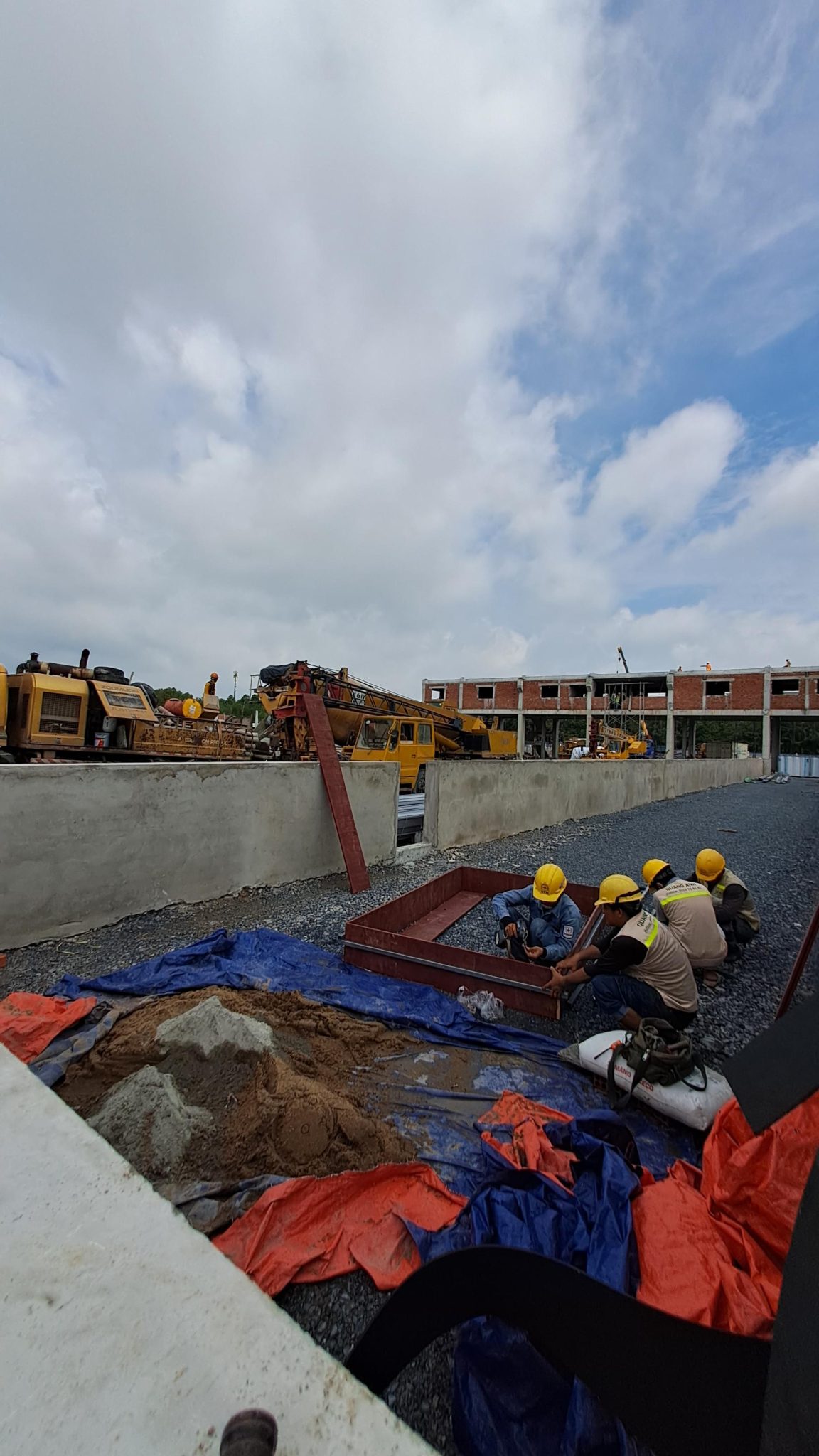
Key signals include overheating, oil leaks, protection activations, and abnormal noises; often sufficient to identify causes before on-site intervention.
Initial site checks involve coil temperature measurements, oil level and leakage observations, and relay event logging. Overheating usually relates to overloads or cooling system obstructions, while oil leaks commonly occur around lids, gaskets, or radiators. During maintenance, if temperature rises with burning smells, isolate the source and sample the oil — a precautionary safety step before deeper intervention.
Unusual sounds like buzzing or crackling often suggest loose cores, displaced coils, or poor contact; confirming these involves load reduction or temporary disconnection to observe sound changes. Protective triggers (overcurrent relays, overvoltage protection, or gas relay) signal internal discharge or gas generation within the oil; when gas relays activate, proceed with caution due to internal discharge potential and oil chamber pressure changes.
Decreased efficiency, output voltage drops, or increased losses may stem from degraded insulation, contaminated insulating oil, or oxidized cores. Practical checks include insulation resistance measurements, silicagel color verification in desiccant filters, and corrosion signs on the casing/core. Conduct tests and analyze oil samples referencing TCVN 11824:2017 and methods like TCVN 8525:2010 for insights.
| Symptom | Field Check | Plausible Causes |
|---|---|---|
| Overheating | Measure coil temperature; check oil levels and radiator condition | Overload, cooling failure, degraded insulation oil |
| Oil Leaks | Inspect leaks at lid, gasket, auxiliary oil tank; check oil levels | Damaged gasket, cracked insulator, improper assembly |
| Abnormal Noises | Temporarily reduce/disconnect load to observe noise changes; inspect core fixing | Loose core, displaced coil, poor contact |
| Protection Trigger/ Gas Valve | Log relay events; check silicagel color; observe oil chamber pressure | Internal discharge, gas generation in oil, air leaks in casing |
| Low Performance/ Insulation Resistance | Measure insulation resistance; inspect moisture/contaminated oil | Weak insulation, contaminated oil, moisture ingress |
Operation warning: when burning smells, gas relay activations, or sharp insulation resistance drops occur, isolate circuits and conduct immediate on-site inspections to prevent fire risks. Integrating inspection data into operation logs will assist in deciding further steps like oil sampling, insulation testing, or gasket/core structural repairs.
On-Site Procedures from Source Isolation to Urgent Repair
Procedure sequence includes source isolation via breaker tripping and LOTO, no-power check, transformer core exposure, fault rectification, oil handling, and pre-energization tests.
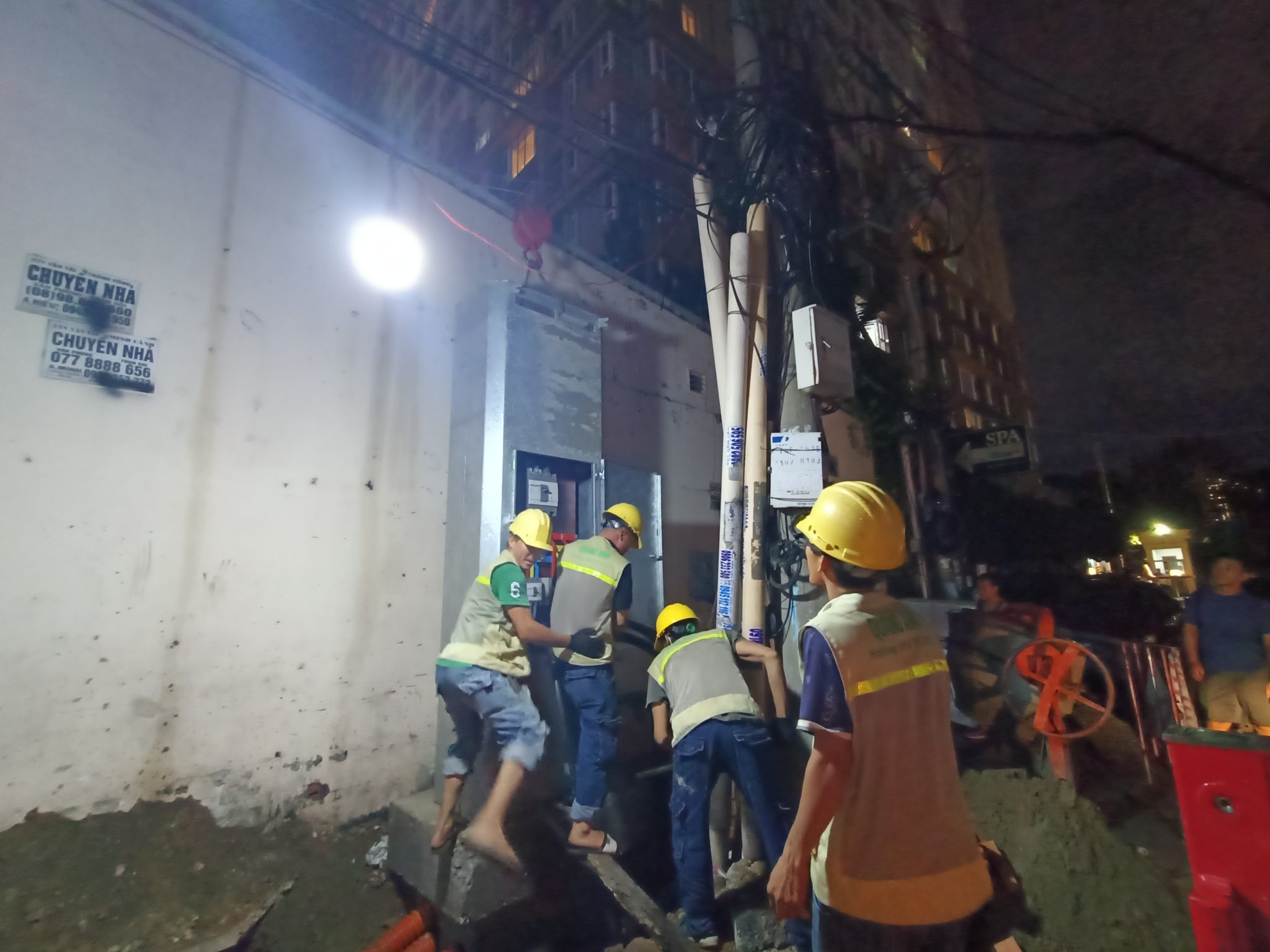
Source isolation via breaker tripping and Lockout-Tagout (LOTO) is mandatory before any transformer intervention.
During maintenance, after breaker tripping, confirm no power using testers and insulation measurement devices, plus lock and tag LOTO on disconnect points and document isolation; during factory surveys, maintenance teams must verify circuit configurations and switching points with control or substation management.
- Source Disconnection: turn off breakers, lock and label LOTO on disconnects; confirm no power using testers and V/mV meters per safety protocol.
- Shell Opening and Core Removal: remove shell lid, withdraw core from casing to access coils, windings, and tap switches; collaborate in pairs for mechanical safety.
- Inspection and Cleaning: examine magnetic cores, core steel, coils, tap switches, and tap contacts; remove deposits, salts, and carbon deposits using suitable methods.
- Insulator and Gasket Repair: inspect high and low voltage insulators; replace damaged insulators, swap cracked or leaking gaskets on insulators and taps.
- Oil Handling: repair leaks on casings, oil tanks, and radiators; replace or re-dry desiccant in dehydrators; if needed, perform oil filtration to enhance insulation strength and replenish oil as specified by manufacturer characteristics.
- Insulation Drying and Check: dry coils and insulation to improve resistance before assembly; confirm value by measuring insulation resistance and water ratio in oil if equipped.
- Assembly, Painting, and Finishing: scrape corrosion areas, repaint casings if needed against corrosion; reassemble core, tighten bolts according to tightening diagrams, and execute overall mechanical inspections.
- Testing and Commissioning: conduct electrical testing (insulation resistance, impedance checks, voltage trials) based on operational conditions; only energize when testing values meet requirements.
- Energization Preparation: conduct a comprehensive check, inform distribution/utility officials according to regulations, remove LOTO according to procedures, and supervise initial energization.
On-site, log measurement results (no power, resistance values, oil leaks) in repair records; typically, handheld measuring devices and testers need calibration and carry during maintenance shifts.
| Checklist | Description | Inspection Points |
|---|---|---|
| Isolation & LOTO | Breakers off, locked and tagged disconnects | No power confirmed via testers/meters |
| Opening The Shell & Core Access | Removing cover, core withdrawal, assessing mechanical damage | Check core, magnetic yoke, mechanical fixes |
| Insulation & Oil Repair | Insulator/gasket replacement, oil filtration/replenishment | No leaks, insulation readings meet standards |
| Testing & Energization | Perform testing, commissioning, notify distribution entities | Test values, acceptance records |
Operational warning: do not remove LOTO or attempt re-energization without acceptance records; minor issues like a loosely sealed gasket can result in oil leaks right after energization.
Upon repair completion, draft task records, material replacement lists, and schedule periodic checks; depending on model and operational conditions, perform field assessments to determine suitable testing equipment and drying times before official energization.
Testing, Acceptance, and Re-Energization Conditions Post-Repair
Determine re-energization conditions based on insulation resistance readings, winding ratio error, oil analysis, and protective function checks before acceptance.
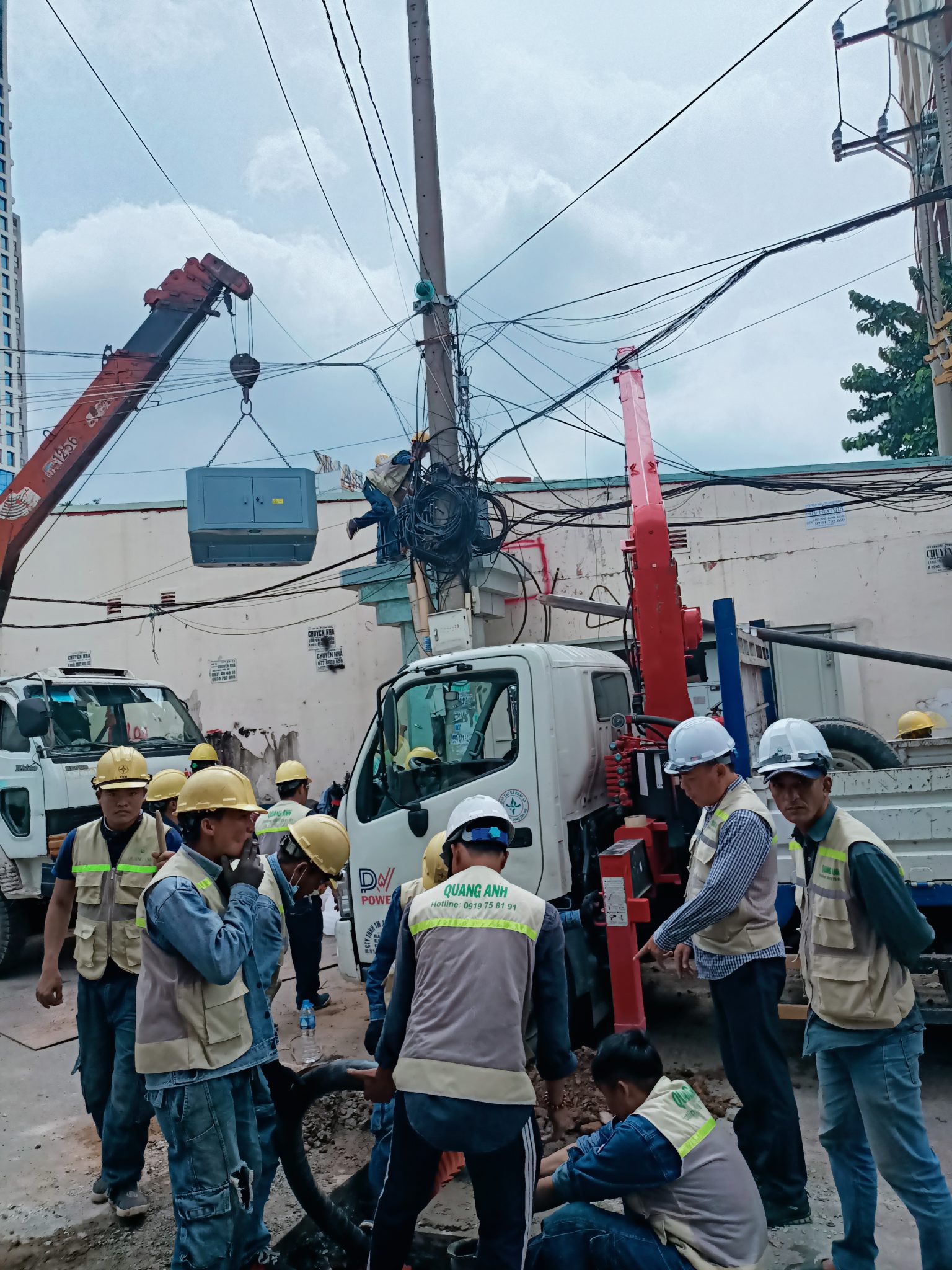
Equipment can only be re-energized once insulation resistance, winding ratio, and oil analysis results are within acceptable thresholds, with protective systems confirmed operational.
In practical factory scenarios, this process usually starts with insulation drying to remove moisture, followed by insulation resistance measurements, winding ratio tests, and oil sample analysis before acceptance.
Insulation resistance measurement is mandatory to assess moisture and insulation status post-drying; calibration should match manufacturer specifications or acceptance standards.
Winding ratio checks ensure primary-secondary coil accuracy and help detect connection errors or discrepancies due to repairs; oil analysis evaluates decomposition levels and contaminants affecting dielectric strength.
| Checklist | Inspection Goal | Field Indications |
|---|---|---|
| Insulation Resistance | Assess moisture and insulation quality post-drying | Stable values post-drying, no abrupt drops upon increased voltage |
| Winding Ratio Test | Confirm winding ratio error within limits (model-specific, often <1%) | Consistent phase discrepancy; no significant phase shifts |
| Oil Analysis | Evaluate degradation, moisture, and contaminant impact on insulation | Water concentration, dissolved gases, and degradation metrics within allowed limits |
| Relay Protection Test | Verify relay impact, timing, and contact effectiveness per protection configuration | Relay triggers accurately as per test scenarios, contacts non-sticky |
| Insulator Check | Evaluate leakage, cracks, and seal integrity | No oil leaks, cracks, or discharge marks on insulators |
Operational decisions rely on actual results: if insulation resistance does not meet the standard value, continue drying; if winding ratio deviates beyond 1%, do not re-energize immediately; if oil analysis indicates contamination, execute filtration or replenishment before operation.
- Do not energize when any main parameter is unmet; prioritize documenting and writing corrective measures in acceptance reports.
- Replace or repair insulators if leaks or cracks are detected before testing and re-energization.
- Protective testing and contact checks should complete and produce written results before putting equipment under load.
- If parameters border on allowable levels, monitor further during maintenance shifts, and do not re-energize instantly.
Once all tests meet requirements, generate acceptance records from authorized units according to applicable regulations, and proceed with supervised test energization to complete acceptance before handing over for operation.
Cost Framework for 24-Hour Repairs and When to Repair or Replace
Analyzing the cost breakdown of 24-hour urgent repairs by damage level, materials needed, oil treatment, and emergency mobilization demands.
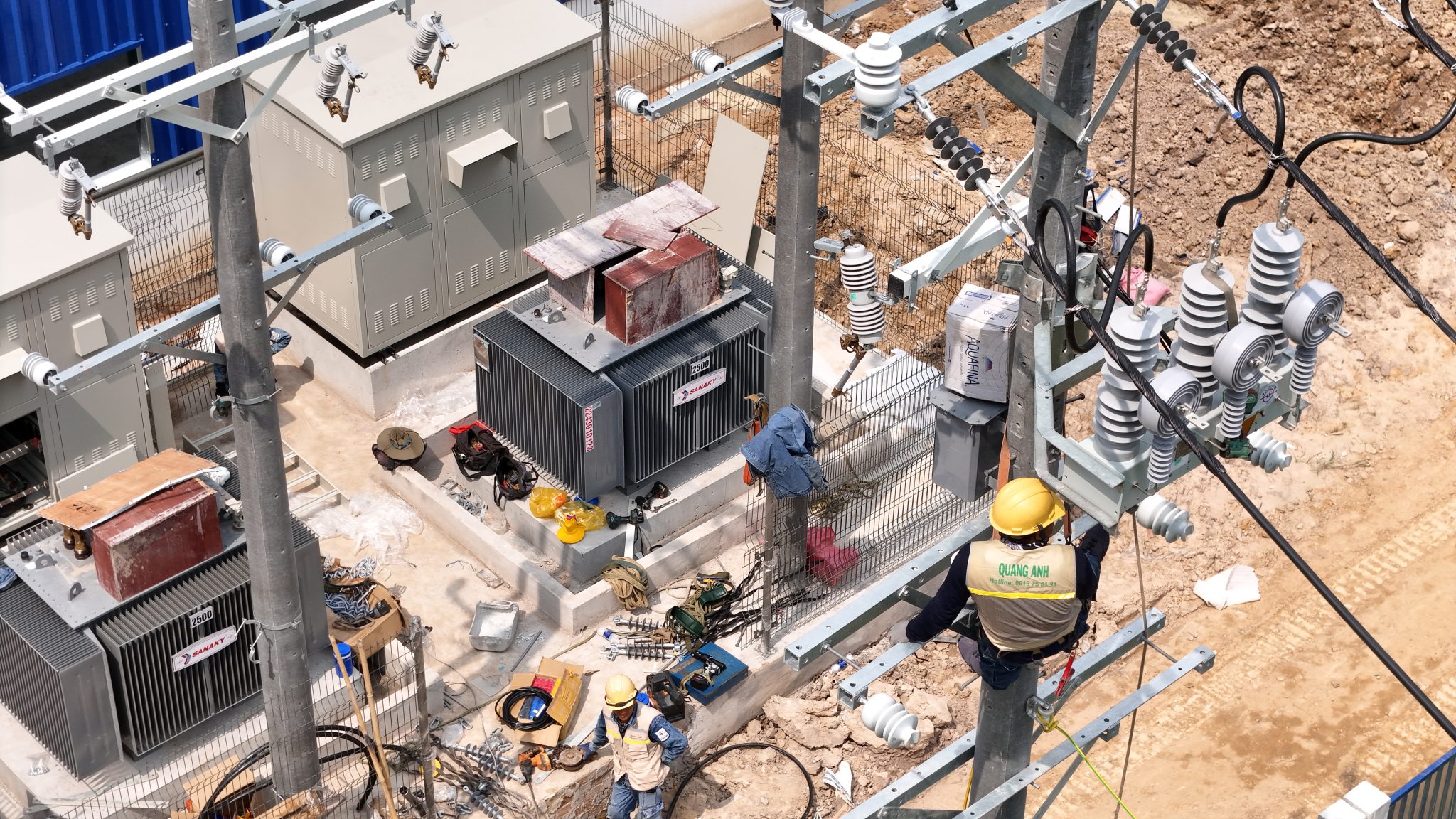
24-hour repair costs often cover extra-hour labor, replacement materials, oil handling, and post-maintenance testing.
Typical repair sequences include cover removal, internal machine inspection, cleaning, insulator part replacement, oil filtration, insulation drying, casing scraping and painting, and testing for acceptance. During factory assessments, log internal machine damage extent, oil leak incidents, and joint temperature conditions to identify necessary repair scopes.
Primary cost elements cover specialized labor, quantity and type of replacement parts (high/low voltage insulators, gaskets, silica gel materials), oil filtration and replenishment costs, insulation drying equipment, and post-maintenance testing costs. After-hour or 24/7 emergency services often incur additional mobilization charges based on urgency and site accessibility.
- Labor: emergency shifts and actual execution time (require shift-hour reports in maintenance logs).
- Consumables: insulators, gaskets, silica gel, welding/fixing materials (as damage levels dictate).
- Oil Handling: oil filtration, oil replenishment, and coil insulation drying.
- Post-Maintenance Testing: inspect insulation resistance, voltage overcharge tests, and check for oil leaks before re-energization.
- Finishing: corrosion scraping, casing painting, and addressing leaks on the casing/auxiliary oil tank if needed.
| Checklist | Description | Inspection Points |
|---|---|---|
| Inspection and Cover Removal | Evaluate core state, pinpoint dirty oil spots, and notice mechanical damage marks. | Observe discharge marks, dirty oil residue, and internal mechanical fixture solidness. |
| Oil Filtration & Insulation Drying | Filter oil to boost insulation capability and dry windings to restore insulation indices. | Measure insulation indices pre/post, assess moisture with desiccant and fitting measurement tools. |
| Component Replacement & Completion | Replace insulators, gaskets, silica gel; fix oil leaks; scrape and paint casings. | Determine needed material quantity by site observation, check fitting seal post-replacement. |
Decisions on repair versus replacement usually hinge on three factors: actual damage level, transformer age, remaining performance, and the comparative cost of parts versus new replacements. In factory practices, if extensive damage reaches the core or significant parts and needs multiple essential parts, upgrading or replacing might make more economic sense than major repairs.
Operational warning: if significant oil leaks or unusually high contact temperatures occur, cease operation and isolate power before repairs; post-repair tests must complete pre-re-energization. For an accurate budget projection, conduct site surveys, report required material quantities, and obtain preliminary moisture and contact temperature readings.
Coordinating with Utilities, Incident Documentation, and Maintenance to Prevent Recurrence
Incident records and collaboration with utilities for medium-voltage connections require documented results, testing protocols, and maintenance schedules to curb repeat failures.
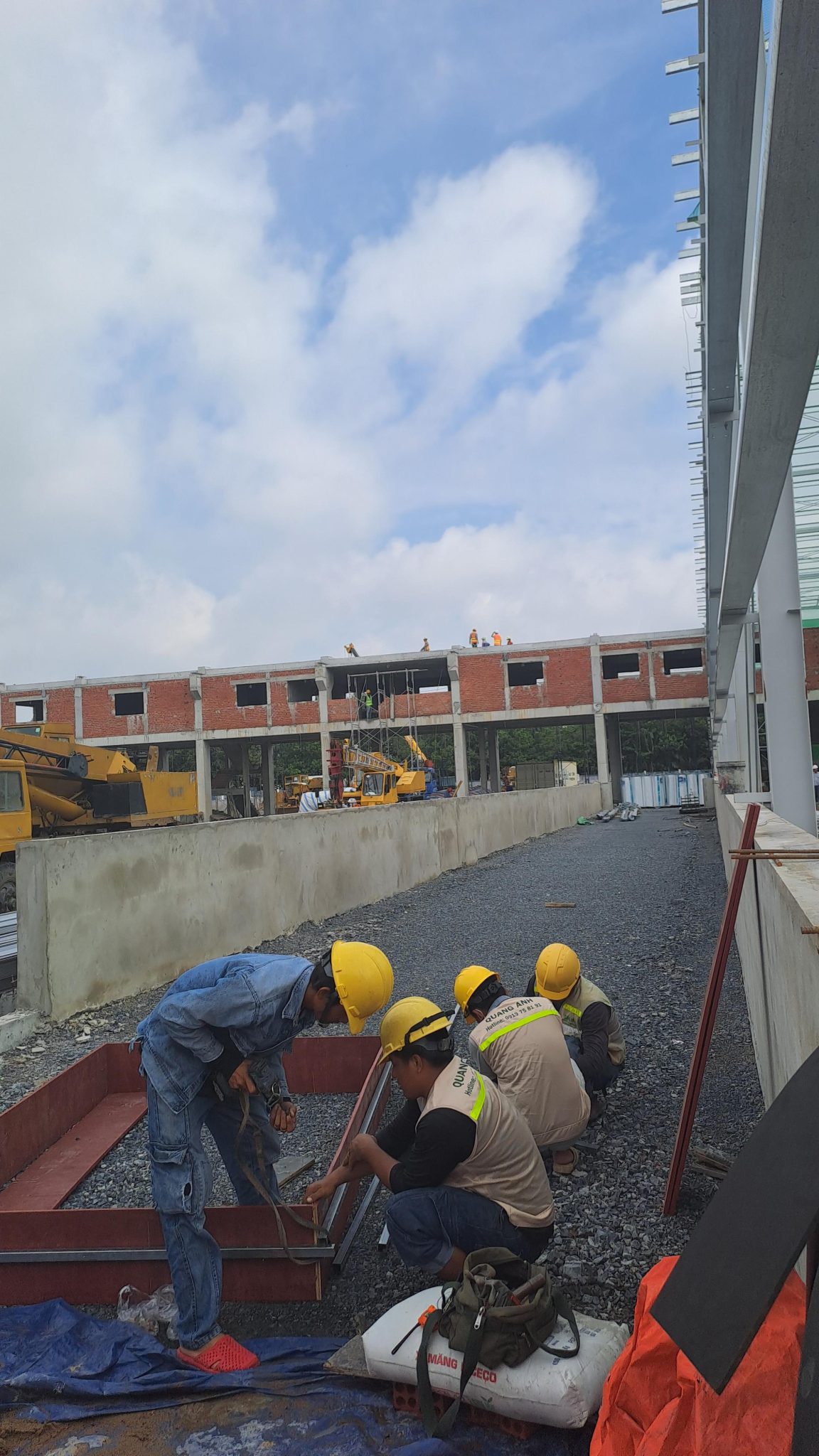
Coordinating with utilities and completing incident records must align with confirmed test results before resuming power to substations.
Technically, transformer repair processes typically involve key steps: cover removal, core inspection, high/low voltage insulator checks, silica gel replacements, oil filtration, insulation drying, scratching/painting casings, and post-maintenance testing. Upon factory surveys, specify parts inspected and log individual measurement results into records. Post-maintenance testing is essential to confirm safety before re-energizing.
- Cover Removal and Core Inspection — inspect mechanical phenomena and surface discharge markings.
- High/Low Voltage Insulator Exams — log cracks, surface discharge markings if present.
- Silica Gel Replacement and Dehydration Handling — document replacement records and moisture status.
- Oil Filtration and Insulation Drying Operations — note oil quality pre/post filtration and drying specifications.
- Insulation Drying — completion criteria based on insulation resistance results and dielectric loss values, varying by model and operational conditions.
- Scratching/Painting and Thermal Contact Checks — ensure terminal contacts, nuts secured with correct torque during maintenance shifts.
- Post-Maintenance Testing — carry out and store testing results to attest safety levels before re-energization.
- Smooth Energization Protocol with Utilities — prepare records, testing results, and submit acceptance requests before resuming power.
Field-specific checklist considerations include: contact temperature during shifts, insulation slope values post-drying, and oil clarity after filtration. Incorporating these metrics into repair records aids in assessing recurrence risks.
| Checklist | Description | Inspection Points |
|---|---|---|
| Core Inspection | Gauge mechanical condition and discharge signs | Mark burning traces, discharge marks |
| Insulator Checks | High/Low Voltage Insulator Checks | Cracks, surface discharge marks |
| Oil Filtration & Insulation Drying | Enhance insulation performance and efficiency | Oil clarity, insulation resistance |
| Post-Maintenance Testing | Confirm safety before re-energization | Testing results, acceptance records |
| Smooth Energization Support | Coordinate protocols with utilities post-repair | Records, test results, energization schedule |
Practical operational conclusions: do not energize before complete test results and acceptance records; when working with utilities, confirm safety conditions for medium-voltage connections. In practice, periodic maintenance (oil changes, contact temperature inspections, oil filtration) is crucial in minimizing repeat incidents.
Summary note: detailed record completion, test result retention, and clear utility coordination are foundational for safe energization decisions and mitigating repeat failures; thorough field assessments will inform necessary subsequent steps.
24-hour transformer repair is effective when following proper sequence: safe isolation, diagnosing causes, selecting suitable repair techniques, confirming tests, and then re-energizing. When conditions indicate severe damage to insulation, coils, or severely degraded oil, a cautious decision is often more important than rushing restoration.
Frequently Asked Questions
Is 24-hour transformer repair applicable to all types of faults?
No. The 24-hour service suits minor issues manageable within a day (minor oil leaks, loose contacts, gasket failures, quick filtering/drying). Issues involving coil insulation, cores, or major mechanical faults require pausing for assessment, detailed testing, and extensive repairs or replacements.
Can a transformer leaking oil be temporarily energized after quick handling?
It can be, if the leak source is isolated, the leakage is repaired, and basic tests show adequate insulation safety. Before energizing, clean, replace gaskets/silica gel, check oil levels, and measure insulation resistance. In case of gaps in data, stop and demand oil analysis, insulation checks.
What tests are necessary after emergency transformer repair before re-energization?
Priority: measure winding insulation resistance, check winding ratios, verify protective functions, analyze oil quality, and conduct standard dielectric tests. If results are missing, do not re-energize; require full test records and acceptance reports before operation.
What documentation does a plant need when calling for after-hours transformer repair services?
Documentation: equipment information (ID, capacity, model), single-line electrical diagrams, protective action logs, maintenance history, incident reports, recent testing results, site conditions, and contacts. Any missing information should be provided urgently to allow repair teams to assess necessary plans and resources.
When should transformers be repaired, and when should they be replaced or upgraded?
Choose repair for localized damage, easy-to-replace components, and post-repair tests ensuring safety. Opt for replacement/upgrades in cases of significant insulation, coil, or core damage, major energy loss, or insufficient capacity. Decisions should be based on results from DGA, insulation resistance measurements, oil analysis, and economic evaluations.
What factors typically affect the cost of 24-hour transformer repairs?
Factors include: damage extent, type and quantity of needed materials, oil filtering/drying stages, acceptance test requirements, after-hours emergencies, transportation logistics, and on-site accessibility conditions. To estimate, understanding model specifics, oil capacity, work scope, and intervention duration is necessary.
Initial Handling Steps for Transformers Needing Urgent Repair
- Record unusual phenomena, incident timing, and triggered protection signals.
- Isolate power and apply electrical safety protocols, control hazardous areas.
- Do not self-energize without determining cause and equipment status.
- Prepare transformer documentation, electrical diagrams, operation logs, and recent maintenance history.
- List onsite signs like oil leaks, burning smells, odd noises, abnormal temperatures.
- Coordinate with technical teams for diagnostics, repair plans, and confirmatory tests before re-energizing.
- Only resume operations when safety conditions and acceptance records are clear.
If a factory experiences transformer issues or seeks same-day handling, prepare status data, protection logs, and equipment records for technical teams to assess accurate intervention plans.
[contact-form-7 id="7239967" title="Contact form 1"]
Related Posts
Substation Solutions for Factories: Investing and Implementation Strategies
Overview of factory substations: when to invest, key components, execution processes, documentation, and selecting the [...]
Apr
Transformer Repair in Ho Chi Minh City: When Immediate Action Is Required
Discover signs of transformer damage, diagnostic methods, on-site handling processes, and criteria for selecting repair [...]
Apr
Transformer Repair: Process, Diagnosis, and Decision-Making
Hướng dẫn sửa chữa máy biến áp cho nhà máy: nhận biết dấu hiệu hỏng, [...]
Apr
24-Hour Transformer Repair: Efficient Solutions and Reliable Power Restoration
Khung xử lý sửa chữa máy biến áp 24h cho nhà máy: nhận biết sự [...]
Apr
Common Mistakes in Transformer Station Construction Leading to Extra Costs
Các sai lầm khi làm trạm biến áp thường không nằm ở một hạng mục [...]
Apr
Comprehensive Guide to Acquiring Used Transformers
Góc nhìn kỹ thuật về thu mua TBA cũ: cách đánh giá hiện trạng, hồ [...]
Apr
Comprehensive Transformers Maintenance for Industrial Plants
Tổng quan dịch vụ bảo trì trạm biến áp nhà máy: lịch bảo dưỡng, thí [...]
Apr
Transformers: Assessing and Safely Handling Used Transformers
Khung đánh giá máy biến áp cũ theo tình trạng kỹ thuật, dầu cách điện, [...]
Apr
How Proactive Transformer Maintenance Minimizes Business Risks
Nhìn từ góc độ vận hành nhà máy, bảo trì chủ động trạm biến áp [...]
Apr
Comparing Oil and Dry Transformers in Industrial Projects
Distinguish between oil and dry transformers based on installation site, safety, maintenance, energy losses, initial [...]
Mar
Electrical Overload Warning Signs in Factories
Recognize early indicators of factory electrical overload such as voltage drops, overheating equipment, circuit breaker [...]
Mar
Risks of Overloading Industrial Transformers Without Upgrades
Keeping the same low-voltage transformer while increasing factory loads can result in overheating, insulation degradation, [...]
Mar
Evaluating and Implementing Transformer Contractors in Tay Ninh
Criteria for selecting transformer substation contractors in Tay Ninh, EPC scope, and factors affecting project [...]
Mar
Comparing Oil and Dry Transformers for Industrial Applications
Examine oil and dry transformers based on installation location, fire safety, maintenance, energy loss, investment [...]
Mar
Comprehensive 1500kVA Transformer Station Budget for Manufacturing Facilities
Guidance for creating a detailed budget list for a 1500kVA transformer station, including medium voltage [...]
Mar
Comprehensive Transformer Station Pricing: Elements and Considerations
Examine key components in comprehensive transformer station pricing including design, equipment, construction, testing, and connection [...]
Mar
Pricing Guide for 4000kVA Transformer Stations: Configuration, Cost, and Investment Process
An overview of configuration, cost estimates, connection approaches, and investment checklists for 4000kVA transformer stations [...]
Mar
Pricing and Setup of 3200kVA Transformer Stations: Configuration, Costs, and Investment Procedure
Explore the pricing structure for a 3200kVA transformer station, primary equipment configuration, cost variables, EVN [...]
Mar
Cost Estimation for 2500kVA Transformer Station: Configuration, Expenses, and Investment Process
Reference framework for quoting a 2500kVA transformer station based on configuration, station type, cable solutions, [...]
Mar
2000kVA Transformer Station Guide: Configuration, Costs, and Investment Process
Discover key aspects of a 2000kVA transformer station: from technical configuration and cost analysis to [...]
Mar