

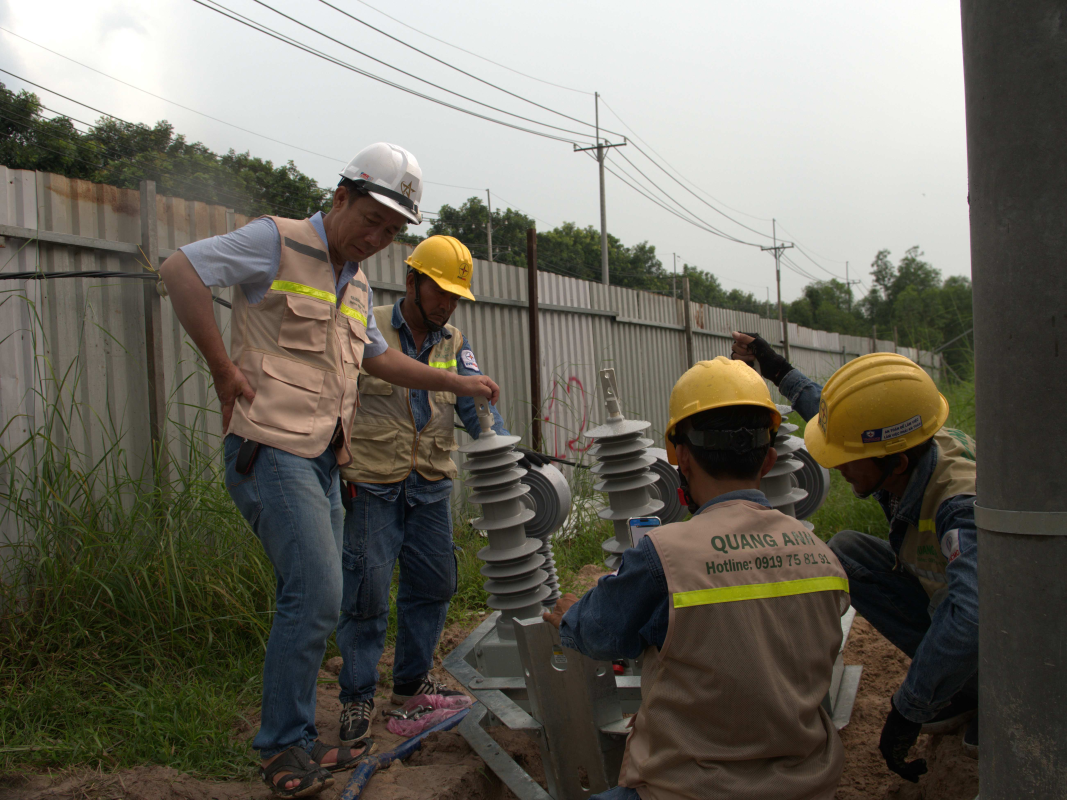
- Understanding when routine maintenance is sufficient and when upgrades or repairs are necessary.
- Clarifying the technical tasks typically included in a comprehensive maintenance package.
- Checking essential areas to minimize risks like operational interruptions, overheating, insulation failure, and protection errors.
- Preparing technical documentation, testing, and inspection phases prior to reactivating the transformer station.
- Analyzing cost influences cautiously, avoiding speculation in the absence of field data.
- Plant owners or management teams operating their own transformer stations.
- Maintenance, EHS, or utility management departments responsible for medium voltage systems.
- Organizations needing to assess current conditions before making maintenance, repair, or upgrade plans.
When to Read?
- When it’s time for a transformer maintenance check and the scope of work is unclear.
- Upon noticing abnormal signs like overheating, oil leaks, protection failures, or unstable power quality.
- When preparing technical documentation, outage plans, and acceptance tests after maintenance.
- When deciding between continued operation, partial repairs, or holistic upgrades.
- 1. When to Maintain Transformers Instead of Waiting for Faults
- 2. Common Tasks in a Transformer Maintenance Service Package
- 3. Early Detection of Unusual Signs and Frequent Errors
- 4. On-site Process for Safe Maintenance with Minimal Downtime
- 5. Required Documentation, Testing, and Acceptance After Maintenance
- 6. Cost Factors and Selecting the Right Maintenance Provider
Maintaining an industrial plant’s transformer involves more than cleaning and re-tightening components. Making the right decisions about inspection, testing, and repairs mitigates risks of production stoppages, while ensuring safer operating documentation for medium-voltage systems linked to the power grid.
When to Maintain Transformers Instead of Waiting for Faults
Maintenance decisions for plant transformers should consider physical signs, dusty environments, inspection schedules, and oil sample results.
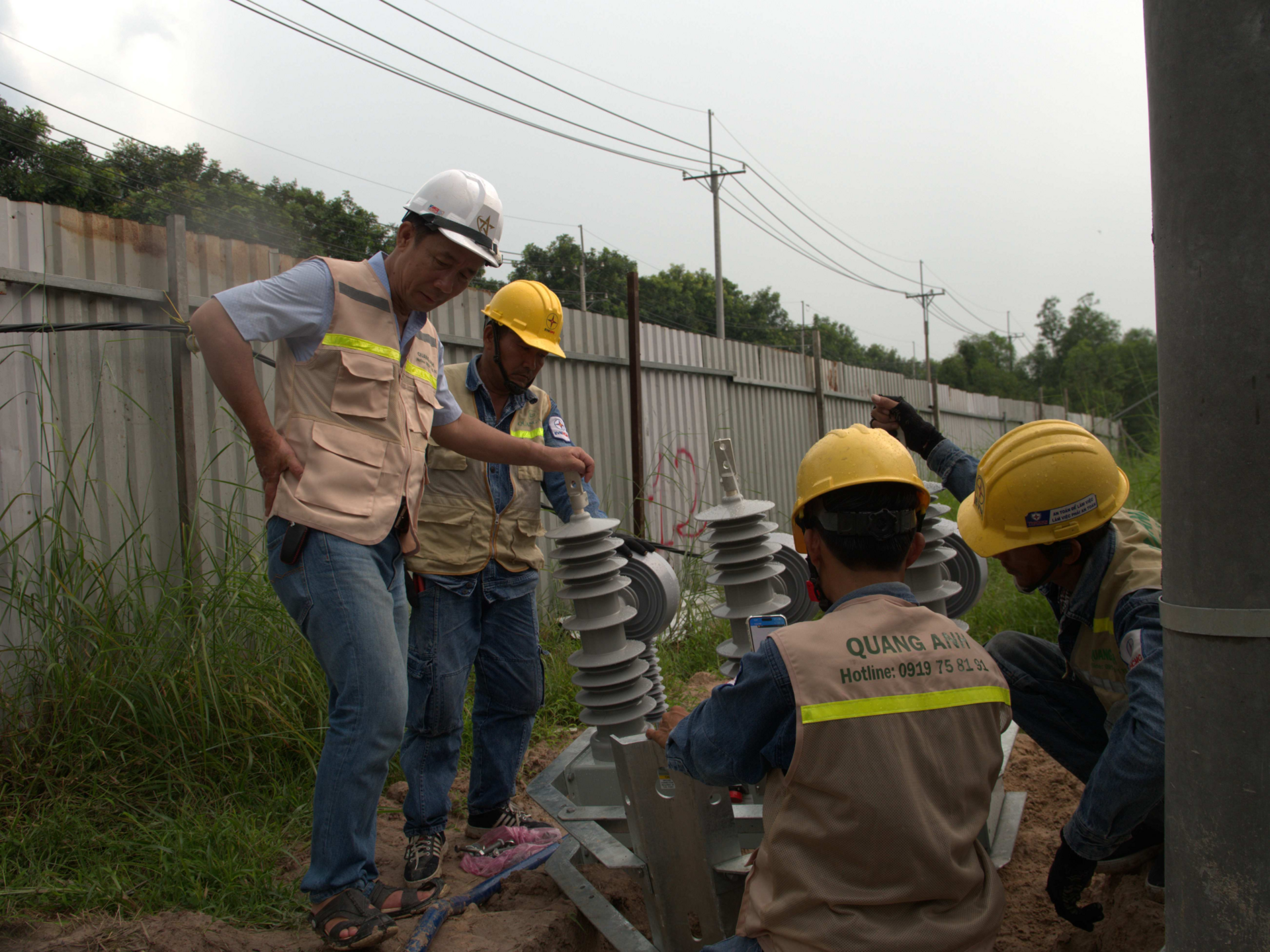
Maintenance decisions should be informed by physical indications, regular inspection frequencies, and environmental conditions. Field signs such as low oil levels, discolored desiccant, or oil leaks prompt immediate maintenance planning.
During routine maintenance, it’s crucial to monitor warning symptoms and conduct basic checks before deciding on deeper interventions. Monthly inspections often include cleaning insulators, checking the grounding system, and tightening connections; more comprehensive evaluations are scheduled per equipment and environmental factors.
- Monthly: clean bushings/insulators, inspect grounding, and tighten connections.
- Oil transformers: quarterly checks; comprehensive tests annually, with yearly oil sampling for dielectric strength, moisture content, and acidity.
- Dry transformers: clean dust every 3–6 months, adapting to the installation environment.
Site inspections should evaluate the overall physical condition, connections, and oil leaks before scheduling specific maintenance. If abnormal oil temperatures, unusual core noise, or surface discharges on insulators are detected, prioritize maintenance and consider urgent repairs to avert unexpected shutdowns.
Decisions should combine manufacturer guidance, industry regulations, and field inspection results (e.g., oil sample analysis results). Reference standards and regulations like TCVN 6306:2006 and Circulars 33/2015/TT-BCT, 39/2015/TT-BCT, 25/2020/TT-BCT help define the work scope. However, detailed field surveys are essential for meticulous maintenance scheduling and operational risk reduction.
Common Tasks in a Transformer Maintenance Service Package
Defining the scope of transformer maintenance tasks: transformer checks, medium-voltage equipment, insulation oil analysis, relay protection, and grounding.
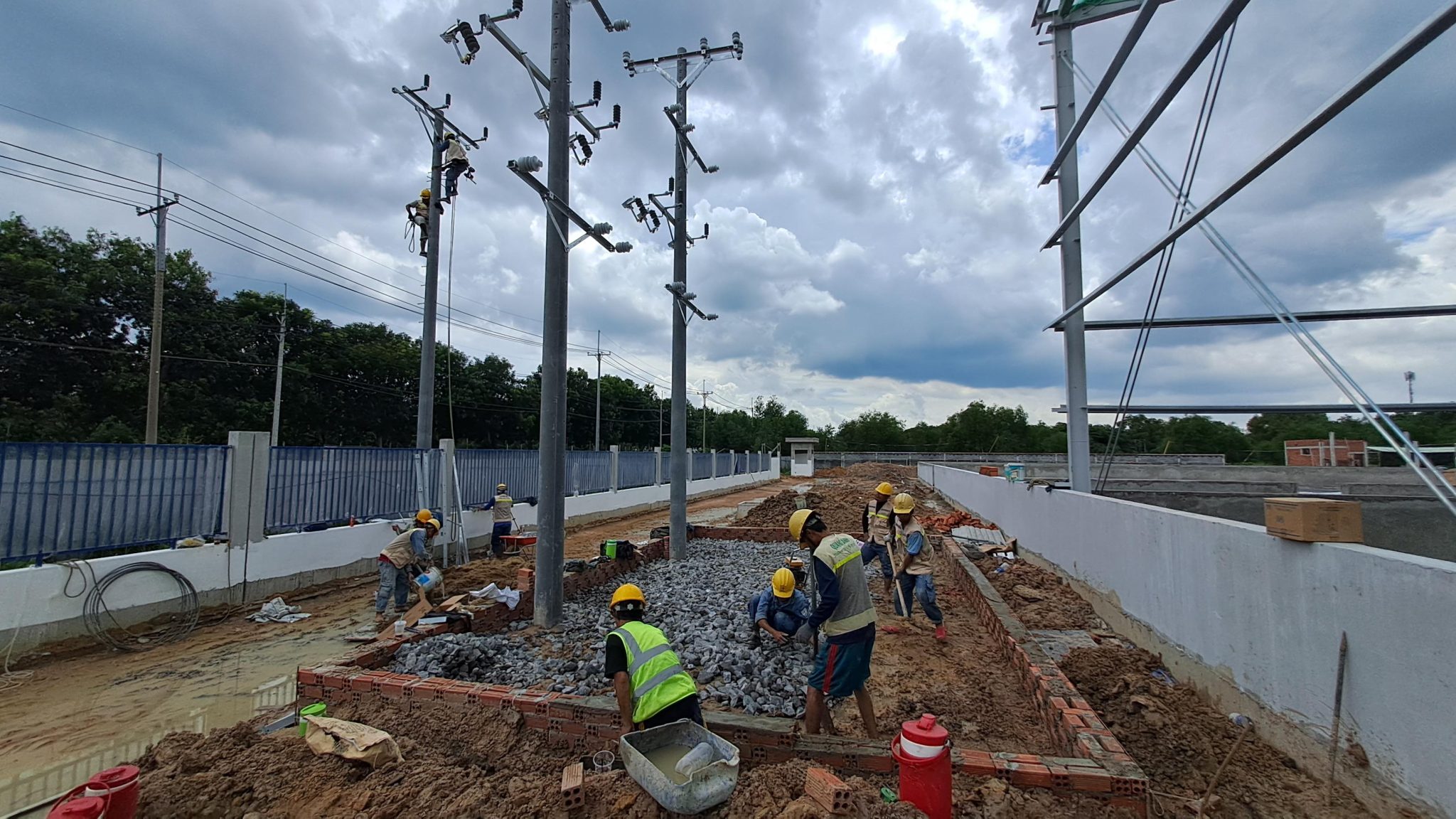
Maintenance tasks typically involve status surveys, cleaning insulating surfaces and busbars, checking grounds, oil sampling, cooling system upkeep, measuring insulation resistance, fastening connections, and functional protective tests.
Routine on-site surveys should prioritize real-time operational inspections: measure insulation resistance between high-voltage-shell, low-voltage-shell, and high-voltage-low-voltage; monitor oil temperature and verify thermal control components; collect oil samples for testing dielectric strength, moisture, acidity, and flash point. Annual oil testing and regular insulator cleaning are standard, depending on environmental conditions and contamination levels.
During maintenance, check and tighten nut connections, cable joints across high and low voltage as per manufacturer torque standards; verify grounding to ensure earth resistance, with intact clamps and no corrosion. For RMU cabinets, inspect SF6 gas pressure and clean cable compartments; replace or dry silica gel if it changes color to avoid moisture condensation.
- General survey and operational status evaluation, noting mechanical damage when present.
- Comprehensive cleaning: insulators, copper busbars, low-voltage switchgear and contact points (clean, lubricate if necessary).
- Insulation oil sampling: dielectric, moisture, acidity, flash point analysis (typically annually).
- Grounding system review, earth resistance and connection inspection.
- Cooling system upkeep: fans, oil pumps, thermal control checks.
- Tightening bolts, nuts, using torque wrenches according to manufacturer guidance.
- Testing protective functions: examining relays, reclosers, FCO fuses, confirming logic accuracy.
- RMU/ACB assessments: SF6 pressure checks, cable compartment cleaning, air circuit breaker inspections.
Operational caution: Always use lock-out procedures and proper safety gear before opening cabinets or inspecting connections; tightening requires correct torque wrenches to avoid over-tightening or loose connections causing heat buildup. Surrogate standards or survey findings should guide torque settings and inspection routines if lacking technical documents or unclear model specifications.
Ending maintenance, documented measurement and oil analyses guide further repairs or scheduled regular upkeep; external scope finalization necessitates detailed equipment lists and field assessment records.
Early Detection of Unusual Signs and Frequent Errors
Clearly distinguishing between conditions allowing continued transformer operation and those requiring immediate shutdown to prevent extensive damage.
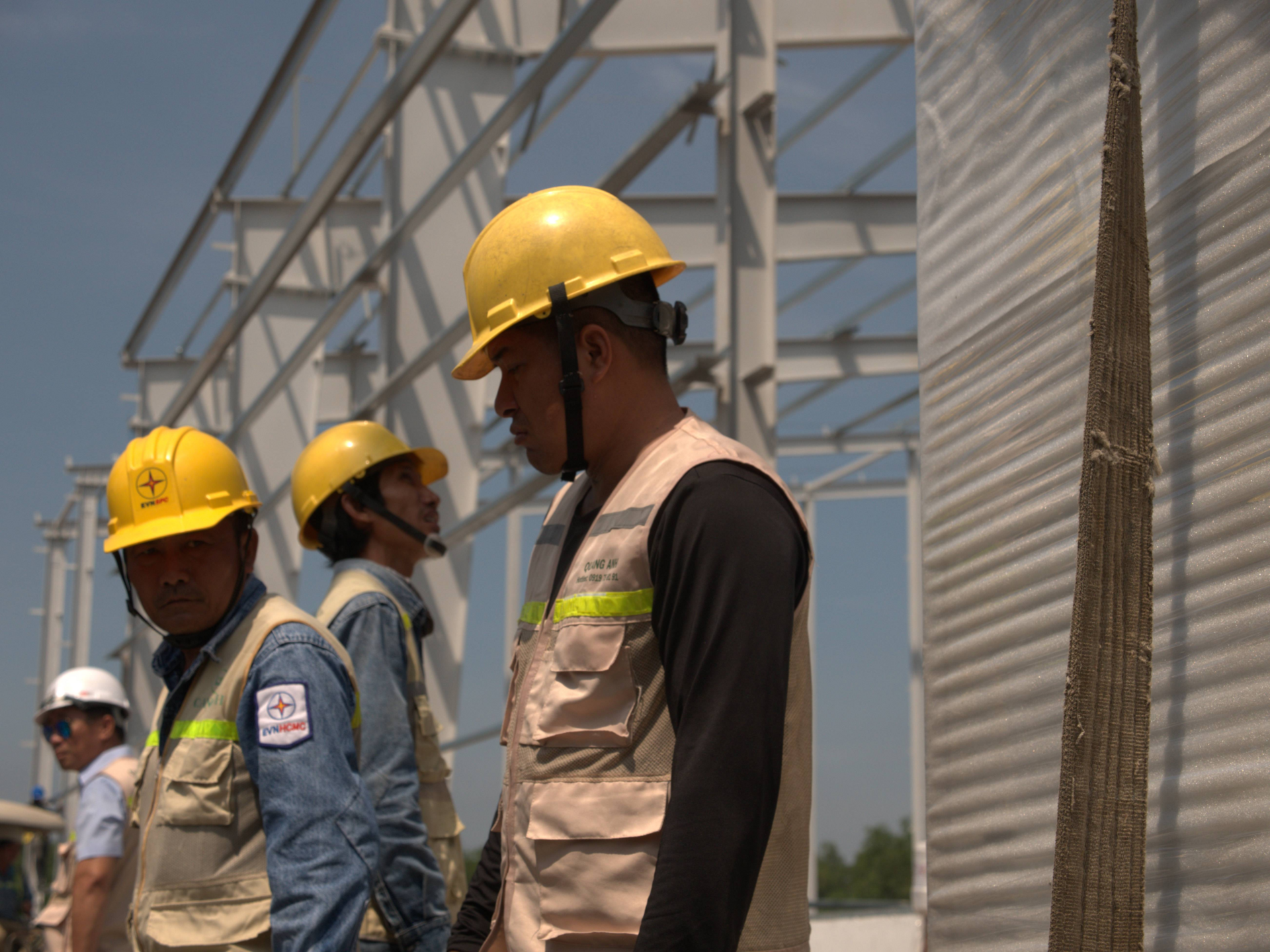
Warning signs like oil leaks, abnormal oil temperatures, and reduced insulation values need immediate inspection upon detection.
Quickly assessing the safety level of detected issues during maintenance helps decide whether to halt operations or maintain careful oversight.
Here are common symptoms with field actions for inspection and priority warning checks:
- Transformer oil leaks: examine oil levels and leak points; identify leaks at flanges or lids for immediate action to prevent dielectric reduction.
- Abnormal oil temperatures (>80°C): measure oil temperature; if exceeded in operation, inspect load, fans/pumps and suspend validation on overload indicators.
- Desiccant color change: If silica gel shifts from blue to pink or white, moisture intrusion is suggested; replace desiccant and check for sealing integrity.
- Insulator dirt accumulation (bushing): assess insulator surface for cleaning, with regular schedules to prevent surface arcing, especially post-rain or grease-soiling.
- Unusual noise or strong vibrations: evaluate core and coil stability; significant vibrations often indicate loose construction or mechanical imbalance.
- Frequent protection triggers at the station: verify Recloser operation, FCO fuses, SF6 pressure in medium-voltage cabinets; log event details for cause analysis.
- Low insulation values: measure insulation resistance (high-voltage-shell, low-voltage-shell); if low, halt operation and conduct detailed tests before restart.
- Insufficient oil levels: correctly top up registered oil type and investigate depletion causes (leaks, evaporation, moisture absorption).
- Cooling fan or oil pump failure: Inspect fan/pump monthly within maintenance cycles; malfunction is a common cause of overheating.
- Oil acidity or moisture above thresholds: sample oil for dielectric strength, moisture content, and acidity based on routine sampling schedules.
- Loose high/low voltage cable joints: check terminal blocks and torque bolts; assess joint resistance increases if hot spots are noted.
- Weak grounding: verify ground connections, earth resistance, and ensure earthing nuts are properly tightened.
Operational alerts: Immediate shutdown is needed if low insulation or major oil leaks are detected, preventing widespread damage; repeated protection trips demand event log maintenance and Recloser, FCO, SF6 pressure reviews beyond mere resets.
Subsequent actions should involve oil sample collection for analysis and dielectric resistance tests on coils. Depending on the model and operational conditions, detailed site surveys are necessary to define repair drafts or part replacements.
On-site Process for Safe Maintenance with Minimal Downtime
Planned disconnection, source isolation, grounding checks, insulation and oil assessment, and cleaning sequences ensure safety.
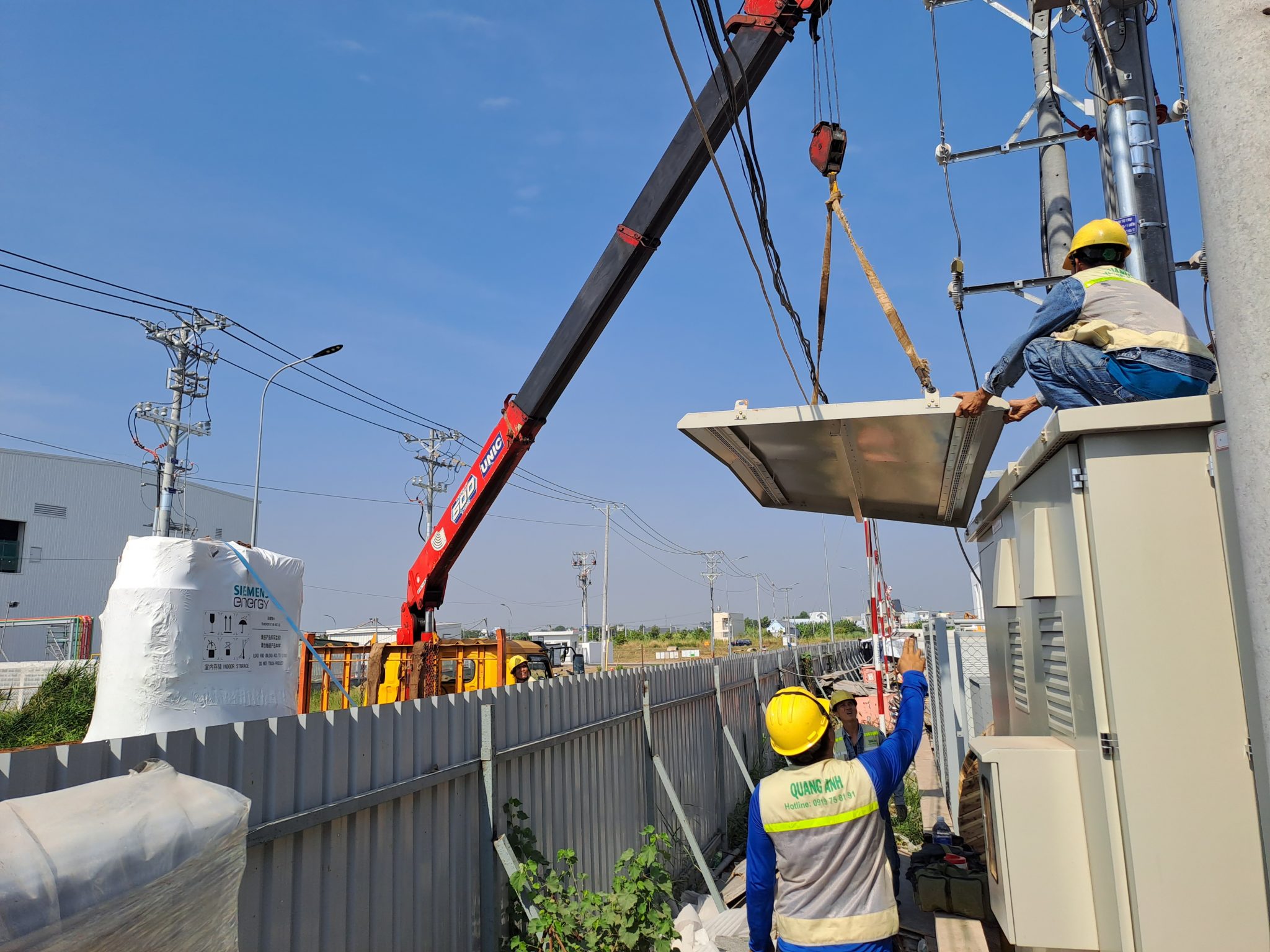
The field process begins with power off and source isolation, followed by grounding, insulation checks, cleaning, and re-checking before re-energizing.
Coordinate with EVN to identify optimal outage times to minimize production downtimes. On-site, secondary breaker shutdown and voltage-free verification at work points are mandatory before inspecting casings or connecting terminals.
Comprehensive field tasks should follow an ordered sequence to manage risks for personnel and equipment.
- Disconnect secondary breakers and isolate sources; post “Do Not Energize” warnings at cut-off locations and interconnected units.
- Verify absence of voltage at terminals and casings before dismantling or cleaning.
- Review transformer grounding systems, correcting any defects detected in grounding efficiency.
- Clean insulating bushings and high/low voltage terminals to prevent arcing; inspect thoroughly for signs of dirt, algae, or visible cracking.
- Inspect transformer oil levels and desiccant color; change desiccant in response to visible alterations.
- Apply torque to cosse bolts using a force-appropriate torque wrench as per manufacturing standards, ensuring no looseness post-application.
- Check protective devices, pressure relays, safety valves, and the cooling system before validation.
- Meet dielectric tests between high-voltage, casing and low-voltage, casing before acceptance document preparation and re-energizing.
Operating realities in plants require attention to operational alerts and field-based decisions.
- Do not undertake operations until source isolation is confirmed, and “Do Not Energize” signs are active at the site.
- If desiccant color changes, plan an immediate replacement to avert condensation and insulation deterioration.
- Within maintenance intervals, torque bolts using correct torque wrenches; avoid makeshift tightening with standard tools.
- Log inspections and acceptance comprehensively before restoring power, covering grounding status, oil levels, and dielectric test results.
Concluding with field acceptance and log completion establishes criteria for power restoration collaboration. To minimize machine downtime, consider maintenance after peak production hours, notifying relevant parties of schedules.
Required Documentation, Testing, and Acceptance After Maintenance
Post-maintenance documentation and testing should cover insulation checks, oil sampling, grounding verification, and acceptance records before re-energizing.

Documentation to be completed before reconnection includes inspection reports, dielectric testing results, equipment cleaning reports, transformer oil records, and confirmed technical acceptance records.
On-site, maintenance requires dielectric testing between high-voltage-shell, low-voltage-shell, and high-voltage-low-voltage; transformer disconnection from the grid and secondary breaker shutdown precede operations. Transformer oil sampling for dielectric strength, moisture content, acidity, and flash point testing is part of the annual cycle. Checking grounding systems, cable connections, and cleaning insulators are mandatory steps before acceptance.
Essential contents of acceptance records and operational logs:
- Status inspection reports and equipment cleaning summaries.
- Dielectric test results (high-voltage-shell, low-voltage-shell, high-low voltage).
- Oil sample analysis results: dielectric strength, moisture content, acidity, flash point.
- Desiccant maintenance reports (silica gel) and transformer oil levels.
- Grounding inspection outcomes, cable connection verification, and insulator cleaning reports.
- Protective device function tests like Recloser, FCO, and pressure relay operation validation.
- Log record updates after each periodic maintenance (based on a 3–6 month cycle).
| Category | Required Evidence |
|---|---|
| Insulation Checks | Testing results detailing values between high, low voltage, and equipment casing. |
| Oil Sampling | Laboratory analysis: dielectric strength, moisture content, acidity, flash point. |
| Grounding and Connections | Inspection records, field photographs post-tightening connections, and earth resistance values. |
| Protective Devices | Function test reports for Recloser, FCO, pressure relay, detailing operational status. |
Operational caution: Acceptance records must confirm technical standards before submitting EVN re-energization requests; if testing or oil sample data deviate from norms, keep the device grid-separated and implement additional fixes. Depending on models and conditions, field surveys may necessitate extra testing or more frequent oil sampling.
Cost Factors and Selecting the Right Maintenance Provider
Maintenance costs for transformers hinge on current conditions, intervention levels, testing needs, and operation settings; field surveys specify scope.
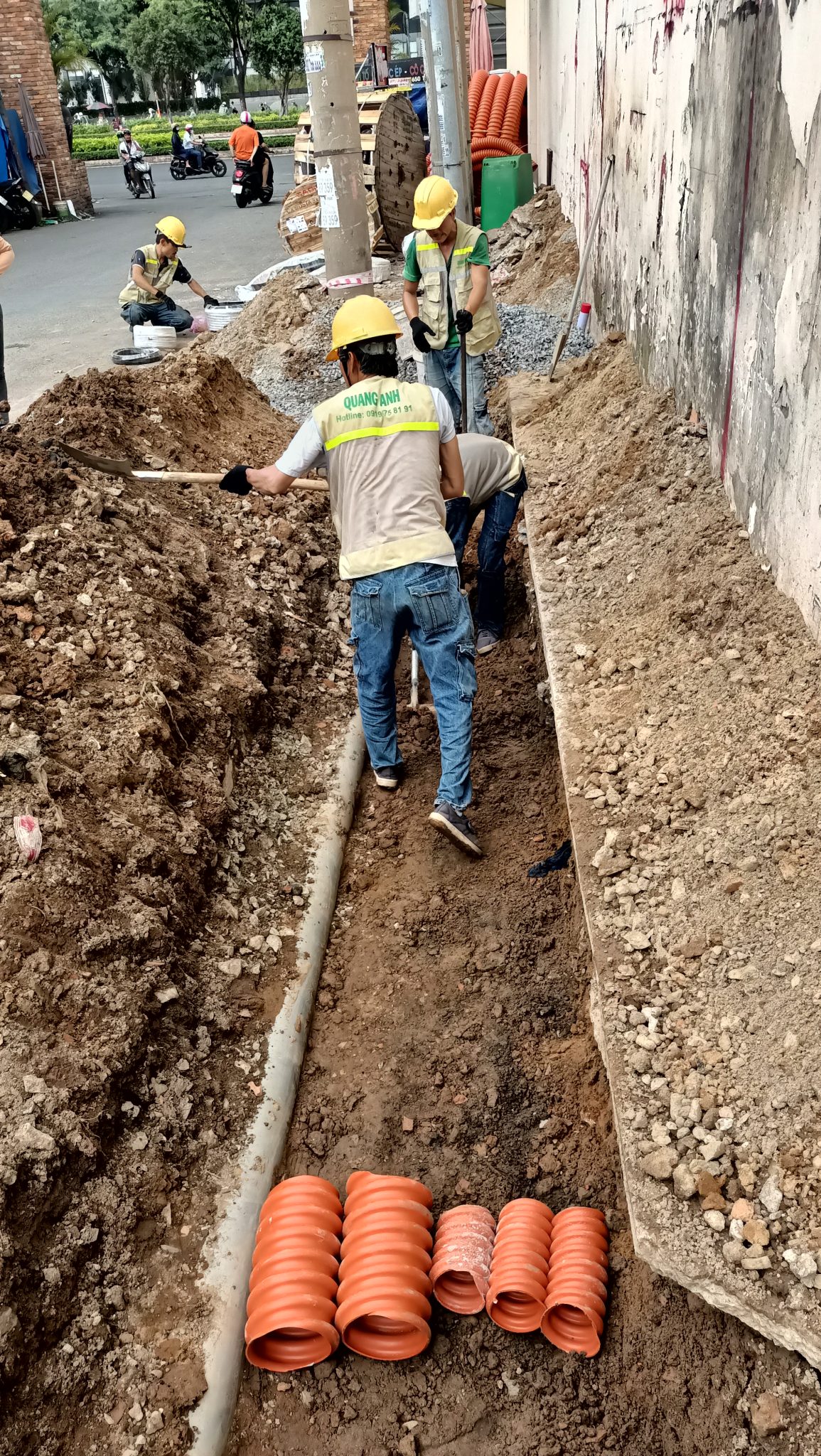
Maintenance costs for transformers depend on current conditions, intervention levels, testing needs, and operation settings; field surveys specify scope.
The transformer type (oil or dry) and condition dictate work tasks, from routine cleaning to insulation testing, oil checks, and core evaluations. During maintenance, check for oil leaks, bushing temperatures, and log findings for comparison with previous assessments.
- Transformer type: oil systems require dielectric strength, moisture content oil sampling; dry systems focus on insulator cleaning.
- Intervention level: from routine cleaning to advanced testing like insulation resistance measurement or transformation ratio, higher intervention equals higher costs.
- Equipment condition: field surveys establish corrosion, deformation, or overheating before maintenance planning.
- Operating conditions: dusty environments increase cleaning frequency (commonly dry systems every 3–6 months; oil systems quarterly checks).
- Capacity and lifespan: larger or older systems necessitate detailed cooling assessments, affecting time and labor costs.
- Auxiliaries: medium-voltage cabinets, RMU, busways, grounding require separate maintenance and cumulative costs.
- Testing and compliance requirements: coil dielectric testing, transformation ratio assessment, oil analysis (dielectric strength, moisture content) inflate budgets.
Provider selection should prioritize testing capability, specialized equipment, and field expertise. On-site realities favor contractors equipped with dielectric testers, ratio analysis devices, industrial vacuums, and torque wrenches as manufacturer-recommended.
Operational caution: Lowest bids may omit necessary tests or specify incorrect tools, increasing post-maintenance risks. For high-risk systems (medium-voltage cabinets, SF6, busways), contract provisions should include mandatory testing competence and detailed testing documentation.
Frequency guidelines: oil systems typically undergo quarterly checks and thorough annual tests; dry systems clean every 3–6 months as per environmental conditions. Reasonable budget confirmation requires field surveys, detailed testing lists, and explicit quotations prior to contract acceptance.
For transformers nearing maintenance periods or showing anomalies, plants should evaluate based on actual conditions rather than intuition. A solid maintenance plan should include on-site safety, evidence-based technical checks, and adequate acceptance documentation before reactivation.
Frequently Asked Questions
How often should a plant’s transformer be maintained?
Maintenance generally involves multiple levels: monthly visual inspections and cleaning; oil transformers receive detailed checks every quarter; comprehensive tests (insulation, oil analysis) annually. Frequency adjustments depend on equipment age, environment, and incident records; field assessment refines accuracy.
Is it necessary to shut off all power during transformer maintenance?
Not all tasks require complete power shutdown. Principles include isolating and verifying absence of power before working on terminals, coils, or oils. Certain visual inspections might occur under voltage, but must adhere to safety protocols and risk assessments first.
Which tests are commonly required after transformer maintenance?
Often required tests: insulation resistance between phases and casing, coil resistance measurement, transformation ratio checks, oil sample analysis (dielectric strength, moisture content, acidity), and earth resistance tests. Details depend on maintenance scope and field inspection results.
How should oil leaks or overheating in a transformer be handled?
Prioritize: isolate power, confirm safety; pinpoint leak locations and severity, reduce temperature with cooling if overheating; collect oil samples for analysis and log parameters at fault occurrence; subsequently, assess temporary operation feasibility or need for halting and repair. Field data guide conclusions.
What factors affect transformer maintenance costs?
Costs are affected by the transformer type (oil or dry), current state and intervention level required, testing demands (oil analysis, insulation tests), replacement materials, field access conditions, and maintenance frequency. Accurate projections require on-site assessments and specific task lists.
What documentation is needed post-maintenance for acceptance and re-energizing?
Acceptance documentation typically includes work and safety records, insulation test results, oil analysis, grounding checks, connection tightening reports, equipment cleaning outcomes, and signed acceptance certificates. Clear acceptance criteria and confirmation are required before re-energization.
How to Prepare a Transformer Maintenance Session at Your Plant
- Review operational logs, incident history, and recent maintenance periods.
- Identify equipment: transformers, medium voltage units, cables, protection, metering, and grounding that need checking.
- Plan power disconnection, source isolation, and site safety oversight per internal procedures.
- Prepare testing lists, inspection criteria, and acceptance standards relevant to current transformer conditions.
- Pre-check material inventories likely requiring replacement to avoid prolonged downtime.
- Complete records, test results, and re-energization confirmations before re-commissioning transformers.
If reviewing the maintenance scope for your plant’s transformer, start with existing operational records, planned power outages, and current on-site anomalies.
[contact-form-7 id="7239967" title="Contact form 1"]
Related Posts
Common Mistakes in Transformer Station Construction Leading to Extra Costs
Các sai lầm khi làm trạm biến áp thường không nằm ở một hạng mục [...]
Apr
Comprehensive Guide to Acquiring Used Transformers
Góc nhìn kỹ thuật về thu mua TBA cũ: cách đánh giá hiện trạng, hồ [...]
Apr
Comprehensive Transformers Maintenance for Industrial Plants
Tổng quan dịch vụ bảo trì trạm biến áp nhà máy: lịch bảo dưỡng, thí [...]
Apr
Transformers: Assessing and Safely Handling Used Transformers
Khung đánh giá máy biến áp cũ theo tình trạng kỹ thuật, dầu cách điện, [...]
Apr
How Proactive Transformer Maintenance Minimizes Business Risks
Nhìn từ góc độ vận hành nhà máy, bảo trì chủ động trạm biến áp [...]
Apr
Comparing Oil and Dry Transformers in Industrial Projects
Distinguish between oil and dry transformers based on installation site, safety, maintenance, energy losses, initial [...]
Mar
Electrical Overload Warning Signs in Factories
Recognize early indicators of factory electrical overload such as voltage drops, overheating equipment, circuit breaker [...]
Mar
Risks of Overloading Industrial Transformers Without Upgrades
Keeping the same low-voltage transformer while increasing factory loads can result in overheating, insulation degradation, [...]
Mar
Evaluating and Implementing Transformer Contractors in Tay Ninh
Criteria for selecting transformer substation contractors in Tay Ninh, EPC scope, and factors affecting project [...]
Mar
Comparing Oil and Dry Transformers for Industrial Applications
Examine oil and dry transformers based on installation location, fire safety, maintenance, energy loss, investment [...]
Mar
Comprehensive 1500kVA Transformer Station Budget for Manufacturing Facilities
Guidance for creating a detailed budget list for a 1500kVA transformer station, including medium voltage [...]
Mar
Comprehensive Transformer Station Pricing: Elements and Considerations
Examine key components in comprehensive transformer station pricing including design, equipment, construction, testing, and connection [...]
Mar
Pricing Guide for 4000kVA Transformer Stations: Configuration, Cost, and Investment Process
An overview of configuration, cost estimates, connection approaches, and investment checklists for 4000kVA transformer stations [...]
Mar
Pricing and Setup of 3200kVA Transformer Stations: Configuration, Costs, and Investment Procedure
Explore the pricing structure for a 3200kVA transformer station, primary equipment configuration, cost variables, EVN [...]
Mar
Cost Estimation for 2500kVA Transformer Station: Configuration, Expenses, and Investment Process
Reference framework for quoting a 2500kVA transformer station based on configuration, station type, cable solutions, [...]
Mar
2000kVA Transformer Station Guide: Configuration, Costs, and Investment Process
Discover key aspects of a 2000kVA transformer station: from technical configuration and cost analysis to [...]
Mar
Pricing and Configuration Guide for 1600kVA Substations
A detailed guide on pricing for 1600kVA substations, including equipment specs, connection costs, EVN procedures, [...]
Mar
Comprehensive Guide to 1500kVA Substation Pricing: Configuration, Costs, and Investment Process
A comprehensive overview of configurations, costs, construction methods, connection procedures, and contractor selection for 1500kVA [...]
Mar
Tay Ninh Solar Power Planning: Technical Framework, Grid Interconnection, and Rollout Roadmap
Technical overview of solar planning in Tay Ninh: irradiation, grid capacity, permitting, design, operations, and [...]
Dec
Binh Duong Solar Planning: Regulatory Framework, Grid Interconnection, and an Implementation Roadmap for Factories and Industrial Parks
An overview of Binh Duong solar planning: legal framework, interconnection, design, risk management, and an [...]
Dec