

- Identify early signs of low-voltage transformers operating beyond safe load limits.
- Understand why prolonged overloading not only overheats transformers but also risks associated panels, cables, and production.
- Distinguish temporary measures like load distribution from the necessity to increase capacity or upgrade stations.
- Understand the assessment process before deciding on upgrades to avoid mishandled repairs.
- Prioritize decisions based on power supply reliability, operational safety, and future load expansion potential.
- Investors and factory management planning to boost production capacity.
- Electrical, maintenance, and EHS departments responsible for low-voltage transformer operations.
- Project teams evaluating capacity upgrades or renovations of existing transformer stations.
When Should You Read This?
- When production load increases but transformer and low-voltage systems remain unchanged.
- When noticing unusual heat, voltage drops, repeated tripping, or localized power losses.
- When deciding between temporary load-sharing and transformer station upgrades.
- Before consulting technical service or utility companies regarding upgrade options, connections, and approvals.
- 1. Signs a Transformer Is Unsuitable for New Load Levels
- 2. Technical Risks of Increasing Load Without Upgrading
- 3. Why Transformer Issues Cause Downtime and Operational Losses
- 4. Common Mistakes When Relying on Temporary Overload Solutions
- 5. Field Survey Process to Decide on Capacity Increase
- 6. Renovation Options for Transformer Stations: Choosing the Right Path
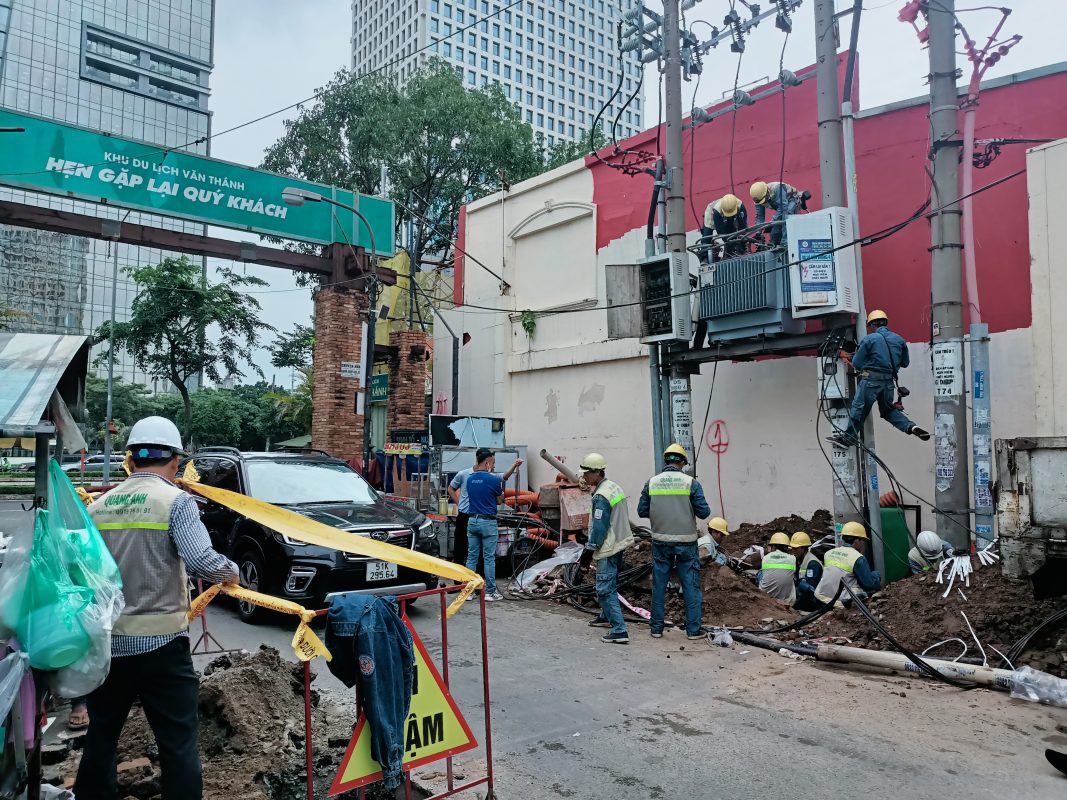
Factory expansions or additional shifts often result in load increases that exceed the coping capacity of existing transformer configurations. Operating under outdated configurations risks not just overheating transformers but also extends issues to protective panels, cables, and lowers production power reliability.
Signs a Transformer Is Unsuitable for New Load Levels
Voltage drops, increased oil/coil temperatures, and frequent tripping relays indicate a transformer may be unfit for new demand levels.
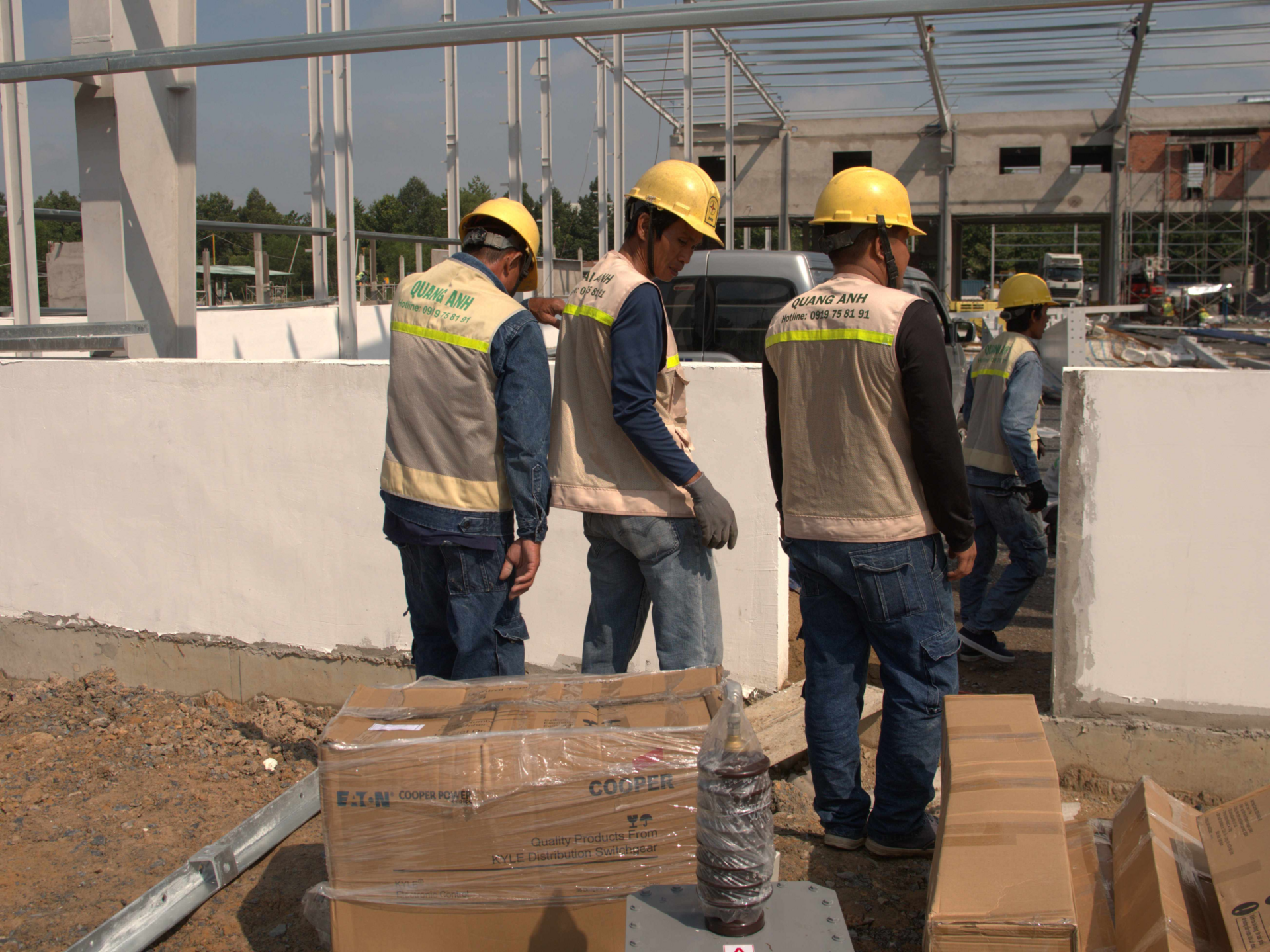
Recurring voltage drops when load increases accompanied by exceeding oil or coil temperatures and frequent relay activations directly indicate that a low-voltage transformer may no longer fit its current demand level.
Field observations and practical checks are crucial. This may include voltage drop measurements at distribution cabinets during peak loads, monitoring oil/coil temperature during maintenance, and noting any burnt odor or unusual noise during operations. Indicative signs include:
- Recurring voltage drops at major load points; significant voltage fluctuations with sudden load changes.
- Increased oil and coil temperatures compared to usual operational values; presence of burnt odors or unusual emissions.
- Unusual noises (e.g., buzzing or whirring) or elevated vibrations when heavily loaded.
- Prolonged startup times and inability to reach rated capacity shortly after energizing.
- Frequent relay activations (frequent power cuts) or slow system response to load changes.
- No spare capacity and increased energy losses when currents exceed designed thresholds.
The following table provides a quick inspection framework to determine the next steps on site:
| Category | Description | Inspection Points |
|---|---|---|
| Voltage Measurement | Compare no-load and peak-load voltage | Log voltage fluctuations, pinpoint drop times |
| Oil/Coil Temperature | Observe temperature rise under continuous operation | Log maintenance period temperatures, check for burnt smells/smoke |
| Relays and Protection | Evaluate relay tripping frequency and type | Log protective events, compare mechanical vs. digital relays |
| Sound and Vibrations | Listen/observe during heavy load operations | Log noise, inspect mechanics, expose hotspots |
| Reserve Capacity | Check load transfer capabilities or excess capacity | Identify total available capacity and load transfer options |
Operational alert: If repeated relay cut-offs or significant oil/coil temperature increases along with burning smells occur, temporarily reduce load and perform an immediate field survey to prevent severe damage. During maintenance, old mechanical relays may react slower compared to digital ones under overload conditions.
Light conclusion: The highlighted signs form the foundation for scheduling in-depth surveys and evaluating upgrade/retrofit options, including compliance with QCVN 01:2020/BCT and reference standards such as IEC 60076 and IEC 60354 before deciding on further load increases.
Technical Risks of Increasing Load Without Upgrading
The risks when increasing loads on a transformer without upgrading include core overheating, coil overheating, dielectric oil breakdown, internal discharges, and heightened fire/explosion hazards.
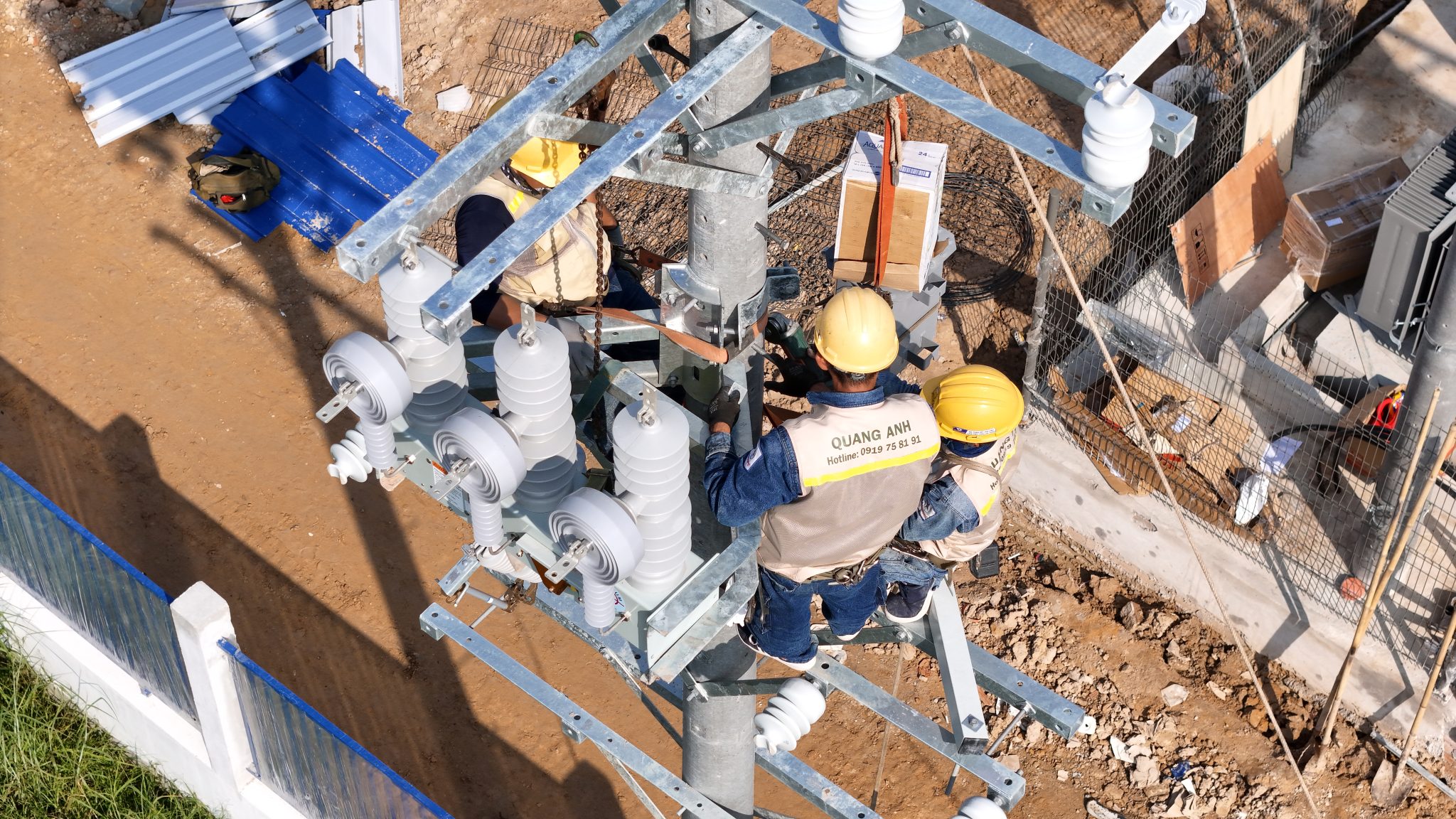
The main risks of running a transformer over its designed capacity include core and coil overheating, breakdown of dielectric oil, internal discharges, mechanical distortions, and fire hazards.
Field observations show that overheating raises the resistance of the coils, resulting in energy losses and reduced efficiency. High temperatures also propel the breakdown of dielectric oil, reducing its insulating capability, and could collect flammable gases within the oil tank.
During maintenance, common warning signs should be observed, such as oil discoloration, unusual noises, and verify local overheating within phases. Key field signs include:
- Noticeable surface heat or hot spots on covers or coil heads (temperature rise beyond normal operational limits).
- Dark, cloudy oil with bubbles, indicating dielectric oil chemical breakdown.
- Sizzling, popping, or internal arcing sounds signaling discharges.
- Mechanically distorted coils, displacements, or oil leaks at joints and fixed bolts.
- Marked phase imbalance, causing localized overheating in specific coil areas.
Operational impact includes emergency load shedding, causing production disruptions and shortening the transformer’s lifespan; in some instances, lifespan may be notably shortened compared to design expectations. If internal discharges or flammable gases in oils during maintenance are discovered, immediately isolate loads and conduct an onsite survey before resuming operations.
Light conclusion: These risks don’t just damage equipment but also easily extend to electrical panels, motors, and low-voltage distribution systems, thus needing plans for surveys, monitoring, and assessment according to model and operating conditions.
Why Transformer Issues Cause Downtime and Operational Losses
Assessing the domino effect of transformer station issues on production, power reliability, and recovery times in factory operations.
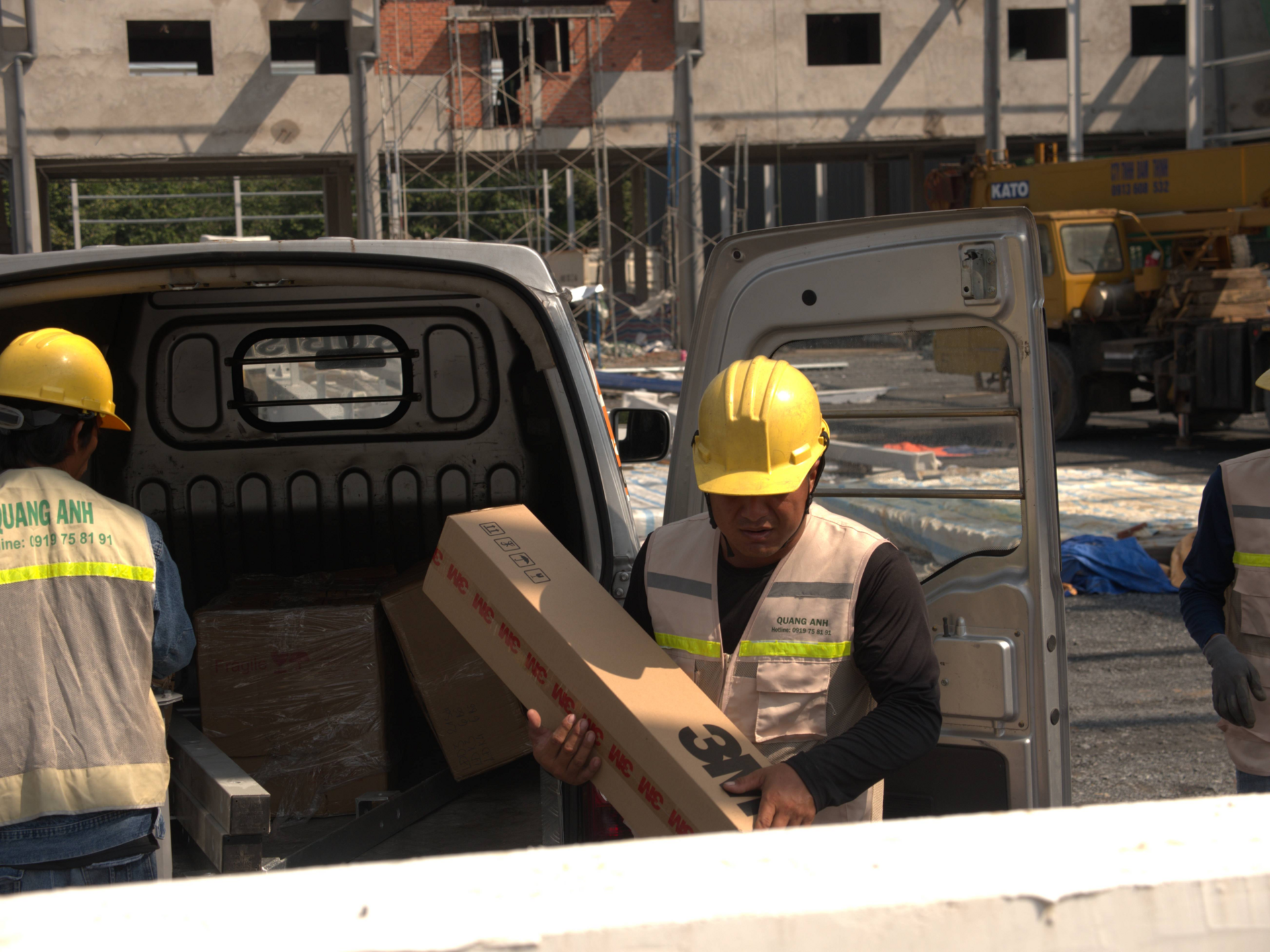
Transformer issues typically cause operational stoppages and losses due to power outages or voltage drops, leading to overheated production motors, reduced efficiency, and immediate triggering of protective cutoffs.
From a field perspective, voltage drops and protective relay activations are direct signs the power source can’t meet the load demands. During maintenance, inspect voltage drops at distribution panels, monitor motor temperatures, and assess protective relay states to determine causes of line stoppages.
A failed transformer yields wide ripple effects: it can cause complete power loss to entire production areas, increase repeat failures due to aging transformers under overload conditions, and reduce power supply reliability. Recovery times are extended due to the need for comprehensive testing and system checks, with adherence to assessment and acceptance requirements in accordance with Circular 39/2015/TT-BCT and Circular 25/2020/TT-BCT.
| Category | Description | Inspection Points |
|---|---|---|
| Downtime Costs | Lost output and revenue from production line halts | Actual downtime duration, automation level/machine speed, product pricing |
| Transformer Repair/Replacement | Cost of materials, labor, shipping, and coil/machine replacement | Machine age, damage level, spare part availability |
| Inspection, Testing, Acceptance | Inspection costs, dielectric testing, and operational acceptance | Requirements per Circular 39/2015/TT-BCT, historical inspection results |
| Increased Energy Losses | Operating under overload increases losses and long-term power costs | Current loss levels, load records, and power factor |
| Secondary Equipment Damage | Damage to motors, drives, electric panels due to voltage drops or fluctuations | Monitor motor temperatures, log power losses, report device errors |
To finalize cost estimates, real data such as downtime duration, pre-issue load charts, transformer age, spare capacity, and compliance with maintenance regulation scopes are needed. Field surveys and maintenance record reviews are essential to estimate repair, lost energy costs, and restoration times.
Operational alert: Running over capacity not only causes instant voltage drops and stoppages but also increase long-term energy losses and recurrence risks; lack of standby systems significantly increases unforeseen power cut risks.
Common Mistakes When Relying on Temporary Overload Solutions
Common pitfalls in attempting temporary overload operations include inadequate load distribution, ignoring protective measures, delaying routine checks, and lack of temperature monitoring.
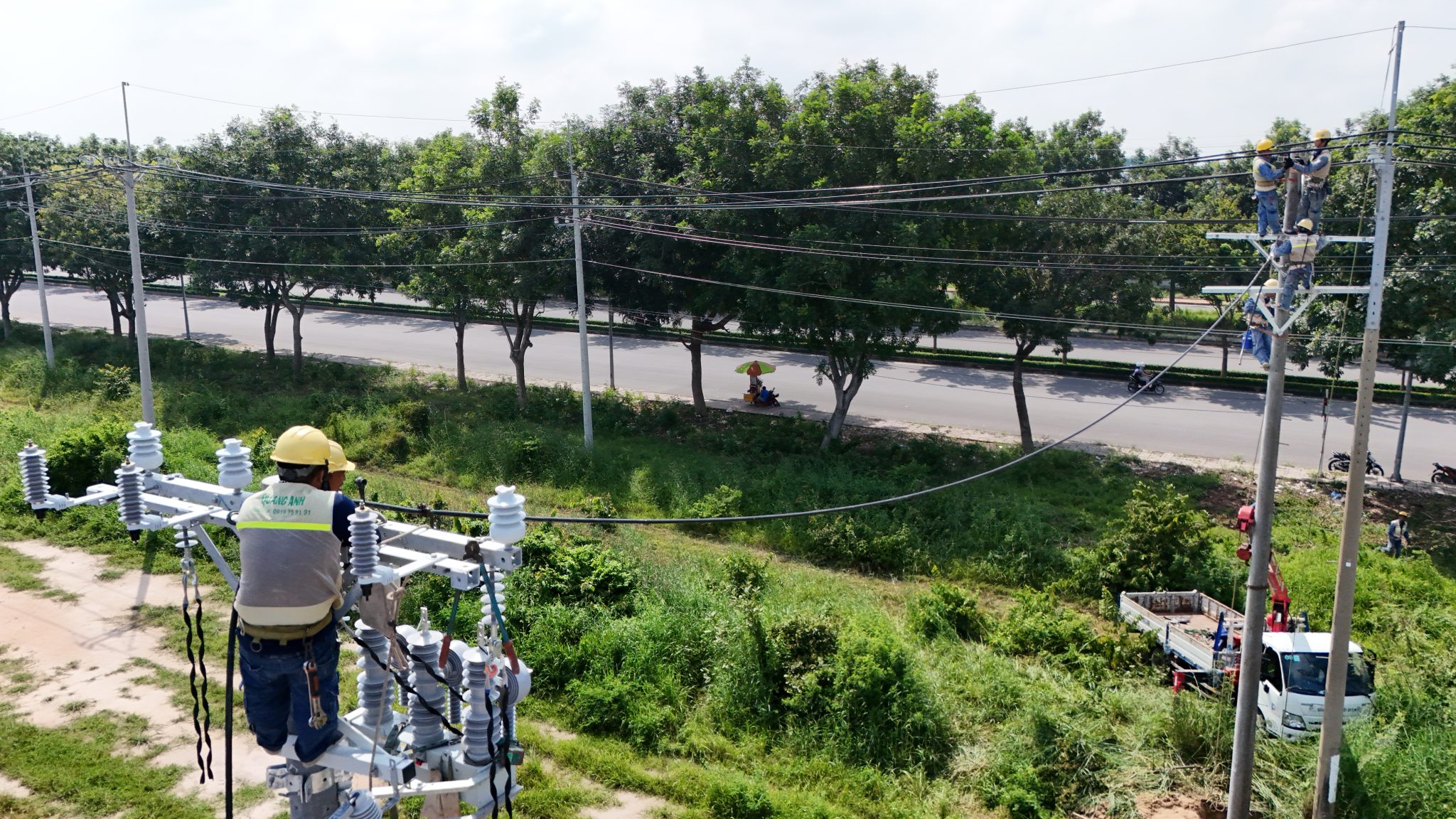
Relying on temporary overload solutions should not be prolonged; often these errors result in local overheating, shorten transformer lifecycle, and elevate electric leakage risks.
Field realities often reveal mistakes such as incomplete load distribution, omitted relay or overload device protection, and delayed regular inspections missing critical insulation degradation signs. Factory surveys should include oil/surface temperature checks, load distribution phase measurements, and ground network evaluations to early identify weak points.
- Incomplete Load Redistribution: Test indicators include phase current/load mismatches and localized temperature spikes; measure actual load before redistributing.
- Ignoring Relay or Overload Cutoff Protection: During maintenance, check protection setups and test cutoff functionalities to prevent fires when loads exceed limits for an extended period.
- Delaying Routine Inspections: Missing insulation degradation or electric leak signs increases sudden failure risks; maintain inspection schedules at suitable frequencies.
- Manual Load Switching Without Synchronization: Can cause low-voltage drops leading to manufacturing equipment, especially motors, overheating rapidly and lowering efficiency.
- Lack of Temperature Monitoring and Poor Grounding: Ground resistance increases with load (reference risk threshold if ground resistance exceeds safety values), raising electric shock and lightning loss risks.
- Neglecting SCADA Updates: Slow problem detection may allow issues to escalate before personnel intervention.
Operational caution: If low voltage drops to severe levels (e.g., below safe operating thresholds observed on site), or rapid oil/shell temperature increases occur, perform controlled cutoffs and immediate surveys. Subsequent decisions generally require comprehensive load measurements, grounding inspections, and protective setup re-evaluations before resuming temporary operations.
Per practical factory scenarios and related standards, site assessments are crucial to determine whether temporary solutions are acceptable safety-wise or if structured plans for transformer upgrades and remote monitoring updates need consideration.
Field Survey Process to Decide on Capacity Increase
The field survey process should begin with actual load measurements and checks on transformers, voltage drops, and connections to decide on increasing capacity or staging upgrades.

The survey process to decide on capacity increment begins with actual load measurements, transformer inspection, voltage drop evaluations, and connection checks.
In factory settings, prioritize continuous main branch load measurement and record daily operational phase fluctuations; also inspect transformer shell and oil temperatures during maintenance for overheating signs. Measure low-voltage drops from the power source to the distribution cabinet, identify and document high-loss sections if supply lengths extend.
Practical step sequences should follow these minimum in-place measurements and logging:
- Actual load measurement (average and short-term peak) on phases, logging load profiles daily.
- Transformer specification check: rated power, lifespan, dielectric oil checks, and operational shell temperature.
- Low-voltage drop measurement at connection points; check for ground resistance and contact bar connections.
- Inspect distribution boards, cables, circuit breakers, overload relays, and protective devices; ascertain continuous load handling capacity.
- Power factor (cosφ) measurement and harmonic distortion evaluation to assess load handling impact and related losses.
Having a clear decision criterion is vital: if the average load persistently exceeds about 70% of rated capacity or noticeable overheating and voltage drops occur, immediate action is warranted; if the load rises gradually along production paths, phased upgrades might be opted. Operational alert: when loads hit 80–90% of rated limit, dielectric failure risks and production disruptions increase drastically, making immediate temporary protection crucial before transformative actions.
The following is an advanced scope inspection framework for detailed survey reporting and solution proposal:
| Category | Description | Inspection Points |
|---|---|---|
| Load Measurement | Log current graphs daily, identify peaks and averages | Production cycles, phase imbalances, short-term peaks |
| Transformer Check | Evaluate capacity, lifespan, dielectric oil, surface temperature | Oil quality, operational temperatures, leakage signs |
| Voltage Drop & Connection | Measure low-voltage drops, inspect cables and contacts | High drop points, contact resistance levels |
| Protective Devices | Inspect relays, breakers, and surge protectors | Set threshold, operational conditions |
| Load Analysis | Measure power factor and harmonic distortions | Power factor levels, harmonic presence |
At the end of the site survey, prepare measurement reports, propose timing, and solution options (immediate or phased upgrades), and liaise with EVN to confirm mid-voltage connection terms before finalizing the upgrade framework.
Renovation Options for Transformer Stations: Choosing the Right Path
With rising loads, the appropriate renovation approach should start from actual transformer load evaluations and component load capacities. In real factory operations, full replacements aren’t always necessary; often, options like transformer replacement, low-voltage cabinet renovation, or effective load redistribution suffice. The decision should consider current operational conditions, acceptable construction timelines, and future expansion plans.
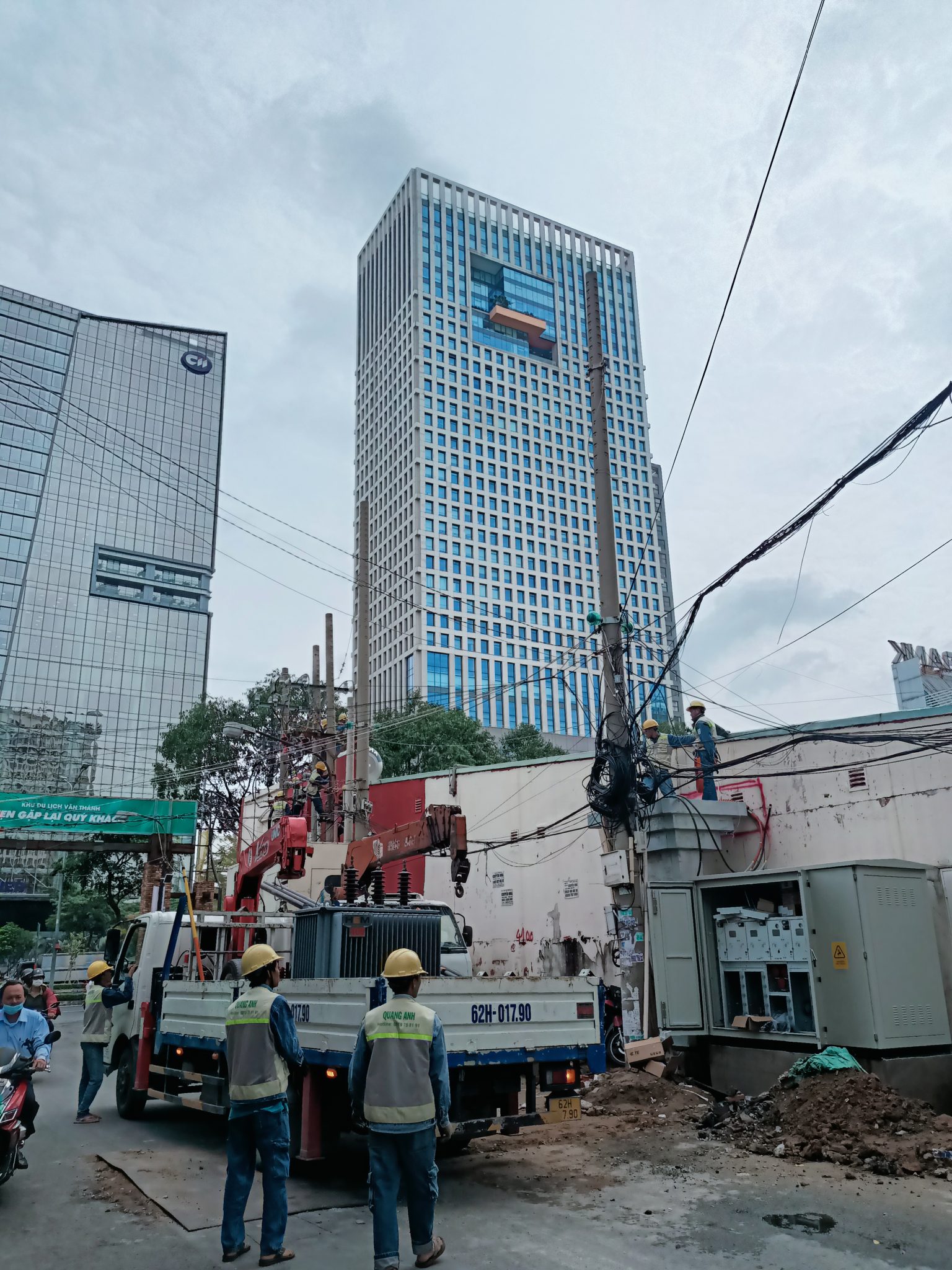
Renovation options for low-voltage transformer stations need to align with current load conditions and expansion goals rather than defaulting to full replacements. Factory surveys usually start with the transformer’s rated power, current operational load, and overload signs in transformers, low-voltage cabinets, or distribution lines.
If load increases are significant and the existing transformer frequently operates near limits, opting for higher capacity transformers is the most direct solution to counter overloading and maintain stable power supply. If bottlenecks occur at low-voltage cabinets, bus bars, or uneven distribution lines, renovating low-voltage cabinets may suffice, particularly when the load increment isn’t too large and the company aims to retain good existing infrastructure. In systems with dispersed loads or aiming to reduce concentration risks, load redistribution through multiple transformers or additional supporting lines is a worthy option.
In cases of substantial load increases and planned long-term production expansions, combining transformer replacements and low-voltage cabinet renovations often provides better operational resilience. From a field perspective, grounding systems must be reviewed before renovations to ensure safety, referencing R < 4 Ohm. After completion, testing and acceptance must follow standards for distribution systems and real operating conditions.
Choosing renovation options should not solely focus on initial investments but compare potential downtime, flexibility of future expansions, and ability to reduce outages from overloading. During maintenance, if minor load increments are detected yet low-voltage infrastructure remains viable, it is generally advisable to preserve main configurations and tackle specific renovations to avoid repeated overhauls. For factories with higher stability demands, integration of automated control is also an option to mitigate overload risks and prevent hard linkages post-renovations.
| Category | Description | Inspection Points |
|---|---|---|
| Transformers Replacement | Increase capacity to meet rising demands and ensure backup capability | Compare rated power with actual loads, monitor near-overload indicators |
| Low-Voltage Cabinet Renovations | Improve current-carrying capacity and load distribution | Assess cabinet load handling, current distribution levels, and actual operating states |
| Load Redistribution | Distribute loads across multiple transformers or auxiliary lines to reduce central load | Review load structure, evaluate risk levels if a branch overloads or fails |
| Combined Options | Apply when loads increase significantly and long-term expansion is planned | Simultaneous assessment of capacity needs, construction times, and future scalability |
- Preserve existing low-voltage components if load increases are minor and current infrastructure still supports safe operations.
- Check grounding before renovations and finalize testing, acceptance post-renovations as per electrical system operation standards.
- If further expansion is anticipated, opt for scalable configurations to limit repeat renovations.
Choosing the correct initial solution stabilizes station operations and allows for proactive future load expansions. The next step typically involves detailed field surveys to finalize work scopes, power cut risks, and appropriate construction procedures.
If increasing loads stabilizes as a trend, continuing to operate low-voltage transformer stations under provisional measures most often pushes long-term risks aside, increasing later restoration costs. The right decision is to reevaluate actual loads, reserve capacity, and current protection status to choose suitable renovation solutions rather than waiting for issues.
Frequently Asked Questions
How much load increase should prompt a review of the low-voltage transformer station capacity?
Principle: review is needed when operational demand continuously nears or exceeds rated capacity, or when load increases become a stable trend. Use data on individual phase currents, power factor, simultaneous runtime charts, transformer temperatures, and life expectancy to decide.
Can you merely balance phase loads without replacing the transformer yet?
In many cases, phase balancing is a reasonable temporary solution if load distribution is even and thermal, protection, and voltage levels are within limits. However, it is a short-term measure; if risks, protective tripping, or high temperatures persist, evaluating transformer replacement or low-voltage cabinet upgrades is necessary.
What signs indicate a transformer is consistently overloaded?
Signals: abruptly increased oil/coil temperatures; routine voltage drops; frequent relay activations; burnt smells or strange noises; increased energy losses or phase imbalances. When noticing these, continually measure temperatures, inspect oil, and review relay trip history to assess overload severity.
Can transformer overloading damage low-voltage cabinets and power cables?
Yes, prolonged overheat and voltage drops elevate current through cables and contacts within panels, causing overheating, electrical contamination, and insulating lifespan reduction. Inspect panel heat, cable currents, connection points, and protection histories before concluding repair plans.
Upon increasing transformer capacity, is it necessary to upgrade both protective systems and low-voltage cabinets?
Not always mandatory but a good principle: with changes in capacity or configuration, protective systems and low-voltage cabinets should be reassessed. Evaluate protective coordination, short-circuit capacity, panel conditions, and isolation needs; if unsuitable, renovations are required.
What checks to perform before deciding to upgrade a factory transformer station?
Initially, measure actual loads and runtime charts; check rated transformer capacity, temperatures, and oil specimens, low-voltage drops, cabinet conditions, cable contact points, and protective coordination. Incorporate device lifespan records and expansion plans to select optimal solutions.
How to Quickly Review Risks When Factory Loads Increase
- Summarize added loads and their simultaneous operation times.
- Compare current transformer capacity with actual operational loads and required reserves.
- Check field signs like overheating, voltage drops, protective trips, noise, or unusual odors.
- Reassess the load-handling capability of transformers, cables, low-voltage cabinets, and related protective equipment.
- Identify temporary solutions versus those requiring official upgrades.
- Establish an upgrade plan by priority to prevent unscheduled production stops.
If your factory is increasing loads and odd operating signs appear at the transformer station, conducting a load survey and checking the protective status before finalizing further production expansion plans is recommended.
[contact-form-7 id="7239967" title="Contact form 1"]
Related Posts
Comparing Oil and Dry Transformers in Industrial Projects
Distinguish between oil and dry transformers based on installation site, safety, maintenance, energy losses, initial [...]
Mar
Electrical Overload Warning Signs in Factories
Recognize early indicators of factory electrical overload such as voltage drops, overheating equipment, circuit breaker [...]
Mar
Risks of Overloading Industrial Transformers Without Upgrades
Keeping the same low-voltage transformer while increasing factory loads can result in overheating, insulation degradation, [...]
Mar
Evaluating and Implementing Transformer Contractors in Tay Ninh
Criteria for selecting transformer substation contractors in Tay Ninh, EPC scope, and factors affecting project [...]
Mar
Comparing Oil and Dry Transformers for Industrial Applications
Examine oil and dry transformers based on installation location, fire safety, maintenance, energy loss, investment [...]
Mar
Comprehensive 1500kVA Transformer Station Budget for Manufacturing Facilities
Guidance for creating a detailed budget list for a 1500kVA transformer station, including medium voltage [...]
Mar
Comprehensive Transformer Station Pricing: Elements and Considerations
Examine key components in comprehensive transformer station pricing including design, equipment, construction, testing, and connection [...]
Mar
Pricing Guide for 4000kVA Transformer Stations: Configuration, Cost, and Investment Process
An overview of configuration, cost estimates, connection approaches, and investment checklists for 4000kVA transformer stations [...]
Mar
Pricing and Setup of 3200kVA Transformer Stations: Configuration, Costs, and Investment Procedure
Explore the pricing structure for a 3200kVA transformer station, primary equipment configuration, cost variables, EVN [...]
Mar
Cost Estimation for 2500kVA Transformer Station: Configuration, Expenses, and Investment Process
Reference framework for quoting a 2500kVA transformer station based on configuration, station type, cable solutions, [...]
Mar
2000kVA Transformer Station Guide: Configuration, Costs, and Investment Process
Discover key aspects of a 2000kVA transformer station: from technical configuration and cost analysis to [...]
Mar
Pricing and Configuration Guide for 1600kVA Substations
A detailed guide on pricing for 1600kVA substations, including equipment specs, connection costs, EVN procedures, [...]
Mar
Comprehensive Guide to 1500kVA Substation Pricing: Configuration, Costs, and Investment Process
A comprehensive overview of configurations, costs, construction methods, connection procedures, and contractor selection for 1500kVA [...]
Mar
Tay Ninh Solar Power Planning: Technical Framework, Grid Interconnection, and Rollout Roadmap
Technical overview of solar planning in Tay Ninh: irradiation, grid capacity, permitting, design, operations, and [...]
Dec
Binh Duong Solar Planning: Regulatory Framework, Grid Interconnection, and an Implementation Roadmap for Factories and Industrial Parks
An overview of Binh Duong solar planning: legal framework, interconnection, design, risk management, and an [...]
Dec
Solar Farm Repair: O&M Workflow, IV Curve Diagnostics, Thermography, Inverter Service and Utility-Scale Safety
A utility-scale solar farm repair plan centered on O&M, IV curves, thermal imaging, inverter service, [...]
Dec
Dong Nai Solar Power Plan 2023–2025: Tri An 1,029 MW, Grid Upgrades and the DPPA Pathway
A complete look at Dong Nai’s solar power plan: Tri An 1,029 MW, irradiation potential, [...]
Nov
Quang Ngai Solar Power Plan 2024–2030: Legal Framework, Irradiance Potential, and Development Roadmap
A complete look at Quang Ngai’s solar power plan: capacity targets, irradiance (PVout), development zones, [...]
Nov
Solar Damage Assessment Services: On-Site Procedures, EL/IV/Thermography Testing & Compliance with Standards
Discover IEC/UL/NEC standard solar damage assessment processes: on-site evaluation, EL and IV curve testing, thermal [...]
Nov
Comprehensive Package Estimate for a 1800MVA 500kV Substation: Scope, Configuration 3x600MVA, Standards and Timeline Management
An overview of the 1800MVA 500kV substation estimate: construction scope, configuration 3x600MVA, GIS/AIS, SCADA, standards, [...]
Nov