

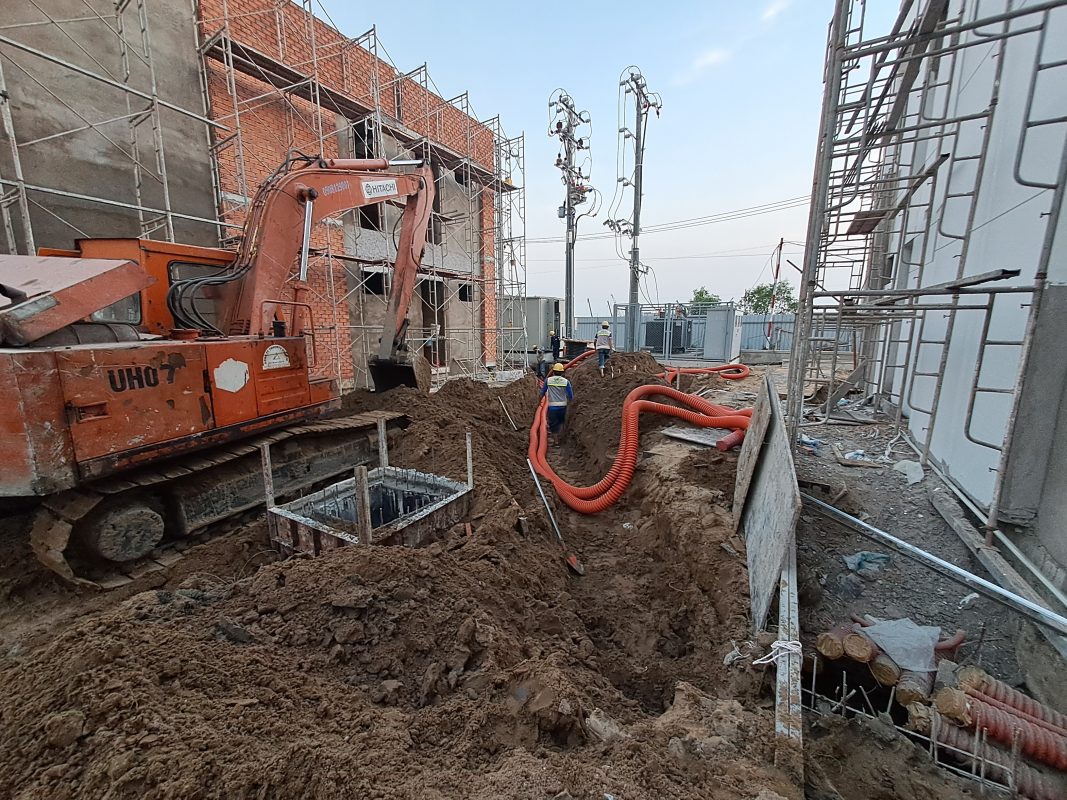
The cost of a 1000kVA transformer station can fluctuate due to various factors such as station type, materials, and manufacturer. This article provides specific information on 1000kVA transformer station pricing and the elements impacting costs.
Features and Configuration of a 1000kVA Transformer Station
Typically, 1000kVA transformer stations come in types like staged, steel column, and integrated Kios stations. Each type has distinct configurations and applications that influence pricing. The cost not only depends on the transformer itself but is also affected by the station type and materials used.
The 1000kVA transformer station is essential in modern power supply systems, meeting extensive and stable energy demands. They are widely used in industrial parks, high-rise buildings, or shopping malls due to their large capacity and reliability.
Key Features
- High Capacity: With up to 1000kVA, this station is well-suited for the power needs of large systems.
- High Efficiency: Its optimized design minimizes energy loss, ensuring stable and safe operation for the electrical grid.
Detailed Configuration
A. Basic Components
- Oil Transformer: The core of the station is a three-phase oil transformer, sealed with standard voltage of 22/0.4kV.
- Silicon Steel Core: Made from high-quality silicon steel, offering excellent magnetic conductivity and oxidation resistance, designed to minimize eddy currents.
- Standard Windings: The primary and secondary windings are crafted from enameled copper wire, meeting IEC standards and enduring harsh conditions.
B. Accompanying Equipment
- Switchgear: Incorporates medium and low voltage equipment, ensuring safe and flexible operation.
- Grounding System: Provides exceptional safety for users and equipment.
- Medium Voltage Line: Supplies stable medium voltage to the transformer, ensuring efficient power transmission.
C. Installation Design
- KIOS Station: Typically has three logically arranged compartments: medium voltage, low voltage, and the transformer, suitable for both outdoor and indoor installations.
- Flexible Installation: The low-voltage cabinet can be placed separately or alongside the transformer but must ensure safety to prevent incidents.
Notable Technical Specifications
- Capacity: 1000kVA
- Primary/Secondary Voltage: 22/0.4kV
- No-load Loss (Po): ~980W
- Short-circuit Loss (Pk): ~8550W
With its exemplary technical standards and intelligent design, the 1000kVA transformer station is the perfect choice for power supply solutions in Vietnam. Catering to diverse requirements, configurations like the KIOS station optimize space and installation costs while ensuring the safe and efficient operation of electrical systems.
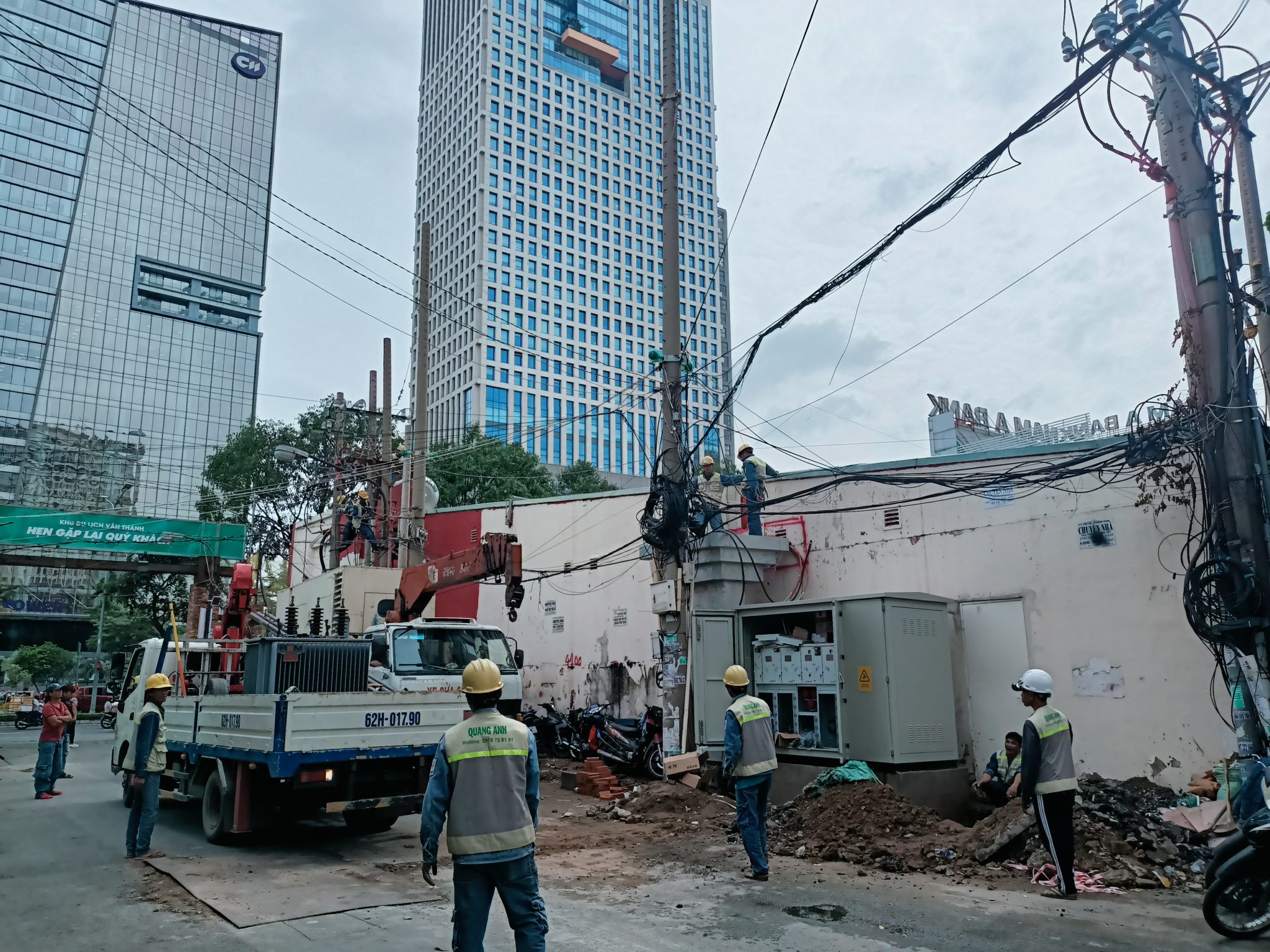
Factors Affecting Transformer Station Costs
The price of a 1000kVA transformer station is influenced by various factors including the type of materials, installation location, and technical requirements. These elements also determine the overall expenses you will incur when installing a cost-effective transformer station.
Construction and installation costs for a transformer station are influenced by several significant factors that can impact the economic effectiveness of the project.
1. Project Scale
- Size and Capacity: Larger transformer stations typically require tailored designs, costly transformer equipment, and diverse materials. This necessitates considerable effort during installation, leading to increased costs.
- Type and Power of the Station: Stations with capacities ranging from 100kVA to 250kVA require specialized materials and equipment, thus incurring specific costs.
2. Installation Location
- Transportation Costs: When selecting a transformer station site, the transportation of equipment and materials to the installation spot must be meticulously considered. This decision impacts not only costs but also transformer technical requirements.
- Terrain: Areas with complex terrain require specialized construction methods, contributing to higher overall costs.
3. Geological Conditions and Infrastructure
- Challenging Terrain and Weak Infrastructure: Projects encountering such conditions demand substantial resources and effort, subsequently increasing installation costs.
- Access: The ease of machinery access and support significantly influences the project’s execution expenses.
4. Materials and Equipment
- Origin and Quality of Equipment: Transformers from renowned brands like Thibidi, EEMC, and ABB generally have higher prices. However, their quality and reliability ensure long-term efficiency.
5. Labor and Management
- Labor Costs: These costs fluctuated depending on the skill level and the number of workers required. Effective management is crucial to efficiently coordinate these resources.
- Construction Efficiency: A high-performing crew can expedite project completion, thereby optimizing costs.
6. Cables and Power Lines
- Distance and Method: Costs also depend on the choice of underground cables or overhead lines to supply power from the connection point to the transformer station, an essential factor in determining overall costs.
Given the complexity of these factors, careful assessment and detailed planning are necessary to maximize project efficiency and ensure the investor achieves the most reasonable final cost.
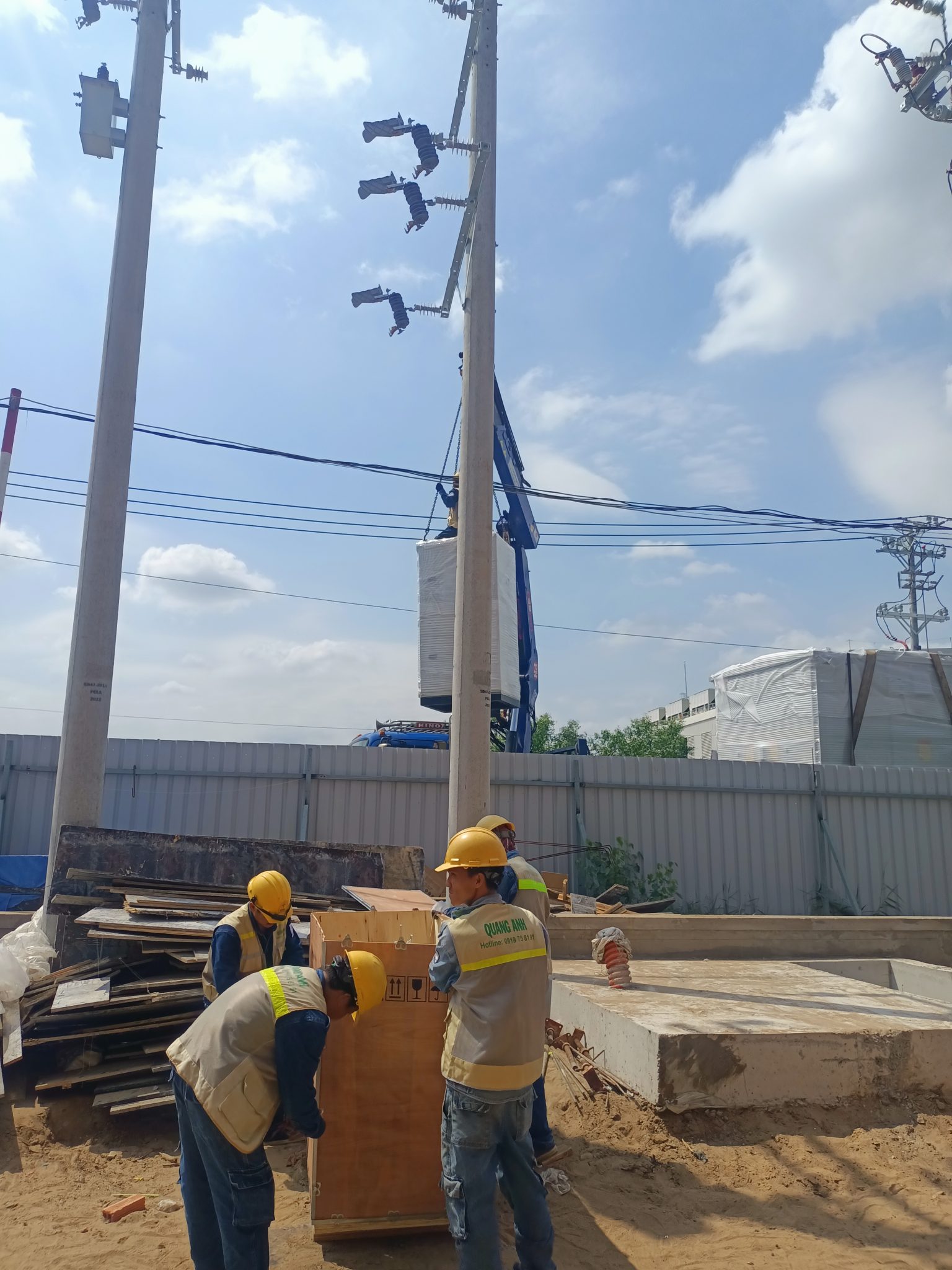
Comparison of Common Transformer Station Types
Common transformer station types such as suspended transformer stations, steel tower, and integrated kios stations each have unique characteristics. These types fulfil different needs depending on installation conditions and intended use. Selecting power-saving transformers and efficient types are key to cost optimization.
In modern electrical systems, “comparing different transformer station types” is essential to ensure compatibility between capacity and the geographical features of the area served. The stations are categorized into several types, each with its advantages and challenges.
Transformer Stations by Voltage
-
Ultra High Voltage Transformer Station: Designed to transmit electricity on a large scale with voltage exceeding 500 kV. These stations are typically used in long-distance lines, providing energy between remote areas.
-
High Voltage Transformer Station: Commonly includes voltages like 66 kV, 110 kV, 220 kV, and 500 kV, suitable for distributing power to wider areas, particularly industrial zones or large cities.
-
Medium Voltage Transformer Station: Serving smaller areas with voltages up to 35 kV. “Medium voltage stations” are widely used in urban areas and rural settings close to central hubs.
Transformer Stations by Structure Design
-
Suspended Transformer Station: All high- and low-voltage equipment and transformers are suspended on a pole, suitable for “suspended transformer stations” in urban areas and space-constrained locations.
-
Framed Transformer Station: Placed on a structure between two large poles, “framed stations” work well in open environments requiring high power capacity.
-
Debased Transformer Station: With the transformers set on a concrete base, “debased stations” are common in rural areas and small facilities, with low-voltage requirements set indoors.
-
Sealed Transformer Station (Kios): Offers mobility and is entirely enclosed for safety. “Kios stations” suit areas requiring high aesthetics.
Transformer Stations by Function
-
Transmission Transformer Station: Primarily converts voltage between transmission lines to ensure stability in energy transmission.
-
Boosting and Reducing Transformer Stations: These stations adjust the voltage to meet specific consumer needs, enhancing energy efficiency.
The “comparison of different transformer station types” fosters optimal selection in designing power systems and allows for flexibility in deployment according to conditions and economic factors of each project.
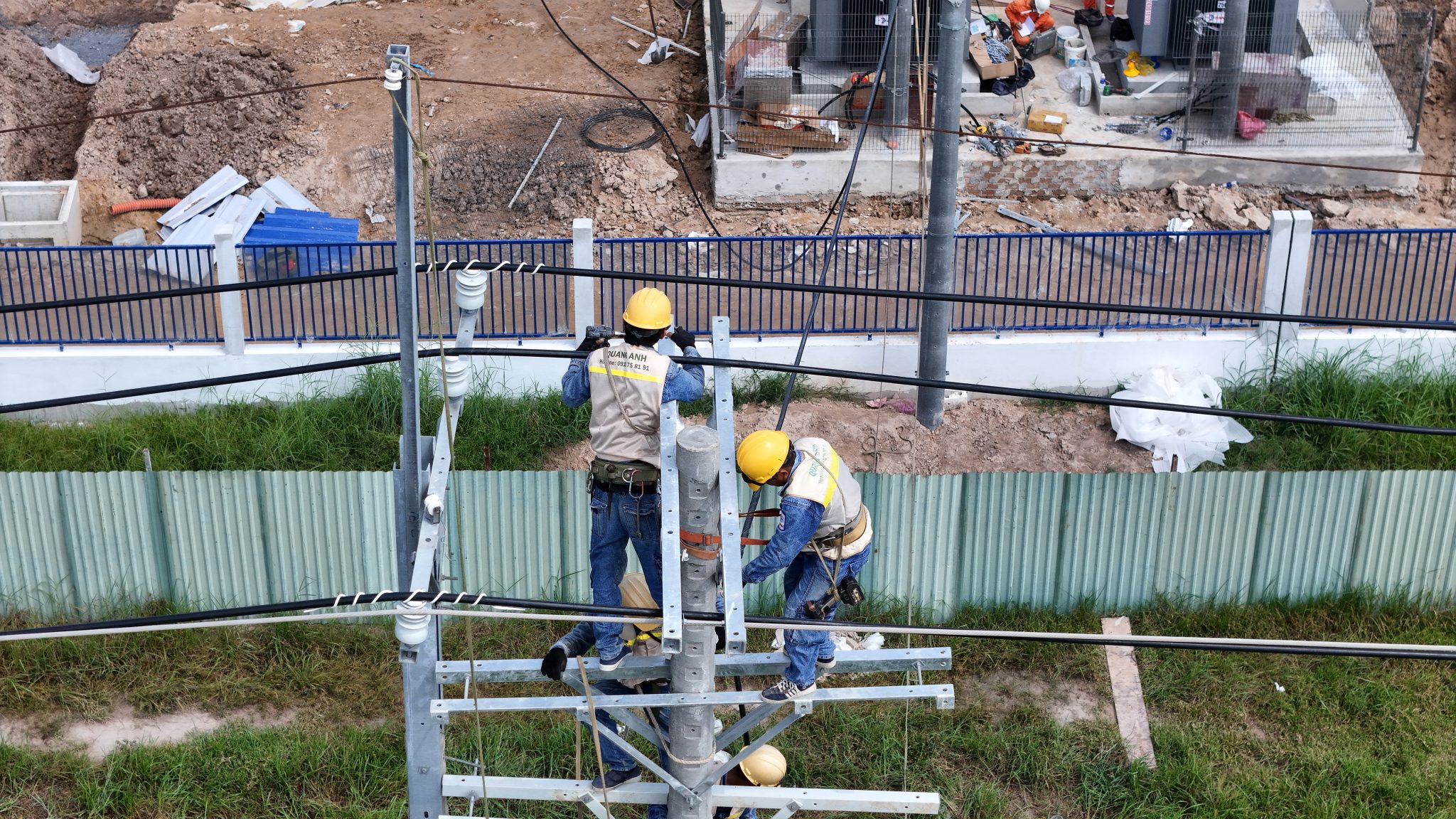
When considering the price of a 1000kVA transformer station, it’s vital to thoroughly assess elements such as station type, location, and technical requirements. Selecting the right transformer and station not only saves costs but also ensures technical efficacy and long-term investment strategy.
For more detailed information and direct advice, contact QuangAnhcons Hotline: +84 9 1975 8191.
QuangAnhcons offers consulting and installation services for various transformer stations, ensuring quality and cost-effectiveness. We are committed to helping our clients optimize their transformer station investments.
[contact-form-7 id="7239967" title="Contact form 1"]
Related Posts
Comparing Oil and Dry Transformers in Industrial Projects
Distinguish between oil and dry transformers based on installation site, safety, maintenance, energy losses, initial [...]
Mar
Electrical Overload Warning Signs in Factories
Recognize early indicators of factory electrical overload such as voltage drops, overheating equipment, circuit breaker [...]
Mar
Risks of Overloading Industrial Transformers Without Upgrades
Keeping the same low-voltage transformer while increasing factory loads can result in overheating, insulation degradation, [...]
Mar
Evaluating and Implementing Transformer Contractors in Tay Ninh
Criteria for selecting transformer substation contractors in Tay Ninh, EPC scope, and factors affecting project [...]
Mar
Comparing Oil and Dry Transformers for Industrial Applications
Examine oil and dry transformers based on installation location, fire safety, maintenance, energy loss, investment [...]
Mar
Comprehensive 1500kVA Transformer Station Budget for Manufacturing Facilities
Guidance for creating a detailed budget list for a 1500kVA transformer station, including medium voltage [...]
Mar
Comprehensive Transformer Station Pricing: Elements and Considerations
Examine key components in comprehensive transformer station pricing including design, equipment, construction, testing, and connection [...]
Mar
Pricing Guide for 4000kVA Transformer Stations: Configuration, Cost, and Investment Process
An overview of configuration, cost estimates, connection approaches, and investment checklists for 4000kVA transformer stations [...]
Mar
Pricing and Setup of 3200kVA Transformer Stations: Configuration, Costs, and Investment Procedure
Explore the pricing structure for a 3200kVA transformer station, primary equipment configuration, cost variables, EVN [...]
Mar
Cost Estimation for 2500kVA Transformer Station: Configuration, Expenses, and Investment Process
Reference framework for quoting a 2500kVA transformer station based on configuration, station type, cable solutions, [...]
Mar
2000kVA Transformer Station Guide: Configuration, Costs, and Investment Process
Discover key aspects of a 2000kVA transformer station: from technical configuration and cost analysis to [...]
Mar
Pricing and Configuration Guide for 1600kVA Substations
A detailed guide on pricing for 1600kVA substations, including equipment specs, connection costs, EVN procedures, [...]
Mar
Comprehensive Guide to 1500kVA Substation Pricing: Configuration, Costs, and Investment Process
A comprehensive overview of configurations, costs, construction methods, connection procedures, and contractor selection for 1500kVA [...]
Mar
Tay Ninh Solar Power Planning: Technical Framework, Grid Interconnection, and Rollout Roadmap
Technical overview of solar planning in Tay Ninh: irradiation, grid capacity, permitting, design, operations, and [...]
Dec
Binh Duong Solar Planning: Regulatory Framework, Grid Interconnection, and an Implementation Roadmap for Factories and Industrial Parks
An overview of Binh Duong solar planning: legal framework, interconnection, design, risk management, and an [...]
Dec
Solar Farm Repair: O&M Workflow, IV Curve Diagnostics, Thermography, Inverter Service and Utility-Scale Safety
A utility-scale solar farm repair plan centered on O&M, IV curves, thermal imaging, inverter service, [...]
Dec
Dong Nai Solar Power Plan 2023–2025: Tri An 1,029 MW, Grid Upgrades and the DPPA Pathway
A complete look at Dong Nai’s solar power plan: Tri An 1,029 MW, irradiation potential, [...]
Nov
Quang Ngai Solar Power Plan 2024–2030: Legal Framework, Irradiance Potential, and Development Roadmap
A complete look at Quang Ngai’s solar power plan: capacity targets, irradiance (PVout), development zones, [...]
Nov
Solar Damage Assessment Services: On-Site Procedures, EL/IV/Thermography Testing & Compliance with Standards
Discover IEC/UL/NEC standard solar damage assessment processes: on-site evaluation, EL and IV curve testing, thermal [...]
Nov
Comprehensive Package Estimate for a 1800MVA 500kV Substation: Scope, Configuration 3x600MVA, Standards and Timeline Management
An overview of the 1800MVA 500kV substation estimate: construction scope, configuration 3x600MVA, GIS/AIS, SCADA, standards, [...]
Nov