

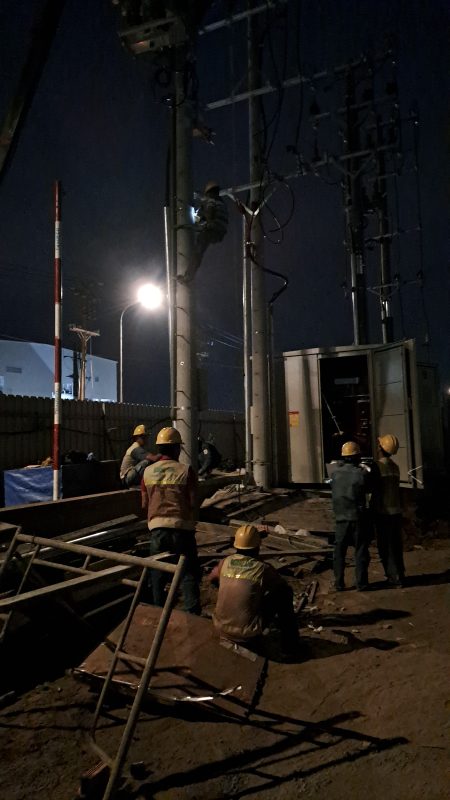
MEP contracting quotes typically cover mechanical, electrical, and plumbing systems, playing a critical role in both industrial and residential construction projects. Explore the principles, methods, and the advantages of obtaining these quotes.
Classification of MEP Systems
MEP systems encompass mechanical components such as air conditioning, ventilation, and elevators. The electrical system includes both heavy and light circuits alongside lighting setups. Meanwhile, the plumbing and wastewater treatment systems ensure efficient water circulation and management.
These systems are crucial for the seamless integration of mechanical, electrical, and plumbing components within any construction. Proper classification and planning of MEP systems are vital for optimizing performance and safety in any building project.
- HVAC Systems: These systems involve more than just air conditioning; they include heating and ventilation setups that regulate temperature and humidity, ensuring comfortable living and working environments while also enhancing energy efficiency and operational cost savings.
- Plumbing & Sanitary Systems: These cover essential elements like water supply and waste treatment, ensuring sufficient water availability and efficient waste management to enhance user convenience and safety.
- Electrical Systems: Critical for powering the facility, divided into heavy-duty components like medium-voltage panels and transformers, along with light-duty elements such as lighting circuits and communication connectivity.
- Fire Alarm & Fire Fighting Systems: Designed to detect, alert, and extinguish fires swiftly, using sensors, smoke detectors, and automated sprinklers to prioritize human and asset safety.
MEP systems not only fulfill comfort requirements but also adhere to international safety standards, facilitating coordination and management throughout a project’s lifecycle.
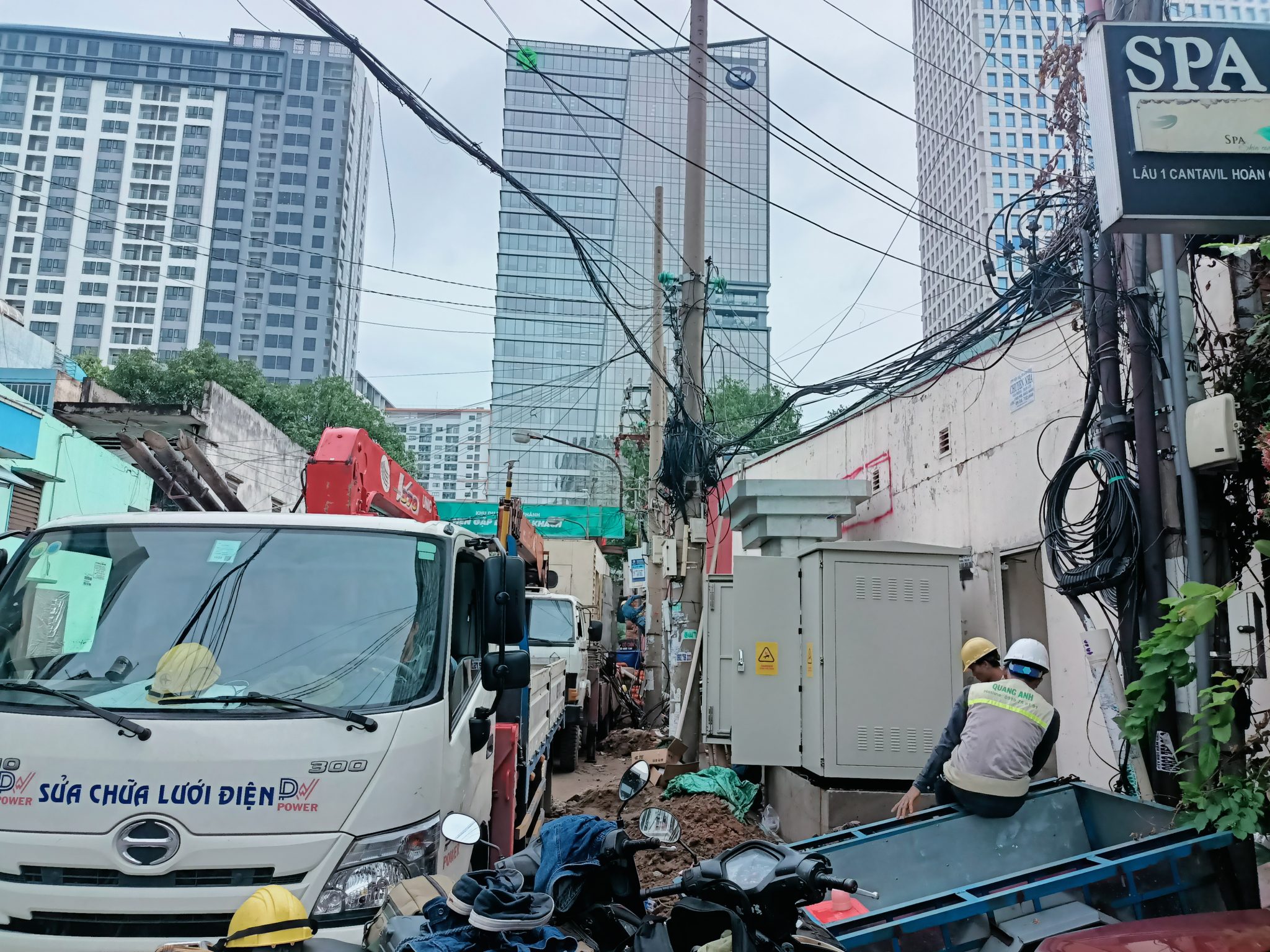
Criteria and Methods for MEP Quotation
MEP contractor quotes often rely on criteria such as unit pricing per square meter and project completion timelines. Pricing methods can be direct, covering materials and labor, or indirect, encompassing additional costs like insurance and taxes.
MEP systems, particularly mechanical and electrical components, significantly influence construction costs. Effective quotation necessitates comprehensive understanding of each system component and appropriate pricing criteria.
MEP Systems
MEP (Mechanical, Electrical, and Plumbing) covers core components such as:
- HVAC Systems: Ensures temperature control and air quality.
- Plumbing & Sanitary Systems: Manages water and sanitation systems.
- Electrical Systems: Supplies energy for devices, ensuring smooth operations.
- Fire Alarm & Fire Fighting Systems: Secures the project against fire hazards.
MEP Quotation Criteria
MEP pricing should consider:
- Design Costs: Varies with project complexity and design requirements.
- Materials and Equipment: Factors like brand (Thibidi, Schneider) and quantity used.
- Labor and Materials: Costs regarding skilled labor and material needs.
- Construction Machinery Costs: Value of machinery and equipment used.
- Project Management Costs: Includes supervision and overall management expenses.
MEP Quotation Methods
The standard MEP quoting process involves these steps:
- Project Analysis: Gathering current architectural and technical requirements.
- Project Estimation: Calculating costs for each category based on current standards.
- Cost Calculation: Assessing costs of materials, labor, machinery using market rates.
- Final Quote: Compiling and presenting a comprehensive quote to the client.
Real-World Examples
- Design Costs: High design demands can lead to significant basic M&E design expenses.
- Construction Machinery Costs: Local machine rate tables help determine accurate costs.
Preparing MEP quotes requires proficiency in system analysis and a thorough cost assessment to assure precise and effective project execution.
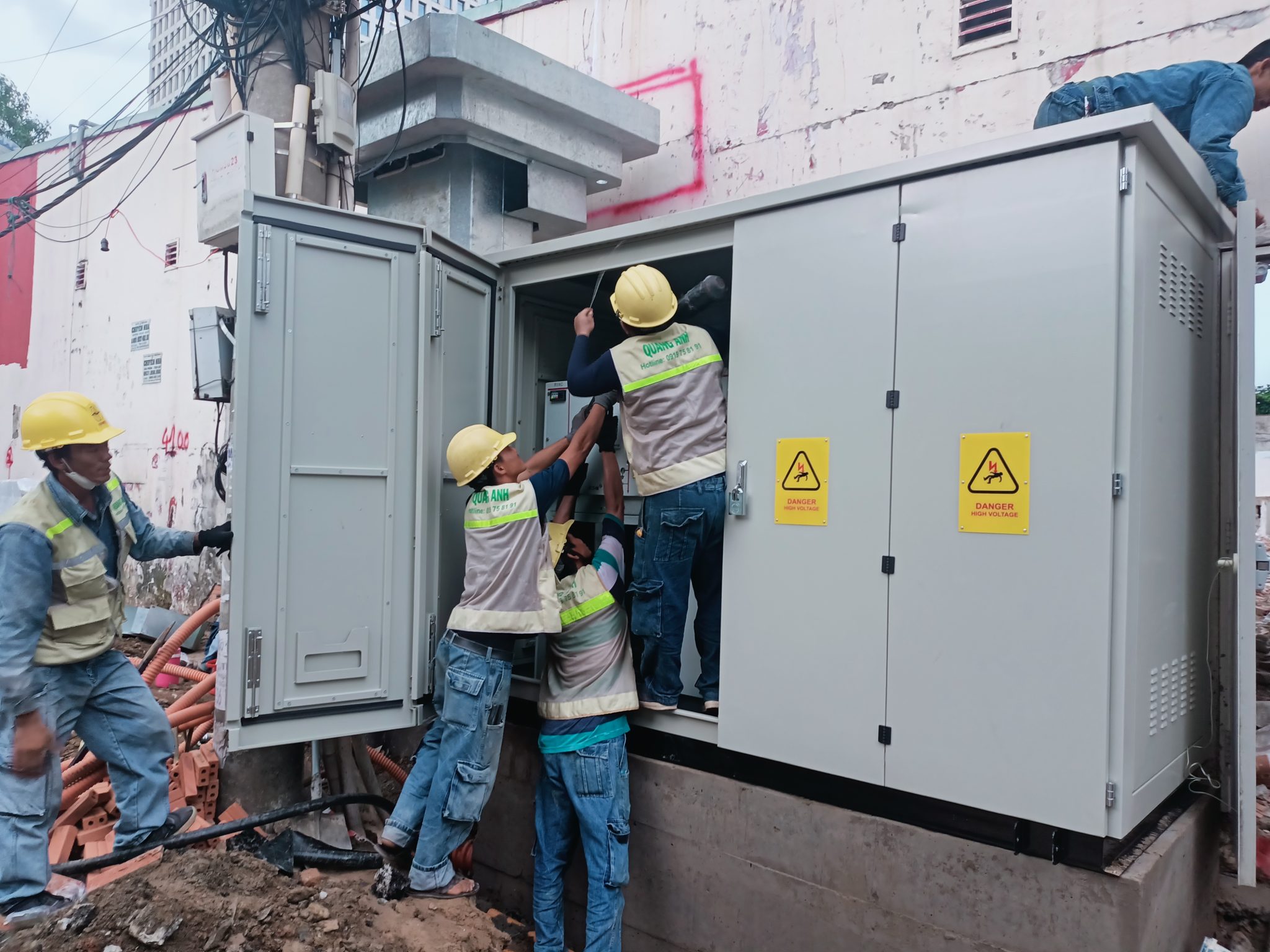
Process and Benefits of MEP Contracting
The MEP quoting process includes survey, consultation, preliminary design, cost analysis, solution optimization, and detailed quoting. MEP contracting offers cost-efficiency, enhanced performance, and risk reduction with backup plans.
In construction and execution, MEP contracting plays a vital role in managing and implementing MEP projects, encompassing Mechanical, Electrical, and Fire Safety systems. Below is the MEP process and its positive benefits.
- Contract Signing and Project Acceptance: The initial MEP process involves contract signing with the investor, taking full responsibility as the primary construction contractor, establishing commitments and authority for the MEP project.
- Proposal of Optimal Solutions: The contractor provides optimal construction solutions, saving time and costs while improving MEP design efficiency for maximum effectiveness.
- Project Management and Operation: A key part of the MEP process involves effective project management and execution by the contractor. Close collaboration with consultants, subcontractors, and stakeholders ensures that the project meets quality, timeliness, and safety standards.
- Estimation and Construction Scheduling: The contractor details the estimation and schedules construction timelines, providing stakeholders with a clear and accurate view of resource requirements.
- Capability Assessment and Control: The final stage in the MEP process includes evaluating subcontractor capabilities and ensuring site safety control.
Alongside a clear process, MEP contracting also offers numerous standout advantages:
- Time and Cost Optimization: With extensive experience and specialized skills, contractors help investors optimize time and cost management efficiently.
- Centralized Management: With comprehensive responsibility, the contractor manages projects to avoid overlaps, significantly improving construction efficiency.
- Quality and Safety Assurance: The contractor focuses on quality and safety control, ensuring every stage meets standards.
- Effective Coordination: The contractor operates time-efficiently and collaborates adaptively with stakeholders, ensuring MEP projects finish to both timeline and quality standards.
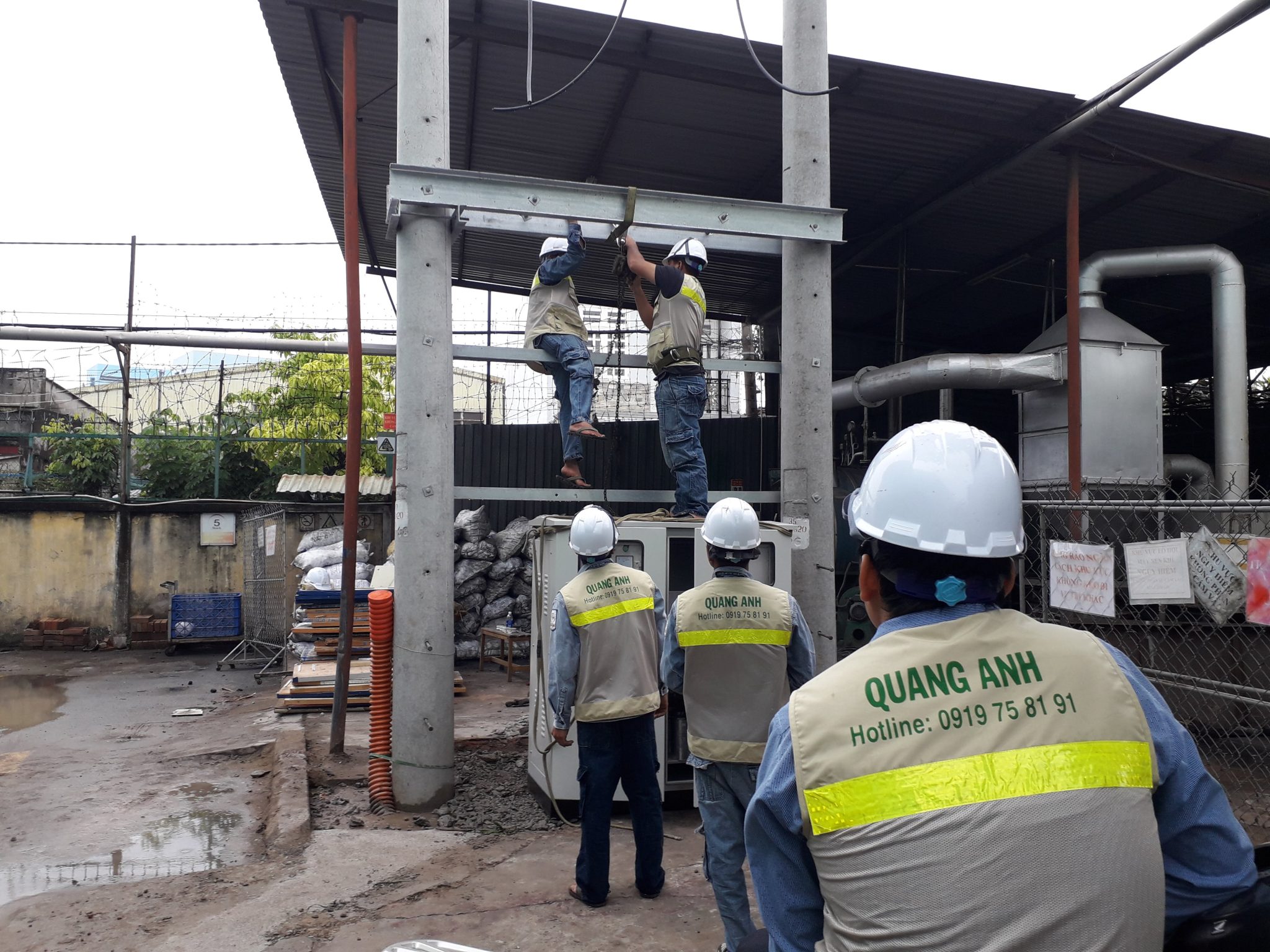
Delivering MEP contractor quotes can optimize investment costs, ensure operational efficiency, and minimize risks through comprehensive surveys and detailed analysis.
Contact QuangAnhcons via Hotline: +84 9 1975 8191 for detailed and optimized MEP contractor quotes for your project.
QuangAnhcons provides accurate MEP contractor quotes with optimal methods to ensure quality and efficiency for all construction projects.
[contact-form-7 id="7239967" title="Contact form 1"]
Related Posts
Comparing Oil and Dry Transformers in Industrial Projects
Distinguish between oil and dry transformers based on installation site, safety, maintenance, energy losses, initial [...]
Mar
Electrical Overload Warning Signs in Factories
Recognize early indicators of factory electrical overload such as voltage drops, overheating equipment, circuit breaker [...]
Mar
Risks of Overloading Industrial Transformers Without Upgrades
Keeping the same low-voltage transformer while increasing factory loads can result in overheating, insulation degradation, [...]
Mar
Evaluating and Implementing Transformer Contractors in Tay Ninh
Criteria for selecting transformer substation contractors in Tay Ninh, EPC scope, and factors affecting project [...]
Mar
Comparing Oil and Dry Transformers for Industrial Applications
Examine oil and dry transformers based on installation location, fire safety, maintenance, energy loss, investment [...]
Mar
Comprehensive 1500kVA Transformer Station Budget for Manufacturing Facilities
Guidance for creating a detailed budget list for a 1500kVA transformer station, including medium voltage [...]
Mar
Comprehensive Transformer Station Pricing: Elements and Considerations
Examine key components in comprehensive transformer station pricing including design, equipment, construction, testing, and connection [...]
Mar
Pricing Guide for 4000kVA Transformer Stations: Configuration, Cost, and Investment Process
An overview of configuration, cost estimates, connection approaches, and investment checklists for 4000kVA transformer stations [...]
Mar
Pricing and Setup of 3200kVA Transformer Stations: Configuration, Costs, and Investment Procedure
Explore the pricing structure for a 3200kVA transformer station, primary equipment configuration, cost variables, EVN [...]
Mar
Cost Estimation for 2500kVA Transformer Station: Configuration, Expenses, and Investment Process
Reference framework for quoting a 2500kVA transformer station based on configuration, station type, cable solutions, [...]
Mar
2000kVA Transformer Station Guide: Configuration, Costs, and Investment Process
Discover key aspects of a 2000kVA transformer station: from technical configuration and cost analysis to [...]
Mar
Pricing and Configuration Guide for 1600kVA Substations
A detailed guide on pricing for 1600kVA substations, including equipment specs, connection costs, EVN procedures, [...]
Mar
Comprehensive Guide to 1500kVA Substation Pricing: Configuration, Costs, and Investment Process
A comprehensive overview of configurations, costs, construction methods, connection procedures, and contractor selection for 1500kVA [...]
Mar
Tay Ninh Solar Power Planning: Technical Framework, Grid Interconnection, and Rollout Roadmap
Technical overview of solar planning in Tay Ninh: irradiation, grid capacity, permitting, design, operations, and [...]
Dec
Binh Duong Solar Planning: Regulatory Framework, Grid Interconnection, and an Implementation Roadmap for Factories and Industrial Parks
An overview of Binh Duong solar planning: legal framework, interconnection, design, risk management, and an [...]
Dec
Solar Farm Repair: O&M Workflow, IV Curve Diagnostics, Thermography, Inverter Service and Utility-Scale Safety
A utility-scale solar farm repair plan centered on O&M, IV curves, thermal imaging, inverter service, [...]
Dec
Dong Nai Solar Power Plan 2023–2025: Tri An 1,029 MW, Grid Upgrades and the DPPA Pathway
A complete look at Dong Nai’s solar power plan: Tri An 1,029 MW, irradiation potential, [...]
Nov
Quang Ngai Solar Power Plan 2024–2030: Legal Framework, Irradiance Potential, and Development Roadmap
A complete look at Quang Ngai’s solar power plan: capacity targets, irradiance (PVout), development zones, [...]
Nov
Solar Damage Assessment Services: On-Site Procedures, EL/IV/Thermography Testing & Compliance with Standards
Discover IEC/UL/NEC standard solar damage assessment processes: on-site evaluation, EL and IV curve testing, thermal [...]
Nov
Comprehensive Package Estimate for a 1800MVA 500kV Substation: Scope, Configuration 3x600MVA, Standards and Timeline Management
An overview of the 1800MVA 500kV substation estimate: construction scope, configuration 3x600MVA, GIS/AIS, SCADA, standards, [...]
Nov