

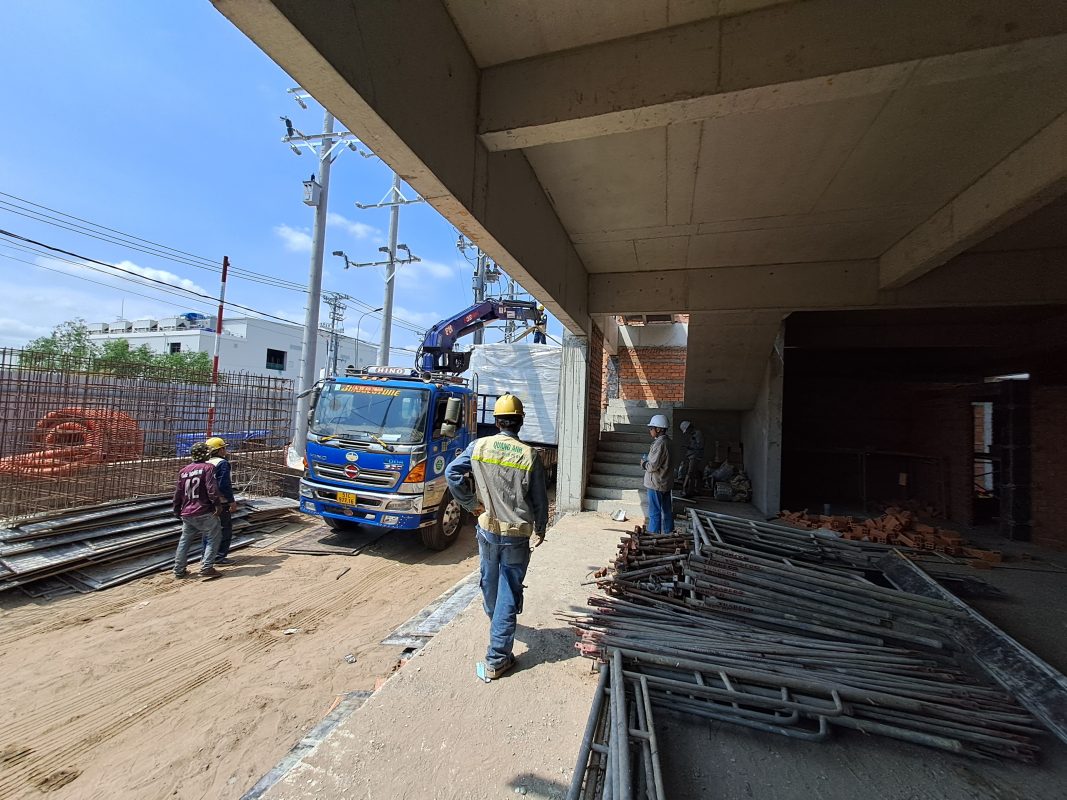
The industrial electrical system is a decisive factor in production operations, accounting for 40-60% of a factory’s M&E scope. Process and technical requirements play pivotal roles.
5-Step Process for Industrial Electrical System Design
Designing an industrial electrical system starts with collecting information and conducting field surveys. Engineers need to gather data on area, machinery, industry specifications, and the business’s electricity needs. This foundational step determines the total power consumption, aiding in selecting suitable equipment. Next, the design of the high-voltage grid involves setting up transmission lines, substations, and switchboards to deliver electricity from the national grid to the factory. For the low-voltage network, ensuring a voltage below 1kV and well-calculated lighting systems for each area is essential to prevent waste or insufficient lighting.
- Customer Information Collection: The design process begins with engineers obtaining and surveying practical information from clients. Detailed data such as floor area, staff numbers, machinery type, and factory characteristics are essential for accurate network design.
- Consultation and Proposal: After data collection, engineers advise clients on feasible, safe, and cost-effective design options. Choosing equipment and materials cautiously ensures they are appropriate for the actual conditions and project needs.
- Preliminary Design Draft: Based on gathered information and chosen options, a preliminary electrical design draft illustrates equipment layout, wiring, and operational areas. This step allows clients a comprehensive view of the electrical system before proceeding to the next stage.
- Client Approval of Preliminary Design: A crucial step is obtaining client approval for the preliminary draft. Close interaction ensures all requirements are met, from functionality to safety and aesthetics.
- Finalizing the Design: Incorporating client feedback, the design is refined and completed, ready for execution. This stage is vital for ensuring the safety and effectiveness of the future industrial electrical system.
Key Design Considerations
- Load Calculation: An essential process to determine maximum electricity consumption, ensuring sufficient energy for all manufacturing activities.
- High and Low Voltage Network Design: Accurate processes are required to ensure safety and efficiency in system operation.
- Material and Equipment Selection: Using insulative materials and safety devices like circuit breakers to protect the system from unexpected incidents.
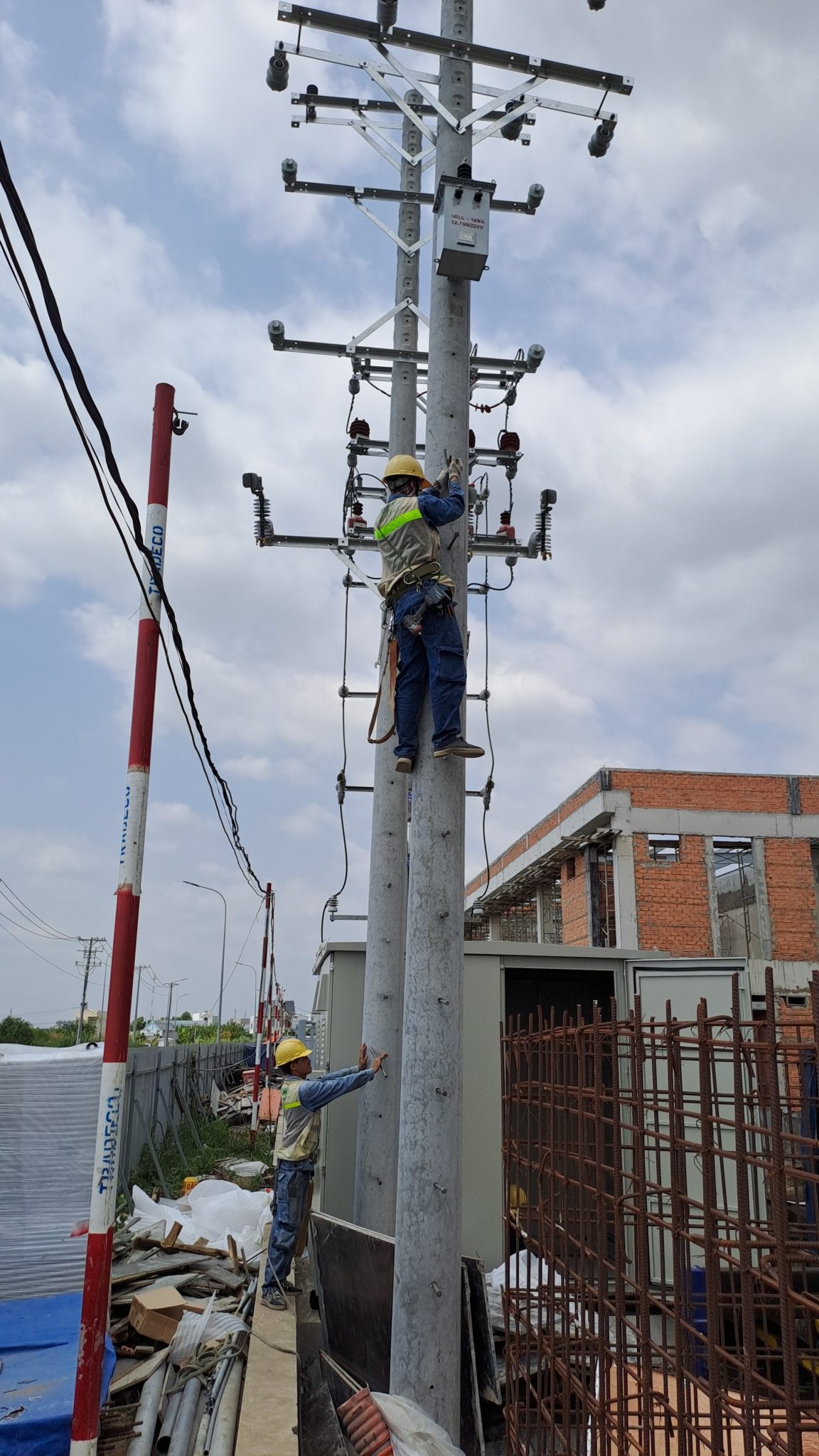
Essential Technical Requirements in System Design
Industrial electrical systems must meet stringent technical standards, addressing safety aspects like insulation and explosion-proof features during installation and operation. Balancing loads is crucial to smooth system performance, preventing overload. Accurate cost estimation for electricity consumption is vital, with minimal error and compliance with TCVN standards in industrial electricity.
Design not only demands precise technical elements but also adherence to standards for achieving high performance, safety, and sustainability. Below are the core technical requirements to consider during the design process:
HVAC System Design Requirements
- Design Standards: Engineers must comply with TCVN 5687-2010 standards for air conditioning and ventilation, along with SMACNA standards for duct fabrication.
- Air Quality: Ensure indoor air quality by maintaining fresh air standards set by ASHRAE.
Technical System Design Requirements in Hospitals
- Wastewater Treatment: The system must follow TCVN 7382:2004 and TCVN 6772:2000 standards to ensure wastewater quality before discharge.
- Safety and Hygiene: Ensuring a safe and hygienic environment for both patients and staff.
Safety Requirements in Electromechanical System Design
- Compatibility: Ensure the compatibility of products and electromechanical systems to facilitate international commerce and effective use.
- Safety Standards: Adhere to international and national safety standards to prevent accidents and ensure smooth system operation.
Fire Prevention System Design Requirements
- Immediate Fire Detection: Systems must quickly detect fires and alert promptly to ensure safe evacuation.
- Signal Interference Resistance: It is crucial to maintain independent system design for fire alarms from other construction systems.
Work System Design Requirements
- Requirement Analysis: The system design process should include requirement analysis and establishing objectives for performance and labor safety.
- Function Allocation: Define and efficiently allocate system functions between humans and devices.
These requirements emphasize the importance of adhering to design standards to achieve electrical load balance, ensure safety, and optimize electricity cost forecasts.
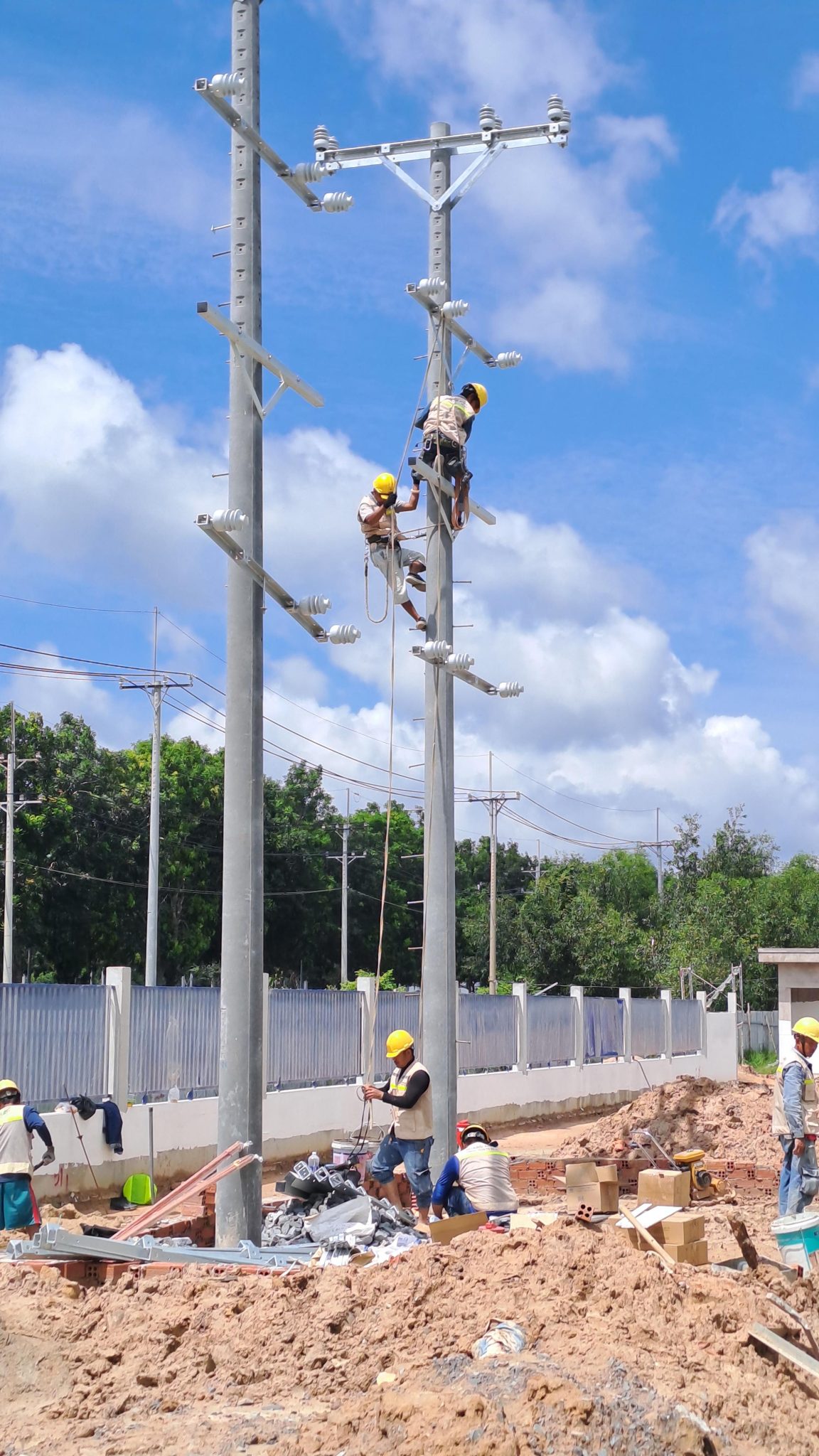
Trends in Industrial Electrical Systems
Currently, smart electrical monitoring systems are a prominent trend, integrated with IoT to track real-time energy consumption. Renewable energy, such as solar panels, is also incorporated to reduce dependence on traditional power grids, offering economic benefits and environmental protection.
Amid global green transitions, Vietnam’s industrial electricity sector is rapidly integrating advanced solutions to enhance efficiency and protect the environment.
A notable trend is the strong shift towards renewable energy like solar and wind power, marking the industry’s commitment to minimizing negative environmental impacts. This establishes a sustainable energy ecosystem while creating new economic opportunities by optimizing operational costs and improving energy efficiency.
Simultaneously, smart industrial electricity is developing robustly. This system enhances control and energy management, enabling businesses to optimize electricity use and reduce greenhouse gas emissions. It’s a necessary solution for sustainable production needs in the near future.
The role of electrical automation in industrial factories is also becoming increasingly crucial. The ability to integrate automation systems enhances labor productivity, reduces production costs, and improves the quality of output products. This aligns with the development trend of modern smart factories.
Moreover, the smart energy network is transforming how energy is produced and consumed. Industrial electrical devices like generators are increasingly integrated into this network, optimizing distribution and reducing energy waste, while enhancing system stability.
Lastly, the development of industrial electrical equipment with many modern improvements is being strongly promoted. New equipment from companies like ABB, Mitsubishi, Eaton, and Schneider Electric enhances performance, speeds up processing, and saves costs, meeting the growing demands of the industrial electrical market.
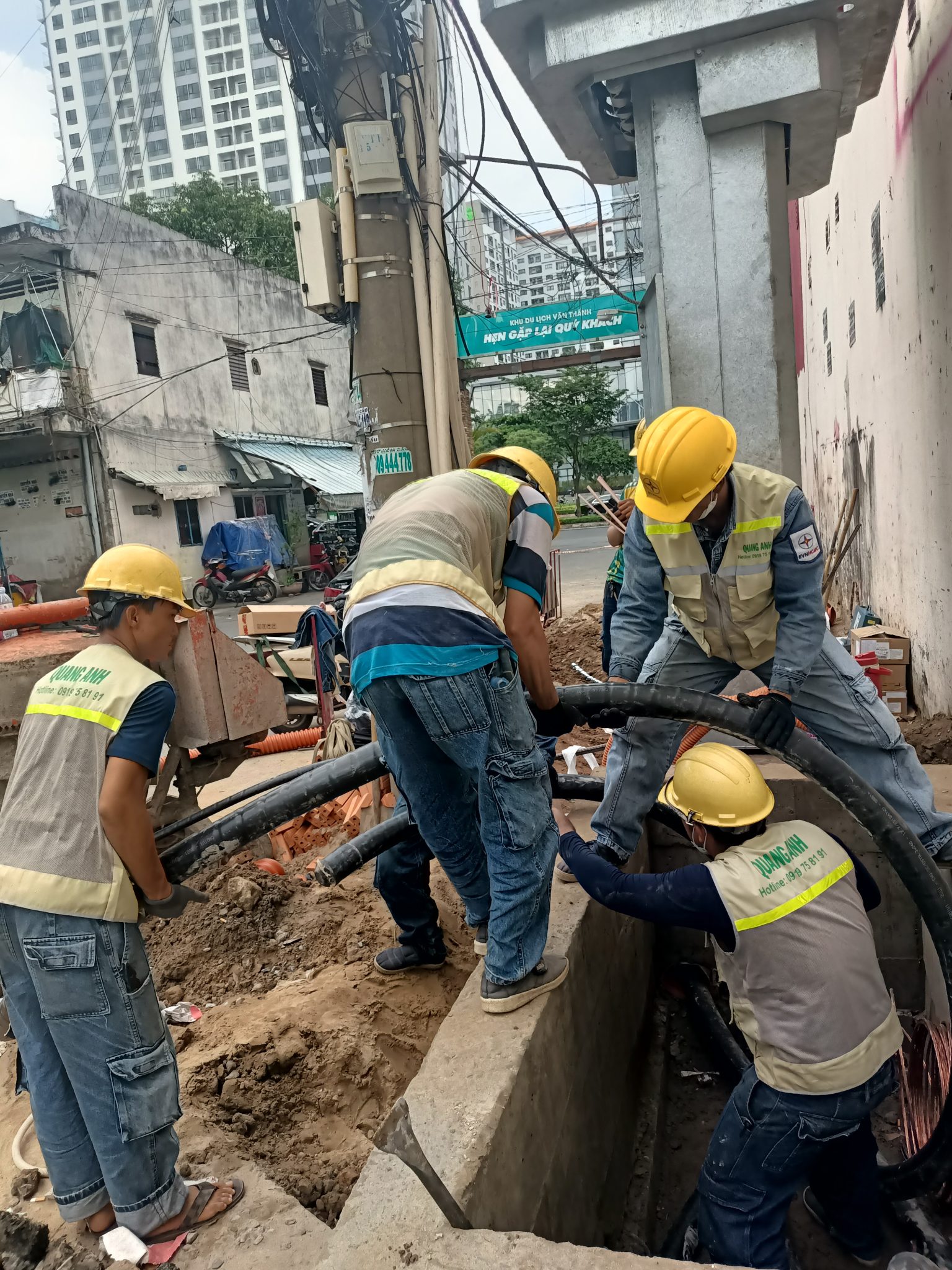
Effective design of industrial electrical systems not only ensures safe operation but also optimizes cost and enhances equipment durability. Utilizing new technologies like IoT and renewable energy helps businesses achieve sustainability and energy savings.
Discover optimal solutions for industrial electrical system design with QuangAnhcons. Contact us via Hotline: +84 9 1975 8191 for detailed consultation.
QuangAnhcons provides design and installation services for industrial electrical systems with high safety and efficiency standards, utilizing advanced technology to ensure sustainable operation.
[contact-form-7 id="7239967" title="Contact form 1"]
Related Posts
Comparing Oil and Dry Transformers in Industrial Projects
Distinguish between oil and dry transformers based on installation site, safety, maintenance, energy losses, initial [...]
Mar
Electrical Overload Warning Signs in Factories
Recognize early indicators of factory electrical overload such as voltage drops, overheating equipment, circuit breaker [...]
Mar
Risks of Overloading Industrial Transformers Without Upgrades
Keeping the same low-voltage transformer while increasing factory loads can result in overheating, insulation degradation, [...]
Mar
Evaluating and Implementing Transformer Contractors in Tay Ninh
Criteria for selecting transformer substation contractors in Tay Ninh, EPC scope, and factors affecting project [...]
Mar
Comparing Oil and Dry Transformers for Industrial Applications
Examine oil and dry transformers based on installation location, fire safety, maintenance, energy loss, investment [...]
Mar
Comprehensive 1500kVA Transformer Station Budget for Manufacturing Facilities
Guidance for creating a detailed budget list for a 1500kVA transformer station, including medium voltage [...]
Mar
Comprehensive Transformer Station Pricing: Elements and Considerations
Examine key components in comprehensive transformer station pricing including design, equipment, construction, testing, and connection [...]
Mar
Pricing Guide for 4000kVA Transformer Stations: Configuration, Cost, and Investment Process
An overview of configuration, cost estimates, connection approaches, and investment checklists for 4000kVA transformer stations [...]
Mar
Pricing and Setup of 3200kVA Transformer Stations: Configuration, Costs, and Investment Procedure
Explore the pricing structure for a 3200kVA transformer station, primary equipment configuration, cost variables, EVN [...]
Mar
Cost Estimation for 2500kVA Transformer Station: Configuration, Expenses, and Investment Process
Reference framework for quoting a 2500kVA transformer station based on configuration, station type, cable solutions, [...]
Mar
2000kVA Transformer Station Guide: Configuration, Costs, and Investment Process
Discover key aspects of a 2000kVA transformer station: from technical configuration and cost analysis to [...]
Mar
Pricing and Configuration Guide for 1600kVA Substations
A detailed guide on pricing for 1600kVA substations, including equipment specs, connection costs, EVN procedures, [...]
Mar
Comprehensive Guide to 1500kVA Substation Pricing: Configuration, Costs, and Investment Process
A comprehensive overview of configurations, costs, construction methods, connection procedures, and contractor selection for 1500kVA [...]
Mar
Tay Ninh Solar Power Planning: Technical Framework, Grid Interconnection, and Rollout Roadmap
Technical overview of solar planning in Tay Ninh: irradiation, grid capacity, permitting, design, operations, and [...]
Dec
Binh Duong Solar Planning: Regulatory Framework, Grid Interconnection, and an Implementation Roadmap for Factories and Industrial Parks
An overview of Binh Duong solar planning: legal framework, interconnection, design, risk management, and an [...]
Dec
Solar Farm Repair: O&M Workflow, IV Curve Diagnostics, Thermography, Inverter Service and Utility-Scale Safety
A utility-scale solar farm repair plan centered on O&M, IV curves, thermal imaging, inverter service, [...]
Dec
Dong Nai Solar Power Plan 2023–2025: Tri An 1,029 MW, Grid Upgrades and the DPPA Pathway
A complete look at Dong Nai’s solar power plan: Tri An 1,029 MW, irradiation potential, [...]
Nov
Quang Ngai Solar Power Plan 2024–2030: Legal Framework, Irradiance Potential, and Development Roadmap
A complete look at Quang Ngai’s solar power plan: capacity targets, irradiance (PVout), development zones, [...]
Nov
Solar Damage Assessment Services: On-Site Procedures, EL/IV/Thermography Testing & Compliance with Standards
Discover IEC/UL/NEC standard solar damage assessment processes: on-site evaluation, EL and IV curve testing, thermal [...]
Nov
Comprehensive Package Estimate for a 1800MVA 500kV Substation: Scope, Configuration 3x600MVA, Standards and Timeline Management
An overview of the 1800MVA 500kV substation estimate: construction scope, configuration 3x600MVA, GIS/AIS, SCADA, standards, [...]
Nov