

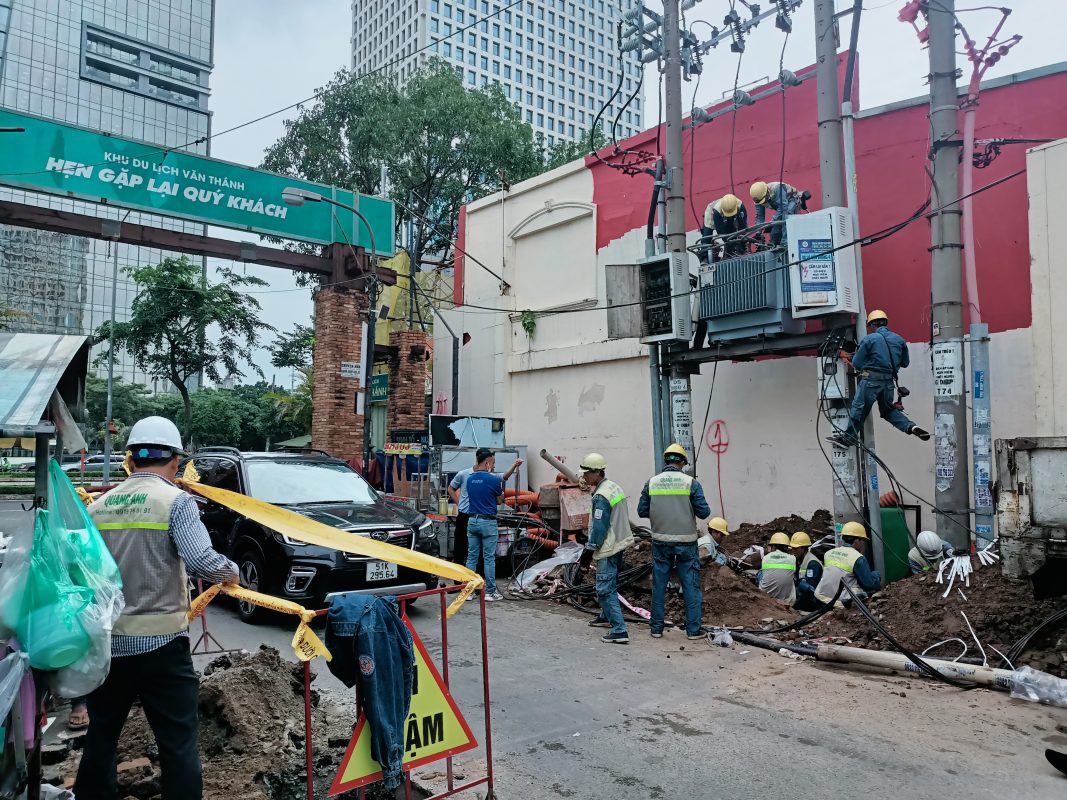
- Recognize early warning signs like voltage drops, equipment overheating, or frequent circuit breaker trips to prevent production halts.
- Differentiate temporary load increases from prolonged overload risks that require technical intervention.
- Know which load, temperature, and connection points to check before issues escalate.
- Determine when to simply maintain connections and when to upgrade power sources or transformers.
- Minimize fire and production disruption risks by making cautious, timely decisions.
Who Should Read This?
- Factory investors and managers noticing increased loads with rising production.
- Electrical maintenance, EHS, and operational technicians responsible for main switchboards and transformers.
- Factories expanding production lines without reviewing power supply capacity.
When to Read This?
- When factory voltage is unstable or machinery shows signs of power deficiency.
- When circuit breakers or fuses trip repeatedly without a clear cause.
- When transformers, power cables, busbars, or connections are unusually hot.
- Before storm seasons or planned production increases.
- When determining whether to maintain, revamp, or upgrade a transformer station.
- 1. Early Signs Your Factory’s Electrical System Is Approaching Overload
- 2. Reasons Factories Easily Face Overload with Production Increase or Operational Changes
- 3. Quick On-Site Check Methods to Confirm Overload Risks
- 4. Common Diagnostic Errors Leading to Slow or Misguided Response
- 5. When to Maintain, Balance Loads, or Upgrade Transformers
- 6. Procedure When Factories Need Power Supply Survey and Upgrade
Factory electrical overloads typically reveal themselves through patterns such as voltage drops, overheating equipment, recurrent protection activations, and unexpected load increases. Identifying and checking the right indicators early helps avoid prolonged downtime, fire risks, and premature upgrade decisions.
Early Signs Your Factory’s Electrical System Is Approaching Overload
Indicators like continual breaker tripping, noticeable voltage drops, and unusually high temperatures in electrical components suggest an upcoming overload.
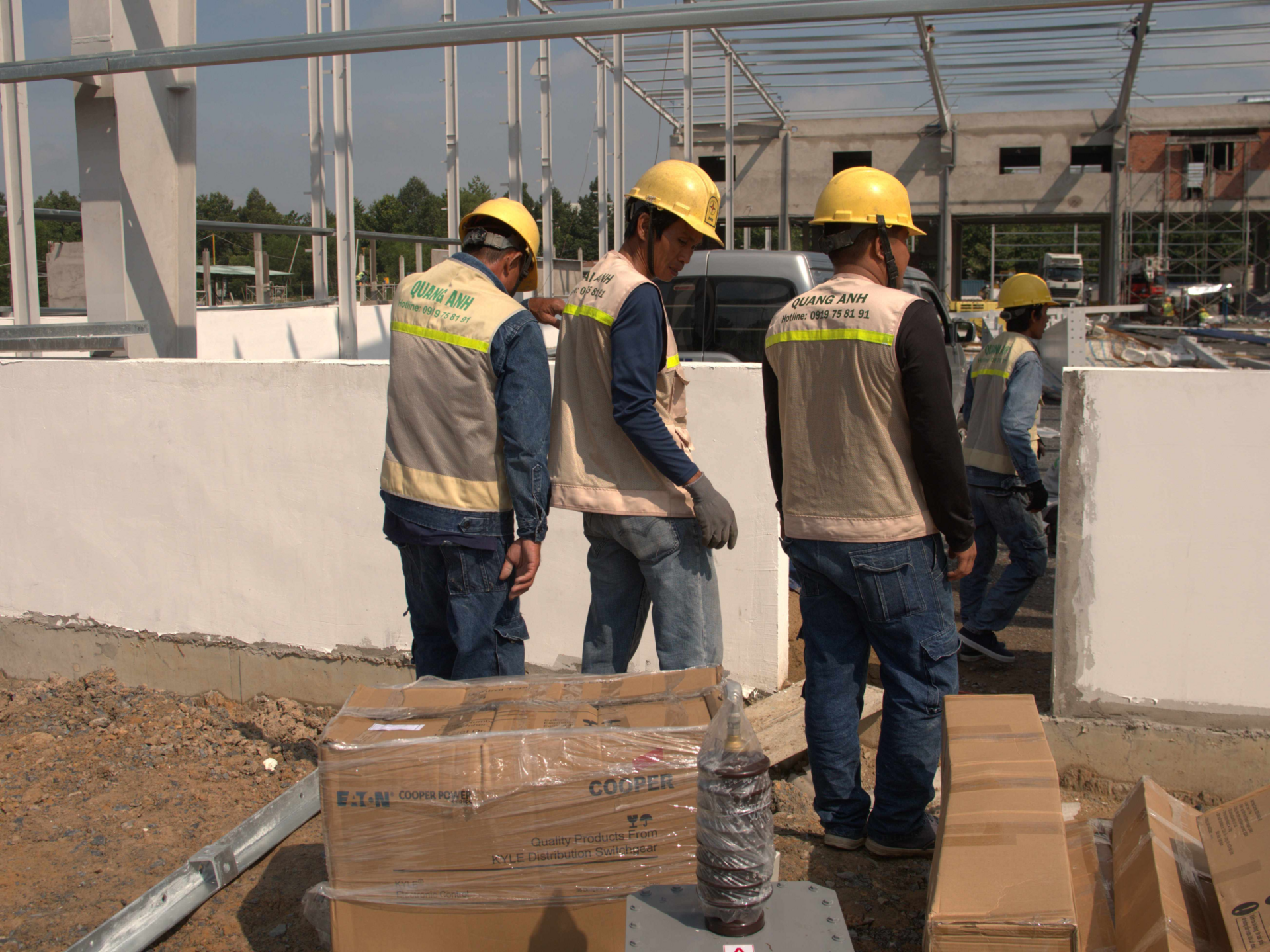
The electrical system nears overload when frequent tripping of circuit breakers occurs, and components exhibit unusual heat rises alongside significant voltage drops.
Field observations might include circuit breakers tripping upon additional equipment usage, particularly during peak production hours, strongly indicating an overloaded circuit or distribution issue. Technicians might note dimming lights correlating with increased loads, indicating malfunctioning equipment struggling to operate at full capacity.
Factory on-site checks reveal thermal and auditory tips such as heating wires, outlets, or switches, occasionally accompanied by burning odors, and strange noises when plugging in new devices. Notably, increased heat at transformers or main panels signals a system enduring loads near its limit, necessitating surface temperature checks at panels and transformer shells during commissioning tests.
- Frequent circuit breaker trips when multiple devices operate simultaneously.
- Dimming lights or fluctuating voltages with increasing loads.
- Unusually hot wires, sockets, switches, sometimes with a burnt smell.
- Equipment operating below power rating standards.
- Rising temperature in transformers or main power panels.
- Repetitive triggering of protection devices causing production interruptions.
Operational alert: If burning odors, distinctly hot wires, or constant circuit breaker trips occur, non-essential loads should be quickly reduced, and fields surveyed to pinpoint the overloaded circuit before normal operations resume. Attention to heat patterns at main panels and transformers during operation cycles aids in deciding if load separation is necessary.
Subsequent steps often include measuring and recording operational conditions (voltage, current, temperature of panels/transformers) to compare with safety thresholds, then planning for load distribution adjustments or system upgrades if necessary.
Reasons Factories Easily Face Overload with Production Increase or Operational Changes
Typical overload causes include lack of capacity backup, production line expansion exceeding grid capability, undersized wires, and weather conditions affecting insulation performance.
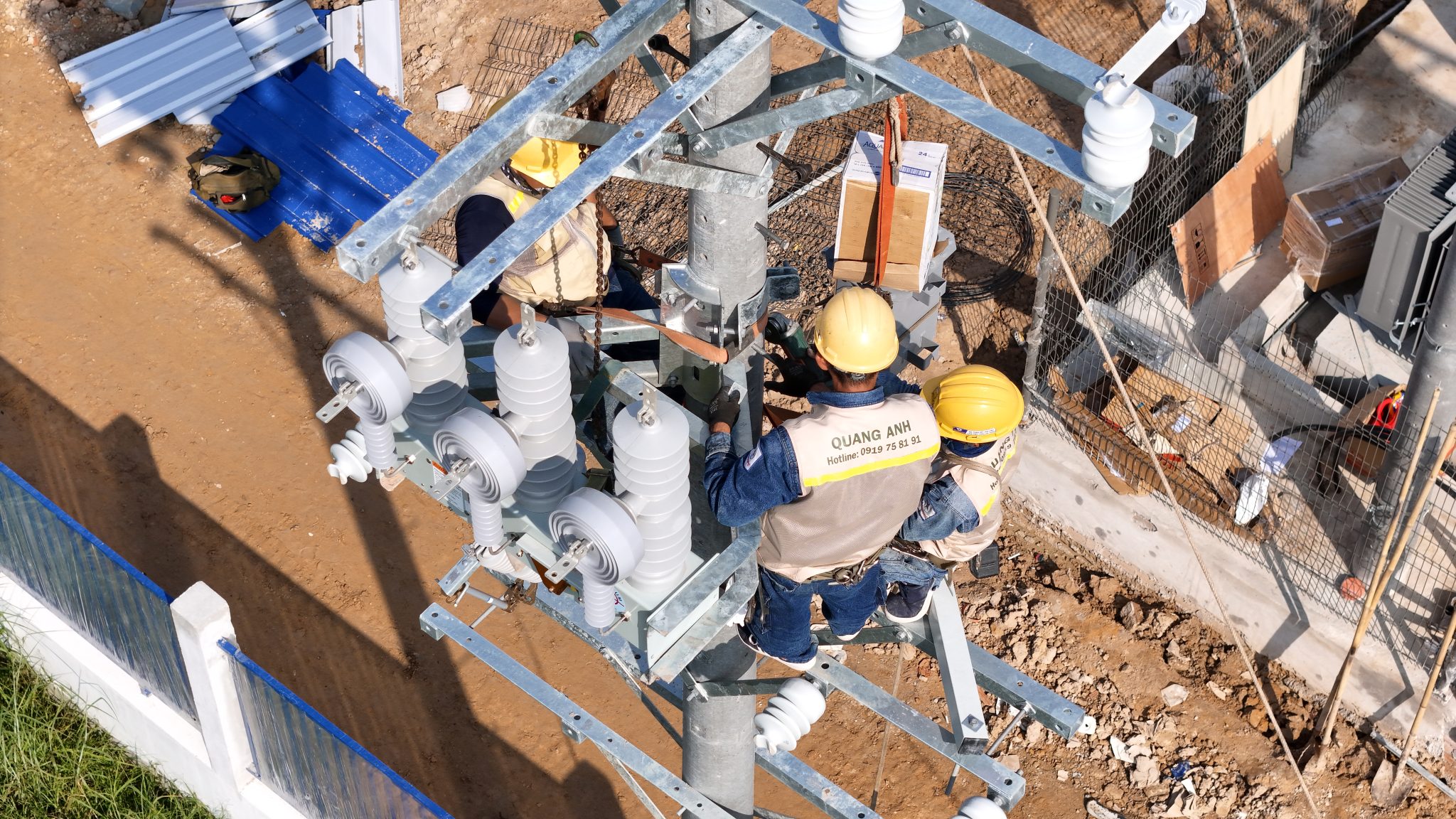
Factories are prone to overload because electrical systems often lack sufficient capacity reserves, and components like wires, transformers, or protections aren’t designed for sudden load increases.
Technologically speaking, main causes include production line expansion leading to increased power consumption; transformers without spare capacity being unable to meet rising demands; seasonal load increases when cooling equipment operates concurrently; and weather conditions like high humidity or stormy weather diminishing insulation efficiency. Factory surveys should focus on repeated breaker trips during maintenance shifts, unusual cable joint heating, and voltage fluctuations during peak hours as key indicators.
- Production line expansion: assess increased power consumption post-production changes, then compare against transformer capacity ratings.
- Lack of transformer capacity backup: during maintenance shifts, measure loading currents on coils and evaluate reserve capacity through load graphics.
- Undersized wires: examine cable size, sheath temperature, and signs of insulation swelling during surveys.
- Seasonal load increases and stormy weather: observe cold equipment operating frequency, air humidity at control panels, and electrical surface leakage indicators.
- Overload protection absence or faulty device: inspect protection relay conditions, breaker trip history, and signs of local power instability.
Operational alert: If constant breaker trips, joint heating, or significant voltage drops occur during peak hours, prioritize circuit isolation and field surveys before subsequent production expansion. Next, draft a checklist for cable sizing, transformer reserve capacity, and overload protection effectiveness, then compare with applicable standards like QCVN 01:2020/BCT and TCVN 7447-1:2010 before deciding on upgrades.
Quick On-Site Check Methods to Confirm Overload Risks
Quickly evaluating peak load points, heating sources, and voltage fluctuations first assesses overload risk, preventing oversight during peak hours.
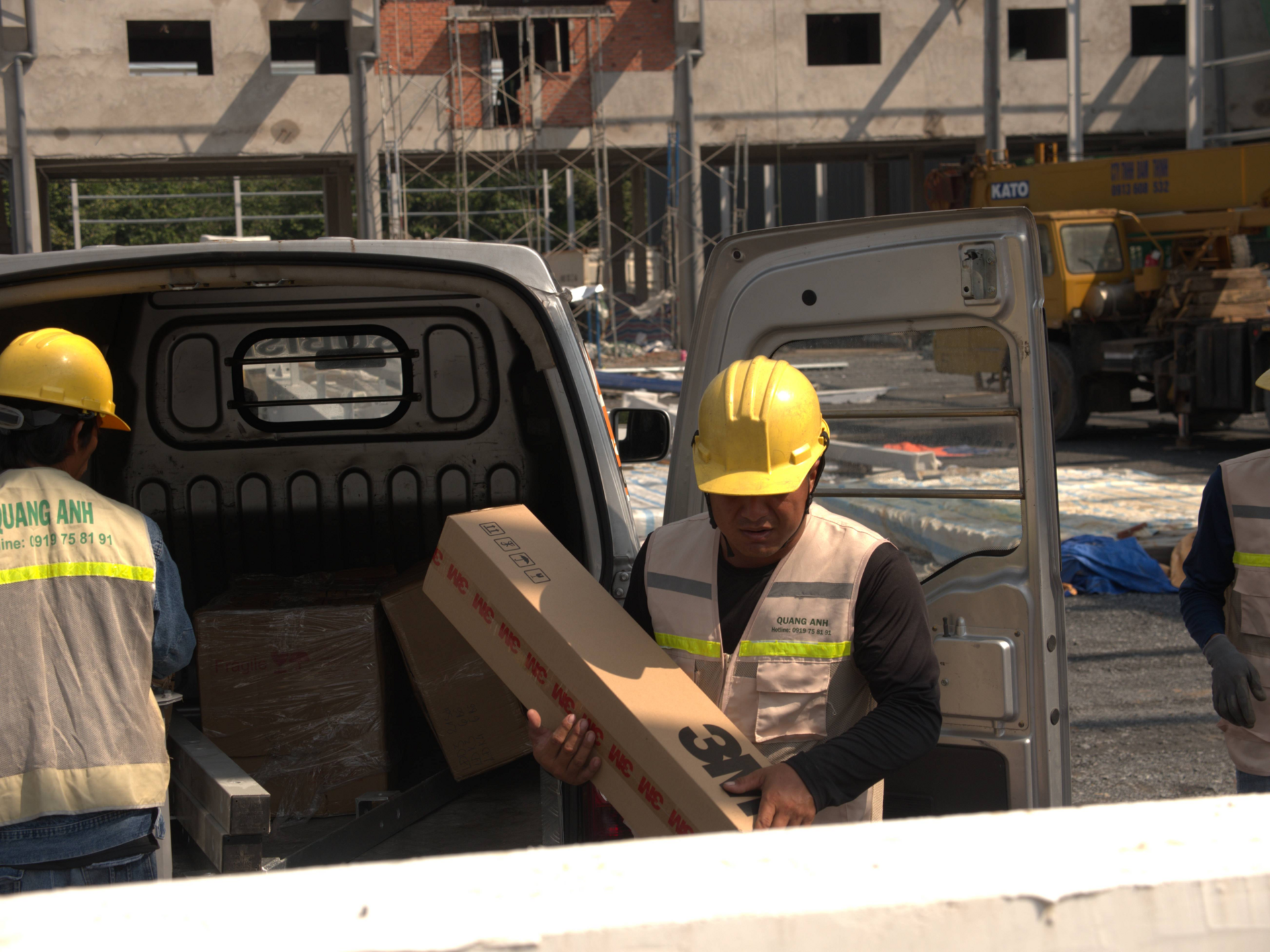
On-site overload risk confirmation requires prioritizing observation of operational signs and directly measuring current and temperature at high load points.
During maintenance or factory surveys, begin from main load points to avoid missing hotspots; operationally, verify these signs before detailed measurements.
- Observe circuit breakers and outlets: frequent tripping or unusual noises when connecting new loads could indicate overload or poor contact.
- Check for burning smells, scorch marks on outlets, switches, wires, and busbars; isolate affected parts immediately upon detecting burning odors.
- Observe lighting and equipment: dimming lights or weakening motors when activating new loads hint at voltage drops due to peak demands.
- Use ammeters/clamp meters to measure main circuit currents and at transformer stations for comparison with installed capacity or nameplate values.
- Apply infrared thermometers to spot unusual heat spots on transformers, busbars, and breakers; repeat during peak hours to note thermal fluctuations.
- Record circuit breaker trip frequency and occurrence times to determine overload repetitiveness.
Measurement methods involve recording actual current at transformers and comparing against installed capacity or nominal currents; lacking data requires site surveys to read nameplates and design documents.
Check wire size and breaker power against measured current; during maintenance, if hotspots or burning odors are detected, isolate circuits without touching electrified parts and take safety measures immediately.
Monitor voltage variations by observing peak hour fluctuations; if repetitive, consider prioritizing load separation or equipment upgrades post detailed assessments.
Follow-up checks and decisions should reference QCVN 01:2020/BCT, TCVN 7447-1:2010, and Circular 25/2020/TT-BCT, executing in-depth measurements or load-voltage analysis during peak operations if necessary.
Common Diagnostic Errors Leading to Slow or Misguided Response
Distinguishing causes of repeated circuit breaker trips elucidates overloads, short circuits, loose connections, phase imbalance, or protection failures in industrial systems.
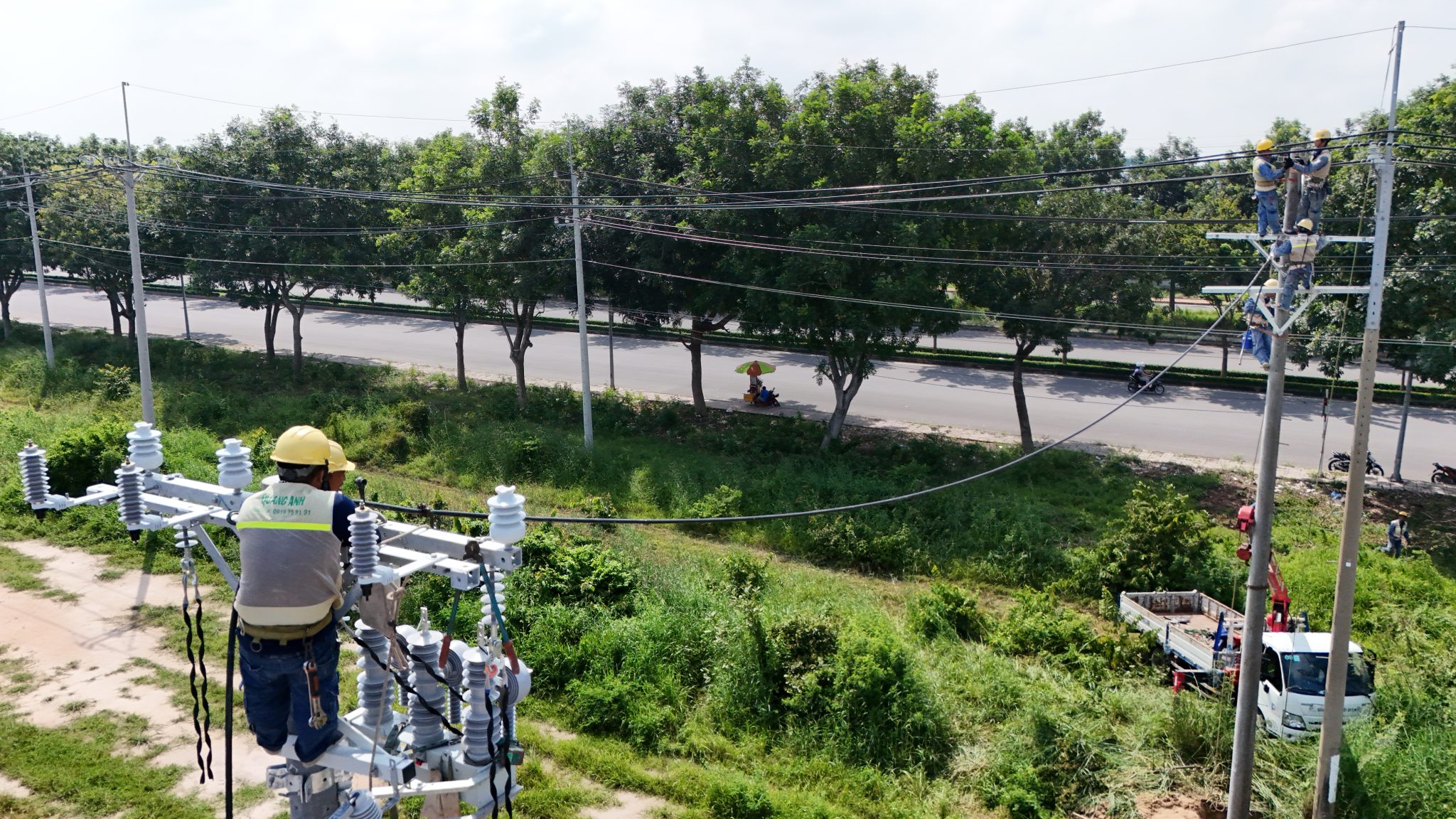
Continual circuit breaker trips do not always indicate overloads; frequent causes include short circuits, loose connections, phase imbalances, and protective mechanism failures. Factory surveys must observe field signs such as hot connection spots, burning odors, or trigger points in specific network sections.
Technically, an overload is when current surpasses the rated limit over a long period, while a short circuit holds an immense instantaneous current due to direct wire or phase contact. Typically, overloads exhibit recurring breaker trips, dimmed lights, and underperforming devices; short circuits usually cause immediate trips, arcing, or rapid protective element damage.
Common diagnostic errors and practical inspection indicators include:
- Mistaking overloaded breakers for faulty switching devices: continuous breaker trips might be due to faults in relays or protective mechanisms; during maintenance, inspect protection characteristics and calibrate before changing loads.
- Overlooking tri-phase load imbalance: one phase carrying excessive load usually exhibits currents exceeding 10–15% of others; measure phase currents when machinery operates on conveyors to uncover imbalance.
- Ignoring loose connections: poor contact at joints causes localized heating and burning smells; during factory surveys, use resistance measurements or infrared cameras to locate hotspots.
- Overlooking conductor or insulation damage: oxidation or damaged insulation increases thermal losses; physical checks include assessing sheath conditions, connections, and wire resistance measurements.
- Failing to check real equipment power: many devices have high startup currents; check nominal specifications and monitor startup currents during maintenance to differentiate from prolonged overload.
Practical diagnostic steps, prioritized logically, should proceed as follows:
- Measure phase currents, comparing against equipment ratings; if one phase deviates significantly, concentrate on investigating its circuit.
- Verify main connection point voltages to exclude voltage drops or phase loss during load initiations.
- Inspect conductor, connection, and switching device conditions; measure connection resistance and check for hot spots through thermal equipment.
- Define load and immediate power lists, covering motor startup currents and industrial household electrical devices.
- Review protection characteristics, relay calibration, and breaker mechanisms; if breakers trip at lower or fail at higher thresholds, inspect, calibrate, or replace them.
Operational alert: Before accessing or checking electrical points, always disconnect and lockable/tag equipment; during shifts, if hotspots or burning smells are noticed, isolate loads immediately to prevent fire spread. Diagnostic conclusions should rely on actual field measurements and align with nominal specifications before replacing devices or adjusting protective characteristics.
When to Maintain, Balance Loads, or Upgrade Transformers
Assess overload states and decide between maintenance, load balancing, or transformer upgrades based on signs, actual load, and equipment limits.

When circuit breakers trip repeatedly, lights dim, or burning smells emit from outlets: prioritize maintenance and immediate load balancing; if capacity needs consistently surpass transformer configurations, consider upgrading the transformer station.
During maintenance shifts, field checks must focus on the frequency of breaker trips, voltage instability, actual branch currents, and cable sheath temperature measurements. Coil temperature readings, wire size inspections, and oxidation assessments differentiate connection/cable issues from power source deficits.
Decision criteria often follow these guidelines:
- Maintenance / Load balancing: when issues are localized, recurring due to small wires, poor connections, or temporary high loads; address by replacing larger wires, repairing joints, upgrading protective devices, and rescheduling high-power equipment operation times.
- Transformer upgrades: when average or peak currents consistently exceed transformer design capacity, load balancing measures are insufficient, or plant expansions lead to sustained increases in capacity needs.
- Temporary field solutions: reduce load per shift, turn off non-essential equipment, and redistribute loads before upgrading or applying for increased power supply capacity.
Operational field alerts: Avoid prolonged operations with repeated breaker trips or burning smells due to fire risks; any interventions involving power capacity upgrades require field surveys and coordination with power suppliers if EVN upgrades or connection layout changes are necessary. Reference electrical safety and wire load-bearing standards before deciding.
Brief conclusion: Gather field data (actual load currents, protection trip frequency, cable temperature) then base decisions on criteria above to choose maintenance, load balancing, or transformer upgrades, followed by detailed survey plans and technical validation.
Procedure When Factories Need Power Supply Survey and Upgrade
Surveying load demands, reviewing transformer states, proposing upgrades, and coordinating connection with power suppliers to ensure safe, stable power provisions.
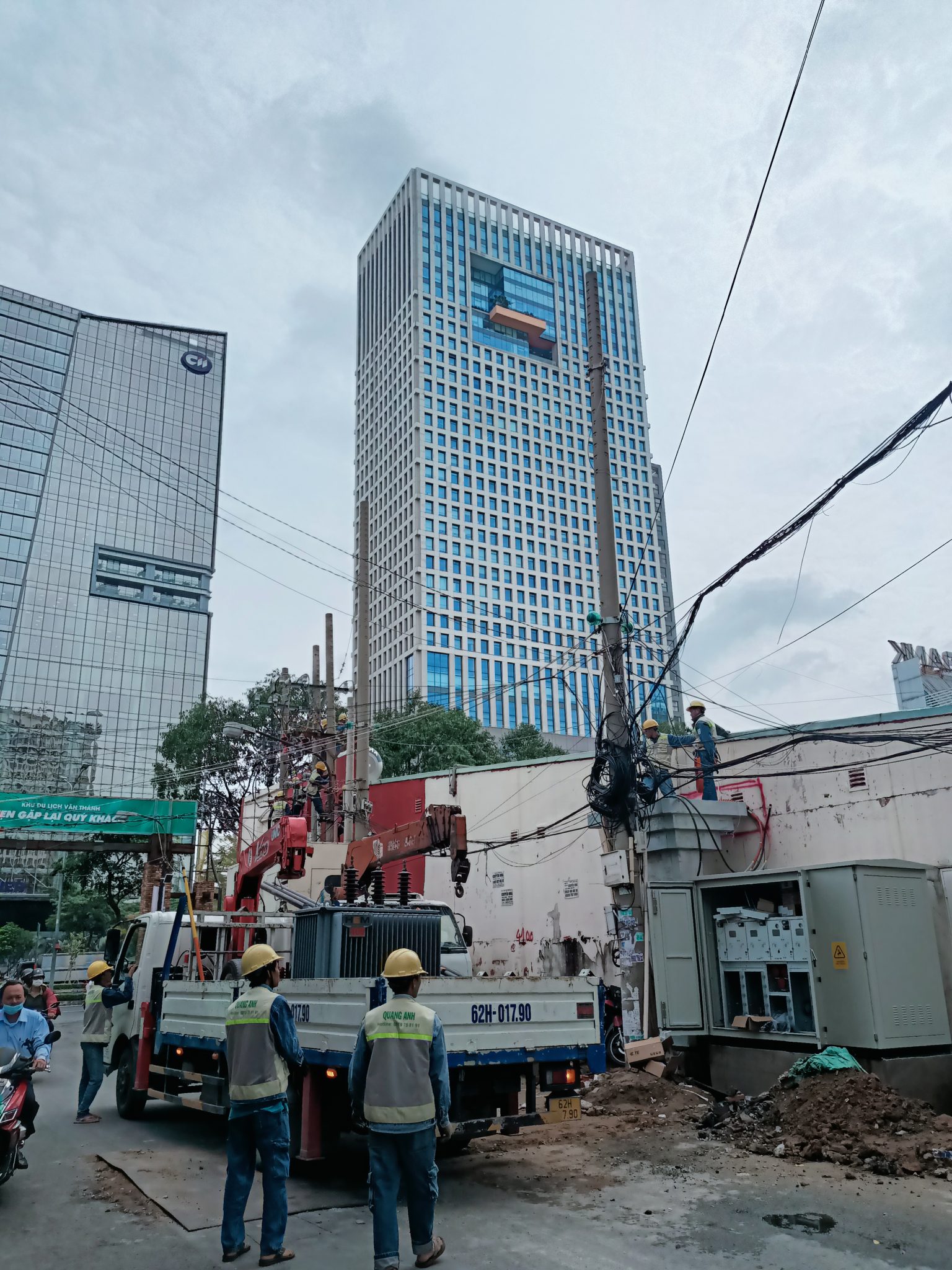
The process begins with actual load demand surveys at field sites, then reviewing existing transformer and medium-voltage wiring conditions prior to proposing technical solutions.
Factory surveys need to capture hourly load profiles and document overload signs like frequent breaker trips, dimming lights, or underperforming equipment.
Fieldwise, review protection devices, wire sizes, and transformer conditions to detect inadequate load capacity or degraded insulation conditions.
Technical solutions typically involve increasing transformer capacity or replacing cables, while adding overload protective devices before load expansions.
According to models and operational conditions, prepare construction plans and temporary load reduction during maintenance to avoid production disruptions and minimize risks.
- Survey actual load demands and compare with system ratings; record seasonal and peak hour variations.
- Assess current transformer, breaker, fuse, and wire sizes for signs of degradation or overheating.
- Propose technical upgrades: increase transformer power, replace medium/low-voltage cables, add more protection.
- Coordinate with power suppliers to create connection or upgrade paperwork and complete administrative procedures before construction.
- Conduct post-upgrade testing and validation following power supplier protocols before commissioning.
Caution: during implementation phases, have load reduction plans and fire/explosion prevention measures in place; install overload protection devices before incorporating new loads.
Final acceptance should include electrical safety checks and system performance measurements after connection, in compliance with relevant standards and circulars to ensure conformance.
When multiple signs appear simultaneously, the safest approach regards this as a system-wide alert rather than a solitary equipment fault. Correct decisions usually derive from reassessing actual loads, reviewing hotspots, and seriously evaluating the need for a power supply or transformer upgrade before more severe production impacts occur.
Frequently Asked Questions
What signs suggest a factory is near an electrical overload but hasn’t yet lost power?
Early alerts include voltage dips (dimming lights), repeated breaker trips when new loads start, hot cable ends or control panels, burning smells, and underperforming equipment. When multiple signs appear, log times and measure current/load to assess risk levels and points needing attention.
Are circuit breaker trips always due to overload, or could there be other causes?
Not always. Circuit breaker trips may result from overload, short circuits, phase imbalances, loose joint connections, or protective device faults. Principle: Measure each phase current, check joints with IR, and inspect protective characteristics before diagnosing and resolving.
Is rising transformer heat during peak hours an immediate danger?
Heat increases in peak hours could indicate high load conditions but aren’t always immediately dangerous if within normal range. If persistent hotspots, excessive temperatures, or repeated temperature rises occur, measure actual temperature, check oil/ventilation states, and loads before intervention.
What checks should be done when a factory adds production lines before powering new loads?
Review transformer station capacity, cable and busbar sizes, protection settings, and breaker adjustments, assess phase balance, grounding conditions, reserve capacity, and peak load history. If lacking data, sample load measurements per shift, phase currents, and ensure compatibility before energizing.
When should load balancing be chosen over upgrading transformer capacity?
Opt for load balancing with temporary overloads or uneven load distribution that improvements can remedy; choose capacity upgrades for steady demand growth, repeated issues, or equipment reaching thermal/electrical limits. Decisions require load survey data, current measurements, and production forecasts.
How to Self-Assess Factory Electrical Overload Risks
- Log times for voltage drops, protection trips, and hot equipment conditions according to production shifts.
- Compare actual loads with current power supply configuration, main control panels, and transformers in use.
- Quickly check heat-prone zones like cable ends, busbars, breakers, switches, and connections.
- Review newly added loads, concurrent operating loads, and changes in production peak hours.
- Separate localized equipment issues from widespread system overload signs.
- If signs repeat, plan detailed surveys to decide on maintenance, load balancing, or upgrades.
If your factory experiences rising loads, fluctuating voltages, or abnormal switchgear operations, conduct a load survey and assess current power conditions to establish a technical basis before deciding on maintenance or upgrades.
[contact-form-7 id="7239967" title="Contact form 1"]
Related Posts
Comparing Oil and Dry Transformers in Industrial Projects
Distinguish between oil and dry transformers based on installation site, safety, maintenance, energy losses, initial [...]
Mar
Electrical Overload Warning Signs in Factories
Recognize early indicators of factory electrical overload such as voltage drops, overheating equipment, circuit breaker [...]
Mar
Risks of Overloading Industrial Transformers Without Upgrades
Keeping the same low-voltage transformer while increasing factory loads can result in overheating, insulation degradation, [...]
Mar
Evaluating and Implementing Transformer Contractors in Tay Ninh
Criteria for selecting transformer substation contractors in Tay Ninh, EPC scope, and factors affecting project [...]
Mar
Comparing Oil and Dry Transformers for Industrial Applications
Examine oil and dry transformers based on installation location, fire safety, maintenance, energy loss, investment [...]
Mar
Comprehensive 1500kVA Transformer Station Budget for Manufacturing Facilities
Guidance for creating a detailed budget list for a 1500kVA transformer station, including medium voltage [...]
Mar
Comprehensive Transformer Station Pricing: Elements and Considerations
Examine key components in comprehensive transformer station pricing including design, equipment, construction, testing, and connection [...]
Mar
Pricing Guide for 4000kVA Transformer Stations: Configuration, Cost, and Investment Process
An overview of configuration, cost estimates, connection approaches, and investment checklists for 4000kVA transformer stations [...]
Mar
Pricing and Setup of 3200kVA Transformer Stations: Configuration, Costs, and Investment Procedure
Explore the pricing structure for a 3200kVA transformer station, primary equipment configuration, cost variables, EVN [...]
Mar
Cost Estimation for 2500kVA Transformer Station: Configuration, Expenses, and Investment Process
Reference framework for quoting a 2500kVA transformer station based on configuration, station type, cable solutions, [...]
Mar
2000kVA Transformer Station Guide: Configuration, Costs, and Investment Process
Discover key aspects of a 2000kVA transformer station: from technical configuration and cost analysis to [...]
Mar
Pricing and Configuration Guide for 1600kVA Substations
A detailed guide on pricing for 1600kVA substations, including equipment specs, connection costs, EVN procedures, [...]
Mar
Comprehensive Guide to 1500kVA Substation Pricing: Configuration, Costs, and Investment Process
A comprehensive overview of configurations, costs, construction methods, connection procedures, and contractor selection for 1500kVA [...]
Mar
Tay Ninh Solar Power Planning: Technical Framework, Grid Interconnection, and Rollout Roadmap
Technical overview of solar planning in Tay Ninh: irradiation, grid capacity, permitting, design, operations, and [...]
Dec
Binh Duong Solar Planning: Regulatory Framework, Grid Interconnection, and an Implementation Roadmap for Factories and Industrial Parks
An overview of Binh Duong solar planning: legal framework, interconnection, design, risk management, and an [...]
Dec
Solar Farm Repair: O&M Workflow, IV Curve Diagnostics, Thermography, Inverter Service and Utility-Scale Safety
A utility-scale solar farm repair plan centered on O&M, IV curves, thermal imaging, inverter service, [...]
Dec
Dong Nai Solar Power Plan 2023–2025: Tri An 1,029 MW, Grid Upgrades and the DPPA Pathway
A complete look at Dong Nai’s solar power plan: Tri An 1,029 MW, irradiation potential, [...]
Nov
Quang Ngai Solar Power Plan 2024–2030: Legal Framework, Irradiance Potential, and Development Roadmap
A complete look at Quang Ngai’s solar power plan: capacity targets, irradiance (PVout), development zones, [...]
Nov
Solar Damage Assessment Services: On-Site Procedures, EL/IV/Thermography Testing & Compliance with Standards
Discover IEC/UL/NEC standard solar damage assessment processes: on-site evaluation, EL and IV curve testing, thermal [...]
Nov
Comprehensive Package Estimate for a 1800MVA 500kV Substation: Scope, Configuration 3x600MVA, Standards and Timeline Management
An overview of the 1800MVA 500kV substation estimate: construction scope, configuration 3x600MVA, GIS/AIS, SCADA, standards, [...]
Nov