

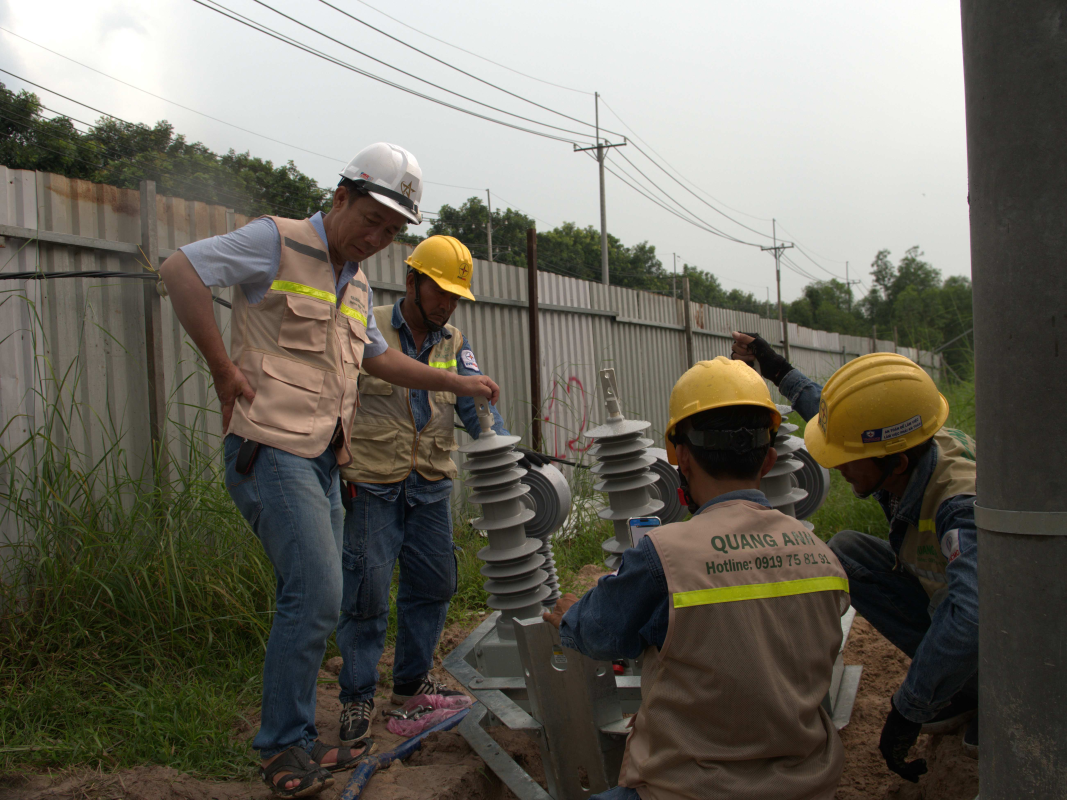
- Distinguishes between old transformers suitable for reuse and those to be scrapped.
- Lists factors affecting purchase price based on capacity, technical condition, insulating oil, documentation, and dismantling conditions.
- Highlights risks to check before transporting, storing, and transferring oil-filled equipment.
- Outlines field survey steps to avoid missing data or disputes on bids.
- Clarifies when to repair, reuse, relocate, or recover materials.
- Factory owners or asset managers needing to liquidate old transformers.
- Electrical maintenance teams evaluating decommissioned or replaced transformers post-upgrade.
- Purchasing, project, or EHS teams reviewing transfer records and environmental requirements.
- Customer technical units needing a framework before inviting field surveys.
When Should You Read This?
- When planning to boost capacity, replace transformers, or renovate existing transformer stations.
- When possessing old transformers in storage without clarity on reuse potential.
- When needing to clear space and dismantle, transport oil-filled equipment.
- When arranging up-front data for purchase quotes or processing plans.
- 1. Processing Options for Used Transformers
- 2. Factors Affecting Residual Value of Old Transformers
- 3. Potential Risks to Assess Before Pricing
- 4. Survey, Dismantling, and Transport Procedures On Site
- 5. Documentation and Environmental Requirements to Review
- 6. Liquidation, Repair, Reuse, or Material Recovery?
Old transformers cannot be valued simply by capacity or weight. Decisions on purchasing them must simultaneously consider their technical condition, insulating oil, safe dismantling ability, existing documentation, and environmental risks to avoid mispricing or improper handling.
Processing Options for Used Transformers
Categorizing used transformers by operational status helps decide whether to reuse, repair, safely relocate, or salvage materials.
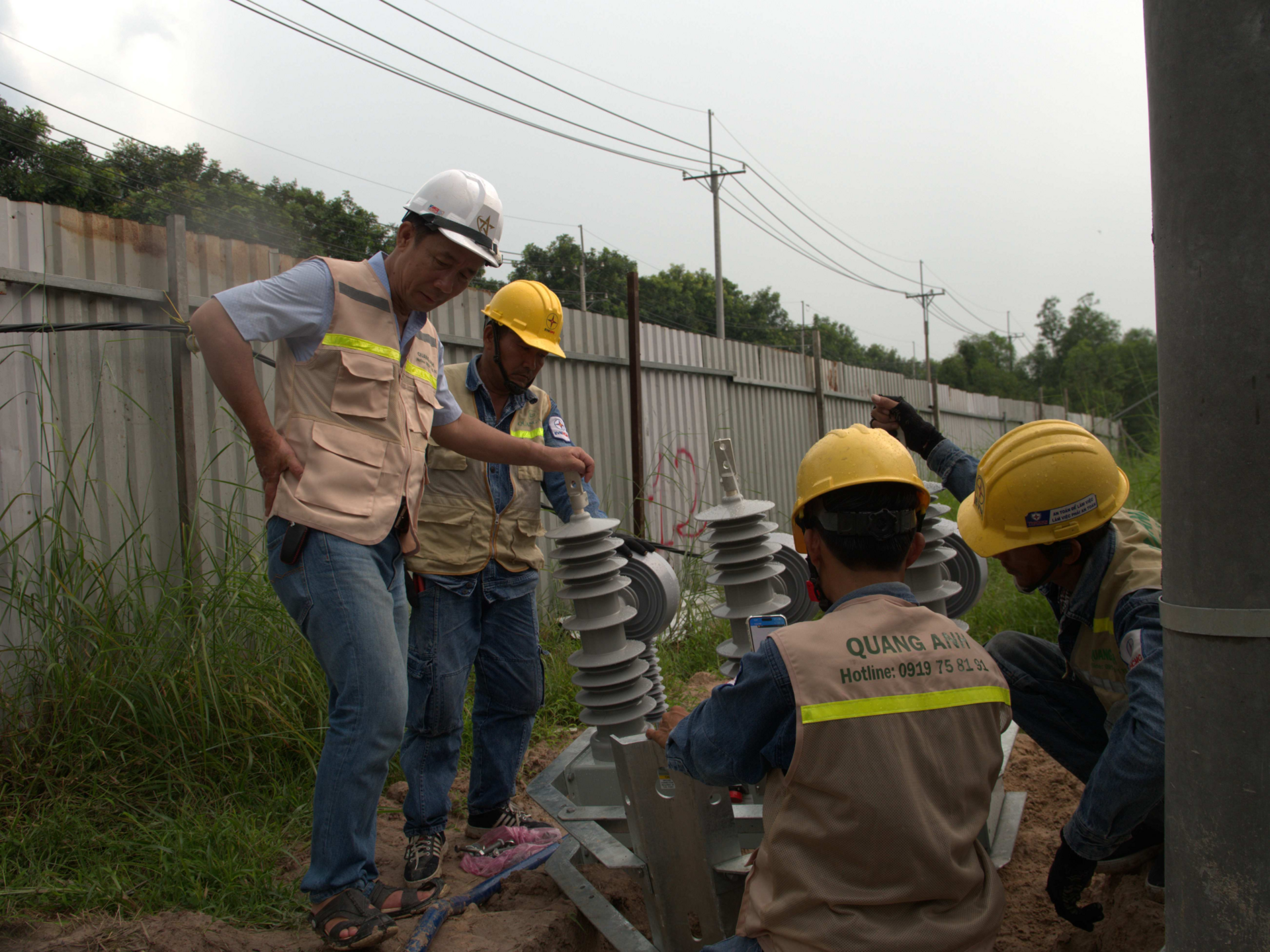
Old transformers are typically managed through four main channels: reuse if free from severe damage and meeting insulation standards; repair if the insulation system shows wear; safe relocation/preparation for continued use; or material recovery if aged beyond safe use.
Determining the equipment’s condition in practice relies on visual inspection and preliminary measurements. Criteria groups include: no issues (good), signs of aging (normal wear), and acceptable but needing treatment. During factory surveys, the first step involves checking history, inspecting the casing, and measuring insulation resistance to decide on further action.
If insulation issues are suspected, conduct deeper tests; typically, dielectric loss testing at 10kV helps assess insulation quality. For transformers qualifying as ≥20kV or ≥1MVA, regular annual tests help track degradation trends and determine repair or further use.
- Disconnect power and ground the transformer before all inspections for safety.
- Do not reuse if safety is compromised; during maintenance or surveys, prioritize material recovery to avoid risks to the electrical system.
- Avoid false documentation or label restoration when buying; match equipment history before deciding to reuse or repair.
- Only relocate equipment following a safety check, use collision prevention measures, and ensure earthing during transport.
| Category | Description | Checkpoints |
|---|---|---|
| Reuse | The unit has no basic damages, and insulation meets operational standards. | Inspect casing, measure insulation resistance, match records. |
| Repair/Restore | Signs of insulation system wear due to oil, water, or contaminants. | Measure dielectric loss (if unsure), examine oil, treat insulation. |
| Scrap/Material Recovery | Heavily aged equipment posing operational safety risks. | Assess safety risks, eliminate reuse potential, salvage valuable materials. |
Final decisions should be based on measuring insulation resistance, conducting necessary dielectric testing, examining history, and carrying out site inspections to specify work scope, safety measures, and relocation or recovery processes.
Factors Affecting Residual Value of Old Transformers
Capacity, type, operational age, insulation status, and oil quality are critical data to determine before requesting valuations for old transformers.
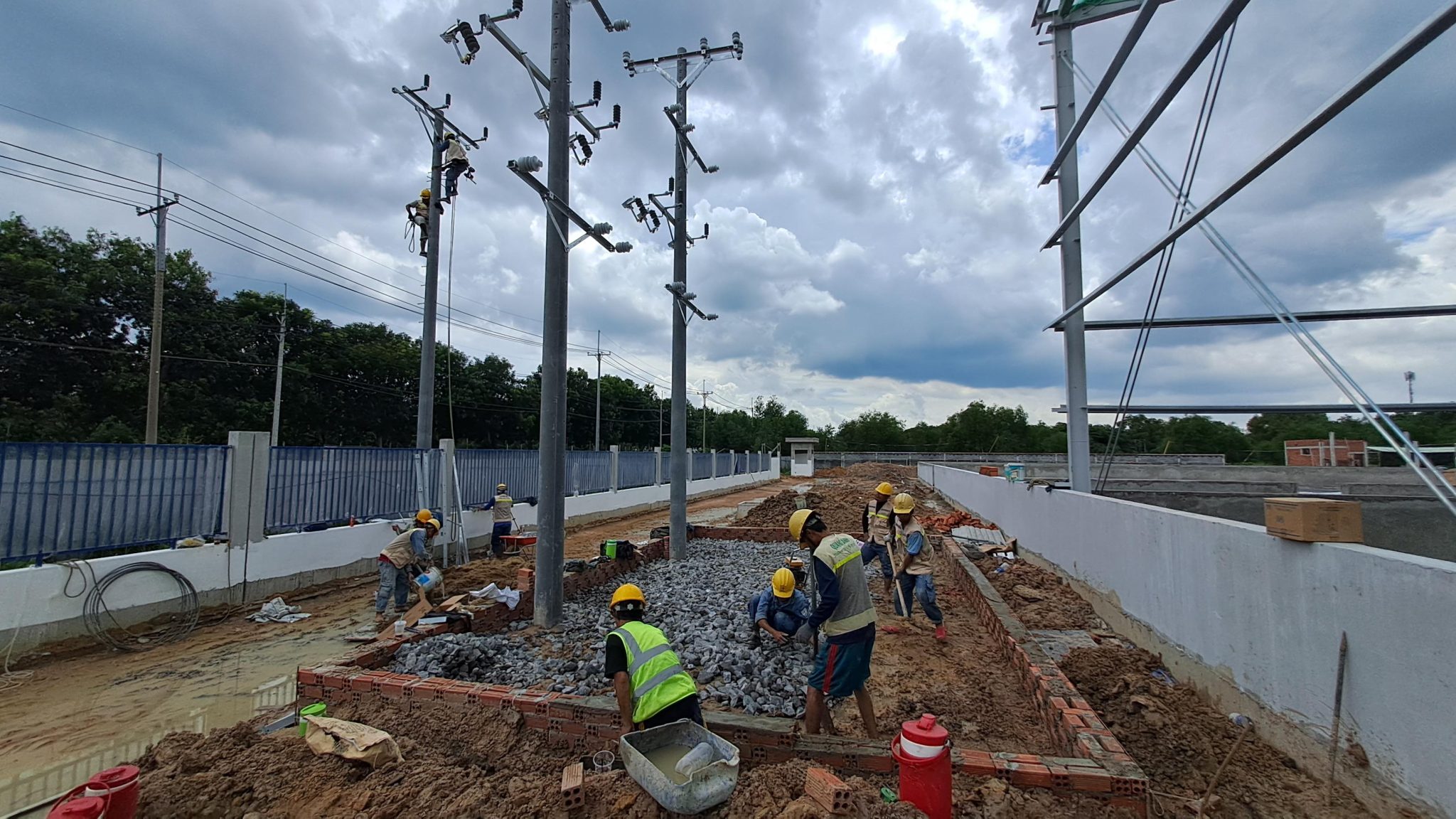
Rated capacity, machine type, operational age, technical condition, insulating oil quality, operational documentation, and dismantling conditions are primary factors influencing an old transformer’s residual value.
In terms of commercial valuation, rated capacity often dictates the potential for reuse and the recycling material’s value. When surveying a factory, it’s vital to check labels for model, voltage, and frequency before pricing tables are created.
Before requesting quotes, the following data should be collected for each unit:
- Rated capacity and label information (model, voltage, frequency).
- Machine type (oil, dry, isolating) and years operated.
- Technical condition: insulation check results, core and coil observations.
- Oil quality: aging extent, acid number, moisture, and contaminants (if any).
- History records: maintenance logs, repairs, and incident reports.
- Dismantling conditions: placement, access method, and transport risks.
- External signs: rust, casing dents, burns, or oil leaks.
Summary tables for information and field checks:
| Category | Required Information | Field Check |
|---|---|---|
| Capacity & Label | kVA/kW, model, voltage | Label match, photograph nameplate |
| Machine Type | Oil/Dry/Isolation | Inspect casing, oil sections |
| Oil Quality | Test results: acid, moisture, contaminants | Oil sampling if applicable, leak observation |
Practically in factories, classifying conditions into good, normally aged, or acceptable directly affects depreciation rates. Checking insulation capabilities is a minimum before valuing; if the insulation significantly deteriorates, the remaining value drops sharply, necessitating insulation-retrofitting or material recovery approaches.
Operation and risk-wise, dismantling conditions (location, lifting tools, access) can incur extra costs or reduce equipment integrity. During maintenance or factory surveys, log all physical signs and conduct insulation tests to attach to the valuation file.
Purchase units or maintenance contractors will use the data to create detailed quotes and suggest supplementary field surveys if required.
Potential Risks to Assess Before Pricing
Identify signs of oil leakage, mechanical damage, insulation degradation, or suspect oil contamination as bases for deeper inspections before pricing.
Identify the following risk signs before quoting: oil leaks, external mechanical damage, insulation degradation signals, and concerns over oil quality.
On site, inspect oil seepage around seals and valves and check the exterior for dents, rust, or exposed wires. During maintenance or factory reviews, measuring insulation resistance identifies degradation due to temperature, moisture, or aging.
Oil quality should be checked via assessments like moisture content, combustible gases, and acid level; also, check for PCB presence in oil per regulations to avoid environmental hazards. If the oil shows pollutant or unusual components, collect samples for lab analysis before finalizing prices.
| Category | Actual Inspection | Alert Criteria / Action |
|---|---|---|
| Oil Leakage | Check oil marks, seepage near valves and seals | If evident leakage: note position, service before certification |
| Mechanical Damage | Dents, rust, missing bolts, exposed wires | External damage may indicate need for refurbishment |
| Insulation | Measure insulation resistance, monitor oil temperature and humidity | Lower resistance or high oil heat/humidity: further testing required |
| Oil Quality | Sample testing for moisture, combustible gases, acid, PCB check | Suspicious oil quality: no fixed quote, require lab results |
| Technical Documentation | Cross-check names, serial numbers, maintenance logs, manufacturer’s label | Lack of original documents or fake tags could indicate illegal refurbishment |
On operation decisions, if any severe warning signs are spotted, pause pricing and undertake deeper inspections. If PCBs or lack of records are found, adhere to current regulations and require legal assessments before transactions.
Conclude strategically: log and report these signs during factory surveys; then, use measurement and oil analysis results to decide the next steps or conditional offers.
Survey, Dismantling, and Transport Procedures On Site
Conduct site surveys, isolate electrical sources, handle oil, dismantle, lift and transport idle oil transformers in a safe field sequence.
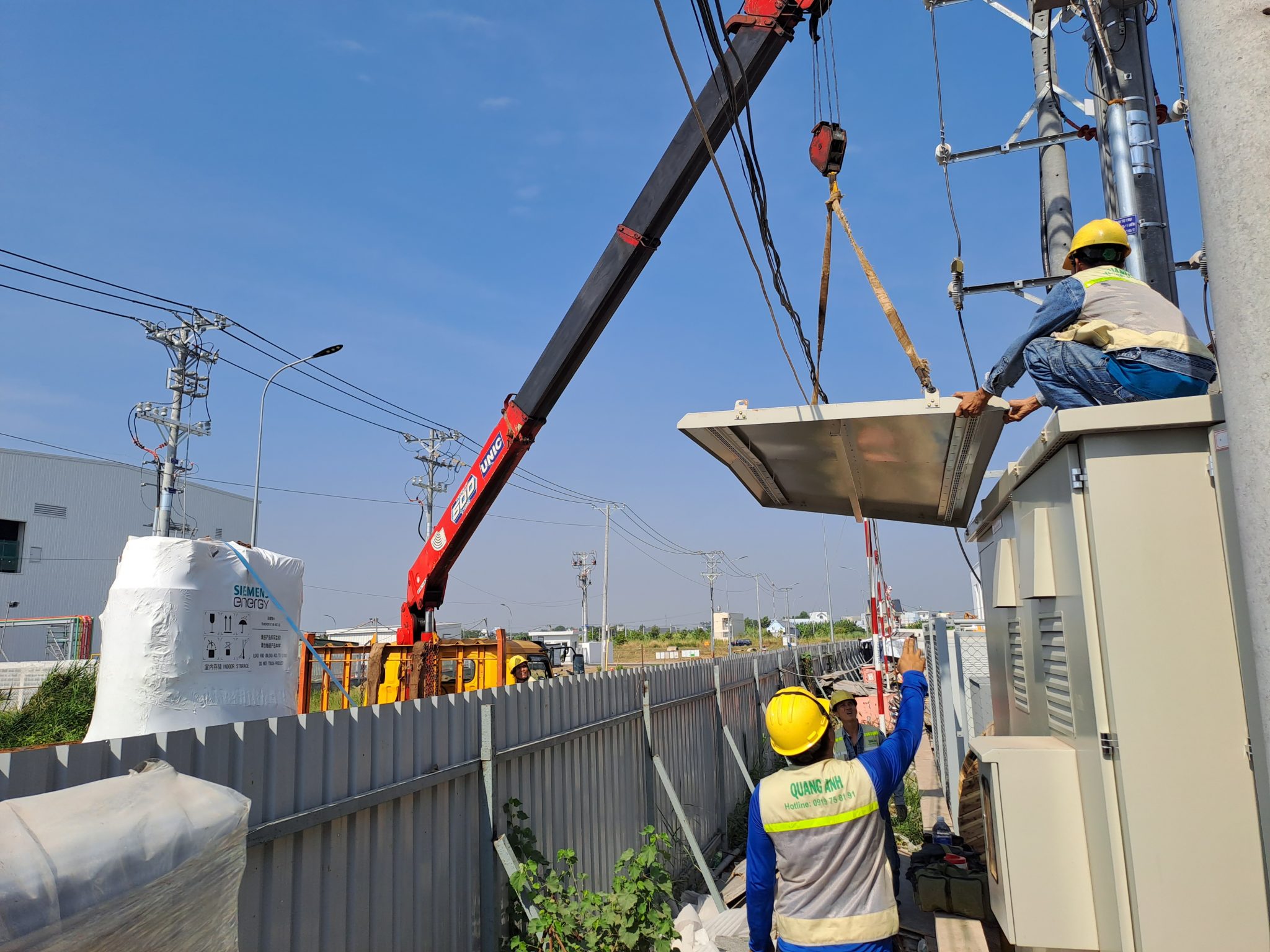
Following procedures for surveying, isolating,e oil handling, dismantling, and transport in a standard sequence helps mitigate safety risks and environmental issues on site. On-site, check insulation status and oil conditions, and watch for aging signs before starting any disassembly.
Procedures usually follow these orderly steps: survey access, electrical isolation, oil handling, mechanical checking, lifting, securing for transport before handover. During maintenance, power isolation requires de-energizing, locking, warning tagging; meanwhile, continuous monitoring helps spot insulation system aging throughout the operation.
- Field Survey: Inspect casing, rust, deformities, exposed wires, and oil insulation conditions; document any depreciations.
- Electrical Isolation: Shut off power and lock devices; apply warning tags and verify no current with methods fitting plant conditions.
- Oil Handling: Drain oil safely, collect into approved containers, label, and handle as per environmental guidelines; prepare for spills and absorbers as needed.
- Pre-Lift Mechanical Check: Assess hook points, lifting frames, rust, deformation; stop and survey further if major damage is found.
- Lifting and Securing on Transport: Use lifting equipment suitable for load; pad vibrations, secure safety between ties, and monitor oil temperature when transporting.
- Handover and Records: Complete handover records detailing unit status, technical statistics, responsible parties, and imperative post-dismantling verifications.
Two critical reminders: If oil is found heavily contaminated, or if clear insulation disintegration signs emerge during surveys, specialized checking should happen before dismantling; if lifting frames show rust or deformation, replace or reinforce first. In actual factory operations, every handling involving insulating oil must comply with hazardous waste collection and disposal rules.
Finalizing the process entails crafting comprehensive handover reports and planning any post-dismantling checks deemed necessary. Besides, creating a technical dossier provides a foundation for decisions on reuse, maintenance, or disposal. Thorough site surveys and identifying suitable lift equipment, oil recovery materials, and manpower help tailor the detailed plan.
Documentation and Environmental Requirements to Review
Check asset documentation, handover records, insulating oil volume data, and waste-handling obligations before unit transfer to establish legal accountability and needed environmental actions.
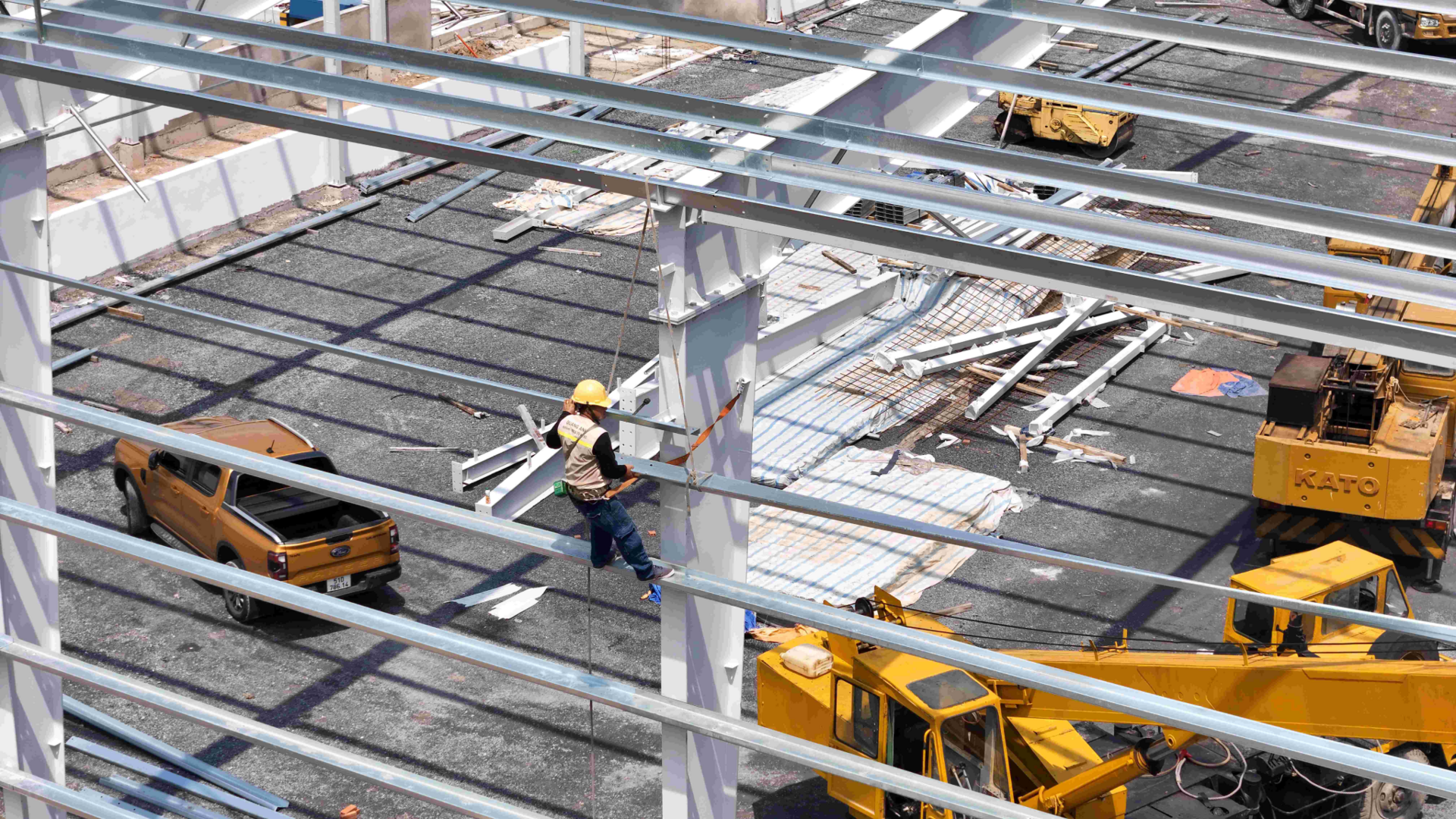
A thorough review of asset documents, transfer records, and insulating oil processing proof is needed before handover to ascertain legal duties and necessary ecological measures.
Surveying in factories, minimum documentation criteria include: certification of validation, status survey records, handover records detailing oil volume and technical conditions, materials list, accessory lists, and environmental handling commitment. During maintenance or transfer inspections, measurements of oil moisture content/water levels and insulation resistance should examine fire and pollution risks.
| Category | Description | Inspection Points |
|---|---|---|
| Certification Agents | Test reports and calibration related to transformer | Issuance date, test scope, signature/seal |
| Transfer Records | Detail technical conditions, oil volume, and waste management responsibilities | Oil volume (liters), external description, disposal clauses |
| Oil Reports | Results detailing oil moisture content, contamination analysis | Analysis results, recommendations for segregation/storage |
| Vendor and Handler Permits | Certification for collecting, transporting, and disposing of hazardous waste | Permit validity, authorized waste handling categories |
| Environmental Commitments | Contract clauses determining responsibility for oil and waste disposal | Cost allocations, deadlines, handling measures |
Practically, oil from old transformers could classify as hazardous waste under QCVN 36:2021/BTNMT, requiring separation and temporary enclosed storage before authorized disposal. Temporary storage must typically not exceed local limits (commonly 6–12 months), and any extension mandates a clear handling plan.
Operations warning: discovering high oil moisture or low insulation resistance during factory surveys must clearly appear in transferring documents. Moving or using equipment without processing must halt; cost responsibility and handling plans need contractual mentions.
Future connection: Compile an action list (oil sampling verification, buyer permit confirmation, updated contract terms) and conduct site evaluations to complete documents prior to handover signature.
Liquidation, Repair, Reuse, or Material Recovery?
Decisions to liquidate, repair for reuse, or only recoup materials hinge on damage level, reappraisal potential, and practical usage needs. If initial technical data is lacking, it’s safest not to rush conclusions but conduct thorough field inspections first. Key considerations include market value, long-term risks, energy loss, and future cost impacts.
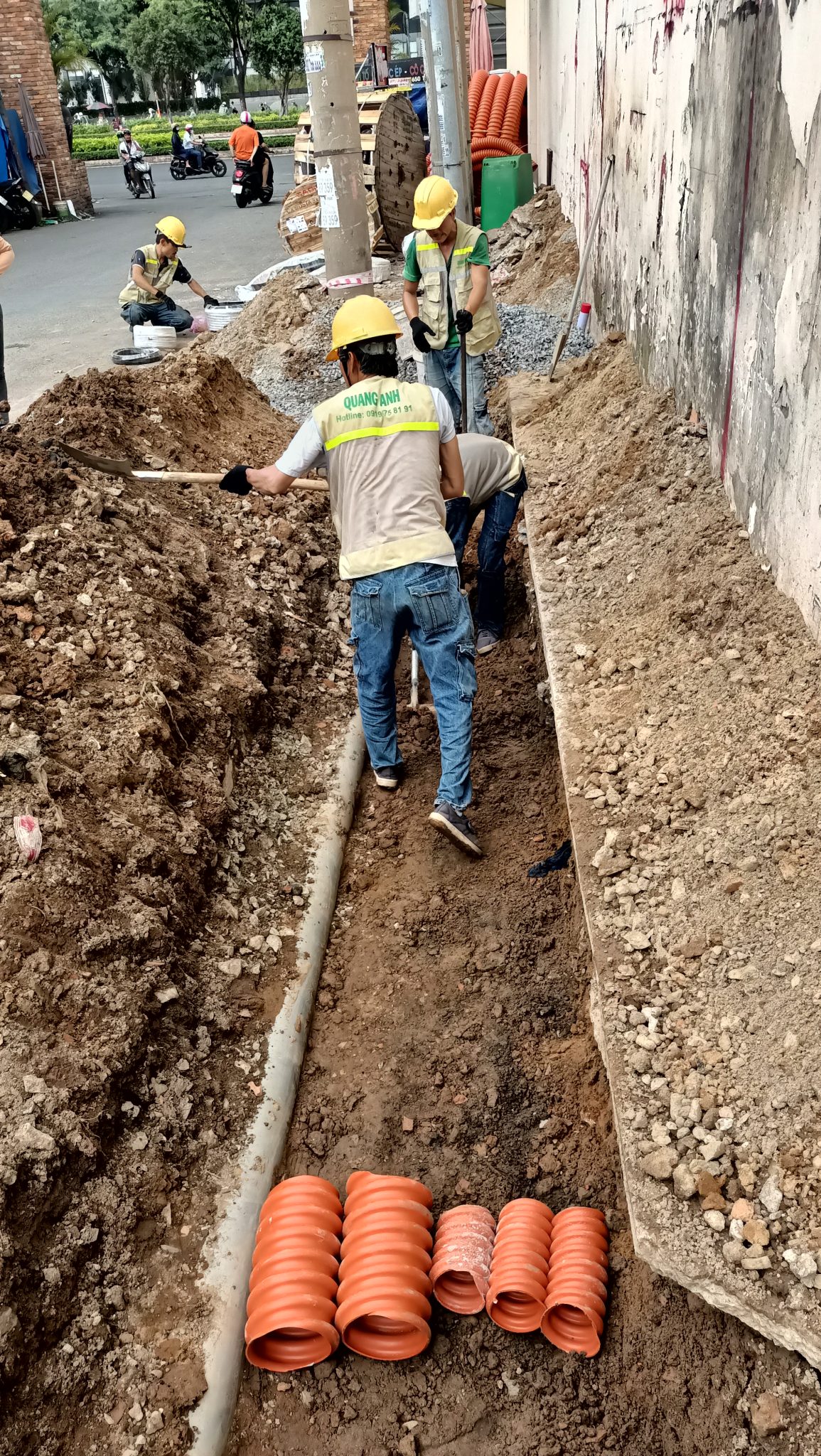
The preferred course depends primarily on actual transformer condition and the possibility of reappraisal post-check. At manufacturing sites, equipment retains trade value if mechanical condition, iron core, coils, and load metrics suggest continued use or reasonable transfer. Conversely, for severely damaged units lacking safety certification bases, material recovery is a pragmatic approach.
On-site decision-making typically begins with three questions: the severity of damage, re-evaluation feasibility, and relevant continued use. For minor damage, repair and re-evaluation costs, significantly lower than the cost of new replacement, make repair for reuse a practical option. If technical basics are met and trade value remains, liquidation aligns better than retaining an unused unit.
| Option | When to Consider | Real Inspection Points |
|---|---|---|
| Liquidation | Still operational, appraisable to trade value | External case, cable heads, leak indications, load and voltage compliance |
| Repair for Reuse | Repairable damage, continued need in matching network | Iron core wear, coil condition, maintenance history, post-repair certification |
| Material Recovery | Severely damaged, non-reappraisable safely, or excessive risk | Major structural deformation, severe deterioration, lacking viable operational bases |
A commonly overlooked point is long-term operational costs. Old transformers may wear over time, leading to higher energy loss and elevated usage costs despite seemingly low purchase or repair starting costs. When surveying in a factory, if the transformer worked in challenging environments or lacked a clear maintenance history, apply extra caution before choosing reuse.
Operational safety risks also weigh on final decisions. Unreassessed old transformers might pose fire hazards; thus, reactivation based only on visual appraisals or catchy prices isn’t smart. During appraisals or test runs, failing to demonstrate safe operation under actual load and voltage conditions suggests liquidation or recovery carries less risk.
- Opt for repair when damage is limited, continued use is feasible, and post-repair reappraisal is possible.
- Prefer liquidation when trade value remains but it doesn’t fit current operational needs.
- Endorse recovery when equipment is heavily damaged, poses high risks, or lacks viable certification bases.
Wise decision-making involves examining the current state, estimating repair and reevaluation costs, then comparing with liquidation and recovery values. Lacking operation history, environmental conditions, or initial test results demands caution and thorough surveys before resolving on a handling plan.
For old transformer acquisitions, the vital step is precise device status verification and handling strategy, not immediate pricing. Timely review of field data, documentation, and environmental factors clarifies choices between liquidation, repair, reuse, or material recovery, reducing unexpected issues.
Frequently Asked Questions
Are old transformers mainly valued by capacity or scrap value?
Valuation is holistic: capacity and type affect commercial value, while metal mass and oil condition determine scrap value. Principle: establish a processing objective (reuse or recovery), then gather capacity, type, technical condition, and oil quality for pricing.
Is acquisition possible without factory release or testing documents?
It’s still viable but riskier; buyers will require field inspection and independent reevaluation before pricing. Supplement with machine labels, serial numbers, photographs, maintenance records, oil samples, and insulation resistance results for accurate assessment.
Does oil leakage mean treating as hazardous waste?
Leakage doesn’t automatically make it hazardous, but oil components (PCB, heavy metals) must be checked. Safety rule: separate and store leaked oil, sample analysis; if severe pollution is identified, move to licensed processing units while following local environmental standards.
Can a long-inactive transformer still be reused after testing?
Reuse is possible upon comprehensive testing: insulation measurement, coil/core certification, mechanical inspection, and oil analysis. For severe damage or severe oil contamination, material recovery suits best. Testing results are necessary for final decisions.
What documents should sellers prepare before handing over old transformers?
Prepare status survey records, device/accessory lists, maintenance/testing logs if available, oil volume data, and handover condition documents. Lacking documents, outline the current status and permit buyer inspections prior to transfer.
When to repair rather than liquidate?
Repair when minor damage, restoration cost less than continued use benefits, and equipment meets standards post-evaluation. Principle: compare repair quotes, technical checks, and practical usage needs; if high risks exist, opt for liquidation.
How to Prepare Information Before Requesting Used Transformer Valuation
- Record machine type, capacity, installation year, and current operation state.
- Photograph entire setup, machine labels, cable heads, bushings, radiators, leakage zones, and relevant foundations.
- Compile available logs like test records, incident history, maintenance, and ownership documents.
- Describe site accessibility: setup location, crane space, vehicle pathways, and internal safety protocols.
- Confirm if oil remains or is drained, suspect contamination, or require further verification.
- Align processing goals: liquidation, urgent site clearance, or focus on reuse potential evaluation.
If your enterprise has outdated transformers seeking processing directions, start with situational surveys, document checks, and disassembly conditions before finalizing a purchase strategy.
[contact-form-7 id="7239967" title="Contact form 1"]
Related Posts
Common Mistakes in Transformer Station Construction Leading to Extra Costs
Các sai lầm khi làm trạm biến áp thường không nằm ở một hạng mục [...]
Apr
Comprehensive Guide to Acquiring Used Transformers
Góc nhìn kỹ thuật về thu mua TBA cũ: cách đánh giá hiện trạng, hồ [...]
Apr
Comprehensive Transformers Maintenance for Industrial Plants
Tổng quan dịch vụ bảo trì trạm biến áp nhà máy: lịch bảo dưỡng, thí [...]
Apr
Transformers: Assessing and Safely Handling Used Transformers
Khung đánh giá máy biến áp cũ theo tình trạng kỹ thuật, dầu cách điện, [...]
Apr
How Proactive Transformer Maintenance Minimizes Business Risks
Nhìn từ góc độ vận hành nhà máy, bảo trì chủ động trạm biến áp [...]
Apr
Comparing Oil and Dry Transformers in Industrial Projects
Distinguish between oil and dry transformers based on installation site, safety, maintenance, energy losses, initial [...]
Mar
Electrical Overload Warning Signs in Factories
Recognize early indicators of factory electrical overload such as voltage drops, overheating equipment, circuit breaker [...]
Mar
Risks of Overloading Industrial Transformers Without Upgrades
Keeping the same low-voltage transformer while increasing factory loads can result in overheating, insulation degradation, [...]
Mar
Evaluating and Implementing Transformer Contractors in Tay Ninh
Criteria for selecting transformer substation contractors in Tay Ninh, EPC scope, and factors affecting project [...]
Mar
Comparing Oil and Dry Transformers for Industrial Applications
Examine oil and dry transformers based on installation location, fire safety, maintenance, energy loss, investment [...]
Mar
Comprehensive 1500kVA Transformer Station Budget for Manufacturing Facilities
Guidance for creating a detailed budget list for a 1500kVA transformer station, including medium voltage [...]
Mar
Comprehensive Transformer Station Pricing: Elements and Considerations
Examine key components in comprehensive transformer station pricing including design, equipment, construction, testing, and connection [...]
Mar
Pricing Guide for 4000kVA Transformer Stations: Configuration, Cost, and Investment Process
An overview of configuration, cost estimates, connection approaches, and investment checklists for 4000kVA transformer stations [...]
Mar
Pricing and Setup of 3200kVA Transformer Stations: Configuration, Costs, and Investment Procedure
Explore the pricing structure for a 3200kVA transformer station, primary equipment configuration, cost variables, EVN [...]
Mar
Cost Estimation for 2500kVA Transformer Station: Configuration, Expenses, and Investment Process
Reference framework for quoting a 2500kVA transformer station based on configuration, station type, cable solutions, [...]
Mar
2000kVA Transformer Station Guide: Configuration, Costs, and Investment Process
Discover key aspects of a 2000kVA transformer station: from technical configuration and cost analysis to [...]
Mar
Pricing and Configuration Guide for 1600kVA Substations
A detailed guide on pricing for 1600kVA substations, including equipment specs, connection costs, EVN procedures, [...]
Mar
Comprehensive Guide to 1500kVA Substation Pricing: Configuration, Costs, and Investment Process
A comprehensive overview of configurations, costs, construction methods, connection procedures, and contractor selection for 1500kVA [...]
Mar
Tay Ninh Solar Power Planning: Technical Framework, Grid Interconnection, and Rollout Roadmap
Technical overview of solar planning in Tay Ninh: irradiation, grid capacity, permitting, design, operations, and [...]
Dec
Binh Duong Solar Planning: Regulatory Framework, Grid Interconnection, and an Implementation Roadmap for Factories and Industrial Parks
An overview of Binh Duong solar planning: legal framework, interconnection, design, risk management, and an [...]
Dec