

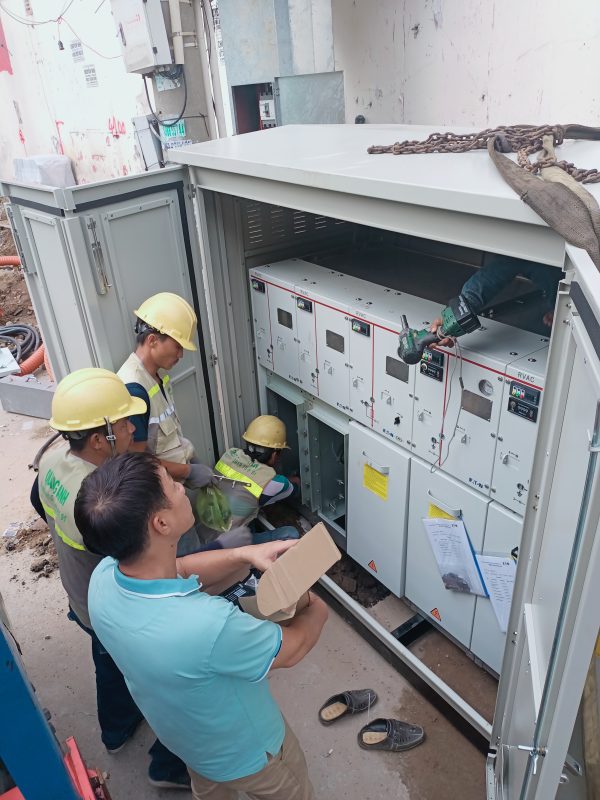
Electrical system inspections are essential for safety, reliability, and efficiency in production applications, buildings, and vehicles.
Purpose and Importance of Electrical System Inspections
The aim of electrical system inspections is to guarantee operational safety and efficiency while minimizing electrical risks. This practice prevents incidents like burn-ins and shorts, thereby saving maintenance costs down the line. Systems thus maintain high performance, reducing overall expenses associated with potential electrical hazards.
Electrical system inspections are crucial for comprehensive safety and optimal device performance. Regular checks assess the safety condition of electrical equipment, reduce accident risks, and ensure compliance with occupational safety laws, thereby safeguarding individuals and systems during operations.
Routine inspections uncover potential failures and issues such as worn insulation or diminished equipment performance, allowing for timely business interventions, minimizing disruptions, and preserving cost efficiency by avoiding major hazard consequences.
These checks not only identify issues but also uphold and enhance system efficiency. Timely maintenance extends equipment lifespan, reduces system downtime, and ensures uninterrupted production and business processes.
Regular inspections also cut operational and maintenance costs. Early fault detection enables prompt maintenance planning, avoiding unnecessary emergency repair costs.
Ultimately, routine checks ensure stable and continuous electrical system operation, particularly crucial for businesses reliant on power stability. This stability supports maintaining a competitive edge in challenging business environments.
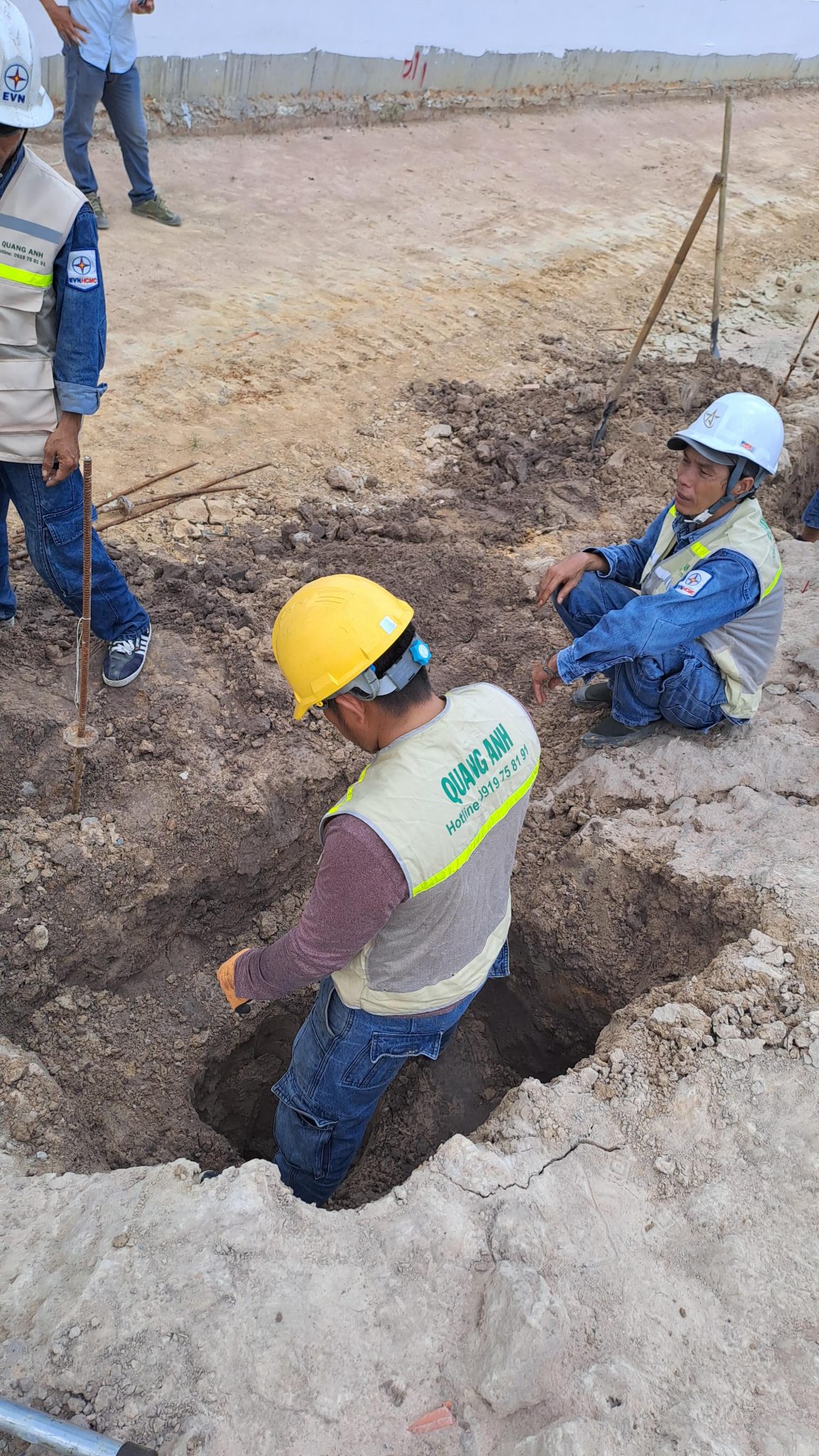
Electrical System Inspection Process: Production and Buildings
In production and building contexts, electrical inspection encompasses setting specific standards, examining equipment, and lines. Measuring insulation resistance, coil resistance, and leakage currents sustains system performance. Testing dielectric strength and safety mechanisms also plays an essential role in maintenance.
Electrical inspections are vital for ensuring safety and efficiency in systems within industries and buildings. Within manufacturing, electrical systems are pivotal to machinery operation. Key steps include:
- Comprehensive System Examination: Starting with reviewing the electrical system’s technical diagrams and documents to determine equipment locations and plan subsequent inspection steps.
- Device Assessment: Thoroughly inspect each electrical device, such as motors and transformers, to ensure proper function.
- Wiring Inspection: Examine wires and cables, promptly catching damages to reduce fault risks.
- Testing and Checks: Conduct necessary tests to ensure system stability and continuity.
In buildings, the electrical inspection process focuses on aspects like lighting and cleanliness:
- Lighting System Check: All lighting and control devices require rigorous inspection to ensure safety and performance.
- Device Cleaning: Regular cleaning of lamps and fixtures maintains cleanliness and prevents indoor air pollution.
- Component Replacement: Timely detection and replacement of parts, such as switches, is often necessary.
- Wiring Inspection: Target inspections towards conductors to identify and address potential issues swiftly.
Alongside inspections, electrical system operations in buildings require attention:
- System Monitoring and Inspection: Use system diagrams to locate devices and switch circuit breakers when needed.
- System Startup: Ensure smooth startup to prevent activity interruptions.
- Monitoring Operations: Regularly oversee electrical system functioning.
- Shutdown for Maintenance: A crucial part of the electrical maintenance process, enabling checks and repairs.
By adhering to detailed electrical inspection processes, safety during operations is preserved and system efficiency in factories and buildings is maximized.
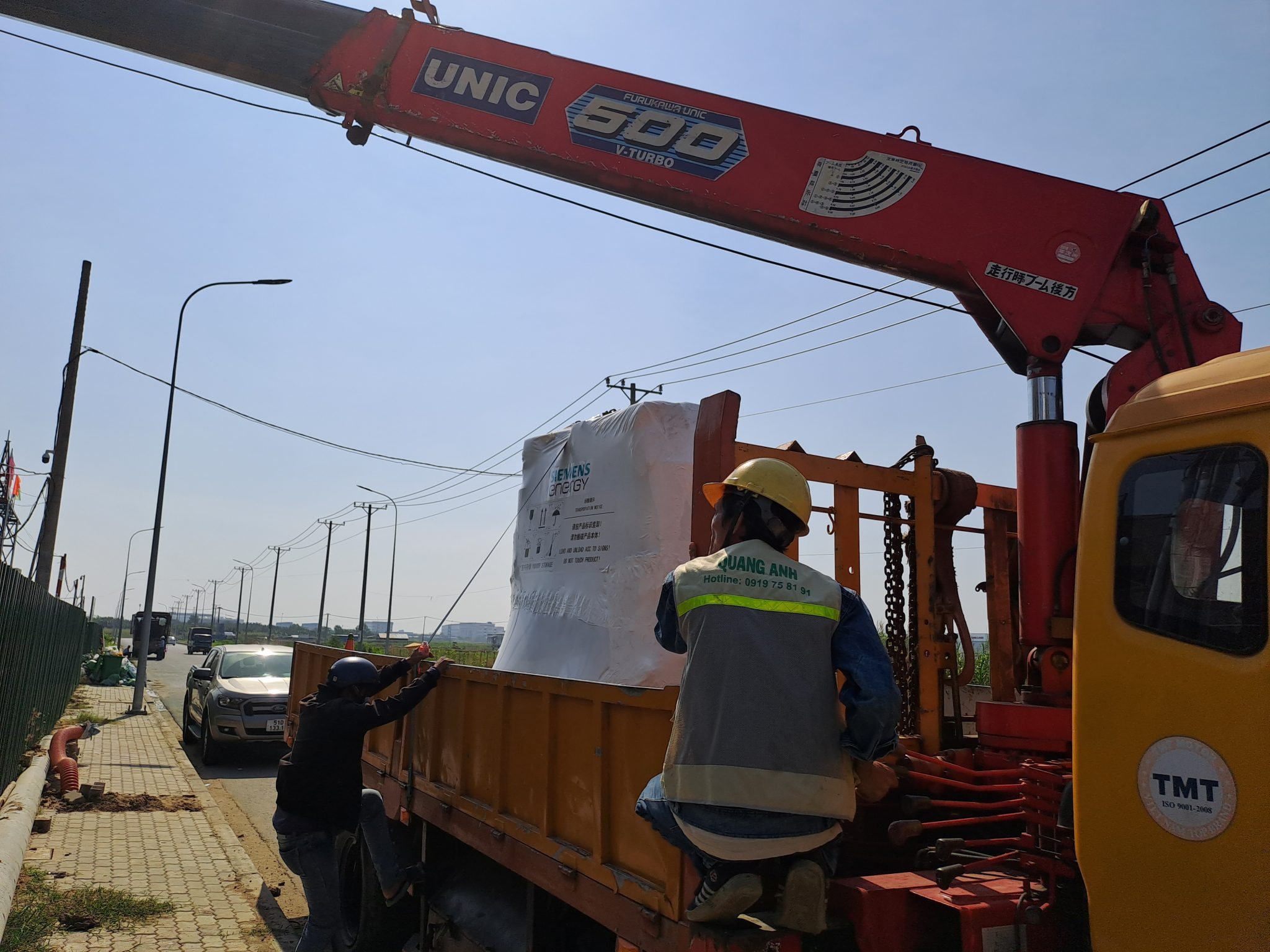
Essential Tools for Electrical System Inspections
Effective electrical system inspections rely on tools such as power quality analyzers, harmonic analyzers, and electrical noise meters. Multimeters and insulation resistance testers are essential for measuring voltage and current, ensuring safe and efficient system operations.
Measurement tools are indispensable for assessing electrical systems. Here’s a list of crucial tools for inspections, ensuring safety and operational efficiency:
- Multimeter: A versatile tool widely used across industries and homes to measure voltage (AC/DC), current (AC/DC), resistance, frequency, continuity, and diodes. Optimizes Multimeter Usage across various fields.
- Clamp Meter: Measures current without circuit disconnection, enabling easy identification of overload and leakage issues.
- Oscilloscope: Displays real-time electrical signal waveforms, aiding in signal analysis, detecting noise and fluctuations, enhancing Oscilloscope Functionality.
- LCR Meter: Measures inductance, capacitance, and resistance of components, crucial for circuit and capacitor assessments.
- Leakage Tester: Specializes in detecting electrical leakage, particularly in capacitors, ensuring Electrical Safety.
- Network Analyzer: Measures and analyzes electrical network parameters, facilitating communications and signal transmission optimization.
- Ohmmeter: Checks continuity and detects breaks in electrical wires and accessories.
These tools’ applications range from fault detection and safety assurance to system testing and new system development. In particular, power quality analyzers are increasingly vital as accuracy and reliability demands grow. Using multimeters and insulation resistance testers ensures comprehensive Electrical Leakage Detection, vital for safe and efficient electrical system management.
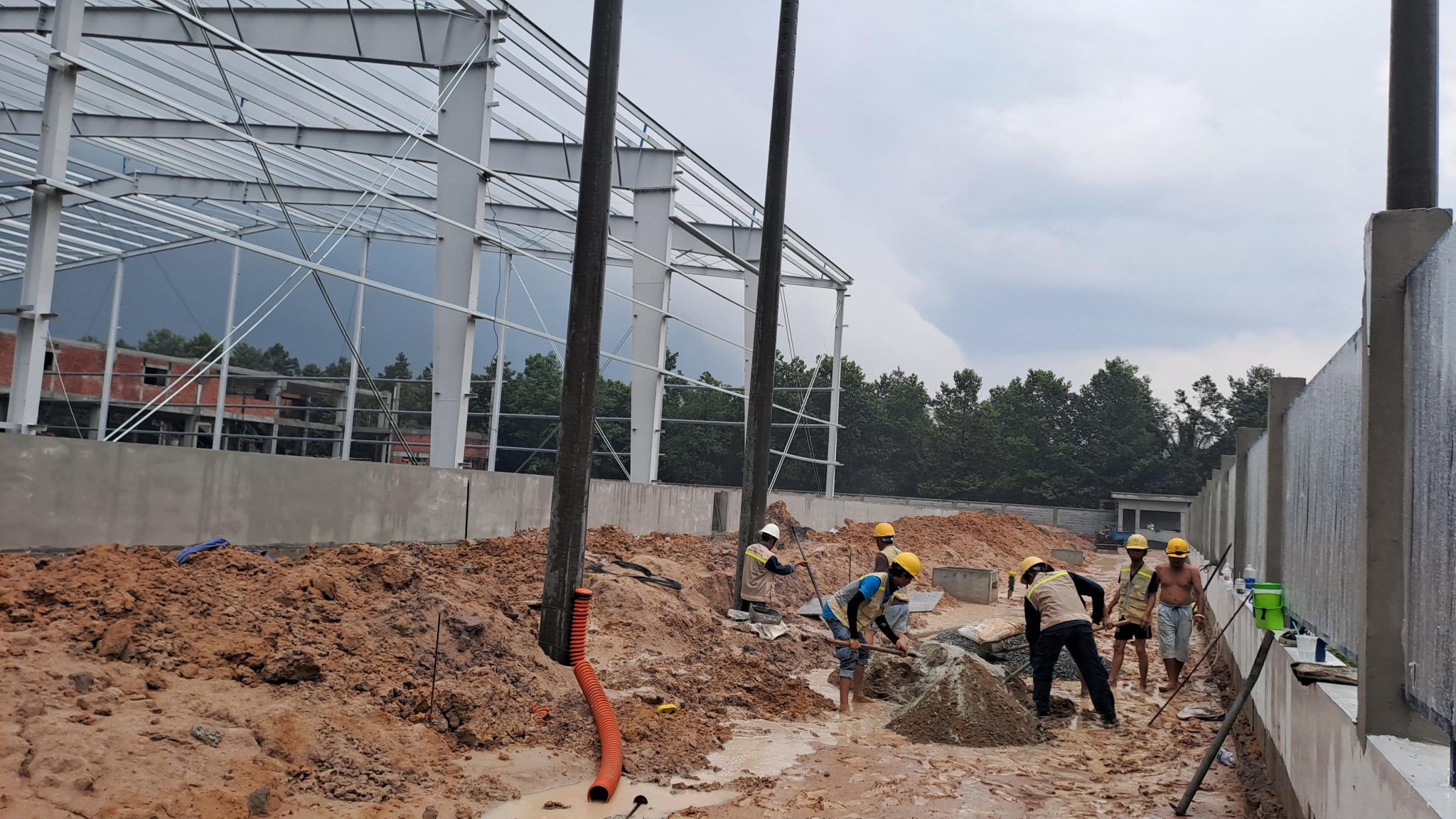
Inspections offer significant technical and investment benefits, enhancing system efficiency, reducing risks and maintenance costs, while ensuring safety and operational standards.
Contact QuangAnhcons today at +84 9 1975 8191 for expert advice on electrical system inspection solutions.
QuangAnhcons offers electrical inspection services, ensuring safety and operational efficiency in production facilities, buildings, and vehicles.
[contact-form-7 id="7239967" title="Contact form 1"]
Related Posts
Comparing Oil and Dry Transformers in Industrial Projects
Distinguish between oil and dry transformers based on installation site, safety, maintenance, energy losses, initial [...]
Mar
Electrical Overload Warning Signs in Factories
Recognize early indicators of factory electrical overload such as voltage drops, overheating equipment, circuit breaker [...]
Mar
Risks of Overloading Industrial Transformers Without Upgrades
Keeping the same low-voltage transformer while increasing factory loads can result in overheating, insulation degradation, [...]
Mar
Evaluating and Implementing Transformer Contractors in Tay Ninh
Criteria for selecting transformer substation contractors in Tay Ninh, EPC scope, and factors affecting project [...]
Mar
Comparing Oil and Dry Transformers for Industrial Applications
Examine oil and dry transformers based on installation location, fire safety, maintenance, energy loss, investment [...]
Mar
Comprehensive 1500kVA Transformer Station Budget for Manufacturing Facilities
Guidance for creating a detailed budget list for a 1500kVA transformer station, including medium voltage [...]
Mar
Comprehensive Transformer Station Pricing: Elements and Considerations
Examine key components in comprehensive transformer station pricing including design, equipment, construction, testing, and connection [...]
Mar
Pricing Guide for 4000kVA Transformer Stations: Configuration, Cost, and Investment Process
An overview of configuration, cost estimates, connection approaches, and investment checklists for 4000kVA transformer stations [...]
Mar
Pricing and Setup of 3200kVA Transformer Stations: Configuration, Costs, and Investment Procedure
Explore the pricing structure for a 3200kVA transformer station, primary equipment configuration, cost variables, EVN [...]
Mar
Cost Estimation for 2500kVA Transformer Station: Configuration, Expenses, and Investment Process
Reference framework for quoting a 2500kVA transformer station based on configuration, station type, cable solutions, [...]
Mar
2000kVA Transformer Station Guide: Configuration, Costs, and Investment Process
Discover key aspects of a 2000kVA transformer station: from technical configuration and cost analysis to [...]
Mar
Pricing and Configuration Guide for 1600kVA Substations
A detailed guide on pricing for 1600kVA substations, including equipment specs, connection costs, EVN procedures, [...]
Mar
Comprehensive Guide to 1500kVA Substation Pricing: Configuration, Costs, and Investment Process
A comprehensive overview of configurations, costs, construction methods, connection procedures, and contractor selection for 1500kVA [...]
Mar
Tay Ninh Solar Power Planning: Technical Framework, Grid Interconnection, and Rollout Roadmap
Technical overview of solar planning in Tay Ninh: irradiation, grid capacity, permitting, design, operations, and [...]
Dec
Binh Duong Solar Planning: Regulatory Framework, Grid Interconnection, and an Implementation Roadmap for Factories and Industrial Parks
An overview of Binh Duong solar planning: legal framework, interconnection, design, risk management, and an [...]
Dec
Solar Farm Repair: O&M Workflow, IV Curve Diagnostics, Thermography, Inverter Service and Utility-Scale Safety
A utility-scale solar farm repair plan centered on O&M, IV curves, thermal imaging, inverter service, [...]
Dec
Dong Nai Solar Power Plan 2023–2025: Tri An 1,029 MW, Grid Upgrades and the DPPA Pathway
A complete look at Dong Nai’s solar power plan: Tri An 1,029 MW, irradiation potential, [...]
Nov
Quang Ngai Solar Power Plan 2024–2030: Legal Framework, Irradiance Potential, and Development Roadmap
A complete look at Quang Ngai’s solar power plan: capacity targets, irradiance (PVout), development zones, [...]
Nov
Solar Damage Assessment Services: On-Site Procedures, EL/IV/Thermography Testing & Compliance with Standards
Discover IEC/UL/NEC standard solar damage assessment processes: on-site evaluation, EL and IV curve testing, thermal [...]
Nov
Comprehensive Package Estimate for a 1800MVA 500kV Substation: Scope, Configuration 3x600MVA, Standards and Timeline Management
An overview of the 1800MVA 500kV substation estimate: construction scope, configuration 3x600MVA, GIS/AIS, SCADA, standards, [...]
Nov