

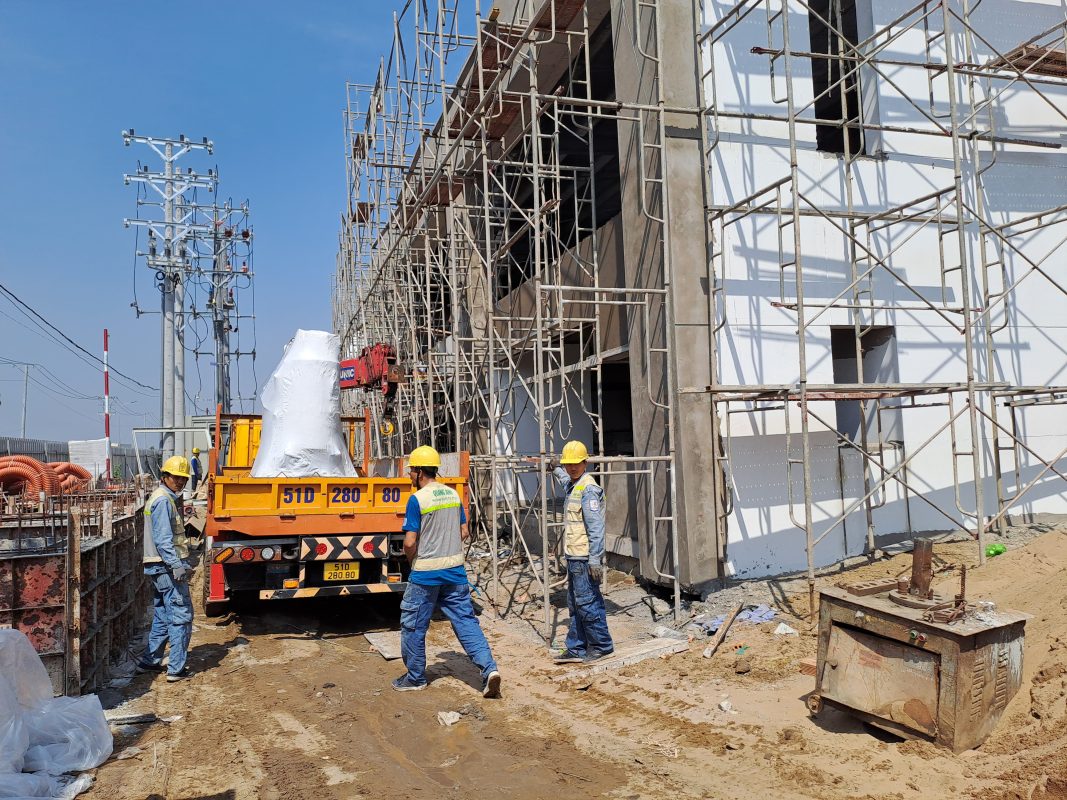
The construction of an electric vehicle charging station is a complex process that requires strict adherence to principles and regulations to ensure safety, efficiency, and environmental protection.
Electric Vehicle Charging Station Construction Process
The construction process involves several steps: identifying needs and specific requirements, evaluating electrical infrastructure, designing the charging system, preparing the site, installation, and testing.
Given the increasing technological advancements and demand for electric vehicle charging services, understanding the construction process is crucial.
1. Identifying Needs and Requirements
Initially, the design and installation of an electric vehicle charging station must begin with a clear understanding of the usage needs. Determining the number and type of electric vehicles to be served is key. Anticipating how many vehicles will use the service and the power requirements they predominantly demand, AC or DC? Identifying the appropriate charging port type is an important next step, and selecting the best location should ensure feasibility and convenience for access.
2. Evaluating Electrical Infrastructure
Assessing the current electrical system is a crucial step in the process. The necessary electrical capacity for the charging station should be a priority, along with checking the capacity of the wiring system to ensure safety and efficient operation of the electrical vehicle system.
3. Designing the Charging System
The charging station design process requires selecting charging equipment suitable for actual needs. Choosing between AC or DC ports is crucial, along with designing the connection model and power distribution to ensure efficient and safe operation of the system.
4. Site Preparation
Completing the necessary permits, including building permits, is essential. Preparing the site for the charging station installation ensures safety and convenience in construction. Compliance with construction regulations helps maintain legal integrity.
5. Installing the Charging Station
The installation process involves deploying selected equipment in the designated locations and configuration. Finally, testing and inspection ensure that the electric vehicle charging station functions properly and meets safety requirements.
6. Maintenance and Operation
Post-installation, regular maintenance of the charging station helps ensure long-term performance and minimize technical failures. Thus, monitoring and operation not only keep the charging station running safely but also optimize productivity.
Safety and Legal Requirements
Ensuring the charging station complies with legal requirements and holds certification for devices that uphold high technical and safety standards is critical. Systems that automatically disconnect during faults can prevent electric shock or fire accidents.
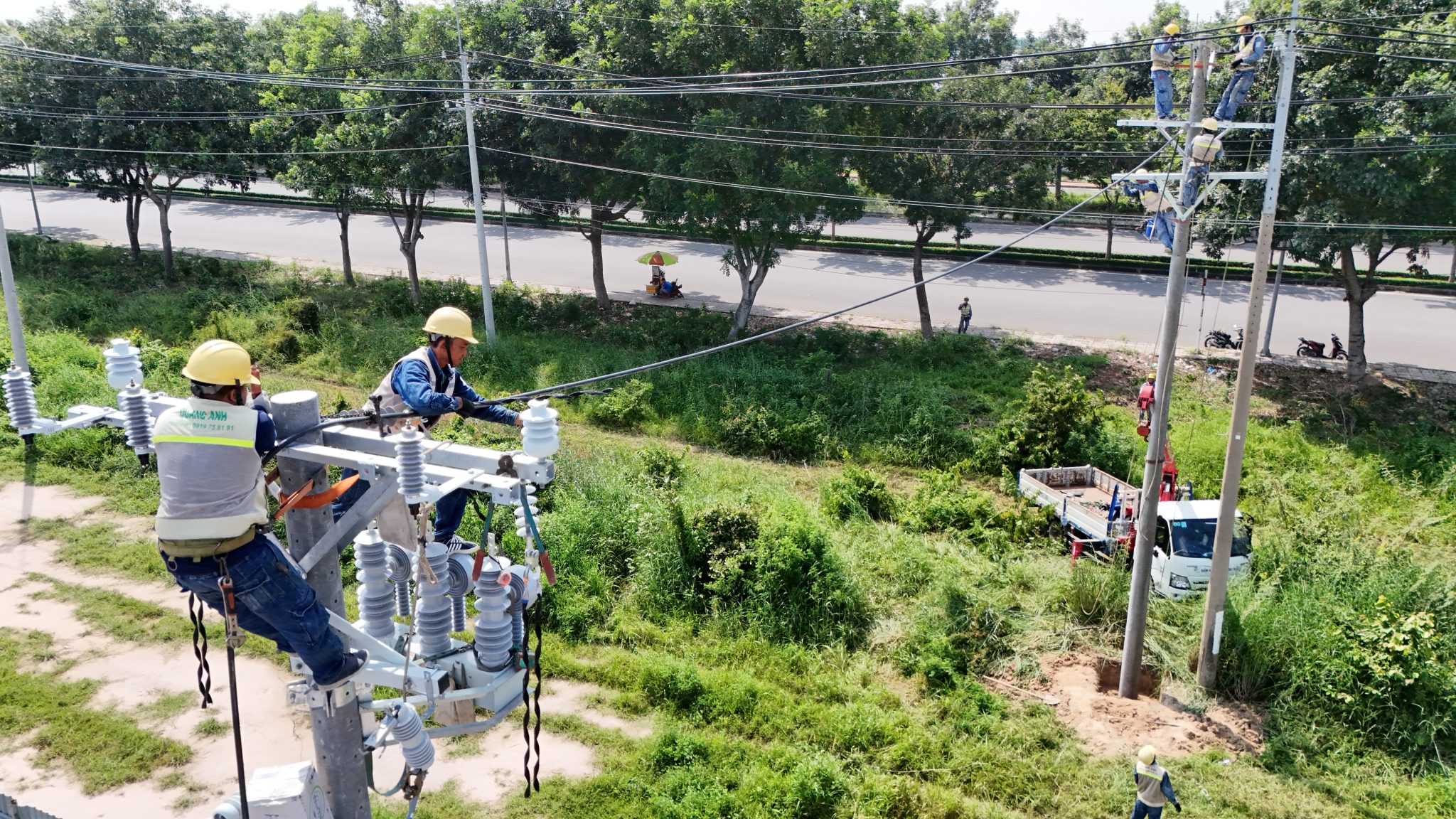
Safety and Legal Requirements in Construction
The construction of charging stations must adhere to basic safety and permit requirements, as well as principles ensuring quality and environmental protection.
During the construction and installation of electric vehicle charging stations, following safety construction requirements is a crucial condition. These requirements not only ensure labor safety and equipment but also uphold the sustainability and efficiency of the project.
Safety Requirements
-
Construction Method Design: Before starting, an approved construction method design is necessary. This design should incorporate solutions ensuring safety for workers and construction equipment.
-
Compliance with Design and Standards: The entire construction process must adhere to approved designs, standards, regulations, and technical procedures. Quality inspection beforehand is mandatory.
-
Safety Logbook: The construction site should be equipped with a safety logbook to record incidents, remedies, and solutions implemented.
-
Site Structure: The site must feature secure barriers, covered openings, and adequate drainage systems to protect workers and nearby residents.
-
Protective Gear: Workers must be equipped with personal protective equipment such as safety harnesses and nets when working at heights.
Safety Principles
-
Safety Evaluation: The project needs careful safety evaluation before commencement to identify risks and implement preventive measures.
-
Equipment Inspection: All construction equipment should be safety inspected before use.
-
Safety Training: Workers must undergo safety training courses, especially when working at heights or by water bodies.
-
Fire and Explosion Prevention: Specific fire and explosion prevention measures must be in place during construction.
-
Regular Evaluations: Carry out regular or scheduled evaluations of construction methods to ensure safety is maintained.
Safe Construction of Charging Stations
The implementation of electric vehicle charging stations demands that safety construction is an indispensable factor, directly impacting productivity and durability in the future.
Standards and Regulations
- TCVN 13078-1:2020 (IEC 61851-1:2017): Provides general requirements for conductive electric vehicle charging systems.
- IEC 62196 and ISO 15118: Guides for electric vehicle connectors, ensuring compatibility and safety.
- National Technical Regulation: Clear technical requirements for safety regarding electric vehicle charging columns are set forth.
Safety Measures
- Electrical and Fire Safety: Use protective devices like fuses and automatic power off switches.
- Water and Dust Resistance: Charging stations need to meet IP standards, IP65 or higher, to ensure dust and water resistance.
Permit Regulations for Construction
-
Roadway Construction Permit from 2025: Permit procedures are specified in Circular 41/2024/TT-BGTVT, issued by road management agencies, district, and commune levels.
-
Construction Permit Process: Investors must submit 2 sets of documents for construction permits, with authorities evaluating within 7 working days.
-
Types of Construction Permits: Includes new construction, repair, transportation, and other temporary building permits.
Environmental Protection During Charging Station Construction
Constructing electric vehicle charging stations requires focusing on environmental protection.
Installation Principles of Charging Stations
- Adhere to Technical Standards and Regulations: Design and construction need to meet technical standards to ensure safety and performance are safeguarded.
- Environmental Protection: Charging station design should have measures to limit environmental impact, such as using renewable energy.
Green Infrastructure
- Green Charging: Use renewable energy like solar or wind, supporting green transport and reducing pollution.
Challenges and Solutions
- Challenges: Providing stable electricity sources, high investment costs.
- Solutions: Government financial support and favorable mechanisms help minimize challenges.
Applying standards and regulations when constructing electric vehicle charging stations not only enhances construction safety levels but also contributes to environmental protection and modernization of infrastructure.
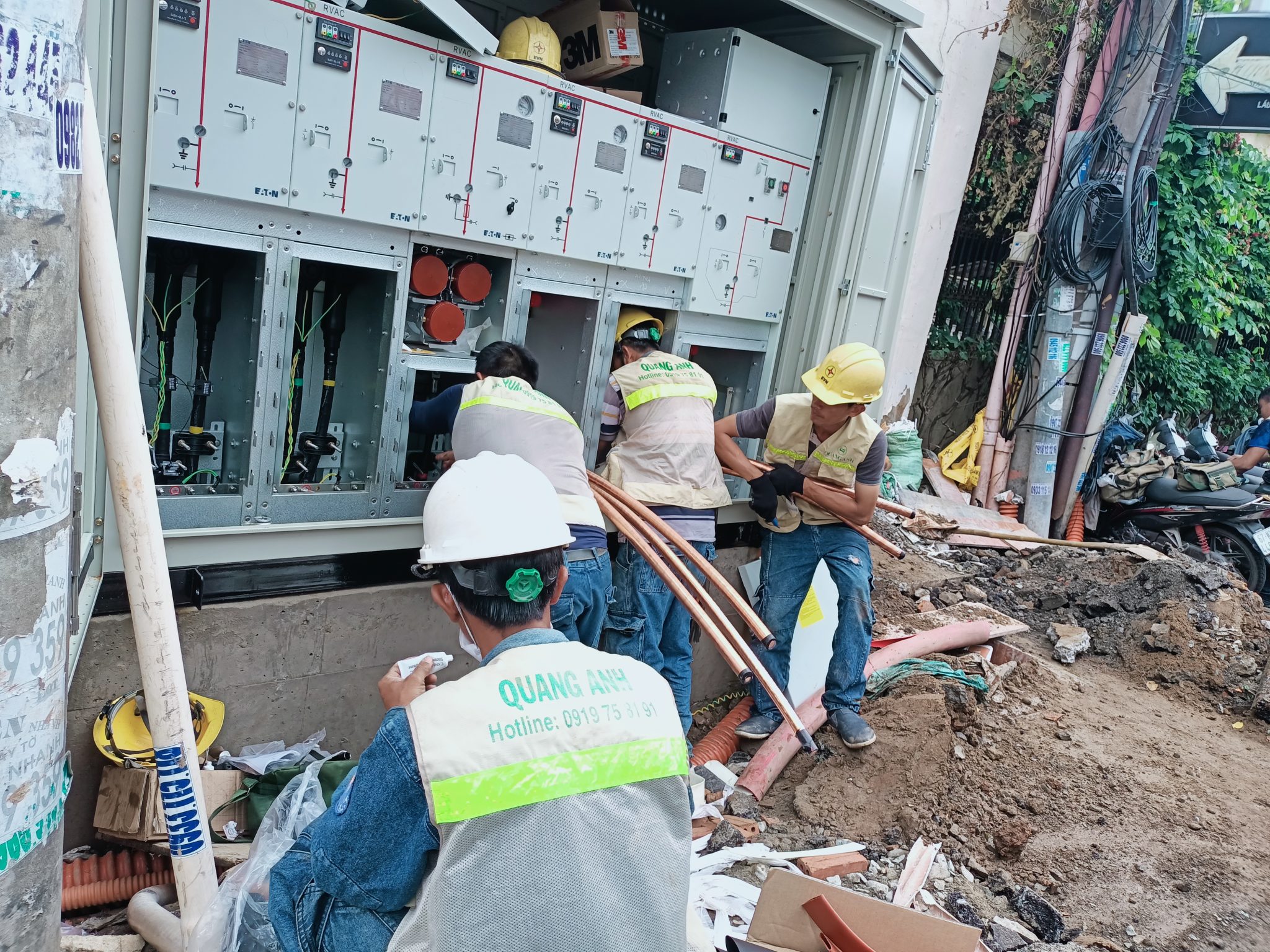
Considerations When Installing Charging Stations
While installing charging stations, consider convenient installation locations, ensure electrical supply capacity, and have a regular maintenance plan to maintain optimal performance.
The installation of electric vehicle charging stations is crucial for advancing electric vehicle development. Ensuring this process is safe and efficient requires adherence to some important principles.
Compliance with Technical Standards and Regulations
The installation of electric vehicle charging stations must comply with current technical standards and regulations to ensure the project is properly executed. This ensures safety for people and property and prevents fires and protects the environment.
Assessing Needs and Requirements
To determine the need for installing charging stations, evaluate the number and type of anticipated electric vehicles, along with charging capacity and energy requirements. Additionally, check the existing electrical infrastructure at the installation site to ensure stable electricity provision.
Charging System Design
- Select charging equipment: Depending on need, AC or DC ports may be chosen.
- Create a connection model: Design a connection and power distribution model to ensure the most efficient operation.
Specific Conditions
Ensure installation has stable and suitable electricity, along with convenient parking locations for easy connection and station use.
Fire and Explosion Prevention
Using charging equipment designed for fire and explosion prevention is critical to protect assets and people.
Environmental Protection
The installation process for charging stations must comply with environmental regulations, minimizing negative impacts.
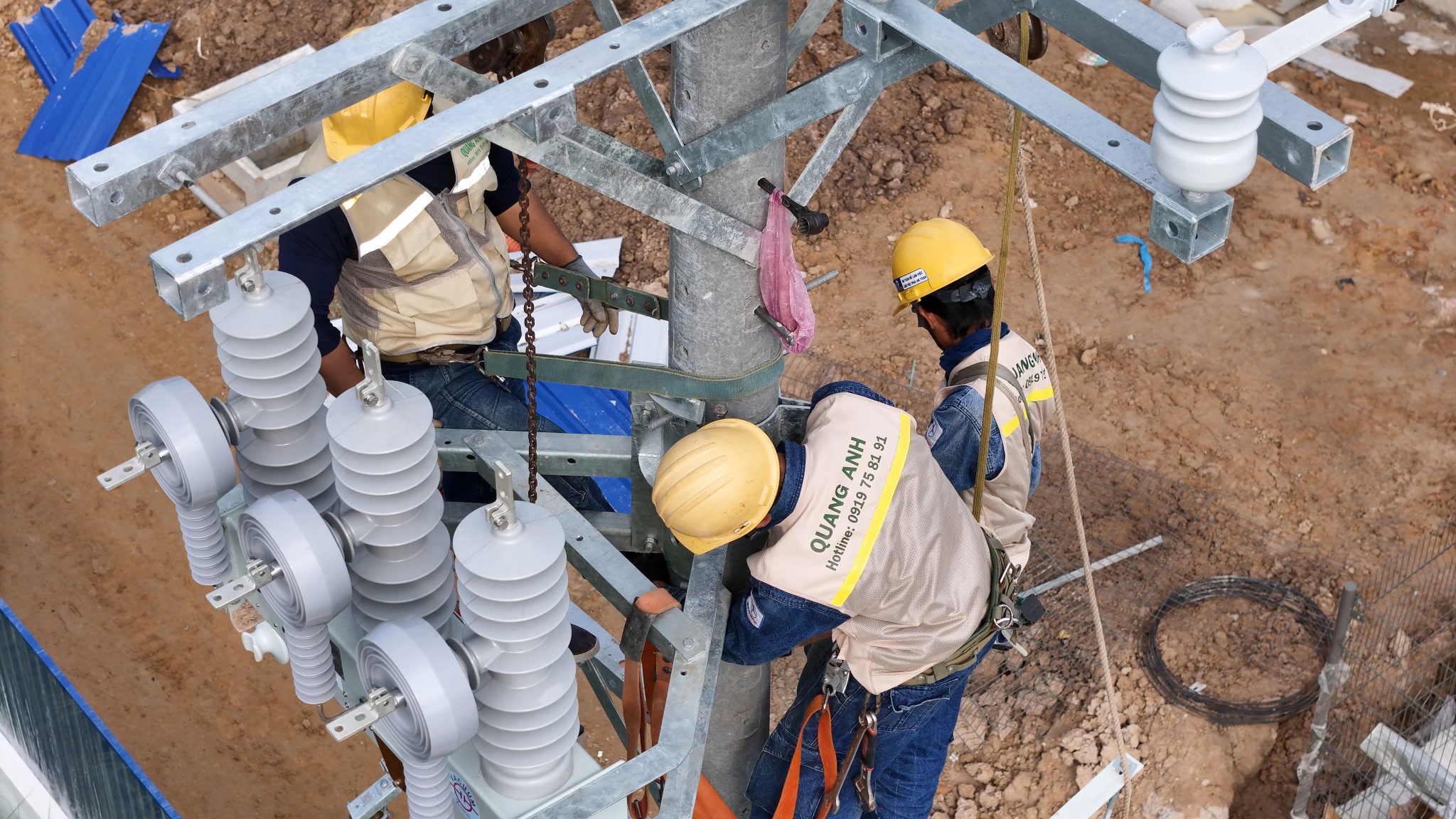
Constructing electric vehicle charging stations not only provides environmental benefits but also optimizes the use and protection of the electrical system. Adhering to regulations and regular maintenance ensures sustainability and safety in operation.
Contact QuangAnhcons today via Hotline: +84 9 1975 8191 for consultation on professional and effective electric vehicle charging station construction solutions.
QuangAnhcons offers electric vehicle charging station construction services with optimal processes adhering to safety and environmental protection principles, backed by a team of experienced experts.
[contact-form-7 id="7239967" title="Contact form 1"]
Related Posts
Comparing Oil and Dry Transformers in Industrial Projects
Distinguish between oil and dry transformers based on installation site, safety, maintenance, energy losses, initial [...]
Mar
Electrical Overload Warning Signs in Factories
Recognize early indicators of factory electrical overload such as voltage drops, overheating equipment, circuit breaker [...]
Mar
Risks of Overloading Industrial Transformers Without Upgrades
Keeping the same low-voltage transformer while increasing factory loads can result in overheating, insulation degradation, [...]
Mar
Evaluating and Implementing Transformer Contractors in Tay Ninh
Criteria for selecting transformer substation contractors in Tay Ninh, EPC scope, and factors affecting project [...]
Mar
Comparing Oil and Dry Transformers for Industrial Applications
Examine oil and dry transformers based on installation location, fire safety, maintenance, energy loss, investment [...]
Mar
Comprehensive 1500kVA Transformer Station Budget for Manufacturing Facilities
Guidance for creating a detailed budget list for a 1500kVA transformer station, including medium voltage [...]
Mar
Comprehensive Transformer Station Pricing: Elements and Considerations
Examine key components in comprehensive transformer station pricing including design, equipment, construction, testing, and connection [...]
Mar
Pricing Guide for 4000kVA Transformer Stations: Configuration, Cost, and Investment Process
An overview of configuration, cost estimates, connection approaches, and investment checklists for 4000kVA transformer stations [...]
Mar
Pricing and Setup of 3200kVA Transformer Stations: Configuration, Costs, and Investment Procedure
Explore the pricing structure for a 3200kVA transformer station, primary equipment configuration, cost variables, EVN [...]
Mar
Cost Estimation for 2500kVA Transformer Station: Configuration, Expenses, and Investment Process
Reference framework for quoting a 2500kVA transformer station based on configuration, station type, cable solutions, [...]
Mar
2000kVA Transformer Station Guide: Configuration, Costs, and Investment Process
Discover key aspects of a 2000kVA transformer station: from technical configuration and cost analysis to [...]
Mar
Pricing and Configuration Guide for 1600kVA Substations
A detailed guide on pricing for 1600kVA substations, including equipment specs, connection costs, EVN procedures, [...]
Mar
Comprehensive Guide to 1500kVA Substation Pricing: Configuration, Costs, and Investment Process
A comprehensive overview of configurations, costs, construction methods, connection procedures, and contractor selection for 1500kVA [...]
Mar
Tay Ninh Solar Power Planning: Technical Framework, Grid Interconnection, and Rollout Roadmap
Technical overview of solar planning in Tay Ninh: irradiation, grid capacity, permitting, design, operations, and [...]
Dec
Binh Duong Solar Planning: Regulatory Framework, Grid Interconnection, and an Implementation Roadmap for Factories and Industrial Parks
An overview of Binh Duong solar planning: legal framework, interconnection, design, risk management, and an [...]
Dec
Solar Farm Repair: O&M Workflow, IV Curve Diagnostics, Thermography, Inverter Service and Utility-Scale Safety
A utility-scale solar farm repair plan centered on O&M, IV curves, thermal imaging, inverter service, [...]
Dec
Dong Nai Solar Power Plan 2023–2025: Tri An 1,029 MW, Grid Upgrades and the DPPA Pathway
A complete look at Dong Nai’s solar power plan: Tri An 1,029 MW, irradiation potential, [...]
Nov
Quang Ngai Solar Power Plan 2024–2030: Legal Framework, Irradiance Potential, and Development Roadmap
A complete look at Quang Ngai’s solar power plan: capacity targets, irradiance (PVout), development zones, [...]
Nov
Solar Damage Assessment Services: On-Site Procedures, EL/IV/Thermography Testing & Compliance with Standards
Discover IEC/UL/NEC standard solar damage assessment processes: on-site evaluation, EL and IV curve testing, thermal [...]
Nov
Comprehensive Package Estimate for a 1800MVA 500kV Substation: Scope, Configuration 3x600MVA, Standards and Timeline Management
An overview of the 1800MVA 500kV substation estimate: construction scope, configuration 3x600MVA, GIS/AIS, SCADA, standards, [...]
Nov