

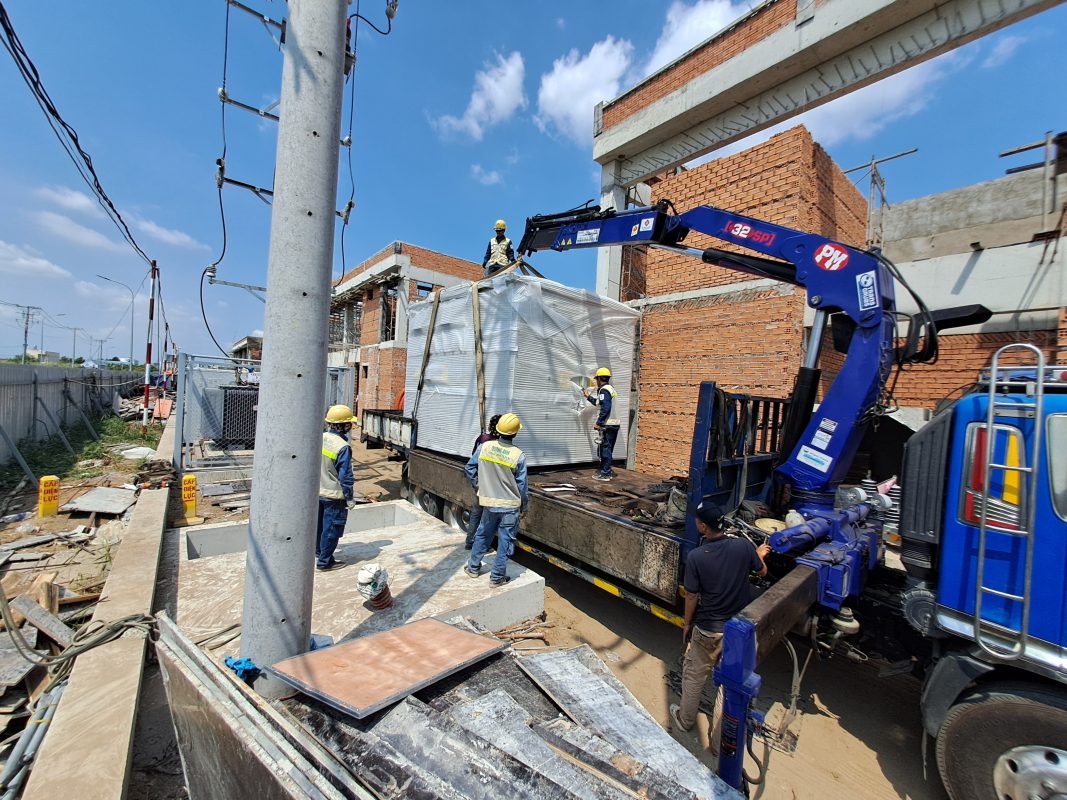
General MEP contracting plays a critical role in designing, constructing, and managing electrical and mechanical systems in construction projects, ensuring optimal operational efficiency and safety.
Efficient MEP System Design and Construction
Designing and constructing MEP systems are core elements within construction projects. MEP contracting ensures the seamless integration of electrical, HVAC, and fire protection systems. Playing a pivotal role in projects, contractors help optimize costs, enhance operational efficiency, and ensure safety.
In modern construction, effective MEP design and execution is vital for stable and sustainable operations. This process should be conducted through detailed and meticulous stages.
-
Site Survey and Technical Requirements
Before starting, surveying the current site and technical requirements is essential to ensure the MEP system design is feasible and suitable.
-
Detailed Planning and Design
Developing a detailed plan including technical drawings and equipment selection for HVAC, electrical, and plumbing systems ensures stability and smooth operation matching the project’s scale and industry requirements.
-
Approval and Integration of Advanced Technology
Designs must be approved by all stakeholders to ensure accuracy while incorporating BIM technology for effective construction simulation and coordination.
-
Optimized Operation and Maintenance
Integrating automation systems optimizes operations and conserves energy, guaranteeing efficient, stable long-term MEP system management.
-
Key Technical Factors for Each System
- Electrical Systems: Clear delineation of heavy and light electric layouts, ensuring safety and compliance with standards.
- Mechanical and HVAC Systems: Designs must meet ventilation and air conditioning needs, appropriate for the construction environment.
- Plumbing Systems: Efficient design for clean water supply and wastewater treatment, adhering to environmental safety standards.
-
Adapting to Construction and Industry Characteristics
System designs should carefully consider industry characteristics and investor requirements to optimize costs and maintenance.
-
Project Scheduling, Budget, and Quality Management
Rigorous scheduling and budget management ensure design and construction meet efficiency, safety, and market demands.
Designing and constructing efficient MEP systems not only relies on advanced technology but also requires a deep understanding of technical requirements and the unique characteristics of each project. In a competitive environment, applying technology like BIM and automation in MEP structures will boost productivity and efficiency.
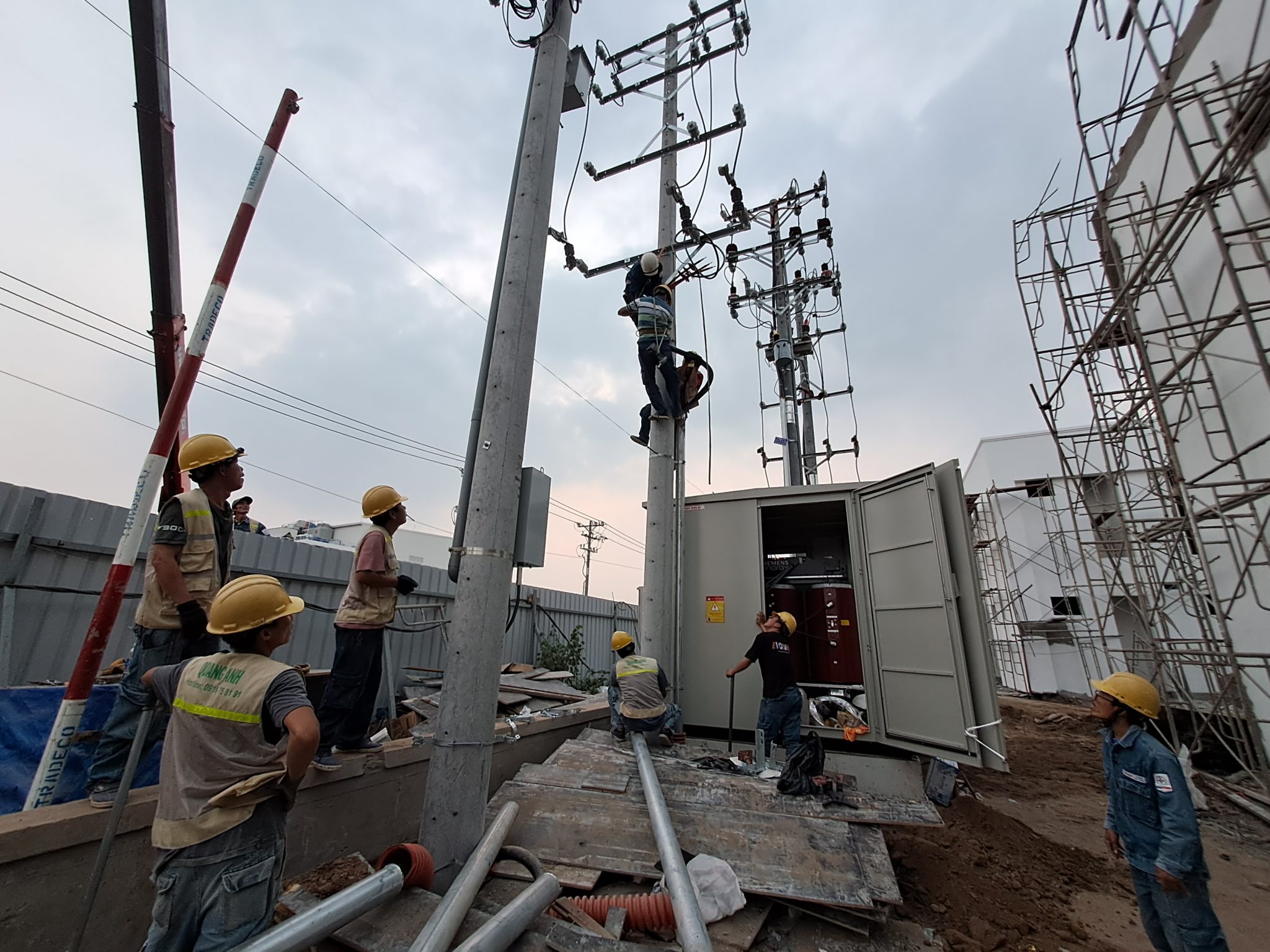
Effective Management and Maintenance of Electrical Systems
Managing and maintaining electrical systems is critical for long-lasting equipment operation. Comprehensive MEP contracting provides extensive management services, from operational monitoring to routine maintenance, ensuring systems run safely, efficiently, and cost-effectively for investors.
For electrical systems to operate stably and optimally, maintenance management must be conducted systematically. A clear understanding of electrical systems’ structure and operation is the essential first step. This ensures equipment operates under stable conditions, avoiding unnecessary stress.
Process for managing electrical system maintenance:
- Knowledge and Proper Operation: Mastering the structure and operating principles of electrical systems helps minimize damage from stress or physical oscillation.
- Continuous Monitoring and Configuration Checking: Monitoring key indicators like voltage, current, pressure, and temperature is essential to ensure systems operate within safety limits.
- Periodic Maintenance and Cleaning: Regularly inspecting and cleaning mechanical and electrical components such as filters, belts, and cooling systems maintains smooth operation and extends lifespan.
- Predictive Maintenance and Monitoring Technology: Using sensors and measurement technology to monitor equipment condition, combined with data analysis to forecast maintenance needs.
- Quick and Safe Problem Resolution: Plans must be in place to quickly and safely address issues like electrical shorts, reducing losses and documenting detailed post-incident reports.
- Staff Training and Documentation: Ensuring staff receives comprehensive technical and safety training while maintaining operational activity and maintenance logs to perfect the management system.
Maintenance methods may include scheduled inspections of critical components, reactive maintenance for incident responses, and predictive maintenance based on monitoring and data analysis. This approach helps maintain reliability and optimize electrical system performance. By combining management science and modern technology, electrical systems are maintained effectively, extending device lifespan, and optimizing long-term operations.
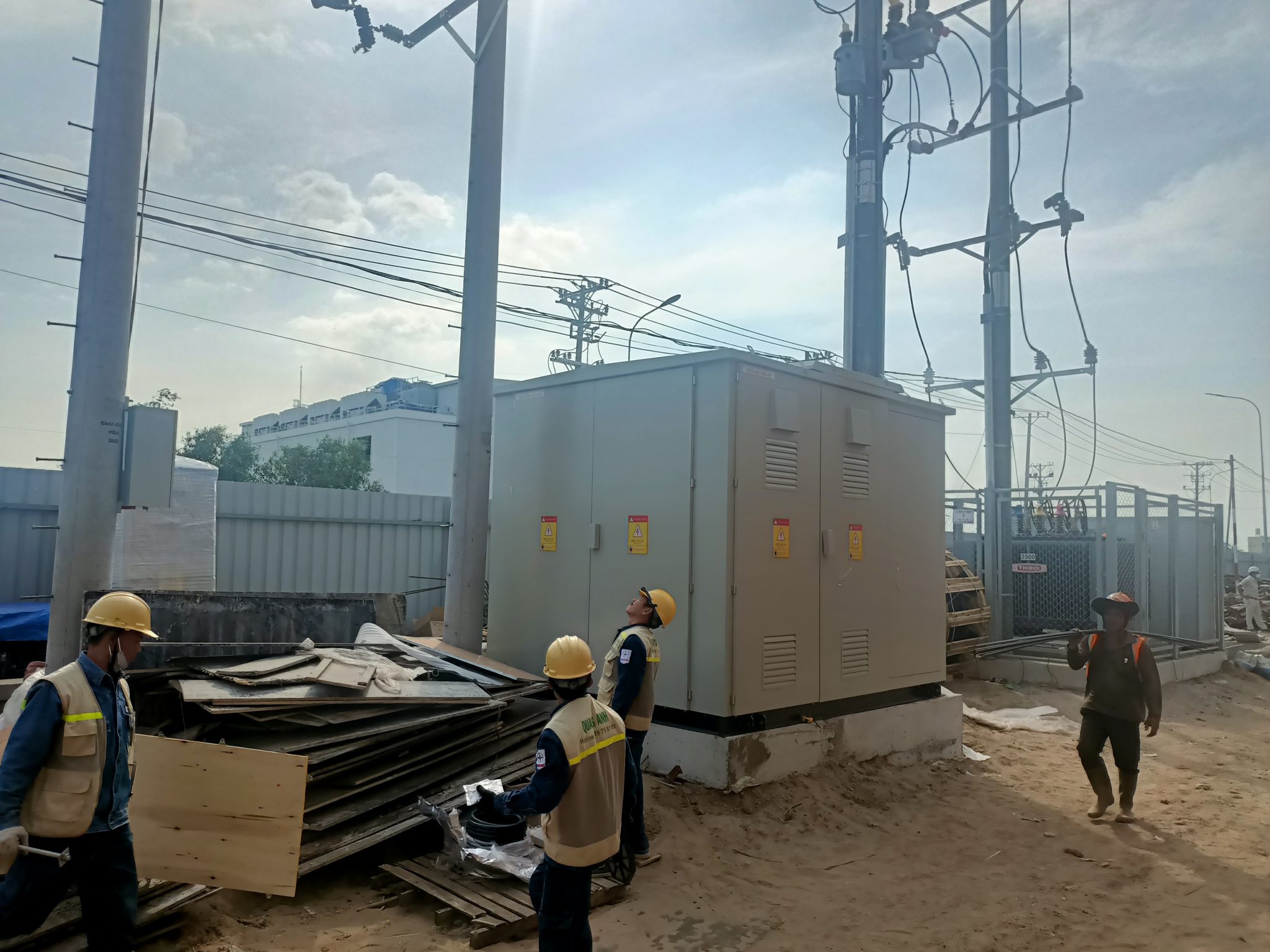
Advanced Technology and Solutions in MEP
The development of IT has significantly changed how MEP systems are managed and operated. Advanced technologies, including smart control systems and IoT solutions, are adopted by MEP contractors to optimize monitoring, reduce operational costs, and enhance energy management for buildings.
In the rapidly evolving construction industry, advanced technologies in MEP systems play a crucial role in optimizing efficiency and sustainability. A key technological advancement is IoT (Internet of Things) application, allowing automatic monitoring and control of MEP devices via smart sensors. These sensors collect real-time data, enabling engineers to analyze and adjust to enhance operational efficiency, while also supporting scheduled maintenance and energy conservation.
Additionally, integrating automation systems and AI (Artificial Intelligence) holds a pivotal role in maximizing MEP systems’ effectiveness. MEP automation provides the capability for equipment to self-adjust to optimize operations, while AI manages data analysis from IoT to predict incidents and plan effective maintenance.
Equally important is the application of BIM (Building Information Modeling) in MEP, revolutionizing design and construction processes. BIM allows the creation of detailed 3D models with comprehensive technical data, aiding engineers in detecting and addressing design conflicts early to optimize coordination and minimize construction errors.
Green technology is also an indispensable trend in modern MEP, with energy-saving and renewable energy devices like solar and wind power. These solutions improve energy efficiency and reduce negative environmental impacts.
Finally, safety and environmental protection are essential components. Integrating safety measures within fire protection, evacuation, and pollution control is crucial to ensuring sustainable operations and user safety. All these technologies and solutions contribute to building smart, efficient, and environmentally friendly electrical systems.
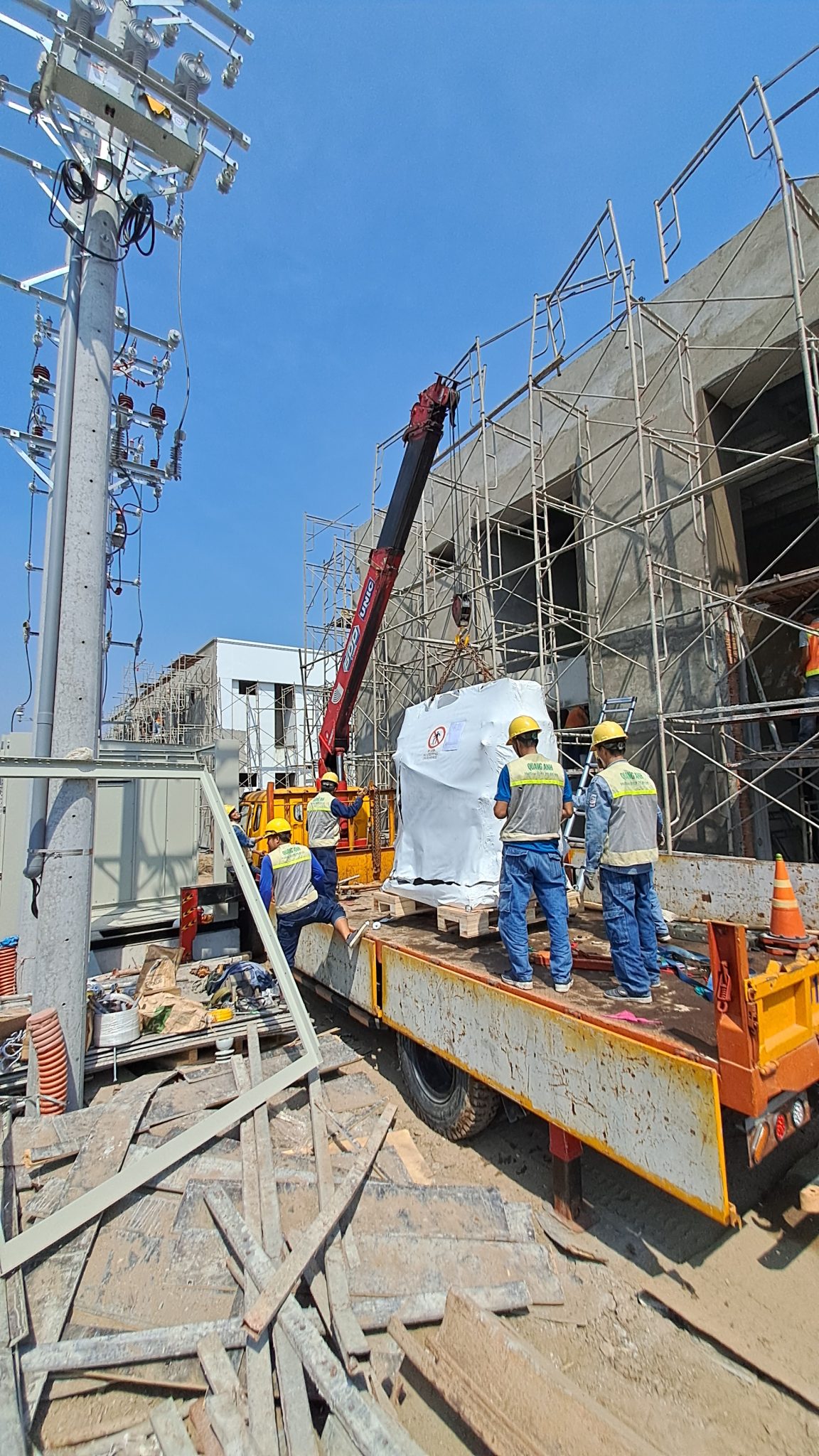
MEP contracting not only integrates synchronized technical systems but also optimizes costs, operational efficiency, and safety for projects. Applying smart technology solutions brings outstanding benefits, aligning with modern trends.
Contact QuangAnhcons via Hotline: +84 9 1975 8191 for professional MEP contracting services.
QuangAnhcons offers complete MEP contracting services, including design, construction, maintenance, and management of electrical systems, focusing on optimizing efficiency and safety for projects.
[contact-form-7 id="7239967" title="Contact form 1"]
Related Posts
Comparing Oil and Dry Transformers in Industrial Projects
Distinguish between oil and dry transformers based on installation site, safety, maintenance, energy losses, initial [...]
Mar
Electrical Overload Warning Signs in Factories
Recognize early indicators of factory electrical overload such as voltage drops, overheating equipment, circuit breaker [...]
Mar
Risks of Overloading Industrial Transformers Without Upgrades
Keeping the same low-voltage transformer while increasing factory loads can result in overheating, insulation degradation, [...]
Mar
Evaluating and Implementing Transformer Contractors in Tay Ninh
Criteria for selecting transformer substation contractors in Tay Ninh, EPC scope, and factors affecting project [...]
Mar
Comparing Oil and Dry Transformers for Industrial Applications
Examine oil and dry transformers based on installation location, fire safety, maintenance, energy loss, investment [...]
Mar
Comprehensive 1500kVA Transformer Station Budget for Manufacturing Facilities
Guidance for creating a detailed budget list for a 1500kVA transformer station, including medium voltage [...]
Mar
Comprehensive Transformer Station Pricing: Elements and Considerations
Examine key components in comprehensive transformer station pricing including design, equipment, construction, testing, and connection [...]
Mar
Pricing Guide for 4000kVA Transformer Stations: Configuration, Cost, and Investment Process
An overview of configuration, cost estimates, connection approaches, and investment checklists for 4000kVA transformer stations [...]
Mar
Pricing and Setup of 3200kVA Transformer Stations: Configuration, Costs, and Investment Procedure
Explore the pricing structure for a 3200kVA transformer station, primary equipment configuration, cost variables, EVN [...]
Mar
Cost Estimation for 2500kVA Transformer Station: Configuration, Expenses, and Investment Process
Reference framework for quoting a 2500kVA transformer station based on configuration, station type, cable solutions, [...]
Mar
2000kVA Transformer Station Guide: Configuration, Costs, and Investment Process
Discover key aspects of a 2000kVA transformer station: from technical configuration and cost analysis to [...]
Mar
Pricing and Configuration Guide for 1600kVA Substations
A detailed guide on pricing for 1600kVA substations, including equipment specs, connection costs, EVN procedures, [...]
Mar
Comprehensive Guide to 1500kVA Substation Pricing: Configuration, Costs, and Investment Process
A comprehensive overview of configurations, costs, construction methods, connection procedures, and contractor selection for 1500kVA [...]
Mar
Tay Ninh Solar Power Planning: Technical Framework, Grid Interconnection, and Rollout Roadmap
Technical overview of solar planning in Tay Ninh: irradiation, grid capacity, permitting, design, operations, and [...]
Dec
Binh Duong Solar Planning: Regulatory Framework, Grid Interconnection, and an Implementation Roadmap for Factories and Industrial Parks
An overview of Binh Duong solar planning: legal framework, interconnection, design, risk management, and an [...]
Dec
Solar Farm Repair: O&M Workflow, IV Curve Diagnostics, Thermography, Inverter Service and Utility-Scale Safety
A utility-scale solar farm repair plan centered on O&M, IV curves, thermal imaging, inverter service, [...]
Dec
Dong Nai Solar Power Plan 2023–2025: Tri An 1,029 MW, Grid Upgrades and the DPPA Pathway
A complete look at Dong Nai’s solar power plan: Tri An 1,029 MW, irradiation potential, [...]
Nov
Quang Ngai Solar Power Plan 2024–2030: Legal Framework, Irradiance Potential, and Development Roadmap
A complete look at Quang Ngai’s solar power plan: capacity targets, irradiance (PVout), development zones, [...]
Nov
Solar Damage Assessment Services: On-Site Procedures, EL/IV/Thermography Testing & Compliance with Standards
Discover IEC/UL/NEC standard solar damage assessment processes: on-site evaluation, EL and IV curve testing, thermal [...]
Nov
Comprehensive Package Estimate for a 1800MVA 500kV Substation: Scope, Configuration 3x600MVA, Standards and Timeline Management
An overview of the 1800MVA 500kV substation estimate: construction scope, configuration 3x600MVA, GIS/AIS, SCADA, standards, [...]
Nov