

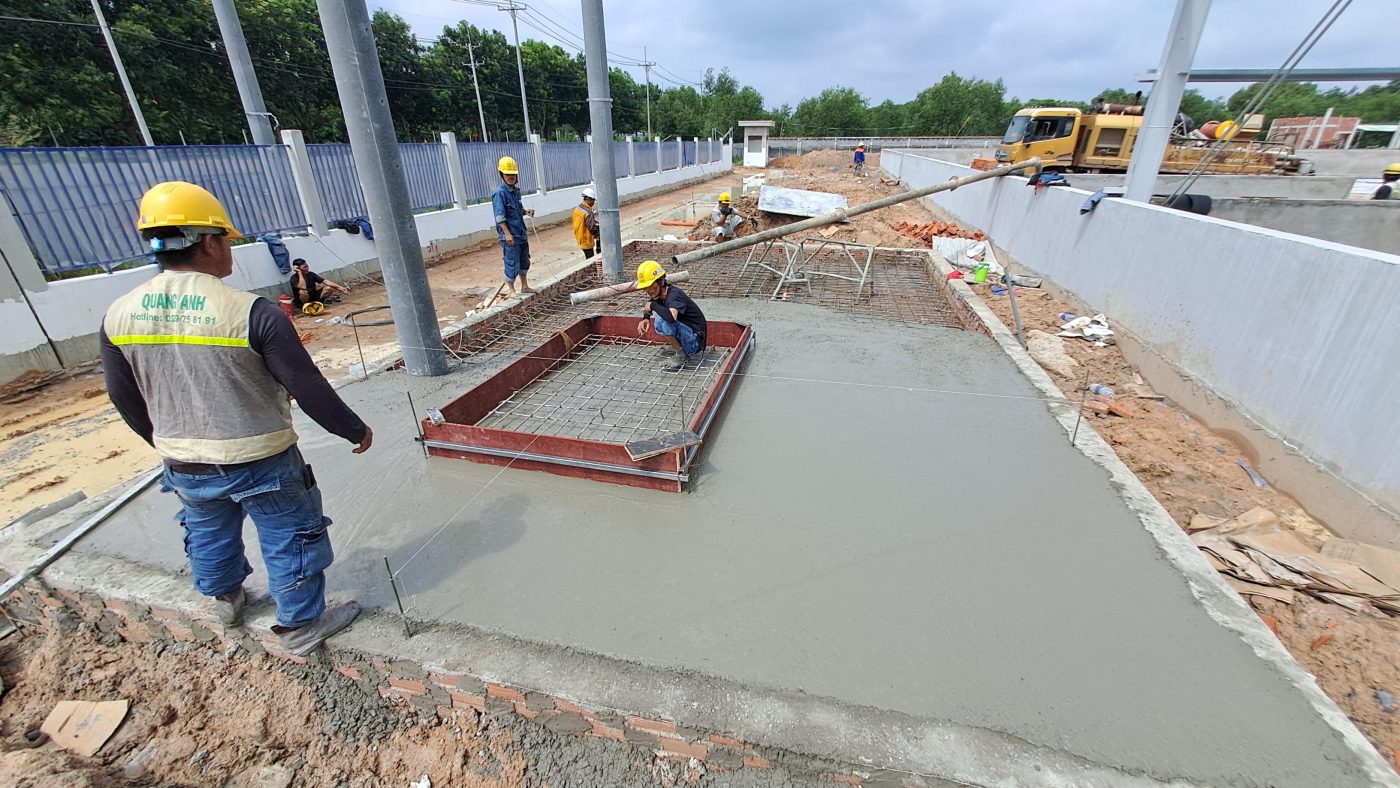
An unbiased overview of transformer station pricing based on technical standards and industry norms, excluding competitor data as requested.
Common Power Classifications of Transformer Stations
Transformer stations are categorized by power capacity and input/output voltage, from small single-phase units (75kVA-100kVA) to three-phase stations with low (15-100kVA), medium (160-320kVA), and high ranges (400-800kVA+). Each type serves different application needs.
In the power sector, transformer station capacity is determined based on specific usage and applications, crucial for businesses and system engineers to choose optimal solutions.
Common transformer station capacities include:
- 50 kVA: Ideal for households or small businesses, suited for low electricity demand.
- 75 kVA – 100 kVA: Suitable for medium-sized projects and small buildings, particularly single-phase stations.
- 160 kVA: Meets higher energy needs, common in medium-scale manufacturing facilities.
- 250 kVA – 400 kVA: Used in industrial applications and larger buildings, key power phases in the industry.
- 500 kVA – 630 kVA: For larger projects requiring significant electrical equipment usage.
- 750 kVA – 800 kVA: Chosen for areas with a high concentration of electrical devices.
- 1000 kVA – 1500 kVA: For extensive areas with high power demands, often seen in large industrial zones with high-voltage stations.
- 1800 kVA – 2500 kVA: Large industrial projects need substantial capacity for smooth operations.
Classification also leans on voltage levels:
- Ultra-high voltage (above 500 kV): Essential for national grid transformer stations.
- High voltage: Ranging from 66 kV, 110 kV, to 220 kV and 500 kV, used in urban and industrial setups.
- Medium voltage (6 kV, 10 kV, 15 kV, 22 kV, 35 kV): Widely used in production facilities and office buildings.
- Low voltage (below 6 kV): Typically 0.4 kV and 0.2 kV, suitable for residential and small commercial uses.
Selecting the appropriate transformer station capacity and voltage classification ensures efficiency and plays a critical role in electrical safety, highly pertinent for technical directors and business leaders making strategic investment and system management decisions.
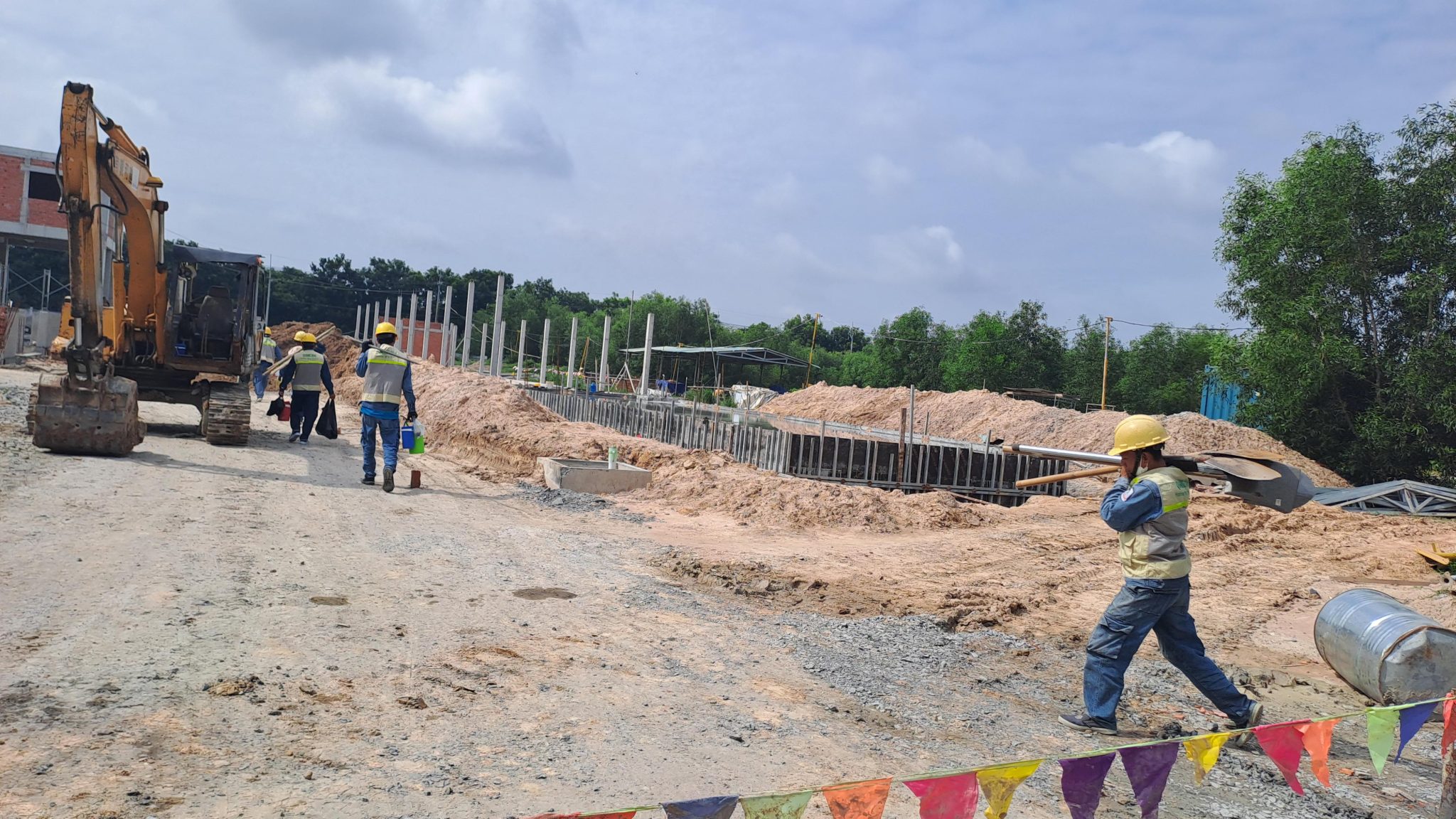
Market Price Trends of Transformer Stations
Prices for transformer stations rise with power capacity and distance from the medium voltage source. Pricing also depends on basic cost structure and increases with complex installations or when exceeding standard connection lengths.
As technology advances, transformer station prices are influenced not only by traditional factors but also by station capacity, electrical equipment types, and automation levels.
Factors Impacting Transformer Station Pricing
- Power capacity: A key determinant of transformer station cost is its output power, with a 250KVA station potentially valued at up to 384 million VND.
- Electrical equipment type: While selecting suitable electrical equipment, the integration of automation features in modern transformer stations greatly enhances efficiency and minimizes energy loss.
- Switchgear and protection devices: Quality switchgear and protection selection ensures stable performance, directly impacting the overall station cost.
Future of the Transformer Station Market
Going forward, the transformer station market will increasingly focus on boosting automation and efficiency. Advancements in solutions for 500kV stations aim to optimize performance and ensure system safety, with growing demand for smart energy systems and efficient transmission management driving substantial market growth.
Energy Sector Developments
Significantly, 2025 marks a pivotal growth phase for the energy industry with rising demand for large-capacity battery charging for transportation. Although the impact on transformer station pricing in this context is not yet clear, proactive maintenance and performance enhancement during dry seasons highlight the importance of maintaining stable electricity supply.
Energy Market Forecast
Forecasts indicate global energy demand will nearly double by 2050, presenting a significant growth opportunity for the transformer station market, where focus on station maintenance and power efficiency optimization becomes crucial to meeting escalating energy consumption.
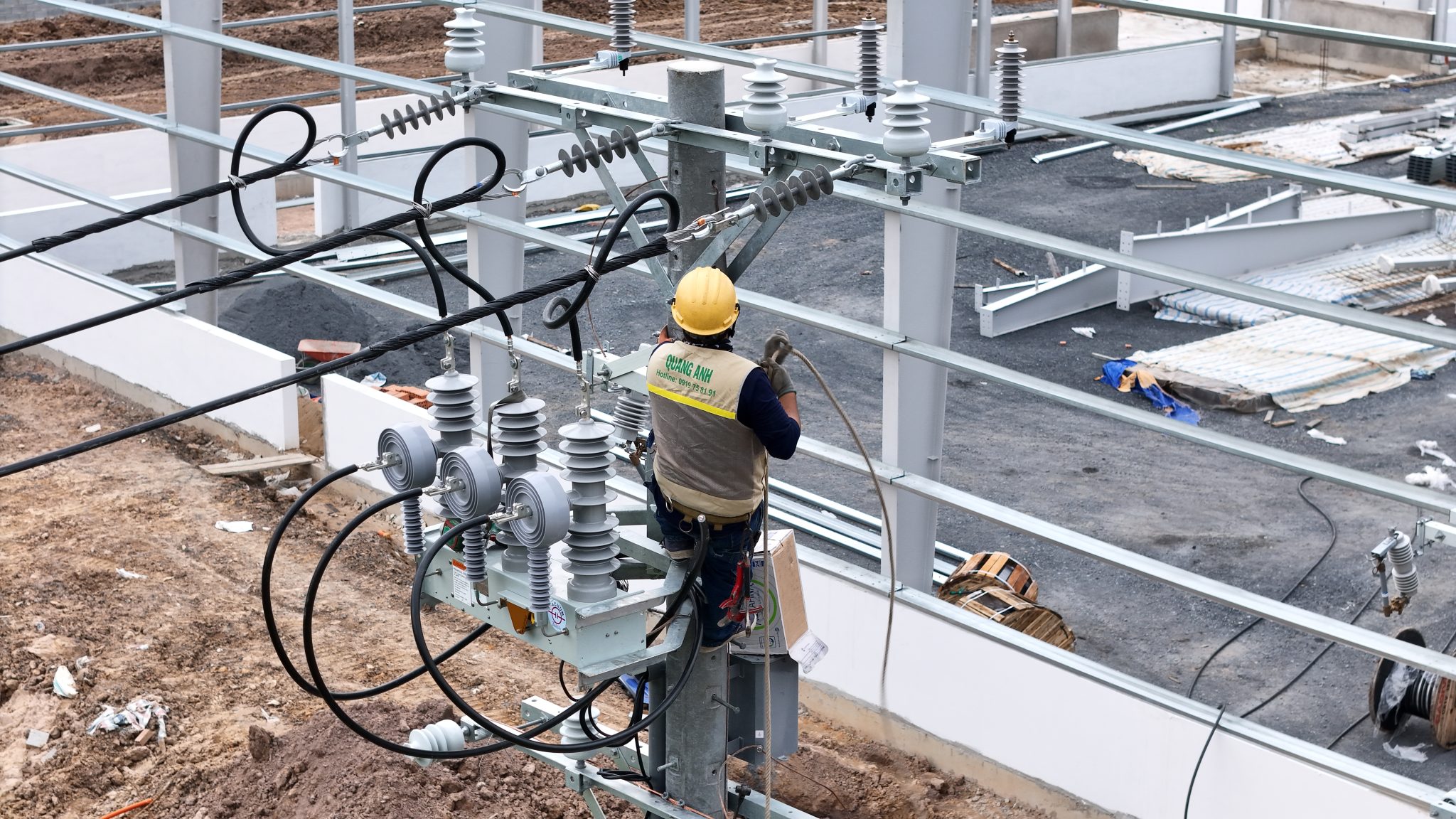
Factors Influencing Transformer Station Pricing
Transformers pricing is impacted by station type—such as gantry, steel pole, or kiosk integrated stations—alongside nominal voltage and component origin, leading to significant price discrepancies.
Evaluating transformer station costs requires considering factors such as station power capacity, design type, component origin and quality, installation location, and station material costs.
-
Transformer station power capacity
Station capacity is a primary pricing factor. Larger stations require more equipment and materials, increasing costs. For instance, a 100kVA station will be cheaper than one at 630kVA. -
Station design type
Design types, including steel pole, gantry, and kiosk stations, significantly impact costs. Each design has unique features and benefits, with kiosks typically being more expensive due to flexibility and superior protection. -
Component quality and origin
Component quality and origin are essential. Brand and origin of devices like transformers can result in varied pricing. Reputable brands like Thibidi, Sanaky, or Shihlin usually cost more due to quality and reputation. -
Installation location
Station installation site affects costs via distance from the medium voltage line. Remote sites necessitate additional cables and equipment, raising prices. -
Station material costs
Material costs, such as cables, capacitors, and RMU cabinets, can fluctuate, influencing overall station construction costs.
Overall, these factors create significant pricing disparities for transformer stations based on specific scenarios.
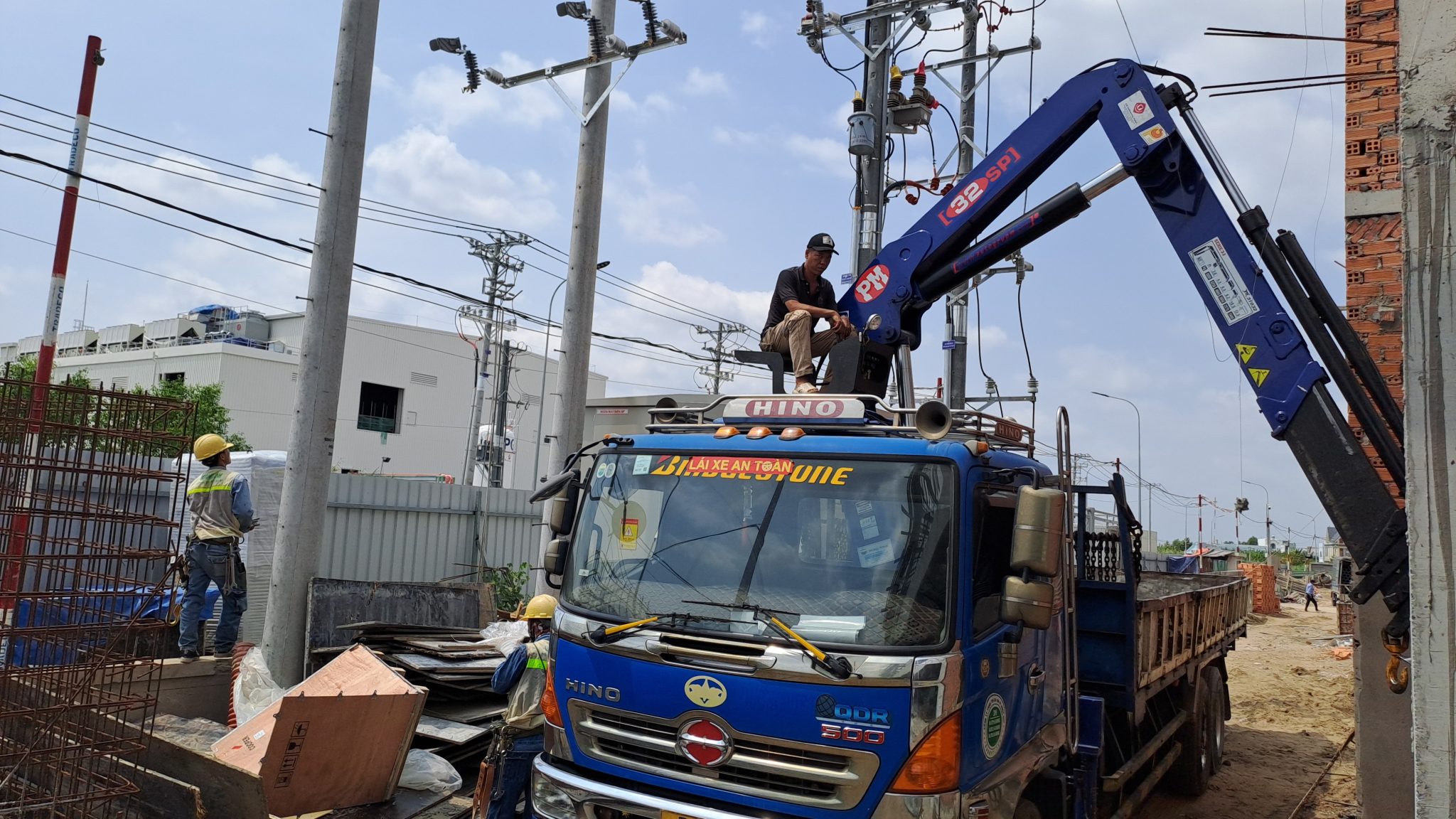
Transformer stations play a vital role in energy and industrial projects, optimizing investment and operational costs. Understanding pricing factors aids investors in making more informed decisions.
For detailed consultations and customized transformer station quotes tailored to your business needs, contact QuangAnhcons at +84 9 1975 8191.
QuangAnhcons offers expert consultancy and installation services for transformer stations, including solutions tailored to customer needs, enhancing utility and cost efficiency.
[contact-form-7 id="7239967" title="Contact form 1"]
Related Posts
Comparing Oil and Dry Transformers in Industrial Projects
Distinguish between oil and dry transformers based on installation site, safety, maintenance, energy losses, initial [...]
Mar
Electrical Overload Warning Signs in Factories
Recognize early indicators of factory electrical overload such as voltage drops, overheating equipment, circuit breaker [...]
Mar
Risks of Overloading Industrial Transformers Without Upgrades
Keeping the same low-voltage transformer while increasing factory loads can result in overheating, insulation degradation, [...]
Mar
Evaluating and Implementing Transformer Contractors in Tay Ninh
Criteria for selecting transformer substation contractors in Tay Ninh, EPC scope, and factors affecting project [...]
Mar
Comparing Oil and Dry Transformers for Industrial Applications
Examine oil and dry transformers based on installation location, fire safety, maintenance, energy loss, investment [...]
Mar
Comprehensive 1500kVA Transformer Station Budget for Manufacturing Facilities
Guidance for creating a detailed budget list for a 1500kVA transformer station, including medium voltage [...]
Mar
Comprehensive Transformer Station Pricing: Elements and Considerations
Examine key components in comprehensive transformer station pricing including design, equipment, construction, testing, and connection [...]
Mar
Pricing Guide for 4000kVA Transformer Stations: Configuration, Cost, and Investment Process
An overview of configuration, cost estimates, connection approaches, and investment checklists for 4000kVA transformer stations [...]
Mar
Pricing and Setup of 3200kVA Transformer Stations: Configuration, Costs, and Investment Procedure
Explore the pricing structure for a 3200kVA transformer station, primary equipment configuration, cost variables, EVN [...]
Mar
Cost Estimation for 2500kVA Transformer Station: Configuration, Expenses, and Investment Process
Reference framework for quoting a 2500kVA transformer station based on configuration, station type, cable solutions, [...]
Mar
2000kVA Transformer Station Guide: Configuration, Costs, and Investment Process
Discover key aspects of a 2000kVA transformer station: from technical configuration and cost analysis to [...]
Mar
Pricing and Configuration Guide for 1600kVA Substations
A detailed guide on pricing for 1600kVA substations, including equipment specs, connection costs, EVN procedures, [...]
Mar
Comprehensive Guide to 1500kVA Substation Pricing: Configuration, Costs, and Investment Process
A comprehensive overview of configurations, costs, construction methods, connection procedures, and contractor selection for 1500kVA [...]
Mar
Tay Ninh Solar Power Planning: Technical Framework, Grid Interconnection, and Rollout Roadmap
Technical overview of solar planning in Tay Ninh: irradiation, grid capacity, permitting, design, operations, and [...]
Dec
Binh Duong Solar Planning: Regulatory Framework, Grid Interconnection, and an Implementation Roadmap for Factories and Industrial Parks
An overview of Binh Duong solar planning: legal framework, interconnection, design, risk management, and an [...]
Dec
Solar Farm Repair: O&M Workflow, IV Curve Diagnostics, Thermography, Inverter Service and Utility-Scale Safety
A utility-scale solar farm repair plan centered on O&M, IV curves, thermal imaging, inverter service, [...]
Dec
Dong Nai Solar Power Plan 2023–2025: Tri An 1,029 MW, Grid Upgrades and the DPPA Pathway
A complete look at Dong Nai’s solar power plan: Tri An 1,029 MW, irradiation potential, [...]
Nov
Quang Ngai Solar Power Plan 2024–2030: Legal Framework, Irradiance Potential, and Development Roadmap
A complete look at Quang Ngai’s solar power plan: capacity targets, irradiance (PVout), development zones, [...]
Nov
Solar Damage Assessment Services: On-Site Procedures, EL/IV/Thermography Testing & Compliance with Standards
Discover IEC/UL/NEC standard solar damage assessment processes: on-site evaluation, EL and IV curve testing, thermal [...]
Nov
Comprehensive Package Estimate for a 1800MVA 500kV Substation: Scope, Configuration 3x600MVA, Standards and Timeline Management
An overview of the 1800MVA 500kV substation estimate: construction scope, configuration 3x600MVA, GIS/AIS, SCADA, standards, [...]
Nov