

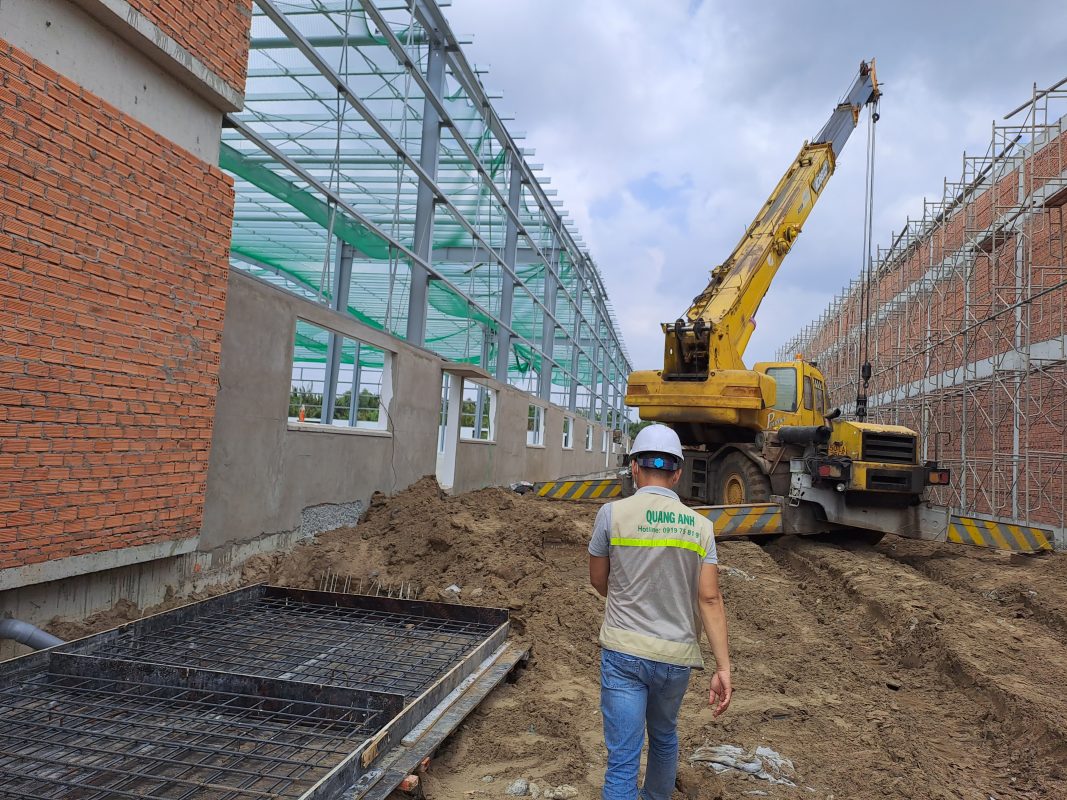
Investing in 90kW electric vehicle charging stations requires a detailed cost analysis that extends beyond just the charging units to include transformer stations and accompanying electrical infrastructure.
Investment in 90kW Charging Units
Investment costs for a 90kW charging station are significantly influenced by the prices of the 90kW rapid charging units themselves. These units demand advanced technology to ensure fast charging speeds along with safety features and intelligent management. Choosing and installing the correct charging units can optimize both upfront investments and long-term operational costs. Thus, careful consideration is necessary to balance budgetary constraints with technical needs effectively.
A key factor in the investment is the cost for the 90kW charger itself, covering not only the equipment but also various other affecting factors.
Costs for Equipment and Construction
- Equipment Price: The 90kW chargers are priced from approximately VND 180 million to VND 400 million, comparable to similar chargers with capacities of 60 kW and 120 kW. This cost parity results from the device’s standardized power range.
- Installation and Accessories: Installation costs, including cable laying, protective casing, and electrical testing, range from VND 10 million to VND 30 million. These expenses can vary depending on the installation site and distance from the main power source.
Management and Maintenance Factors
- Separate Electric Meter: Should a separate metering device be required for the 90kW charger, an additional cost between VND 2 – 5 million may occur.
- Management Software: Smart charging management systems may incur licensing fees ranging from VND 5 to 20 million, varying by the features provided.
- Maintenance Costs: To ensure the system’s stable operation, regular maintenance costs approximately VND 500,000 to 1 million annually, depending on the service contract.
Ancillary and Legal Factors
Establishing a 90kW charging unit also emphasizes the necessity of subsidiary infrastructure like transformer stations. Building new transformer stations could cost several hundred million dong, especially if construction demands more specific site conditions. Legal processes such as electrical safety inspections and construction permits could further increase costs, depending on local regulations.
Overall, investing in a 90kW rapid charging unit can range from about VND 200 to 450 million or more, encompassing equipment, installation, and additional factors.
Cost of Transformer Station and Electrical Infrastructure
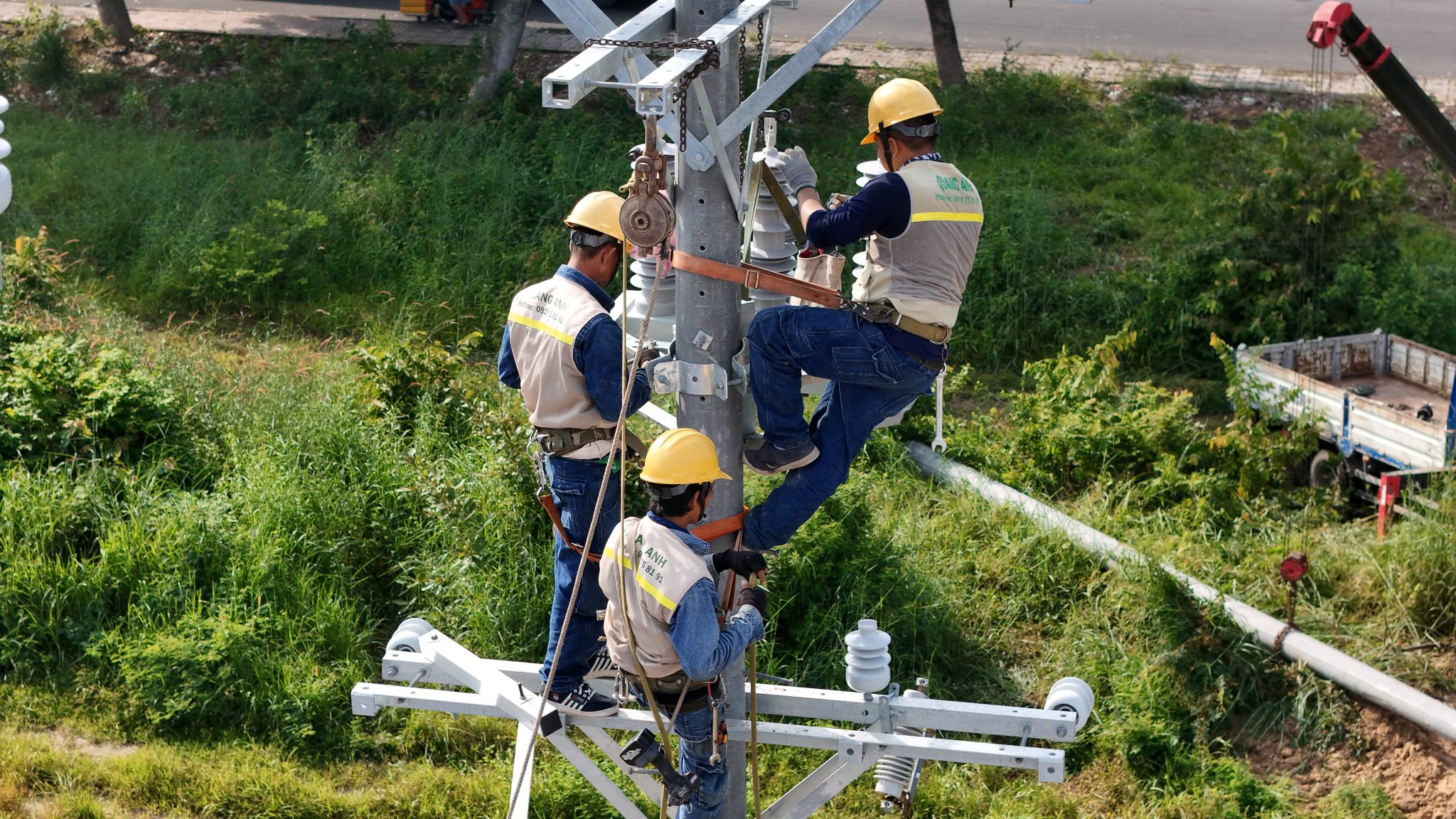
A significant part of the investment cost for a 90kW electric vehicle charging station is due to the construction of the charging station’s electrical infrastructure and transformer station. To support the large capacity needed for charging units, businesses must invest in appropriately powered transformer stations and standard electrical infrastructure. Proper infrastructure preparation ensures stable and safe charging system operation. Investing in the correct type of transformer station not only lengthens equipment lifespan but also optimizes operational costs.
Costs for the transformer station and electrical infrastructure are vital considerations directly impacting business investment decisions within the construction and energy sectors. Expenditures here are influenced by factors such as station power capacity, type, material equipment, installation location, and current technical standards.
Transformer station costs fluctuate based on capacity and type. For instance, a 100 KVA transformer station costs around VND 283 million for a pole type, VND 322 million for a steel pole, and VND 512 million for a kiosk type. Capacities above 1500 KVA may exceed a billion dong. Pricing varies with design characteristics and materials used, excluding VAT, transport, and installation costs.
Equipment plays a crucial role in forming transformer station installation costs. Main components include transformers from brands like Thibidi and Sanaky, Cadivi electrical cables, and Mitsubishi and Schneider switchgears. Selecting equipment carefully is crucial to assure quality and efficiency.
Installation costs can increase depending on location and project complexity. Normally, installation fees are separate from equipment purchase, so investors need to consider total inclusive costs for setup and material transportation.
Regarding regulations, investors must adhere to energy sector standards, especially when consuming large power capacities. Installing a dedicated transformer station not only satisfies high energy needs but is also imperative for ensuring system safety and efficiency.
Operating and Management Costs
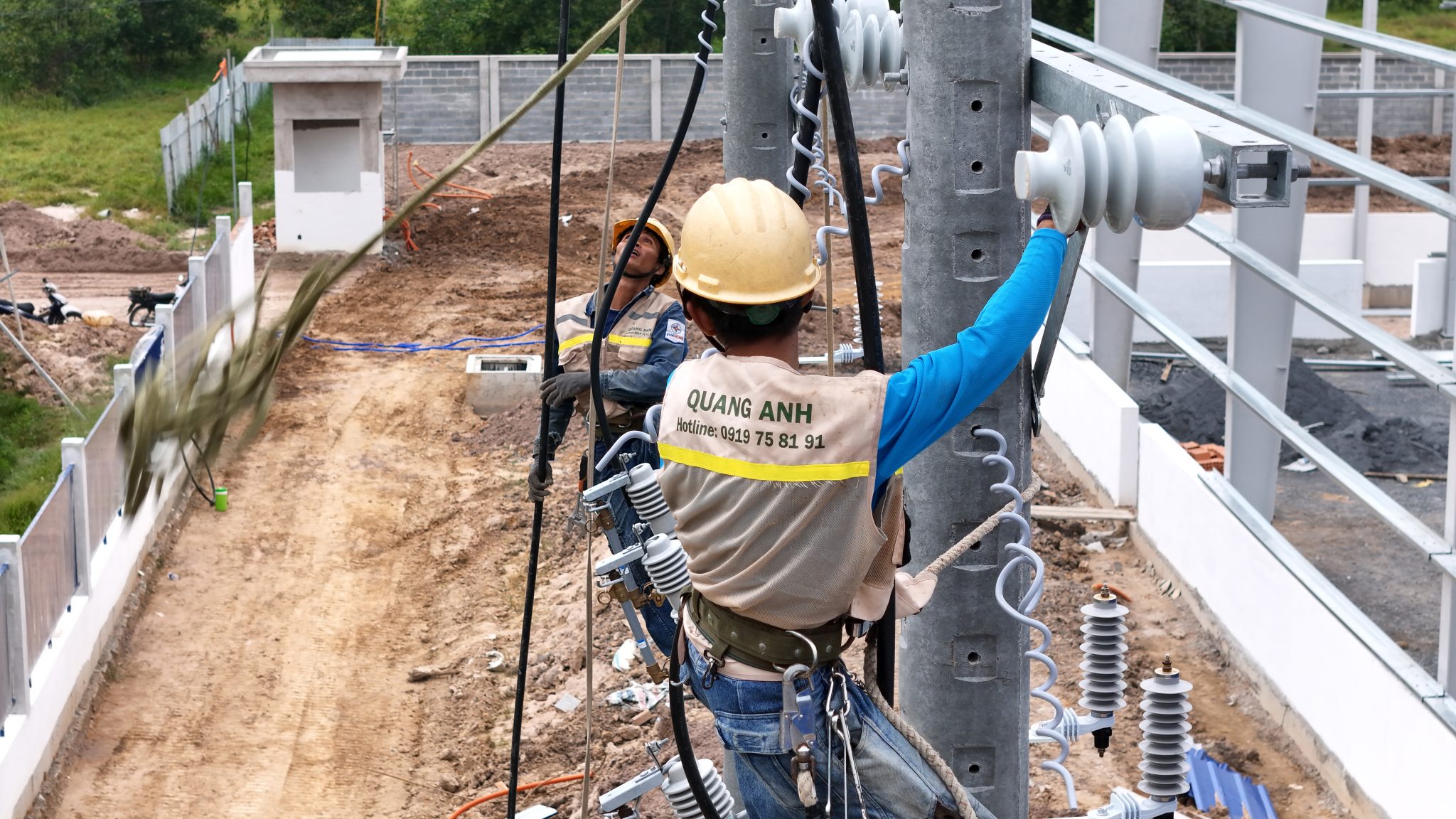
Beyond initial investments, the operating and management costs of charging stations form a critical part of the total investment calculation for a 90kW electric vehicle charging station. This spans maintenance, smart electrical system management, and additional labor costs. Effective management can optimize energy usage, alleviating pressure on infrastructure and resulting in long-term savings for businesses.
Operating and management costs are essential to any business operation, especially for electric vehicle charging stations. Managing these costs strategically is vital for optimal efficiency.
Firstly, staff management costs are fundamental in maintaining continual station operations. These include salaries, bonuses, allowances, and social and health insurance. Training and development for management staff are also critical for enhancing work efficiency.
Secondly, management material costs cover expenses such as office supplies, documents, and daily work tools. Additionally, materials for repairs and maintenance of fixed assets fall under this category.
Next are office supply costs, involving procurement and maintenance of equipment like computers, printers, and other office furniture. These expenses are essential in sustaining an efficient work environment.
Depreciation costs of fixed assets must also be considered, such as depreciation of long-term machinery and equipment. Businesses must calculate these costs carefully to optimize them.
Furthermore, other expenses like leasing premises, taxes, and fees must be accurately projected to avoid significant impacts on the budget.
Regarding operating costs, they typically divide into fixed and variable costs. Fixed costs, such as property rent and salaries for management staff, do not fluctuate with production volume. In contrast, variable costs change with output, encompassing materials and direct labor.
The common formula for calculating operating costs is:
[ \text{Operating Cost} = \text{Revenue} – \text{Other Operating Income} – \text{Cost of Goods Sold} ]Ultimately, rigorous control of operating and management costs is necessary to ensure efficient station operation, simultaneously optimizing energy consumption costs and alleviating pressure on the electrical system. This also significantly contributes to the company’s sustainable development strategy.
Investing in a 90kW electric vehicle charging station can provide considerable technical advantages and market opportunities. A detailed investment plan enables businesses to optimize costs and enhance efficiency, leading to long-term profitability and competitive standing.
Contact QuangAnhcons to explore cost-effective solutions for investing in electric vehicle charging stations: +84 9 1975 8191
QuangAnhcons offers consultancy, construction, and management services for electric vehicle charging stations, ensuring competitive and optimized investment costs for 90kW charging stations.
[contact-form-7 id="7239967" title="Contact form 1"]
Related Posts
Comparing Oil and Dry Transformers in Industrial Projects
Distinguish between oil and dry transformers based on installation site, safety, maintenance, energy losses, initial [...]
Mar
Electrical Overload Warning Signs in Factories
Recognize early indicators of factory electrical overload such as voltage drops, overheating equipment, circuit breaker [...]
Mar
Risks of Overloading Industrial Transformers Without Upgrades
Keeping the same low-voltage transformer while increasing factory loads can result in overheating, insulation degradation, [...]
Mar
Evaluating and Implementing Transformer Contractors in Tay Ninh
Criteria for selecting transformer substation contractors in Tay Ninh, EPC scope, and factors affecting project [...]
Mar
Comparing Oil and Dry Transformers for Industrial Applications
Examine oil and dry transformers based on installation location, fire safety, maintenance, energy loss, investment [...]
Mar
Comprehensive 1500kVA Transformer Station Budget for Manufacturing Facilities
Guidance for creating a detailed budget list for a 1500kVA transformer station, including medium voltage [...]
Mar
Comprehensive Transformer Station Pricing: Elements and Considerations
Examine key components in comprehensive transformer station pricing including design, equipment, construction, testing, and connection [...]
Mar
Pricing Guide for 4000kVA Transformer Stations: Configuration, Cost, and Investment Process
An overview of configuration, cost estimates, connection approaches, and investment checklists for 4000kVA transformer stations [...]
Mar
Pricing and Setup of 3200kVA Transformer Stations: Configuration, Costs, and Investment Procedure
Explore the pricing structure for a 3200kVA transformer station, primary equipment configuration, cost variables, EVN [...]
Mar
Cost Estimation for 2500kVA Transformer Station: Configuration, Expenses, and Investment Process
Reference framework for quoting a 2500kVA transformer station based on configuration, station type, cable solutions, [...]
Mar
2000kVA Transformer Station Guide: Configuration, Costs, and Investment Process
Discover key aspects of a 2000kVA transformer station: from technical configuration and cost analysis to [...]
Mar
Pricing and Configuration Guide for 1600kVA Substations
A detailed guide on pricing for 1600kVA substations, including equipment specs, connection costs, EVN procedures, [...]
Mar
Comprehensive Guide to 1500kVA Substation Pricing: Configuration, Costs, and Investment Process
A comprehensive overview of configurations, costs, construction methods, connection procedures, and contractor selection for 1500kVA [...]
Mar
Tay Ninh Solar Power Planning: Technical Framework, Grid Interconnection, and Rollout Roadmap
Technical overview of solar planning in Tay Ninh: irradiation, grid capacity, permitting, design, operations, and [...]
Dec
Binh Duong Solar Planning: Regulatory Framework, Grid Interconnection, and an Implementation Roadmap for Factories and Industrial Parks
An overview of Binh Duong solar planning: legal framework, interconnection, design, risk management, and an [...]
Dec
Solar Farm Repair: O&M Workflow, IV Curve Diagnostics, Thermography, Inverter Service and Utility-Scale Safety
A utility-scale solar farm repair plan centered on O&M, IV curves, thermal imaging, inverter service, [...]
Dec
Dong Nai Solar Power Plan 2023–2025: Tri An 1,029 MW, Grid Upgrades and the DPPA Pathway
A complete look at Dong Nai’s solar power plan: Tri An 1,029 MW, irradiation potential, [...]
Nov
Quang Ngai Solar Power Plan 2024–2030: Legal Framework, Irradiance Potential, and Development Roadmap
A complete look at Quang Ngai’s solar power plan: capacity targets, irradiance (PVout), development zones, [...]
Nov
Solar Damage Assessment Services: On-Site Procedures, EL/IV/Thermography Testing & Compliance with Standards
Discover IEC/UL/NEC standard solar damage assessment processes: on-site evaluation, EL and IV curve testing, thermal [...]
Nov
Comprehensive Package Estimate for a 1800MVA 500kV Substation: Scope, Configuration 3x600MVA, Standards and Timeline Management
An overview of the 1800MVA 500kV substation estimate: construction scope, configuration 3x600MVA, GIS/AIS, SCADA, standards, [...]
Nov