

Quick Summary
- No single fixed price fits all transformer stations; costs vary significantly based on capacity, power grade, and connection scope.
- Segregating quotes by equipment groups, construction, installation, testing, and procedures helps avoid underestimation.
- The phase of obtaining electricity and regional utility requirements can alter timelines and overall investment costs.
- Comparing new builds, upgrades, or relocations should be informed by current conditions and outage risks, not just initial price.
- Providing accurate initial data supports realistic quotes and minimizes plan adjustments.
Who is this for?
- Industrial project investors budgeting for new transformer stations
- Technical departments evaluating new builds, upgrades, or relocations
- Procurement specialists understanding EPC transformer station quotes
When should you read this?
- When estimating transformer station investments for the 2026 plan
- When capacity increase needs arise but upgrade plans are unclear
- When preparing to coordinate technical and utility connection scope
Table of Contents:
When inquiring about transformer station costs for 2026, it’s crucial not to rely on a single estimate but to thoroughly understand the cost scope and the variables affecting estimates. For factory projects, disparities often stem from capacity, medium voltage solutions, site conditions, connection procedures, and the completeness of initial documentation.
Understanding Transformer Station Costs by Components in 2026
Segregating into main equipment, civil works, installation connects, and auxiliary systems provides a clearer evaluation of transformer station costs in 2026.
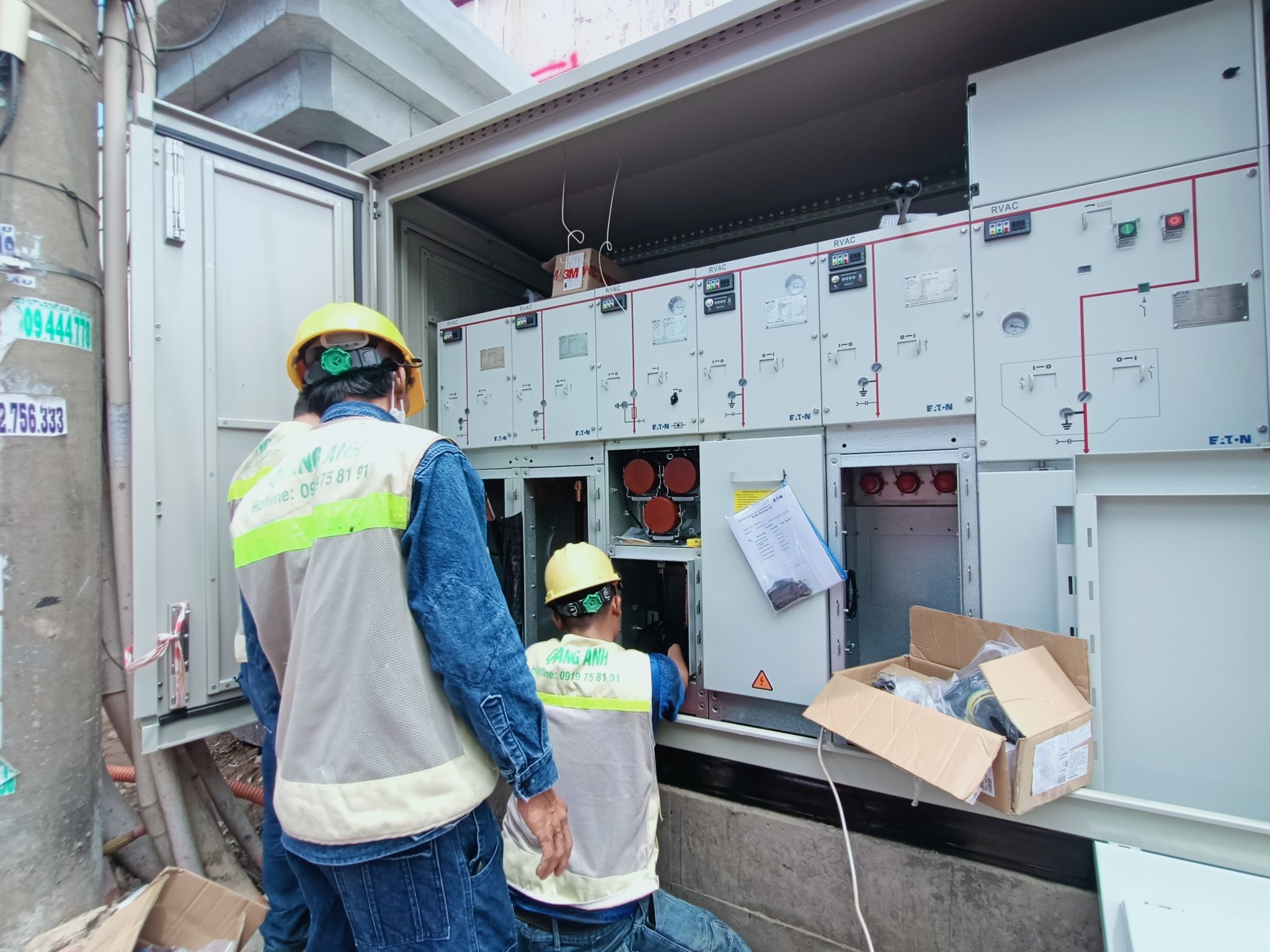
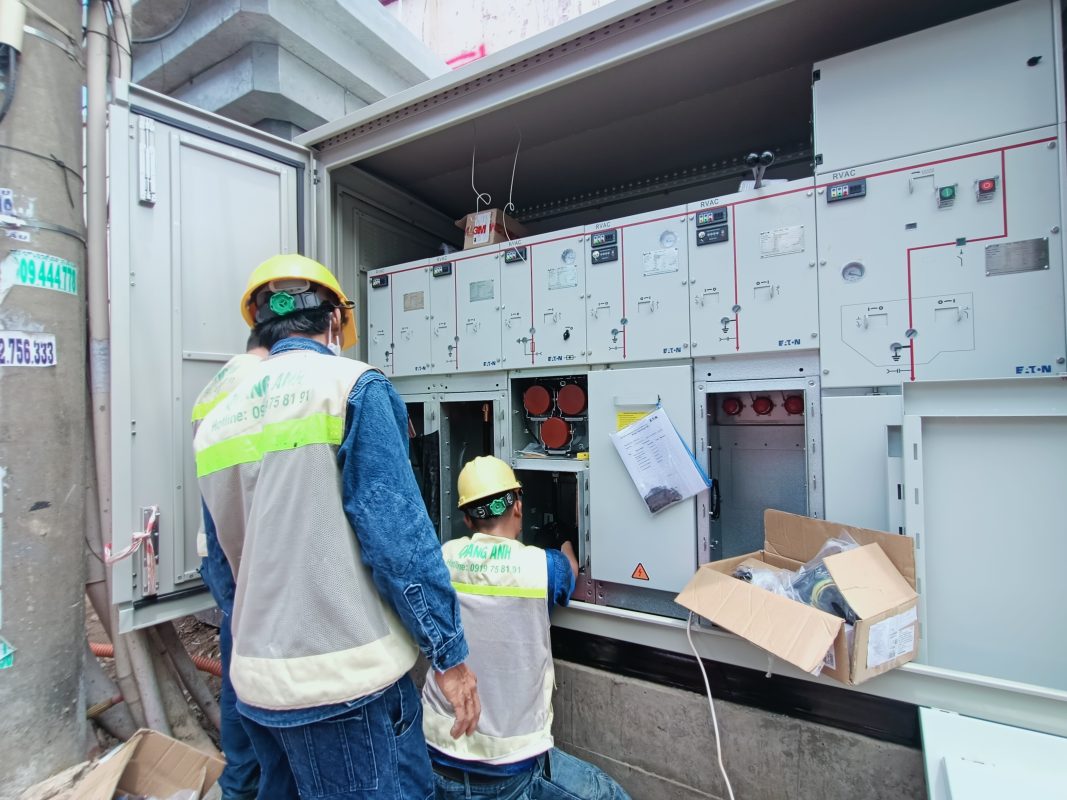
Transformer station costs for 2026 should be categorized by groups: main equipment, civil constructions, installation connections, and auxiliary systems.
Typically, transformers represent the largest share and vary by capacities of 100–2500 kVA and transformer types (style, steel frame, kiosks). Lump-sum quotes usually combine these items, so checking the scope of design, construction, and acceptance is necessary.
On-site inspection at factories should verify low-voltage costs (distribution boards, cables, protection, measurements) and check commonly required voltage levels such as 22 kV / 0.4 kV. Site construction and equipment origins (domestic or imported) are often the factors that alter unit prices.
| Cost Group | Item | On-Site Check Points |
|---|---|---|
| Main Equipment | Transformers, RMU cabinets, medium voltage cables | Check transformer capacity (100-2500 kVA), type; frames are typically 20-40% cheaper than kiosks. |
| Civil Works | Foundation, station building, fencing | Survey terrain; foundation costs often account for about 10-20% depending on soil conditions and scale. |
| Installation & Connection | Cable pulling, medium voltage connection, low voltage circuits | Measure connection distance to EVN poles (basic mark 40 m); exceeding this, typically add around 35 million for each additional 40 m. |
| Auxiliary Equipment | Lightning protection, lighting, ventilation, SCADA | Evaluate SCADA and lightning protection requirements; these additions can increase total costs by about 5-15% depending on requirements. |
| Fees & Acceptance | EVN connection fees, verification | Mandatory fees; generally account for around 2-5% of the total investment. |
Under maintenance or upgrade cases, consider the costs of dismantling and relocating the old station. When drafting a quote request, contractors should be asked to separate items for design, equipment supply, installation, and safety acceptance for comparison.
Practical conclusion: before finalizing prices, onsite surveys are necessary to determine connection distances, foundation conditions, and reserve power requirements, then request a detailed analysis chart by each cost group.
Key Variables Most Impactful on Quotes
Factors such as capacity, voltage grade, installation location, and connection distance are decisive variables influencing transformer station costs.
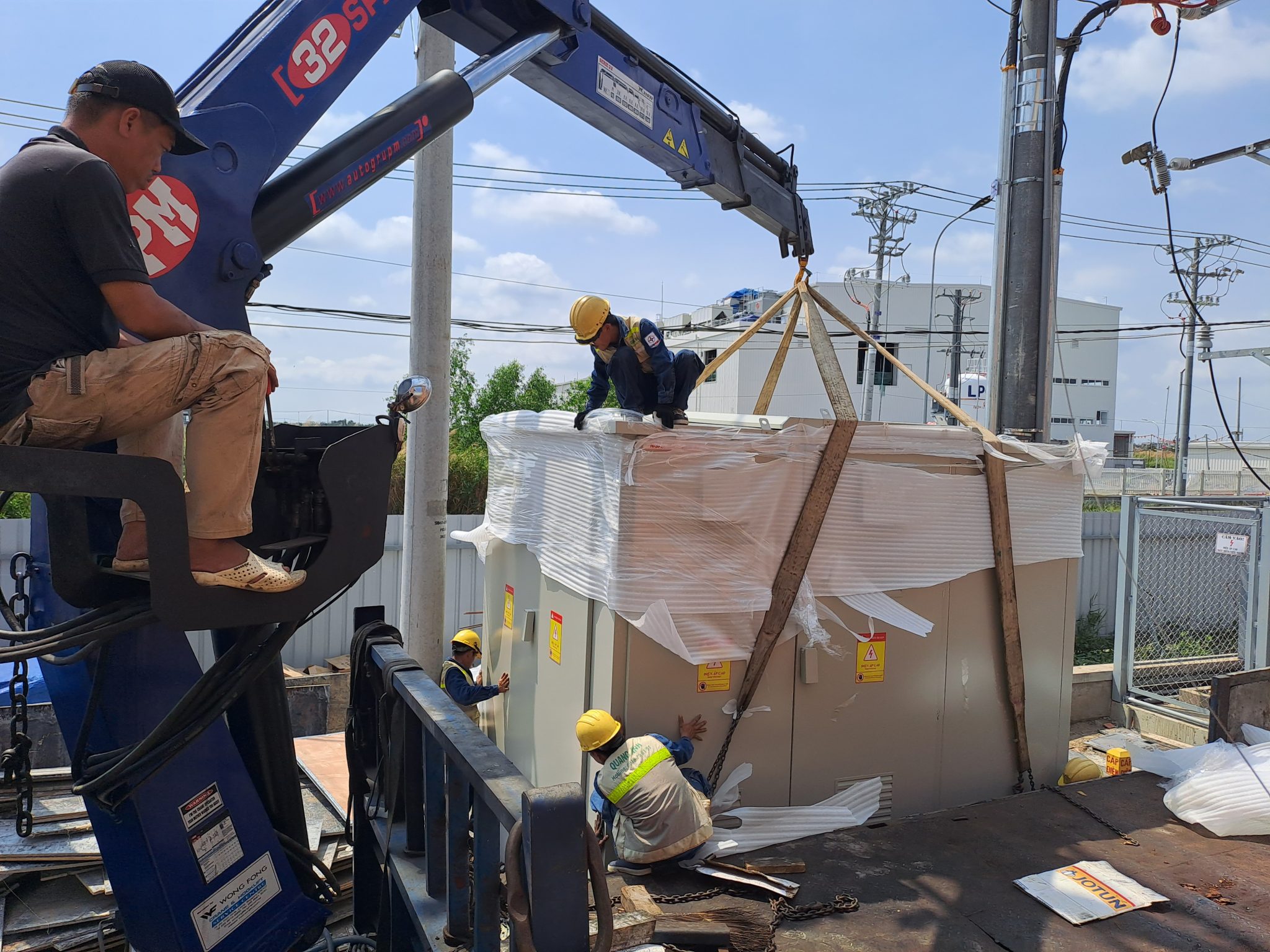
The primary variables pulling transformer station quote costs are capacity, voltage grade, machine type, and station location, alongside the impact of connection distance and site conditions.
Capacity (kVA) serves as the main variable, and costs increase with scale but not linearly; a 100kVA station differs significantly from 1000kVA or 2500kVA in materials and lift frames. For practical factory scenarios, a 100kVA station (frame type) costs around 464 million VND, whereas an outdoor 2500kVA unit may reach 3.48 billion VND; these figures reflect costs of both equipment and foundation infrastructure.
Voltage grades directly influence transformer configuration, protection details, and test requirements; the same capacity with grades of 12.7kV, 22kV, or 35kV have different costs due to material and testing requirements. Core types are pivotal: silicon cores are standard, whereas amorphous cores are costlier but reduce losses; transformer types (oil, dry, resin) dictate differing initial and operational costs.
Location dictates supplementary construction items and project complexity; indoor stations generally cost more than outdoor, while integrated kiosks usually have higher prices due to protective and measurement equipment. Concerning field conditions, if the connection distance to EVN medium voltage lines exceeds 40m, line extension costs apply, with 35.5 million VND reference per additional 40m.
| Factor | Impact on Cost | Required Data for Final Quote |
|---|---|---|
| Capacity (kVA) | Determines machine size, lift frames, foundation costs; costs increase non-linearly with capacity | Required capacity, load factor, reserve objectives |
| Voltage Grade | Affects breakers, medium voltage equipment, testing, and insulation materials | Projected medium voltage grade (12.7/22/35kV or higher) |
| Location | Dictates construction structure, fire protection, ventilation; integrated kiosks tend to cost more | Indoor/outdoor/kiosks, terrain, distance to power lines |
| Connection Distance | Medium voltage line extension incurs labor and material costs | Actual distance to EVN point; if >40m, calculate additional per 40m segment |
Terrain and access conditions directly affect construction costs; hard-to-reach areas or those requiring auxiliary infrastructure will escalate labor and equipment needs. Onsite factory surveys should assess transformer transportation into position, baseline stability, and safety distances with existing machinery.
Testing and inspection expenses shift with voltage levels and capacity; adherence to standards (QCVN, TCVN, IEC) usually heightens testing over simpler acceptance. During maintenance or site surveys, precise initial testing requirements must be outlined in the quote.
Real-world decisions: if connection distances exceed 40m, track line extension costs per 40m; if amorphous cores or dry machines are required, adjust equipment cost projections accordingly. Ensure onsite inspections, providing blueprint locations, voltage levels, and required capacities to delineate precise equipment, infrastructure, and construction costs.
Data Required for Accurate Quotes
An overview of technical and field data required to minimize discrepancies between preliminary quotes and actual transformer station deployment costs.
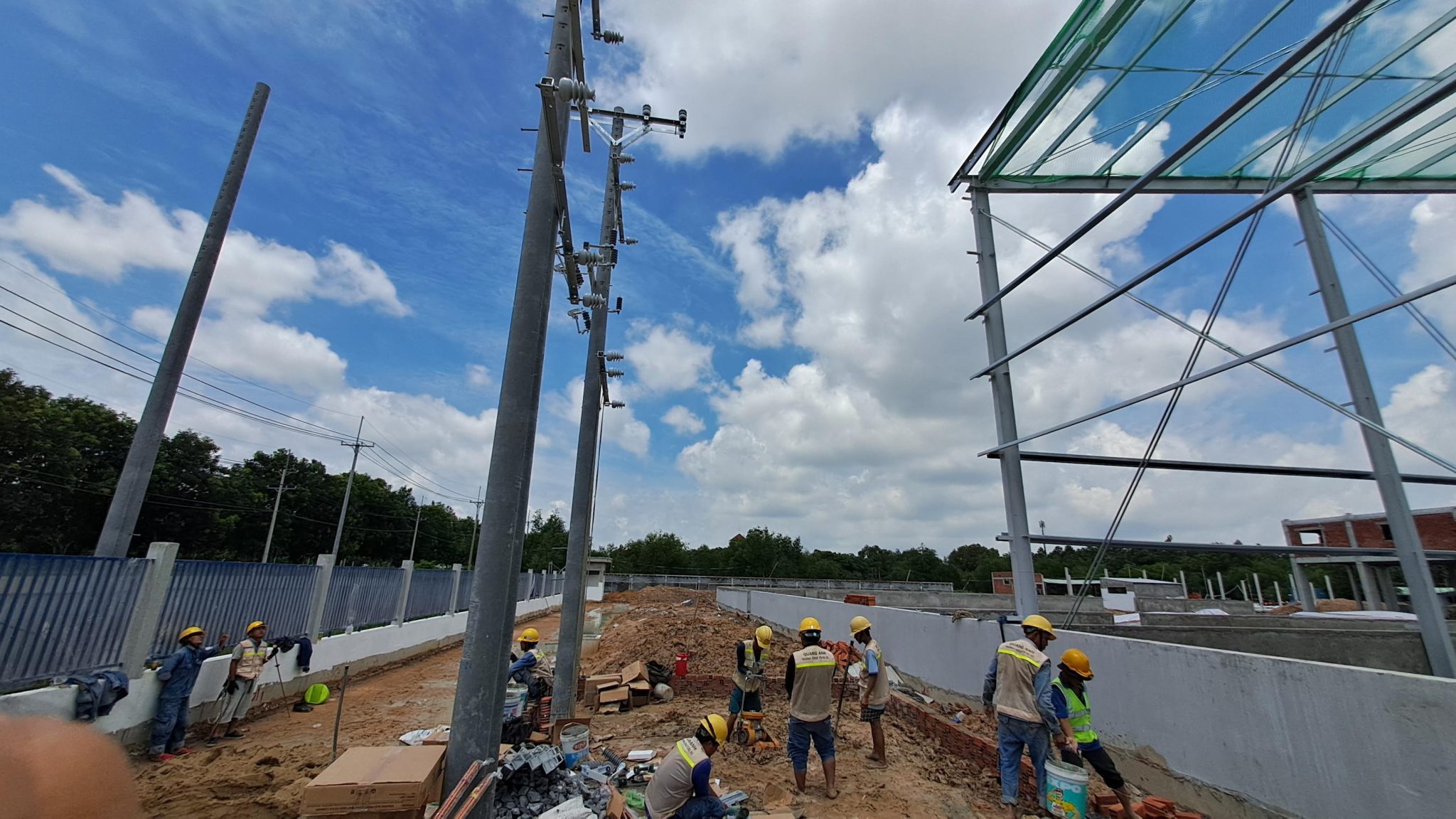
Essential technical and onsite data include: transformer power (kVA), medium voltage, station type, distance to lines, current and future load, installation location, EPC scope, testing requirements, and safety equipment.
Onsite specifics such as installed transformer capacity are pivotal in dictating equipment costs and station layout; medium voltage figures (e.g., 15kV, 22kV, 35kV, or 12.7/0.23kV) directly shape transformer selection and cable connection cross-section. Field surveys should measure the real distance from the station to medium voltage lines and note layout conditions (indoor, outdoor, underground), as these factors alter materials and labor investments.
Load demand and load characteristics provide key data for loss estimation and appropriate capacity selection; COSφ, peak/off-peak distribution, and load growth forecasts must be detailed. In upgrade, renovation, or relocation cases, existing condition surveys are crucial, as dismantling, old insulation handling, or foundation reinforcement can incur extra costs.
- Electric parameters: power (kVA), medium/low voltage, COSφ — verified by connection drawings or onsite measurements.
- Station type: style, steel frame, kiosks, composite — verify positioning, foundation, and grounding needs.
- Cable extension: distance to EVN medium voltage lines — beyond 40m, expect additional cable costs.
- Contract scope: design-construction-connection (EPC) or construction only — clarify to separate consultancy and construction costs.
- Inspection requirements: EVN verification/testing, relay and lightning protection — list these to calculate testing costs.
Suggested quotation strategy: separate equipment costs (transformer, panels, cables), construction (foundation, structures, panels), cable pulling, and acceptance; use state-regulated manpower and material standards for estimations. Operational caution: lacking future load data or unsurveyed conditions make quotations preliminary—conduct site surveys to finalize pricing.
| Component | Description | Check Points |
|---|---|---|
| Main Equipment | Transformers as per required power and voltage | Confirm kVA, primary/secondary voltage, and transformer type |
| Station Structure | Style/steel/kiosk/combo, foundation, grounding | Record the location, ground condition, grounding capability |
| Connection and Cables | Medium voltage cable extension, low voltage cables, connection materials | Measure distance to line, determine cable cross-section |
| Acceptance and Protection | Testing, verification, relays, lightning protection | Note EVN acceptance requirements and protection equipment listed |
Lightly stated conclusion: after gathering sufficient technical documentation and field surveys, clear cost items can be separated and quotes finalized accurately; any missing information necessitates organizing field surveys to avoid substantial deployment cost overruns.
Frequently Overlooked Work Scope in Budgets
Commonly overlooked budget items in transformer station estimates: testing and verification, as-built documentation, EVN connection procedures, site safety, and operation training.
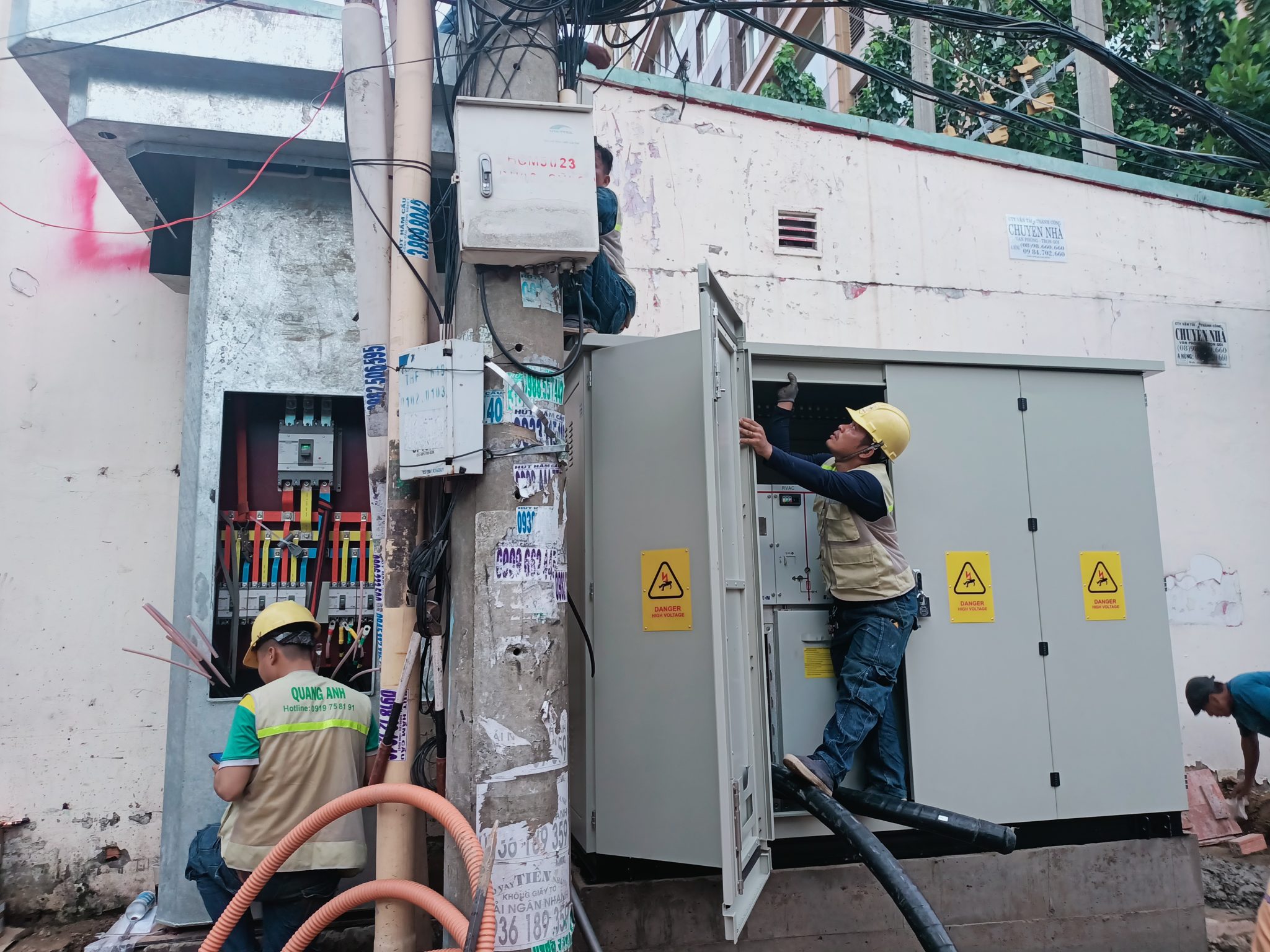
Items often omitted from budgets encompass testing and verification, as-built drawings, EVN connection procedures, on-site safety requirements, and operational training.
In actual factory scenarios, testing insulation, measuring grounding, and verifying relays are mandatory pre-acceptance conditions before receiving EVN approval; omitting these leads to supplementary testing demands or employing independent testing experts.
During factory surveys, verify that technical documentation follows the as-built and includes comprehensive acceptance records, as administrative EVN connection processes often mandate these to finalize activation.
| Item | Practical Check Indicators | Recommended Actions |
|---|---|---|
| Testing & Verification | No test plan, lacking insulation or grounding test records | Develop a test plan, budget for lab or expert hiring |
| As-built and Acceptance Records | Unfiled completion drawings, unsigned acceptance records | Allocate budget for compiling as-built and complete acceptance records |
| EVN Connection Procedures | Missing permits, inspection records, or compatibility certificates | Check EVN requirements early, budget for admin and safety checks |
| On-site Safety | No barricades, personal protection plans, or safety supervision | Estimate for safety measures, provide PPE, and on-site supervision staff |
| Operation Training & Handover | No training schedule, incomplete operating documents | Budget for practical training and complete handover documentation |
Practical operating warnings: missing verification testing may lead EVN to demand independent tests before activation; incomplete as-built documents may delay connection and incur extra administrative expenses.
- During maintenance or trial runs, checking insulation and grounding are decisive for acceptance.
- While inspecting onsite, immediately review documentation to detect as-built or acceptance gaps.
- Budget for expert independent testing if the initial quote does not cover testing for EVN acceptance goals.
Conclusion: Prior to finalizing budgets, create a checklist of testing, documentation, and safety items while conducting field surveys to reasonably predict and avoid late-stage financial surges.
When to Build New, Upgrade, or Relocate a Station
Deciding to build new, upgrade, or relocate the station based on the current state, risk of production halts, expansion capacity, and additional costs.
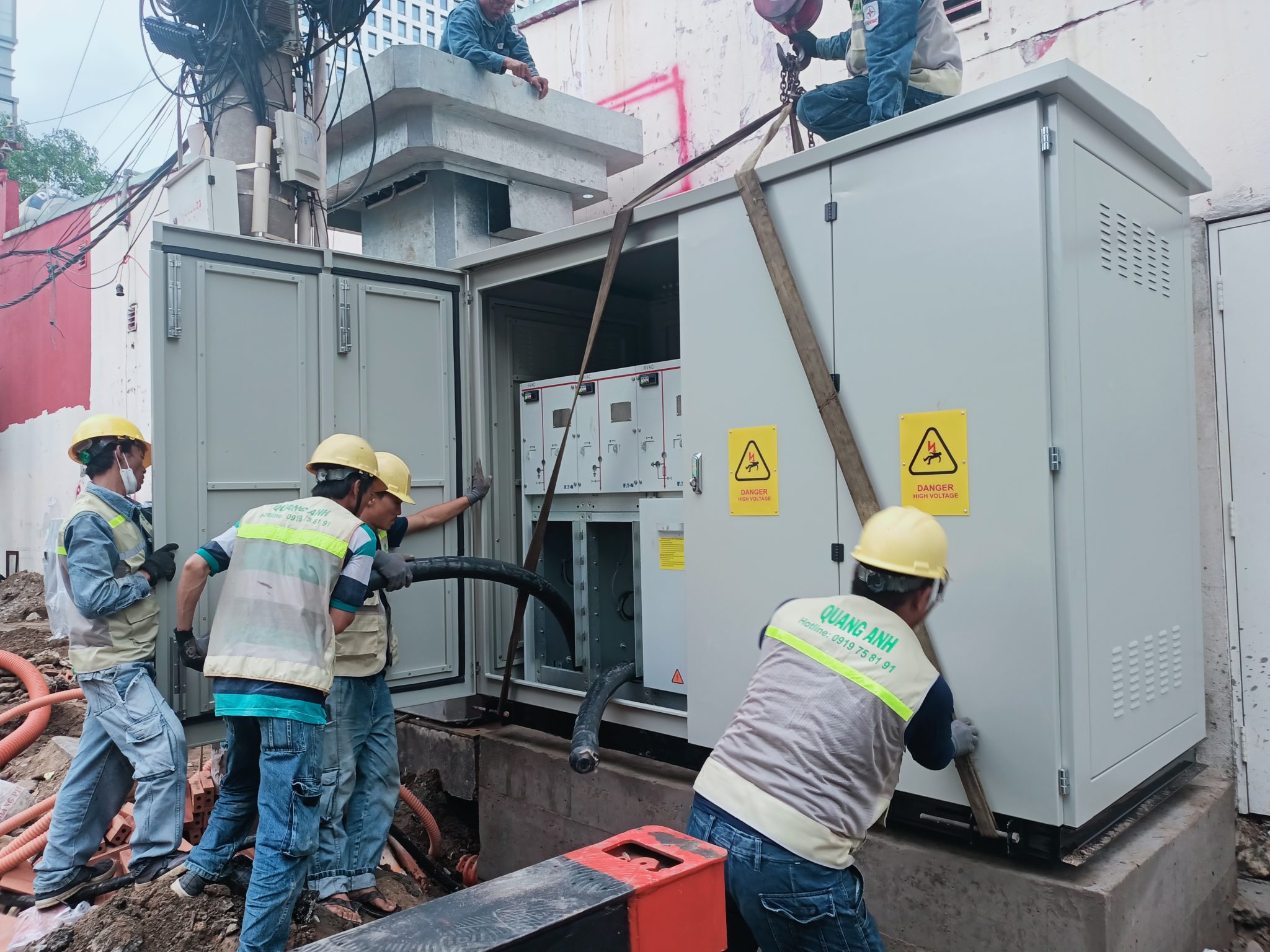
Start new builds when load demands surpass current capacity and the previous location can’t expand or meet electrical grade requirements.
Upgrades are suitable when load increases reach 60–80% of rated capacity and location allows intervention. Factory surveys should measure load current, check device arrangement, and installation conditions. Upgrades often incur testing, cable replacement, and protection upgrades if old equipment is incompatible.
Relocation is necessary when the current station location is unsuitable due to plant expansion, planning, or safety risks. Relocation costs comprise disassembly, transport, new installation, and EVN connection fees. According to available data, relocation costs increase by 35.5 million VND for each distance exceeding 40m.
| Scenario | Recommended Choice | On-Site Survey |
|---|---|---|
| Load demand far exceeds capacity with no expansion options | Build new station for long-term flexibility | Check area, licensing potential, and EVN power supply sources |
| Load increases to 60–80% of rated capacity | Upgrade: replace with larger transformers or add parallel units | Measure load current, check device and cable compatibility |
| Station location unsuitable (planning, safety, or plant expansion) | Relocate station to a more suitable place | Measure distance to medium voltage lines, survey safety risks |
Production halt risk is a critical factor; if station failure causes significant losses, prioritize building new or upgrading early to provide backup. When surveying at the plant, compile technical reports, forecast 5–10 year load, and complete EVN permission procedures before deployment.
How Survey to Power On Sequence Affects Costs
Describes the sequence from survey, design, utility approval to acceptance and power on, noting points that directly impact costs and timelines.
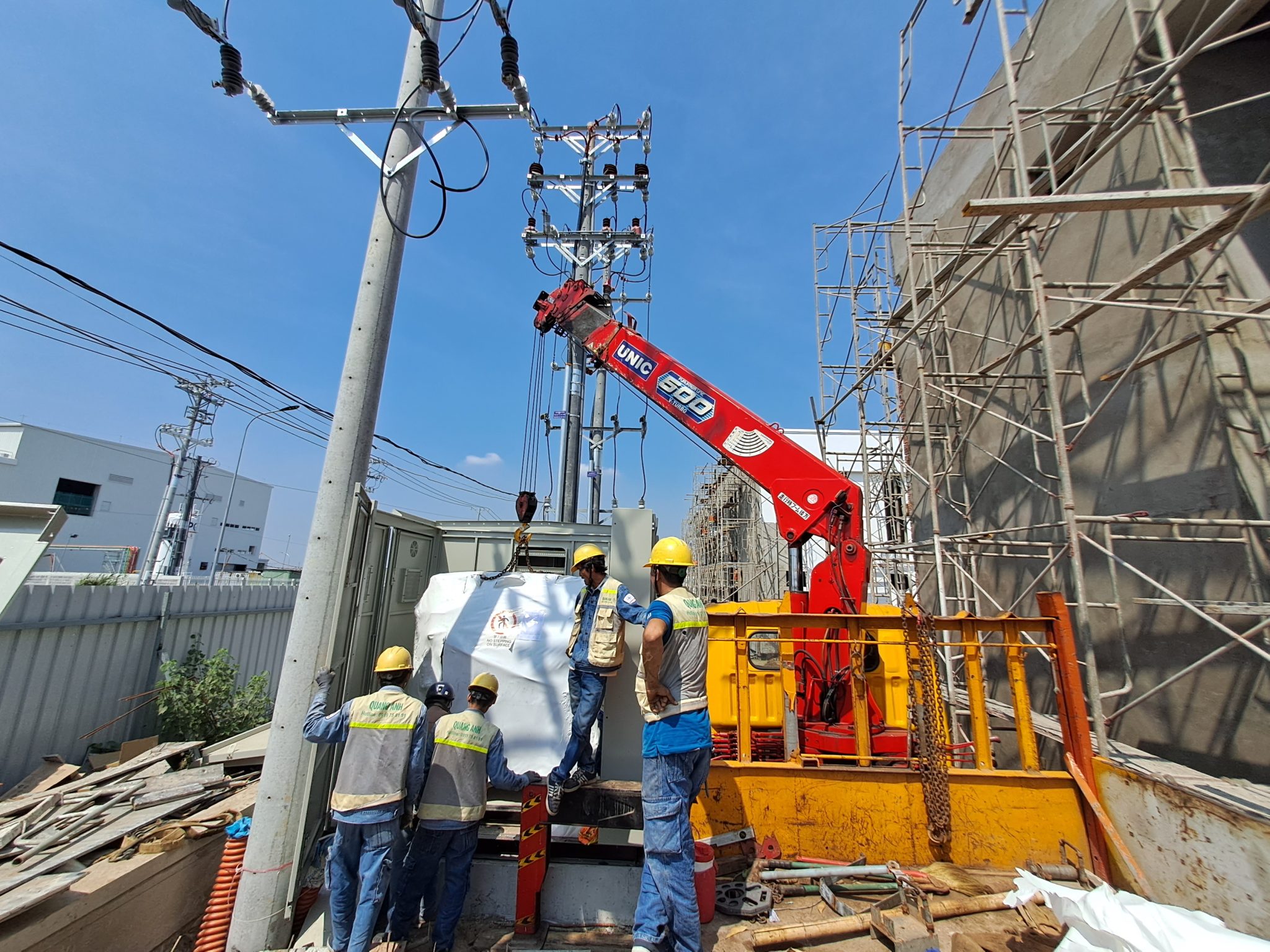
The sequence from survey to power-on directly affects costs and timelines, as each coordination with utilities and field conditions can incur additional expenses. In terms of site conditions, determining station locations and medium voltage connection distances is the first step in impacting cable pulling and material costs.
Onsite surveys must check terrain, geological conditions, and distance to medium voltage lines; distances >40m typically increase cable pulling costs proportionally. Technical designs must meet EVN specifications; errors in this phase necessitate drawing adjustments and additional building materials and construction tasks. Utility design approvals usually extend project timelines, and approval delays increase equipment rental and labor costs.
| Component | Description | Check Points |
|---|---|---|
| Field Survey | Determine station location, medium voltage connection distance, geological conditions | Measure distance to lines; submit geological report |
| Design & Approval | Ensure design complies with EVN specs, complete approval documentation | Cross-check EVN standards; estimated approval timing |
| Foundation & Transformer Installation | Construct foundation, verify transformer placement, pre-acceptance testing | Geological check results; insulation testing |
| Medium Voltage Connection & Power On | Align with utility schedules, connect, pass safety and fire protection checks | Power outage schedule, fire and electrical safety acceptance records |
Verification testing per standard procedure is a pivotal step; acceptance failures lead to revisions or repeated work, escalating costs. Fire and electrical safety acceptance to regulatory standards is mandatory before continuous power delivery; document or site shortcomings may lead to fines or additional correction costs. Temporary or permanent power activation depends on EVN approval, and any delays affect cash flow and project timelines.
Field decisions include determining the final connection distance, provision periods for EVN approval, and budgeting for coordination with utility risks; real factory scenarios typically reserve 10-20% for such risk-induced expenses. To finalize budget and schedule prudently, comprehensive field surveys and pre-planning for utility coordination are imperative before securing construction contracts.
To estimate transformer station costs for 2026 accurately, define work scopes, load data, connection points, and site conditions before commencing. When these elements are clear, comparing alternatives and quotes becomes more transparent, reducing risks of overruns in construction and power activation.
Frequently Asked Questions
Can transformer station costs for 2026 be fixed by kVA, or is a real survey needed?
Do not rely solely on kVA. It serves as a starting parameter, but the final quote requires a site survey: medium voltage, station type, EVN line distance, layout, and testing needs. Principle: request thorough surveys include load, location, and connection diagrams.
Do transformer station quotes usually include utility procedures and testing?
Not always; many preliminary quotes exclude EVN connection procedures and acceptance testing. Principle: demand contractors separate scopes — utility procedures, equipment testing, as-built documentation, and acceptance — to clarify included and additional needs; if absent, supplement with detailed documentation and activation schedules.
Why might two quotes with the same capacity differ significantly?
Differences stem from varied scopes and materials: voltage grade, transformer type, core technology, station type (frame/kiosk), medium voltage cable length, infrastructure, testing needs, and warranty. Comparison principle: require detailed breakdowns to identify discrepancy sources and evaluate fairness.
Is it better to upgrade an old station or build new to optimize total costs?
Decision depends on status and risks: upgrades suit well-maintained machines with room and EVN capacity increase permission; build new if site limits require long-term expansion or major production halt risks. Pre-decisions require inspecting transformer conditions, future loads, and site assessments.
Does medium voltage connection and undergrounding cost factor into transformer station pricing?
Medium voltage connection and undergrounding costs are typically separate or clarified within scope. Principle: request contractors to separate ‘cable/undergrounding’ line, detailing length, materials, and EVN procedures; if lumped, seek clarification to check included and extra components.
What documentation is required for swift and accurate quoting?
Present basic documents: load charts, expected power, voltage grades, layout diagrams with connection points, EVN line distance, existing station conditions (if applicable), and expansion needs. Principle: more detail ensures precision; if absent, allow field surveys prior to quote finalization.
How to Request Realistic Transformer Station Quotes
- Determine current and reserve load expansion needs for the factory.
- Prepare data on expected power, voltage grades, installation locations, and site status.
- Clarify scope needing quotes: new build, upgrade, relocation, or include medium voltage undergrounding.
- Request separate quotes by equipment, construction, installation, testing, and related procedures.
- Align exclusion items to avoid absent tasks when comparing providers.
- Review projected power activation timelines and potential issues from utility requirements.
If planning budgets for a factory’s transformer station, start by reviewing load, site conditions, and connection scopes to obtain a fitting quote for necessary work.
[contact-form-7 id="7239967" title="Contact form 1"]
Related Posts
Understanding Transformer Station Costs for Accurate 2026 Estimates
A comprehensive overview of substation pricing in 2026, based on cost components, scope of work, [...]
Apr
Building a 7500KVA Substation: Costs, Timeline, and Project Management Insights
Building a 7500KVA – 22/0.4KV transformer substation requires intricate planning, specialized knowledge in electrical systems, [...]
Jun
Step-by-Step Costs for Constructing a 5000KVA Transformer Substation
Building a 5000KVA – 22/0.4KV transformer substation in Vietnam requires careful planning, deep expertise in [...]
Jun
Key Insights into Constructing a 4000KVA – 22/0.4KV Transformer Substation: Costs, Timeline, and Expertise
Constructing a transformer station is a pivotal task that demands meticulous planning, a robust understanding [...]
Jun
Investment Analysis for a 3200kVA Substation: Comprehensive Guide on Costs and Construction Timeline
The construction of a 3200kVA – 22/0.4kV substation is a sophisticated and detailed process that [...]
Jun
Key Steps and Costs in Building a 3000KVA – 22/0.4KV Substation
Constructing a large-scale transformer station such as the 3000KVA – 22/0.4KV is a significant project [...]
Jun
Detailed Pricing Guide for a 2500kVA Transformer Station Project
Comprehensive Guide to Constructing a 2500KVA Transformer Station in Vietnam Constructing a transformer station in [...]
Jun
How much is the full construction cost for a 1600kVA substation?
Constructing a transformer station is a technologically demanding endeavor that requires a deep understanding of [...]
Apr
What is the total construction price for a 2000kVA transformer substatation in Vietnam?
Comprehensive Guide to 2000kVA Substation Construction Costs in Vietnam 1.Detailed Costs Breakdown In the quest [...]
Apr
What is the total construction price for a 1500kVA substation in Vietnam?
Ensuring Quality and Compliance in Substation Construction Quality assurance and regulatory compliance are pillars of [...]
Apr
How much does it cost to build a complete 1250kVA substation in Vietnam?
The journey to erecting a transformer station is filled with intricate steps and rigorous standards. [...]
Apr
What is the all-inclusive construction cost for a 1000kVA transformer station in Vietnam?
Understanding the financial aspects of constructing a transformer station is crucial for any successful project. [...]
Apr
What is the total price for constructing an all-inclusive 800kVA substation in Vietnam?
Embarking on the construction of a 800kVA – 22/0.4KV substation requires a blend of detailed [...]
Apr
750kVA Substation – How much is the construction cost in Vietnam?
Constructing a transformer station is a complex and significant undertaking that requires careful planning, precision, [...]
Mar
How much is the total cost for constructing a 630kVA transformer station in Vietnam?
In the context where energy plays a pivotal role in socio-economic development and the demand [...]
Mar
Expert Construction of 560kVA Substations – Enhancing Electrical Distribution
As economies grow and the fabric of society becomes increasingly dependent on reliable energy, the [...]
Mar
How much does it cost to construct a 400kVA substation in Vietnam?
In an era where uninterrupted power supply forms the backbone of technological and economic advancements, [...]
Mar
Comprehensive Guide to 320kVA – 22/0.4KV Substation Construction
The necessity for a resilient and efficient power distribution system is ever-increasing in today’s fast-paced [...]
Mar
Comprehensive Guide to Constructing a 250kVA – 22/0.4kV Substation
In the quest to meet the growing demand for electricity in a sustainable and reliable [...]
Mar
Expert 180kVA – 22/0.4kV Substation Construction Services | Quang Anh CE
Addressing the critical need for dependable and efficient energy distribution, the project to introduce a [...]
Mar